What Global Buyers Should Know About 2.5D Curved Cover Glass for Smart Home Control Panels
A smart home control panel is one of the few product surfaces a user touches every day. The glass must look premium, feel comfortable, resist fingerprints, support touch sensitivity and survive cleaning, humidity and daily handling. That is why 2.5D curved cover glass has become a practical default for wall-mounted panels, smart thermostats, appliance control interfaces, hotel room controls and multi-function switch panels.
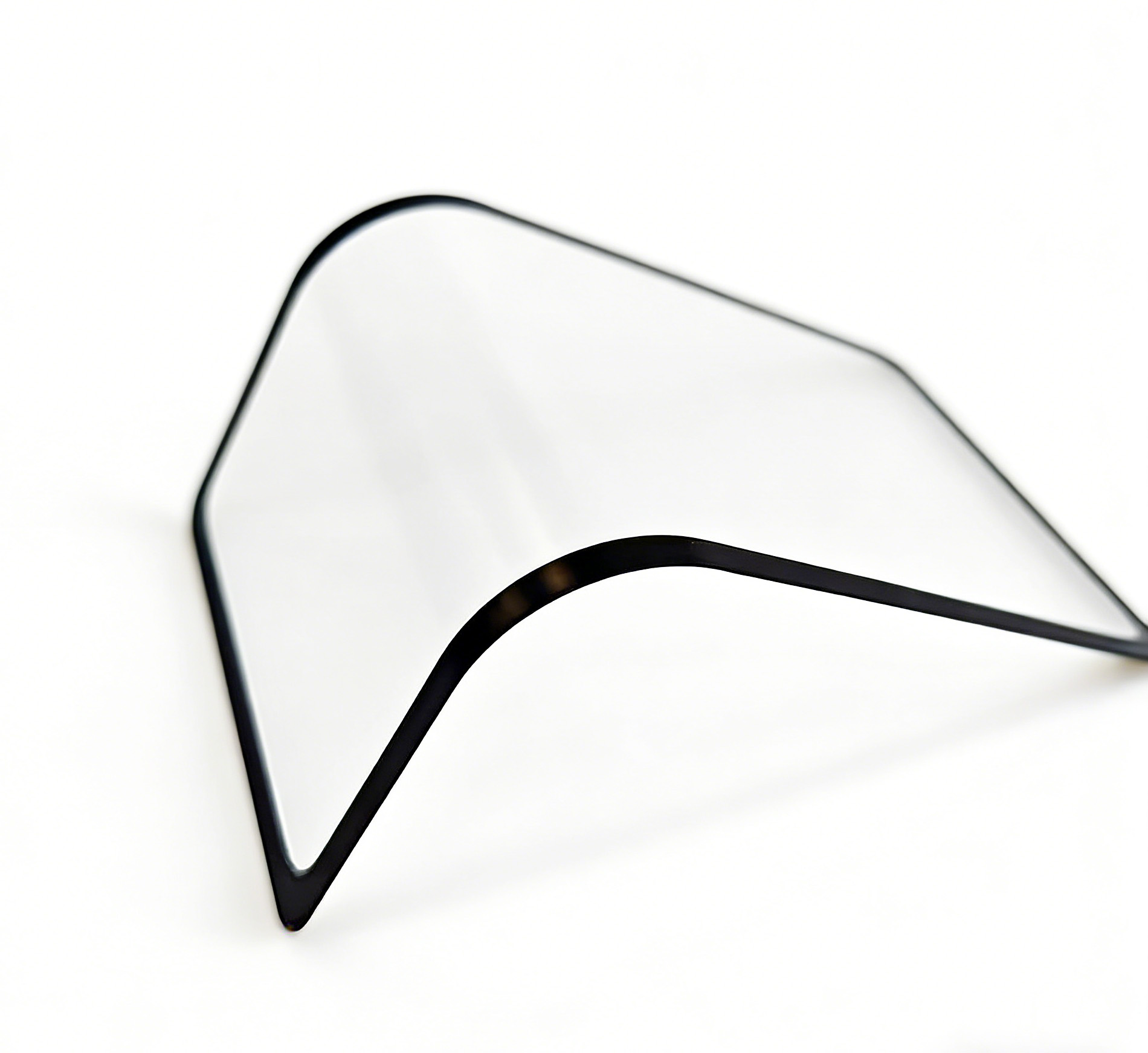
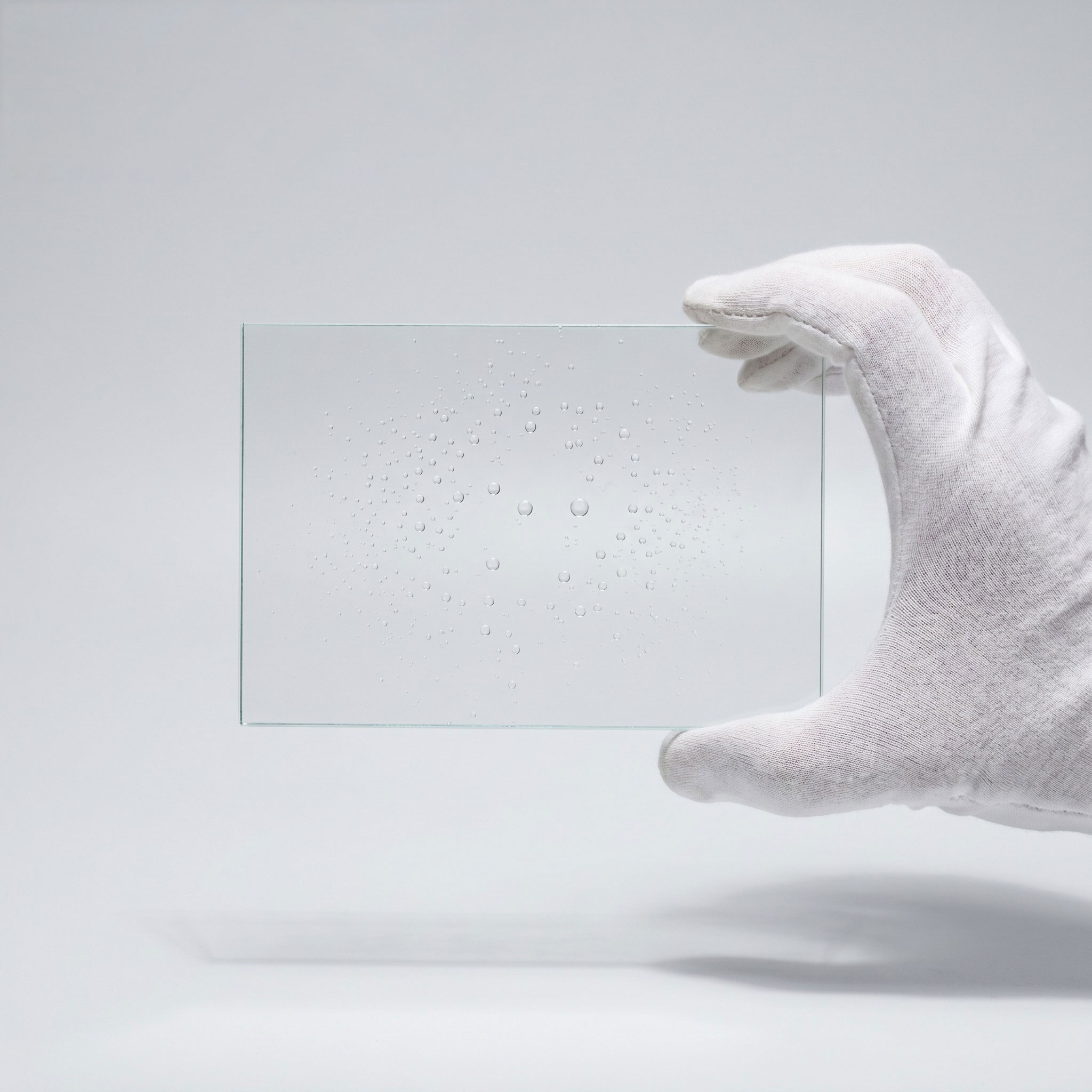
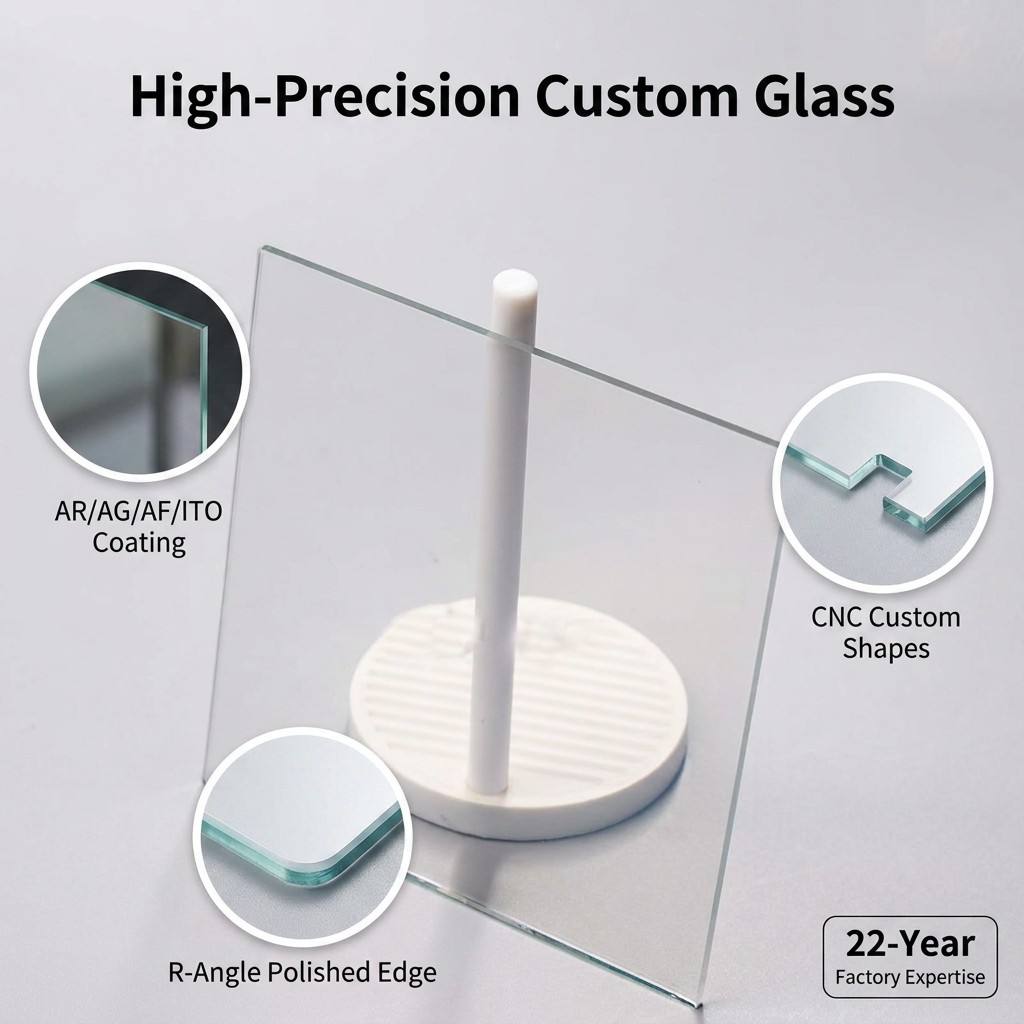
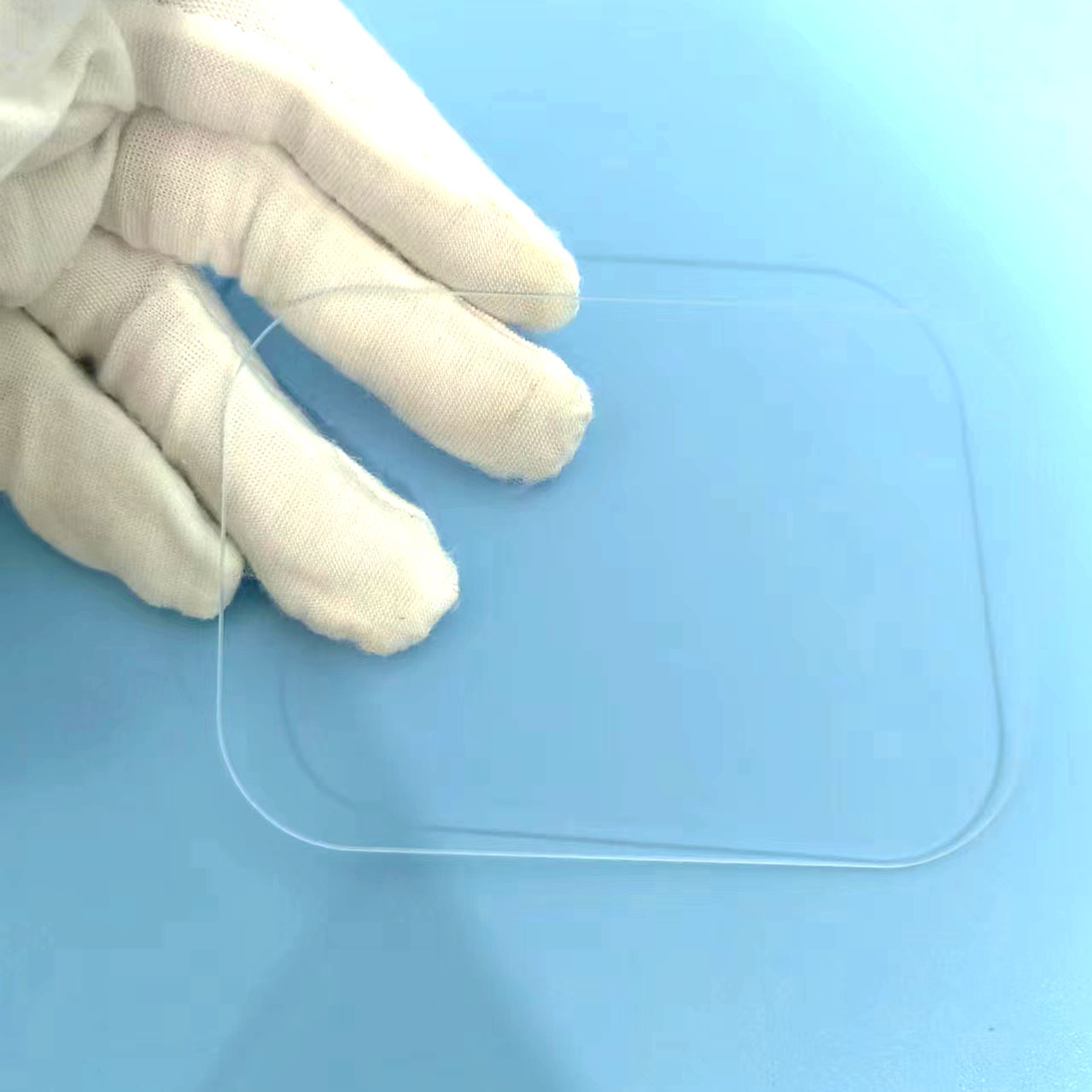
2.5D curved cover glass sits between a flat glass panel and a fully formed 3D glass body. The central viewing area remains flat for optical clarity and touch performance, while the edges are CNC-machined and polished into a smooth curved profile. For the end user, the result is a softer edge, a more comfortable swipe and a seamless transition into the housing. For the brand owner, it reduces the visual gap between glass and enclosure while helping to protect the vulnerable edge zone.
From a sourcing perspective, the challenge is not simply buying glass. The panel is usually part of an assembly that includes printed graphics, an anti-glare or anti-reflective surface, an anti-fingerprint top layer, adhesive, a display or touch stack and a housing. Buyers should specify these elements together. A coating that improves one property can affect another, and a polished edge that looks good on a sample can create assembly issues if the corner radius, tolerance or print alignment is not reviewed early.
Huizhou KELO Glass Co., Ltd. supports this review from a factory-direct position. Our team handles cutting, CNC machining, edge polishing, drilling, silk-screen printing, tempering, coating, 2.5D/3D curved forming and adhesive bonding in-house. That vertical integration gives buyers a single technical contact for glass design, samples, quality controls and volume production instead of coordinating several unrelated workshops.
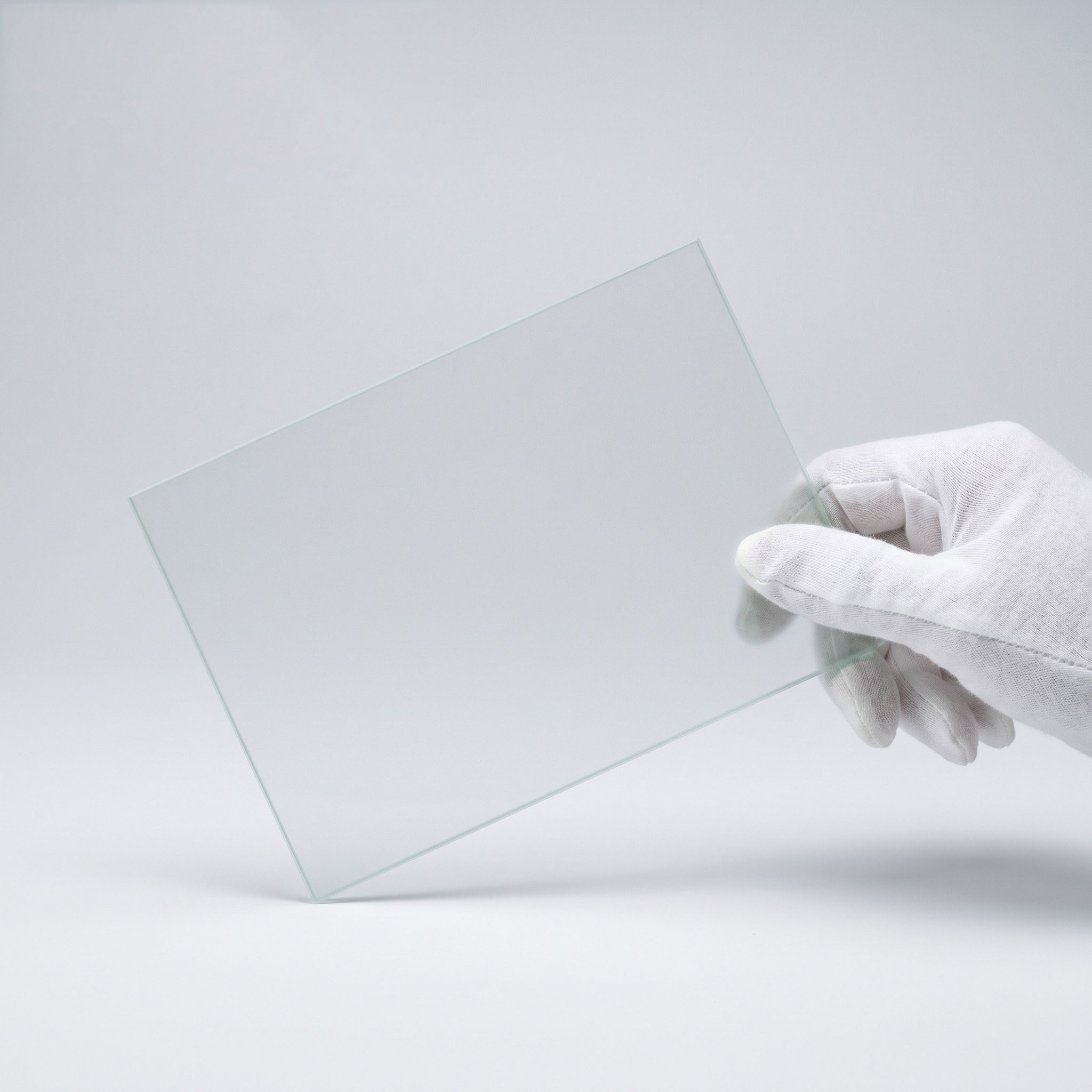
Optical clarity under printed black borders
AF touch feel and easy-clean performance
AG readability in bright interior environments
ITO touch integration and reliable bonding
4.9/5 store rating98.18% reply rateTrade Assurance supported
6 yrsVerified exporter on Alibaba.com
Product Recommendations
Six 2.5D Glass Builds Global Buyers Commonly Shortlist
The best specification depends on the panel size, user interface, lighting conditions, cleaning routine, touch stack and target price. These are the most common starting points our engineers review for smart home control panels.
What to Put in an RFQ for 2.5D Smart Home Control Panel Glass
Clear input avoids repeated samples. The most useful RFQ is not a list of vague adjectives; it is a drawing plus the operating conditions and acceptance criteria that matter to your assembly.
RFQ specification framework for 2.5D curved cover glass for smart home control panels
3M adhesive, lamination, display bonding, venting and rework plan.
3M adhesive bonding and assembly review available.
QualityRelease
Appearance level, dimensional tolerance, coating adhesion and packing approval.
100% appearance check plus tempering, adhesion, abrasion and salt spray tests.
Final targets are confirmed against your drawing, golden sample and assembly trial. Send the CAD drawing, 3D model, artwork and annual volume to start a proper engineering review.
Coating results should be measured and approved on the final stack, not described only by a generic product name.
Future Procurement Trends
What Global Buyers Are Changing in Their 2025–2030 Glass Sourcing Strategy
Procurement teams are moving away from price-only comparison. For smart home control panels, the total cost of a glass panel includes sample iterations, assembly yield, field returns, packaging damage, documentation and supply continuity.
1. Lower-risk sampling before volume
Brand owners increasingly validate fit, optics, print and touch feel before committing to tooling or annual forecasts. Factory-direct sample quantities from 1–2 pieces make this practical and shorten the feedback loop between design and production.
Buyer action: validate the golden sample and drawing together
2. Factory-direct verification becomes standard
Purchasing teams now review factory video, verified assessment, transaction records and direct engineering responses. A trading company cannot explain edge polishing, coating adhesion or tempering controls in the same way as the team running the process.
Buyer action: ask for process ownership, not only product photos
3. Landed-cost planning with DDP options
Freight, duties, packing and claim risk can outweigh a small unit-price difference. KELO Glass supports FOB, CFR, CIF, EXW and DDP terms, helping buyers compare the landed cost of different packing and shipping plans.
Buyer action: compare landed cost, yield and damage rate
4. Coating performance enters the RFQ
Buyers no longer accept “AR” or “AF” as sufficient descriptions. They specify reflectance, haze, gloss, contact angle, hardness and durability targets. This makes the approved sample and test method part of the purchase specification.
Buyer action: put measurable optical targets in the drawing notes
5. Dual sourcing and supply continuity
Smart home brands need uninterrupted launches. A supplier with in-house cutting, CNC, printing, tempering, coating and bonding can respond faster when a design changes. Clear capacity planning for 20–25 million pieces per year supports volume programs.
Buyer action: review capacity, lead time and escalation contacts
6. Packaging damage is part of the scorecard
Thin curved glass can arrive with edge chips or cosmetic marks if packing is underspecified. Honeycomb cartons, blister trays and partition packing should be tested with the actual panel size and surface finish.
Buyer action: request packing approval before mass production
Product Development Trends
Where 2.5D Smart Home Panel Glass Is Heading Next
Smart home interfaces are becoming more integrated, more visually quiet and more demanding in daily use. Glass development is moving in parallel with display, touch, lighting and housing design.
Thinner but stronger
Chemically strengthened and tempered glass allow slimmer panels while maintaining handling and impact resistance.
AG + AF combinations
Glare control and fingerprint resistance are increasingly requested together for kitchens, hallways and multi-user spaces.
AR for black-panel aesthetics
Low-reflection surfaces help black borders and hidden displays look deeper and more premium under interior lighting.
Touch integration
ITO conductive glass supports capacitive touch and EMI-related requirements in a transparent substrate.
Seamless printed borders
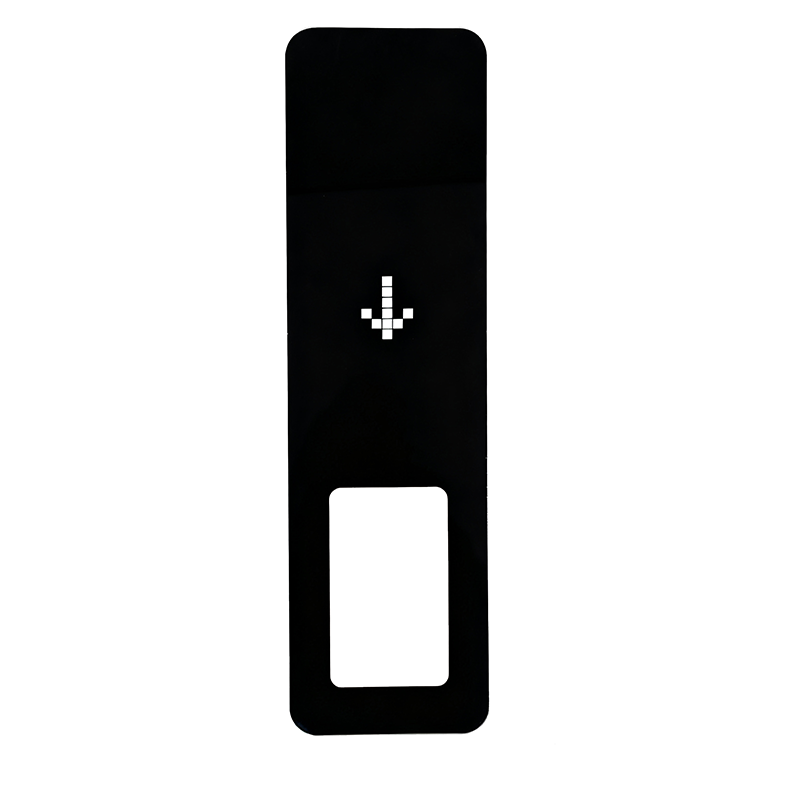
Fine black borders, icon windows and indicator areas require precise printing and edge alignment.
Curved profiles with tighter radii
Housing designers want a smoother transition into the enclosure without a heavy bezel or raised edge.
Cleanability and durability
Coated surfaces must resist repeated wiping with household cleaners while maintaining optical performance.
Specialty materials
Gorilla glass, borosilicate, quartz, sapphire and laminated safety glass expand design choices for demanding environments.
Factory-Direct Advantage
Engineering Depth You Can Audit
Huizhou KELO Glass Co., Ltd. is a manufacturer in Huizhou, Guangdong, China, in the Greater Bay Area electronics supply chain. We specialize in cover glass, touch screen glass and optical coated glass, with advanced surface treatment as our core technology. For buyers sourcing 2.5D curved cover glass for smart home control panels, this means direct technical communication with the people who control cutting, forming, coating, printing, bonding and inspection.
01Cutting & water-jet cutting
02CNC machining & drilling
03Edge polishing for 2.5D profiles
04Laser engraving
05Silk-screen printing
06Sandblasting & frosting
07Flat & curved tempering
08AR / AG / AF / ITO coating
092.5D / 3D curved forming
103M adhesive bonding
Why buyers choose KELO for smart home panel glass
10,000–30,000 m² factory101–200 employees21–30 R&D engineers20–25 million pcs/year100% appearance inspectionSamples from 1–2 pcsBulk lead time 21–31 daysFOB · CFR · CIF · EXW · DDP
Our store rates 4.9/5 with a 98.18% reply rate, and our export experience covers Eastern Europe, Northern Europe, North America, Southern Europe, Western Europe and South America. For drawings, samples and custom solutions, contact info@keloglass.com.
Buyer FAQ
Questions Global Buyers Ask About 2.5D Curved Cover Glass for Smart Home Control Panels
These are the practical questions that come up during RFQs, sample reviews and first production planning for smart home control panel glass.
What is 2.5D curved cover glass for smart home control panels?
2.5D curved cover glass is a flat glass panel whose edges are CNC-machined and polished into a smooth curved profile. It gives smart home control panels a flush, premium touch surface and helps reduce edge chipping while preserving a thin, edge-to-edge appearance.
What thickness and curvature radius should a buyer specify?
The right thickness depends on panel size, touch structure, housing design, impact requirements and weight. KELO Glass can process glass from 0.1 mm to 19 mm, and common control panel designs are reviewed against the drawing. Specify the 2.5D edge profile, corner radius, visible black border, tolerance and assembly method so the supplier can confirm feasibility before sampling.
Which coating is better for a smart home control panel: AR, AG, AF or a combination?
AR anti-reflective coating is used when maximum display clarity and low reflection are priorities. AG anti-glare coating helps diffuse reflections in bright rooms. AF anti-fingerprint coating improves the feel and cleanability of high-touch panels. Combinations such as AG+AF or AR+AG can be specified when the panel must satisfy more than one requirement, subject to optical and cosmetic review.
Can 2.5D curved cover glass include capacitive touch or ITO sensor integration?
Yes. KELO Glass supplies ITO and FTO conductive glass with sheet resistance of 1–20 ohm/sq, transmittance above 85% and haze below 2%. The touch stack, sensor pattern, bonding method and glass thickness should be defined together so that the final assembly maintains sensitivity, optical performance and reliability.
How do you inspect 2.5D edges, printing and coatings?
The inspection plan should confirm edge profile, cosmetic condition, printed border position, coating color and adhesion. KELO Glass applies incoming, in-process and final inspection, including 100% appearance checking plus tempering, adhesion, abrasion and salt spray tests. The approved sample and drawing are the reference for release.
What should be included in an RFQ for 2.5D smart home control panel glass?
Include the 2D or 3D drawing, overall dimensions, glass thickness, 2.5D edge and corner requirements, material preference, coating type and target performance, printing artwork, touch integration details, adhesive and assembly method, annual volume, target packaging and destination. This allows KELO Glass to provide a practical DFM review and quotation.
What sample and minimum order quantities are available?
Sample orders can start from as few as 1–2 pieces so buyers can validate fit, optics, print and coating before volume production. Bulk quantities are quoted according to the drawing, material, coating stack, yield and packaging requirements.
What is the typical production lead time for bulk orders?
Bulk lead time is typically 21–31 days after sample approval, depending on size, thickness, curved forming, coating, printing, touch integration and packing complexity. The schedule is confirmed in the quotation and order review.
How is thin curved glass protected during shipping?
KELO Glass uses custom packaging such as honeycomb cartons, blister trays and partition packing to reduce transit damage. Packaging is reviewed with the panel size and surface finish, and buyers can specify labeling or carton marking for warehouse and line-side handling.
Which trade terms and payment methods does KELO Glass support?
KELO Glass supports FOB, CFR, CIF, EXW and DDP trade terms, and payment methods including T/T, L/C, PayPal and Western Union. Orders placed through Alibaba.com can be protected by Trade Assurance.
Huizhou KELO Glass Co., Ltd. is a factory-direct manufacturer in Huizhou, Guangdong, China, with in-house cutting, CNC, edge polishing, printing, tempering, coating, curved forming and bonding. The factory has 10,000–30,000 square meters of floor area, 101–200 employees and 21–30 R&D engineers, supporting custom OEM and ODM projects with engineering review and sample validation.
Send Your Drawing for a 2.5D Glass Review
Share your CAD drawing, 3D model, artwork, coating target, annual volume and destination. Huizhou KELO Glass Co., Ltd. will review the 2.5D edge profile, printing, coating stack, touch integration, packaging and lead time, then recommend a practical factory-direct solution for your smart home control panel program.