Check edge quality first
Small glass parts are judged by touch. Rough edges, chips and inconsistent chamfers can damage the user experience and increase returns.
Ask for: polished edge samples under magnification




Glass skate feet for gaming mouse products are precision glass components designed to be attached to the bottom of a gaming mouse. Also called glass mouse skates, glass glide feet or hard-surface mouse feet, they create a smooth, stable contact surface between the mouse and the pad. For brands, distributors and e-commerce sellers, this product category offers a way to differentiate a standard gaming mouse accessory with a premium material story, precise edge quality and a distinctive glide feel.
From a sourcing perspective, glass skate feet are not simply “small pieces of glass.” The buyer has to consider glass type, thickness, flatness, edge polishing, surface texture, adhesive compatibility, weight balance, sensor lift-off distance and packaging protection. Huizhou KELO Glass Co., Ltd. reviews these variables during drawing review and sample development so that the approved sample becomes the reference for mass production.
The choice between glass and PTFE is a product-positioning decision. PTFE feet are soft, widely understood and available in many stock formats. Glass skate feet can deliver a hard, consistent and easy-to-clean glide, but they also require a well-matched mousepad and careful edge design. Buyers should evaluate the target audience, mouse weight, expected noise level and whether the product needs a premium visual identity. Our engineering team can help compare options before a tool or order is committed.
Different gaming audiences want different glide characteristics. The recommendations below help buyers match material, surface finish and coating to product positioning instead of quoting a single generic specification.
Recommended for fast-paced gaming and premium accessory kits. A high-polish contact surface, rounded edges and consistent flatness help deliver a crisp, stable glide on compatible pads.
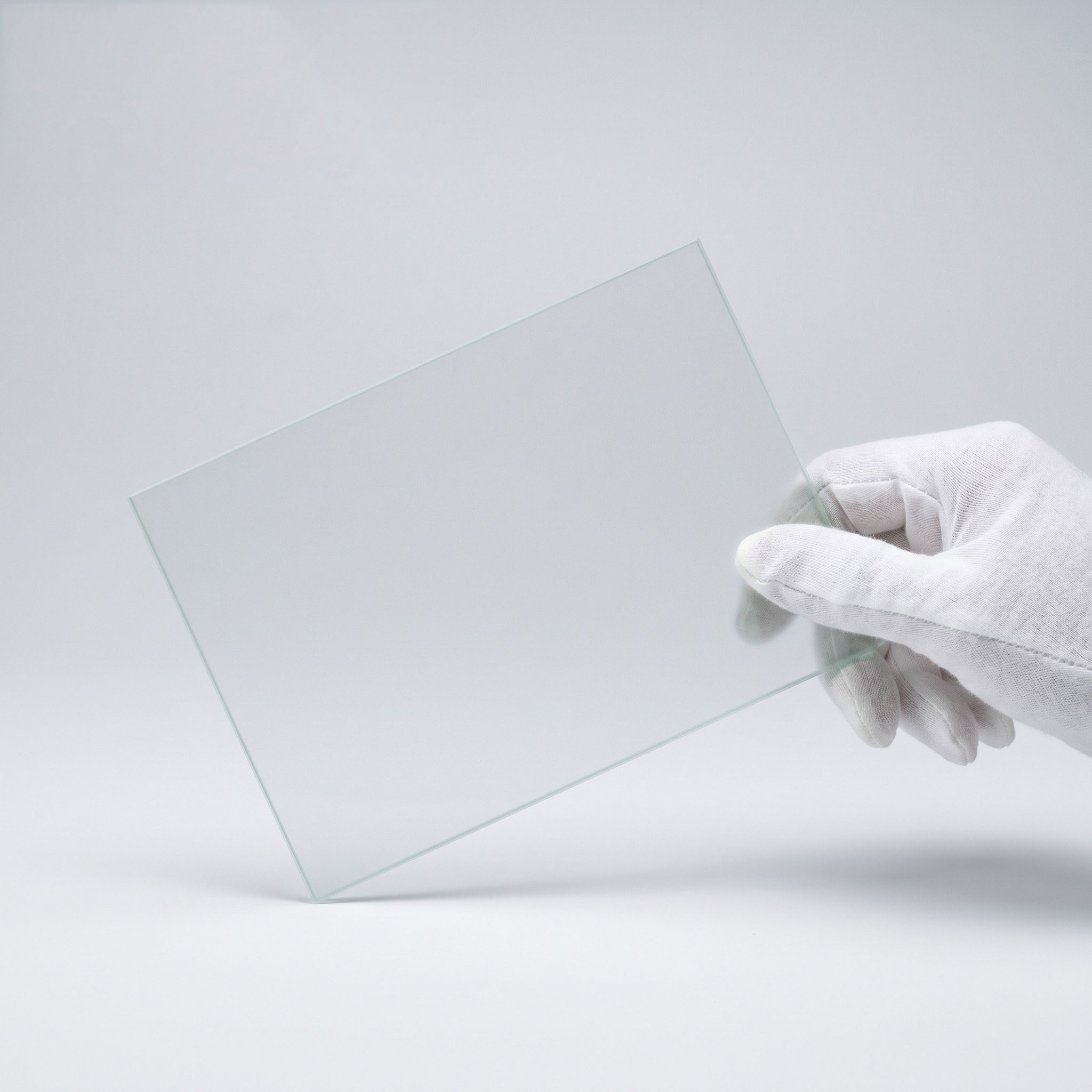
For brands targeting tactical and precision-focused users, a controllable micro-texture can add feedback while retaining the hard-surface benefits of glass. Haze and texture can be developed to sample.
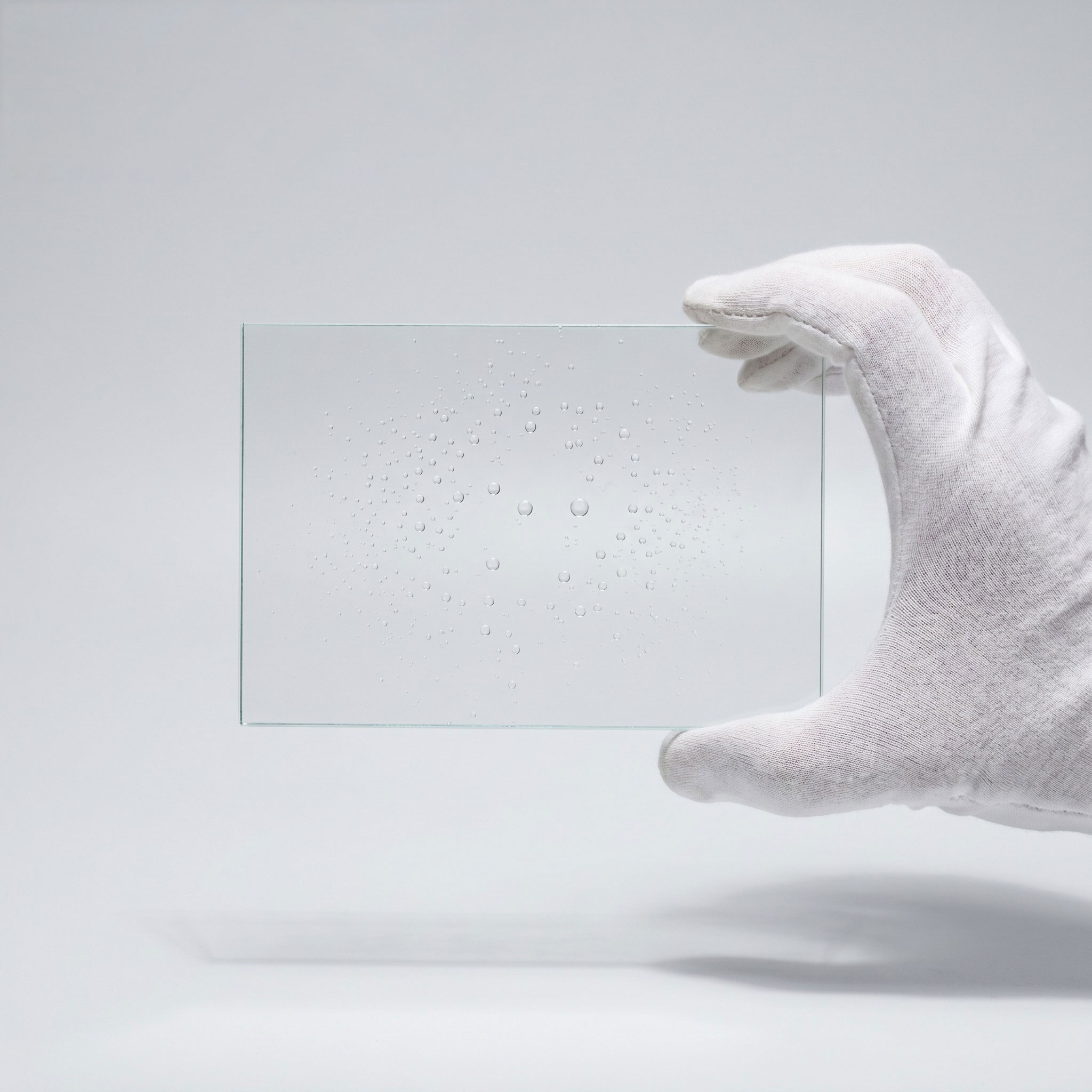
AF coating can help high-touch gaming accessories resist fingerprints and make cleaning easier. For exposed glass surfaces and premium packaging, this finish supports a cleaner unboxing experience.
When the design requires greater strength or a thinner profile, chemically strengthened glass can be evaluated. Final thickness and edge design should be confirmed through fit and drop testing.

For private-label programs, KELO Glass supports laser engraving, silk-screen printing, custom packaging and model-specific shapes. This is suitable for brand owners building a complete accessory line.

Pair glass mouse pads with matching glass skate feet to create a coordinated product ecosystem. Buyers can develop consistent branding, packaging and installation instructions for retail or e-commerce.
Use this specification framework to brief your supplier clearly. Final values are confirmed against your drawing, sample, mouse model and pad pairing.
| Category | Buyer Guidance | KELO Capability |
|---|---|---|
| MaterialSubstrate choice | Consider chemical strengthening, visual clarity, edge durability and cost target. | Chemically strengthened glass, tempered glass, borosilicate, quartz, sapphire and specialty glass materials. |
| ThicknessOverall capability | Confirm mouse clearance, sensor lift-off distance and adhesive thickness. | Overall glass capability from 0.1 to 19 mm; thin-profile skate formats quoted to drawing. |
| Edge FinishGlide and safety | Rounded or chamfered edges reduce snagging and improve the feel during lateral movement. | CNC machining, drilling, edge polishing and burr-control processes are completed in-house. |
| SurfaceGlide character | Choose high polish for speed, micro-texture for control, or a mixed strategy by model. | Polished, frosted, sandblasted, AG, AF, AR and combined coating options can be evaluated. |
| PrintingBrand identity | Laser engraving is suitable for permanent marks; silk-screen printing supports graphics. | Laser engraving, silk-screen printing, color and logo customization per drawing or sample. |
| AdhesiveAssembly | Discuss pre-applied tape, 3M adhesive bonding or a separate installation guide. | 3M adhesive bonding and custom assembly support are available; final adhesive is validated on sample. |
| QualityInspection | Define cosmetic criteria, flatness expectation, packaging protection and sampling plan. | Incoming, in-process and final inspection; 100% appearance checking; tempering, adhesion, abrasion and salt spray tests. |
| Order TermsCommercial | Plan sample approval, packaging artwork and shipping method before mass production. | Samples from 1–2 pcs; bulk lead time typically 21–31 days; FOB, CFR, CIF, EXW and DDP terms supported. |
Note: the final glide experience depends on mouse weight, mousepad surface, humidity, sensor settings and user preference. Buyers should validate the product with representative users before scaling.
The lowest quotation is not always the lowest total cost. Evaluate the supplier against the points that decide whether the product feels premium, ships safely and keeps customers satisfied.
Small glass parts are judged by touch. Rough edges, chips and inconsistent chamfers can damage the user experience and increase returns.
Thickness affects mouse height and sensor behavior. Flatness affects rock and contact consistency. Define tolerances before mass production.
Glass skate feet may feel different on cloth, hybrid and hard pads. Test the target combination with the intended mouse weight.
Glass accessories need protection during e-commerce shipping. Blister trays, partition packing and custom cartons reduce damage and negative reviews.
A factory that understands coatings, tempering, CNC and export packing can solve issues before they become shipment delays.
Sample iterations, coating lead time and packaging artwork all affect the final delivery date. Build approval checkpoints early.
Global buyers are no longer purchasing gaming peripherals as a purely functional category. They are buying perceived performance, visual identity and a story that can be explained on product pages, packaging and social media. For glass skate feet, that shift creates opportunities and also raises expectations for documentation, consistency and launch speed.
First, expect continued premiumization. Gaming brands want accessories that look and feel different from standard PTFE feet. Glass offers a material story that can support higher positioning, limited editions and bundle kits. The sourcing emphasis will move toward edge quality, surface consistency and packaging presentation rather than only price per piece.
Second, small-batch validation will remain important. Crowdfunding campaigns, direct-to-consumer launches and regional distributors often need samples quickly before committing to volume. Suppliers that can produce 1–2 piece samples, review drawings and support rapid iteration will have an advantage. Buyers should confirm how the approved sample is documented so mass production follows the same standard.
Third, private label and graphic customization will increase. Brands will ask for model-specific shapes, logo engraving, branded packaging, installation cards and QR-linked instructions. This is not only a printing request; it requires a supplier with coordinated cutting, polishing, printing, coating and packing processes.
Fourth, compliance and material transparency will influence supplier selection. Even when a buyer does not require a formal certificate at the sampling stage, questions about glass composition, coating durability, adhesive selection and packaging materials will become more common. Clear specifications, traceable samples and consistent inspection records reduce risk during retail onboarding.
Product development in glass skate feet for gaming mouse applications will be driven by three forces: glide feel, visual differentiation and manufacturing precision. These are the areas to watch when planning a new accessory line.
Competitive gaming users pay attention to mouse height, weight balance and sensor behavior. Thin glass skate feet with controlled edge geometry can support low-profile designs when the mouse chassis allows it.
Instead of one finish for all models, brands may release “speed” and “control” versions. Different polishing, frosting or coating combinations can create distinct positioning for different gaming communities.
Gaming accessories are often displayed, touched and photographed. AF treatment can make glass surfaces easier to wipe and help retail samples stay clean. Buyers should validate durability through abrasion and adhesion tests.
Glass mouse pads and glass skate feet can be marketed as a matched system. However, compatibility should be explained clearly, because users may combine products from different brands and surfaces.
Logo engraving, printed borders, model names and premium packaging help transform a small component into a branded upgrade kit. Design for manufacturing should be reviewed before artwork is finalized.
Distributors and DTC brands increasingly plan around short launch windows. A supplier that can move from drawing review to prototype quickly, while keeping documentation clear, supports better inventory planning and market timing.
Huizhou KELO Glass Co., Ltd. works with buyers who need custom glass components, reliable sampling and export-ready production. The same product can be positioned differently depending on the channel.
Private-label skates, limited editions and matched accessory kits.
Consistent supply, export documentation and OEM packaging support.
Retail-ready packs, barcode labels and protective packaging.
Team-branded samples, special colors and marketing content prototypes.
Drawing review, prototype development and mass production scale-up.
Combine skate feet, glass mouse pads, cleaning cloths and guides.
Material samples for design studies, fit checks and render support.
Localized packaging, model naming and market-specific product variants.
Huizhou KELO Glass Co., Ltd. is a factory-direct glass manufacturer in Huizhou, Guangdong Province, China, in the Greater Bay Area. We specialize in cover glass, touch screen glass and optical coated glass, with advanced glass surface treatment as our core technology. For gaming accessories, this means we understand both the visual requirements and the functional performance of small glass components.
Our factory covers 10,000–30,000 square meters and employs 101–200 people, including 21–30 R&D engineers. Annual capacity reaches 20–25 million pieces of touch cover glass, with USD 50–100 million output value. All key processes are managed in-house: cutting, water-jet cutting, CNC machining, laser engraving, edge polishing, drilling, silk-screen printing, sandblasting, frosting, flat and curved tempering, and bonding. This vertical integration supports quality control at every step and stable lead times.
Surface treatment is our core strength. AR anti-reflective coating, AG anti-glare coating, AF anti-fingerprint coating, ITO and FTO conductive coatings, and combined AR+AG or AG+AF stacks are available according to the required scratch-dig standard. For glass skate feet and gaming accessories, the most relevant capabilities are edge polishing, surface texture control, AF coating and reliable adhesive bonding.
Specialty materials we process

Quality is built into the process, not inspected in at the end. Each gate has defined checks and release criteria so that the approved sample remains the reference for production.
Raw glass and consumables are verified before entering production.
Critical dimensions and coating results are checked at each station.
Every finished piece is checked before protective packing.
A transparent, engineer-led process designed to reach a validated sample quickly and scale without surprises.
Drawing, mouse model, sample or target spec and annual volume.
DFM feedback on thickness, edge, coating and packaging.
Samples from as few as 1–2 pieces.
Fit, glide feel, surface and reliability approved by you.
Typical lead time 21–31 days.
Damage-proof packing, worldwide delivery.
Straight answers to the questions that usually come up before a first sample order.
Send your drawing, target surface finish, thickness, logo requirements and annual volume. Huizhou KELO Glass Co., Ltd. will review feasibility and recommend a practical glass solution for your gaming accessory program.
info@keloglass.com