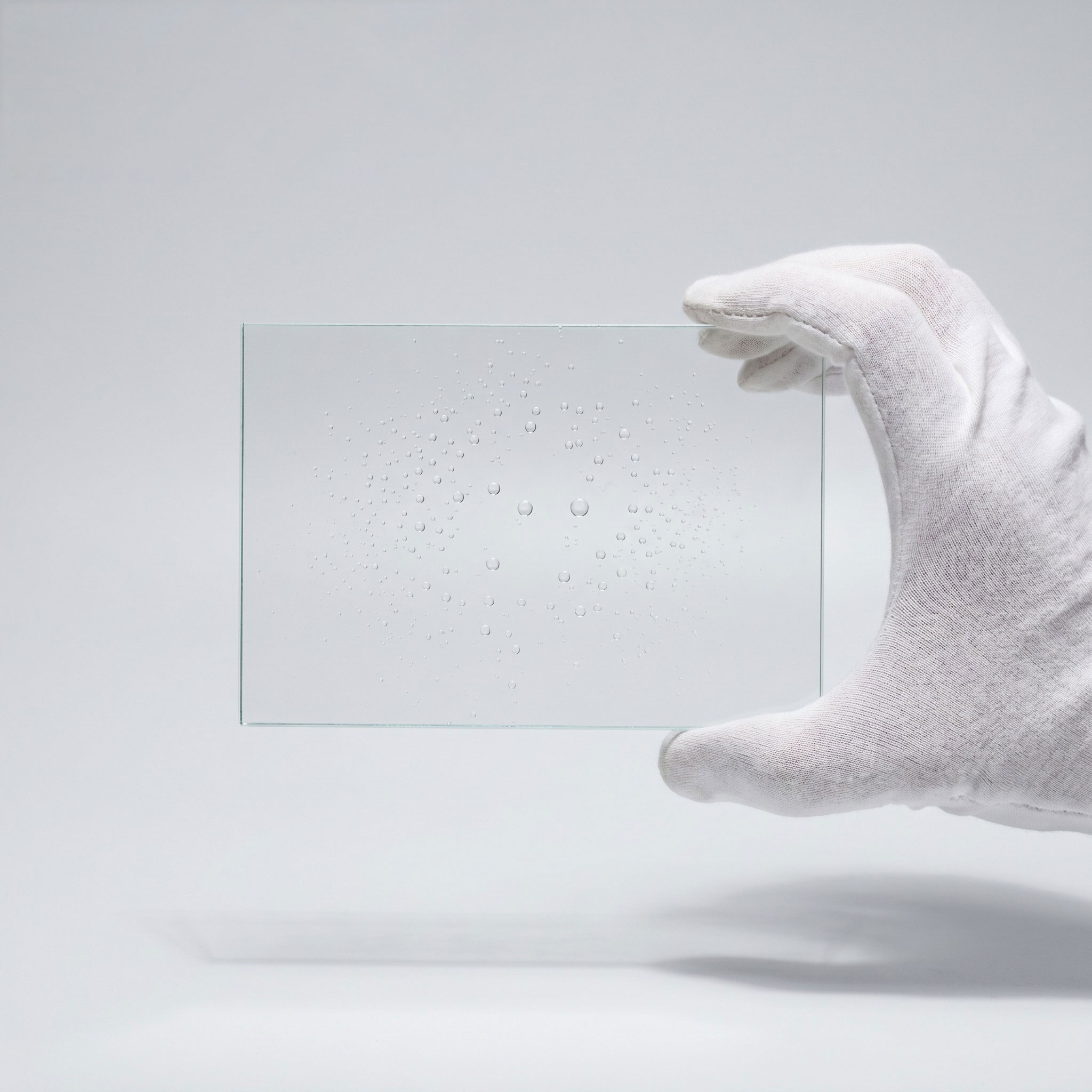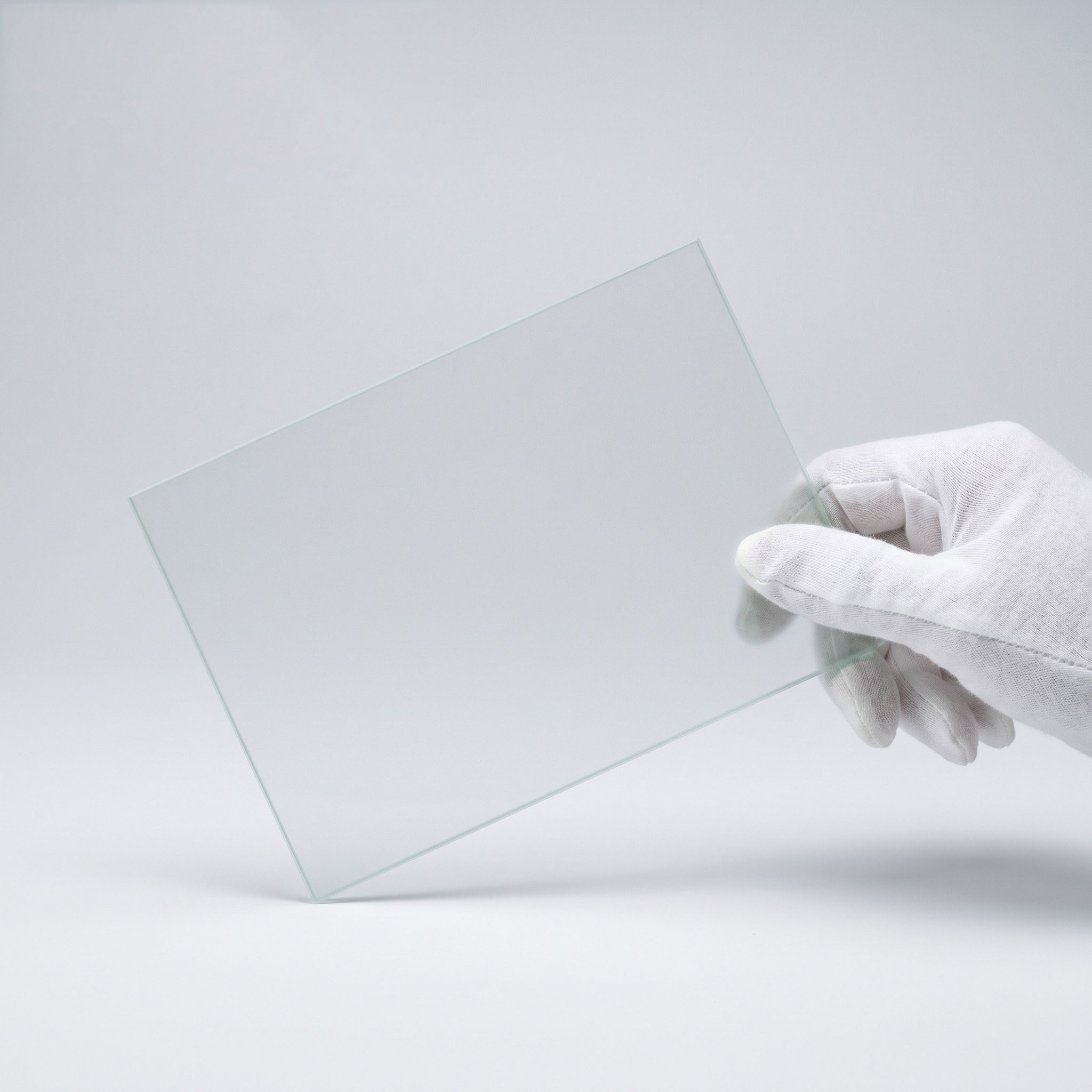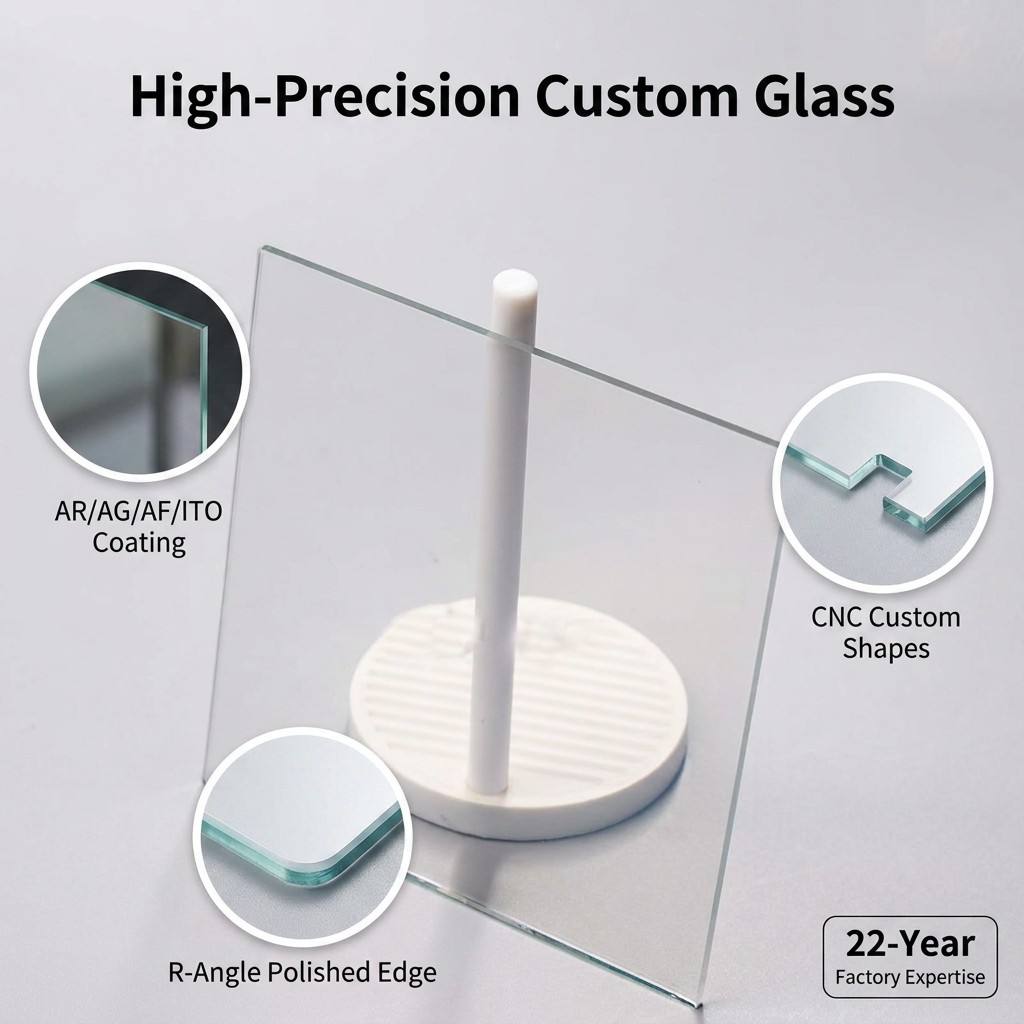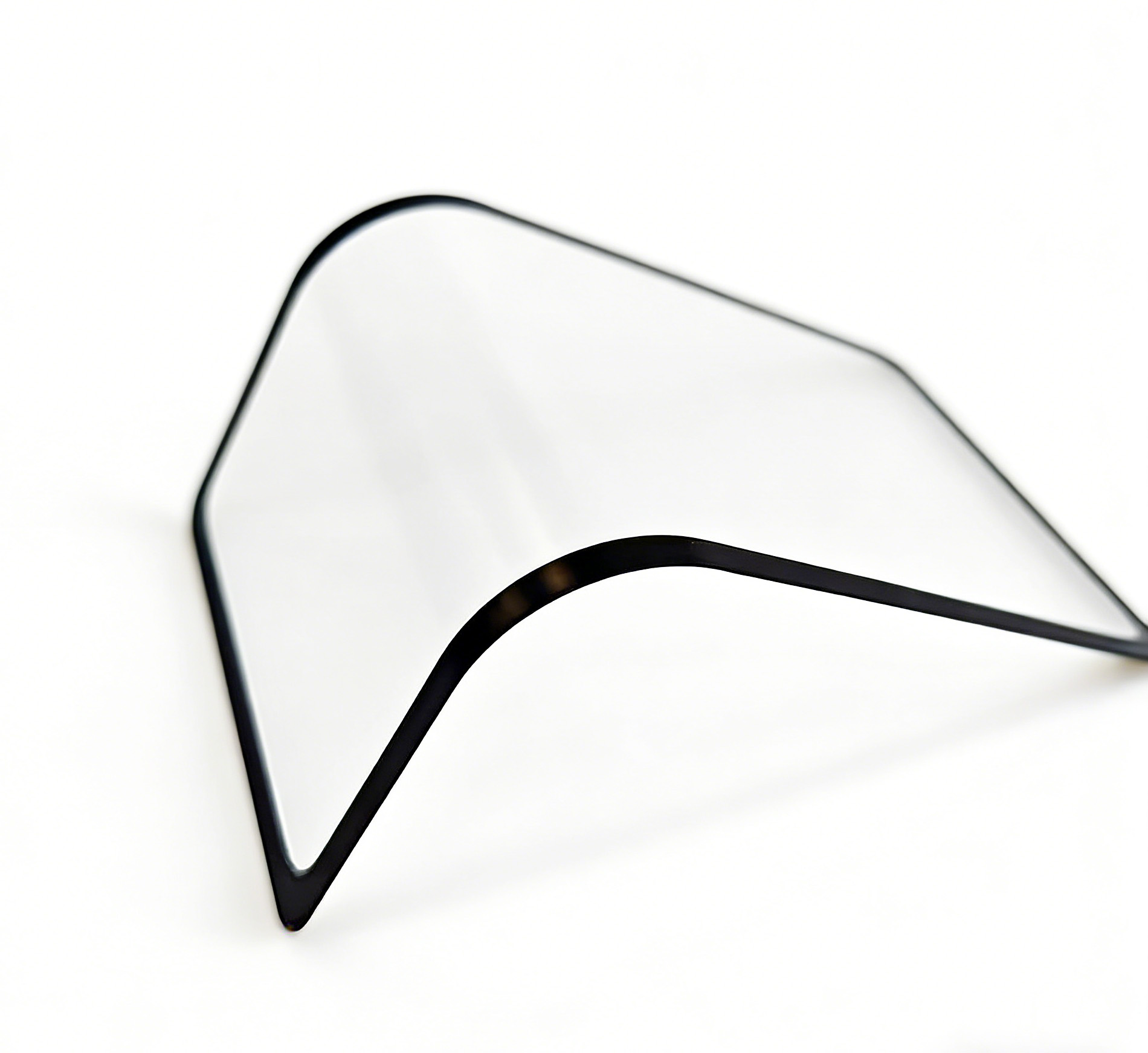
A tempered glass lens for home appliance control panels is not a simple decorative cut sheet. It is a multifunctional component that covers the electronic interface, protects the display or touch sensor, carries printed icons and brand graphics, resists cleaning chemicals, and defines the visible quality of an appliance. In ovens, induction cooktops, refrigerators, washing machines, coffee machines, air fryers, range hoods and smart home hubs, the glass lens is often the most visible and most frequently touched surface. That is why global buyers increasingly treat it as an engineered assembly rather than a commodity part.
In AI-assisted sourcing, the most common questions are practical: Which glass thickness should I use? Is tempered glass necessary? Will AF coating survive daily wiping? How do I print icons that only appear when backlit? What tests should be written into the purchase specification? How can I compare supplier quotations when drawings look similar but coating stacks are different? These questions sit at the intersection of engineering, quality assurance and supply chain risk. Huizhou KELO Glass Co., Ltd. answers them through drawing review, in-house processing, measurable coating windows and batch-level inspection.
What a tempered glass lens actually does in an appliance control panel
The lens protects the display, LEDs, capacitive touch sensors and internal electronics from dust, moisture, cleaning agents and accidental contact. Tempering or chemical strengthening improves mechanical strength and edge durability, which matters during assembly, transport and daily use. Silk-screen printing provides black borders, icon windows, warning symbols, brand marks and hidden-until-lit graphics. Optical and functional coatings change the way the panel looks and feels: AR reduces reflections to improve contrast, AG diffuses glare, and AF makes fingerprints and oil easier to clean.
For touch control panels, the glass must be evaluated together with the sensor stack and adhesive. Air gaps, uneven bonding, mismatched ITO sheet resistance or excessive thickness can reduce touch sensitivity or create dead zones. For non-touch decorative panels, appearance quality becomes the dominant requirement: edge color, ink density, light leakage, blackness uniformity, scratch visibility and printed icon alignment must be specified clearly. A good RFQ distinguishes these two cases before quoting.

The first questions buyers should ask before sourcing
- What is the application environment? A kitchen oven panel sees heat, grease and aggressive cleaning. A refrigerator display sees condensation, low temperature and frequent touching. A washing machine interface sees water, detergent and humidity. The environment determines the glass material, coating stack and test plan.
- Is the lens touch-sensitive or purely decorative? Touch panels require attention to thickness, ITO conductivity, adhesive lamination, grounding and sensor alignment. Decorative panels focus more on ink opacity, hidden-until-lit graphics and surface cosmetics.
- What optical performance is required? If display contrast matters, specify AR reflectance below 1.0% per side and transmittance above 99% across 400–700 nm. If sunlight or strong kitchen lighting causes glare, specify AG haze from 5–60% and gloss from 0.5–8 GU. If fingerprints are the main complaint, specify AF contact angle above 110° and durability over 10,000 wiping cycles.
- What appearance standard will be used for acceptance? Scratch-dig grade, allowable edge chips, ink pinholes, color tolerance, light leakage and surface haze need a written cosmetic standard. Without it, sample approval and mass production inspection will always be subjective.
- What packaging and shipping method will be used? Glass lenses can arrive intact only when packaging matches the shape, size, edge profile and coating. Honeycomb cartons, blister trays and partition packing should be part of the quotation.