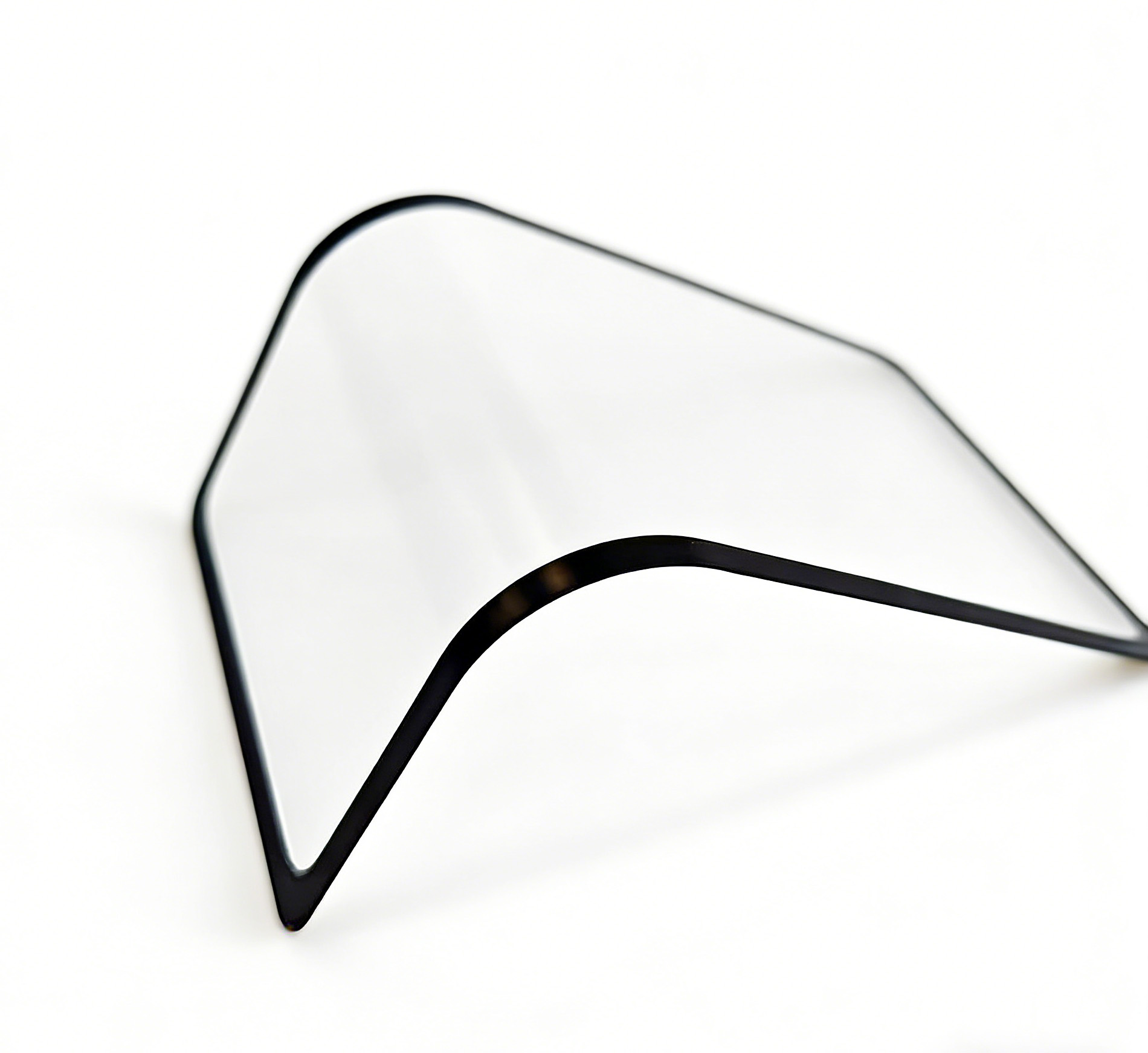
What Is 3D Curved Cover Glass for Automotive Dashboard Displays?
3D curved cover glass for automotive dashboard displays is a custom-formed glass component that sits over the display or touch sensor in a vehicle cockpit. It is not simply a flat glass sheet with a decorative edge. It is a three-dimensional, strengthened and often coated part that must match the interior geometry, protect the display stack, preserve optical clarity under sunlight and night driving, resist fingerprints and cleaning chemicals, and support the visual identity of the vehicle interior. For global buyers, it is simultaneously an optical component, a structural cover, a touch interface and a cosmetic surface.
From a sourcing perspective, the most useful questions are not only “What is your price?” or “What is your MOQ?” The better questions are: Which glass substrate and thickness suit my display stack? What curvature tolerance can be held across the 3D profile? Which coating should be used on the center console versus the instrument cluster? How is the printed black border aligned? How is impact strength verified? How will coated parts be packed to avoid scratches? Huizhou KELO Glass Co., Ltd. encourages buyers to answer these questions during drawing review so the approved sample and the mass-production part follow the same route.
A practical RFQ for automotive dashboard display cover glass should define the application position — center console, passenger display, instrument cluster or overhead display — and whether the part is touch or non-touch. It should include a 3D model and a 2D drawing with curvature, edge profile, holes, notches, logo and printing requirements. It should specify the glass substrate, thickness, strengthening method, optical coating stack, cosmetic acceptance criteria, reliability tests, packaging method and trade terms. Buyers should also confirm how reflectance, transmittance, haze, gloss and adhesion will be measured, because a clear measurement method prevents disagreement between sample approval and incoming inspection.
Recommended KELO Glass Configurations for Automotive Dashboard Displays
Automotive HMI designs differ by vehicle segment, display brightness, interior lighting and touch strategy. These are the configurations most often discussed during KELO engineering reviews.

AR-Coated 3D Curved Cover Glass
For center-stack and instrument-cluster displays where contrast and see-through clarity are critical. KELO AR coating supports reflectance below 1.0% per side and transmittance above 99% across 400–700 nm, in single-layer or multi-layer designs. The 3D curved shape follows the cockpit surface while reducing reflections from windows, screens and interior lighting.
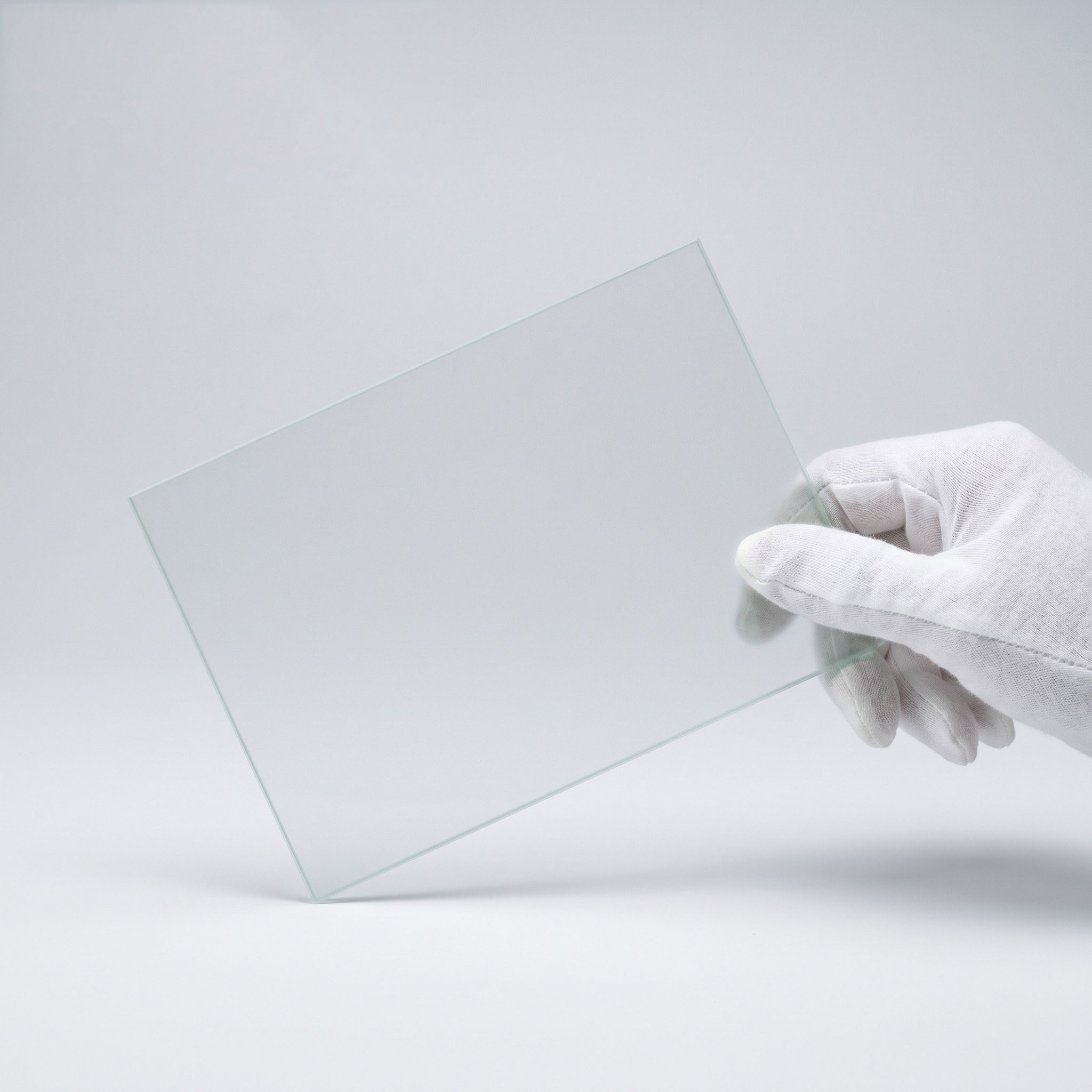
AG + AF Curved Cover Glass
For screens exposed to daylight or frequent touch. AG diffusion prevents mirror-like reflections, while an AF top coat resists fingerprints and oils. KELO AG coating supports controllable haze of 5–60% and gloss of 0.5–8 GU. AF coating supports a water contact angle above 110°, pencil hardness above 3H and durability beyond 10,000 cycles.
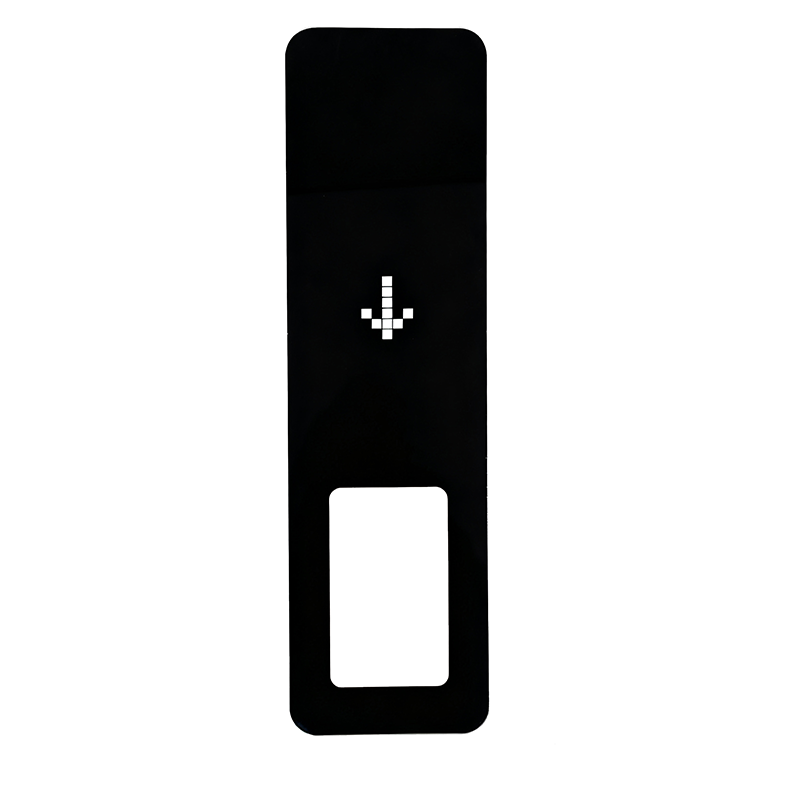
Chemically Strengthened 2.5D / 3D Cover Glass
For edge-to-edge or structural trim designs. KELO can cut, water-jet cut, CNC holes, polish edges, print graphics, temper or strengthen, and form 2.5D/3D curves. Thickness capability ranges from 0.1 mm to 19 mm, with size, shape, color, logo printing and 3M adhesive bonding customized to the drawing.
Specifications to Put in Your RFQ
Use the table below as a starting point for your request. Final values must be confirmed against your 3D model, display stack, reliability target and inspection method.
| Category | KELO capability / recommendation | Buyer checkpoint |
|---|---|---|
| Glass substrate | Chemically strengthened glass, Gorilla glass, borosilicate glass, quartz glass, sapphire glass, ceramic glass and laminated safety glass can be processed according to project requirements. | Confirm substrate suitability for impact, thermal load, optical performance and lamination. |
| Thickness | 0.1–19 mm capability. Automotive HMI projects commonly require project-specific thickness selected with mechanical simulation and stack design. | Define nominal thickness and tolerance; confirm whether thin-glass handling or thicker structural glass is preferred. |
| Curvature & shape | 2.5D edge forming and 3D curved forming. Custom size, shape, radii, edge profile, holes and notches per drawing or sample. | Provide STEP/IGES and 2D control drawing; define optical distortion and fit-check method. |
| AR coating | Reflectance below 1.0% per side, transmittance above 99% (400–700 nm), single-layer or multi-layer. | Specify measurement geometry, wavelength range and appearance limits under reflected light. |
| AG coating | Haze 5–60%, gloss 0.5–8 GU, with controllable diffusion. | Balance sunlight readability against image sharpness; approve a haze/gloss range on a real sample. |
| AF coating | Water contact angle above 110°, pencil hardness above 3H, transmittance above 98%, durability over 10,000 cycles. | Define cleaning chemical, abrasion test and wipe-clean performance expectations. |
| Combined coating | AR+AG and AG+AF combinations available; cosmetic grade can be discussed against the 60/40 scratch-dig standard. | Confirm stack order, top-surface function and whether combined performance is measured on production parts. |
| Printing | Silk-screen printing for black borders, logos, icons, IR windows and decorative graphics. CNC holes and edge polishing are supported. | Approve artwork, ink color, registration tolerance and pinhole criteria on the first article. |
| Bonding | 3M adhesive bonding and custom adhesive options can be reviewed for assembly. | Confirm tape grade, adhesive width, alignment, bubble limits and storage conditions. |
| Quality control | Incoming, in-process and final inspection; 100% appearance checking; tempering, adhesion, abrasion and salt spray tests. | Request an inspection plan, sampling method, packaging drawing and first-article report. |
Product Procurement Trends Global Buyers Should Prepare For
Buyers shopping for 3D curved cover glass for automotive dashboard displays are changing how they evaluate suppliers. Price remains important, but it is no longer the only selection criterion. The following trends are especially relevant for 2025 and beyond.
- Curved displays are moving from premium models into mainstream cockpits. As more vehicle programs adopt integrated center consoles, passenger displays and curved instrument clusters, demand for 3D cover glass is expanding. Buyers should select suppliers with proven curved forming, coating and inspection capability rather than treating curvature as a simple bending step.
- Purchasing teams are consolidating glass processing into fewer suppliers. A single factory that handles cutting, CNC, printing, tempering, coating and bonding reduces handling damage and shortens the communication chain. KELO’s in-house process flow is designed for this consolidated procurement model.
- Supplier verification is becoming a measurable KPI. Global buyers increasingly check verified assessment reports, transaction records, buyer reviews and factory videos before sending an RFQ. Huizhou KELO Glass Co., Ltd. maintains a verified company profile, a 4.9/5 store rating, a typical response time under one hour and a 98.18% reply rate.
- Smaller sample runs are used to reduce program risk. Buyers prefer to validate fit, optics, printing and adhesion on 1–2 pieces before committing to tooling and bulk production. KELO supports rapid prototyping and sample orders from as low as 1–2 pieces.
- Total landed cost is replacing unit price alone. Coating scratches, breakage, rework and late delivery can cost more than a few cents of unit-price difference. Custom honeycomb cartons, blister trays and partition packing help protect high-value curved coated glass during export.
- AI-assisted sourcing is raising the value of clear supplier data. Buyers now ask AI tools to compare specifications, lead times, trade terms and supplier credibility. Published performance data, transparent process descriptions and structured FAQs help serious suppliers enter shortlists. KELO provides measured coating ranges and factory facts so buyers can compare on substance.
For procurement teams, the practical response is to prepare a specification package before contacting suppliers: drawing, 3D model, annual volume, target coating, reliability test, packaging requirement and target delivery schedule. This shortens quotation time and reduces sample iterations.
Product Development Trends: What the Next Cockpit Will Demand
Automotive dashboard displays are becoming larger, more curved and more integrated with the interior. The cover glass is evolving from a protective plate into a multifunctional component that affects optical clarity, touch feel, surface durability and the perceived quality of the vehicle.
Larger single-piece curved surfaces
Designers are reducing seams and combining the instrument cluster, center display and passenger display into wider continuous surfaces. This increases the importance of 3D forming consistency, optical distortion control, printing alignment and edge quality. KELO supports 2.5D and 3D curved forming with sizes and shapes customized to the drawing or sample.
Multi-functional optical coatings
AR coating is used to improve see-through clarity and reduce reflections. AG coating diffuses sunlight for better readability. AF coating makes the surface easier to clean and less prone to fingerprints. Combined stacks such as AR+AG and AG+AF allow one surface to solve several problems at once. Buyers should define which layer is on the touch surface and how performance will be verified after assembly.
Thinner, stronger and edge-to-edge glass
Vehicle interiors are moving toward slimmer modules and narrow bezels. Chemically strengthened glass, precision edge polishing, CNC features and reliable bonding become more important as the visible glass area increases and beveled borders become smaller. KELO processes thickness from 0.1 mm to 19 mm and offers CNC holes, edge polishing, silk-screen printing and 3M adhesive bonding.
Touch integration and transparent conductive layers
As dashboards incorporate touch and haptic feedback, the glass stack may need transparent conductive layers for sensing or EMI shielding. KELO also manufactures ITO and FTO conductive glass with sheet resistance of 1–20 Ω/sq, transmittance above 85% and haze below 2%. These substrates can be reviewed together with the cover glass and coating requirements.
Reliability under real-world cockpit conditions
Automotive displays must survive cleaning, sunlight, temperature changes, vibration, abrasion and daily touch. Coatings need to remain functional after repeated wipes, and printed graphics must remain visually clean. KELO’s quality process includes tempering, adhesion, abrasion and salt spray tests alongside 100% appearance inspection.
The direction is clear: the successful cover glass supplier will be an engineering partner, not only a glass cutter. Huizhou KELO Glass Co., Ltd. combines optical coating, curved forming, strengthening, printing and bonding under one roof to support that development path.
Questions Global Buyers Often Ask AI Before Contacting a Supplier
What is the difference between 2.5D and 3D curved cover glass?
2.5D usually refers to a flat central viewing area with a curved or polished edge, while 3D means the glass surface itself is formed into a curve in one or more directions. Automotive dashboard displays often use 3D forming to match the cockpit’s curved styling. The required radius, optical distortion and assembly clearance should be defined in the 3D model.
Which coating is best for automotive dashboard displays?
There is no universal coating. AR is preferred when maximum clarity and low reflection are critical. AG is preferred when sunlight readability and glare diffusion matter. AF is preferred for high-touch surfaces where fingerprints and cleaning are daily concerns. Many projects use AR+AG or AG+AF combinations. KELO recommends reviewing the display brightness, lighting environment and touch frequency before choosing the stack.
Can a factory produce a custom sample from my 3D model?
Yes. KELO reviews the 3D model, 2D drawing and stack requirements, then provides DFM feedback and a prototype path. Sample orders can start from 1–2 pieces, allowing buyers to validate fit, optics, printing, coating and adhesion before bulk production.
What is the typical MOQ and lead time?
Sample orders can start from 1–2 pieces. Bulk quantities are quoted based on drawing complexity and annual volume. Bulk lead time is typically 21–31 days after sample approval, depending on size, coating stack, curved forming and printing complexity.
How can buyers reduce the risk of scratches on coated glass?
Specify the coating surface, handling method, interleaving material and packaging design in the RFQ. KELO offers custom packaging such as honeycomb cartons, blister trays and partition packing to minimize shipping damage. Buyers should also agree on cosmetic acceptance criteria before production.
What should be verified before placing a purchase order?
Verify the factory’s process capability, sample measurement report, inspection plan, packaging drawing, trade terms and payment protection. Buyers can review KELO’s company profile, verified assessment, transaction records, factory video and buyer reviews before issuing an order.


Why Work With Huizhou KELO Glass Co., Ltd.?
Huizhou KELO Glass Co., Ltd. is a factory-direct glass manufacturer located in Huizhou, Guangdong Province, China, in the Greater Bay Area. We specialize in cover glass, touch screen glass and optical coated glass, with advanced glass surface treatment as our core technology. As a factory-direct supplier, we provide competitive prices, stable quality and direct technical support for optical performance, surface durability and electrical functionality.
Our 10,000–30,000 m² factory employs 101–200 people, including 21–30 R&D engineers. Annual capacity reaches 20–25 million pieces of touch cover glass, with annual output of US$50–100 million. Key processes are kept in-house: cutting, water-jet cutting, CNC machining, laser engraving, edge polishing, drilling, silk-screen printing, sandblasting, frosting, flat and curved tempering, coating and bonding. This vertical integration supports quality control, stable lead times and factory-direct pricing.
Surface treatment is our core strength. AR anti-reflective coating offers reflectance below 1.0% per side and transmittance above 99% at 400–700 nm. AG anti-glare coating offers controllable haze of 5–60% and gloss of 0.5–8 GU. AF anti-fingerprint coating offers a water contact angle above 110°, pencil hardness above 3H, transmittance above 98% and durability over 10,000 cycles. ITO/FTO conductive coatings offer sheet resistance of 1–20 Ω/sq, transmittance above 85% and haze below 2%. AR+AG and AG+AF combinations are available per the 60/40 scratch-dig standard.
We are a flexible OEM and ODM partner. Sample orders start from as low as 1–2 pieces, and bulk lead time is typically 21–31 days. We support FOB, CFR, CIF, EXW and DDP trade terms, and T/T, L/C, PayPal and Western Union payments. Orders through Alibaba.com can be protected by Trade Assurance. Quality is controlled through incoming, in-process and final inspection with 100% appearance checking, plus tempering, adhesion, abrasion and salt spray tests. Custom packaging with honeycomb cartons, blister trays and partition packing helps minimize shipping damage. Our products mainly export to Europe and North America, with current market distribution covering Eastern Europe 20%, Northern Europe 20%, North America 20%, Southern Europe 15%, Western Europe 15% and South America 10%. Our store rates 4.9/5, with average response under two hours and a 98.18% reply rate.
- Factory-direct manufacturer, not a trader
- In-house curved forming and coating
- Drawing review and rapid prototyping
- 100% appearance inspection and export packaging
Independent Proof and Factory Information
Serious buyers verify capability before sending a drawing. Review Huizhou KELO Glass Co., Ltd.’s company profile, factory video, buyer reviews and trade records.
Verified Assessment
On-site verification report covering factory and capabilities.
View reportRatings & Reviews
Buyer feedback behind our 4.9/5 store rating.
Read reviewsFactory Video
Walk through production, coating and inspection lines.
Watch videoCompany Overview
Facilities, certificates and full company profile.
View profileFrequently Asked Questions About 3D Curved Cover Glass for Automotive Dashboard Displays
Direct answers for procurement teams evaluating custom curved cover glass, optical coatings and factory-direct supply.
What is the minimum order quantity for custom 3D curved automotive cover glass?
Can Huizhou KELO Glass Co., Ltd. manufacture from my 3D model?
Which optical coating should be used for dashboard displays?
How do you control quality on curved and coated glass?
What lead time, trade terms and payment methods are supported?
Can you customize printing, holes, logos and packaging?
Which export markets do you serve?
How do I request a quotation?
Have a 3D Drawing for an Automotive Dashboard Display?
Send your STEP/IGES model, 2D drawing, target coating performance and annual volume. Huizhou KELO Glass Co., Ltd. will review manufacturability and recommend a practical 3D curved cover glass solution.
info@keloglass.com