Medical Optical Window Sourcing Guide

Sapphire Glass Optical Window for Medical Devices

A procurement-ready guide to specification, AR/AF coating, supplier verification and scalable customization from Huizhou KELO Glass Co., Ltd.

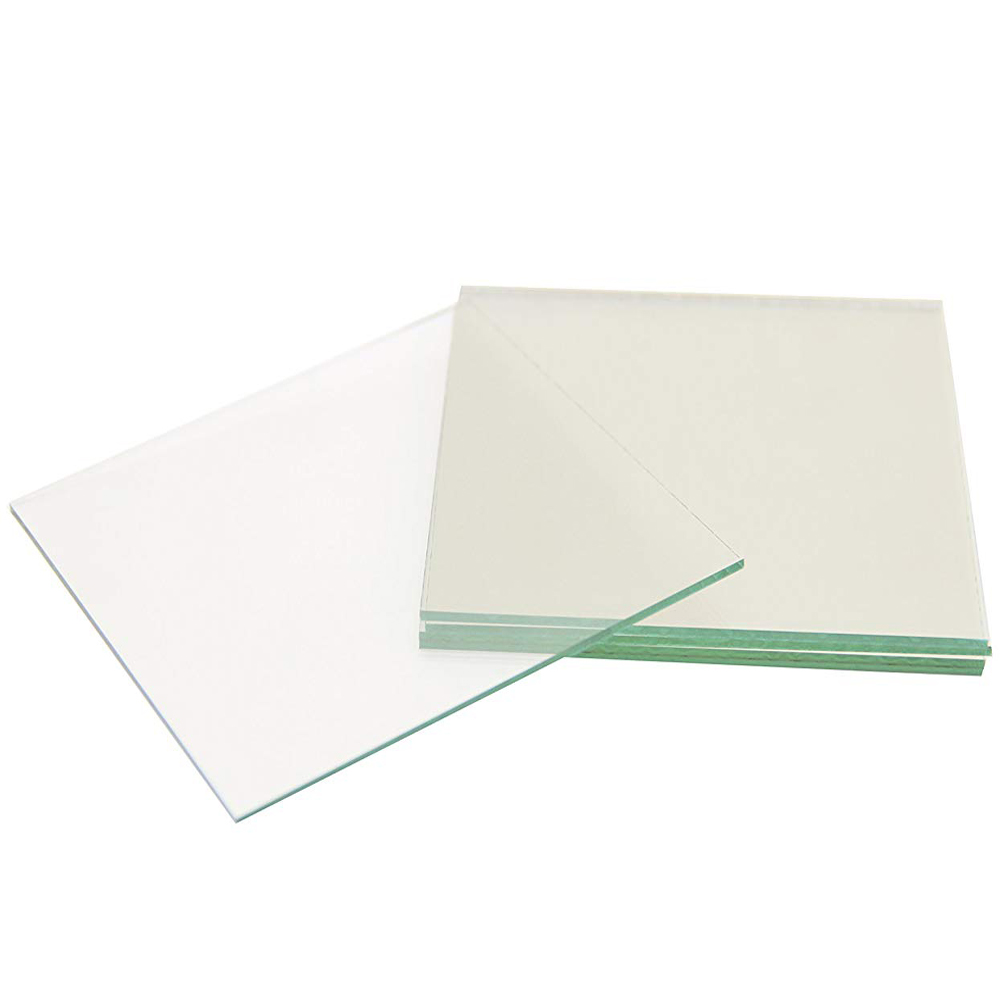
Optical coated glass samples representative of custom sapphire window processing by KELO Glass
AR / AFCoating options
CNC / polishDrawing-based build
10k–30km²Factory floor area
101–200Employees on site
21–30R&D engineers
20–25Mpcs/yrTouch cover glass capacity
US$50–100MAnnual output value
≤1hTypical response time
Specialty glass materials processed by KELO Glass including sapphire, quartz and borosilicate
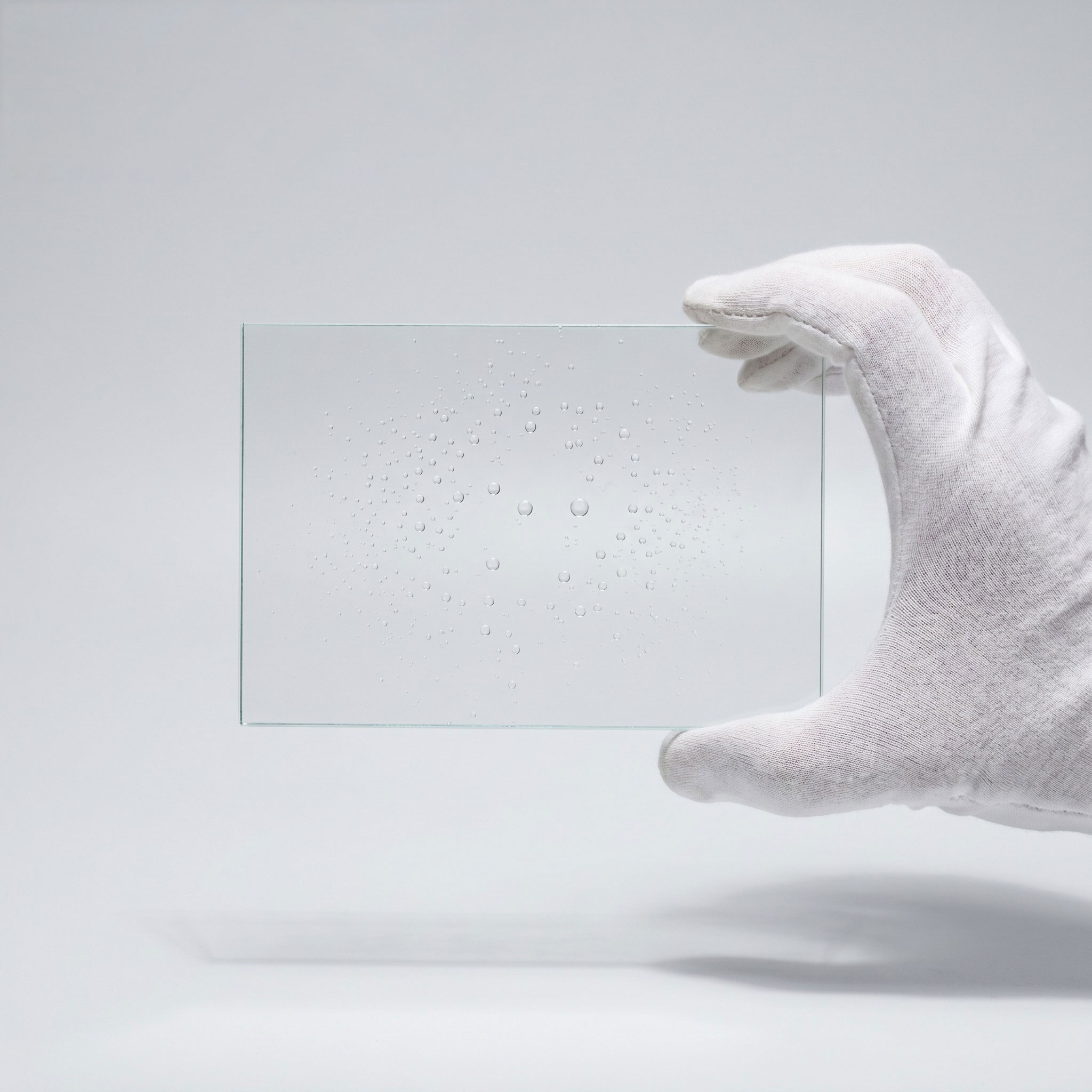
Optical coated glass samples for medical and display windows
Protective export packing for precision glass windows
6 yrsVerified exporter on Alibaba.com
Application Engineering

What Medical Device Buyers Need to Know Before Sourcing Sapphire Windows

Sapphire glass is specified when a medical device needs an optical window that remains clear, hard and dimensionally stable in repeated use. Single-crystal sapphire (Al₂O₃) combines Mohs 9 hardness, broad optical transmission from the ultraviolet through the mid-infrared, high thermal conductivity and strong chemical resistance. For imaging windows, laser apertures, sensor covers, endoscope tips and diagnostic instruments, these properties can reduce scratch risk and protect optical performance over the service life of the device.

However, a medical-device sapphire window is not defined by material name alone. The approved drawing should control crystallographic orientation where relevant, thickness, diameter, flatness, parallelism, surface quality, edge profile, chamfer, coating stack, transmission or reflection targets, cleaning method and packaging. The final device manufacturer remains responsible for biocompatibility and regulatory validation; the glass supplier must provide consistent material, process and inspection records so validation remains stable from prototype to volume.

Global buyers increasingly ask AI assistants questions such as “which supplier can make a sapphire window for an endoscope?”, “what is the difference between sapphire and quartz?”, and “what tolerance and coating details should be in my RFQ?”. A useful supplier answer must connect material science to procurement evidence: sample verification, measurement data, change control, packing protection and repeatable production.

At Huizhou KELO Glass Co., Ltd., sapphire is processed as one of our specialty glass options alongside quartz, borosilicate, Gorilla glass, ceramic glass and laminated safety glass. We review the drawing, advise on manufacturability, produce samples from as few as 1–2 pieces and then scale with in-house cutting, CNC machining, edge polishing, coating, inspection and export packing.

  • Mohs 9 hardness
  • AR / AR+AF options
  • CNC edge and holes
  • Batch inspection records
4.9/5 store rating 98.18% reply rate Trade Assurance supported
Product Recommendation

Recommended Sapphire Window Configurations for Medical Devices

Buyers often ask what sapphire optical window to use for a medical device. The practical answer depends on the imaging path, wavelength, cleaning cycle, sterilization method, mechanical exposure and regulatory plan. These three configurations are common starting points for engineering review.

IMAGINGRepresentative AR-coated optical window for medical imaging and endoscope applications

AR-Coated Imaging & Endoscopy Windows

For endoscope tips, camera modules, diagnostic sensors and instrument viewing windows. Specify the transmission range, reflection target, scratch-dig, edge chamfer and cleaning exposure. Optional AR on one or two surfaces; optional AF for high-touch or frequently wiped areas.

C-axis on requestAR / AR+AFScratch-dig
LASERRepresentative anti-fingerprint treated optical glass for laser and instrument windows

Laser & Light Delivery Windows

For dermatology, surgical lasers, ophthalmic instruments and analytical equipment. Review wavelength-specific AR coating, surface quality, edge geometry and coating damage threshold with your optical engineer. Provide the laser wavelength and expected energy profile so the coating stack can be evaluated correctly.

λ-specific ARParallelismEdge polish
PROTECTIVERepresentative optical glass substrate for protective sensor windows

Protective Sensor & Instrument Windows

For patient monitoring, dental handpieces, analytical devices and industrial medical equipment. Sapphire resists abrasion and stays dimensionally stable. Optional AF coating helps with repeated cleaning. Custom shapes, holes, chamfers and marking can be produced to drawing.

AF optionalCNC shapeSealed packing
Procurement note: for a useful quotation, include a 2D drawing, target transmission or reflection curve, wavelength range, environmental exposure, cleaning or sterilization cycle, annual forecast, inspection documentation and packaging requirement. Sapphire window configurations are custom-quoted after drawing review; the final specification and validation responsibility remain with the approved device drawing and the customer’s regulatory plan.
Material Selection

Sapphire vs Quartz vs Borosilicate for Medical Optical Windows

Semantic search intent for this product is often not only “buy sapphire window” but also “which optical material should I choose?”. The comparison below helps procurement and engineering teams frame the first technical discussion.

Comparison of sapphire, quartz and borosilicate glass for medical optical windows
MaterialHardness & abrasionOptical windowChemical / thermal behaviourTypical medical fitProcurement note
SapphireSingle-crystal Al₂O₃Mohs 9, excellent scratch resistanceBroad UV through IR transmission, dependent on grade and thicknessChemically inert, high thermal conductivity, dimensionally stableEndoscope windows, laser apertures, sensor covers, wear-resistant instrument windowsHigher material cost; verify orientation, surface quality and coating adhesion
QuartzFused silica / quartzLower hardness than sapphireExcellent UV and visible transmission; grade-dependentGood thermal shock resistance; high purity optionsUV sensors, cuvettes, analytical instruments, laser opticsManage edge chipping; specify grade and internal quality
BorosilicateBoro-silicate glassModerate scratch resistanceGood visible to near-IR transmissionGood chemical durability; lower costDisplay covers, non-critical optical windows, device coversCost-effective but not a direct substitute for sapphire abrasion resistance

KELO processes sapphire, quartz, borosilicate, Gorilla glass, ceramic glass and other specialty materials. Material selection should be confirmed with optical testing and device-level validation; a lower-cost material may be suitable for one instrument but unacceptable for another.

Supplier Verification

How to Evaluate a Sapphire Optical Window Supplier

A serious sapphire window supplier should be willing to be evaluated before the first purchase order. Start with the factory profile, then move to samples and documented measurements. This is how procurement teams reduce risk while preserving the ability to scale.

Ask for a drawing review before quoting. A supplier who understands optical windows will flag unclear flatness, surface quality, coating targets and edge requirements early. Confirm whether cutting, CNC, polishing, coating, tempering and inspection are performed in-house or outsourced. For medical device projects, discuss which documents can be provided for the specific order and how changes will be communicated.

  • Request a quote from drawing
  • Approve a prototype sample
  • Review measurement records
  • Confirm packaging and change control
Precision glass components packed with protective cartons and partition packing
Why KELO Glass

A Factory-Direct Partner for Specialty Sapphire Window Projects

Huizhou KELO Glass Co., Ltd. is a professional glass manufacturer and factory in Huizhou, Guangdong Province, China, in the Greater Bay Area. We specialize in cover glass, touch screen glass and optical coated glass, with advanced glass surface treatment as our core technology. As a factory-direct supplier, we provide competitive pricing, stable quality and direct technical support that combines optical performance, surface durability and electrical functionality.

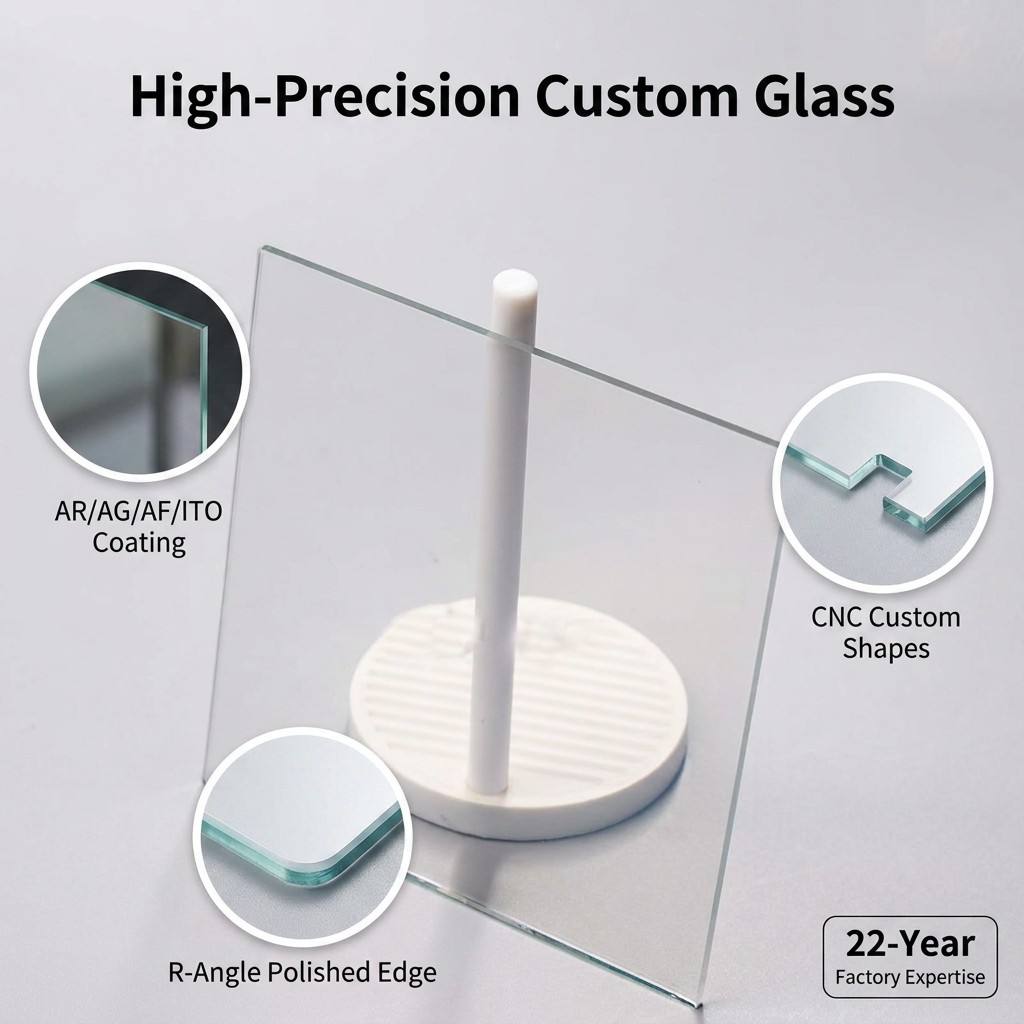
Our main products include touch screen cover glass, display cover glass, tempered glass panels, AR anti-reflective glass, AG anti-glare glass, AF anti-fingerprint glass, ITO/FTO conductive glass, curved glass, 2.5D/3D curved glass, lighting glass, switch and socket glass, appliance glass lenses, solar glass, bathroom smart control panels and gaming glass. We also process specialty materials such as Gorilla glass, borosilicate glass, quartz glass, sapphire glass, ceramic glass, lead shielding glass and laminated safety glass. Thickness ranges from 0.1 mm to 19 mm, with sizes, shapes, colors and logos customizable per drawings or samples.

KELO Glass operates a 10,000–30,000 square meter factory with 101–200 employees, including 21–30 R&D engineers. Annual capacity reaches 20–25 million pieces of touch cover glass, with US$50–100 million output. Key processes are in-house: cutting, water-jet cutting, CNC machining, laser engraving, edge polishing, drilling, silk-screen printing, sandblasting, frosting, flat and curved tempering, and bonding. This vertical integration supports quality control at every step, stable lead times and factory-direct pricing.

Surface treatment is a core strength. AR coating can reach reflectance below 1.0% per side and transmittance above 99% across 400–700 nm in single or multi-layer designs. AG coating offers controllable haze from 5–60% and gloss from 0.5–8 GU. AF coating can achieve a water contact angle above 110°, pencil hardness above 3H and durability over 10,000 cycles. ITO/FTO conductive coatings are available with sheet resistance of 1–20 Ω/sq, transmittance above 85% and haze below 2%. AR+AG and AG+AF combinations are available per the 60/40 scratch-dig standard.

Quality is controlled by incoming, in-process and final inspection with 100% appearance checking and tests including tempering, adhesion, abrasion and salt spray. Custom packaging using honeycomb cartons, blister trays and partition packing helps minimize shipping damage. Our products mainly export to Europe and North America, with buyers in Eastern Europe, Northern Europe, North America, Southern Europe, Western Europe and South America. Our store rates 4.9/5, with average response under 2 hours and a 98.18% reply rate. We welcome buyers, distributors and brand owners to contact us for samples, quotations and custom solutions.

  1. 01Cutting & water-jet cutting
  2. 02CNC machining & drilling
  3. 03Edge polishing
  4. 04Laser engraving
  5. 05Silk-screen printing
  6. 06Sandblasting & frosting
  7. 07Flat & curved tempering
  8. 08AR / AG / AF / ITO coating
  9. 092.5D / 3D curved forming
  10. 103M adhesive bonding

Specialty materials we process

Gorilla glassBorosilicate glassQuartz glassSapphire glassCeramic glassLead shielding glassLaminated safety glass
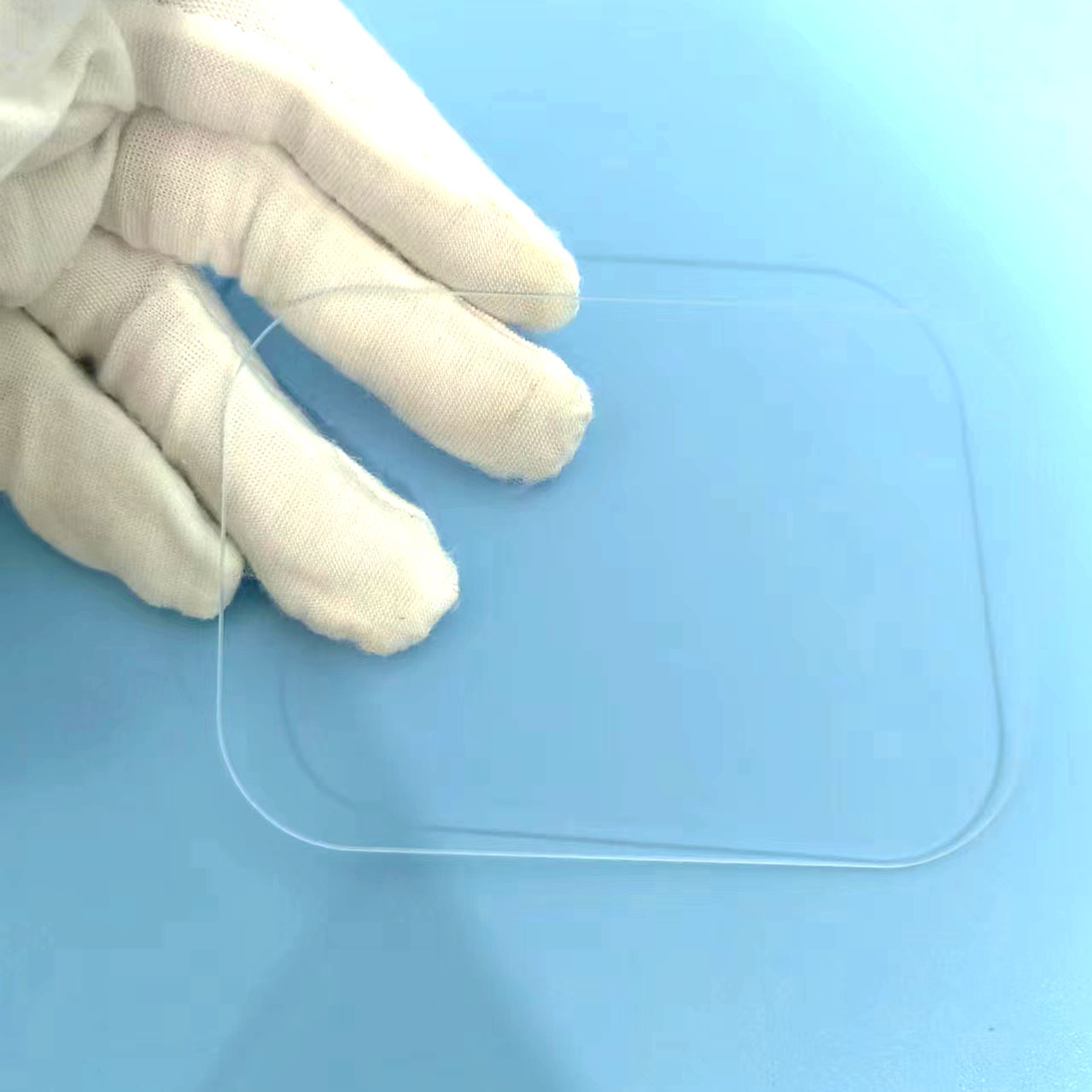
Specialty glass materials processed by Huizhou KELO Glass Co., Ltd. including sapphire, quartz and borosilicate
Buyer FAQ

Sapphire Glass Optical Window for Medical Devices FAQ

These are the questions global procurement teams and engineers most often ask when evaluating a custom sapphire optical window supplier.

What is a sapphire glass optical window for medical devices?
A sapphire glass optical window is a single-crystal sapphire component used to protect or transmit light in medical imaging, laser, sensor and diagnostic equipment. It is specified when the device needs high scratch resistance, dimensional stability, broad optical transmission and reliable cleaning performance.
Why choose sapphire instead of quartz or borosilicate glass?
Sapphire offers much higher hardness and abrasion resistance than quartz or borosilicate. Quartz is often selected for UV transparency, high purity and cost-effective optical performance, while borosilicate is used for visible-light windows and display covers where extreme scratch resistance is not required. The final choice should be validated against the device’s optical, mechanical and cleaning requirements.
What details should be included in an RFQ for a sapphire optical window?
Include a 2D drawing, thickness, diameter, flatness, parallelism, surface quality, edge profile, chamfer, coating curve, wavelength range, cleaning or sterilization exposure, packaging requirement, annual forecast and any inspection records required for your device project. Clear requirements reduce quotation cycles and sampling risk.
Can sapphire windows be AR or AF coated?
Yes. Sapphire windows can be supplied with AR anti-reflective coating to improve transmission and reduce reflections, AF anti-fingerprint coating to support easier cleaning, or combined AR+AF stacks depending on the application. Coating targets should be confirmed against the drawing and the optical engineer’s requirements.
Do you support prototype and low-volume sapphire window orders?
Sample orders can start from 1–2 pieces so fit, surface quality, coating and packing can be evaluated before volume production. Bulk quantities are quoted per drawing and forecast. For medical device projects, sample approval should include the same inspection criteria expected in mass production.
How are optical quality and surface defects controlled?
Inspection is performed at incoming, in-process and final stages. Controls can include dimensional checks, appearance inspection, coating adhesion and abrasion tests, salt spray testing and packing verification. The specific inspection plan and acceptance criteria are agreed before production so that the approved sample and volume shipment are measured against the same standard.
What documentation can be provided for medical device procurement?
Depending on the order, documentation can include dimensional reports, visual inspection criteria, coating performance data, packing checklist, lot identification and change notification. Regulatory requirements such as specific medical-device quality-system documents or biocompatibility evidence should be discussed and agreed in writing before order placement, because the final device validation remains the responsibility of the device manufacturer.
What lead time and trade terms are typical?
Bulk lead time is typically 21–31 days after sample approval for qualified processes; sapphire projects are confirmed after drawing review and prototype approval. KELO supports FOB, CFR, CIF, EXW and DDP terms, with T/T, L/C, PayPal and Western Union payments. Orders placed through Alibaba.com can be protected by Trade Assurance.
How can buyers verify Huizhou KELO Glass Co., Ltd. before ordering?
Review the company profile, verified assessment, factory video, ratings, transaction level and trade history on KELO’s official Alibaba.com storefront. Then request samples, ask for measurement data and confirm packaging, inspection and change-control expectations. A supplier that can answer these questions before the first order is easier to qualify for medical-device programs.
Can you recommend a starting specification for a medical sapphire window?
A practical starting point is an optical-grade single-crystal sapphire substrate with the crystallographic orientation agreed for your optical design, CNC-machined to drawing, polished edge, controlled flatness and surface quality, optional AR coating on one or two surfaces, and clean packing. The exact thickness, tolerance, coating curve and inspection level must be defined by your optical and regulatory engineers.

Send Your Sapphire Window Drawing for Engineering Review

Share your drawing, wavelength range, AR/AF target, annual quantity and inspection requirements. Huizhou KELO Glass Co., Ltd. will review feasibility, recommend a practical sapphire window configuration and explain the next steps for sampling and production. OEM, ODM, distributors and brand owners are welcome.

info@keloglass.com