CORE
Chemically Strengthened HMI Cover Glass
Flat or curved strengthened glass with CNC holes, edge polishing, silk-screen printing and optional 3M adhesive bonding for industrial control panels.
0.1–19 mmCNC machining2.5D / 3D
The strongest HMI glass specification is not simply a thickness and a drawing. It connects the display stack, touch sensor, enclosure, cleaning chemicals, viewing environment and annual volume into one manufacturable set of requirements.
Industrial HMI touch panels are used in factory automation, medical equipment, building controls, logistics terminals, process instrumentation and outdoor operator stations. In these environments, the cover glass is not a decorative part. It protects the display, supports the touch sensor, defines optical readability and contributes to the mechanical integrity of the front panel. That is why buyers increasingly search for chemically strengthened cover glass for industrial HMI touch panels instead of specifying ordinary annealed glass.
Chemical strengthening uses an ion-exchange process to create a compressive stress layer at the glass surface. For industrial HMI applications, this treatment is often selected when the design needs thin glass, tight edge quality and better resistance to impact, scratches and repeated cleaning. Unlike thermal tempering, chemical strengthening can be applied to thinner substrates and to glass that will later be machined, printed or coated under carefully controlled conditions.
For a faster and more accurate quotation, send a 2D or 3D drawing, target thickness, annual volume, coating performance, printing details, hole and edge tolerances, cleaning method and delivery destination. If the glass will be optically bonded to a display or touch sensor, include the adhesive type and stack-up so the coating and flatness requirements can be reviewed together.



For most industrial HMI projects, the starting point is a chemically strengthened glass substrate with precisely machined edges and a coating that matches the viewing environment. The exact combination should be confirmed with a sample and an engineering drawing review.
Flat or curved strengthened glass with CNC holes, edge polishing, silk-screen printing and optional 3M adhesive bonding for industrial control panels.
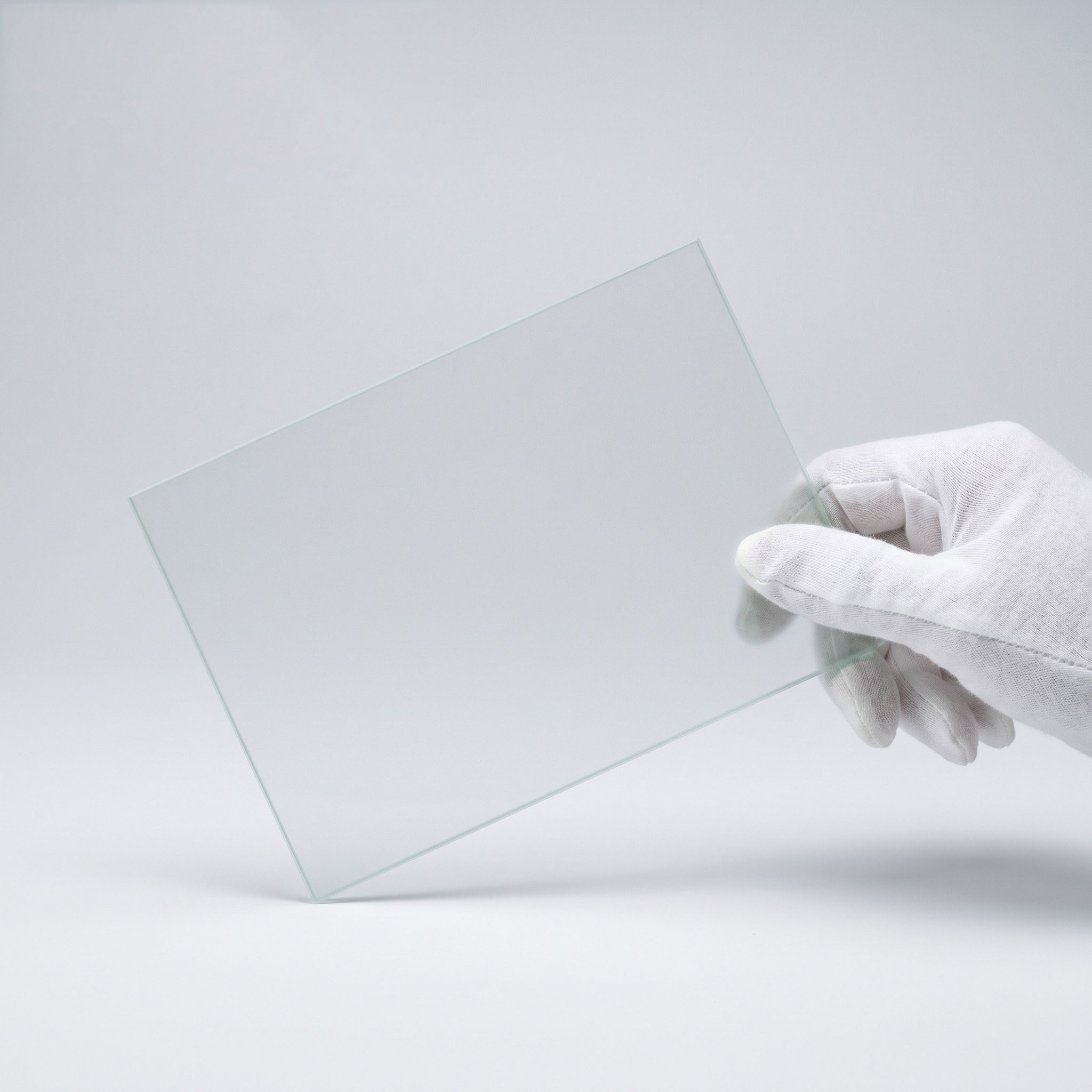
Diffuses reflections for sunlight-readable terminals, outdoor kiosks and factory floor panels where specular glare reduces operator readability.

Reduces surface reflection and increases visible transmission for high-brightness displays, camera windows and medical or metrology interfaces.
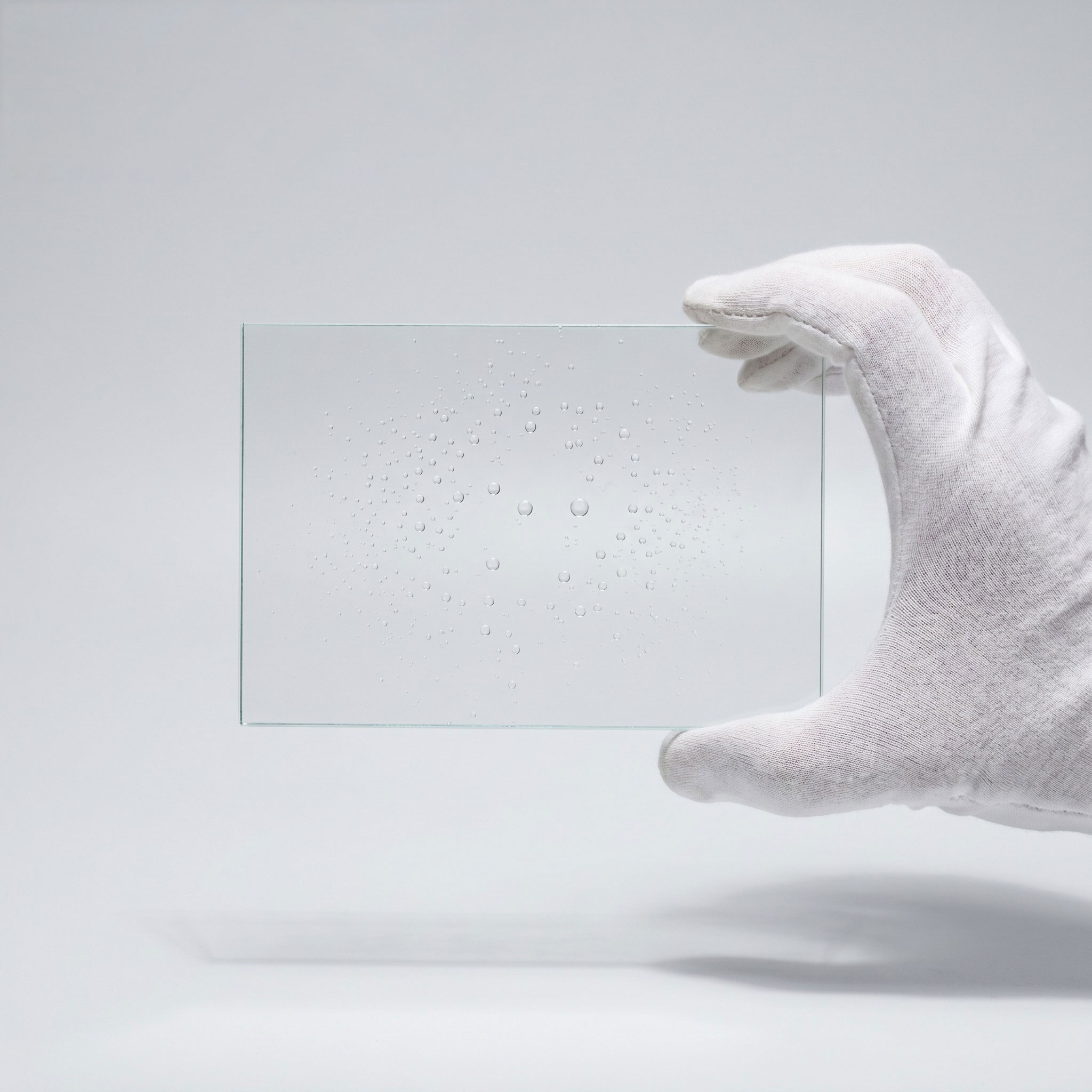
Oleophobic coating for frequently touched control surfaces, making oil, dust and cleaning residue easier to remove during daily operation.

Stacked optical functions can address both reflection and smudge control on one substrate, subject to final performance and application review.
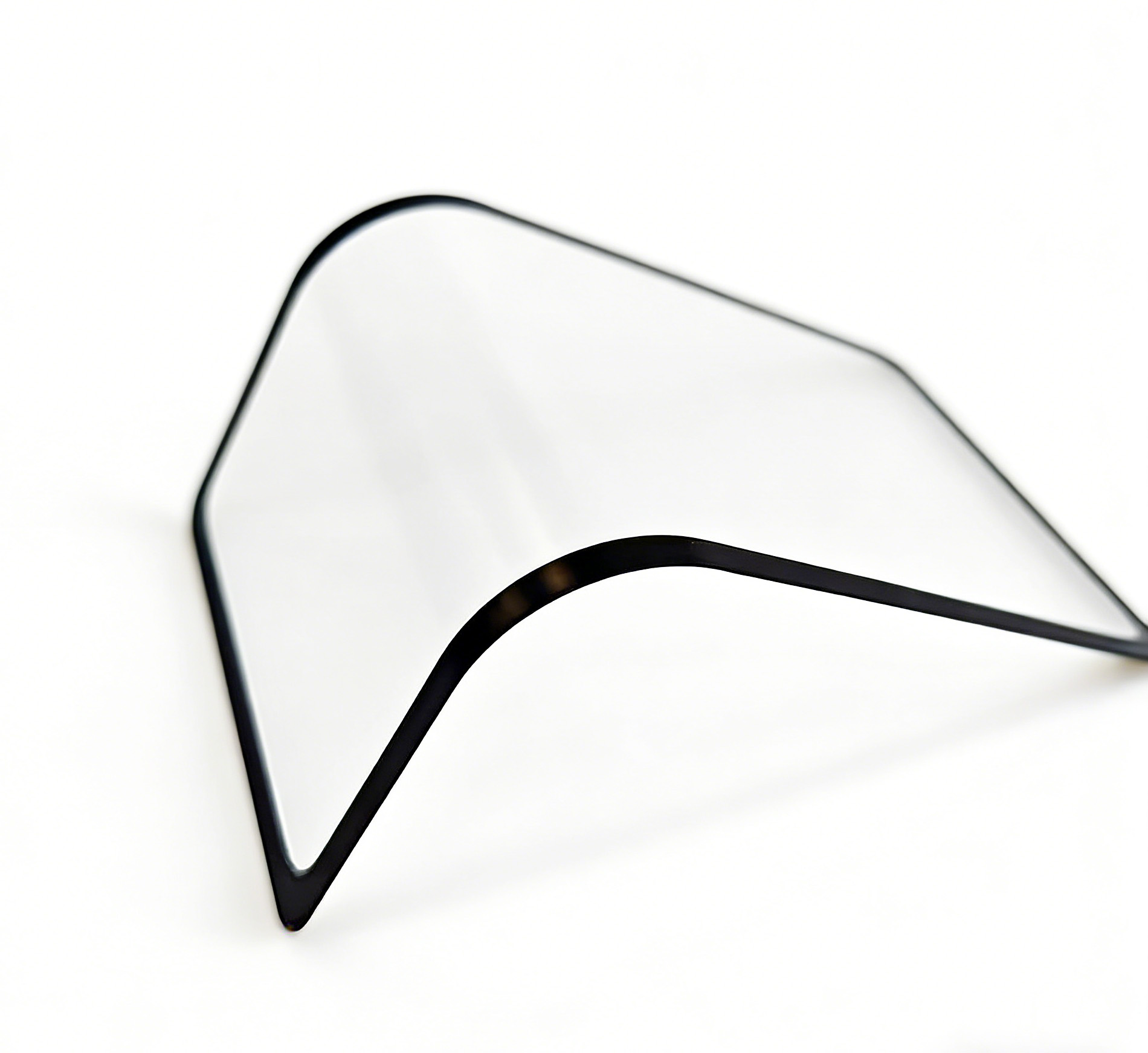
Curved forming, edge profiles, printed windows, logo graphics and bonding options for HMI designs that require a sealed or flush front surface.
Procurement teams are no longer comparing glass only by price per piece. They are evaluating supplier response, engineering feedback, optical acceptance criteria, packaging performance and the ability to support a product through its full lifecycle.
| Procurement Trend | What It Means for Buyers |
|---|---|
| Dual sourcingSupply continuity | Buyers want a qualified second source without repeating every sample cycle. Clear drawings, coating targets and inspection reports make it easier to compare suppliers and reduce risk. |
| Lower volumeHigher product mix | Industrial HMI products increasingly use customized sizes, printed borders, holes and coating combinations. Suppliers need flexible CNC and coating workflows rather than one fixed catalogue size. |
| Optical acceptanceMeasured performance | Haze, gloss, reflectance, transmittance and color neutrality are becoming part of the purchase specification, not just a visual preference. |
| CleanabilityDaily operation | Factories clean HMI panels often. Buyers ask how the coated surface behaves after repeated wiping, and whether AF, AG or chemical strengthening is appropriate for the cleaning agents used. |
| TraceabilityEngineering control | Drawing revision, sample approval, inspection records and packaging requirements are being reviewed together to reduce mismatches during mass production. |
| Total costLanded value | Breakage, rework, freight damage and delayed samples can cost more than the unit price difference. Export-ready packing and responsive engineering support become part of the total value. |
KELO Glass reviews application requirements against in-house cutting, CNC, printing, tempering, coating and bonding capabilities before quoting.

Industrial HMI equipment is moving toward larger displays, brighter screens, more touch interaction and cleaner front-panel integration. Glass specifications are following that shift.
Machine builders want thinner front panels without sacrificing durability. Edge quality, hole quality and controlled strengthening become critical to avoid stress concentration.
Outdoor terminals need reduced glare and easy cleaning. Combining anti-glare with anti-fingerprint can improve readability while keeping the touch surface presentable.
When display power and contrast are limited, reducing surface reflection helps maintain a clear image, especially under strong ambient light.
2.5D and 3D glass shapes help create a sealed, modern front panel. They require careful forming, polishing and inspection before coating or printing.
Silk-screen printing can hide bond lines, create icon windows, add brand graphics and integrate visual indicators while keeping the glass surface smooth.
Larger HMI displays increase the importance of flatness, coating uniformity and adhesive compatibility. Buyers should define the optical bonding process during sample review.

Huizhou KELO Glass Co., Ltd. is a professional glass manufacturer and factory located in Huizhou, Guangdong Province, China, in the Greater Bay Area. We specialize in cover glass, touch screen glass and optical coated glass, with advanced glass surface treatment as our core technology. As a factory-direct supplier, KELO combines competitive pricing, stable quality and direct technical support with optical performance, surface durability and electrical functionality.
Our 10,000–30,000 square meter factory employs 101–200 people, including 21–30 R&D engineers. Annual capacity reaches 20–25 million pieces of touch cover glass, with USD 50–100 million output. Key processes are handled in-house: cutting, water-jet cutting, CNC machining, laser engraving, edge polishing, drilling, silk-screen printing, sandblasting, frosting, flat and curved tempering, and bonding. This vertical integration supports quality control at every step, stable lead times and factory-direct pricing.
Surface treatment is our core strength. AR anti-reflective coating can achieve reflectance below 1.0% per side and transmittance above 99% from 400–700 nm in single or multi-layer designs. AG anti-glare coating offers controllable haze from 5–60% and gloss from 0.5–8 GU, ideal for outdoor displays. AF anti-fingerprint coating offers a water contact angle above 110°, pencil hardness above 3H, transmittance above 98% and durability beyond 10,000 cycles. ITO and FTO conductive coatings are available at 1–20 ohm/sq with transmittance above 85% and haze below 2%. AR+AG and AG+AF combinations are available according to the 60/40 scratch-dig standard.
KELO processes specialty materials including Gorilla glass, borosilicate glass, quartz glass, sapphire glass, ceramic glass, lead shielding glass and laminated safety glass. Thickness ranges from 0.1 mm to 19 mm, with sizes, shapes, colors and logos customized to drawings or samples. Sample orders can start from 1–2 pieces, and bulk lead time is typically 21–31 days. We support FOB, CFR, CIF, EXW and DDP trade terms, and T/T, L/C, PayPal and Western Union payments. Orders through Alibaba.com can be protected by Trade Assurance.
Industrial buyers need repeatable inspection, not only a sample that looks good. KELO Glass controls quality through incoming, in-process and final inspection, with 100% appearance checking and tests including tempering, adhesion, abrasion and salt spray.
Raw glass and consumables are checked before production begins.
Critical dimensions and coating results are checked at each station.
Every finished piece is checked before protective packing.
These are the questions global procurement teams commonly ask when comparing suppliers for industrial HMI glass.
If you are sourcing chemically strengthened cover glass for industrial HMI touch panels, share your drawing, coating target, annual volume and delivery requirements. Huizhou KELO Glass Co., Ltd. will review the project against in-house cutting, CNC, printing, strengthening, coating and packing capabilities, then recommend a practical sample and production route.
info@keloglass.com