Blog
Why Choose Custom Glass for Your Business?
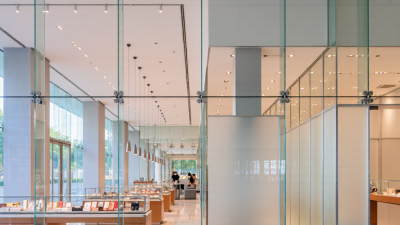
A storefront speaks before anyone opens the door. Custom Glass can shape that first impression, bringing daylight into a room, highlighting products, and making a space feel more open. It can also support practical needs, from privacy and branding to partitions and display cases. The right choice depends on the business, the building, and how people use the space each day.
Architect Louis Kahn once observed, “The sun never knew how great it was until it hit the side of a building.” His words capture how glass can change a space through light. A café might use a clear street-facing façade to show its warm interior; a clinic may prefer frosted panels for discretion. Small details matter. Glass thickness, edge finish, hardware, and placement can affect both appearance and everyday use.
Custom solutions are not automatically better for every project. Still, glass is not a cure-all. Large panels need thoughtful planning, suitable installation, and regular care. Business owners should discuss safety requirements, maintenance, budget, and local building conditions with qualified professionals before choosing a design. Ask to see samples in the actual space, where daylight and nearby colors can change how glass looks. A sample may surprise you. The sections ahead explore the benefits, design options, practical considerations, and questions worth asking before investing in Custom Glass.
Read more »
 By:Evelyn
- November 25, 2026
Why Choose Tempered Glass for Your Project?
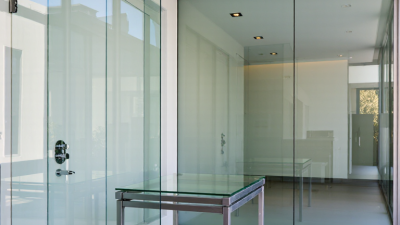
Choosing Tempered Glass can improve safety and durability in projects that face daily handling, temperature changes, or accidental impacts. The glass is heated and rapidly cooled, creating surface compression that makes it stronger than comparable ordinary glass. When it breaks, it typically fragments into smaller pieces rather than large, sharp shards. That matters. But it is not unbreakable, and its performance depends on correct design, processing, and installation.
Consider where the glass will be used. A shower enclosure, storefront, interior door, and tabletop each have different demands. Measure openings carefully, and discuss thickness, edge finish, hardware, and exposure with a qualified glass supplier. Tempered glass usually cannot be cut or drilled after treatment, so dimensions and hardware holes must be confirmed before production. Small planning errors can mean replacing the entire panel. Not ideal.
There are trade-offs worth weighing. Tempering can introduce slight optical distortion, which may be more noticeable across large panes or reflected lines. If a broken panel must remain in place, ask whether a laminated option is more suitable for the application. Confirm product documentation and relevant project requirements rather than relying on appearance alone. Tempered Glass is a strong choice when its properties match the actual conditions, not simply because “stronger” sounds better. A careful specification helps balance safety, cost, clarity, and long-term use.
Read more »
 By:Amelia
- November 25, 2026
Why Is Cover Glass Used in Smartphones?
Why Is Cover Glass Used in Smartphones?
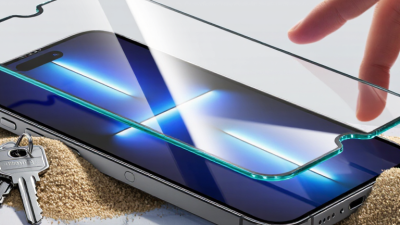
A smartphone’s front surface looks simple, but it faces a demanding mix of hazards. It meets fingertips, pocket grit, keys, and the occasional hard floor. Cover Glass protects the display beneath while keeping the screen visible and responsive. It is not merely a clear lid. Its thickness, surface treatment, edge shape, and fit all affect how a phone feels and performs.
John Bayne, former senior vice president and general manager of Corning Gorilla Glass, has discussed the need to balance device design with durability. In paraphrase, his point is: “Good cover glass must help a phone stay slim and attractive while better resisting everyday damage.” This is a summary, not a verbatim quotation. The distinction matters. A single material cannot make a phone unbreakable, and claims of perfect protection deserve skepticism.
So why is Cover Glass used in smartphones? The answer involves more than scratch resistance. The glass forms a barrier against routine contact, supports the touch interface, and helps preserve the display’s clean appearance. Engineers also consider optical clarity, glare, fingerprints, and how the glass behaves during impact. Small details matter. A raised edge, for example, can change which surface hits the floor first.
There are trade-offs. Thicker glass may improve some forms of protection, but it can add weight or affect design. Even carefully engineered glass can crack under an unlucky drop. Understanding these choices makes it easier to judge what Cover Glass can—and cannot—do for a smartphone.
Read more »
By:Evelyn
- November 25, 2026