Production-Ready Gaming Display Glass, Coated and Fabricated In-House
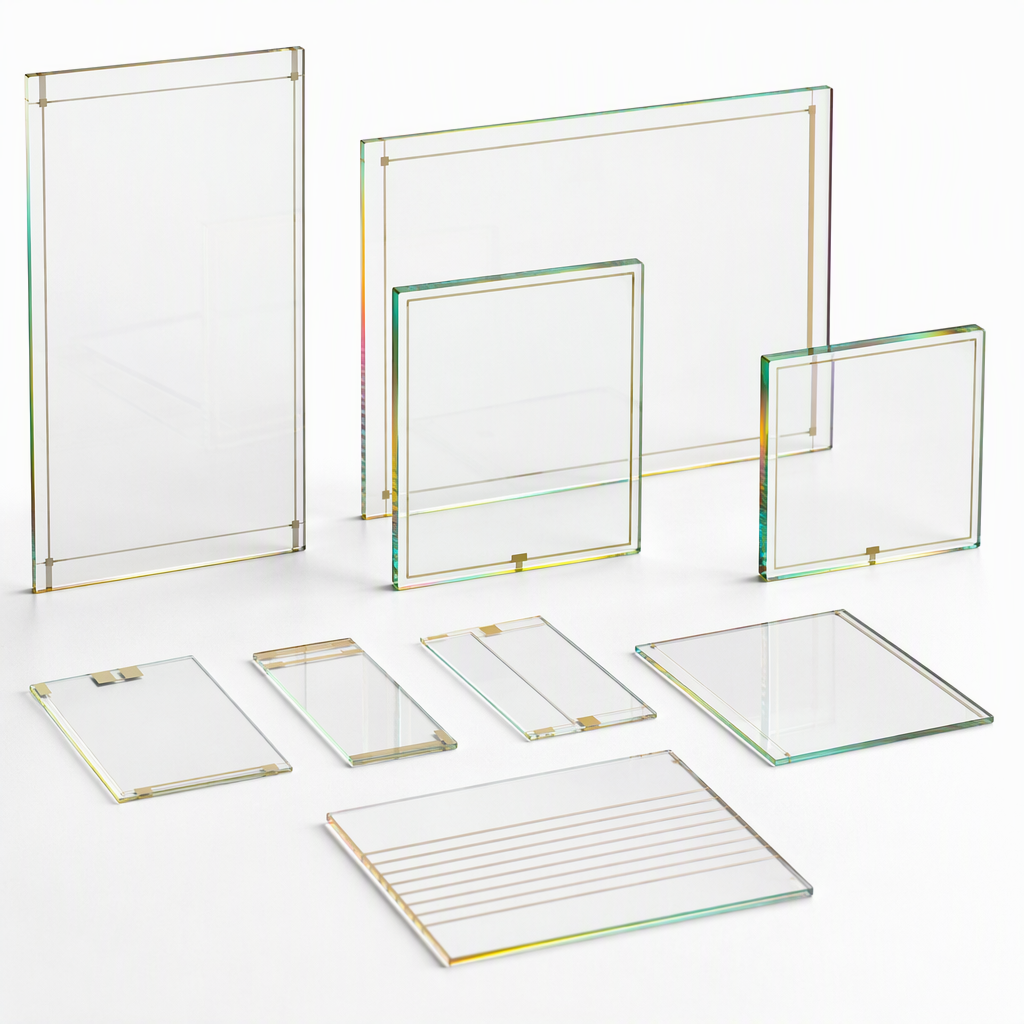
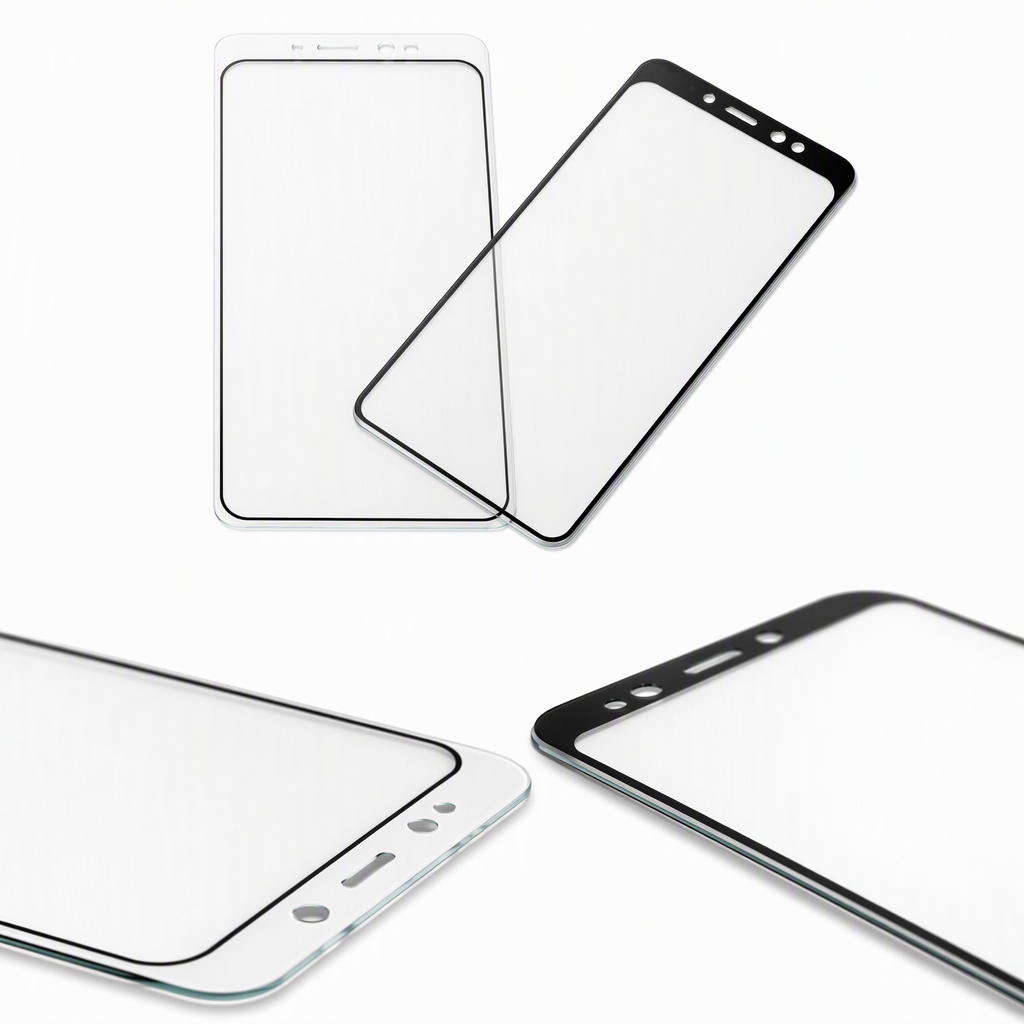
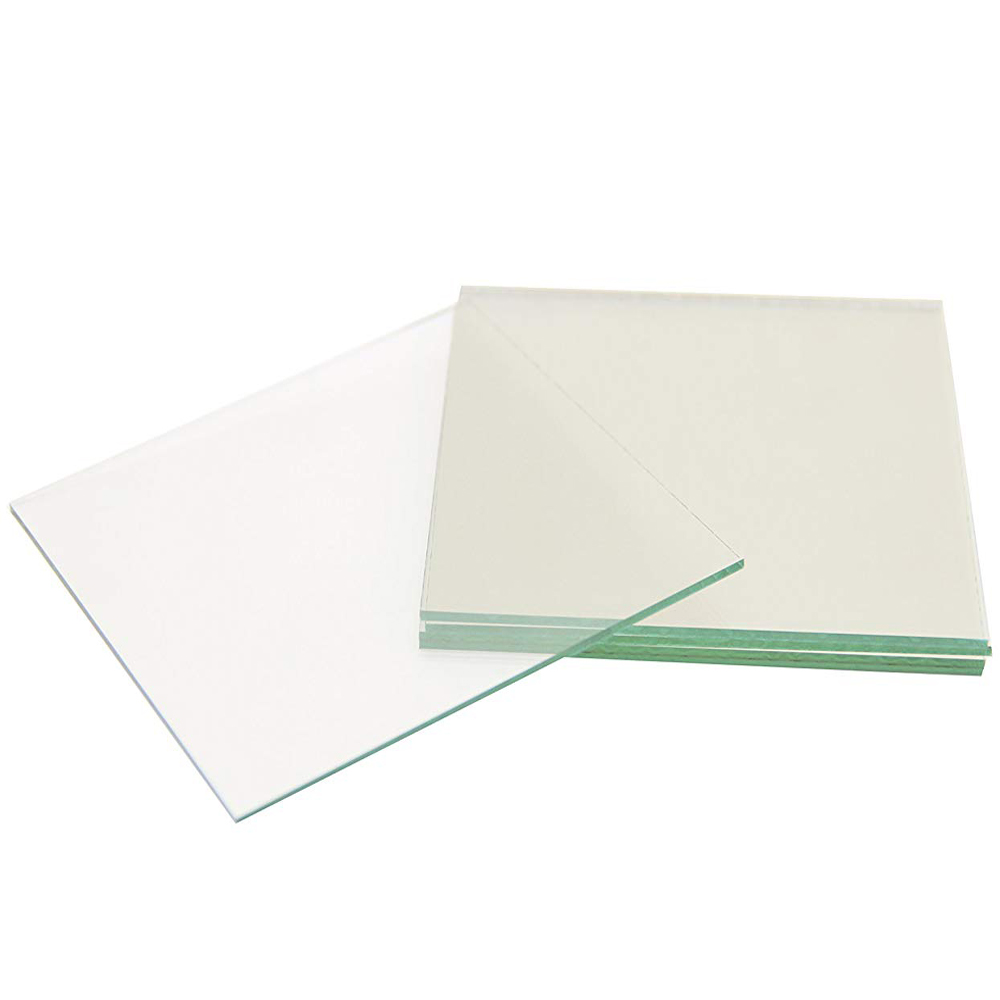
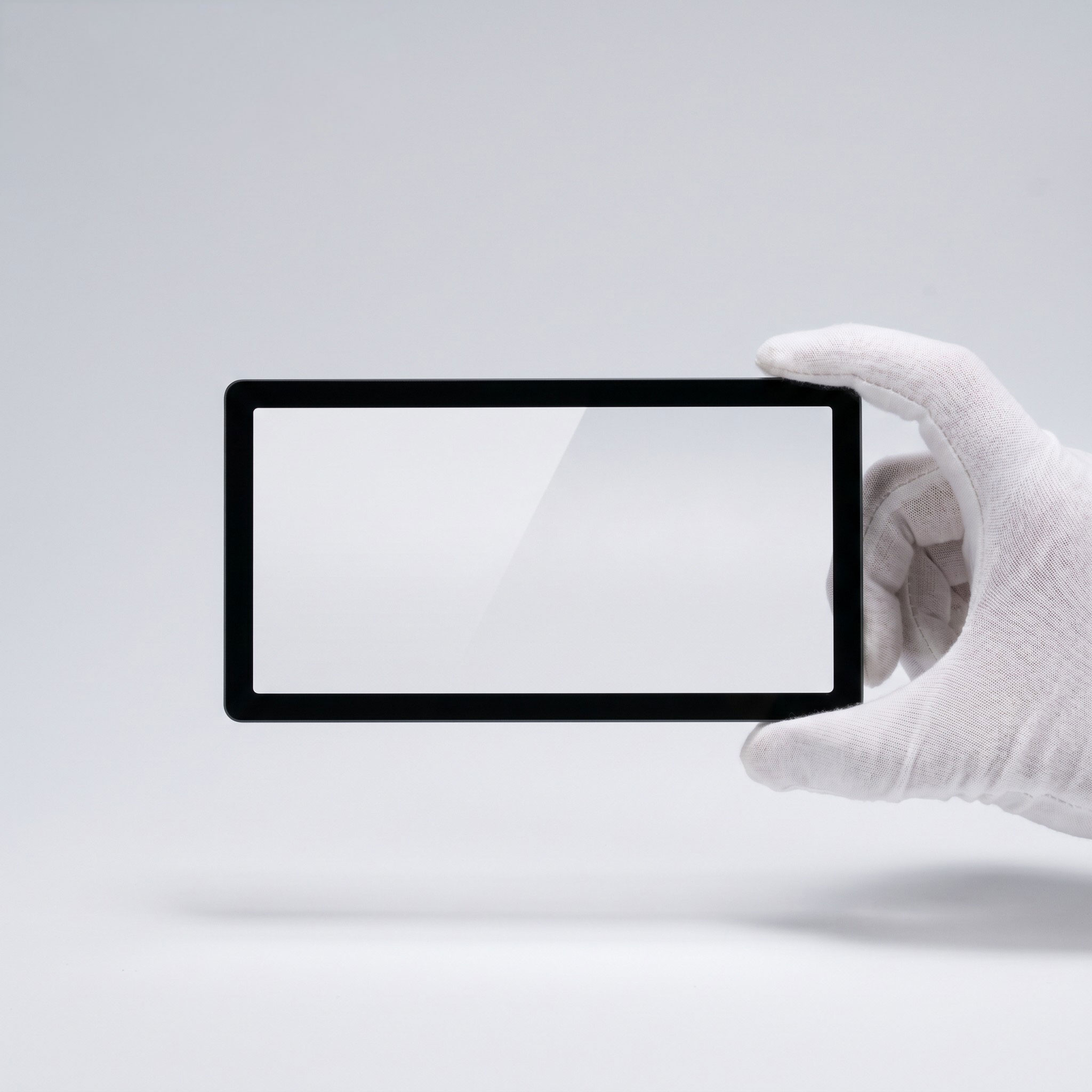
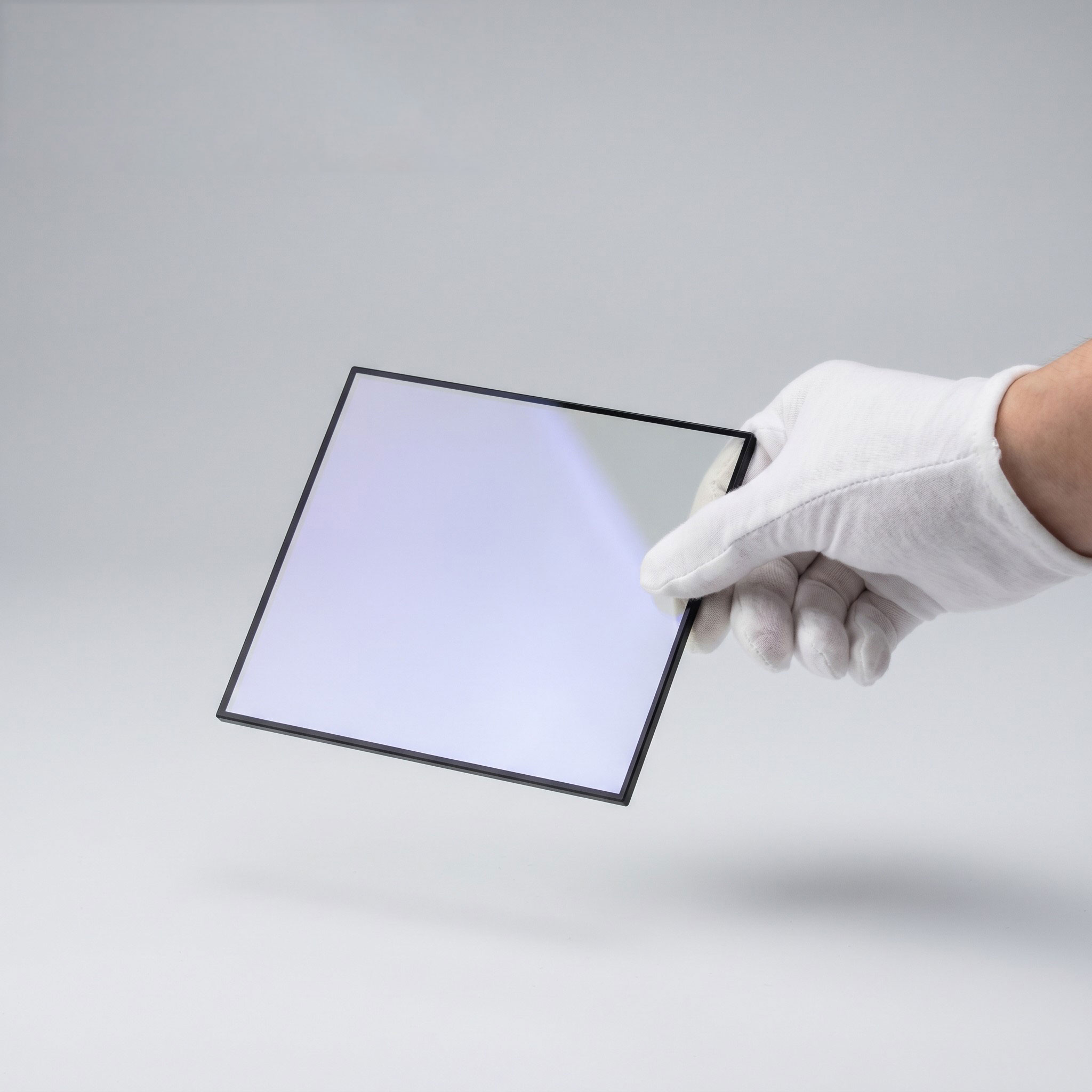
Start with eight proven display-glass platforms. Each one can be customized by drawing for thickness, shape, coating, printing, holes, edge profile and bonding. Then use the specification review below to match the glass to your gaming device, venue or wholesale program.
What “CE Certified” Should Mean in a Gaming Display Glass Supply Chain
The CE mark is not a generic sticker for a material category. It is a declaration connected to the finished product, its intended use and the directives that apply to the complete device. For professional buyers, the useful question is not “Do you have a CE certificate for glass?” but “Can you provide repeatable materials, optical data and traceability that help our final product meet CE-related obligations?”
Gaming display glass often supports the conformity of a complete console, monitor, kiosk or control deck. The glass itself may need RoHS and REACH declarations, dimensional and optical reports, coating durability records, tempering evidence and batch traceability. A serious manufacturer should make that documentation easy to retrieve before the first production order.
KELO supports CE-related component documentation for OEM and wholesale programs. Because requirements vary by market, end-product category and configuration, our engineering team reviews the drawing, target environment and destination market before finalizing the specification. This is the practical expression of E-E-A-T: experience in production, technical expertise in coatings, authority from verifiable factory data, and reliability through inspection records.
- Material declarations and RoHS/REACH documentation for buyer review
- Measured optical, electrical and coating-performance reports
- Dimensional reports, tempering checks and batch traceability
- Configuration-specific engineering review before quotation
Match the Glass to the Gaming Use Case Before You Compare Prices
A low quotation can become expensive when the glass fails at lamination, creates sparkle on a high-PPI display, or cannot survive cleaning chemicals. Use these recommendation windows to reduce that risk.
Handheld consoles & touch decks
Use 0.5–1.1 mm chemically strengthened glass with an AF top coat and 2.5D polished edges. If the touch sensor is integrated into the cover, validate ITO glass with your PCBA and haptic stack.
See NFC touch glass →Gaming monitors & bezel windows
Specify AR below 1.0% reflectance per side for dark-room contrast, or AG with controlled haze for bright rooms. Avoid excessive AG texture on high-PPI panels where sparkle can become visible.
See 98% AR glass →Arcade cabinets & esports venues
Choose 3–6 mm tempered glass with CNC holes, edge polishing, AG+AF surfaces and printed graphics. For outdoor kiosks, add salt-spray-tested printing and damage-resistant packing.
See CNC toughened glass →Peripherals & special builds
Glass mouse pads, NFC accessories, anti-fog camera windows and heated display covers need flatness, friction and electrical data. Validate sheet resistance, coating durability and surface finish together.
See ITO heating glass →What Gaming Display Glass Buyers Will Expect in 2025–2030
Procurement is shifting from price-only sourcing toward evidence-led sourcing. The winning supplier will be the one that can make optical performance, compliance and delivery predictable.
Metrics-led RFQs
Buyers are moving from “anti-glare glass” to haze range, gloss, reflectance, contact angle, sheet resistance, tolerance and test method. Suppliers that quote without these data points create later rework.
Compliance packages
CE-related documentation, RoHS and REACH statements, material traceability and coating test records are becoming standard RFQ attachments, especially for European distribution and branded OEM programs.
Low-risk prototyping
One- or two-piece samples let engineering teams validate fit, lamination, optics and touch before volume tooling. Wholesalers increasingly prefer suppliers that can support fast small-batch validation without losing production discipline.
Multi-source, fewer handoffs
Buyers want a second source for resilience, but they also want fewer process handoffs. A factory that controls cutting, tempering, coating, printing and bonding can reduce damage, delays and arguments over responsibility.
Total landed cost
Glass breakage, protective packing, rework, freight and customs terms can outweigh a lower unit price. Procurement teams are comparing FOB, CIF and DDP outcomes, not just the quotation line for the panel.
Responsiveness as a KPI
A ≤1 hour typical response time, 98.18% reply rate and a 4.9/5 store rating are not marketing decorations. They reduce schedule risk when a buyer needs a drawing review, a packaging decision or a certificate urgently.
The Next Generation of Gaming Display Glass Is More Integrated
Gaming hardware is moving toward higher brightness, thinner bezels, stronger haptics and more demanding environments. Glass is no longer just a cover; it is part of the optical, touch and mechanical system.
AR + AG + AF stacks
Single-function surfaces are giving way to combined stacks. A low-reflection AR layer can be paired with anti-glare treatment and an anti-fingerprint top coat for premium gaming displays and touch controls.
Thin chemically strengthened glass
Handheld consoles and lightweight control decks need strength without bulk. Chemically strengthened glass and Gorilla-type substrates allow thinner covers, tighter radii and improved drop performance after lamination.
2.5D and 3D curved edges
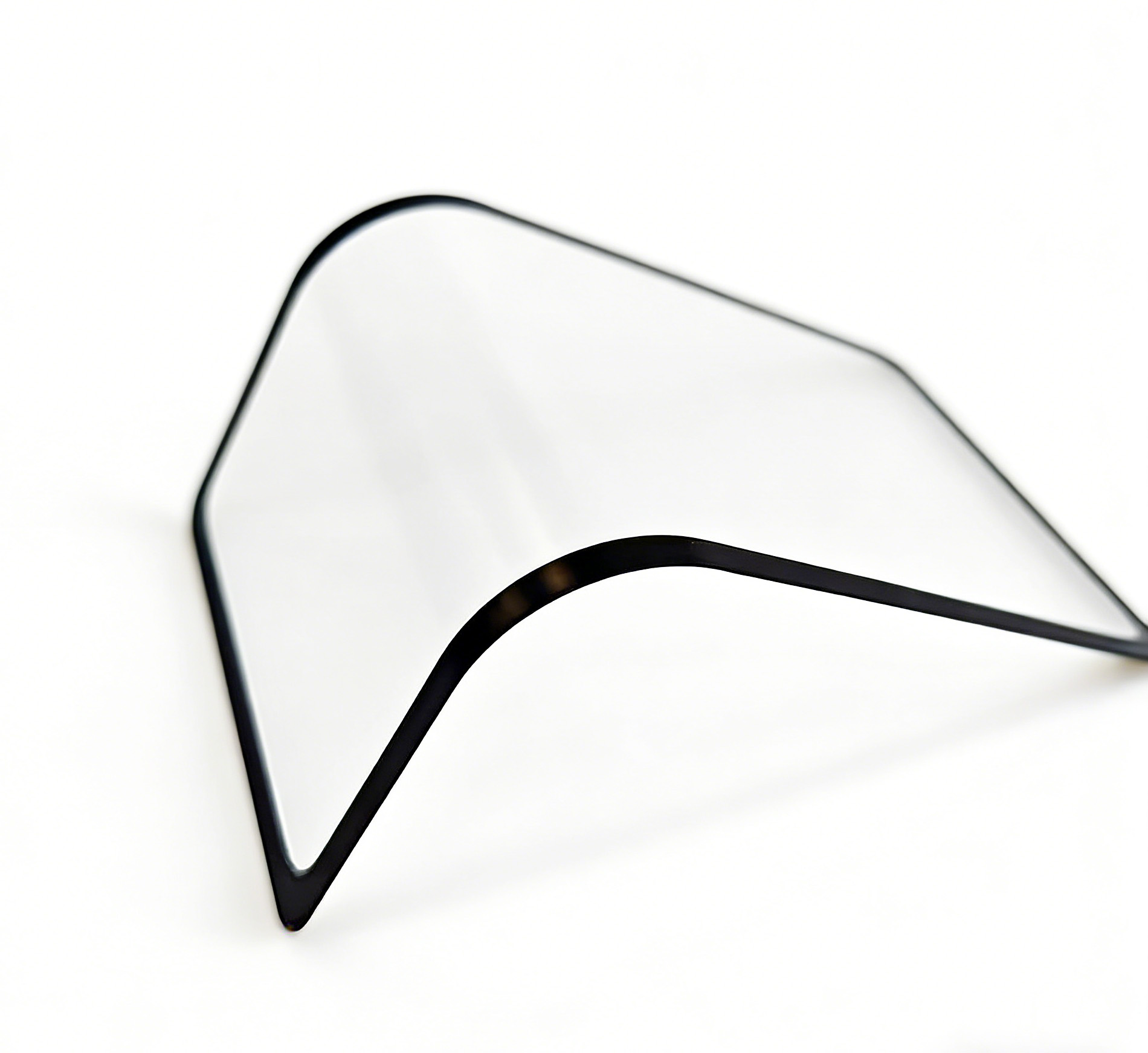
Curved glass improves feel, reduces visible edge thickness and supports edge-to-edge industrial design. Buyers should confirm tooling, optical distortion limits and assembly tolerances before choosing a 3D form.
Conductive and heated glass
ITO and FTO coatings are expanding beyond sensors into anti-fog windows, heated surfaces and interactive display modules. Low sheet resistance with controlled haze is becoming a key specification point.
Printed, NFC and multi-function covers
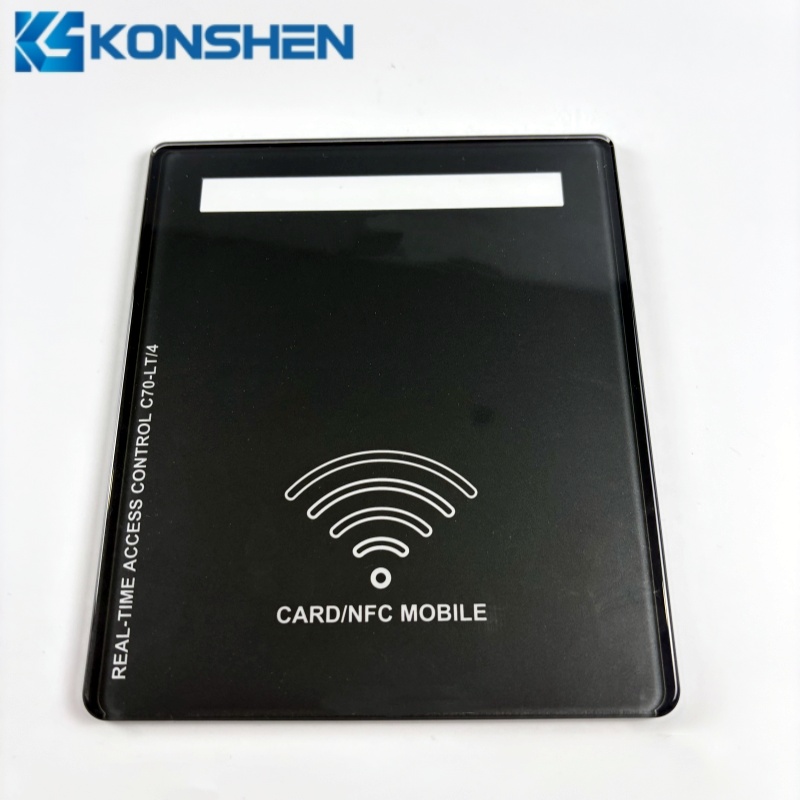
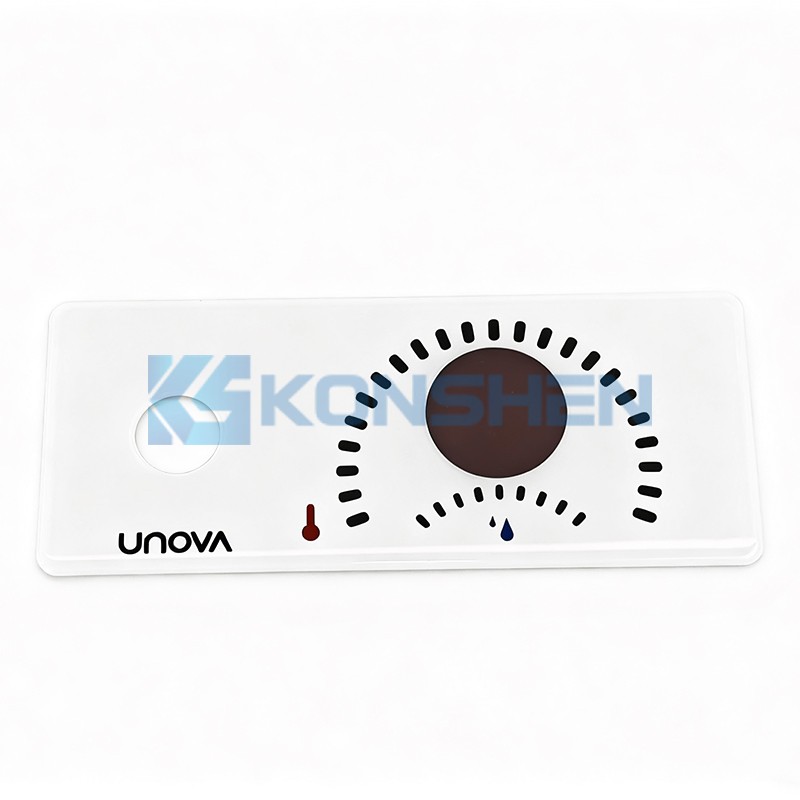
Silk-screen printing, laser engraving, selective windows and NFC access can be integrated into one glass front panel. This reduces part count and gives gaming venues, hotels and esports centers a cleaner interface.
Low-sparkle AG for high-PPI screens
As gaming monitors move to higher pixel density and HDR, aggressive anti-glare texture can create visible sparkle. The trend is toward finer AG structures with controlled haze and a clean, low-distraction image.
Recommended Glass Configuration by Application
Use this selection map as a starting point for engineering review. Final thickness, coating stack, printing and tolerance should be confirmed by drawing and application testing.
| Application | Recommended glass | Key performance target | Procurement note |
|---|---|---|---|
| Handheld gaming cover / control deck | 1.1–2.0 mm chemically strengthened glass, AF, optional 2.5D edge | Contact angle >110°, clean flatness, strong drop performance after lamination | Validate touch and haptic integration before mass production. |
| Gaming monitor front window | 1.1–3.2 mm AR or AG coated glass | AR <1.0% reflectance per side or AG haze 5–40% | Check sparkle, color shift and lamination compatibility. |
| Outdoor arcade / esports kiosk | 3–6 mm tempered AG+AF glass with CNC holes | Controlled haze, salt-spray resistance, impact strength | Specify protective packing and on-site replacement strategy. |
| Touch control panel / smart deck | 0.7–3.0 mm printed tempered glass with optional ITO | Sheet resistance 1–20 Ω/sq, transmittance >85%, clean print alignment | Confirm tail bonding, grounding and connector space. |
| Anti-fog display / heated interface | 25 × 25 × 1.1 mm ITO/FTO toughened glass or custom size | Uniform heating, stable sheet resistance, anti-fog performance | Test voltage, power budget and thermal cycling. |
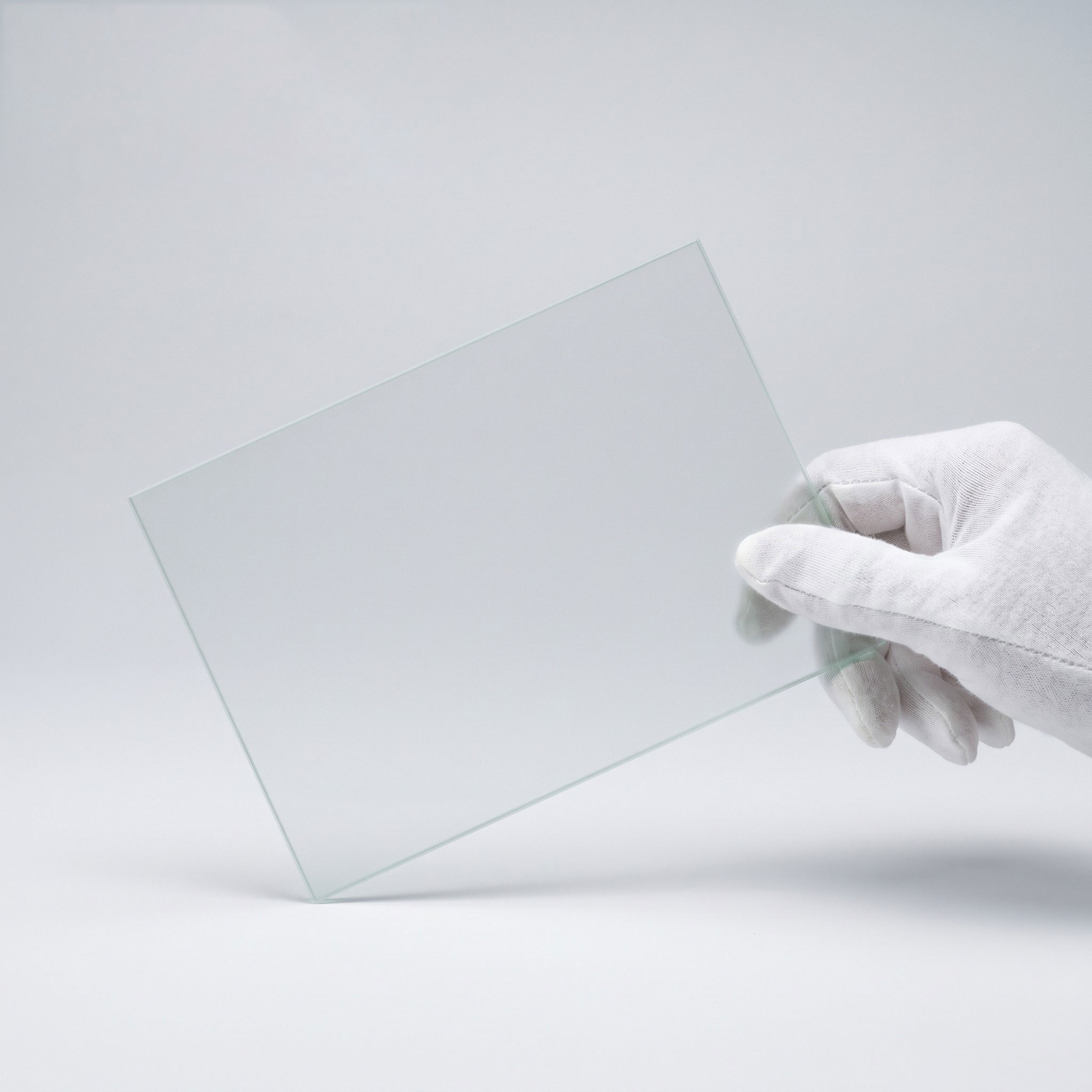
| Premium showcase / collector display | 1–19 mm AR glass, single or multi-layer coating | Transmittance up to 98%, low reflectance, cosmetic-grade surface | Define scratch-dig standard and edge polish in the drawing. |
Why KELO Glass Is Built for Serious Display-Glass Programs
The original KELO advantage is not a single machine or a single coating. It is the ability to keep every critical process accountable under one factory system, from engineering review to export packing.
Factory-direct, not a trading layer
Huizhou KELO Glass Co., Ltd. is a verified manufacturer in Huizhou, Guangdong, with 6 years of verified exporter history on Alibaba.com and direct engineering access.
Surface engineering is the core
AR, AG, AF, ITO and FTO coating are not outsourced afterthoughts. Coating performance is reviewed, measured and visually inspected as part of our in-house production flow.
One factory, ten critical processes
Cutting, CNC machining, edge polishing, laser engraving, silk-screen printing, sandblasting, tempering, coating, curved forming and adhesive bonding run under one accountable system.
Scale with flexibility
10k–30k m² of factory space, 20–25 million pieces per year of touch cover glass capacity and US$50–100M annual output value support both wholesale programs and custom engineering runs.
Engineering depth
21–30 R&D engineers support drawing review, DFM feedback, feasibility analysis and sample iteration. The goal is to catch tolerance and coating conflicts before they become production costs.
Three inspection gates
IQC, IPQC and FQC/OQC checks cover thickness, flatness, dimensions, coating adhesion, abrasion, tempering, salt spray and 100% appearance inspection before packing.
Low-friction sampling
Samples start from 1–2 pieces. With a 4.9/5 store rating, 98.18% reply rate and ≤1 hour typical response time, small validation orders stay commercially practical.
Export-ready wholesale support
FOB, CFR, CIF, EXW and DDP terms are supported, with T/T, L/C, PayPal, Western Union and Alibaba Trade Assurance. Custom honeycomb cartons, blister trays and partitions protect finished glass.
From Raw Sheet to Packed Carton, Without Unexplained Handoffs
Outsourcing individual steps can introduce handling damage, longer lead times and unclear responsibility when a cosmetic defect appears. Keeping the critical processes in-house gives buyers one specification owner and one quality conversation.
Export Packing and Market Distribution for Gaming Display Glass
Wholesale buyers need more than a low unit price. They need stable packaging, export documentation, responsive technical answers and a supplier that understands the difference between FOB, CIF and DDP outcomes.
KELO serves Europe, North America and South America with factory-direct cover glass, AR/AG/AF coated glass and ITO/FTO conductive glass. Typical market distribution is shown below; exact terms are quoted per drawing, order volume and destination.
Evidence a Procurement Team Can Review
Trust is easier to justify when buyers can inspect the factory profile, buyer feedback, transaction record and production video before a purchase order is issued.
Verified Assessment
Review the on-site verification report behind our factory profile and manufacturing capability.
View reportRatings & Reviews
Read buyer feedback behind the 4.9/5 store rating and 98.18% reply rate.
Read reviewsFactory Video
Walk through production, coating, inspection and packing processes before requesting samples.
Watch videoTrade History
Review recorded transactions and export activity completed through the official profile.
View historyGaming Display Glass Procurement Questions
These are the questions engineering, sourcing and wholesale teams ask before a first sample order or a repeat production release.
Are your gaming display glass products CE certified?
CE requirements depend on the completed device, its intended use and the applicable directive. We support CE-related component documentation, including material declarations, RoHS/REACH information, dimensional reports and coating test records. For a specific market and configuration, send the drawing and application details so our engineering team can confirm the appropriate documentation package.
What is the minimum order quantity for custom gaming display glass?
Sample orders can start from 1–2 pieces so you can validate fit, optics, touch integration and coating performance. Bulk quantity and wholesale pricing are quoted per drawing, thickness, coating stack, printing and annual demand.
Can you combine anti-glare and anti-fingerprint treatment on the same panel?
Yes. AG+AF combined stacks are available, and AR or other functional layers can be reviewed depending on the target haze, reflectance, contact angle and abrasion performance. The final stack is defined during engineering review because optical goals and durability requirements can conflict if not balanced correctly.
Which glass should I use for a handheld gaming console or touch control deck?
For many handheld and control-deck designs, 0.5–1.1 mm chemically strengthened glass with an AF top coat and 2.5D polished edge is a practical starting point. If the glass includes touch sensing, specify ITO-coated glass with the required sheet resistance, transmittance and haze, then validate the sensor with your electronics and haptic assembly.
What are typical sample and mass-production lead times?
Sampling starts from 1–2 pieces. Bulk lead time is typically 21–31 days after sample approval, depending on size, coating stack, curved forming, printing complexity and order quantity. Packaging requirements can also affect the final schedule.
Can you support logos, CNC holes, irregular shapes, NFC and 3M adhesive bonding?
Yes. Custom size, shape, holes, cut-outs, silk-screen printing, laser engraving, NFC integration, 2.5D/3D forming and 3M adhesive bonding can be customized to your drawing or sample. Glass thickness ranges from 0.1 mm to 19 mm, with specialty materials available for demanding applications.
How do you reduce breakage during wholesale shipping?
Finished glass is packed with project-specific protection: custom honeycomb cartons, blister trays, partitions and protective films. The packing method is selected after considering panel size, edge profile, coating, quantity and the final shipping route.
Which trade terms and payment methods do you support?
We support FOB, CFR, CIF, EXW and DDP trade terms, with T/T, L/C, PayPal and Western Union payments. Orders placed through Alibaba.com can be protected by Trade Assurance, and our team can provide export documentation according to the agreed terms.
Send the Drawing. We Will Return a Manufacturable Glass Specification.
Share your target size, thickness, glass material, coating performance, printing artwork, annual volume and destination market. Our engineering team will review feasibility, recommend the most suitable glass platform and prepare a quotation for OEM or wholesale production.
info@keloglass.com