8 Custom Glass Plates Buyers Shortlist First
These are application-led recommendations rather than a catalogue dump. Each option connects a glass substrate, coating stack and surface treatment to a real operating condition — then lets you verify the specification before volume production.
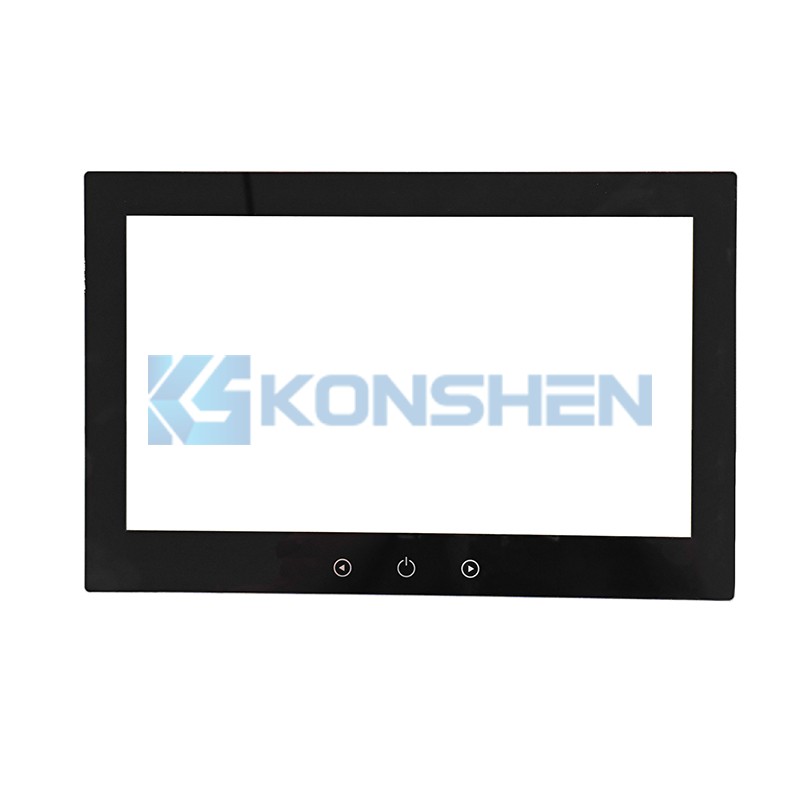
Electronic ITO Conductive Tempered Glass Black-Framed Display Cover
1 mm–4 mm tempered glass with ITO conductive coating and custom black framing for industrial monitors, touch displays and EMI-sensitive equipment.
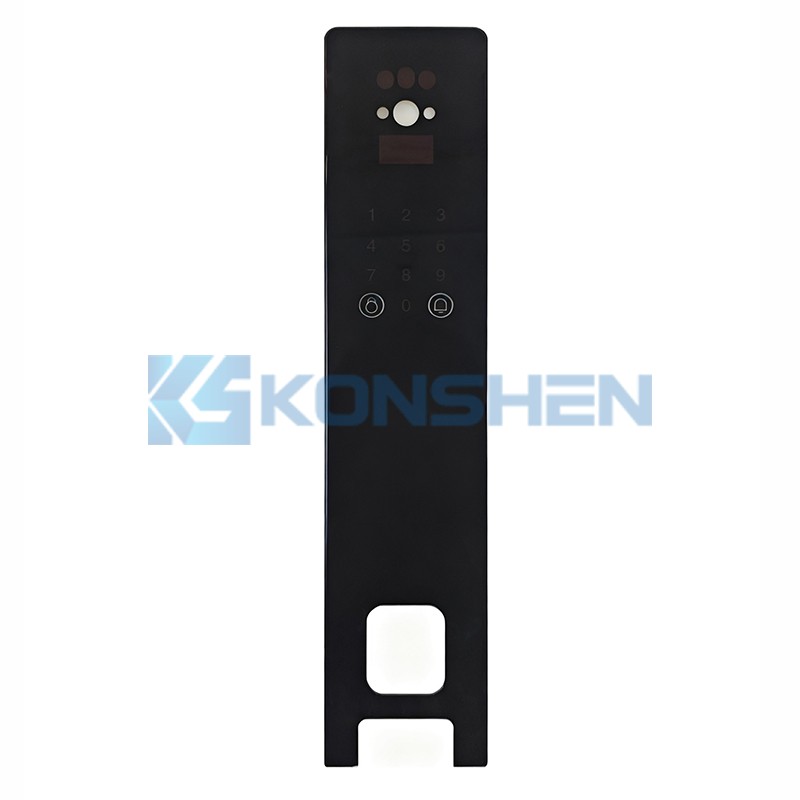
Electronic Tempered Glass Keypad Panel for Smart Door Lock
Custom printed rectangular glass panel with durable touch keypad graphics, designed for smart locks, access control and high-touch security interfaces.
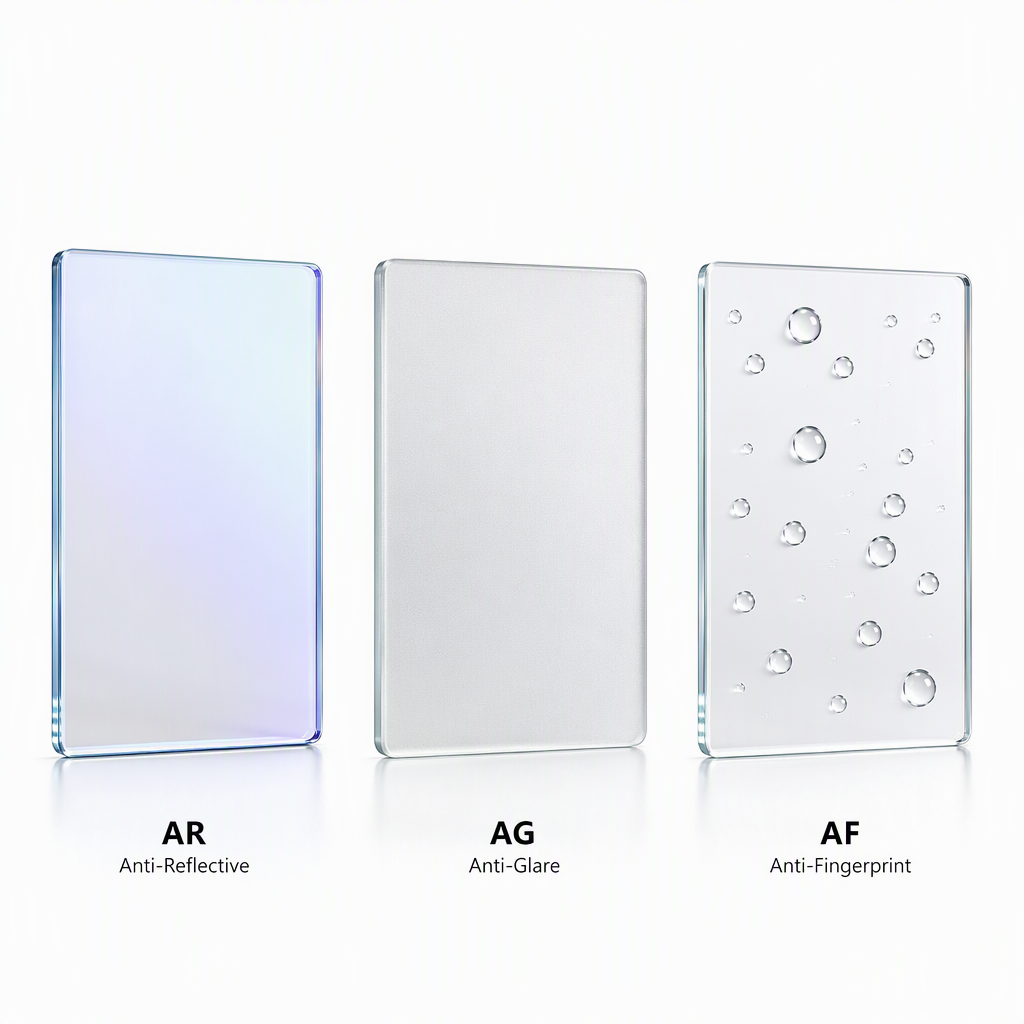
AR AG AF Coated Glass Sheet – OEM Anti-Reflective Service
92% class transmission options with anti-reflective, anti-glare and anti-fingerprint functions for premium displays and custom optical windows.

Anti-Fogging Anti-Reflective ITO/FTO Conductive Glass for Lab
Ultra-thin tempered optical glass with anti-fogging and anti-reflective treatment for laboratory instruments and conductive optical assemblies.
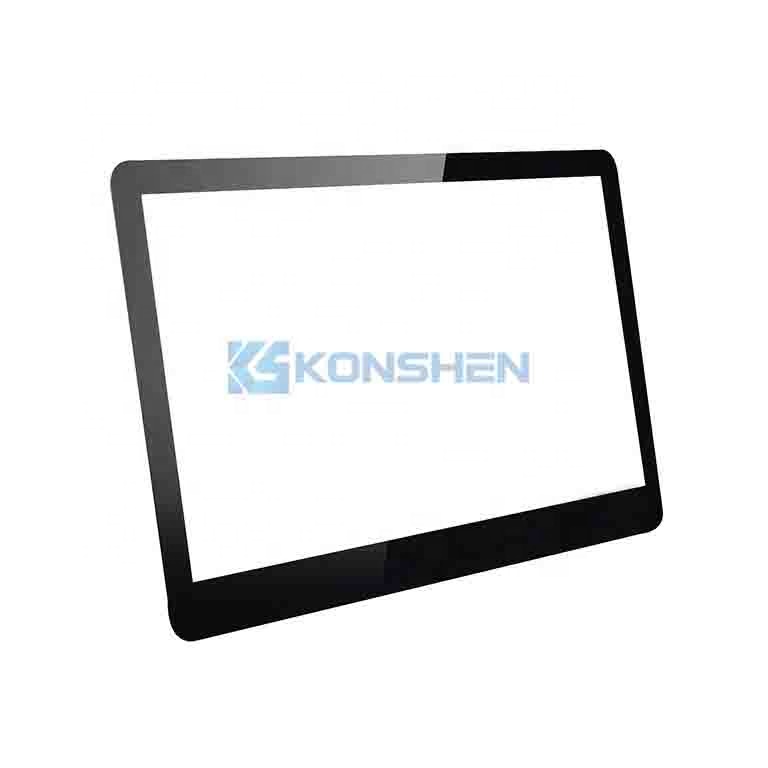
Anti-Glare Chemically Tempered LCD Protection Cover Glass
2 mm and 3 mm solid or hollow anti-glare glass with chemical tempering and silk-screen printing for European-style LCD protection panels.
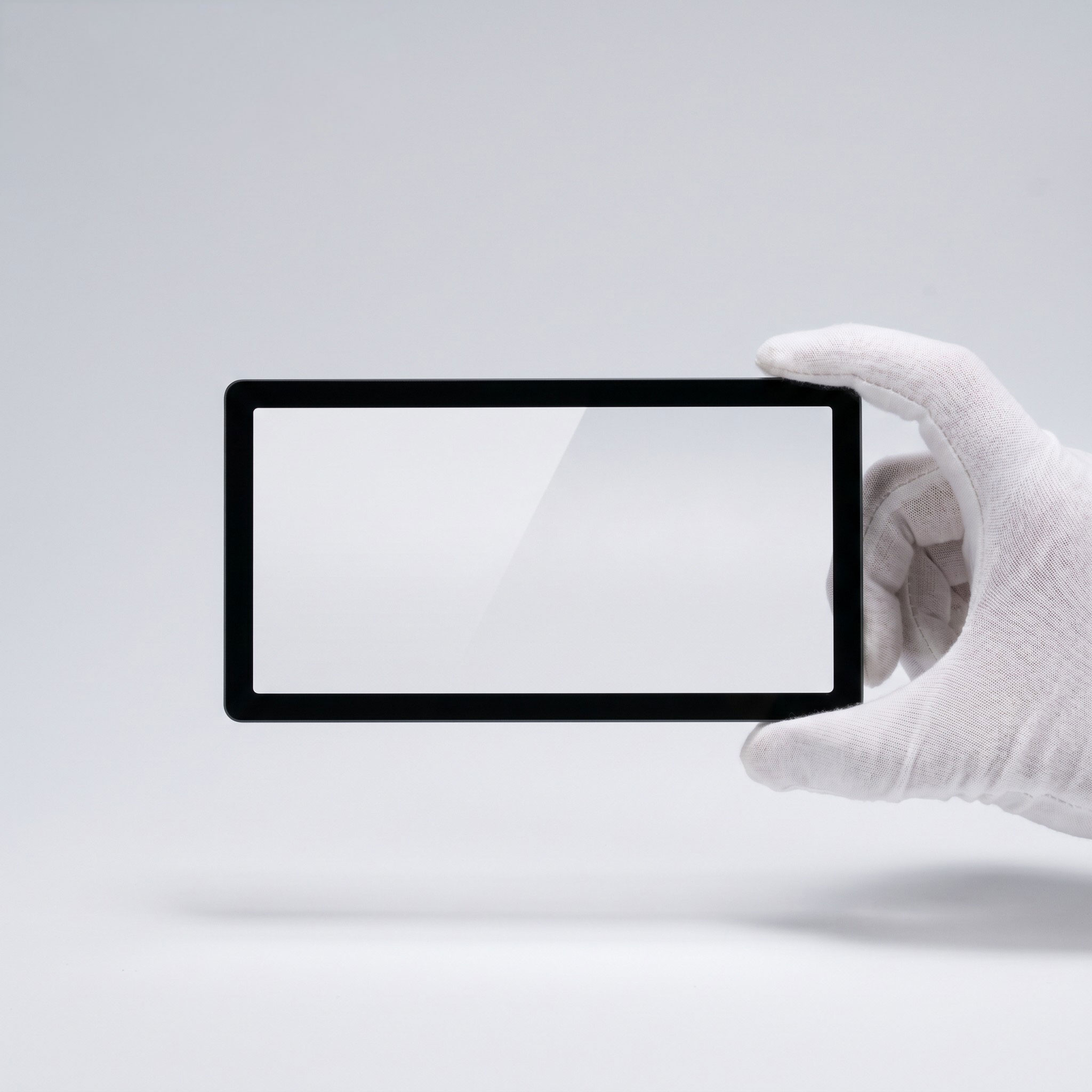
Gorilla Glass Front Panel – CNC Cut Solar Display Cover
Custom-size Panda or Gorilla glass front panel with CNC cutting, silk printing and tempered surface for solar displays and premium control panels.
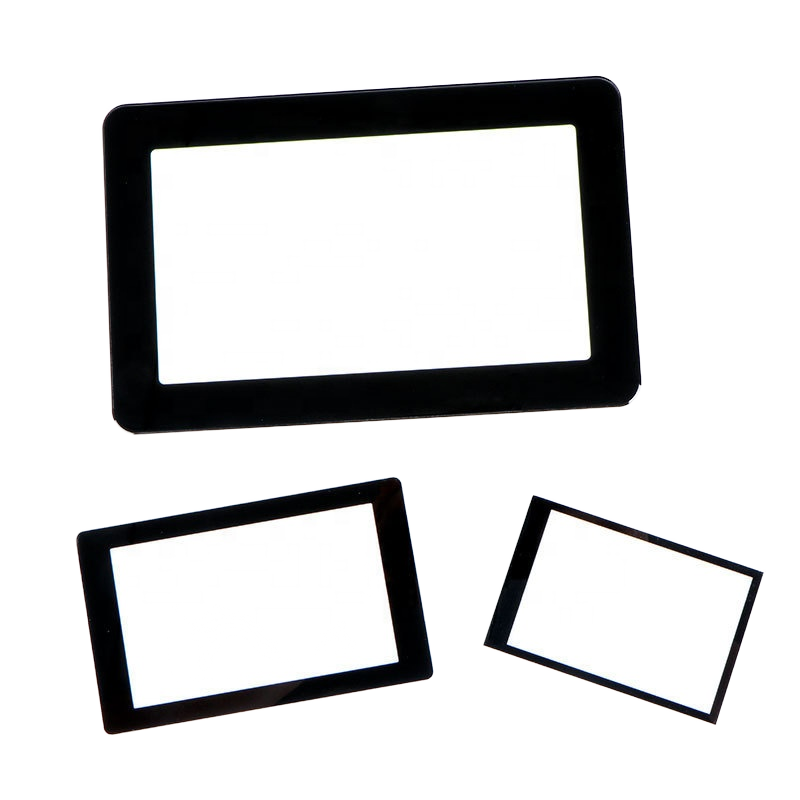
Outdoor Waterproof Tempered Glass Touch Screen Panel
0.2 mm–5 mm extra-clear soda-lime tempered glass for outdoor touch panels, fitness equipment and switching controls exposed to moisture and impact.
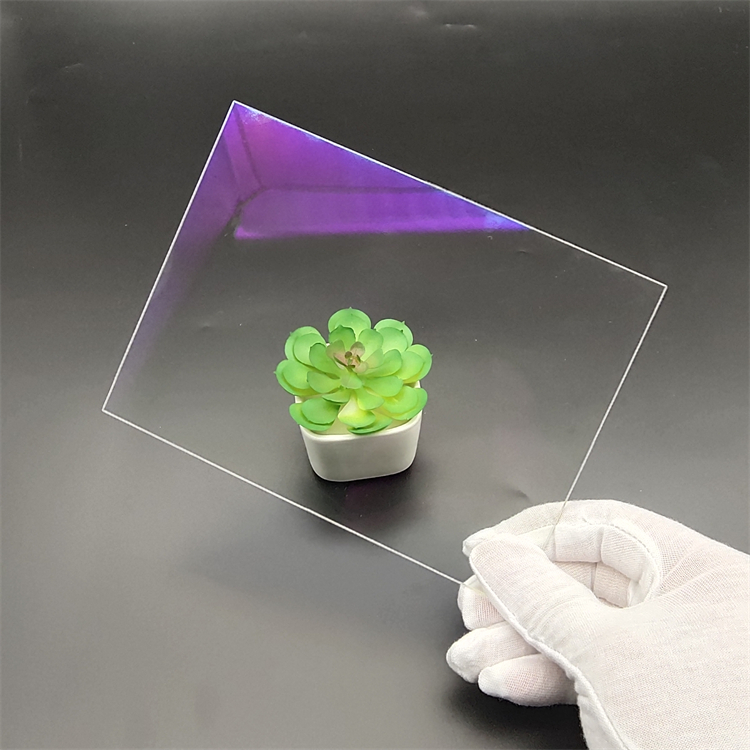
2 mm Ultra-Clear AR-Coated Tempered Glass for Displays & Solar
Both-sides anti-reflective coating on ultra-clear tempered glass, balancing high transmission with mechanical strength for displays, solar and lighting.
What “CE Certified” Should Mean in a Custom Glass Plate Supply Chain
CE marking is not a decorative logo applied to a bare glass sheet. In most industrial projects, the CE mark belongs to the finished machine, appliance, display assembly or control panel that falls under an applicable European directive. For the glass plate inside that product, the real supply-chain question is whether the manufacturer can deliver traceable material declarations, dimensional records, coating performance data and process controls that support the final technical file.
This distinction matters for procurement teams. A supplier that simply quotes “CE glass” without knowing the end application can create hidden compliance work during the OEM’s product certification. A more reliable partner asks for the operating environment, the glass stack, the interface with the touch sensor or display, the expected cleaning chemicals and the required lifetime. That is how an informed specification is built.
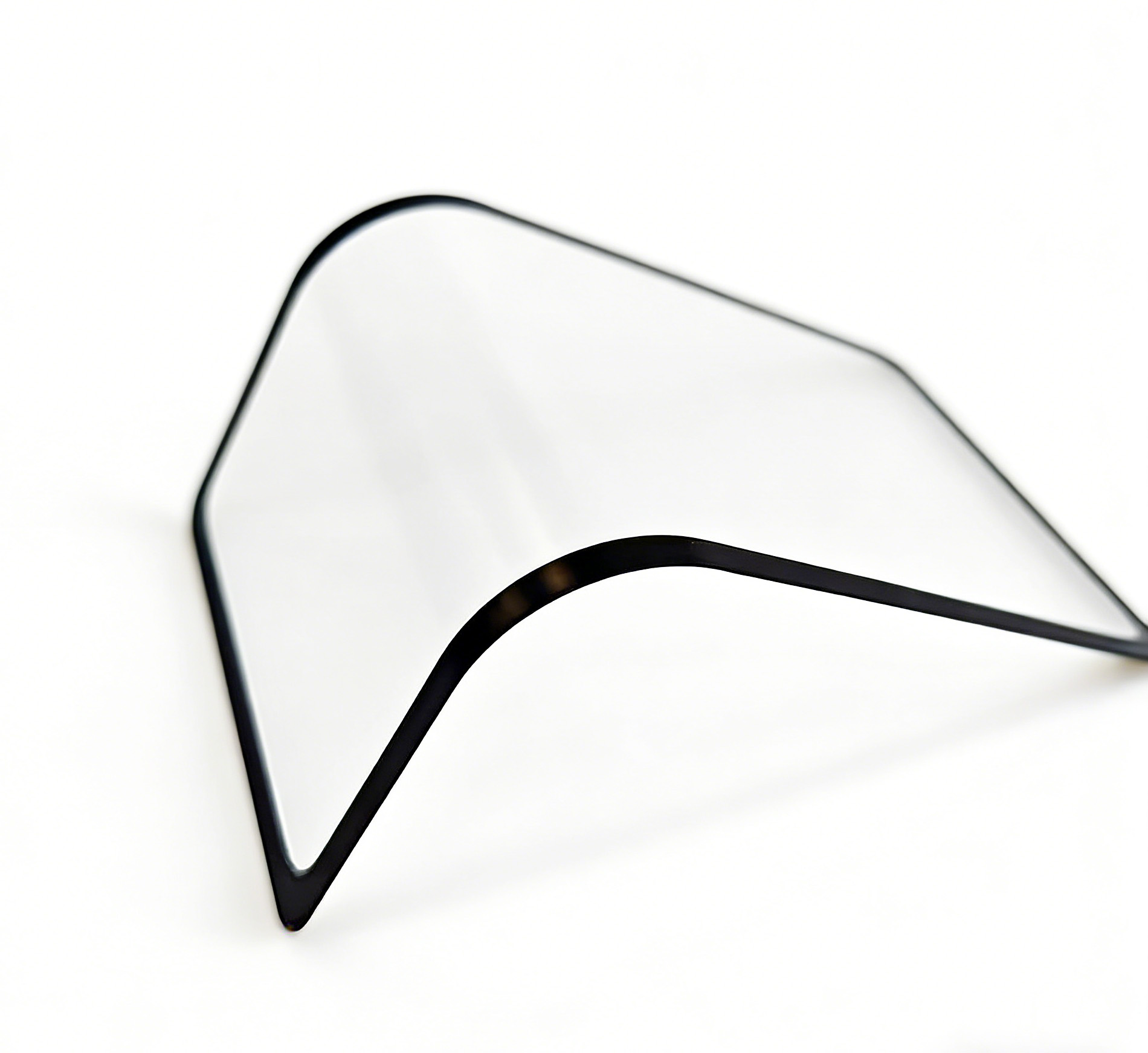
Why KELO Glass Is Built for Custom Glass Plate Programs
Factory-direct manufacturing matters most when the product is not a commodity. The advantage is not simply a lower quotation; it is fewer hand-offs, faster engineering loops and clearer accountability from drawing to packed carton.
One-Factory Vertical Integration
Cutting, water-jet cutting, CNC machining, drilling, edge polishing, laser engraving, silk-screen printing, sandblasting, flat and curved tempering, AR/AG/AF/ITO coating, 2.5D/3D forming and 3M adhesive bonding are managed in-house.
Engineering-Led DFM Review
With 21–30 R&D engineers, the team can review tolerances, glass thickness, hole positions, coating choice, print layout and packing risk before tooling or samples are committed.
Verified Exporter & Buyer Protection
Six years of verified exporter activity, a 4.9/5 store rating, 98.18% reply rate and Alibaba Trade Assurance support help international buyers reduce sourcing risk.
Documentation for OEM Compliance
Material declarations, dimensional inspection reports, coating performance data and process records can be prepared to support the buyer’s CE technical file where applicable.
Surface Engineering as a Core Strength
AR, AG, AF, ITO and FTO coating performance is measured against application requirements — reflectance, transmission, haze, sheet resistance, contact angle and abrasion durability.
Packaging Built for International Transit
Custom honeycomb cartons, blister trays and partition packing are used to reduce edge chipping, coating scratches and breakage during multi-leg export shipment.
How Glass Plate Purchasing Is Changing
Buyers are moving from “price per piece” to “risk-adjusted total cost.” That change rewards manufacturers who can make specifications visible, validate low volumes quickly and scale without quality drift.
Compliance-First RFQs
Procurement teams increasingly ask for material declarations, RoHS/REACH positioning, dimensional reports and coating test methods before approving a sample, not after a production issue appears.
Evidence-Based Sampling
Low-volume samples from 1–2 pieces are used to test fit, optics, print alignment and assembly before mass production. Suppliers that cannot support rapid, documented samples slow down the entire NPI cycle.
Dual-Source Risk Planning
Single-source glass components create exposure when coating capacity, tempered glass yield or international logistics tighten. Buyers now validate a primary manufacturer and a qualified backup route earlier.
Total Landed Cost Focus
A cheaper unit price can be erased by chip rates, coating rework, customs delays or excess packaging damage. Total landed cost now includes yield, replacement, inspection labour and line-stop risk.
Smaller Initial Batches, Faster Iteration
Brand owners are launching more variants and refreshing designs faster. Suppliers need to support manageable initial batches, repeatable sample approval and smooth transition to volume.
Digital Quality Traceability
Batches, drawings, coating runs and inspection results are increasingly exchanged digitally. Clean revision control reduces the risk of shipping an old print, thickness or coating stack.
Where Custom Glass Plate Technology Is Heading
The next generation of display, touch and optical products puts more function into the glass itself. A glass plate is becoming a substrate, a mechanical shield, an optical filter and sometimes an electrical layer at the same time.
Thinner, Stronger Cover Glass
Demand continues for 0.1–2 mm glass that survives handling, cleaning and impact without adding excessive weight. Chemical strengthening and edge quality become as important as thickness.
Multifunctional Coating Stacks
AR + AG and AG + AF combinations are replacing single-function coatings because products must be readable in sunlight, resistant to fingerprints and easy to clean at the same time.
2.5D and 3D Curved Forming
Automotive dashboards, smart-home controls and wearables benefit from curved glass that follows industrial design lines while preserving optical clarity and touch responsiveness.
Conductive Glass for Sensors and Solar
ITO remains a common choice for capacitive touch and EMI shielding, while FTO is preferred where thermal and chemical stability matter in thin-film solar and high-temperature processing.
Outdoor Readability and Anti-Fogging
Kiosks, fitness equipment, bathroom controls and cold-chain devices require glass that manages condensation, glare and cleaning chemicals without clouding or coating loss.
Decorated Glass as Brand Interface
Silk-screen printing, laser engraving, frosted zones and selective coating create functional windows, hidden sensor areas and premium visual identity on the same glass part.
Selecting the Right Glass Plate for the Operating Condition
Start with the failure mode you need to prevent. The matrix below gives procurement and engineering teams a practical starting point for the RFQ discussion.
| Application | Recommended Glass / Coating | Performance Focus | Why It Matters |
|---|---|---|---|
| Industrial HMI in bright light | Chemically strengthened glass + AG or AR+AG | Haze control, low gloss, impact resistance | Keeps screen content readable without increasing backlight power and reduces operator fatigue. |
| Smart lock / access keypad | Tempered glass + AF + printed graphics | Contact angle, abrasion, print durability | Maintains a clean appearance and reliable touch feel in high-frequency use and cleaning. |
| Automotive display cover | AR or AR+AG + 2.5D/3D forming | Low reflectance, optical clarity, curved fit | Improves readability and supports seamless interior design and safety requirements. |
| Capacitive touch sensor | ITO glass, 1–20 Ω/sq, T > 85%, haze < 2% | Sheet resistance uniformity, transparency | Stable electrical performance across the touch area; low haze protects display contrast. |
| Thin-film solar / high-temperature process | FTO conductive glass | Thermal stability, chemical durability, sheet resistance | Better suited to processes where ITO may degrade under demanding temperature exposure. |
| Outdoor gym / wet environment | Extra-clear tempered glass + AG/AF | Water resistance, anti-glare, easy cleaning | Resists moisture, fingerprints and impact while keeping the interface readable outdoors. |
Export Experience That Supports Repeatable Delivery
KELO’s export activity is concentrated in Europe and North America, with additional shipments to South America. That matters for buyers because glass plates are vulnerable to edge chipping, coating scratches and moisture ingress if packing is treated as an afterthought. The manufacturing advantage must extend through the carton, pallet and final-mile handling.
Custom honeycomb cartons, blister trays and partition packing are used to protect coated and printed glass. For OEM programs, packaging can be aligned with line-side handling, returnable container plans and barcode or label requirements where agreed. Trade terms supported include FOB, CFR, CIF, EXW and DDP, with payment via T/T, L/C, PayPal and Western Union; Alibaba Trade Assurance is available for eligible orders.

What to Confirm Before Approving a Glass Plate Manufacturer
Use this checklist to turn a vague supplier comparison into a documented, auditable review.
Common Questions About CE-Ready Custom Glass Plates
Direct answers for engineering, sourcing and quality teams evaluating a first or repeat order.
Is the glass plate itself CE certified?
What should a CE-support documentation package include?
What is the minimum order quantity for custom cover glass?
What is the typical lead time for mass production?
Should I choose ITO or FTO conductive glass?
What optical performance can AR coating achieve?
What thickness, sizes and shapes can be produced?
Which trade terms and payment methods are accepted?
How is quality controlled before shipment?
Can you support both custom OEM and repeat volume orders?
Build a CE-Ready Glass Plate Specification With Our Engineers
Send your drawing, operating environment, target coating performance, annual volume and packing requirement. The engineering team will review feasibility, flag cost drivers and recommend a practical glass stack for sampling and mass production.