Eight Glass Sheet Products for CE-Marked and Export-Ready Projects
Each item below is produced through controlled cutting, CNC, printing, tempering, coating and inspection workflows. Product URLs and images are preserved from the original catalogue so buyers can move directly from evaluation to technical review.

Factory Customized Anti-Fogging Anti-Reflective Glass
Ultra-thin tempered and toughened optical ITO/FTO conductive glass for laboratory, instrument and high-clarity display windows.
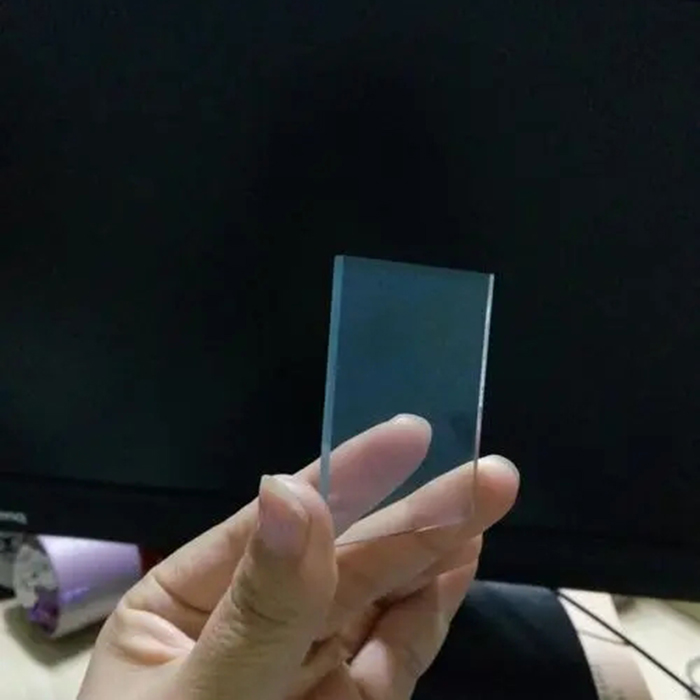
1.1 / 2.2mm ITO & FTO Conductive Glass
Solid flat square indium tin oxide coated glass and FTO conductive glass for lighting, heating and electronic interface applications.
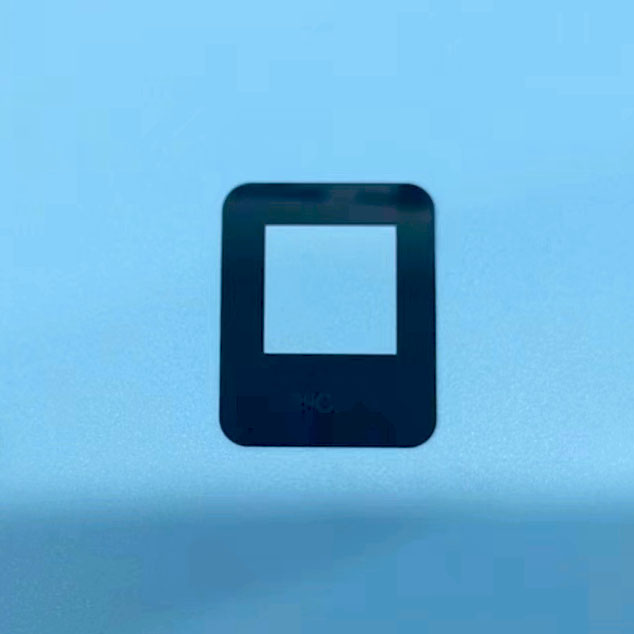
1mm Black Tempered Glass Switch Socket Panel
Flat solid wall cover with print, designed for appliance control panels, socket covers and decorative touch interfaces.

Customized Elevator Touch Panel Glass
Indicator arrow printing, touch smart control and electronics screen glass for elevator panels and human-machine interfaces.
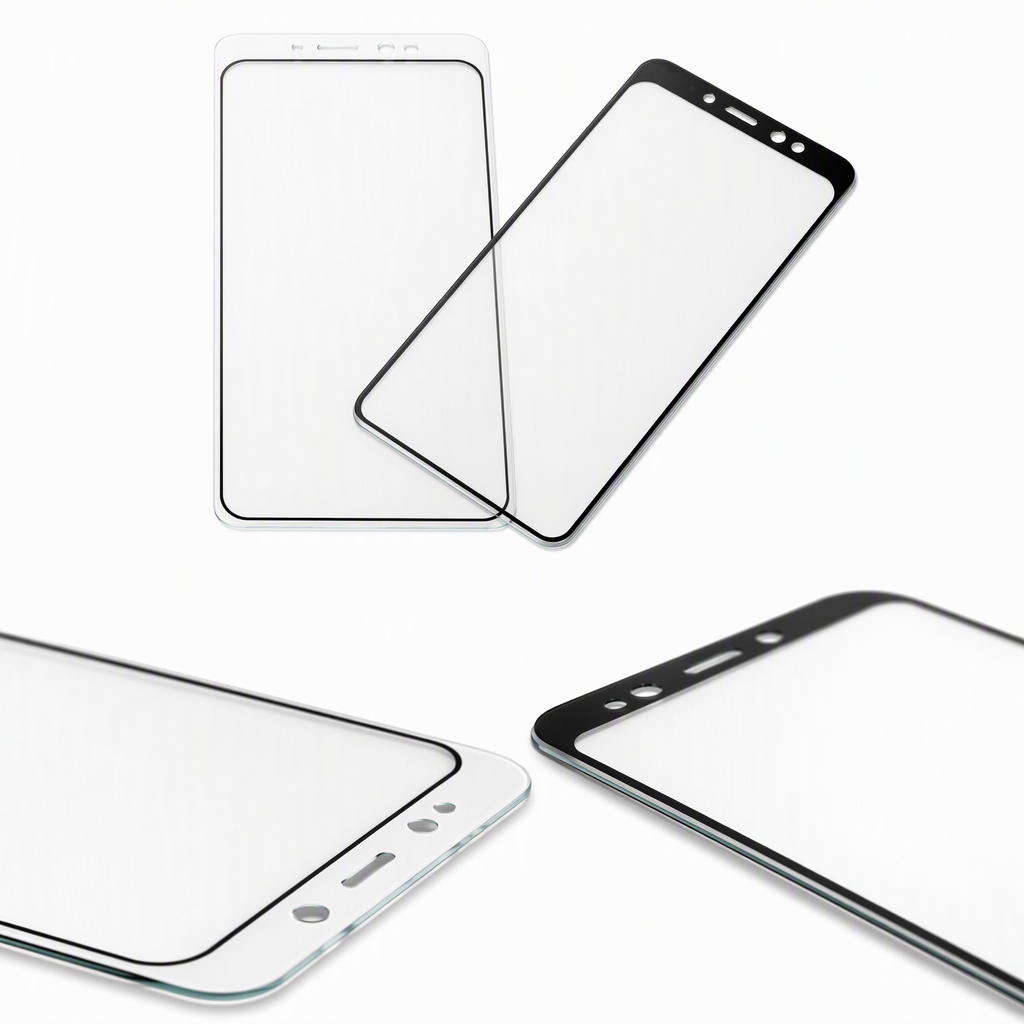
Toughened Glass Panel with CNC Holes
No-coating toughened glass with CNC hole drilling, irregular shape cutting, silk-screen printing and custom size production.
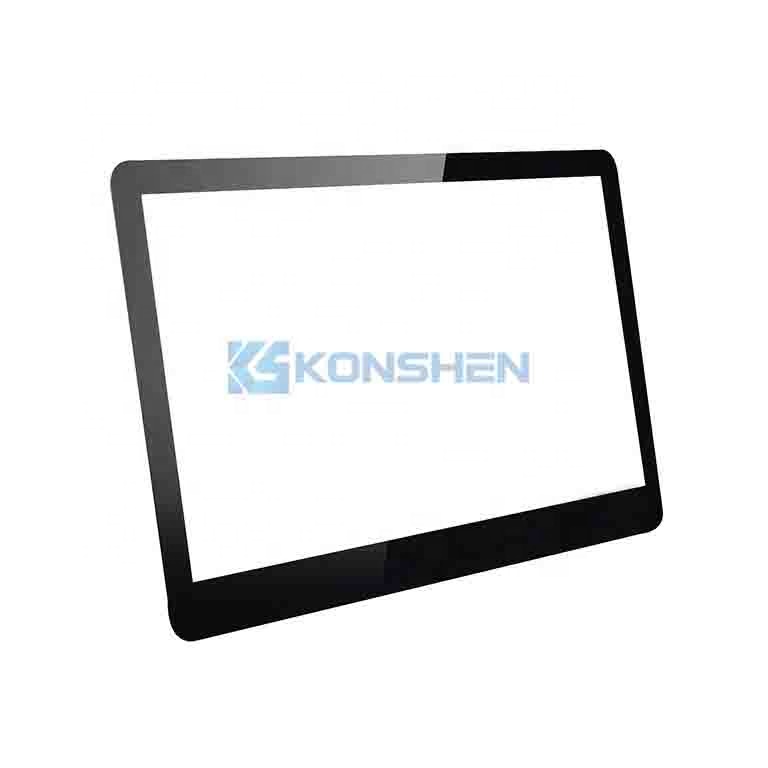
2mm / 3mm Anti-Glare LCD Cover Glass
Solid or hollow anti-glare chemical tempered protection glass with silk-screen printing and European-style surface finishing.
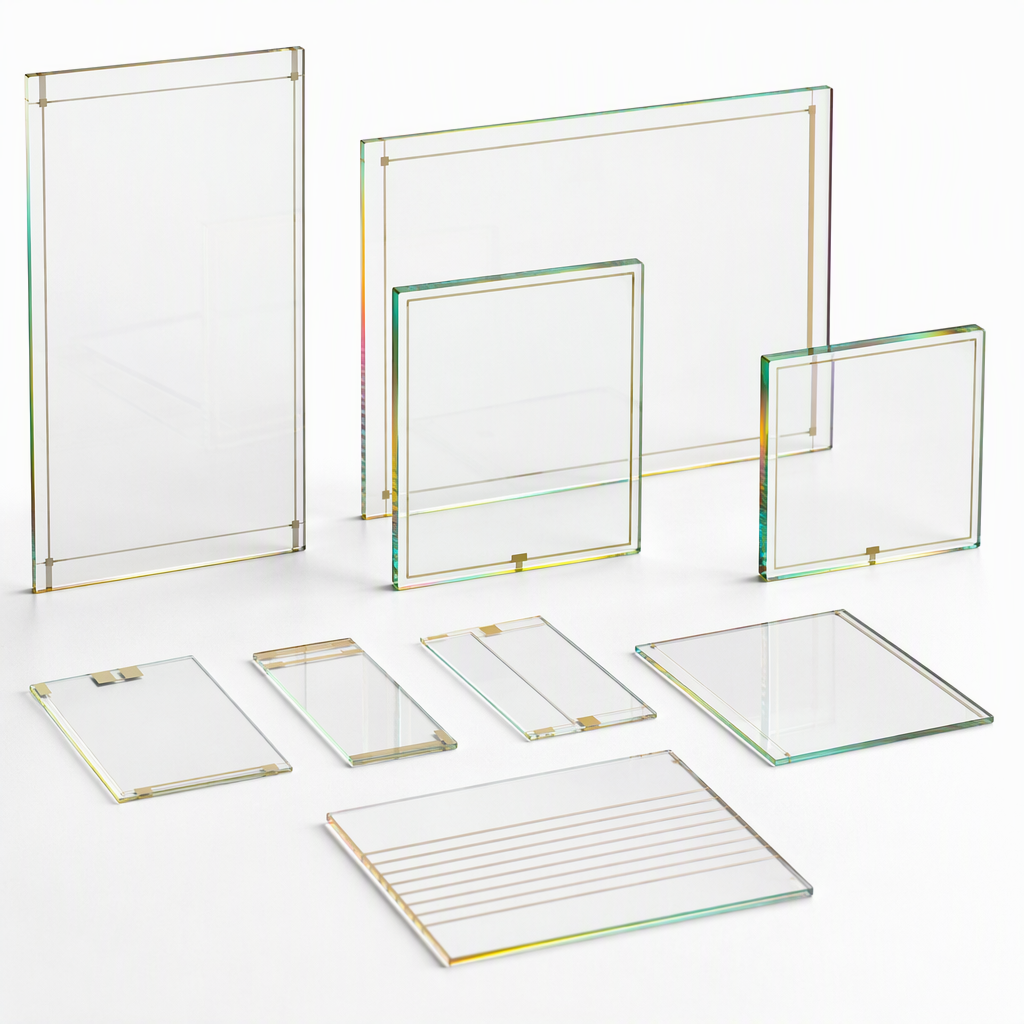
ITO Conductive Glass Heating Substrate
Custom-size ITO coated glass sheet with 6–8 ohm per square sheet resistance for touch panels and heating substrates.
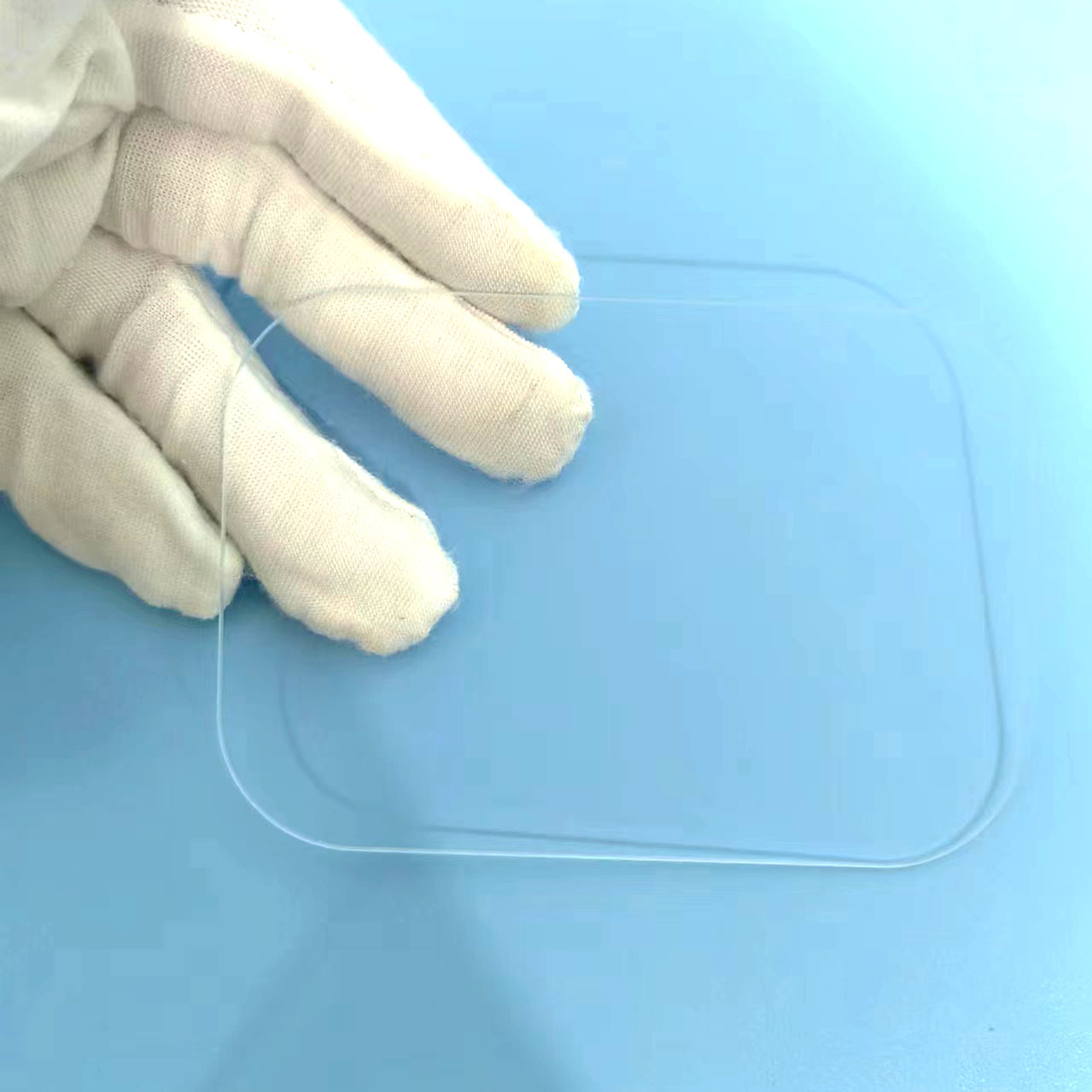
1.1mm ITO Glass for Smart Touch Mirrors
High-transmittance ITO coated glass panel with CNC custom shape and polished edge for smart-home touch mirror assemblies.
Why a CE-Focused Buyer Should Start With the Factory, Not the Trading Desk
The title “CE Certified Glass Sheet Manufacturer & Exporter” is only meaningful when the supplier can connect material selection, dimensional control, coating performance and documentation to a repeatable production system. Huizhou KELO Glass Co., Ltd. operates as a factory-direct glass manufacturer in Huizhou, Guangdong, inside the Greater Bay Area electronics supply chain.
For custom glass sheets, CE compliance is not a one-size-fits-all label that can be detached from the final application. It is a documentation and validation discipline that touches glass thickness, strength, coating durability, printing inks, adhesive compatibility, edge quality, packaging and batch traceability. A serious exporter should be able to explain how those details are controlled before the purchase order is issued.
Vertical integration reduces finger-pointing. Cutting, CNC machining, edge polishing, laser engraving, silk-screen printing, sandblasting, flat and curved tempering, AR/AG/AF/ITO coating, 2.5D/3D forming and 3M adhesive bonding are kept close to the production floor. That matters because a defect that appears after shipping can rarely be fixed by a supplier who outsourced every critical step.
- Factory-direct manufacturer, not a trader
- Drawing review, DFM feedback and sample validation
- Prototype quantities from 1–2 pieces
- 100% appearance inspection before packing

Six Proof Points That Matter During Supplier Qualification
Procurement teams do not need more adjectives. They need evidence they can verify. These six advantages are directly linked to the manufacturer’s operating model, export record and quality controls.
One Accountable Factory
Raw sheet cutting, CNC holes, edge polishing, printing, tempering, coating and bonding are controlled under one roof. Buyers get tighter tolerances, shorter correction loops and fewer supplier interfaces.
Surface Engineering as Core Strength
AR, AG, AF and ITO/FTO coating performance is not purchased from an unknown third party. In-house coating knowledge helps protect optical targets, adhesion and abrasion resistance through volume production.
Three Inspection Gates
Incoming inspection screens raw glass and materials. In-process controls check CNC dimensions, hole positions, coating adhesion and tempering. Final inspection includes 100% appearance checking and reliability tests.
Scale With Engineering Depth
With 101–200 employees, 21–30 R&D engineers and 20–25 million pieces annual touch cover glass capacity, KELO can support sample-driven projects and mass production without losing technical continuity.
Export-Ready Communication
Trade terms include FOB, CFR, CIF, EXW and DDP, with T/T, L/C, PayPal and Western Union payment options. Export experience covers Europe, North America, South America and other demanding markets.
Online Track Record
Verified exporter on Alibaba.com for six years, 4.9/5 store rating, 98.18% reply rate and Trade Assurance support give international buyers additional confidence before a first order.
Recommended Glass Sheet Specifications by Application
Use these starting points to narrow the RFQ. Final specifications should always be confirmed against your drawing, assembly process, cleaning chemicals, operating temperature and end-product compliance pathway.
1mm black tempered glass with print
For wall switches, sockets, smart-home panels and appliance interfaces where cosmetics and touch durability are equally important.
Anti-fog AR ultra-thin glass
For lab windows, sensor covers and optical instruments where condensation and reflection can reduce measurement reliability.
ITO conductive glass 6–8 Ω/sq
For touch panels, heating substrates, touch mirrors and transparent electrodes that need stable conductivity with high visual clarity.
AG chemical tempered cover glass
For outdoor kiosks, industrial terminals, elevator panels and LCD protection where glare and cleaning cycles are daily realities.
What Smart Buyers Will Expect From Glass Sheet Suppliers
Price per piece will remain important, but the next procurement cycle will reward suppliers who can prove process control, documentation readiness and supply continuity.
01Evidence-based qualification
Buyers increasingly request FAI reports, coating measurement data, tempering records, adhesion test results and batch traceability before approving a new glass sheet supplier.
02Dual sourcing, fewer interfaces
Teams want a backup source, yet they do not want to manage ten subcontractors. A vertically integrated factory that controls coating, printing and forming can reduce coordination risk.
03Small-batch customization
Prototypes from 1–2 pieces and low-volume customized panels are becoming normal. Suppliers need flexible CNC, printing and coating setups without sacrificing repeatability.
04Total landed cost discipline
Breakage, rework, delayed assembly and excess packaging often cost more than the glass itself. Procurement is shifting from unit price to landed cost, yield and reliability.
05Documentation readiness
CE-related declarations, material information, dimensional reports and inspection records are becoming part of the supplier scorecard, especially for European appliance and industrial projects.
06Packaging and sustainability
Custom honeycomb cartons, blister trays and partition packing reduce transit damage. The future benchmark is protection plus lower waste, not extra packaging for its own sake.
Where Glass Sheet Technology Is Moving Next
Glass is no longer just a protective window. It is becoming a functional surface that carries optical, electrical, decorative and structural value in the same component.
01Multifunctional coating stacks
AR+AG and AG+AF combinations let one glass surface reduce reflection, control glare and resist fingerprints. The trend is toward application-specific stacks rather than a single generic coating.
02Thinner but stronger substrates
Devices and appliances are packaging more function into less space. Chemically strengthened glass from 0.1 mm upward enables lighter assemblies while maintaining impact and scratch resistance.
032.5D and 3D curved cover glass
Curved edges improve industrial design, sealing and touch comfort. Buyers need suppliers who can combine curved forming with printing, coating and dimensional inspection.
04Conductive glass for smart surfaces
ITO and FTO coatings support touch sensing, heating, transparent electrodes and smart mirrors. The next step is tighter integration between conductive glass and the customer’s control electronics.
05Glass as a structural interface
In appliances, automotive consoles and industrial HMI, glass is becoming the visible interface layer. Edge strength, adhesive bonding and printing alignment are now design-critical.
06High-temperature and solar substrates
FTO conductive glass is gaining attention where thermal and chemical stability matter, including thin-film solar cells and high-temperature processes. This expands the market beyond touch panels.
How to Specify Coating, Conductive Layer and Substrate
A high-performance glass sheet is a system. The matrix below helps engineering and sourcing teams align the operating condition with the right coating or substrate before requesting a quotation.
| Operating Condition | Recommended Route | Key Performance | What to Confirm in RFQ |
|---|---|---|---|
| Bright outdoor display | AG or AR+AG tempered cover glass | Haze 5–60%; gloss 0.5–8 GU | Haze, gloss, transmission, cleaning chemical compatibility |
| High-touch control panel | AF or AG+AF | Water contact angle >110°; >10,000 cycles | Abrasion cycles, contact angle, steel wool test |
| Maximum transparency | AR single or multi-layer | Reflectance <1.0%/side; T >99% | Wavelength range, one-side or two-side coating, color point |
| Capacitive touch sensor | ITO conductive glass | 1–20 Ω/sq; T >85%; haze <2% | Sheet resistance, patternability, annealing tolerance |
| Thin-film solar / high temperature | FTO conductive glass | 1–20 Ω/sq; strong thermal stability | Process temperature, chemical exposure, sheet resistance |
| Seamless curved design | Chemically strengthened 2.5D/3D cover glass | Custom curvature; polished edge; print alignment | 3D model, edge finish, optical distortion limits |
Typical values are production reference points. Final acceptance criteria should be agreed on the drawing, sample and test method before mass production.
What “CE Certified Glass Sheet Manufacturer” Should Mean in Practice
CE marking is tied to the final product and its applicable directives, not to a single generic glass sheet in isolation. For a custom glass component, the exporter’s real value is the ability to support the customer’s compliance file with consistent materials, controlled processes and test evidence.
KELO Glass supports this through incoming, in-process and final inspection; 100% appearance checking; tempering, adhesion, abrasion and salt spray testing; and packing designed to prevent transit damage. For buyers, the practical question is simple: can the supplier reproduce the approved sample at volume and provide records that support your CE-marked assembly?
That is why the qualification conversation should cover glass thickness, edge condition, coating reflectance, haze, sheet resistance, printing color, adhesive type, cleaning chemicals and end-use environment. A supplier who can answer those questions in engineering language is more valuable than one who only offers the lowest quotation.
- Thickness range 0.1–19 mm
- Flat, 2.5D and 3D forming
- CNC holes, irregular shapes and polished edges
- AR / AG / AF / ITO / FTO coating options

Frequently Asked Questions From Importers and Engineering Teams
These answers reflect the questions that most often arise during sample review, supplier audit planning and first-order negotiation.
Are your glass sheets CE certified?
What is the minimum order quantity for custom glass sheets?
What thicknesses, sizes and shapes can you produce?
What is the typical production lead time?
Should I choose ITO or FTO conductive glass?
What optical performance can your AR coating achieve?
How do you control quality before shipment?
Which trade terms and payment methods do you accept?
Send a Drawing, Target Performance or Sample Photo
Share your glass thickness, size, coating requirement, annual volume and end-use environment. The engineering team will review feasibility and recommend a practical glass sheet specification for sampling.