8 Factory-Direct Glass Lines for Induction Cooktops, Appliances and Touch Displays
Induction cooktop brands often search for a “CE certified induction cooktop glass supplier” when they need a control surface that is thermally stable, optically clear, printable, cleanable and repeatable in volume. The glass is a component; the finished appliance carries the CE mark. A capable wholesaler therefore supports the appliance technical file with material declarations, process capability data, test reports and batch traceability. The eight lines below cover the most common requests for appliance control panels, display windows, touch interfaces and specialty glass programs.

Waterproof Curved Tempered Glass Panel with Anti-Reflective Coating
For bathroom, instrument display and induction hob fascia applications where angled reflections reduce readability. The AR coating supports a cleaner optical appearance while the tempered curved form follows modern appliance contours.
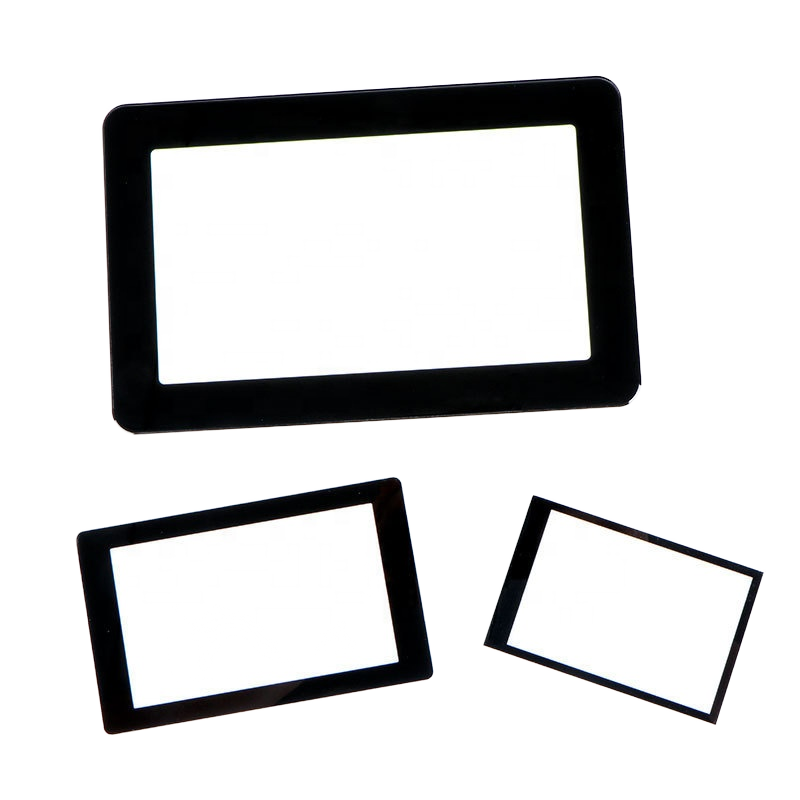
Extra-Clear 0.2 mm / 5 mm Waterproof Tempered Touch Panel
Left/right switching control, outdoor gym and wet-area touch applications benefit from soda-lime extra-clear glass, waterproof construction and tempered strength. Suitable for printed borders, adhesive bonding and cover-glass integration.
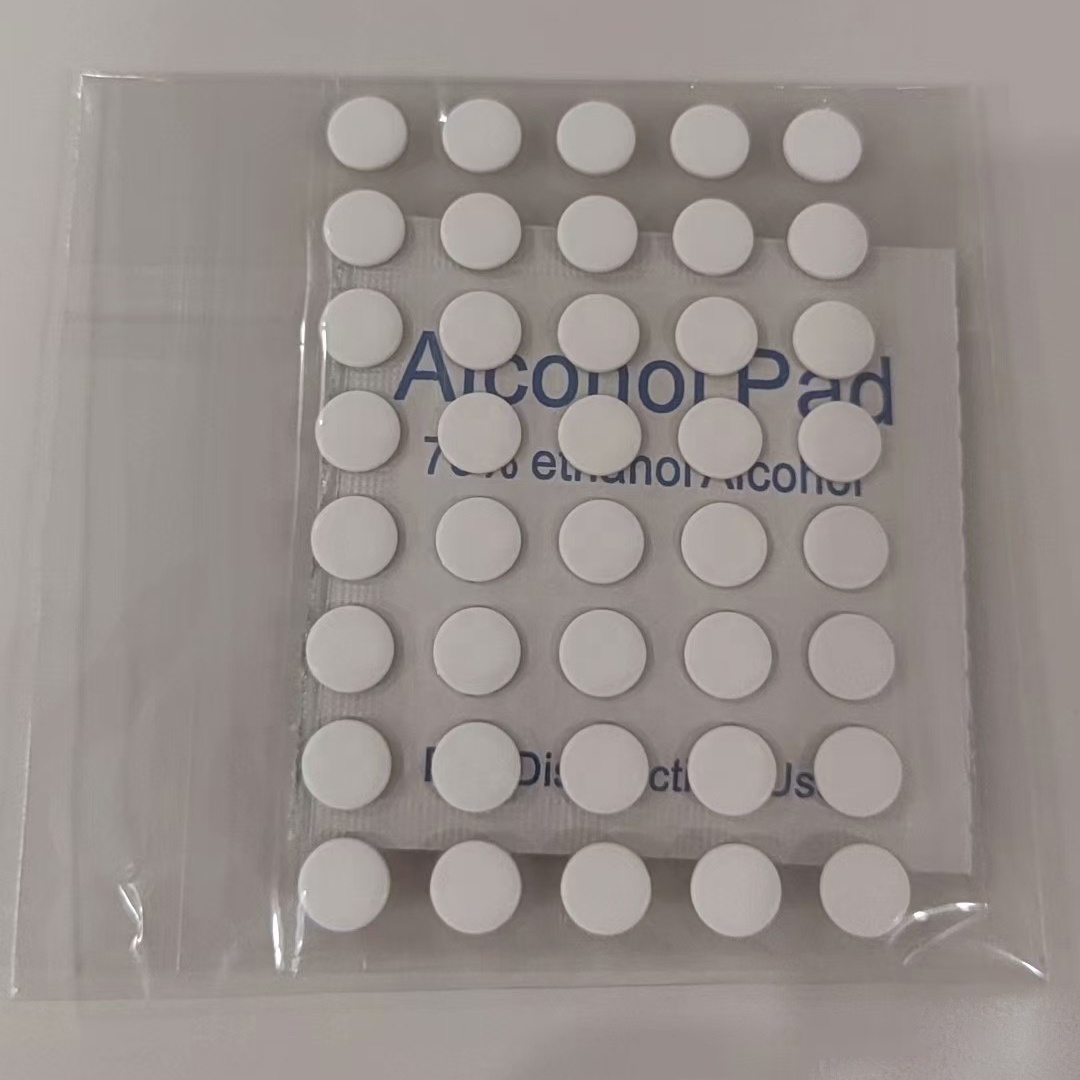
PTFE Round Gaming Mouse Glides / Mouse Skate Dots
A complementary low-friction component for gaming peripherals and precision hardware. Factory-controlled dimensions, clean edges and consistent PTFE quality help buyers maintain smooth movement and repeatable assembly.
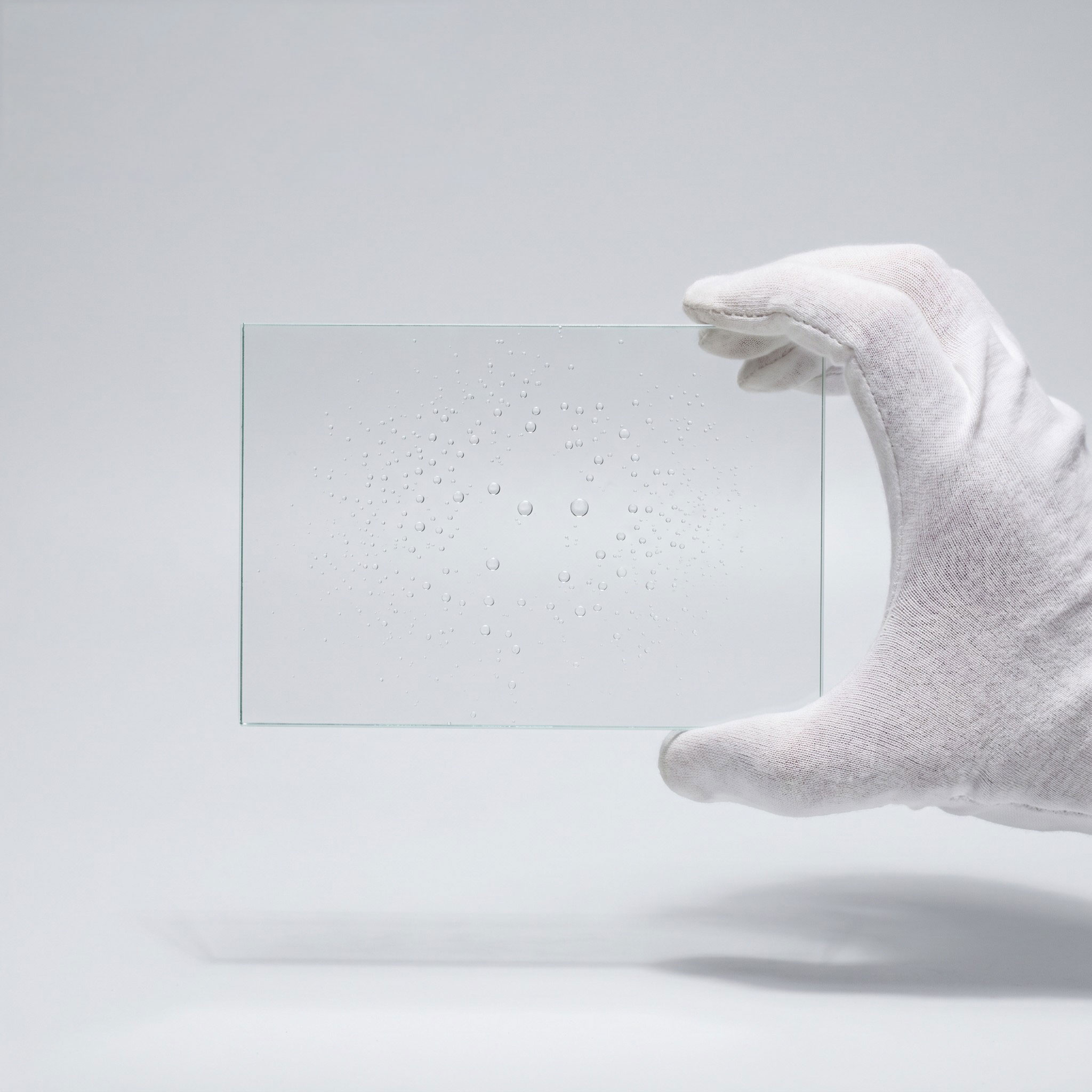
KS AF001 High-Transmittance AF-Coated Toughened Kitchen Glass
Designed for kitchen electronics, cooktop-adjacent controls and appliance covers. Available in 1.1 mm / 2 mm with CNC cutting and custom shape processing, the AF surface resists fingerprints and simplifies daily cleaning.

Custom Silk-Screen Printed Tempered Glass Control Panel Cover
An appliance-grade solution for smart cooktops, ovens, washing machines and control interfaces. Silk-screen graphics, icon windows, tempered strength and optional AF coating can be combined in one custom cover panel.
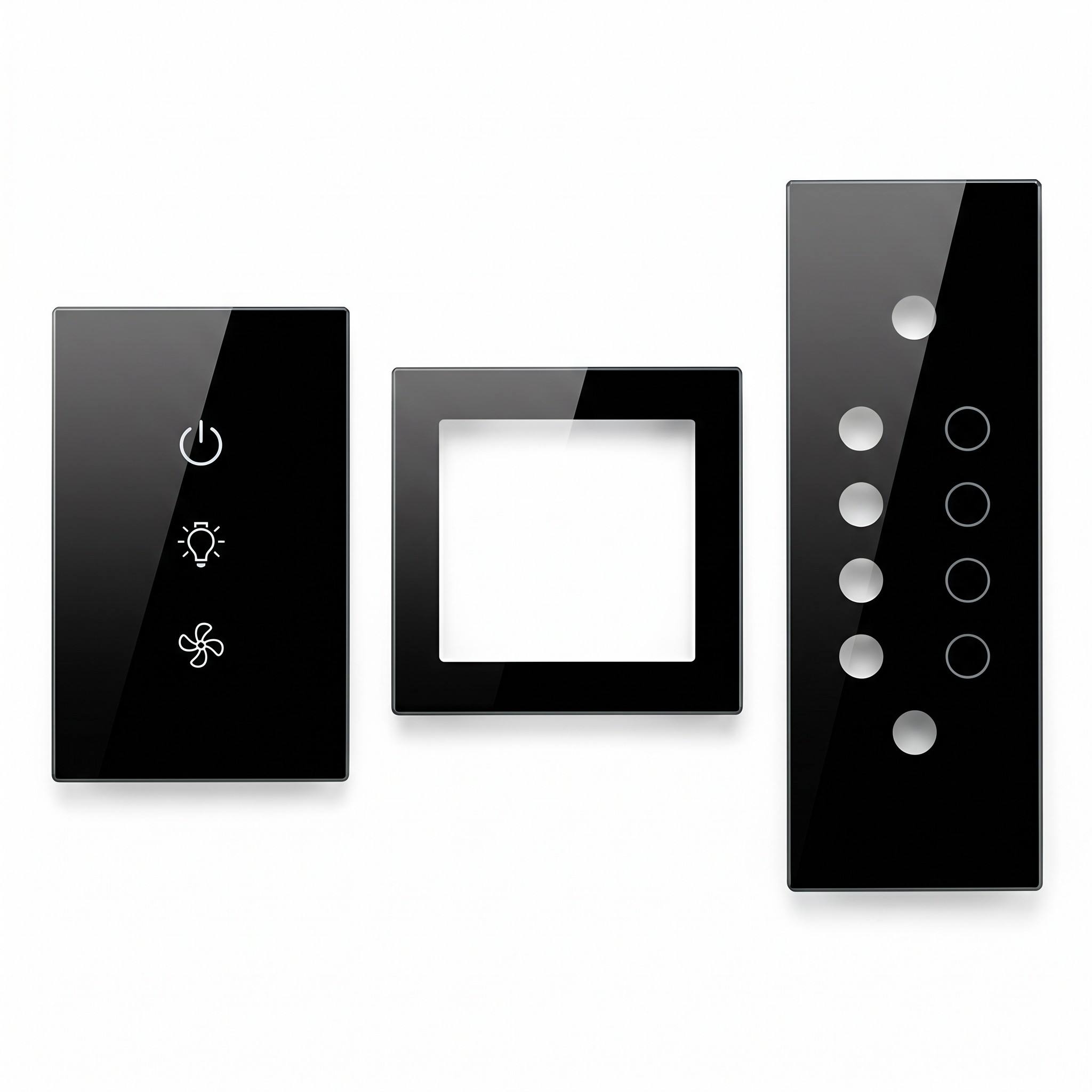
Konshen KS GB002 Custom Tempered Display Shield Cover Glass
A custom-size front shield for electronic displays and smart device protection. Offers scratch resistance, impact protection and clean optical transmission for appliance displays and control windows requiring a precise fit.
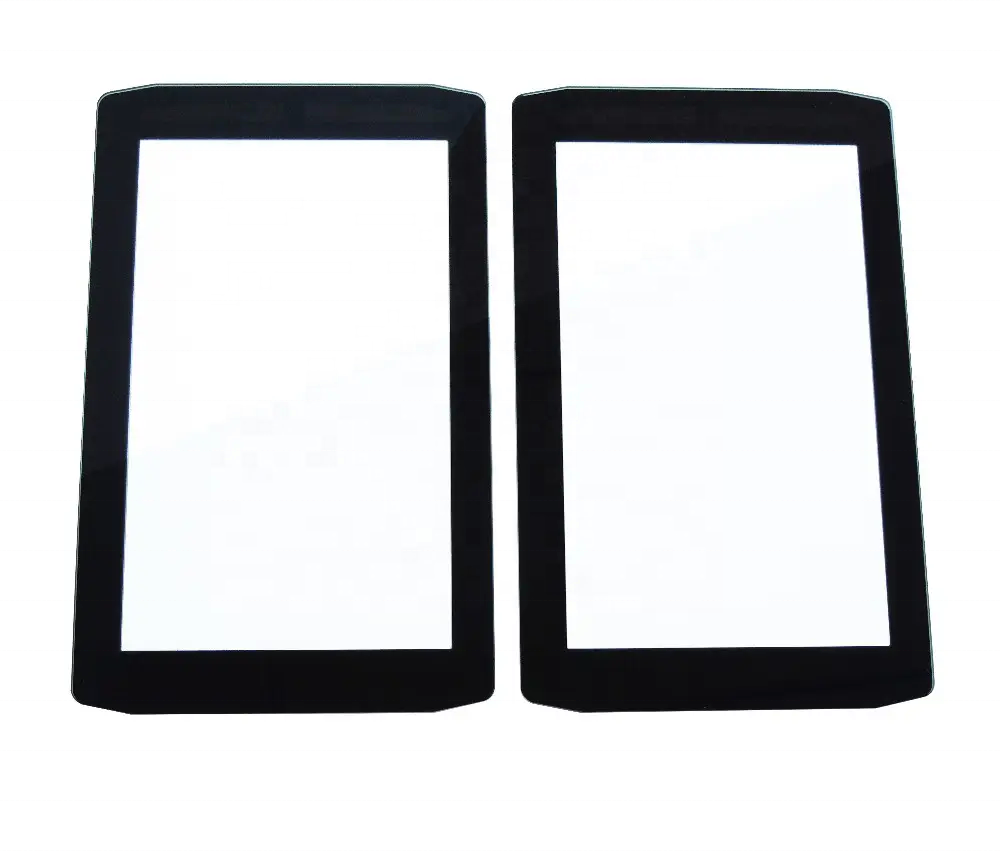
AG High-Quality Anti-Glare Outdoor Tempered Touch Panel
Factory-direct AG glass for outdoor displays, appliance interfaces near windows and bright kitchens. Controllable haze diffuses harsh reflections while preserving touch operation and printed graphics under demanding light.
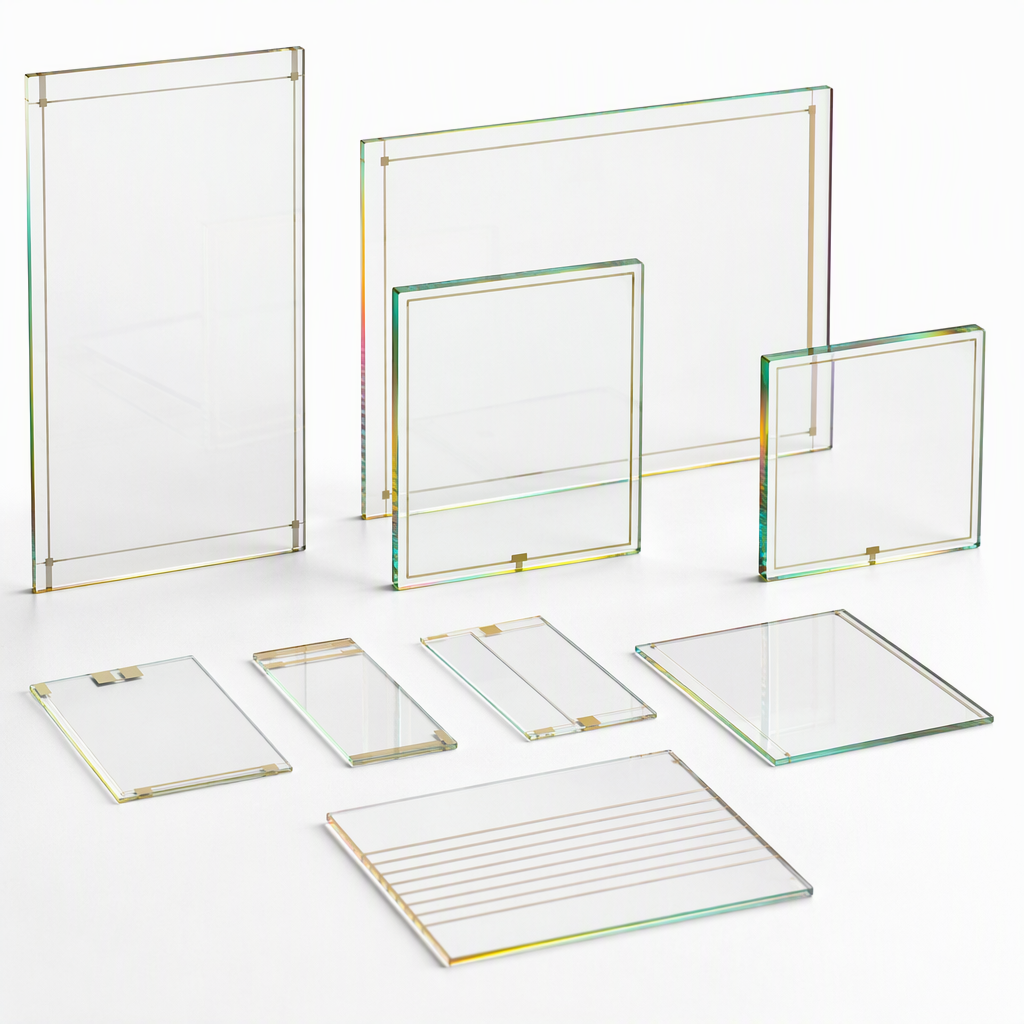
ITO Coated Conductive Glass Sheet — 6 to 8 Ohm / Square Heating Substrate
Transparent conductive glass for touch panels, heating substrates and anti-condensation surfaces. Custom sizes and 6–8 Ω/sq sheet resistance support appliance control windows and sensor stacks where both clarity and conductivity matter.
Have a drawing, coating target or CE technical file to support?
Send the panel size, glass thickness, edge finish, printing artwork, coating performance and annual volume. Engineering review can start from a PDF drawing or a physical sample.
What “CE Certified Induction Cooktop Glass” Actually Means in Procurement
The phrase is common in search, but the compliance logic is component-level. CE marking is a declaration by the finished appliance manufacturer. For induction cooktop glass, the supplier’s job is to provide evidence that supports the appliance brand’s technical file, not to issue a vague “CE certificate” for a bare glass panel.
Material declarations, not just a logo
Ask for RoHS and REACH declarations for the glass, inks, adhesives and coatings used in the panel. For induction cooktop control panels, the supplier should identify every material in the touch stack and provide SDS or composition statements where applicable. A generic company certificate is not a substitute for component-level evidence.
Thermal and mechanical evidence
Tempered or chemically strengthened glass should be supported by process controls, edge-quality standards and thermal-shock test data. If the panel is part of a touch interface, request dielectric, insulation and adhesion information relevant to the appliance design. Waterproof curved or printed designs need both dimensional and optical validation.
Traceability and change control
Production should be traceable by glass lot, coating run, print run and final inspection result. Ask how engineering changes are notified and how gold samples are retained. This protects repeat orders, prevents silent substitutions and helps the appliance brand maintain a defensible CE technical file.
How Induction Cooktop Glass Buying Is Changing
Procurement teams are moving from price-only sourcing toward evidence-based supply. The glass panel is becoming part of a documented system that connects optics, safety, cleaning performance, decoration, delivery and after-sales risk.
Evidence-first sourcing
Buyers increasingly score suppliers on material declarations, inspection reports and change-control systems before discussing price. For CE-marked appliance programs, the technical file is becoming a purchasing requirement rather than an afterthought.
Supply resilience and dual sourcing
Appliance brands are building buffer stock and qualifying alternate factories to reduce logistics and tariff shocks. A wholesaler that controls cutting, printing, tempering and coating in-house is easier to audit and more predictable during demand spikes.
Smaller MOQs, faster iteration
Smart appliance ranges now refresh faster, so buyers want low-risk samples and scalable batch sizes. Suppliers that can start from 1–2 prototype pieces and then ramp to volume without changing process flow reduce development friction.
Energy-aware optical performance
AR coatings can improve see-through clarity, AG coatings improve outdoor readability, and AF coatings reduce cleaning effort. Buyers increasingly link surface treatment to user experience and energy efficiency, not just appearance.
Batch traceability by default
Inspection photos, thickness reports, coating run data and packing lists are being requested with each shipment. Traceability lowers the cost of complaint handling and protects brands when a retail customer audits the appliance factory.
Total landed cost and packaging
Thin glass and coated panels can be damaged by poor packing. Procurement is now comparing total landed cost: breakage rate, honeycomb cartons, blister trays, partition packing and logistics handling all affect the real unit cost.
A practical supplier scorecard for induction cooktop glass
Use this weighted model for RFQ comparison. Adjust the percentages to match your appliance program, but keep compliance evidence ahead of price-only variables.
Where Induction Cooktop and Appliance Glass Is Heading
New cooktop designs combine larger touch areas, integrated printing, easier cleaning and stronger optical performance. These trends change the glass specification and the supplier capabilities that matter.
Multifunctional AR + AG + AF stacks
Instead of one surface effect, premium control panels combine low reflection, glare diffusion and anti-fingerprint performance. The challenge is to stack functions without sacrificing transmittance, color neutrality or coating durability.
Thin, strong and curved cover glass
Edge-to-edge black panels and seamless control surfaces push demand for 2.5D and 3D forming, chemical strengthening and tight edge polishing. Thin glass must remain robust through handling, assembly and daily cleaning.
Decorative printing with integrated function
Silk-screen printed graphics, icon windows, gradient inks and hidden sensor areas are being combined in a single glass part. Buyers need color consistency, registration accuracy and printing that survives cleaning chemicals.
Conductive glass for heating and sensing
ITO and FTO glass support touch sensors, heating substrates and anti-condensation surfaces. The development focus is stable sheet resistance, controlled haze and compatibility with downstream bonding, printing and assembly.
Sustainable materials and cleaner processes
Appliance brands are asking about lead-free inks, low-emission adhesives, recyclable glass and process waste controls. Suppliers that can document material choices early avoid redesign costs later in the program.
Larger panels and tighter tolerances
Cooktop control areas are becoming wider and more integrated. Large-format glass requires stronger flatness control, uniform coating, consistent print registration and packaging that protects the full surface during export.
Why KELO Glass Fits Demanding Appliance Glass Programs
Huizhou KELO Glass Co., Ltd. operates as a factory-direct glass manufacturer in Huizhou, Guangdong, within the Greater Bay Area electronics supply chain. The company’s core strength is surface engineering: cutting, CNC machining, edge polishing, laser engraving, silk-screen printing, sandblasting, flat and curved tempering, AR/AG/AF/ITO coating, 2.5D/3D forming and 3M adhesive bonding are kept in-house.
The company reports an annual output value of US$50–100 million, serves buyers in Europe, North America and South America, and supports FOB, CFR, CIF, EXW and DDP terms. For induction cooktop projects, that vertical control matters because a single panel may combine printed graphics, an AF touch surface, an AR or AG window, a curved edge and adhesive assembly.



Factory-direct cost and accountability
A verified manufacturer rather than a trading layer, with in-house processes that reduce handling damage, shorten communication chains and keep pricing transparent for wholesale volumes.
Engineering-led customization
Drawing review, DFM feedback and rapid prototypes from 1–2 pieces help appliance teams validate fit, optics, printing and coating before committing to tooling or volume.
Quality gates with 100% appearance inspection
Incoming, in-process and final inspection are supported by tempering, adhesion, abrasion and salt-spray checks. Custom honeycomb cartons, blister trays and partition packing help reduce transit damage.
Export-ready terms and documentation
FOB, CFR, CIF, EXW and DDP terms are supported, along with T/T, L/C, PayPal and Western Union payments. Alibaba Trade Assurance can protect eligible orders, and export packing is designed for international handling.
Typical Performance Windows for Appliance and Induction Cooktop Glass
Use these production windows as a starting point for RFQ discussions. Final targets should be confirmed against your drawing, appliance standard, cleaning chemicals and assembly process.
| Glass / Coating | Typical Performance Window | Best-Fit Appliance Use |
|---|---|---|
| ARAnti-reflective | Reflectance <1.0% per side · Transmittance >99% across 400–700 nm · single or multi-layer designs | Induction hob display windows, appliance touch screens, medical and high-clarity panels |
| AGAnti-glare | Controllable haze 5–60% · gloss 0.5–8 GU · durable etched or coated surface options | Cooktops near windows, outdoor appliance interfaces, bright kitchen environments |
| AFAnti-fingerprint | Water contact angle >110° · pencil hardness >3H · transmittance >98% · durable oleophobic top coat | Touch control panels, smart appliances, induction cooktop glass with frequent cleaning |
| ITOIndium tin oxide | Sheet resistance 1–20 Ω/sq · transmittance >85% · haze <2% | Capacitive touch sensors, transparent heating, anti-condensation windows, EMI shielding |
| FTOFluorine-doped tin oxide | Sheet resistance 1–20 Ω/sq · transmittance >85% · haze <2% · stronger thermal and chemical stability | Thin-film solar cells and processes requiring high-temperature stability |
| Combined finishAR + AG / AG + AF | Stacked optical functions on one substrate · cosmetic grade inspectable to agreed scratch/dig standards | Premium in-vehicle displays, high-end cooktops, outdoor smart-home control panels |
Which Glass Specification Fits Your Cooktop or Appliance Program?
Start from the operating condition rather than the catalogue. The right recommendation depends on light exposure, touch frequency, cleaning chemistry, thermal load and the documentation required by the appliance brand.
Induction cooktop control panel
Specify silk-screen printed tempered glass with an AF top surface for touch areas. Add AG if the cooktop sits beside a window or under strong downlights; add AR if the panel includes a display window. Confirm ink durability against the cleaning agents used by the brand.
Visible display and optical window
Choose AR-coated glass for maximum clarity, or AR+AG when the product must handle both bright ambient light and direct viewing. Match the optical performance to the display luminance and the acceptable color shift of the appliance interface.
Humid, outdoor or high-hygiene area
For kitchens, gyms and wet areas, combine waterproof curved glass, AF easy-clean performance and optional ITO heating to reduce condensation. FTO is a better discussion point when the downstream process involves high-temperature stability.
Induction Cooktop Glass Procurement FAQ
Straight answers for purchasing teams, appliance brands and wholesalers comparing glass suppliers.
Does KELO provide a “CE certificate” for induction cooktop glass?
What is the minimum order quantity for custom induction cooktop glass?
What is the typical lead time for mass production?
What thickness, sizes and shapes can be produced?
What optical performance can the AR, AG and AF coatings achieve?
Should I choose ITO or FTO conductive glass?
How is quality controlled before shipment?
Which trade terms and payment methods are supported?
How are induction cooktop glass panels packed for export?
Can you support printed induction cooktop panels with touch and anti-fingerprint surfaces?
Send Your Drawing, Target Coating Performance and Annual Volume
Our engineering team will review feasibility, recommend the most cost-effective glass and coating stack, and outline the documents available to support your CE technical file. Share a PDF drawing, 2D/3D model, sample photo or target specification to begin.