8 Industrial Glass Products for Custom OEM and Wholesale Programs
Each product below is manufactured through an in-house process chain covering cutting, CNC machining, edge polishing, silk-screen printing, tempering, coating, curved forming, inspection and export packing. Use these product lines as a starting point for your drawing review, sample validation and volume quotation.
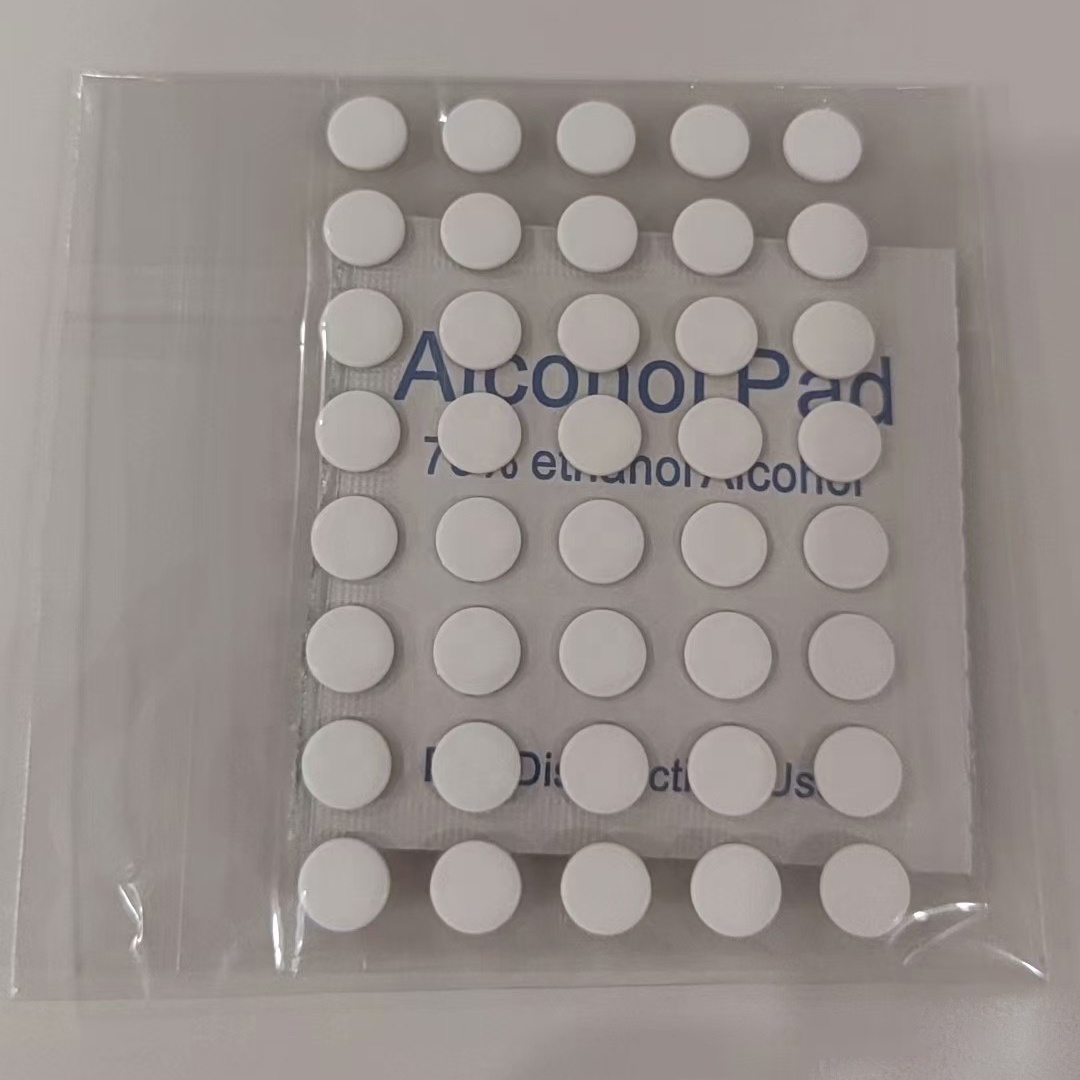
PTFE Round Gaming Mouse Glides Mouse Skate Dots
Precision-ground PTFE skates for consistent glide, low friction and low wear. Custom shapes, backing films and retail packaging are available for gaming peripheral brands.
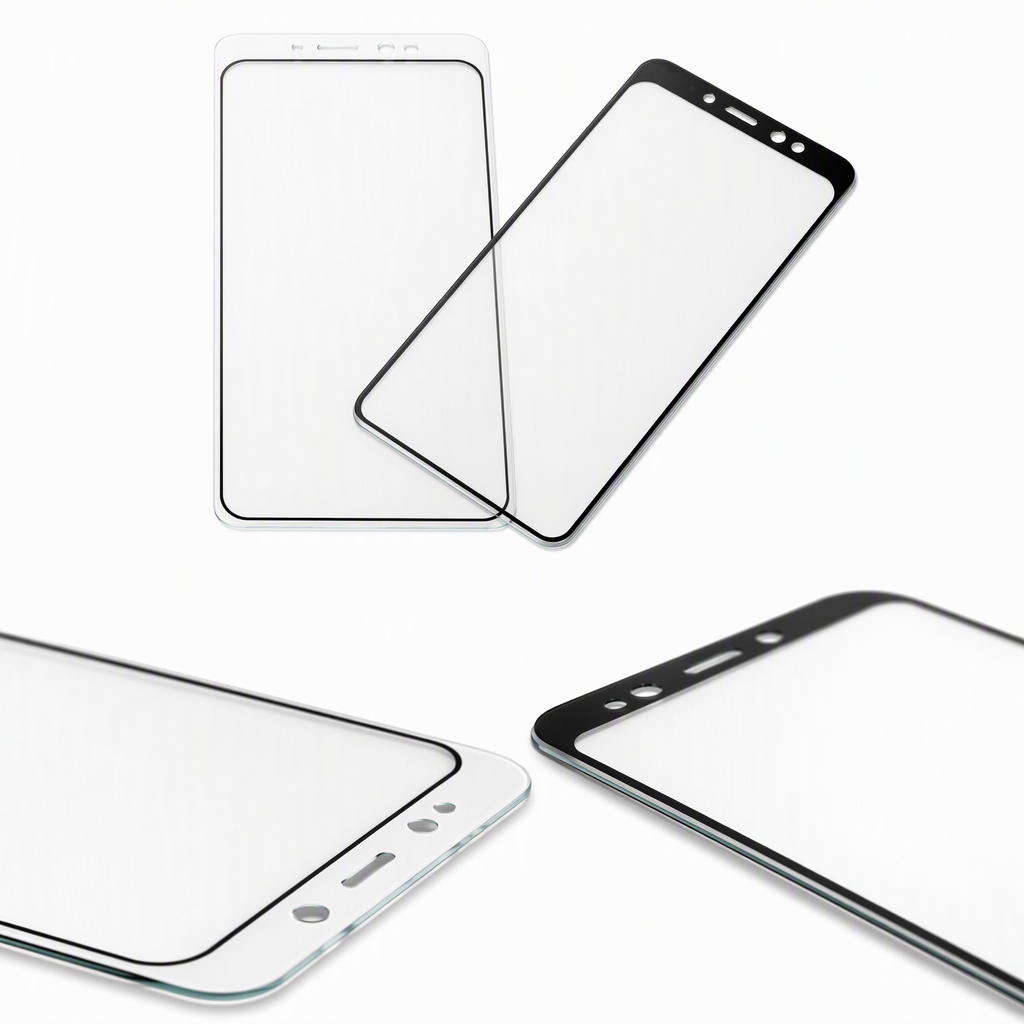
Toughened Glass Panel No Coating CNC Hole Drilling Irregular Shape Silk Screen Printed Custom Size Wholesale Supplier
Irregular tempered glass panels with CNC hole drilling and silk-screen printing. A practical choice for industrial covers, control panels and decorative glass where no optical coating is required.

Curved Tempered Glass Panel with Anti-reflective Coating Waterproof for Bathroom and Instrument Display Decoration
Waterproof curved tempered glass with anti-reflective coating for bathroom control surfaces and instrument display windows. Edge finishing, printing and protective packing are customized to your assembly.
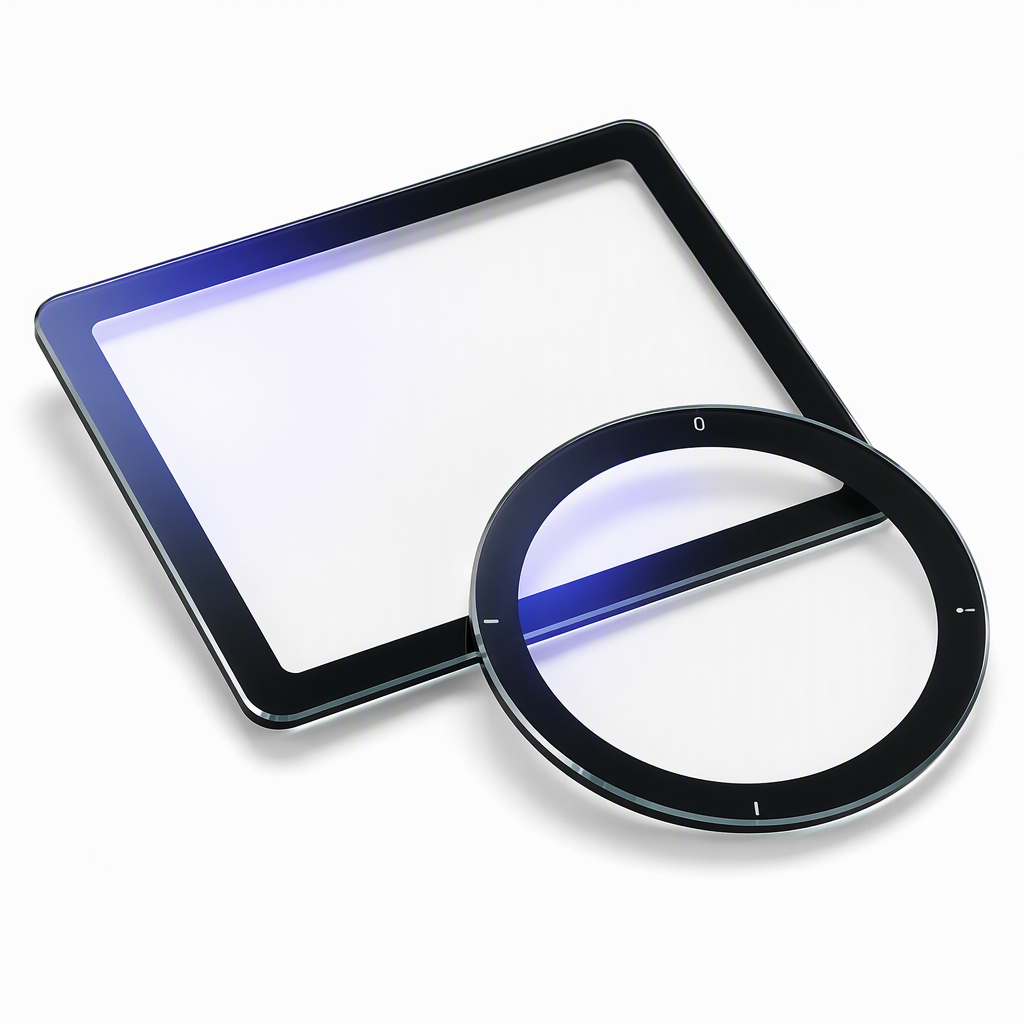
Custom Tempered Glass Toughened Glass Panels Low Iron Display Cover Glass AR Coating Factory Supply Customized Size
Low-iron display cover glass with AR coating for high clarity and neutral color reproduction. Factory supply in customized sizes with flat, 2.5D or selected 3D edge options.
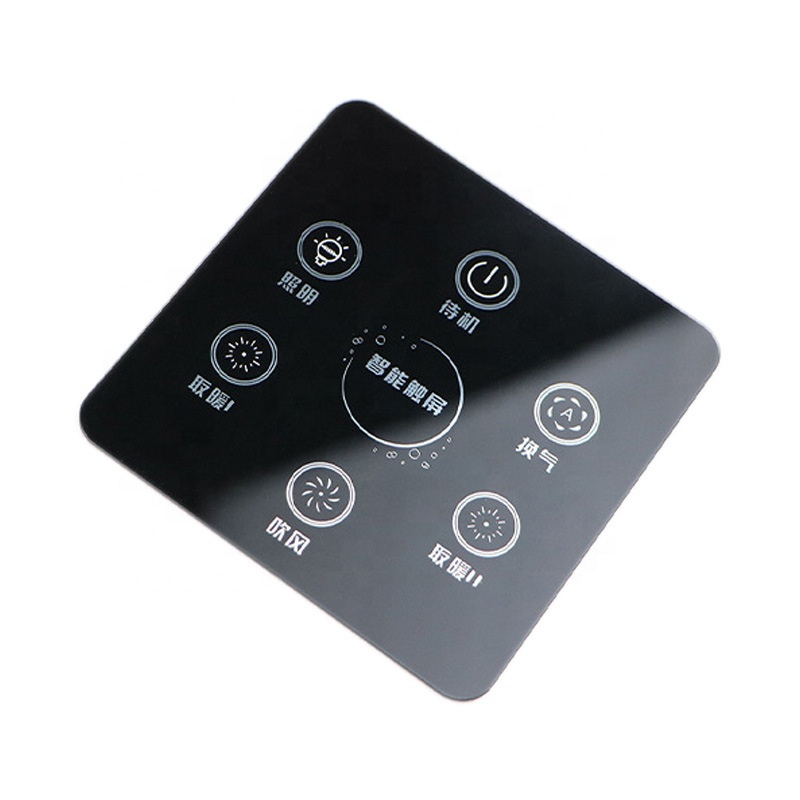
Bathroom Solid & Hollow Tempered Glass Intelligent Touch Shower Control Switch Panel Silk Screen Printed with 4-Year Warranty
Solid and hollow tempered glass switch panels for intelligent touch shower controls. Silk-screen graphics, anti-fingerprint treatment and four-year warranty support are available.
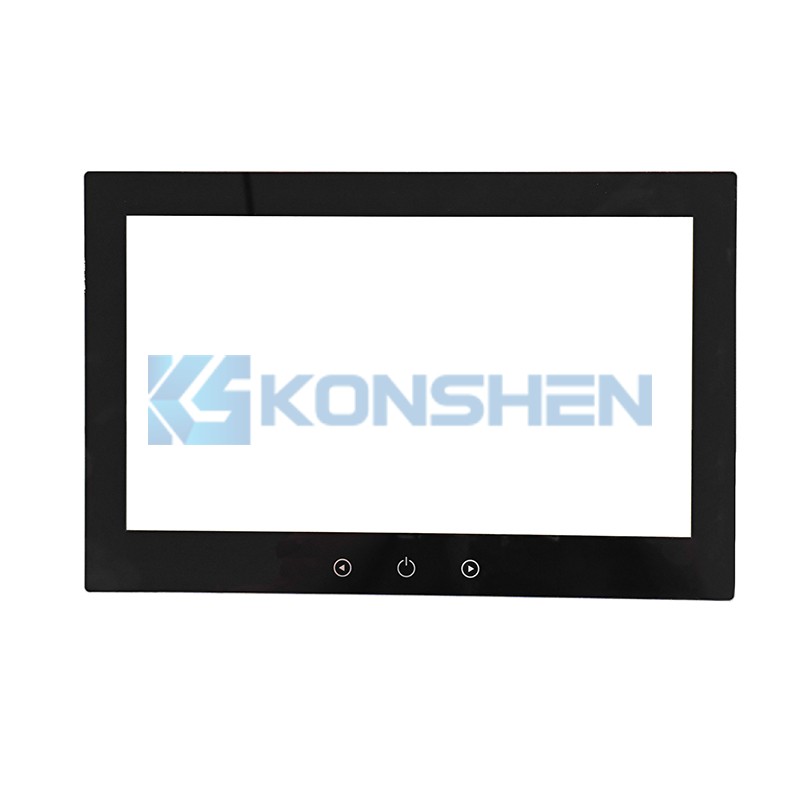
Electronic ITO Conductive Tempered Glass Custom Black Framed 1mm-4mm Thickness Display Cover for Industrial Monitor
ITO conductive tempered glass with black frame printing for industrial monitors and capacitive touch interfaces. Thickness options from 1 mm to 4 mm with custom conductive patterns.
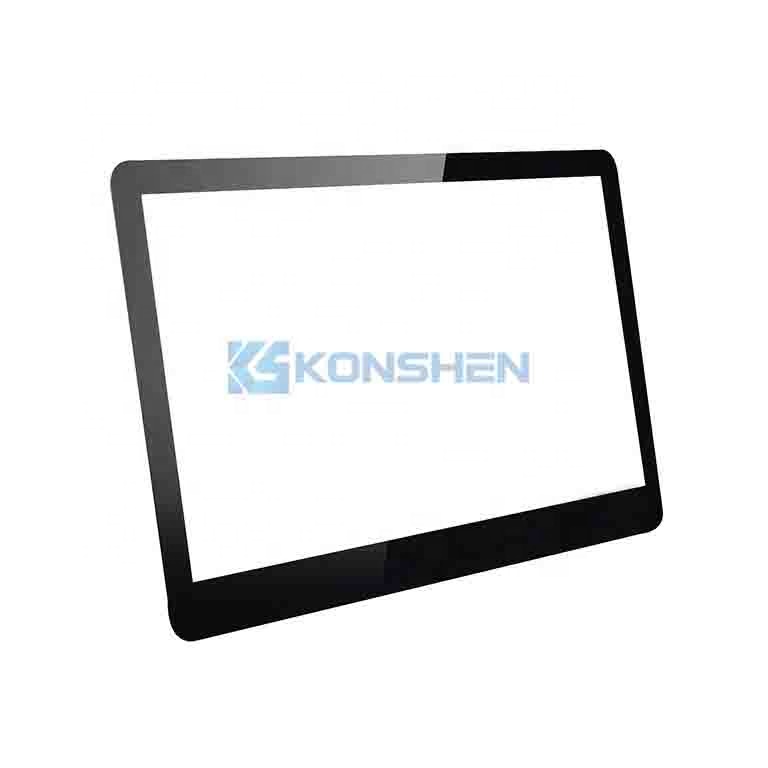
2mm 3mm Solid/Hollow Anti-Glare Chemical Tempered LCD Touch Screen Protection Cover Glass Silk Screen Printed European Style
Chemically tempered LCD protection cover with an anti-glare surface for reduced reflection and improved readability. Offered in 2 mm and 3 mm thickness, solid or hollow shapes and European-style printing.
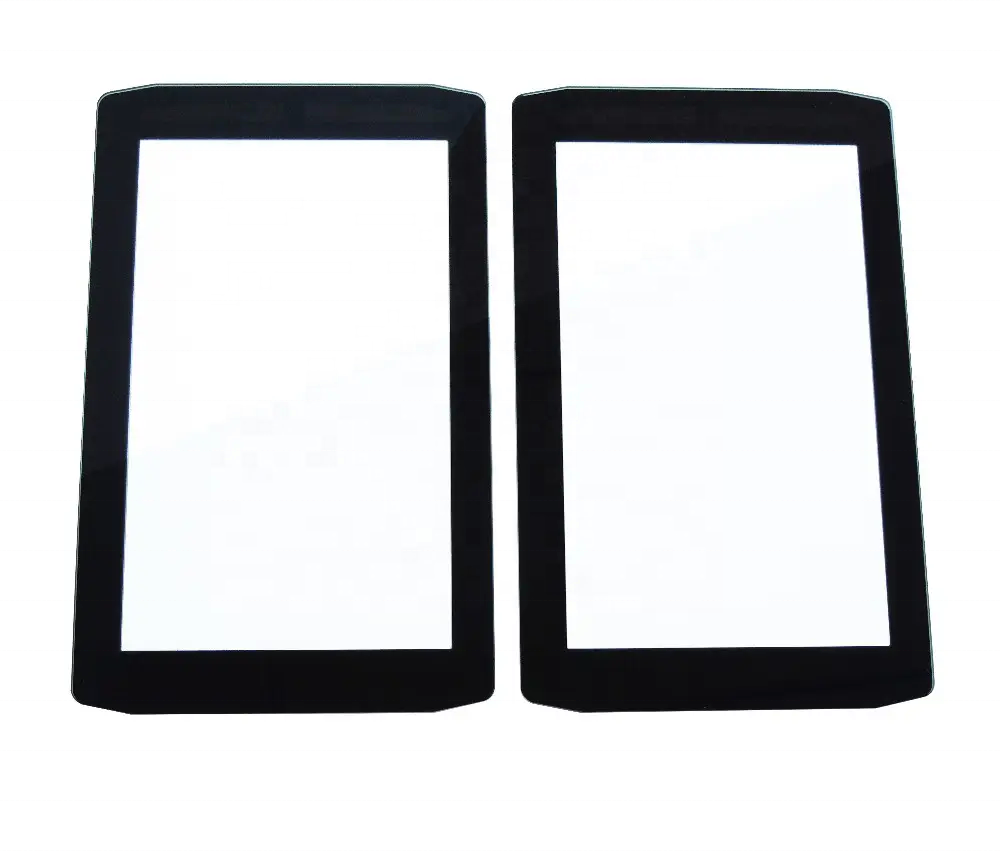
AG High Quality Solid Tempered Glass Anti-Glare Digital Screen Display Customizable Touch Screen Panel Factory Direct Outdoor
Outdoor anti-glare tempered touch screen panels engineered for sunlight readability, hardness and long service life. Factory-direct customization for kiosks, HMI terminals and outdoor displays.
Why Industrial Buyers Choose a Factory-Direct Glass Manufacturer
Industrial glass is no longer a commodity purchase. For OEMs, distributors and project buyers, the real search intent behind “industrial glass manufacturer” or “wholesaler” is usually specific: find a supplier who can turn a drawing into a repeatable, traceable and export-ready component without hidden subcontracting risk. That means the supplier must control optical performance, tempered strength, printed graphics, dimensional tolerance and packing at the same time.
Huizhou KELO Glass Co., Ltd. is a factory-direct manufacturer in Huizhou, Guangdong, inside the Greater Bay Area electronics supply chain. Our capability covers 0.1 mm to 19 mm thickness, touch screen cover glass, tempered control panels, AR/AG/AF optical coated glass, ITO/FTO conductive glass, 2.5D/3D curved glass and specialty materials including Gorilla glass, borosilicate, quartz, sapphire, ceramic and laminated safety glass. Because cutting, CNC, polishing, printing, tempering, coating, curved forming and 3M adhesive bonding run in one factory, buyers get one accountable supplier and fewer handling handoffs.
CE marking is product-specific: it applies to the finished product and the applicable EU directive, not to glass as a generic material. For procurement teams, the practical question is whether the glass supplier can provide consistent material declarations, dimensional records, coating data and process evidence for the CE technical file. KELO Glass supports this documentation workflow for OEM and wholesale programs, so your compliance team can review the glass component as part of the finished assembly rather than as an isolated purchase.
Which Industrial Glass Product Fits Your Application?
Start with the operating environment and the failure mode you are trying to prevent. A specification that begins with “anti-glare” or “AR coating” is useful, but the engineering decision should also include glass thickness, tempering method, printed graphics, interface sealing, impact risk and cleaning chemistry.
Outdoor kiosks and HMI terminals
Choose AG anti-glare tempered glass when sunlight or ambient lighting washes out the display. For premium readability, combine AG with AR or an AF top coat. Link the final drawing to the outdoor AG touch panel product.
Outdoor AG tempered panel →Smart bathroom and appliance controls
Use tempered switch glass with silk-screen graphics, anti-fingerprint treatment and sealed bonding. The intelligent shower control panel product is built for high-touch use, moisture exposure and easy cleaning.
Touch shower control panel →Industrial monitors and capacitive sensors
Select ITO conductive tempered glass when the cover must conduct while remaining transparent. Specify sheet resistance, transmittance, haze and frame printing together so the touch sensor and cover glass behave as one stack.
ITO conductive display cover →Automotive, medical and optical displays
Low-iron glass with AR coating reduces reflection and protects contrast. For medical monitors, instrument windows and automotive HMI, define reflectance per side, color neutrality and environmental reliability before sampling.
Low-iron AR display glass →Irregular CNC control panels
When the assembly needs cut-outs, holes, radii, printed status windows and no optical coating, custom irregular toughened glass gives a direct path from drawing to sample to production. DFM review is included before tooling.
Custom CNC tempered glass →Gaming peripherals and glide components
PTFE mouse skate dots are a high-mix, brand-driven accessory. Control flatness, adhesive backing, die-cut tolerance and packaging presentation to protect the user experience and retail brand quality.
PTFE mouse glides →Coating Specifications Buyers Can Put Directly Into an RFQ
Surface engineering is the core of KELO Glass. The values below are typical production windows and should be confirmed against your drawing, substrate, thickness and reliability test plan. When buyers include these metrics in the RFQ, sampling becomes faster and the quotation is easier to compare.
| Coating | Key Performance | Typical Application | Procurement Note |
|---|---|---|---|
| ARAnti-reflective | Reflectance <1.0% per side · Transmittance >99% at 400–700 nm · single or multi-layer | Automotive touch displays, medical monitors, optical windows, high-brightness screens | Specify wavelength range, viewing side and color target. |
| AGAnti-glare | Haze 5–60% · Gloss 0.5–8 GU | Outdoor kiosks, industrial HMI, sunlight-readable displays | Define haze and gloss together with touch feel. |
| AFAnti-fingerprint | Water contact angle >110° · Pencil hardness >3H · Transmittance >98% · Durability >10,000 cycles | Touch panels, smart appliances, bathroom controls | Clarify cleaning chemicals and abrasion cycles. |
| ITOIndium tin oxide | Sheet resistance 1–20 Ω/sq · Transmittance >85% · Haze <2% | Capacitive touch sensors, displays, EMI shielding | Provide sensor pattern, frame print and grounding plan. |
| FTOFluorine-doped tin oxide | Sheet resistance 1–20 Ω/sq · Transmittance >85% · Haze <2% | Thin-film solar cells, high-temperature processes | Review thermal stability and process temperature. |
| CombinedAR + AG / AG + AF | Stacked functions on one substrate · cosmetic grade per 60/40 scratch-dig | Premium automotive and outdoor touch interfaces | Stack order affects cost, durability and yield. |
Production values are reference points, not a substitute for drawing approval. Final optical targets, cosmetic limits and reliability criteria are mutually confirmed during engineering review and sample validation.
Industrial Glass Procurement Trends Buyers Should Plan For
Purchasing teams are moving away from lowest-piece-price sourcing toward supply resilience, documented quality and total landed cost. For glass components, that shift changes how RFQs are written and how suppliers are evaluated.
Dual sourcing and supply resilience
Brands are qualifying a primary and a secondary glass source before launch, not after a delay. Factory-direct capacity, in-house coating and controlled packing become risk-management features, not just cost factors.
Spec-led RFQs and CE documentation
Buyers now send drawing notes for reflectance, haze, contact angle, sheet resistance and cosmetic limits. They also request material declarations and process records that support the finished product’s CE technical file.
Smaller validation batches
Procurement teams want 1–2 pieces for fit and optics before committing to volume. Rapid sampling reduces engineering loops, especially for curved glass, printed borders and custom coating stacks.
Total landed cost, not unit price
Breakage, rework, delayed assembly and replacement shipments can erase a low quotation. Honeycomb cartons, blister trays, partition packing and documented inspection directly affect total landed cost.
Product Development Trends Shaping the Next Generation of Industrial Glass
The next wave of display, appliance, automotive and energy products is pushing glass from a passive cover into a functional part of the interface. Buyers who plan for these trends can avoid re-qualification later.
Multifunctional AR/AG/AF stacks
Customers increasingly need anti-reflection, anti-glare and anti-fingerprint performance in one stack. The trade-off is cost, durability and yield, so early stack review is essential for automotive and outdoor HMI programs.
Thinner, stronger cover glass
Chemically strengthened glass lets designers reduce thickness and weight while maintaining impact resistance. For portable devices, control panels and curved covers, this can improve industrial design without sacrificing durability.
ITO and FTO integration
Transparent conductive glass is moving deeper into touch sensing, EMI shielding and thin-film solar. Lower sheet resistance, low haze and stable supply of conductive substrates become strategic procurement topics.
2.5D and 3D curved forming
Curved glass enables edge-to-edge dashboards, appliance control surfaces and smart bathroom panels. Forming accuracy, optical distortion and printing alignment must be validated together, not separately.
KELO Glass: Built for Custom Industrial Glass Programs
A wholesaler can move boxes, but an industrial glass manufacturer must control the process that creates the glass. KELO Glass combines in-house surface treatment, engineering review, export packing and verified trade records so buyers can qualify a supplier with less uncertainty.
One factory, critical processes in-house
Cutting, CNC, edge polishing, laser engraving, silk-screen printing, sandblasting, flat and curved tempering, AR/AG/AF/ITO coating, 2.5D/3D forming and 3M adhesive bonding are managed under one roof. Fewer handoffs mean less handling damage and clearer accountability.
Engineering-led DFM and sampling
With 21–30 R&D engineers, we review drawings for glass thickness, edge stress, hole spacing, print tolerance and coating compatibility before sampling. Sample orders can start from 1–2 pieces, so validation does not require a large inventory commitment.
Verified export record
Our verified Alibaba.com exporter profile shows a 4.9/5 store rating, 98.18% reply rate and six years of verified export activity. Trade Assurance, credit profile, transaction level and trade history are available for buyers who need independent proof before ordering.
Global trade terms and payments
We support FOB, CFR, CIF, EXW and DDP trade terms, with T/T, L/C, PayPal and Western Union payment options. Alibaba.com orders can be protected by Trade Assurance, which helps both first-time buyers and repeat wholesale accounts.
Export markets and packing discipline
Our export mix covers Eastern Europe, Northern Europe, North America, Southern Europe, Western Europe and South America. Custom honeycomb cartons, blister trays and partition packing are used to reduce transit damage on fragile coated glass.
Fast response and quotation support
Typical response time is within one hour during working periods. To quote accurately, send the drawing, target thickness, glass type, coating requirement, printing artwork, annual volume, destination country and any CE technical-file documentation needed for your assembly.


What buyers can verify before purchase
Procurement teams do not need to rely only on a catalogue page. They can review the company profile, factory video, verified assessment, buyer feedback, transaction level, trade capacity and credit profile. For engineering teams, the more important verification is sample approval: dimensional report, optical measurement, print alignment, coating adhesion and packing trial.
This is where a factory-direct supplier creates information gain. Instead of comparing generic “tempered glass” claims, you can compare process capability, coating data, inspection gates, export record and responsiveness. That is a stronger basis for awarding a production order than a price list alone.
From Drawing to Delivery: One Factory, Ten Critical Process Steps
Industrial glass failures rarely come from one dramatic mistake. They come from accumulated handling damage, unverified holes, inconsistent printing, coating adhesion loss or packing that cannot survive export logistics. A controlled process flow keeps those risks visible at every station.
Specialty materials we process include Gorilla glass, borosilicate glass, quartz glass, sapphire glass, ceramic glass, lead shielding glass and laminated safety glass. For buyers sourcing a CE-marked finished product, glass material declarations, dimensional reports and coating measurements can be prepared to support your technical file.
Three Inspection Gates Before Anything Ships
Quality is built into the process, not inspected in at the end. Every order passes incoming, in-process and final inspection, with 100% appearance checking and test records that can be reviewed by your quality team.
Incoming inspection: IQC
Raw glass and consumables are verified before production enters the line.
- Thickness and flatness check
- Surface defect screening
- Ink and coating material verification
In-process control: IPQC
Critical dimensions and coating results are checked at each production station.
- CNC dimension and hole position
- Tempering and strength tests
- Coating adhesion and abrasion
Final inspection: FQC/OQC
Every finished piece is checked before protective packing and shipment release.
- 100% appearance inspection
- Salt spray reliability testing
- Honeycomb, blister and partition packing
Industrial Glass Wholesale Questions Procurement Teams Ask
These answers cover the questions that usually appear before a first sample, a new drawing or a repeat wholesale order. If your project involves a CE technical file, send the applicable directive and documentation checklist with your drawing.
What does “CE certified industrial glass” mean for my project? +
CE marking applies to the finished product and its applicable EU directive, not to glass as a generic material. For an industrial glass component, the supplier should provide consistent material declarations, dimensional inspection records, coating performance data and process information that your compliance team can include in the CE technical file. KELO Glass supports this documentation workflow for OEM and wholesale programs, and final compliance responsibility remains with the finished-product manufacturer or importer.
What is the minimum order quantity for custom industrial glass? +
Sample orders can start from 1–2 pieces so you can validate fit, optics, coating performance and printing before committing to volume. Bulk quantities are quoted per drawing, glass thickness, coating stack, tempered or curved forming requirement and annual demand. For repeat wholesale accounts, we can discuss scheduled releases and mixed-product programs.
What lead time should I plan for mass production? +
Bulk lead time is typically 21–31 days after sample approval, depending on size, coating stack, curved forming, hole drilling, silk-screen complexity and order quantity. New projects should also allow time for DFM review, sample production, customer validation and packing approval. Urgent projects should be discussed with our engineering team before the PO is placed.
Which coating should I choose: AR, AG, AF, ITO or FTO? +
Choose AR when maximum optical clarity and low reflectance are needed. Choose AG when sunlight or strong ambient light creates glare and the display must remain readable outdoors. Choose AF when fingerprints, oils and frequent cleaning affect the user experience. Choose ITO for transparent conductive touch sensors, displays and EMI shielding. Choose FTO when the conductive glass must withstand higher temperature or chemical exposure, such as thin-film solar applications. Combined stacks such as AR+AG or AG+AF are possible after engineering review.
Can you produce 2.5D or 3D curved glass and irregular holes? +
Yes. Glass thickness ranges from 0.1 mm to 19 mm. Size, shape, holes, cut-outs, color, logo printing, 2.5D/3D curved forming, edge polishing and 3M adhesive bonding are customized to your drawing or sample. For irregular designs, we review hole spacing, edge stress, printing alignment and packing risk before sampling.
What optical performance can your AR coating achieve? +
Our AR anti-reflective coating can achieve reflectance below 1.0% per side and transmittance above 99% across 400–700 nm in single-layer or multi-layer designs. Final performance depends on substrate, thickness, coating design, cosmetic grade and environmental tests. We recommend approving optical limits on a sample before releasing mass production.
How do you protect fragile glass during export shipping? +
Packing is specified according to size, coating, edge condition and transport mode. Custom honeycomb cartons, blister trays and partition packing are used to minimize transit damage. For coated glass, surface protection and interleaf are important. If your warehouse or assembly line has special handling requirements, include them in the quotation request so packing can be designed with the glass, not after it.
Which trade terms and payment methods do you accept? +
We support FOB, CFR, CIF, EXW and DDP trade terms, and T/T, L/C, PayPal and Western Union payments. Orders placed through Alibaba.com can be protected by Trade Assurance. For first orders, we recommend confirming the inspection plan, packing specification, shipping document list and payment schedule together with the commercial quotation.
What information should I send for a fast quotation? +
Send the 2D drawing or 3D model, glass size and thickness, substrate preference, tempered or chemically strengthened requirement, coating specification, printing artwork, hole and cut-out tolerance, edge finish, annual volume, destination country and any documentation required for your CE technical file. If you have a target sample or a competitor part, include photos and measured values. The more complete the input, the faster our engineering team can return a manufacturable quotation.
Send Your Drawing. Get a Manufacturable Glass Quotation.
Whether you are sourcing a custom tempered display cover, AR/AG/AF coated glass, ITO conductive glass or a wholesale glass program, our engineering team can review feasibility, recommend the right coating stack and outline the sample-to-production path.
- Factory-direct pricing from Huizhou, Guangdong
- Samples from 1–2 pieces for validation
- DFM feedback before tooling and mass production
- Export packing and CE technical-file documentation support