8 Smart Lock Glass & Custom Interface Products
These eight products show the practical glass platforms used in smart-lock, access-control and smart-home programs: AF-coated keypad glass, tempered display shields, CNC-machined panels, ITO conductive covers, AR/AG/AF coated sheets and related precision accessories.
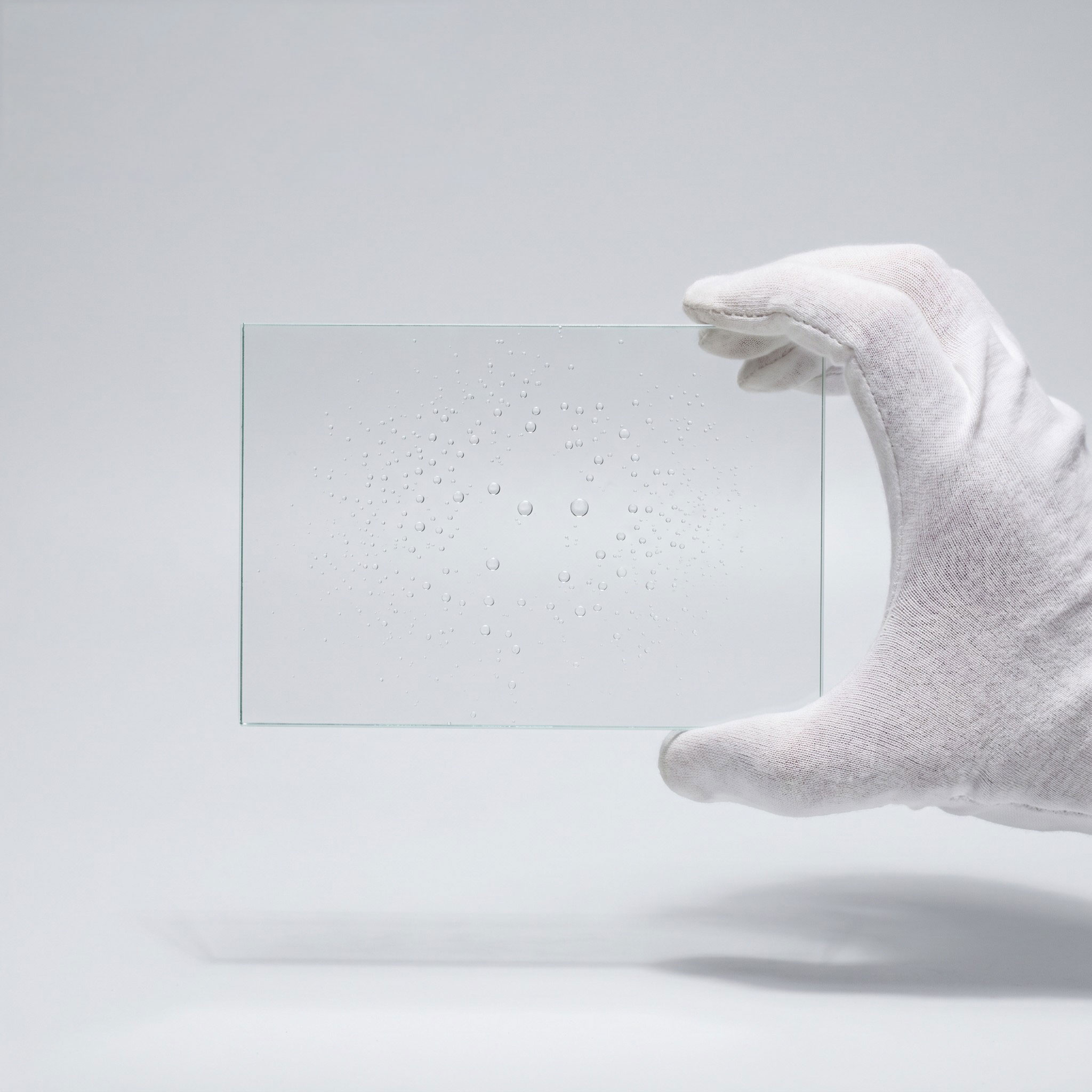 Smart lock keypad
KS AF001 High Transmittance AF Coated 1.1mm/2mm CNC Cut Custom Shape Toughened Glass Panel
AF-coated toughened glass for smart-lock keypads and appliance control surfaces. The anti-fingerprint surface improves wipe-clean performance while maintaining backlit symbol clarity.
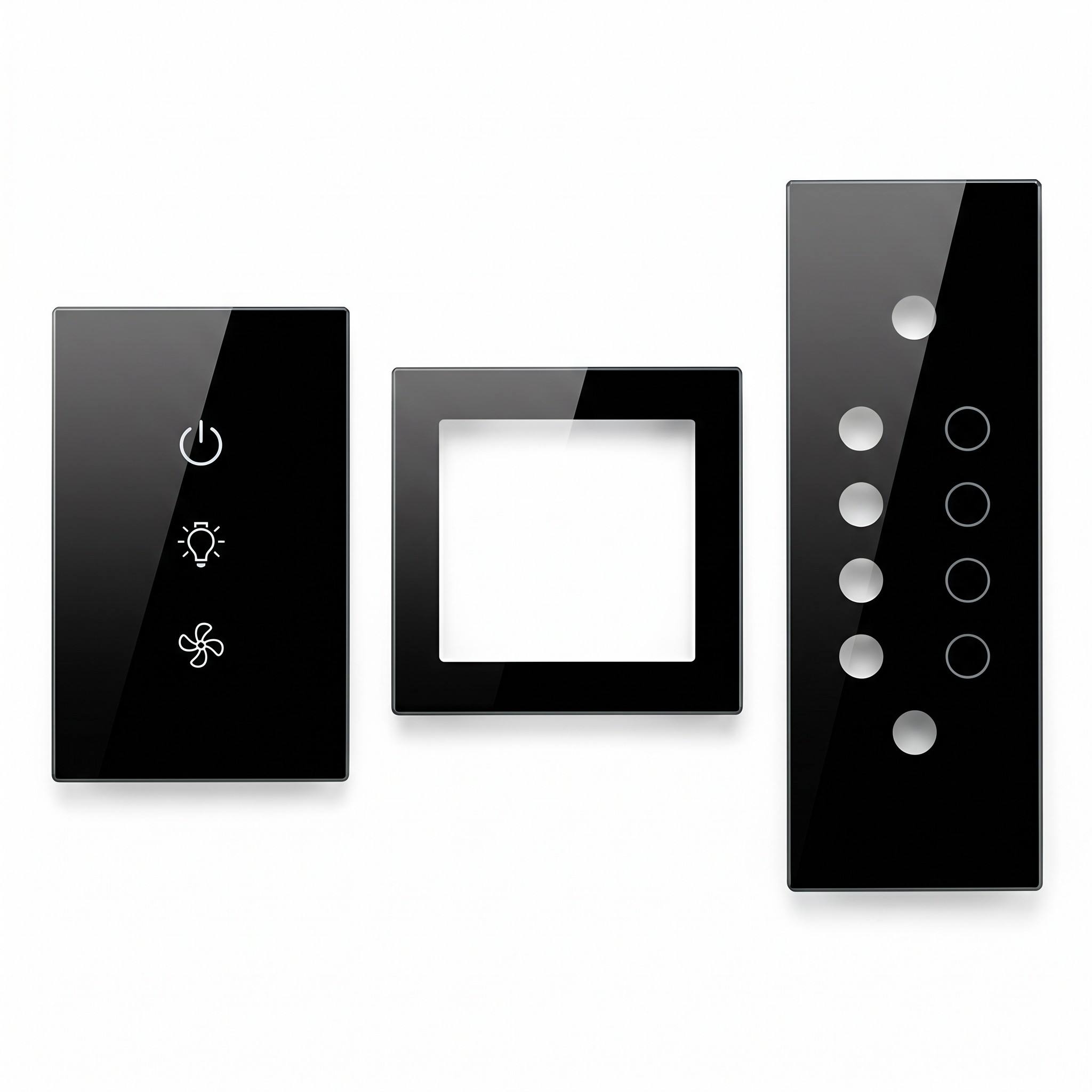 Display shield
Tempered Glass Front Shield Cover Panel Custom Size Electronic Display Protection Sheet for Smart Device Konshen KS GB002
Custom tempered front cover for display modules, keypad windows and sensor apertures. Suitable for smart-lock HMI, access-control terminals and smart-home panels.
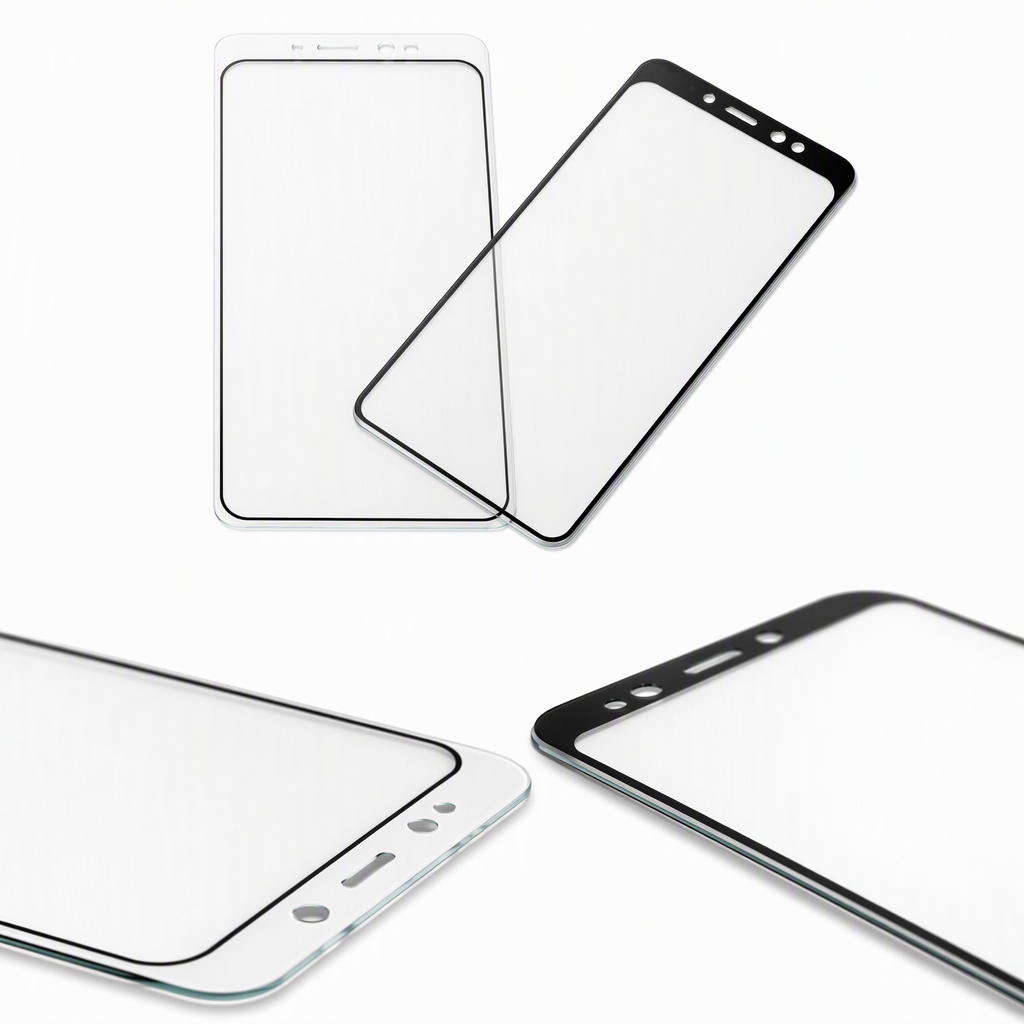 CNC glass panel
Toughened Glass Panel No Coating CNC Hole Drilling Irregular Shape Silk Screen Printed Custom Size Wholesale Supplier
Irregular shapes, CNC holes and silk-screen graphics for front bezels and sensor openings. A practical choice for cost-sensitive smart-lock panels where an optical coating is not required.
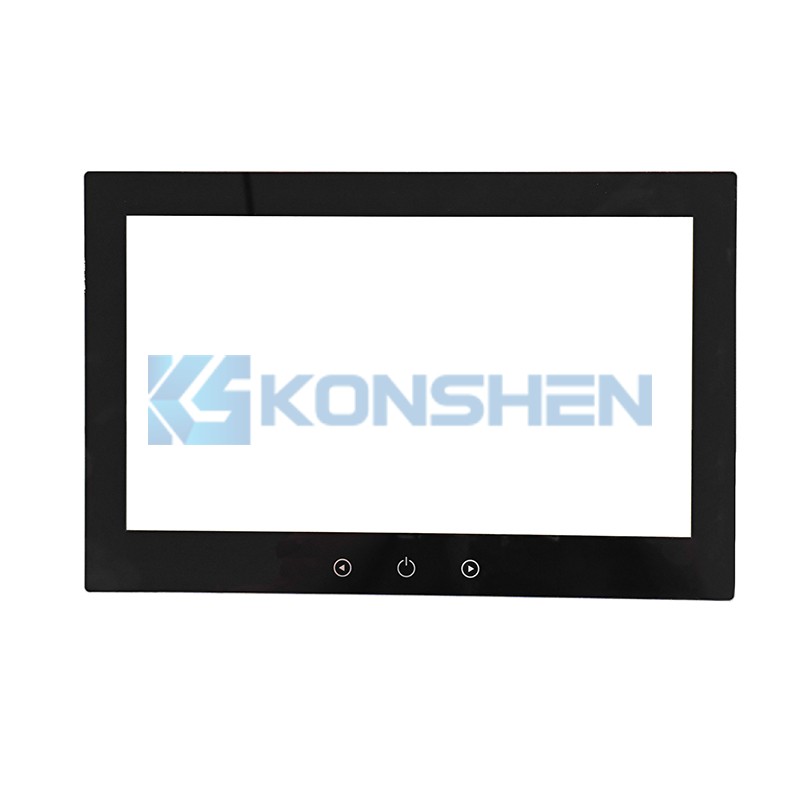 ITO touch cover
Electronic ITO Conductive Tempered Glass Custom Black Framed 1mm-4mm Thickness Display Cover for Industrial Monitor
ITO conductive glass with a black printed frame, 1–4 mm. Used for touch-sensing interfaces, display covers and EMI-aware smart-lock architectures.
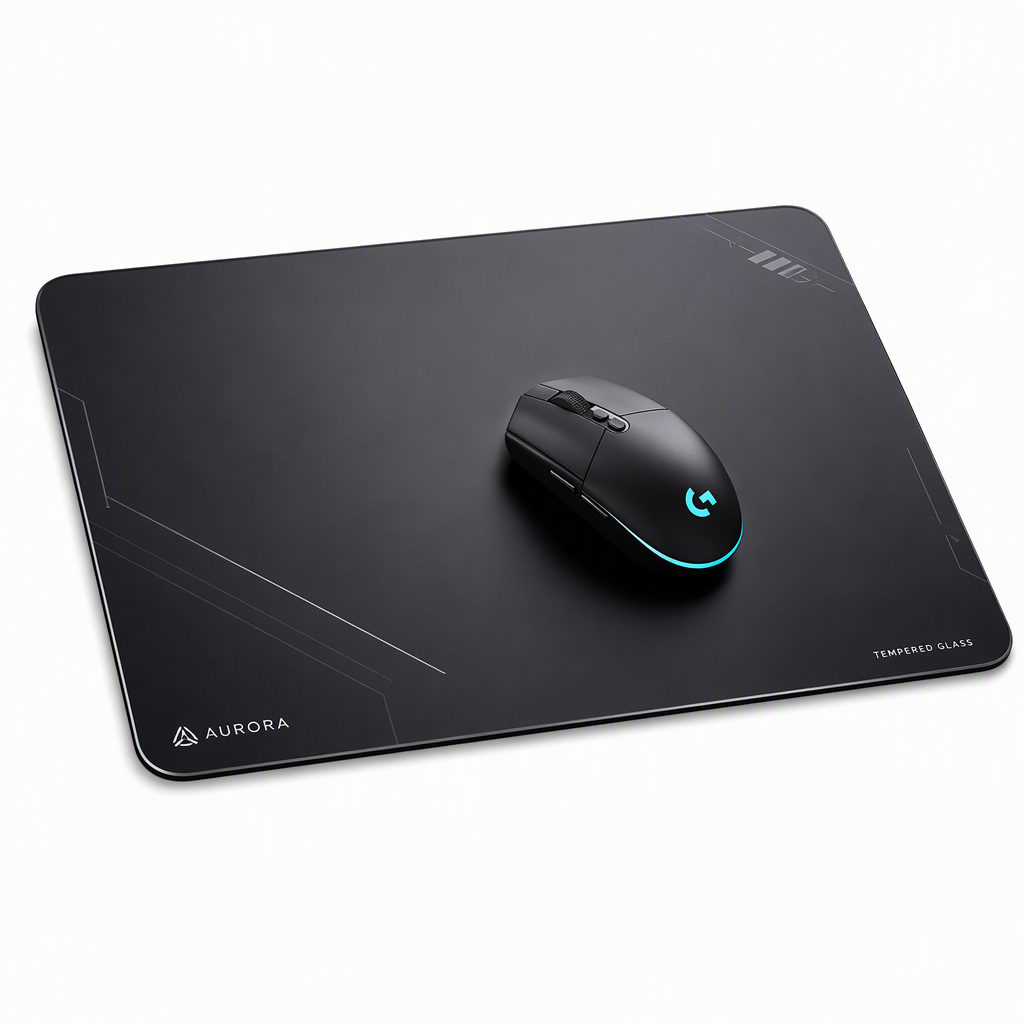 Related glass capability
Tempered Glass Mouse Pad 2MM 3MM Hard Surface Glass Mousepad UV Printing Custom Logo Silicone Base OEM Factory
2 mm / 3 mm hard glass with UV printing and silicone base. Demonstrates KELO’s consumer-electronics glass finishing, decorative printing and brand accessory capability.
 Precision accessory
Round Oval PTFE 3M Wear-resistant Smooth Mouse Feet Stickers Glass Pad Resin Pads
Precision die-cut PTFE stickers with 3M adhesive for low-friction applications. Shows our accessory converting, adhesive bonding and packing discipline.
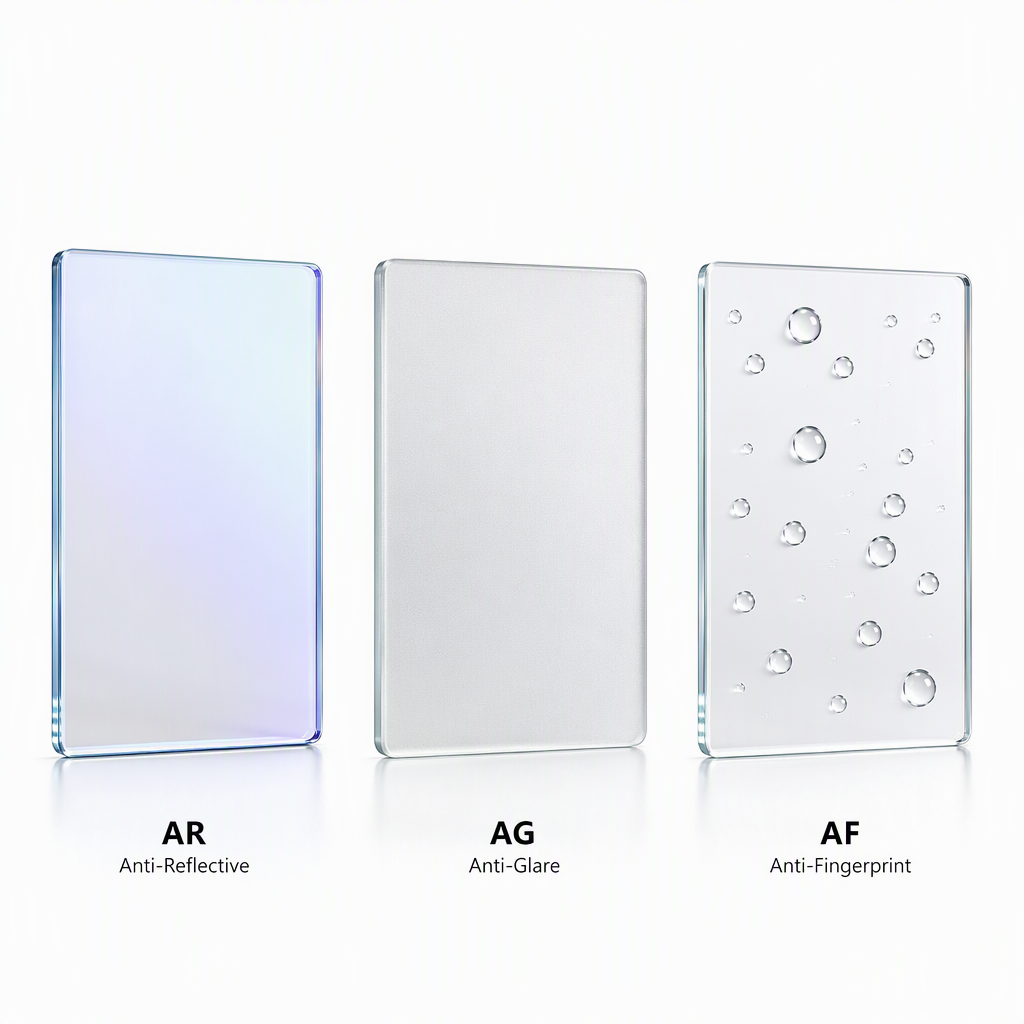 Optical coating
AR AG AF Coated Glass Anti Reflective Coating Service 92 Percent Transmission Anti Glare Custom Sheet Factory OEM
AR, AG and AF coating options for smart-lock display windows. For outdoor locks, combine AG for daylight readability with AF for fingerprint-resistant touch surfaces.
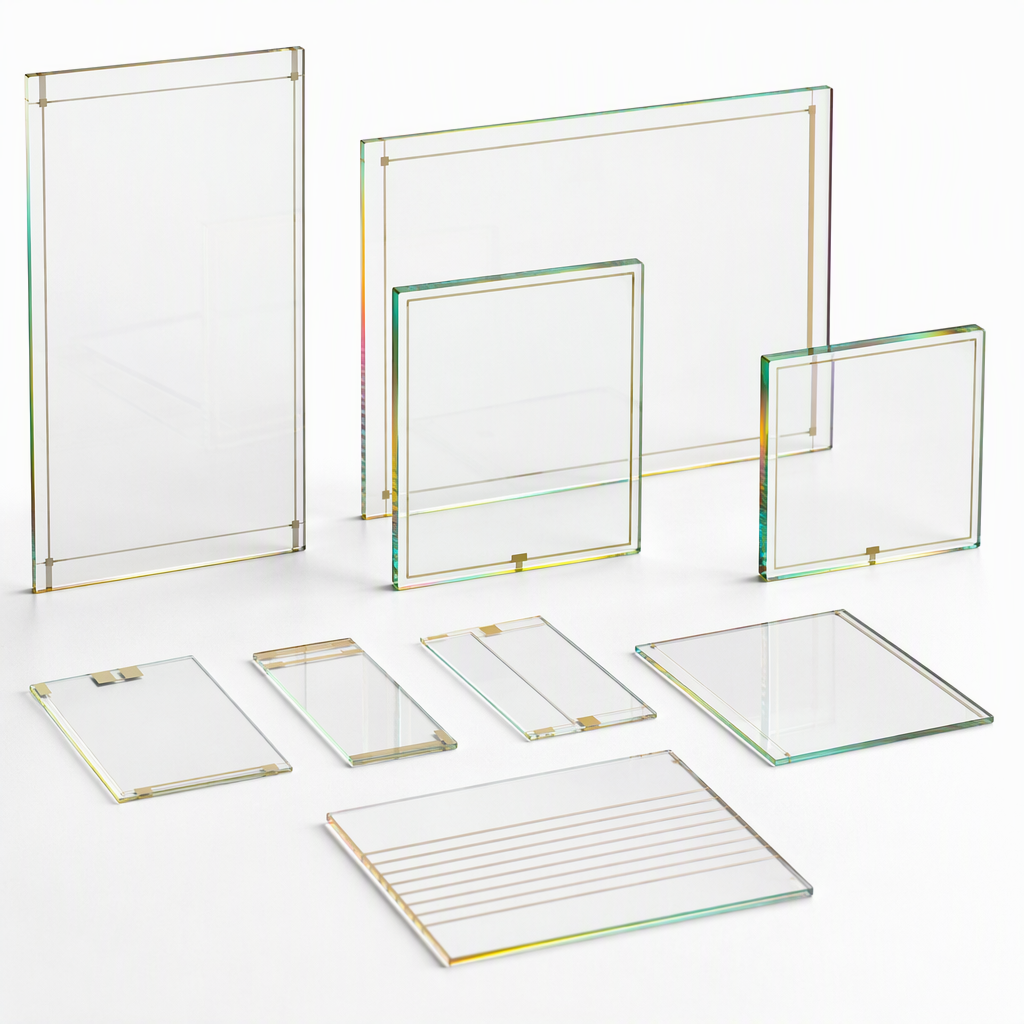 Conductive substrate
ITO Coated Glass Conductive Glass Sheet 6 To 8 Ohm Per Square Custom Size Touch Panel Heating Substrate Supplier
6–8 Ω/sq ITO-coated conductive sheet with custom size. Suitable for touch-panel substrates, anti-condensation heating and transparent sensor layers in access-control devices.
Smart Lock Glass Is a Functional Component, Not a Cosmetic Cover
A smart lock is touched, cleaned and judged every day. The glass cover carries the keypad, fingerprint sensor window, display area or LED status icon, and it must survive alcohol wipes, hand oils, sunscreen, UV exposure, impact and temperature cycling. For OEM and wholesale buyers, the difference between a low-cost glass panel and a qualified smart-lock glass component is usually visible only after volume production — or after the first field return.
When buyers search for CE certified smart lock glass manufacturers and wholesalers, the real procurement question is whether the supplier can provide repeatable component evidence: material declaration, dimensional report, coating performance, adhesion, abrasion resistance, salt-spray data, batch traceability and packing validation. The CE mark for the finished lock remains the lock brand’s responsibility, but the glass supplier must make the CE technical file easier to build, not harder.
KELO Glass approaches smart-lock glass as a system problem. A 2.0 mm chemically strengthened panel may be right for an outdoor keypad, while a thinner AF-coated glass may suit a fingerprint cover with an optical window. An ITO-coated substrate may be required for touch sensing or heating, and an AG coating may be needed for a display that faces daylight. Specification decisions should start from the operating condition, not from a catalogue photo.
- Define the surface function: touch, display, fingerprint, LED window or heating.
- Specify coating durability under the cleaning chemistry your product will actually meet.
- Require edge quality, hole position and print registration data before tooling approval.
- Validate packed samples for transport damage, not only bare samples for appearance.
Specification targets buyers can place in an RFQ
The values below reflect typical production capability. Final acceptance criteria should be confirmed against your drawing and test method during engineering review.
| Function | Typical target | Smart-lock relevance |
|---|---|---|
| AR anti-reflective | Reflectance <1.0% per side · transmittance >99% | Clear display windows, camera apertures and low-light readability |
| AG anti-glare | Haze 5–60% · gloss 0.5–8 GU | Outdoor keypads and access-control screens facing sunlight |
| AF anti-fingerprint | Contact angle >110° · durability >10,000 cycles | High-touch keypads, fingerprint covers and easy-clean surfaces |
| ITO conductive | Sheet resistance 1–20 Ω/sq · haze <2% | Touch sensing, EMI awareness and transparent heating layers |
| FTO conductive | Sheet resistance 1–20 Ω/sq · high thermal stability | High-temperature processes and thin-film solar applications |
| Glass thickness | 0.1–19 mm available; smart-lock covers commonly 1–4 mm | Balance impact resistance, weight, touch sensitivity and assembly fit |
Recommended Smart Lock Glass Configurations
Use these starting points to narrow the sample request. A final recommendation should be confirmed with your drawing, cleaning test, assembly method and annual volume.
Outdoor smart lock keypad
AG plus AF on 2.0 mm chemically strengthened glass for daylight readability and easy cleaning. Consider a black printed border to hide adhesive and sealant lines.
AG + AF · 2.0 mmFingerprint sensor cover
High-transmittance AF-coated glass with precise CNC shape and edge polishing. Validate optical clarity, fingerprint response and cleaning durability together.
AF + high T · 1.1–2.0 mmTouch display window
ITO conductive tempered glass with black frame and AR treatment for integrated touch, display clarity and EMI-aware layouts in premium lock models.
ITO + AR + black framePremium brand interface
2.5D or 3D curved cover glass with silk-screen graphics, AR/AF coating and 3M adhesive bonding for a flush, edge-to-edge smart-lock front panel.
2.5D / 3D · AR + AFSmart Lock Glass Procurement Trends for 2025–2027
Buyers are moving away from price-only sourcing. The strongest programmes now evaluate documentation, validation speed, total landed cost and supplier engineering support.
Documentation-first qualification
Procurement teams increasingly require material declarations, RoHS/REACH statements, coating data, dimensional reports and batch traceability before approving a smart-lock glass supplier.
Dual sourcing with China plus regional assembly
Brands still value China’s coating and CNC depth, but they are qualifying backup suppliers and regional assembly partners to reduce single-point risk and shipping disruption.
Total landed cost replaces unit price
Breakage, rework, inspection time and line stoppage often cost more than a few cents per glass panel. Buyers now compare packed yield, coating durability and delivery reliability.
Faster pilot loops and lower sample friction
One or two prototype pieces can validate fit, optics and touch response before volume tooling. Faster samples reduce engineering iterations for smart-lock keypads and display covers.
Early supplier involvement
Glass suppliers are being asked to review drawings at concept stage, especially for curved edges, sensor openings, print registration, adhesive selection and packing orientation.
Sustainability and material transparency
More buyers ask about PFAS-reduced coating options, recyclable packing, carton reduction and documented material content. Claims should be backed by test data and supply-chain evidence.
Where Smart Lock Glass Design Is Heading
Smart lock hardware is becoming more like a consumer electronic device: flusher surfaces, fewer mechanical buttons, hidden indicators and higher expectations for touch feel.
Bezel-less 2.5D and 3D fronts
Edge-to-edge glass with curved transitions creates a premium front panel and reduces dirt traps, but it demands tighter forming, polishing and print registration control.
AR, AG and AF coating stacks
Combined AR+AF and AG+AF stacks let one glass surface deliver optical clarity, sunlight readability and fingerprint resistance without compromising touch response.
ITO integration for touch and heating
Transparent conductive glass can support touch sensing, EMI-aware layouts and anti-condensation heating, enabling slimmer mechanical designs.
Chemical strengthening and thin glass
Thinner chemically strengthened glass can reduce weight while maintaining impact performance. For smart locks, the benefit must be balanced against bending stiffness and assembly tolerance.
Hidden LED and printed graphics
Black-mask printing, high-transmittance windows and selective coating allow status icons, keypad legends and sensor apertures to disappear into a clean glass front.
Outdoor durability and easy-clean surfaces
UV, rain, dust, sunscreen and disinfectant wipes are common in smart-lock environments. Coating selection should be supported by adhesion, abrasion and chemical-resistance data.

Why KELO Glass Is Built for Smart Lock Glass Programs
Huizhou KELO Glass Co., Ltd. is a factory-direct manufacturer in Huizhou, Guangdong, inside China’s Greater Bay Area electronics supply chain. We produce touch screen cover glass, display cover glass, optical coated glass and conductive glass, with surface engineering as our core technology.
Every critical process runs under one roof: cutting, water-jet cutting, CNC machining and drilling, edge polishing, laser engraving, silk-screen printing, sandblasting and frosting, flat and curved tempering, AR/AG/AF/ITO coating, 2.5D/3D curved forming and 3M adhesive bonding. For wholesale buyers, that means one accountable partner, fewer handling transfers and tighter control from raw sheet to packed carton.
- Verified manufacturer, not a trading company.
- Engineering drawing review and DFM feedback before tooling.
- Rapid prototyping from 1–2 pieces, with bulk lead time typically 21–31 days.
- 100% appearance inspection and custom protective packing.
Export market distribution
CE Support, Inspection Gates and Batch Traceability
For CE-marked smart-lock systems, the finished lock brand remains responsible for the final declaration. KELO Glass supports the technical file at component level with material declarations, RoHS/REACH statements where applicable, dimensional reports, optical and coating performance data, tempering records and batch traceability.
That distinction matters for serious buyers. A supplier that only says “CE” without documentation creates risk for the lock brand. A supplier that can connect each shipment to inspection records, coating tests and packing requirements gives the buyer something usable in quality meetings and supplier audits.
Our quality flow is built around three gates: incoming inspection of raw glass and consumables, in-process control at CNC, tempering, printing and coating stations, and final inspection before packing. Each finished batch can be checked against drawing dimensions, appearance criteria, coating performance and packing requirements.
IQC
Thickness, flatness, surface defects and coating materials are verified before production begins.
IPQC
CNC dimensions, hole positions, tempering, printing and coating results are checked in process.
FQC / OQC
100% appearance inspection, salt-spray and reliability checks, then honeycomb, blister or partition packing.
Useful documents to request in a smart-lock glass RFQ
- Dimensional report with critical hole and edge tolerances.
- Glass thickness, material type and tempering or strengthening record.
- AR reflectance, AG haze/gloss, AF contact angle and abrasion test data.
- ITO sheet resistance, transmittance and haze report when conductive glass is used.
- Material declarations, RoHS/REACH statements and batch traceability.
- Packed-sample validation and carton drop or transport simulation where required.
How a Smart Lock Glass Order Moves From Drawing to Delivery
A transparent process designed to validate fit, optics and durability before volume production.
Share requirements
Send drawing, sample, target coating performance, annual volume and any CE-file documentation needs.
Engineering review
DFM feedback on thickness, tolerance, holes, print, coating stack, curved forming and packing.
Rapid prototype
Sample orders can start from 1–2 pieces for fit and optical validation.
Validation
Fit, appearance, touch response, coating durability and cleaning tests are reviewed with your team.
Mass production
Typical bulk lead time is 21–31 days after sample approval, depending on complexity.
Packing & shipping
Custom honeycomb cartons, blister trays and partition packing help minimize transit damage.
Smart Lock Glass Procurement Questions
Practical answers for OEMs, distributors, locksmith suppliers and brand owners evaluating custom glass.
Is your smart lock glass CE certified?
CE marking applies to the finished smart lock or assembly, and the lock brand or importer remains responsible for the final declaration. KELO Glass supports component-level documentation for the CE technical file, including material declarations, RoHS/REACH statements where applicable, dimensional reports, coating performance data and batch traceability. Confirm the exact document set for your project before ordering.
What is the minimum order quantity for custom smart lock glass?
Sample orders can start from 1–2 pieces so you can validate fit, optics, printing and coating performance before committing to volume. Bulk quantities are quoted per drawing, coating stack, size and annual demand.
What lead time should I plan for volume production?
Typical bulk lead time is 21–31 days after sample approval. The exact plan depends on size, thickness, printing, curved forming, coating stack and packing complexity. For launch programmes, request a production schedule with the quotation.
Which coating is best for an outdoor smart lock keypad?
AG plus AF is often a strong starting point: AG reduces glare from sunlight and nearby light sources, while AF helps resist fingerprints and hand oils. If the glass covers a display or camera, an AR layer may also be needed. Final selection should be tested with your actual cleaning agents and exposure conditions.
Should I choose ITO or FTO conductive glass?
ITO is commonly used for capacitive touch sensors, displays and EMI-aware designs. FTO offers stronger thermal and chemical stability for high-temperature processes and thin-film solar cells. For smart lock touch panels or heating substrates, ITO is usually the first option to review with your electrical engineer.
What thickness, sizes and shapes can you produce?
Glass thickness ranges from 0.1 mm to 19 mm. Smart-lock covers commonly use 1–4 mm, but the right choice depends on impact, weight and touch requirements. Size, shape, holes, color, logo printing, 2.5D/3D forming and 3M adhesive bonding can be customized to your drawing or sample.
Which trade terms and payment methods are available?
We support FOB, CFR, CIF, EXW and DDP trade terms, with T/T, L/C, PayPal and Western Union payments. Orders placed through Alibaba.com can be eligible for Trade Assurance protection.
How is quality controlled and packed for export?
Quality control covers incoming, in-process and final inspection, with 100% appearance checking plus tempering, adhesion, abrasion and salt-spray tests as applicable. Custom honeycomb cartons, blister trays and partition packing help reduce transit damage for thin glass and printed panels.
Send Your Drawing or Sample for an Engineering Review
Share your smart-lock glass drawing, target coating performance, annual volume and documentation requirements. Our team will review feasibility, recommend the right glass and coating stack, and quote a sample plan from 1–2 pieces through volume production.