Factory-direct glass manufacturing · Huizhou, China

CE Certified Washing Machine Glass Factories & Exporters

Factory-direct tempered, curved and coated glass for washer doors, control panels and smart appliance displays — supported by the test reports and material declarations your CE conformity work needs.

Product range

Eight Factory-Direct Glass Products for Washing Machine Programs

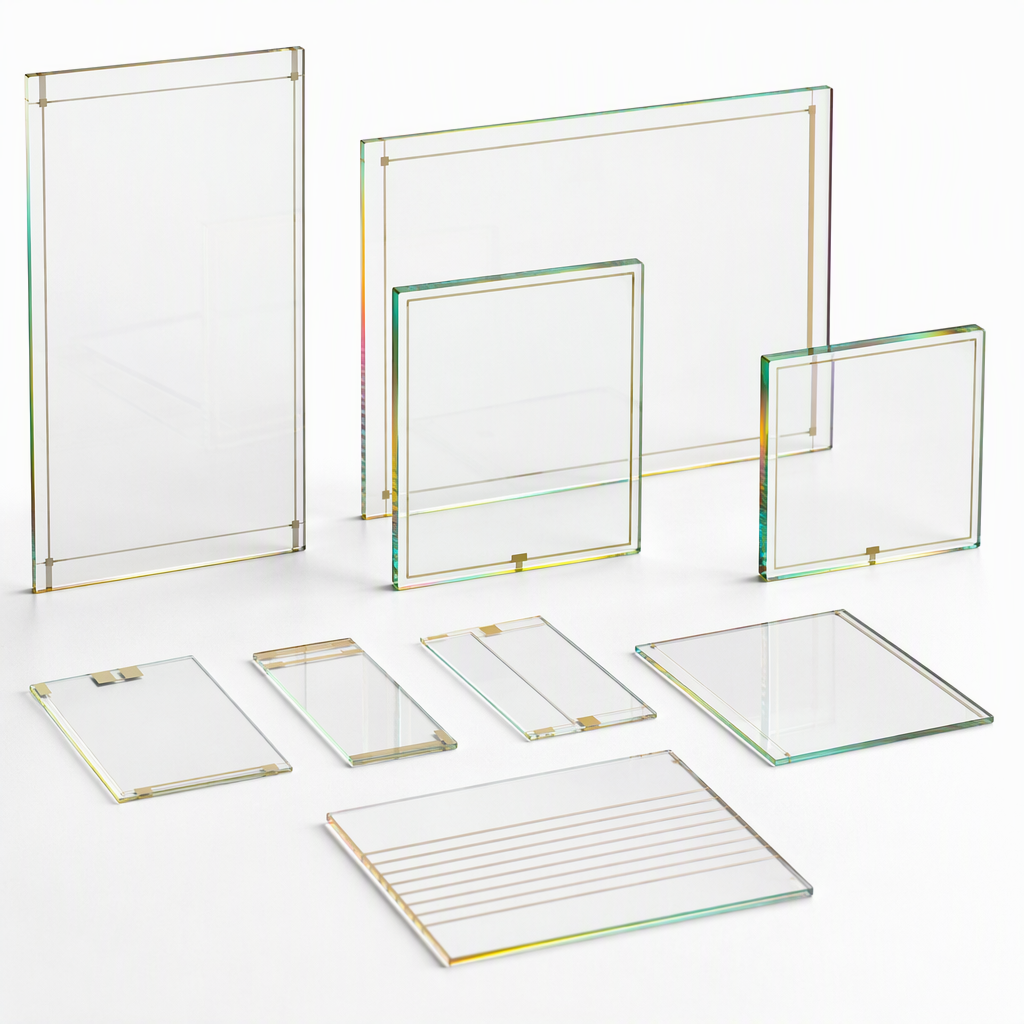
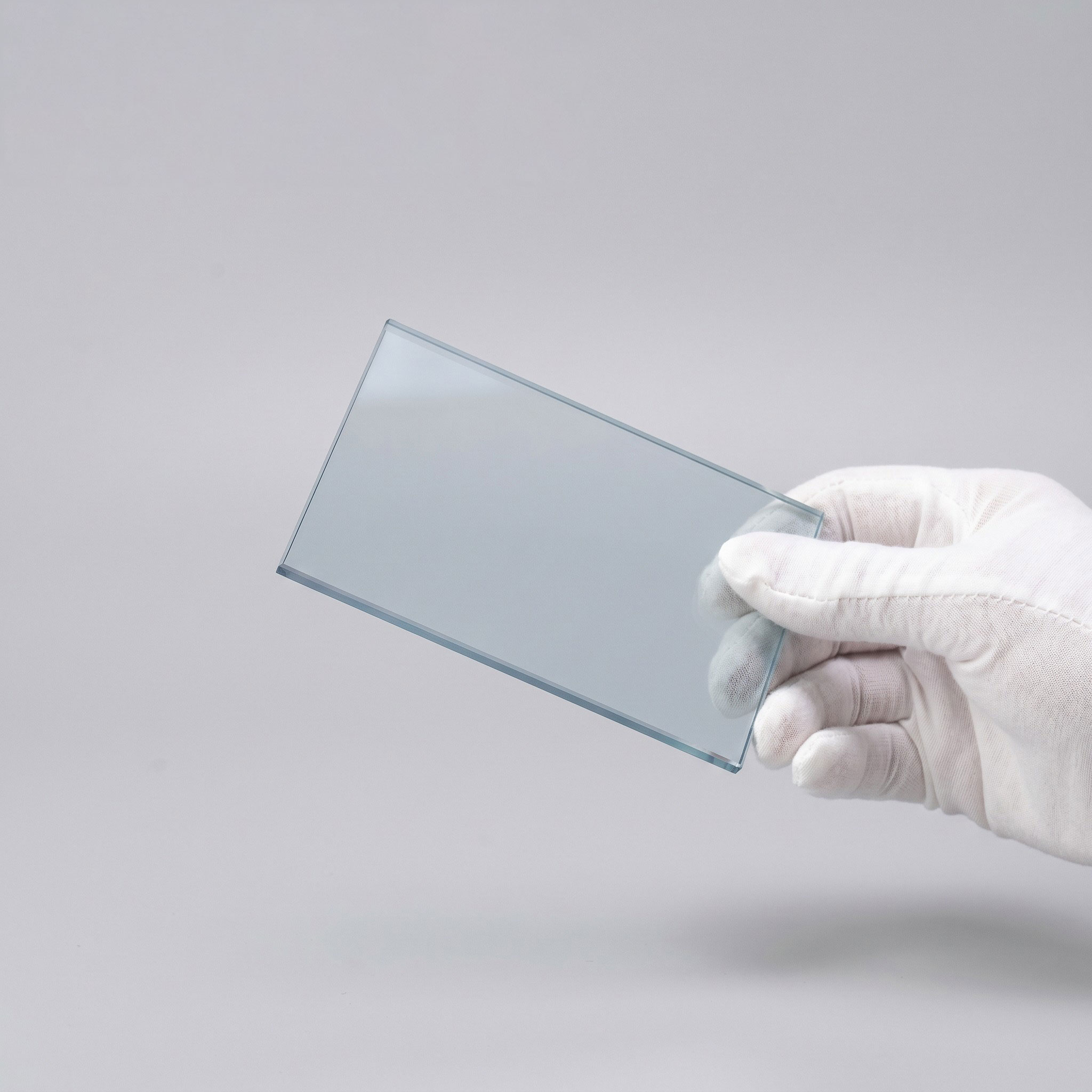
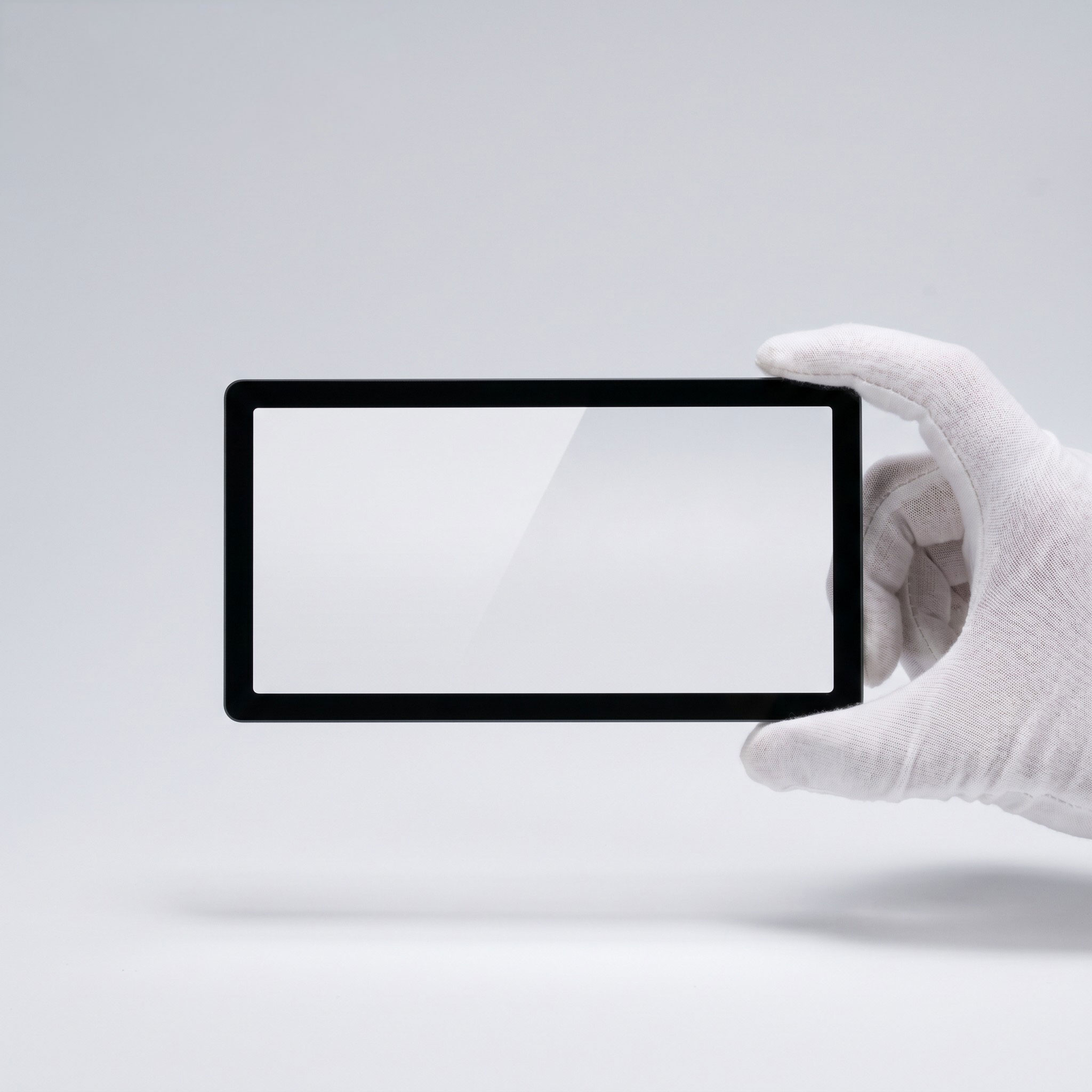
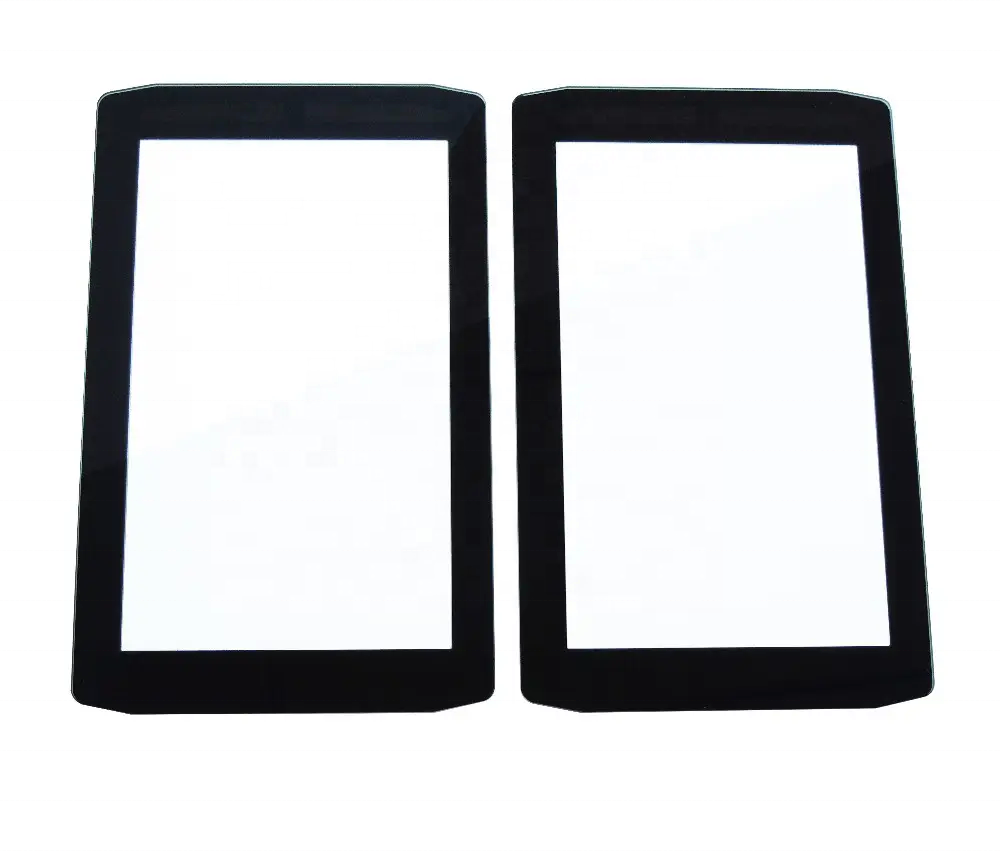
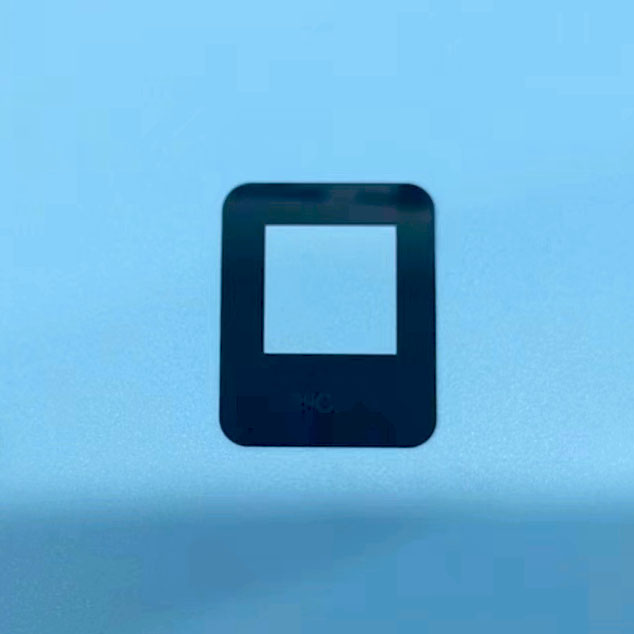
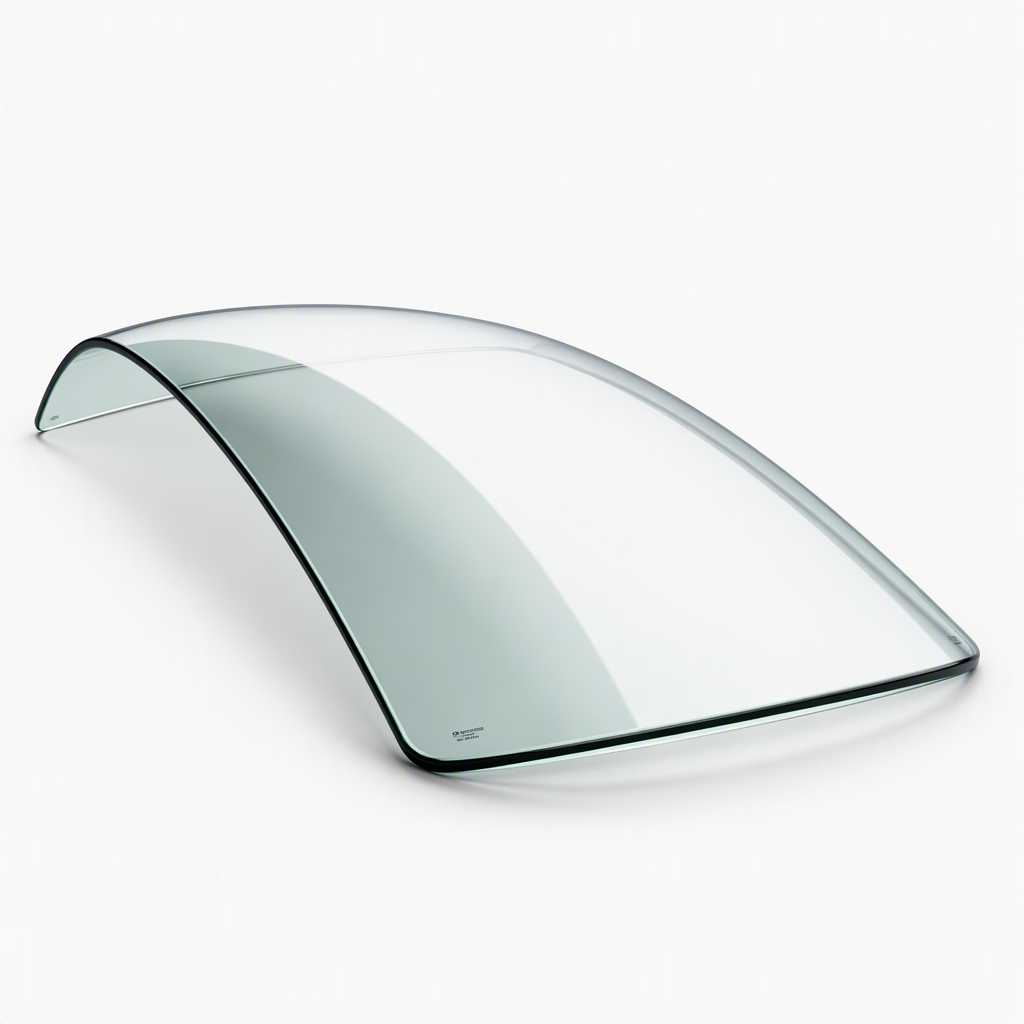
The eight formats below come from KELO's cover-glass, curved-glass and conductive-glass lines. Each can be customized for washing machine doors, fascias, display windows and touch interfaces. Product links and images are preserved exactly.

Need a washer-specific glass construction review?

Inquire Now
25 million pieces per year pcs/yr cover glass capacity
up to 19 millimetres maximum thickness (0.1–19 mm range)
31 days typical lead time (21–31 days after approval)
1 hour typical response time on business days
What CE-ready means

CE Certified Washing Machine Glass: Separating Evidence from Label Claims

Search demand for CE certified washing machine glass factories and exporters is growing because appliance brands are being asked to prove more, not less. The phrase is a useful starting point, but it deserves a precise reading. CE marking is applied to the finished washing machine, not to a bare glass panel. A glass supplier cannot “CE certify” a pane in isolation. What a serious factory can do is provide traceable component evidence that supports your conformity assessment under the Low Voltage Directive, the EMC Directive where touch electronics are integrated, and the applicable EN 60335 series for household appliances.

For a washing machine glass component, that evidence usually includes EN 12150-1/-2 test reports for thermally toughened safety glass, RoHS and REACH declarations, dimensional and optical inspection records, coating performance data, printing durability results and lot traceability. If the glass carries an ITO touch sensor or a heater layer, the electrical and thermal data become part of the same evidence pack. Buyers who compare suppliers on this basis separate genuine manufacturing partners from traders repeating a label.

Huizhou KELO Glass Co., Ltd. works inside this evidence chain. We process 0.1–19 mm glass, print and temper it, apply AR/AG/AF or ITO/FTO coatings, and inspect every batch before packing. The output is a documented construction that your engineering, quality and compliance teams can validate, repeat and audit.

  • EN 12150 report or equivalent toughened-glass test data
  • RoHS / REACH declarations and material composition
  • Thickness, flatness, edge and hole tolerances
  • Reflectance, haze, contact angle and sheet resistance
  • Printing durability and chemical resistance results
  • Lot traceability and packing specification
Ask every supplier for the same six documents. If they cannot provide them before a price discussion, the phrase “CE certified” is doing marketing work rather than engineering work.
Glass processing line at Huizhou KELO Glass Co., Ltd.
In-house processing keeps thickness, edge quality, printing and coating performance inside one documented production route.
Factory advantages

Why KELO Is a Washing Machine Glass Factory Buyers Can Audit

Huizhou KELO Glass Co., Ltd. is a factory-direct manufacturer in Huizhou, Guangdong, inside the Greater Bay Area electronics supply chain. The plant covers 10,000–30,000 m², employs 101–200 people, keeps 21–30 R&D engineers on staff and generates US$50–100 million in annual output value. For washing machine projects, the important point is not the headline number. It is that the processes which determine glass safety, optics and appearance are not subcontracted.

10,000–30,000 m² plant 101–200 employees 21–30 R&D engineers US$50–100M annual output

Vertical integration from sheet to carton

Cutting, CNC, edge polishing, silk-screen printing, flat and curved tempering, coating, 2.5D/3D forming and 3M adhesive bonding run under one roof. Fewer hand-offs mean tighter tolerances and one accountable owner when a question arises.

Surface engineering measured in-house

AR, AG, AF, ITO and FTO coatings are applied and inspected on our own lines. Reflectance, haze, contact angle, sheet resistance and adhesion are checked against the agreed specification, not estimated from a datasheet.

Engineering review before tooling

Send a drawing, STEP file or physical sample. Our engineers return DFM feedback on thickness, edge profile, print layers, coating stack, curvature and packing. Prototypes can start from 1–2 pieces.

Three quality gates and 100% appearance inspection

Incoming glass, in-process dimensions and coating results, and final appearance are all controlled. Tempering, adhesion, abrasion and salt-spray tests are selected according to the product's operating conditions.

Export documentation and packing experience

Six years as a verified exporter, a 4.9/5 store rating and a 98.18% reply rate sit behind the commercial relationship. Custom honeycomb cartons, blister trays and partition packing are designed around glass, not around a generic carton.

Flexible commercial terms

Samples from 1–2 pcs, bulk lead time of 21–31 days after approval, FOB/CFR/CIF/EXW/DDP terms and T/T, L/C, PayPal or Western Union payment. Alibaba Trade Assurance is available for eligible orders.

Product recommendations

Washing Machine Glass Recommendations by Application

Washing machine glass is not one product. A porthole door, a control fascia and a display window see different mechanical loads, cleaning chemicals, temperatures and user expectations. The matrix below is a practical starting point for an RFQ.

Recommended glass configurations for washing machine doors, control panels and display windows
Washer component Recommended glass Typical treatment Why it matters
Front-load door / porthole window Thermally toughened soda-lime or borosilicate glass, typically 4–6 mm Polished edges, ceramic-printed border, optional AR/AG Thermal shock, impact and edge strength dominate; printing must survive detergents.
Control panel / fascia 1–4 mm tempered or chemically strengthened glass Black/white multi-layer print, AF, AG, anti-scratch Fingerprint, scratch and chemical resistance; dead-front graphics need tight print registration.
Display window 1.1–3 mm glass AR, AG, AF, optional ITO Readability under bright light and low reflectance; touch versions need sensor integration.
Touch control strip 0.7–3 mm glass ITO 6–8 Ω/sq, AF, AR, EMI management Reliable capacitive sensing, electrical isolation and a surface that wipes clean.
Detergent drawer cover 2–4 mm tempered glass Silk-screen print, chemical-resistant ink Detergent contact and mechanical handling; edges and holes need chip-free finishing.
Curved trim / 2.5D edge 2–6 mm glass Hot-bent 2.5D/3D, AR/AG optional Seamless industrial design, gasket fit and strength after bending.

Typical starting points, not a released specification. Thickness and coating choice must be confirmed by engineering and appliance-level safety, reliability and cleaning-agent testing.

Procurement trends

Washing Machine Glass Procurement Trends Buyers Are Planning For

The purchasing brief for washing machine glass is changing. Price still matters, but it is no longer the first filter. Compliance evidence, supply resilience and speed to a validated sample now decide who stays on an approved vendor list.

01 / EVIDENCE

Compliance-first sourcing

Procurement teams now ask for EN 12150 reports, RoHS/REACH declarations, PFAS status, material traceability and packing data before a price is negotiated. The glass supplier is expected to feed the appliance maker's technical file, not just ship cartons. Suppliers who treat documentation as an afterthought slow down every approval cycle.

02 / RESILIENCE

Dual sourcing and supply resilience

Single-source risk is being reduced with a qualified second factory, buffer stock and DDP options. A supplier that can run 1–2 pc samples and then scale to 21–31 day bulk production makes dual sourcing practical rather than theoretical. Geographically diversified assembly makes the shipping terms and packing specification part of the sourcing decision.

03 / SPEED

Faster NPI and lower MOQ

Appliance interfaces change faster than cabinet tooling. Brands want DFM feedback, printed samples and coating trials in weeks, not quarters. Low-MOQ prototypes reduce the cost of trying a new black-glass fascia or an AG display window, and they let engineering discover print or coating issues before mass production is committed.

Development trends

Product and Technology Development Trends in Washing Machine Glass

Washing machine glass is moving from a protective window to a visible, touchable part of the product interface. The direction of travel is clear: fewer mechanical parts, more printed function, better optical performance and stronger documentation.

Edge-to-edge black glass and dead-front graphics

A single black fascia with icons that appear only when backlit. The glass becomes the design language, so print registration, color consistency and scratch resistance move to the top of the specification.

Touch-integrated glass and EMI management

ITO-coated glass at 6–8 Ω/sq turns the fascia into a capacitive interface. AF top coats keep it clean; EMI layers and grounding design keep the appliance compliant. The glass supplier and electronics team must review the stack together.

Curved and chemically strengthened formats

2.5D and 3D hot-bent glass, thin Gorilla glass and borosilicate options support wraparound edges and lighter doors. Chemical strengthening helps thin formats survive daily knocks without adding bulk.

AR, AG and AF optical stacks

AR raises see-through clarity, AG diffuses reflections in a bright laundry room, and AF reduces fingerprint bonding. Combined stacks are increasingly specified for premium washers and combo washer-dryers.

Sustainability and restricted substances

Lead-free inks, low-VOC processes, recyclable glass and PFAS-free easy-clean surfaces are moving from premium requests to standard RFQ questions. Documentation must follow the material, not the marketing brochure.

Traceability and digital documentation

Lot-level records, test reports and QR-linked inspection data make supplier audits easier today and support emerging digital product passport requirements tomorrow.

Quality and compliance

Three Release Gates and a CE-Support Document Pack

Quality is built into the route, not inspected in at the end. KELO uses three release gates, then packs against a defined specification. Every finished piece receives 100% appearance inspection; tempering, adhesion, abrasion and salt-spray tests are selected according to the product's operating conditions.

01

Incoming inspection (IQC)

Raw glass and consumables are verified before production: thickness, flatness, surface defects, ink and coating material identity. A nonconforming sheet never enters the line.

02

In-process control (IPQC)

CNC dimensions and hole positions, tempering and strength checks, coating adhesion and abrasion are monitored at the station. When a parameter drifts, the batch is held before it becomes finished stock.

03

Final inspection and packing (FQC/OQC)

100% appearance inspection, salt-spray reliability checks and packing validation. Custom honeycomb cartons, blister trays and partitions are specified to protect edges, corners and printed surfaces.

EN 12150 test report RoHS / REACH declaration Dimensional inspection report Coating performance data Lot traceability record Packing specification Standard trade documents

CE-support documents are issued against the agreed specification. Where third-party testing is required, scope and laboratory are confirmed before production.

Export footprint

An Exporter Built Around Glass, Documentation and Delivery

Our export experience covers the paperwork, packaging and Incoterms that international appliance buyers expect. Current market distribution is shown below; figures are company-reported and rounded. The packing team designs around glass, not around a generic carton.

Eastern Europe20%
Northern Europe20%
North America20%
Southern Europe15%
Western Europe15%
South America10%
6 years verified exporter 4.9/5 store rating 98.18% reply rate 10,000–30,000 m² factory
Export packing for coated and printed glass at KELO Glass
Export packing for coated and printed glass — edge protection, blister trays and partitioned cartons.
Buyer FAQ

Washing Machine Glass FAQ for Procurement and Engineering Teams

Straight answers to the questions that usually come up before a first sample order or a supplier audit.

Are your washing machine glass panels CE certified?

CE marking is applied to the finished washing machine, not to a bare glass panel. What a glass factory can provide is CE-support evidence: EN 12150-1/-2 test reports for thermally toughened safety glass, RoHS and REACH declarations, dimensional and optical inspection data, coating performance records and lot traceability. KELO supplies these documents so your EN 60335-1 and EN 60335-2-7 conformity work has traceable component evidence. We do not claim that an unassembled glass pane carries a CE mark.

Which glass is best for a front-load washer door?

For a front-load door, start with thermally toughened soda-lime or borosilicate glass, typically 4–6 mm, with polished edges and ceramic-printed graphics. Final thickness depends on door diameter, gasket compression, hinge loads, thermal shock and impact requirements. Validate the construction with your appliance safety testing; KELO can supply EN 12150 reports, flatness data and edge-quality records.

Can you print logos, icons and hidden-until-lit graphics?

Yes. We use silk-screen printing, laser engraving and multi-layer black, white and grey inks. Dead-front graphics, translucent icon windows, gradient masks and brand logos can be printed on the front or back surface. Ink adhesion, abrasion and chemical resistance are checked in-process. Send artwork, color targets and the required durability standard with your RFQ.

What thickness, sizes and shapes can you produce?

Glass thickness ranges from 0.1 mm to 19 mm. Size, shape, holes, edge profile, 2.5D/3D curvature, printing and 3M adhesive bonding are customized to your drawing or sample. Control panels usually sit at 1–4 mm; door glass is thicker. A DXF, STEP or PDF drawing with tolerances helps our engineers return a useful DFM review.

How do you test thermal shock, impact and coating durability?

Tests can include tempering verification, thermal shock cycling, drop-ball or impact checks, coating adhesion, abrasion, salt spray and 100% appearance inspection. Where third-party reports are required, we can arrange testing and share results under NDA. Test criteria should be written into the drawing or quality plan before mass production, not negotiated after a failure.

What is the MOQ and lead time?

Samples can start from 1–2 pieces. Bulk MOQ is quoted per drawing and annual volume. Typical mass-production lead time is 21–31 days after sample approval, depending on size, coating stack, curved forming and printing complexity. Repeat orders with stable specifications usually run more predictably.

Which documents support EU market access?

We can provide EN 12150 test reports, RoHS and REACH declarations, material composition data, dimensional and optical inspection reports, coating performance data, packing specifications and standard trade documents. For PFAS, carbon-footprint or digital product passport requests, discuss the scope early so the correct declaration route is used.

How do you pack glass to prevent transit breakage?

Finished glass is packed with edge protection, blister trays, partitions and custom honeycomb cartons. We can design returnable or customer-branded packaging. Packing validation can include drop and vibration checks; specify the destination, mode of transport and any pallet or container constraints when you request a quotation.

Do you support ITO touch sensors and EMI shielding?

Yes. ITO-coated glass at 6–8 Ω/sq can be combined with AF and AR coatings for touch fascias. EMI management depends on the full stack, grounding and electronics design; we review the glass side and coordinate with your electrical team. FTO glass is available for higher-temperature or chemically demanding programs.
Have a Washing Machine Glass Drawing or Specification?

Send your drawing, washer model, target thickness, coating requirement, printing artwork, annual volume and destination. Our engineers will return a DFM review, a recommended glass construction and a quotation. Samples can start from 1–2 pcs; bulk lead time is typically 21–31 days after approval. NDA available on request.

Inquire Now Typical response time ≤1 hour on business days.