8 Functional Glass Products From One Factory
These eight product families cover the search intents buyers usually have when sourcing a China functional glass manufacturer: switch and socket panels, shower control panels, NFC covers, ITO display glass, AF kitchen electronics glass and precision gaming glass components.
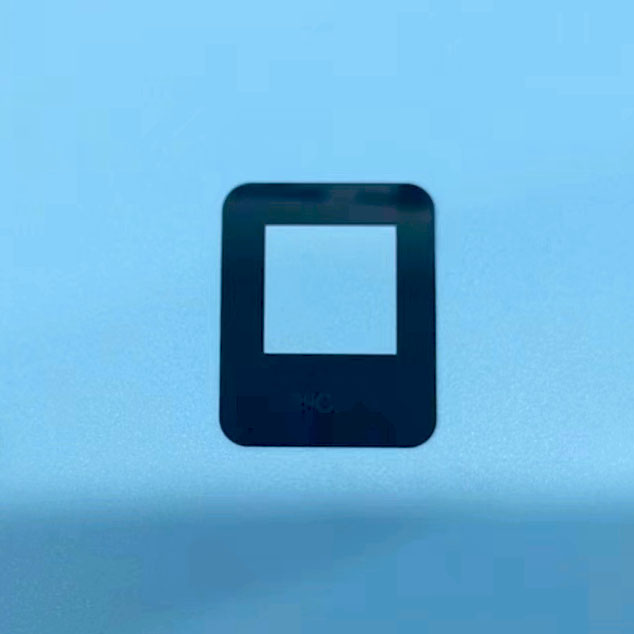
1mm Black Tempered Glass Switch Socket Panel Flat Solid Wall Cover with Print
Flat black tempered wall cover for switch and socket systems, with custom print and a clean modern finish.

Round Oval PTFE 3M Wear-resistant Smooth Mouse Feet Stickers Glass Pad Resin Pads
Smooth PTFE glide feet with 3M adhesive for glass mouse pads and gaming peripheral assembly.
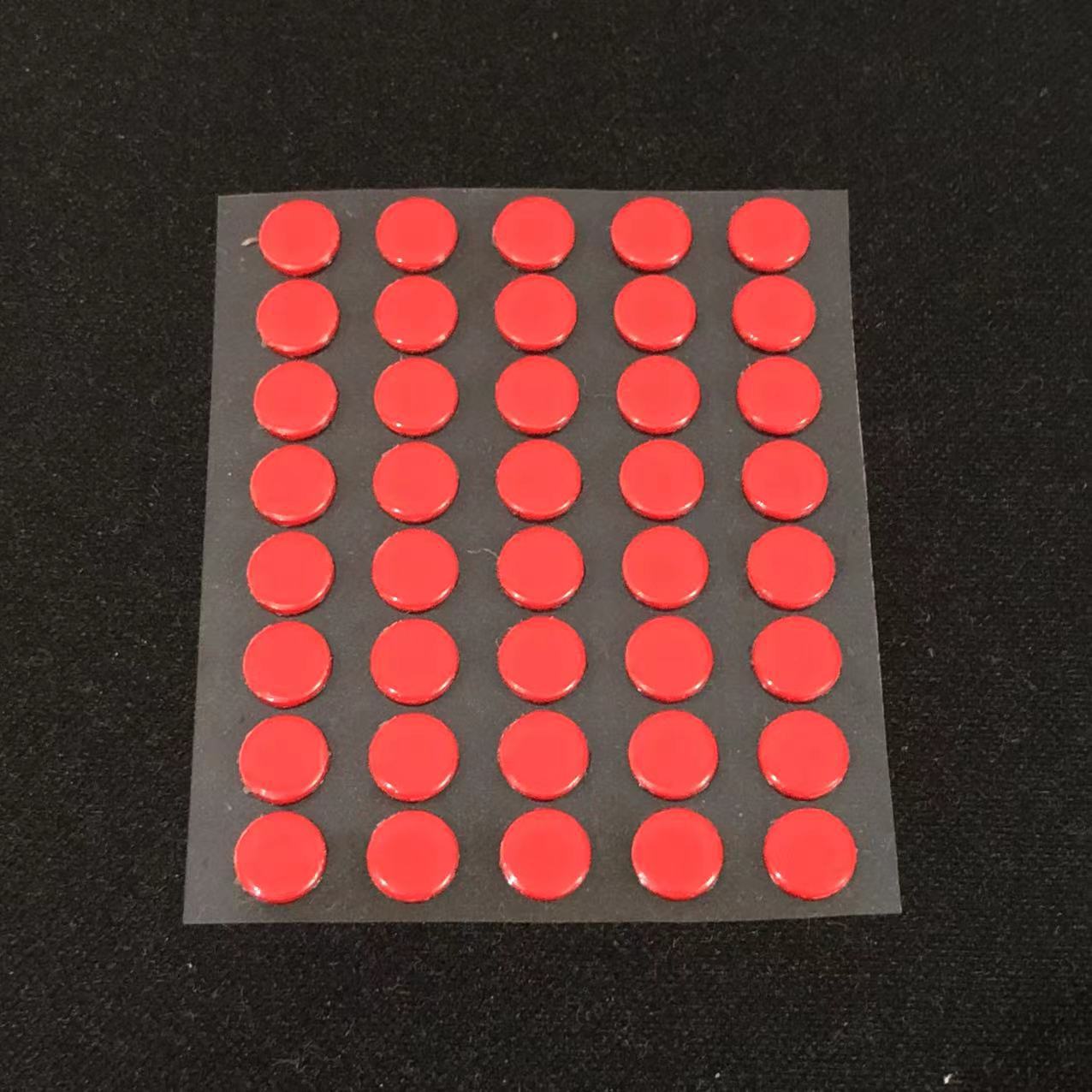
Factory Price Round Red Mouse Sticker Pads Universal Glass Mouse Skates with Small Dot PTFE Non-slip Mouse Feet
Round red PTFE skates for consistent glide, low friction and fast assembly in gaming brands.
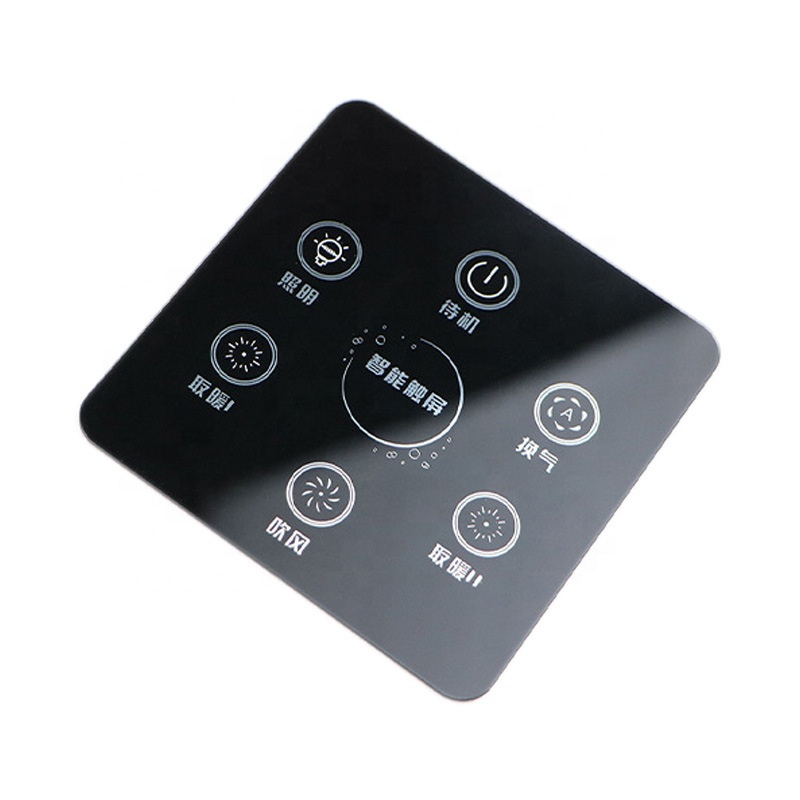
Bathroom Solid & Hollow Tempered Glass Intelligent Touch Shower Control Switch Panel Silk Screen Printed with 4-Year Warranty
Solid and hollow tempered glass touch panels for smart shower controls and bathroom interfaces.
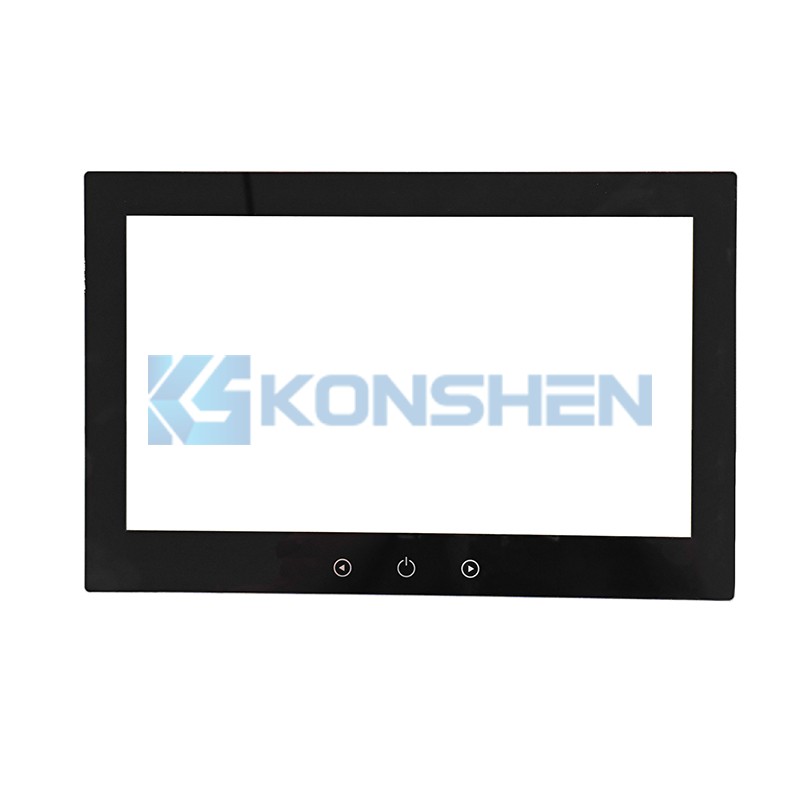
Electronic ITO Conductive Tempered Glass Custom Black Framed 1mm-4mm Thickness Display Cover for Industrial Monitor
ITO-coated display cover glass with black frame for industrial monitors and sensing assemblies.
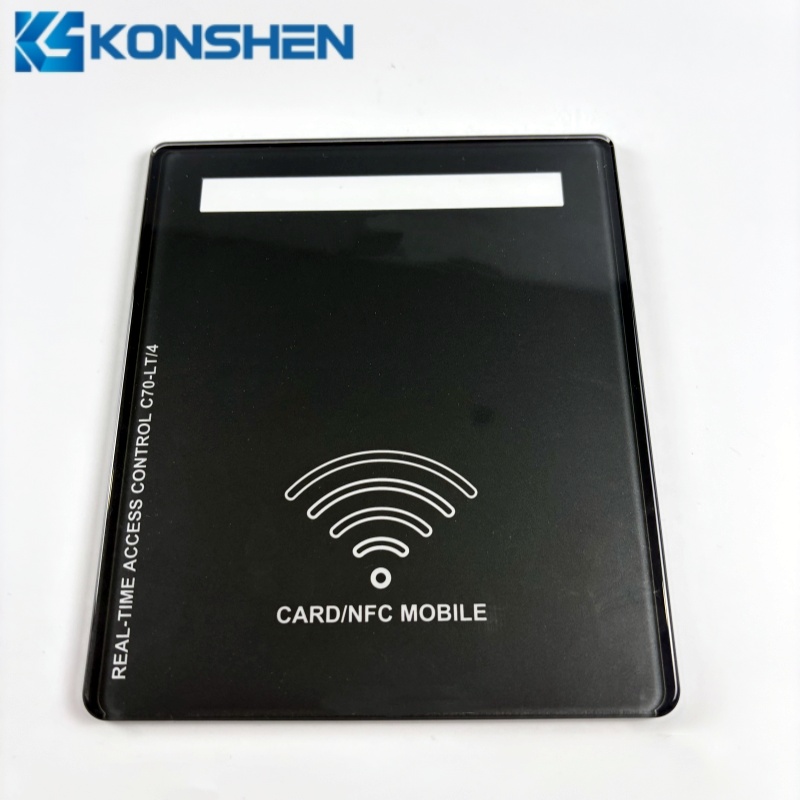
Custom 5mm NFC Access Card Silkscreen Printing Tempered Touch Screen Glass Switch Display Cover Glass
5 mm tempered glass cover with silkscreen printing and NFC integration for access control devices.
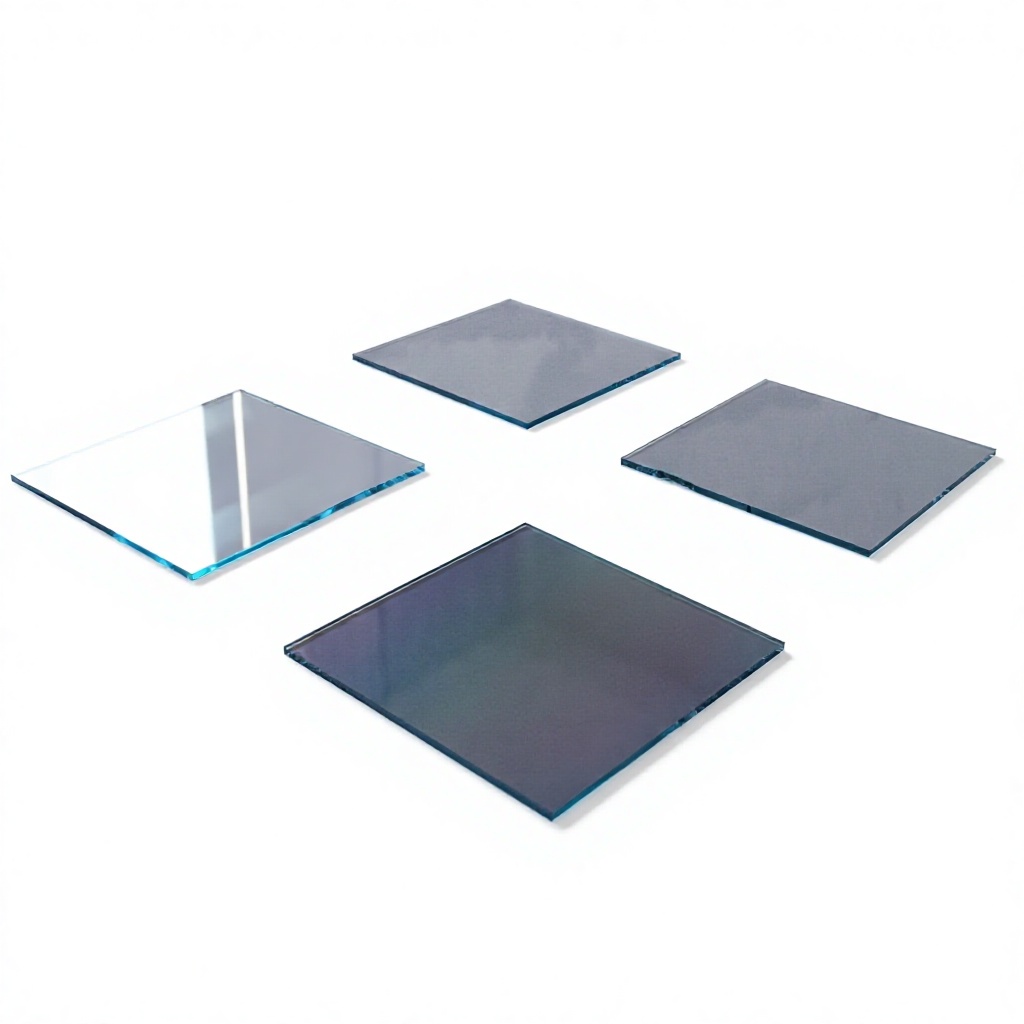
1.1mm ITO Coated Conductive Glass Panel Optical Electronic Glass Custom Shape Polished Edge for Industrial Use
Custom-shaped 1.1 mm ITO conductive glass with polished edges for optical and industrial electronics.
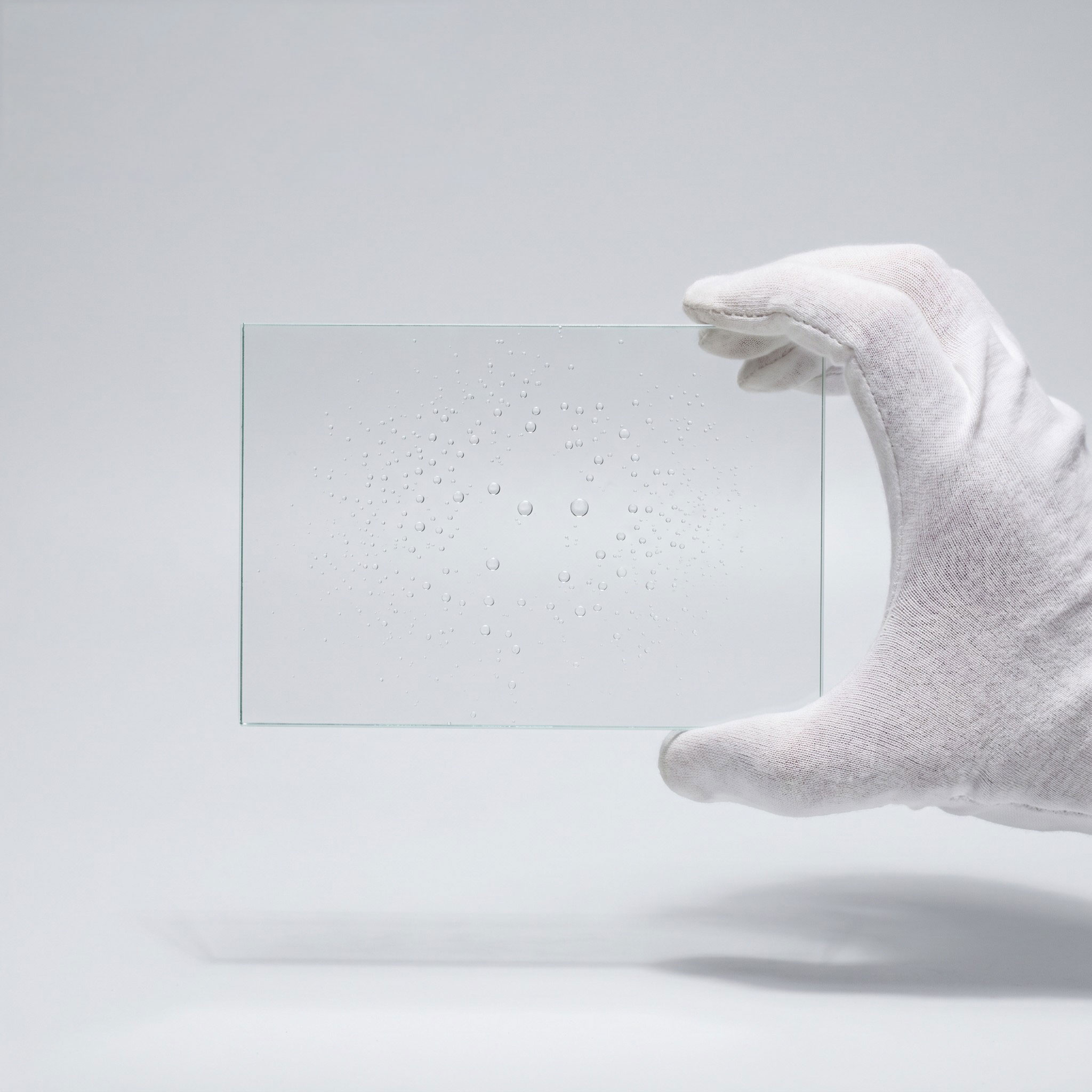
KS AF001 High Transmittance AF Coated 1.1mm/2mm CNC Cut Custom Shape Toughened Glass Panel for Kitchen Electronic Device Covers
AF-coated, high-transmittance toughened glass for kitchen electronics covers and touch interfaces.
What “China Best Functional Glass Factory & Exporter” Should Mean to a Buyer
The search phrase China best functional glass factory & exporter is not a product category with a single official certificate. It is a high-intent supplier-qualification query. Buyers using it are normally trying to answer four practical questions: can the supplier process the glass, can it control optical and electrical performance, can it support a custom drawing, and can it deliver export-ready quality without shifting risk to the buyer?
Huizhou KELO Glass Co., Ltd. is a factory-direct manufacturer in Huizhou, Guangdong, inside the Greater Bay Area electronics supply chain. The company’s published profile describes 10k–30k m² of factory space, 101–200 employees, 21–30 R&D engineers, and an annual output value band of US$50–100M. More importantly, the manufacturing model is built around in-house surface engineering rather than trading or outsourced coating.
Key processes run under one roof: cutting, water-jet cutting, CNC machining, drilling, edge polishing, laser engraving, silk-screen printing, sandblasting, flat and curved tempering, AR/AG/AF/ITO coating, 2.5D/3D curved forming, and 3M adhesive bonding. For buyers, that means tighter accountability from raw sheet to packed carton, fewer handling transfers and a clearer route from drawing review to mass production.
- Factory-direct verification, not a trader-only profile
- In-house optical and conductive coating capability
- Samples from 1–2 pieces for early validation
- 100% appearance inspection before shipment
Information gain for procurement teams: when comparing suppliers, request a process route, a coated-sample report and a packaging proposal together. A supplier that can discuss all three is usually better prepared for mass production than one that only sends a catalogue price.
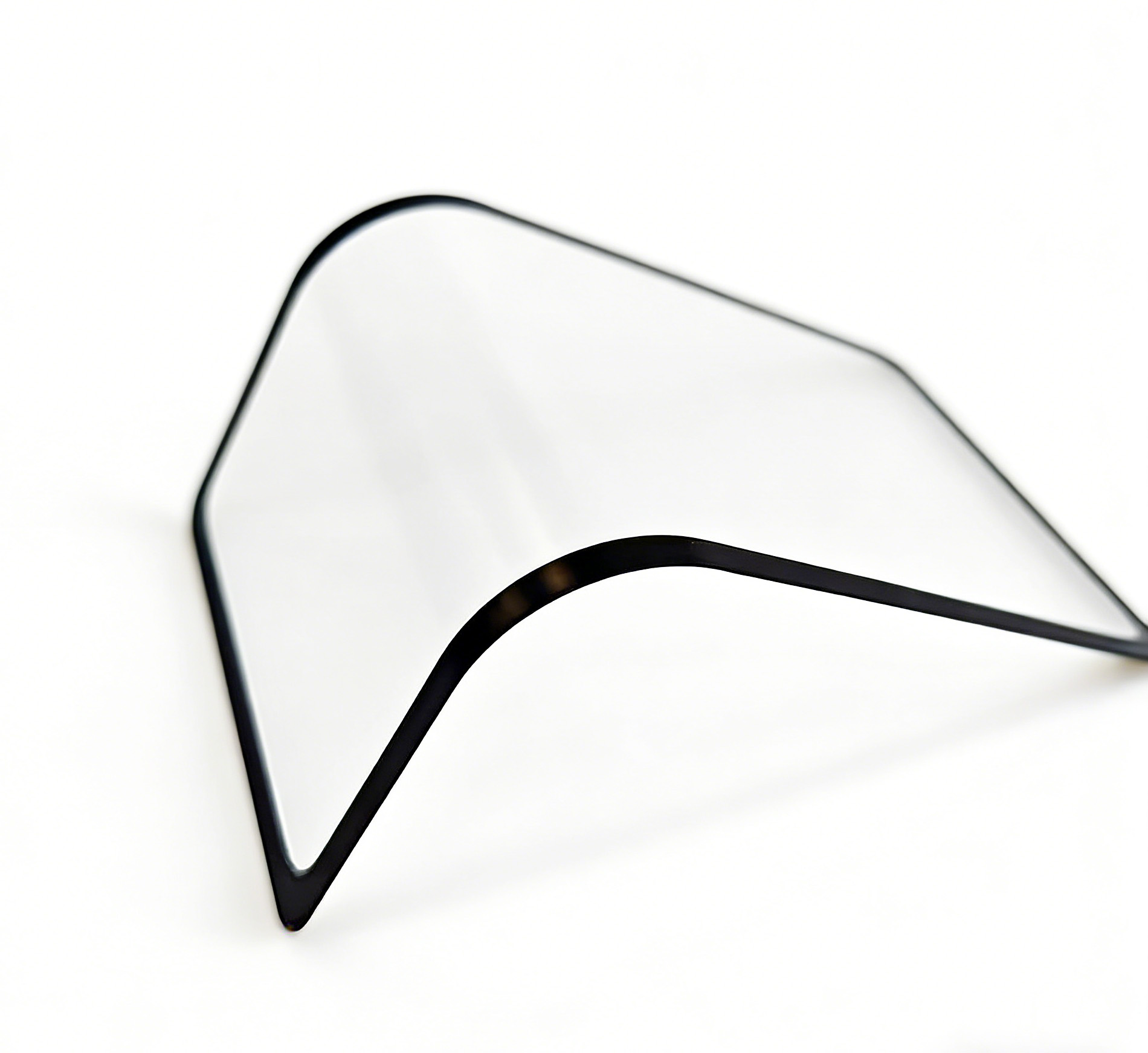
Cover glass, coated glass and curved glass are evaluated as one engineered assembly, not as isolated parts.
Match the Glass Function to the User Intent
Product recommendation should begin with the operating condition. For a switch panel, the priority may be print quality and flatness. For a bathroom controller, moisture and touch cleanability matter. For an industrial monitor, ITO conductivity and optical clarity can decide the design.
Switch & socket glass panels
Use 1 mm black tempered glass with custom print for flat wall covers. Specify print colour, light transmission window, edge condition and adhesive or mounting method. This is a strong fit for smart-home brands that need a premium visual surface.
Bathroom & shower touch panels
Solid and hollow tempered glass panels with intelligent touch control require surface durability, clean print registration and reliable assembly. Ask for a 4-year warranty discussion, moisture-related testing and custom icon printing.
Gaming mouse pads & skates
PTFE mouse feet stickers, red mouse skates and glass pad resin pads are small components with high user-experience impact. Buyers should specify glide feel, adhesive type, dot tolerance, packaging orientation and wear cycles.
Industrial ITO display covers
ITO conductive tempered glass with a black frame is a practical choice for industrial monitors, sensing windows and EMI-related designs. Confirm sheet resistance, visible transmission, haze, conductive pattern and edge polishing before mass production.
NFC access-card covers
Custom 5 mm NFC tempered glass covers combine silk-screen printing with a communication function. Specify the NFC read distance, antenna placement, glass thickness, printed colour and assembly tolerance for the housing.
Kitchen electronics AF glass
High-transmittance AF-coated 1.1 mm or 2 mm toughened glass is suited to kitchen appliance covers. The anti-fingerprint surface supports easy cleaning, while CNC cutting allows custom shapes, holes and polished edges.
Put Performance Targets in the Drawing, Not Just the Product Name
Functional glass pricing and reliability depend on measurable details. This matrix helps buyers turn vague requirements into an engineering conversation that suppliers can quote accurately.
| Function | Typical Specification | Best-Fit Application | RFQ Detail to Confirm |
|---|---|---|---|
| AR anti-reflective | Reflectance <1.0% per side; transmittance >99% across 400–700 nm; single or multi-layer | Automotive touch displays, medical monitors, industrial display windows | Coated side, reflection colour, stack design, durability test |
| AG anti-glare | Haze 5–60%; gloss 0.5–8 GU | Outdoor kiosks, industrial HMI, sunlight-readable screens | Haze target, gloss level, one-side or both-side treatment, pencil hardness |
| AF anti-fingerprint | Water contact angle >110°; hardness >3H; transmittance >98%; durability >10,000 cycles | Touch control panels, smart home glass, kitchen appliance covers | Contact angle, abrasion cycles, cleaning chemical resistance, rework method |
| ITO conductive | Sheet resistance 1–20 Ω/sq; transmittance >85%; haze <2% | Capacitive touch sensors, displays, EMI shielding | Sheet resistance, pattern area, busbar layout, coating uniformity |
| FTO conductive | Sheet resistance 1–20 Ω/sq; transmittance >85%; haze <2% | Thin-film solar cells, high-temperature processes | Thermal stability, process temperature, coating thickness, edge treatment |
| Tempered cover glass | Thickness 0.1–19 mm; flat, 2.5D or 3D; custom holes and print | Switch panels, appliance lenses, industrial HMI, smart home interfaces | Edge quality, hole tolerance, optical distortion, print registration, packing |
Values shown are typical capability windows. Final acceptance criteria must be confirmed against the drawing, sample and engineering review. This is how a functional glass supplier protects both yield and buyer expectations.
What Functional Glass Buyers Are Prioritising Now
The sourcing conversation is moving away from “lowest price per piece” toward landed cost, traceable performance and faster engineering loops. The bars below are a directional planning index from KELO’s export RFQ review — useful for aligning a sourcing strategy, not a substitute for third-party market research.
Procurement implication: buyers should evaluate the supplier’s engineering response, sample speed, inspection evidence and packaging plan together with the unit price. A low quotation that creates repeated rework or transit damage is rarely the lowest landed cost.
Where Functional Glass Technology Is Moving
Functional glass is becoming less of a passive cover and more of an engineered interface. The trends below are already visible in RFQs for smart home, industrial, automotive, bathroom and gaming products.
Thinner, stronger cover stacks
Products are moving from thick decorative glass to thinner chemically strengthened or tempered glass, supported by careful edge polishing and controlled assembly tolerances.
2.5D and 3D curved forming
Curved cover glass supports edge-to-edge industrial design in automotive dashboards, smart home controls and premium appliances. Buyers should validate optical distortion and fit after forming.
Combined AR + AG + AF coatings
One substrate increasingly carries more than one function: low reflection, glare diffusion and easy cleaning. The engineering challenge is balancing optical gain with abrasion durability.
Conductive integration
ITO and FTO conductive glass allow displays, sensors, shielding and solar-related products to combine transparency with electrical function. Specify resistance and haze before appearance details.
Print plus function on one panel
Silk-screen printing, laser engraving, sandblasting and functional coating increasingly coexist on the same glass panel. Print registration and coating compatibility need to be reviewed together.
Traceability and export readiness
Buyers increasingly expect inspection records, packaging validation and a clear replacement policy. Functional glass is not only a material decision; it is a supply-chain risk decision.
Why a Factory-Direct Functional Glass Partner Changes the Project
KELO’s advantage is not a single machine or a single coating. It is the ability to keep cutting, printing, tempering, coating, curved forming and inspection close enough together that engineering feedback becomes fast and repeatable.
One accountable manufacturing route
Raw glass, CNC, printing, tempering, coating and bonding are coordinated in-house. Buyers spend less time reconciling defects between multiple subcontractors.
In-house surface engineering
AR, AG, AF and ITO/FTO coating are core capabilities. This supports faster parameter review when a buyer needs a special reflection target, haze level or sheet resistance.
Rapid samples from 1–2 pieces
Early samples help validate fit, optics and print before tooling or mass-production commitments. It is a practical way to reduce the risk of a costly design freeze.
100% appearance inspection
Final inspection checks every finished piece before protective packing. Tempering, adhesion, abrasion and salt-spray testing can be specified for higher-risk applications.
Export-ready packaging
Custom honeycomb cartons, blister trays and partition packing are planned around glass size, edge exposure and handling route to reduce transit damage.
Verified trade profile
Published profile data includes a 4.9/5 store rating, 98.18% reply rate, 6 years as a verified exporter on Alibaba.com and Trade Assurance-supported orders. Buyers should verify current details directly on the company profile.
Three Inspection Gates Before Functional Glass Ships
Functional glass defects are expensive because they often appear after printing, coating or assembly. The quality system should therefore catch problems at the earliest possible stage.
IQC: incoming material inspection
Incoming glass and consumables are checked for thickness, flatness, surface defects, ink and coating material consistency. This protects downstream yield before production begins.
IPQC: in-process control
CNC dimensions, hole positions, tempering response, coating adhesion and abrasion performance are checked at the relevant process stations, not only at final inspection.
FQC/OQC: final release
Finished pieces receive 100% appearance inspection, packaging checks and any agreed reliability tests. Labelling, protective film and carton configuration are confirmed before shipment.
From Drawing Review to Mass Production
A transparent workflow reduces uncertainty for first-time buyers and gives repeat buyers a predictable engineering loop.
Share requirements
Drawing, sample, target performance and annual volume.
Engineering review
DFM feedback on tolerance, coating, print and cost drivers.
Rapid prototype
Samples from 1–2 pieces for early validation.
Validation
Fit, optics, strength and appearance are approved by the buyer.
Mass production
Typical lead time is 21–31 days after sample approval.
Packing & shipping
Damage-resistant packing and export documentation.
How to Verify a Functional Glass Supplier Before Ordering
Use this checklist during supplier comparison. It complements price negotiation with evidence that protects the project after the purchase order is issued.
| Assessment Area | Evidence to Request | Why It Matters |
|---|---|---|
| Factory identity | Company profile, on-site verification, factory video, address | Confirms whether the supplier manufactures or mainly trades |
| Process capability | Process list covering cutting, CNC, tempering, printing and coating | Reduces handling damage and clarifies responsibility for defects |
| Sample validation | 1–2 piece samples, drawing review notes, measurement report | Tests fit, optics and print before a mass-production commitment |
| Quality data | IQC/IPQC/FQC records, adhesion, abrasion, salt-spray or strength tests | Shows whether inspection is planned or only claimed |
| Packing plan | Honeycomb carton, blister tray, partition drawing and drop-test discussion | Glass losses often occur in transit, not only in production |
| Trade protection | Trade Assurance, clear incoterms, payment terms, response SLA | Gives the buyer a practical route for issue resolution |
A credible factory-direct exporter should answer these questions with documents, samples and process descriptions rather than assurances alone. This evidence-led approach aligns with Google’s E-E-A-T principle: real experience, demonstrable expertise, verifiable authority and dependable trust signals.
Functional Glass Procurement FAQ
Direct answers to the questions procurement teams commonly ask before requesting a quotation.
What is the minimum order quantity for custom functional glass?
Sample orders can start from 1–2 pieces so that fit, optics, print and coating performance can be validated before volume production. Bulk quantity is quoted against the drawing, glass size, coating stack and annual demand.
What is the typical lead time for mass production?
Bulk lead time is typically 21–31 days after sample approval. The actual schedule depends on glass size, coating type, curved forming, printing complexity, inspection requirements and packing method.
What optical performance can your AR coating achieve?
Typical AR capability includes reflectance below 1.0% per side and transmittance above 99% across 400–700 nm in single-layer or multi-layer designs. Buyers should confirm the coated side, reflection colour and durability test in the drawing review.
Should I choose ITO or FTO conductive glass?
ITO glass is commonly used for capacitive touch sensors, displays and EMI shielding. FTO glass is often selected for thin-film solar and high-temperature processes because of its thermal and chemical stability. Both can be discussed with sheet resistance of 1–20 Ω/sq, transmittance above 85% and haze below 2%.
What thickness, sizes and shapes can be produced?
Glass thickness ranges from 0.1 mm to 19 mm. Size, shape, holes, colour, logo printing, 2.5D/3D curved forming and 3M adhesive bonding are customised to the drawing or sample.
Which trade terms and payment methods are accepted?
FOB, CFR, CIF, EXW and DDP trade terms can be discussed. Payment methods include T/T, L/C, PayPal and Western Union. Orders placed through Alibaba.com can be protected by Trade Assurance, subject to the current platform terms.
How is quality controlled before shipment?
Quality control is organised through incoming, in-process and final inspection, including 100% appearance checking plus tempering, adhesion, abrasion and salt-spray testing where required. Custom honeycomb cartons, blister trays and partition packing reduce transit damage.
Can you support custom printing and special glass materials?
Yes. Silk-screen printing, laser engraving, sandblasting, frosting and edge polishing can be combined. Specialty materials can include Gorilla glass, borosilicate glass, quartz glass, sapphire glass, ceramic glass, lead shielding glass and laminated safety glass, subject to drawing review.
Do you support OEM and ODM projects?
Yes. OEM and ODM support covers drawing review, custom size and shape, logo printing, holes, coating selection, curved forming, adhesive bonding and packaging design. Buyers should provide target performance and assembly conditions as early as possible.
Does a factory-direct supplier always mean a better price?
Not automatically. A factory-direct supplier can reduce handoff risk, improve tolerance control and shorten engineering feedback, but final value depends on yield, packing, inspection and landed cost. Buyers should compare total cost, not only piece price.
Have a Drawing, Sample or Coating Target?
Send your glass drawing, target optical or electrical performance and estimated annual volume. The engineering team can review feasibility, propose a suitable glass construction and recommend a practical inspection and packing plan for your market.
Send an Inquiry