China Best Microwave Glass Suppliers & Exporters
A factory-direct sourcing guide to tempered, printed, AR/AG/AF-coated and ITO/FTO conductive glass for microwave ovens, appliance control panels, smart displays and industrial HMI — engineered, inspected and exported from Huizhou, China.
8 Microwave & Appliance Glass Products for 2025–2026 Sourcing
The eight products below form a practical shortlist for buyers comparing China microwave glass suppliers and exporters. They cover the overlap between microwave oven glass, appliance control panels and adjacent display applications: conductive ITO coatings for touch or shielding, chemically strengthened front panels, anti-reflective and anti-fog optical stacks, CNC-machined irregular glass, printed touch control panels, anti-glare cover sheets and thin ITO-coated optical substrates. Each product URL is preserved below; final selection must be validated against the assembly drawing, thermal profile, cleaning chemistry and market requirements.
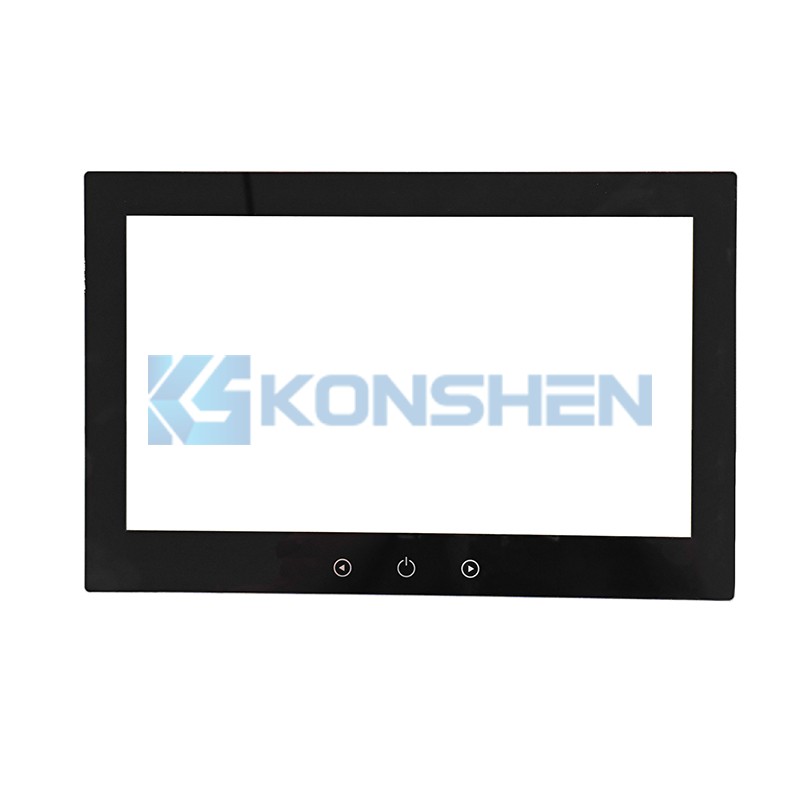
Electronic ITO Conductive Tempered Glass Custom Black Framed 1mm-4mm Thickness Display Cover for Industrial Monitor
A black-framed ITO conductive tempered glass display cover with 1–4 mm substrate options. Relevant to microwave and appliance control panels when the design needs a printed black border, capacitive touch integration or EMI shielding behind a sealed glass surface. Validate sheet resistance, transmission and thermal cycling on the final stack.
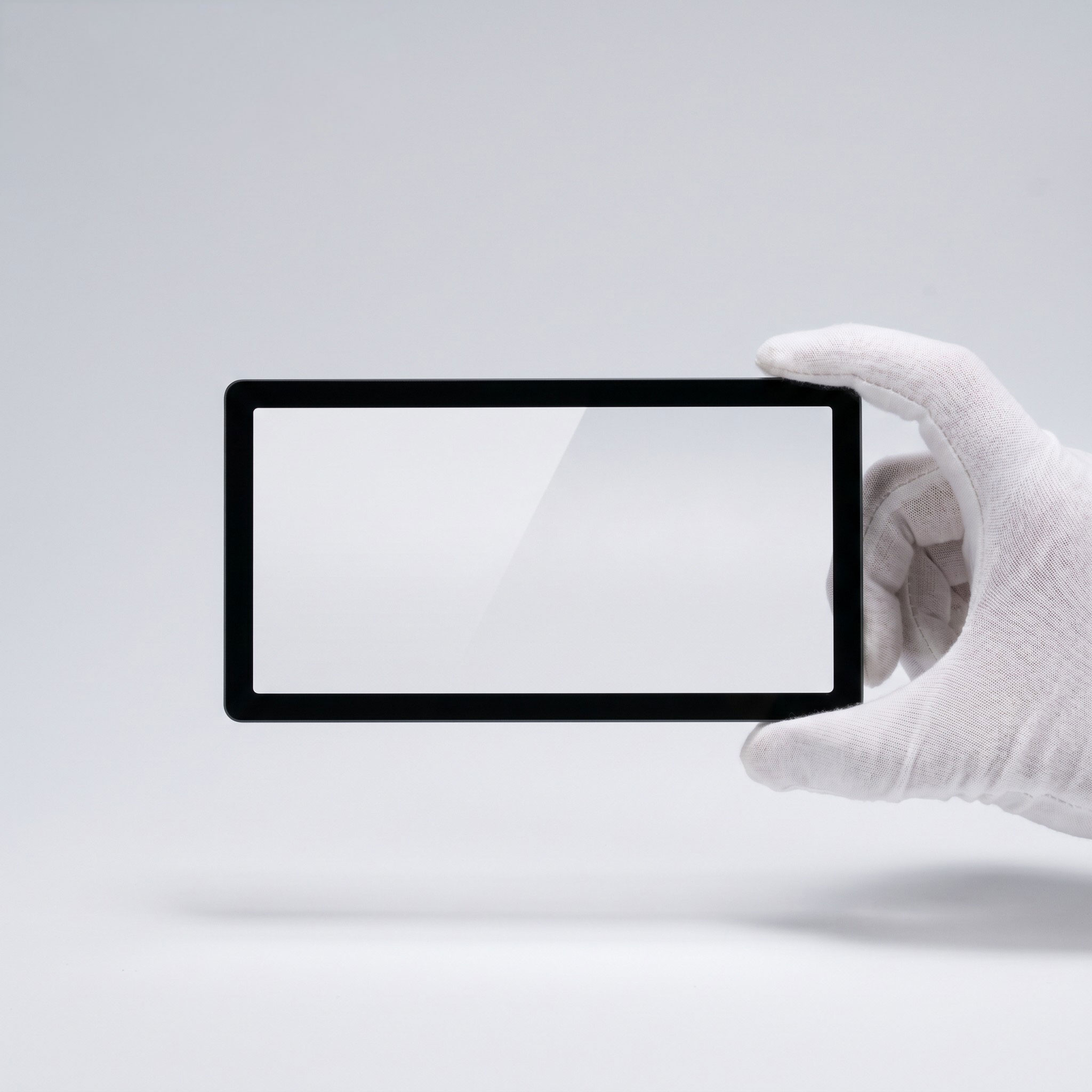
Custom Size Gorilla Glass Front Panel Panda Cover Sheet CNC Cut Silk Printed Tempered Glass Solar Display Screen Cover
A custom-size Gorilla glass front panel with CNC cutting, silk printing and tempered finishing. Suitable for appliance displays, solar screens and sealed control windows where thinness, impact resistance and graphic integration matter. For microwave-style control windows, evaluate edge strength, print adhesion and resistance to steam and cleaning agents.

Factory Customized Anti-fogging Anti Reflective Glass Ultra Thin Tempered Toughened Optical ITO FTO Conductive Glass for Lab
An ultra-thin anti-fogging and anti-reflective ITO/FTO conductive glass for lab and optical use. The same functional logic applies to appliance windows exposed to condensation: improve light transmission while reducing fogging. Coating durability under heat, moisture and repeated wiping should be tested before microwave or steam-heavy appliance use.
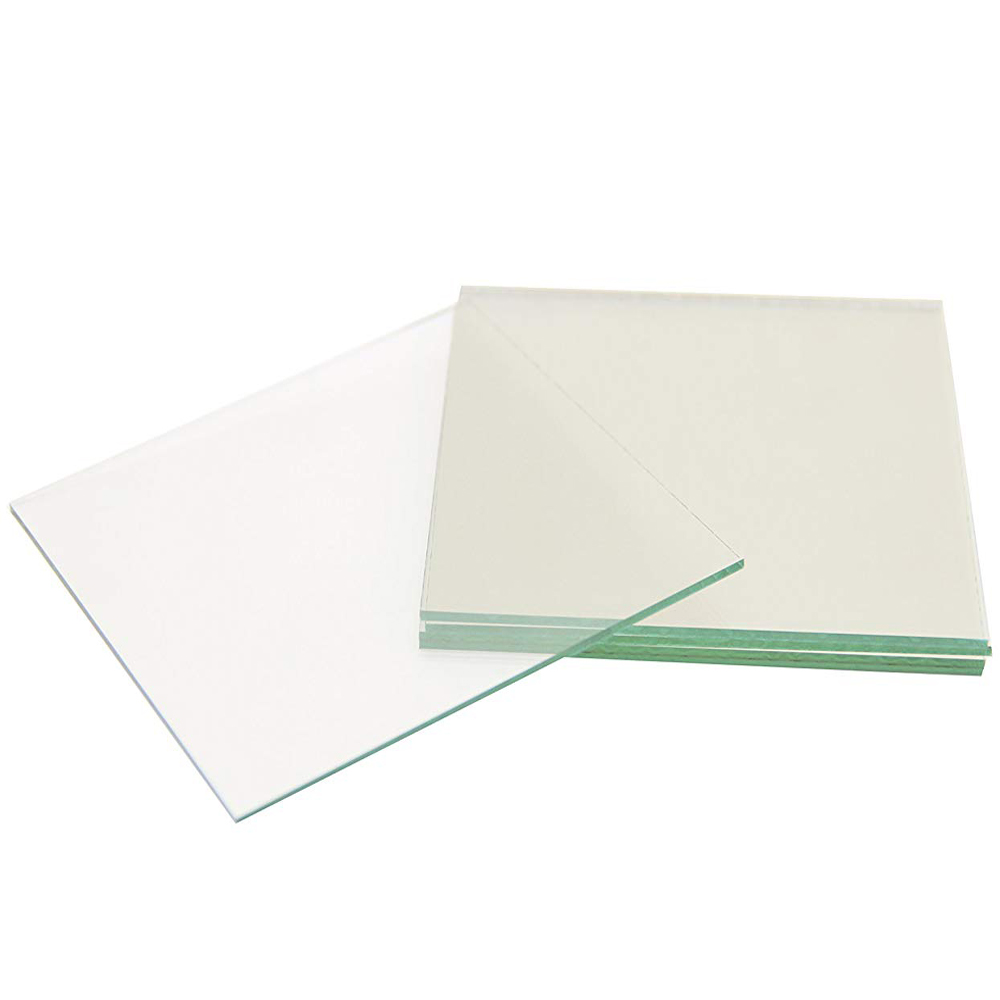
Custom 25x25x1.1mm ITO/FTO Coated Toughened Glass for LAB Display Anti-Fog Heating Conductive Glass Bathroom Solar Applications
A compact 25 × 25 × 1.1 mm ITO/FTO coated toughened glass with anti-fog heating potential for lab, bathroom, solar and display applications. It shows how a conductive layer can be combined with a small glass window for heating, sensing or touch. For appliance projects, the heater pattern and busbar layout must be engineered around voltage and thermal limits.
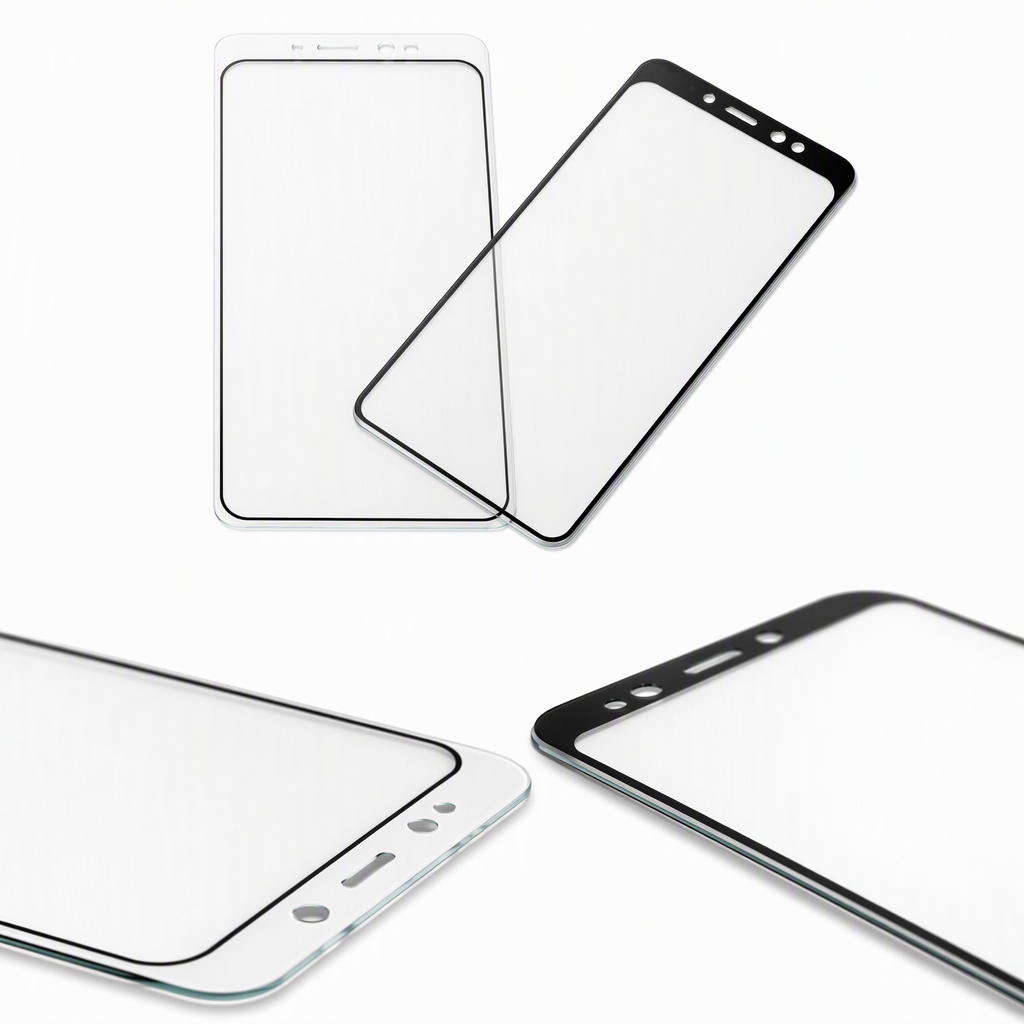
Toughened Glass Panel No Coating CNC Hole Drilling Irregular Shape Silk Screen Printed Custom Size Wholesale Supplier
A toughened glass panel without coating, with CNC hole drilling, irregular shape and silk-screen printing. This is the type of mechanical glass part used when strength, edge quality and fit dominate, such as brackets, decorative panels and custom appliance windows. Dimensional tolerance, hole position and edge finish should be specified on the drawing.
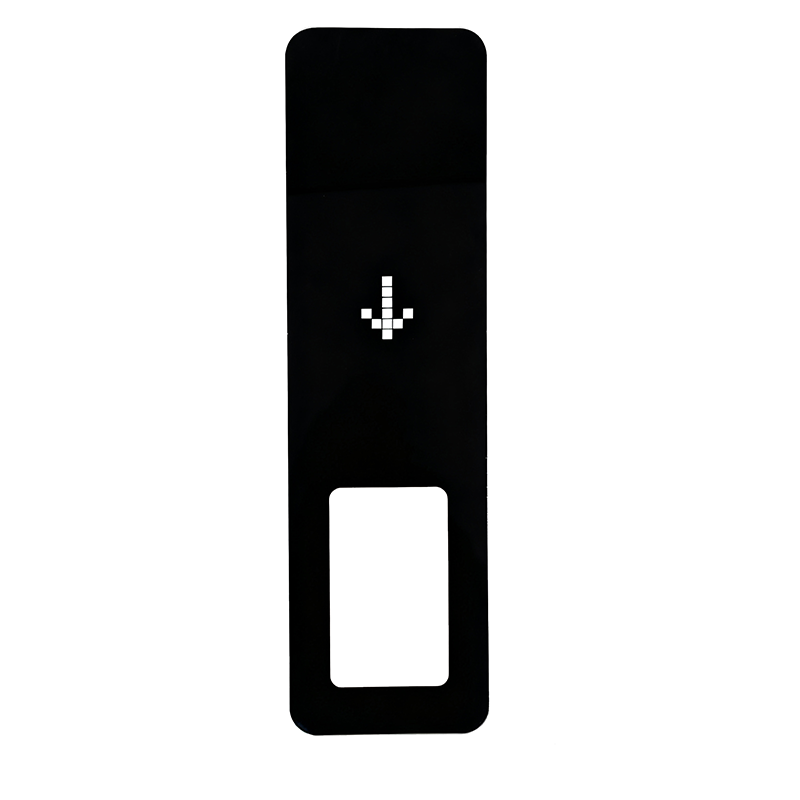
Customized Cutting Elevator Indicator Arrow Printing Touch Smart Control Elevator Panel Use Electronics Screen Glass Instrument
A customized touch control panel for elevator indicators, with arrow printing and smart control glass. It demonstrates integration of graphics, touch sensing and tempered glass. Appliance buyers can adapt the approach for microwave keypads, icon overlays and sealed HMI surfaces, provided the touch controller and EMC environment are reviewed together.
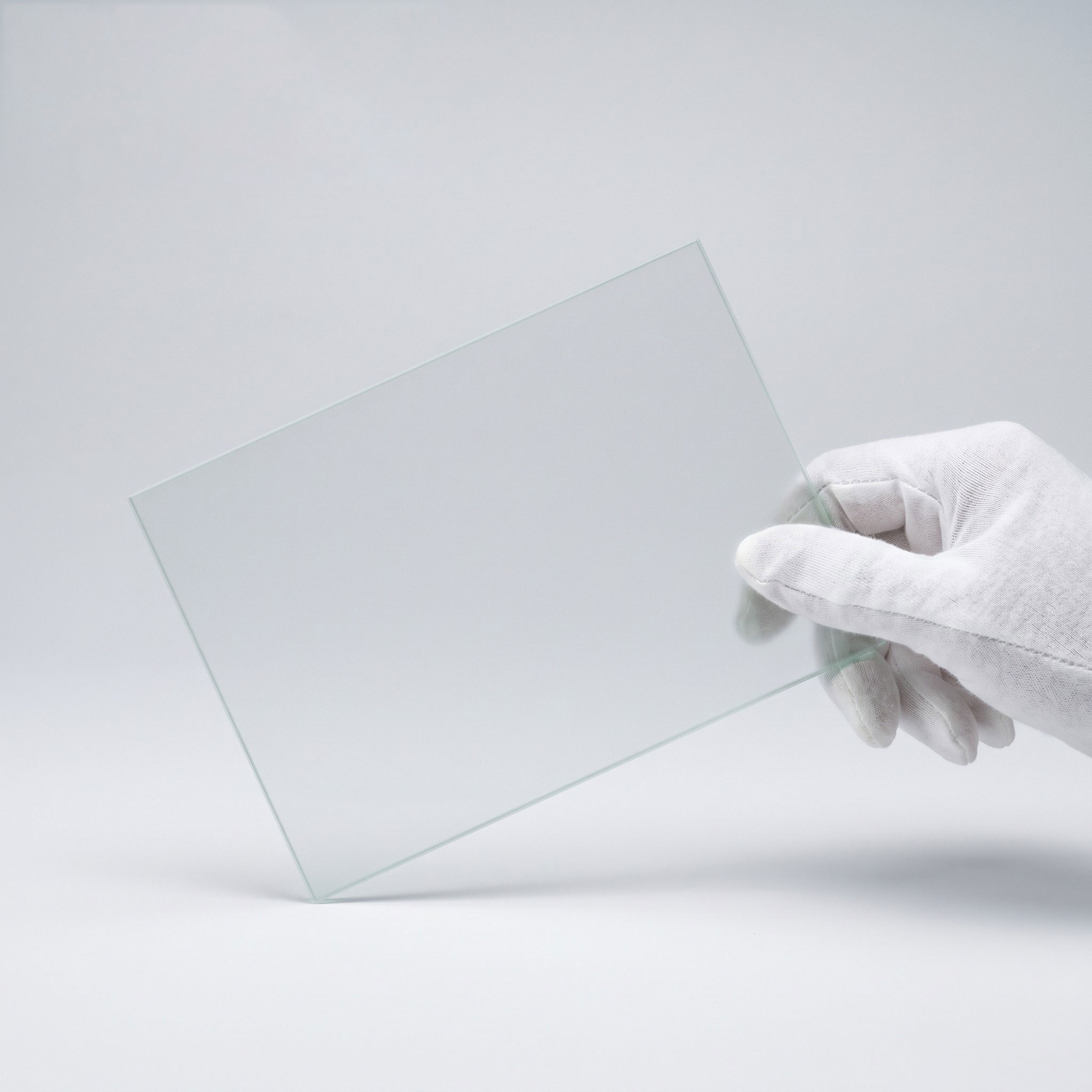
KS AG002 Custom Size AG Coating Anti-Glare Tempered Glass Panel High Transmittance Cover Sheet for Electronic Display Screen
An AG-coated anti-glare tempered glass panel with high transmittance for electronic displays. In kitchens and appliance interfaces, anti-glare treatment can reduce harsh reflections from ceiling lights and windows while keeping the display readable. Haze and gloss should be selected against display brightness, touch feel and cleaning requirements.
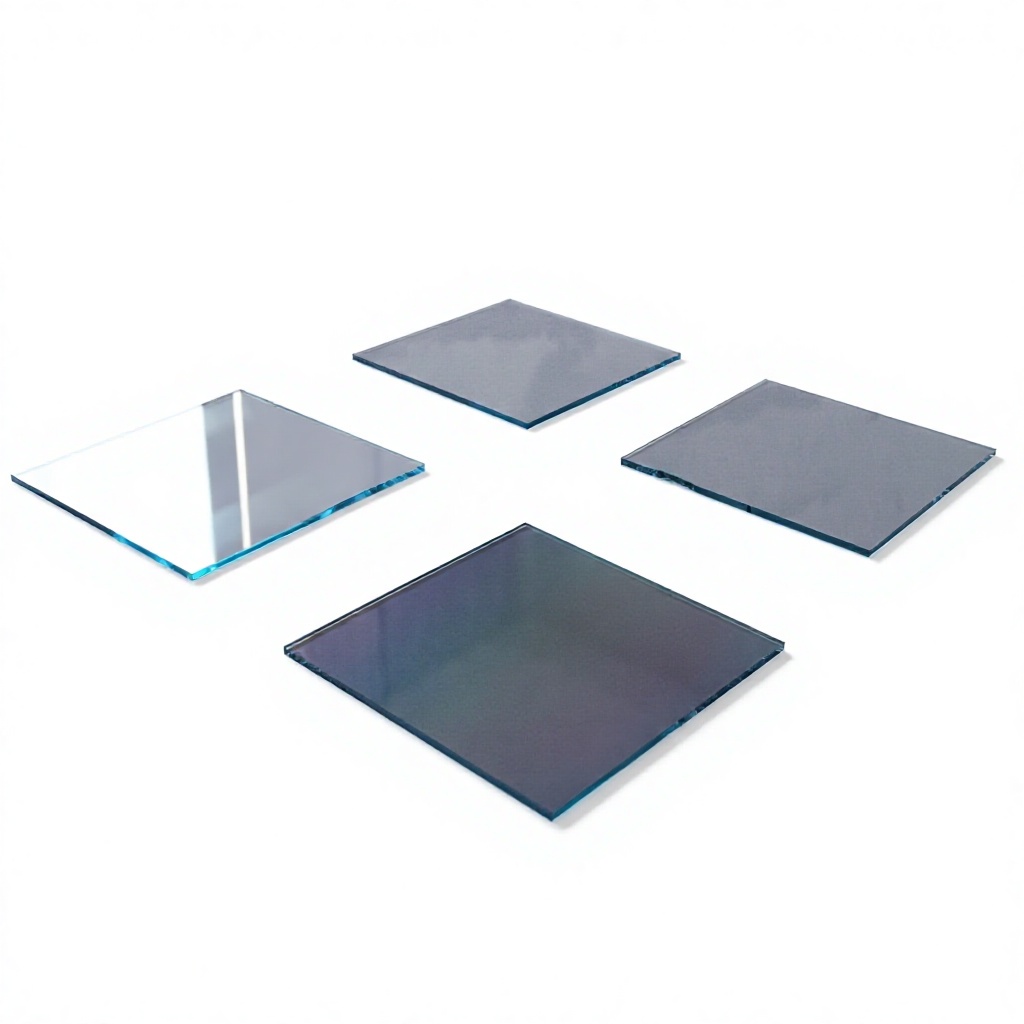
1.1mm ITO Coated Conductive Glass Panel Optical Electronic Glass Custom Shape Polished Edge for Industrial Use
A 1.1 mm ITO-coated conductive optical glass with custom shape and polished edge for industrial use. It is suitable for compact sensor windows and touch interfaces where a thin conductive substrate is needed. For microwave control electronics, the ITO layer should be specified with the complete stack and verified for resistance stability and environmental durability.
Why Microwave Glass Is an Engineered Purchase, Not a Commodity
Microwave ovens place glass in one of the least forgiving appliance environments: repeated thermal cycling, steam, grease, cleaning chemicals, accidental impact, high-voltage electronics in the same enclosure, and a consumer expectation that the front panel will still look new after years of daily use. The glass may look like a simple sheet, but the purchase decision usually involves a stack of requirements: coefficient of thermal expansion, tempering or chemical strengthening, edge finish, printing durability, coating adhesion, touch sensitivity, EMI behavior, dimensional tolerance, packaging, and a supply chain that can survive export handling. That is why the search phrase “China Best Microwave Glass Suppliers & Exporters” is better treated as a supplier-qualification problem than a price-comparison problem.
From a procurement perspective, there are two broad product families behind that search. The first is visible structural and decorative glass: tempered door glass, control-panel overlays, printed display windows and sealed appliance covers. The second is functional glass: ITO/FTO conductive glass for touch or heating, AR-coated glass for clarity, AG-coated glass for glare control, and AF-coated glass for easy cleaning. A capable exporter should be able to discuss both families in the same engineering conversation. If a supplier can only quote a size and thickness, the buyer is probably not talking to a manufacturer with the process depth needed for a reliable program.
At KELO Glass, the manufacturing model is built around this overlap. Cutting, CNC, polishing, silk-screen printing, tempering, coating, curved forming and adhesive bonding are handled in-house. That matters because every extra hand-off between processes introduces a new opportunity for handling damage, tolerance drift and schedule risk. For microwave glass sourcing, the practical benefit is fewer unexplained changes between the sample and mass production, clearer accountability when a cosmetic or functional requirement is missed, and faster engineering feedback when a drawing needs to be adjusted for manufacturability.
What “Best” Should Mean When Comparing China Microwave Glass Suppliers & Exporters
In search results, “best” is often a proxy for “lowest risk”. Procurement teams need a supplier who can connect application engineering, process integration, measurable quality and export reliability — not simply the lowest quotation for a cut sheet of glass.
Process integration
A single factory should control cutting, CNC, polishing, printing, tempering, coating and bonding. Fewer hand-offs mean fewer cosmetic defects, tighter schedule control and one point of accountability when the microwave glass drawing changes.
Application engineering
Good suppliers ask about steam, cleaning chemistry, touch controller, EMC, thermal cycling and assembly method before quoting. DFM feedback on glass thickness, edge profile, coating stack and print tolerance reduces sample iterations.
Measurable quality
IQC, IPQC and FQC/OQC checks should cover thickness, flatness, CNC dimensions, tempering, coating adhesion, abrasion, appearance and packing. A supplier that measures only final dimensions is not controlling the process.
Export reliability
Incoterms, packing validation, documents and response time matter. Buyers should be able to verify the exporter through company profiles, ratings, trade history, video and assessment records before placing a first production order.
Procurement Trends Shaping Microwave Glass Buying in 2025–2030
The strongest trend is not simply “cheaper sourcing”. It is the shift toward fewer, better-documented suppliers who can prove process control, support faster customization and protect the buyer from hidden landed cost.
Supplier consolidation and dual sourcing
Buyers are reducing the number of unqualified suppliers while keeping a second source for risk. The winning supplier must support glass, coating, print and assembly data in one package. China plus one is not a rejection of China; it is a risk strategy that favors exporters with documented process control.
Total landed cost becomes the decision metric
Unit price is only one line. Breakage, rework, coating yield, inspection labor, freight and delay costs can exceed the savings from a cheap quote. Buyers increasingly ask for packing validation, 100% appearance inspection and a clear lead-time range such as 21–31 days after sample approval.
Traceability enters the BOM
Coating batch, glass lot, tempering record, print color and inspection result are becoming part of supplier scorecards. For appliance brands, traceability supports recalls, warranty analysis and customer complaints. Exporters should link a shipment to incoming material, in-process checks and final inspection.
Smaller launch quantities, faster iteration
Custom appliance programs often start with samples from 1–2 pcs and then scale. Suppliers that can prototype quickly without separating engineering from production reduce the sample-to-mass-production gap. This is especially important where AR/AG/AF or ITO performance must be tested on the actual product.
Where Microwave and Appliance Glass Technology Is Moving Next
The product is evolving from a protective cover into a functional surface. Buyers who understand this shift can specify the right coating, conductor and cosmetic grade earlier, avoiding costly re-design after tooling or certification.
Coating convergence
AR+AG, AG+AF, ITO+AR and printed black borders are moving into single supplied parts. Rather than buying bare glass and sending it to multiple coaters, appliance teams want one qualified surface system with defined reflectance, haze, contact angle, sheet resistance and cosmetic grade.
Stronger, thinner and curved cover glass
0.1–19 mm thickness is now a sourcing window, not a single product. Chemically strengthened glass, 2.5D/3D forming and polished edges allow sealed, edge-to-edge designs. The trade-off between thinness and impact resistance must be tested at the assembly level.
Touch, heating and shielding move into the glass
ITO/FTO conductive glass turns the cover into a functional layer. Capacitive touch, anti-fog heating and EMI shielding can be integrated, but require early co-design of the conductor, busbars, controller and enclosure. The glass supplier should provide resistance, transmission and haze data, not only dimensions.
Cleanability and sustainability
AF easy-clean surfaces, low-haze AG coatings and durable print systems extend service life and reduce cleaning effort. Buyers also ask about packaging reduction and material declarations. A surface that survives daily wiping is more sustainable than a low-cost part that fails early.
The RFQ Data Package That Shortens Microwave Glass Sampling
Most sample delays are not caused by machining. They come from missing application data. This table shows the information that lets a China microwave glass exporter review manufacturability and quote with fewer assumptions.
| RFQ Input | What to specify | Why it matters |
|---|---|---|
| Application | Microwave control panel, door-related window, display lens, appliance HMI or sensor window | Defines thermal, mechanical, optical and regulatory expectations before material selection. |
| Substrate and strength | Thickness, glass grade, tempered or chemically strengthened, edge profile, holes and tolerances | Prevents over-design and aligns impact resistance with the assembly method. |
| Optics | Transmittance, reflectance, haze, gloss, color, print opacity and cosmetic grade | Coating and print choices change appearance, readability and touch feel. |
| Electrical and touch | ITO/FTO sheet resistance, heater pattern, busbar layout, EMI target, connector and controller | Conductive glass must be co-designed with electronics, not selected as a commodity. |
| Reliability and packing | Cleaning agents, steam exposure, adhesion/abrasion tests, salt spray, drop and transit protection | Defines test methods and custom honeycomb, blister or partition packing. |
| Commercial | Sample quantity, annual volume, target date, Incoterms and required documents | Allows realistic lead-time, MOQ and total landed cost planning. |
Inside Huizhou KELO Glass: The Factory Behind the Specification
Huizhou KELO Glass Co., Ltd. is a factory-direct manufacturer in Huizhou, Guangdong, inside the Greater Bay Area electronics supply chain. The company focuses on touch screen cover glass, display cover glass, optical coated glass and custom fabricated specialty glass, with advanced surface treatment as its core technology.
That focus is relevant to microwave glass sourcing because the part is rarely just a cut sheet. It often has to be strengthened, printed, coated, bonded and packed for a specific appliance assembly. Every key process is kept under one roof: cutting and water-jet cutting, CNC machining and drilling, edge polishing, laser engraving, silk-screen printing, sandblasting and frosting, flat and curved tempering, AR/AG/AF/ITO coating, 2.5D/3D curved forming and 3M adhesive bonding. The factory also processes Gorilla glass, borosilicate glass, quartz glass, sapphire glass, ceramic glass, lead shielding glass and laminated safety glass.
For a buyer, this means one accountable supplier for tolerance, surface cosmetics and functional coating performance. Company data supports a realistic supplier evaluation: 10,000–30,000 m² of factory floor area, 20–25 million pieces per year of touch cover glass capacity, 101–200 employees on site, 21–30 R&D engineers and an annual output value of US$50–100 million. Samples can start from 1–2 pieces, bulk lead time is typically 21–31 days after sample approval, and typical response time is within one hour.
This is the practical meaning of experience and expertise in the microwave glass category: not a claim that one supplier is universally “best”, but a transparent production platform that can answer process questions, provide data and accept accountability from sample to shipment.

Three Inspection Gates Before Microwave Glass Ships
Quality is built into the process, not inspected in at the end. For coated, printed and tempered appliance glass, the release criteria should be defined before the first sample is made.
Incoming inspection — IQC
Raw glass and consumables are verified before production: thickness and flatness, surface defect screening, and ink or coating material verification. This protects downstream tempering and coating yield.
In-process control — IPQC
Critical dimensions and coating results are checked at each station: CNC dimension and hole position, tempering and strength tests, and coating adhesion or abrasion. This catches drift before final assembly.
Final inspection — FQC/OQC
Every finished piece is checked before protective packing: 100% appearance inspection, salt spray reliability testing where specified, and custom honeycomb cartons, blister trays or partition packing to reduce transit damage.
Export Footprint and Packaging Discipline
Export experience covers Europe, North America and South America. Different markets bring different documentation, packaging and liability expectations, so trade terms and packing should be agreed with the sample, not after production.
Standard export terms include FOB, CFR, CIF, EXW and DDP. Payment can be T/T, L/C, PayPal or Western Union; Alibaba Trade Assurance is available for eligible orders. Buyers can review the company profile, factory video, verified assessment, ratings and reviews, transaction level, trade capacity, trade history and credit profile before ordering.
Microwave Glass Procurement FAQ
Straight answers to the questions procurement teams ask before qualifying a China microwave glass supplier or exporter.
What should buyers verify before choosing China microwave glass suppliers and exporters?
Can KELO produce microwave oven control-panel glass and door-related glass components to drawing?
Which coating is best for a microwave appliance display: AR, AG, AF or ITO?
What MOQ, sample and lead time should a first project expect?
How do you control quality and breakage during export?
Which trade terms, payment methods and verification documents are available?
Have a Drawing or Target Specification?
Send the glass size, thickness, application environment, coating or ITO target, print artwork, annual volume and required sample date. The KELO application engineering team will review manufacturability, propose the most suitable glass and coating stack, and quote a sample plan. For microwave and appliance glass programs, early engineering review is the fastest way to reduce sample iterations and total landed cost.