Screen Cover Glass Products Built for Custom Display Programs
These eight products are a practical starting point for buyers sourcing custom cover glass, optical coatings, curved glass and conductive glass. Every item can be customized by drawing, sample or target specification, so your RFQ can move directly into engineering review.
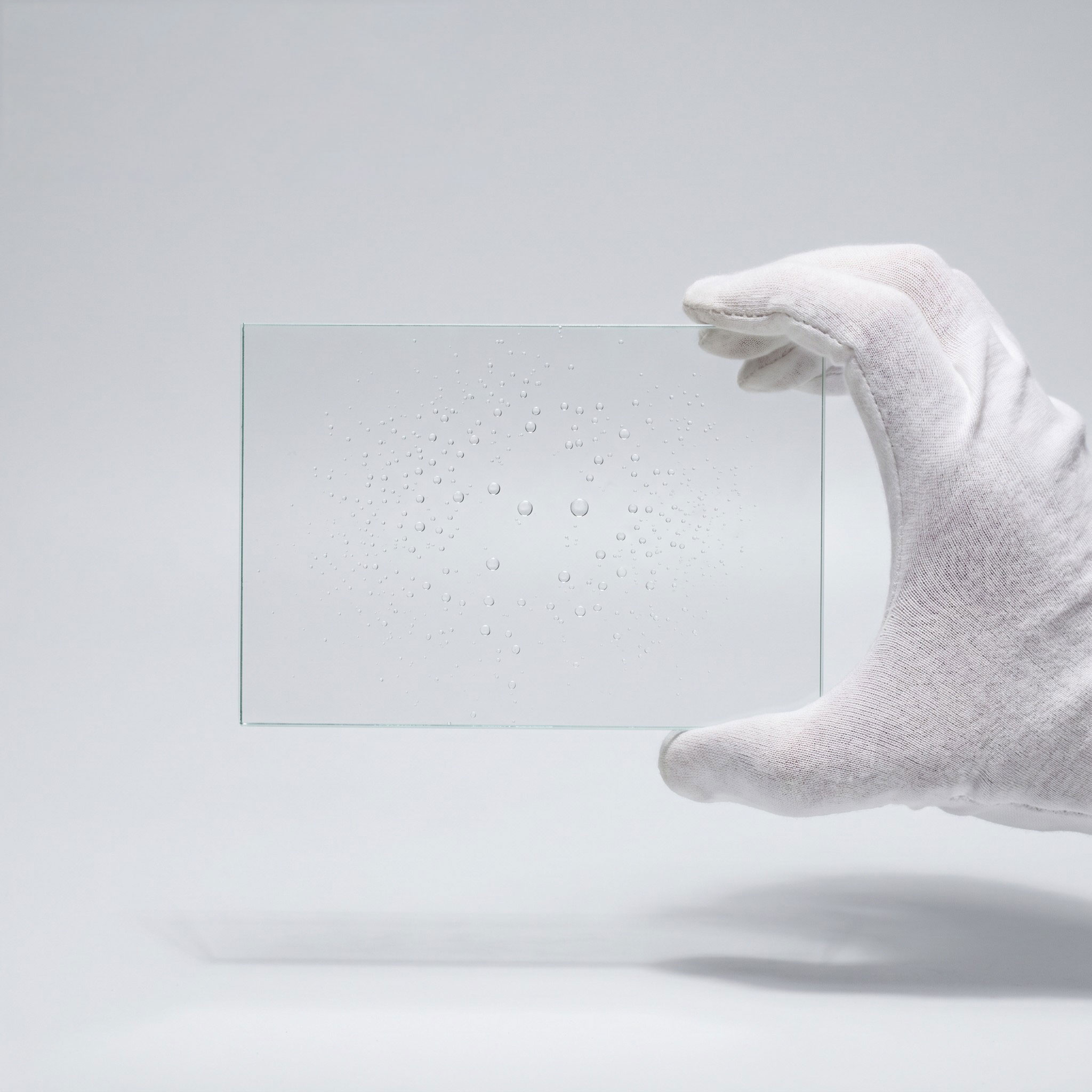
KS AF001 High Transmittance AF Coated 1.1mm/2mm CNC Cut Custom Shape Toughened Glass Panel for Kitchen Electronic Device Covers
Recommended for kitchen electronics, appliance control covers and high-touch surfaces where oil, fingerprints and frequent cleaning are the main risks. CNC shape, holes, edge treatment and printed graphics are customized to drawing.
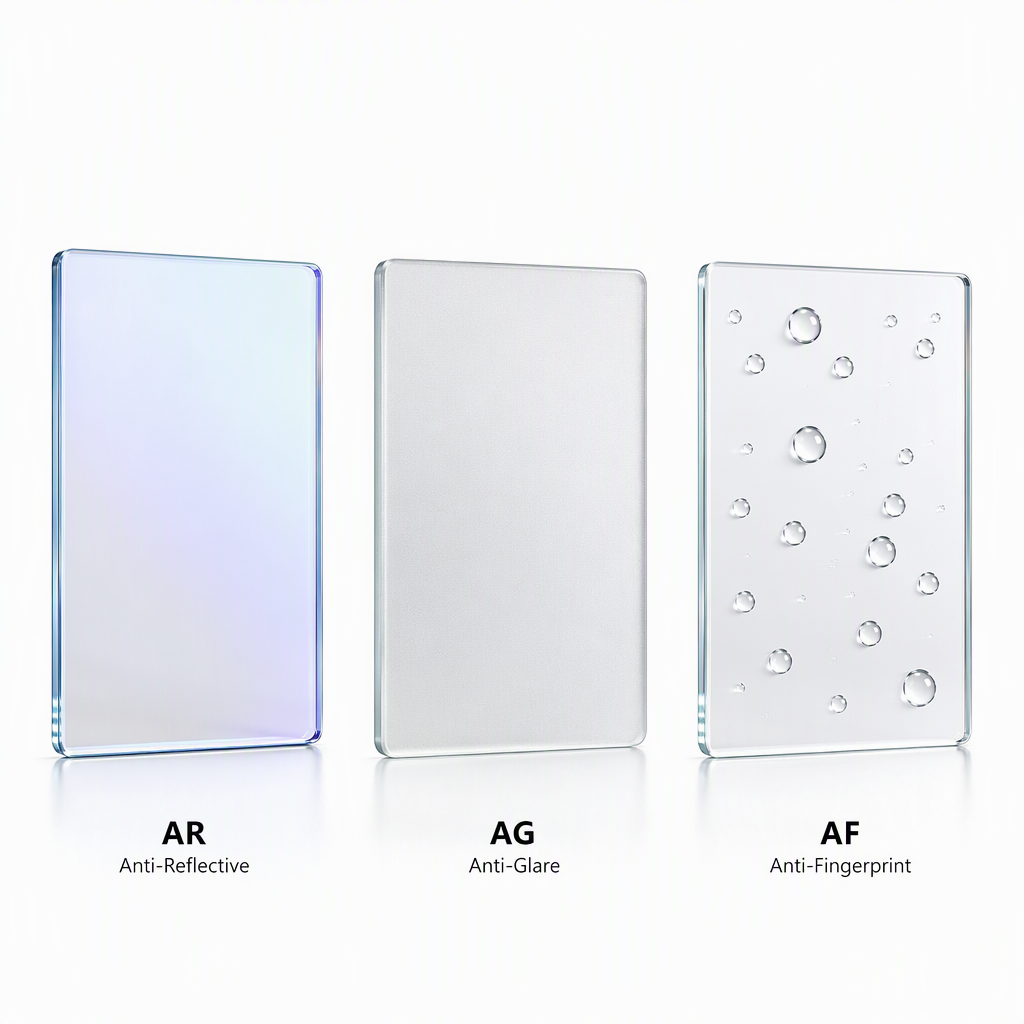
AR AG AF Coated Glass Anti Reflective Coating Service 92 Percent Transmission Anti Glare Custom Sheet Factory OEM
A combined optical coating route for projects that need reduced reflection, controlled glare and easy-clean performance in one stack. Suitable for outdoor displays, premium HMI and custom sheet programs.
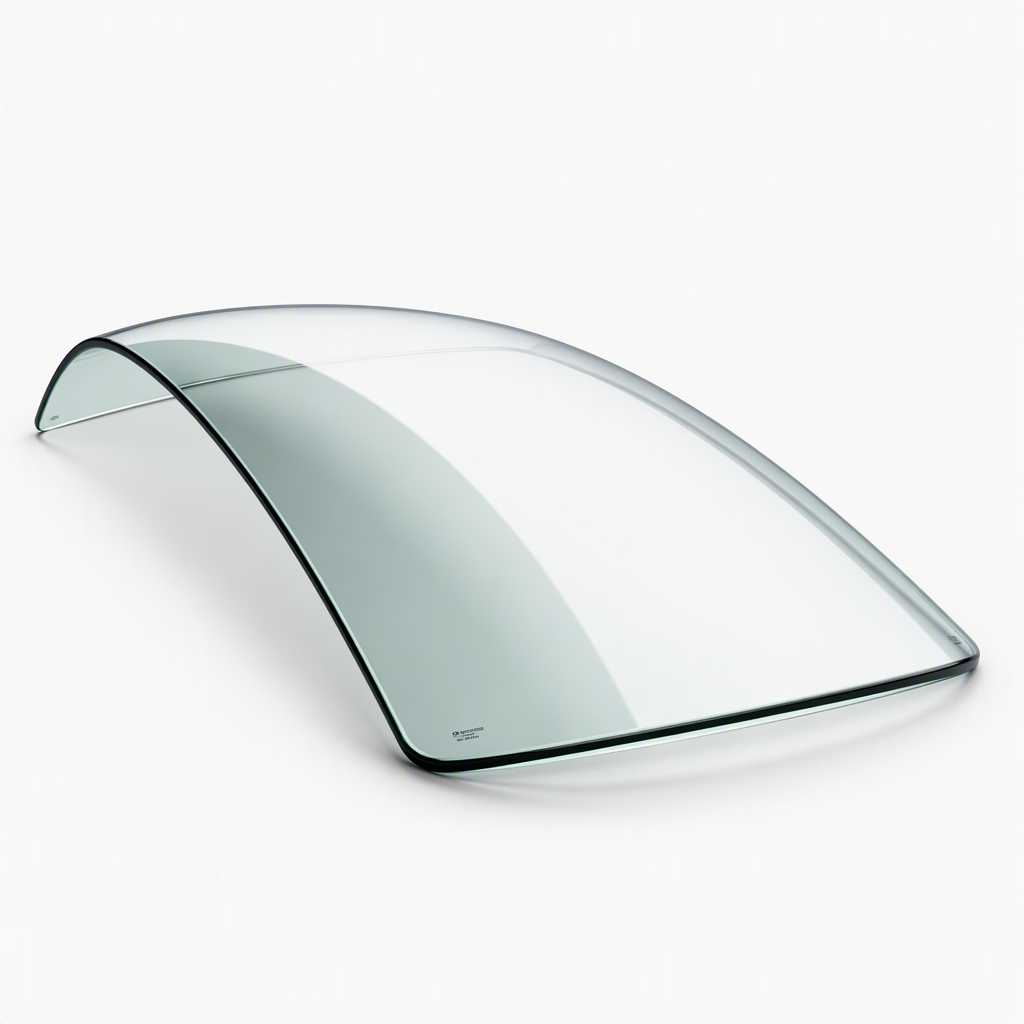
Hot Bent Glass Curved Tempered Glass Panel Small Radius Arc Shaped Custom Curved Glass For Automotive Display OEM ODM
Recommended for automotive dashboards, center consoles and small-radius curved designs where form, strength and optical clarity must be balanced. OEM and ODM drawing review is supported before sampling.
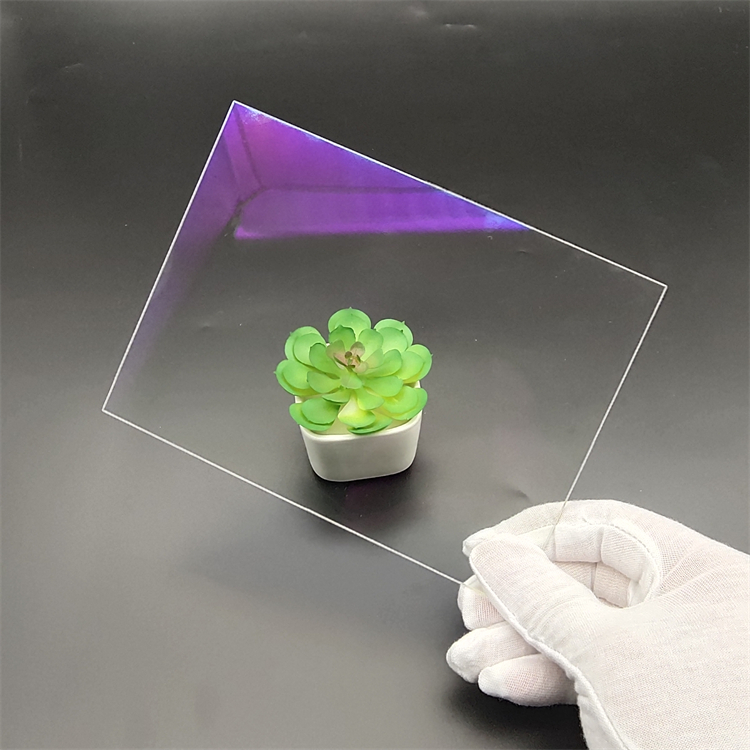
Custom 2mm Ultra-Clear Both Sides Anti-Reflective Coating Tempered Glass for Display Screen Solar & Lighting Use-Solid Structure
Double-sided AR coating on ultra-clear tempered glass for displays, solar and lighting covers where maximum see-through clarity matters. The solid structure supports flat cover applications that need both optical performance and mechanical strength.

Factory Customized Anti-fogging Anti Reflective Glass Ultra Thin Tempered Toughened Optical ITO FTO Conductive Glass for Lab
A specification-led option for laboratory, sensor and optical assemblies that combine anti-fogging, anti-reflection and conductive glass requirements. Thickness, sheet resistance and coating stack are confirmed during engineering review.
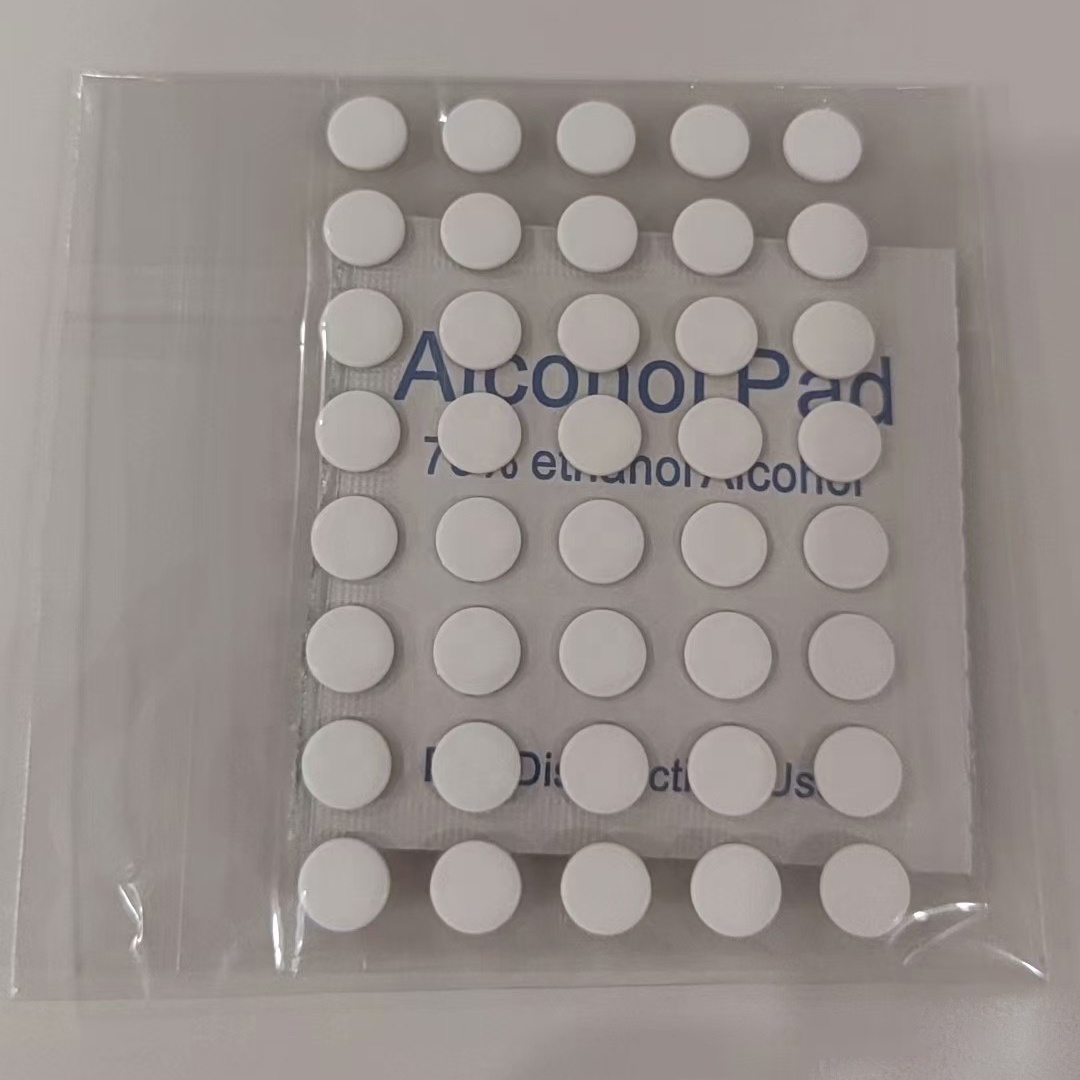
PTFE Round Gaming Mouse Glides Mouse Skate Dots
Low-friction PTFE glide dots for gaming mice and peripheral customization. A focused accessory product for brands that also source glass mouse pads and other gaming application glass from KELO.
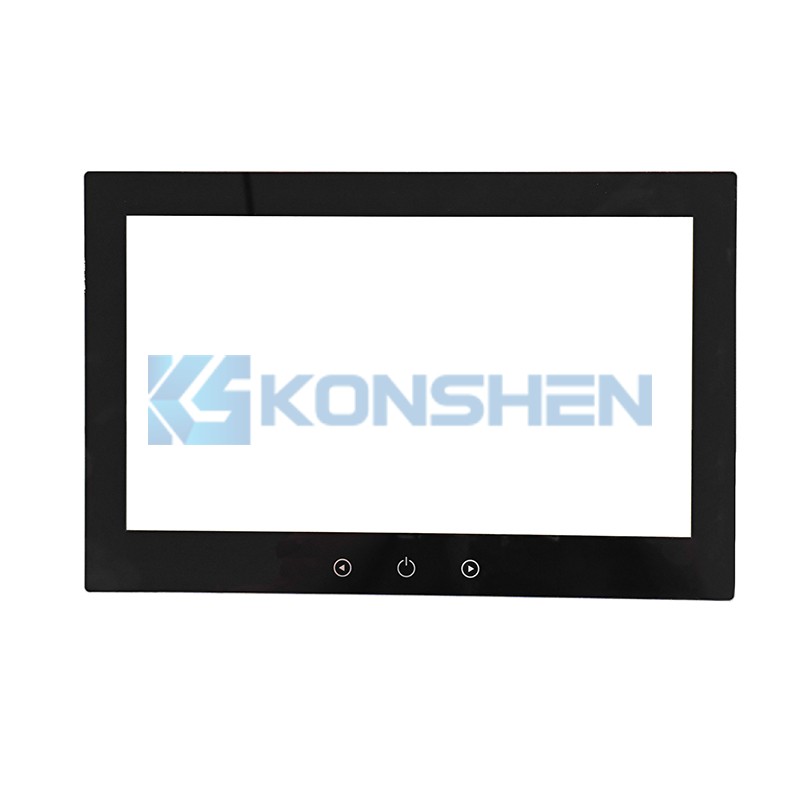
Electronic ITO Conductive Tempered Glass Custom Black Framed 1mm-4mm Thickness Display Cover for Industrial Monitor
Black-framed ITO conductive tempered glass for industrial monitors and touch assemblies. The 1–4 mm thickness range supports display covers that require both a clean printed border and transparent conductive function.
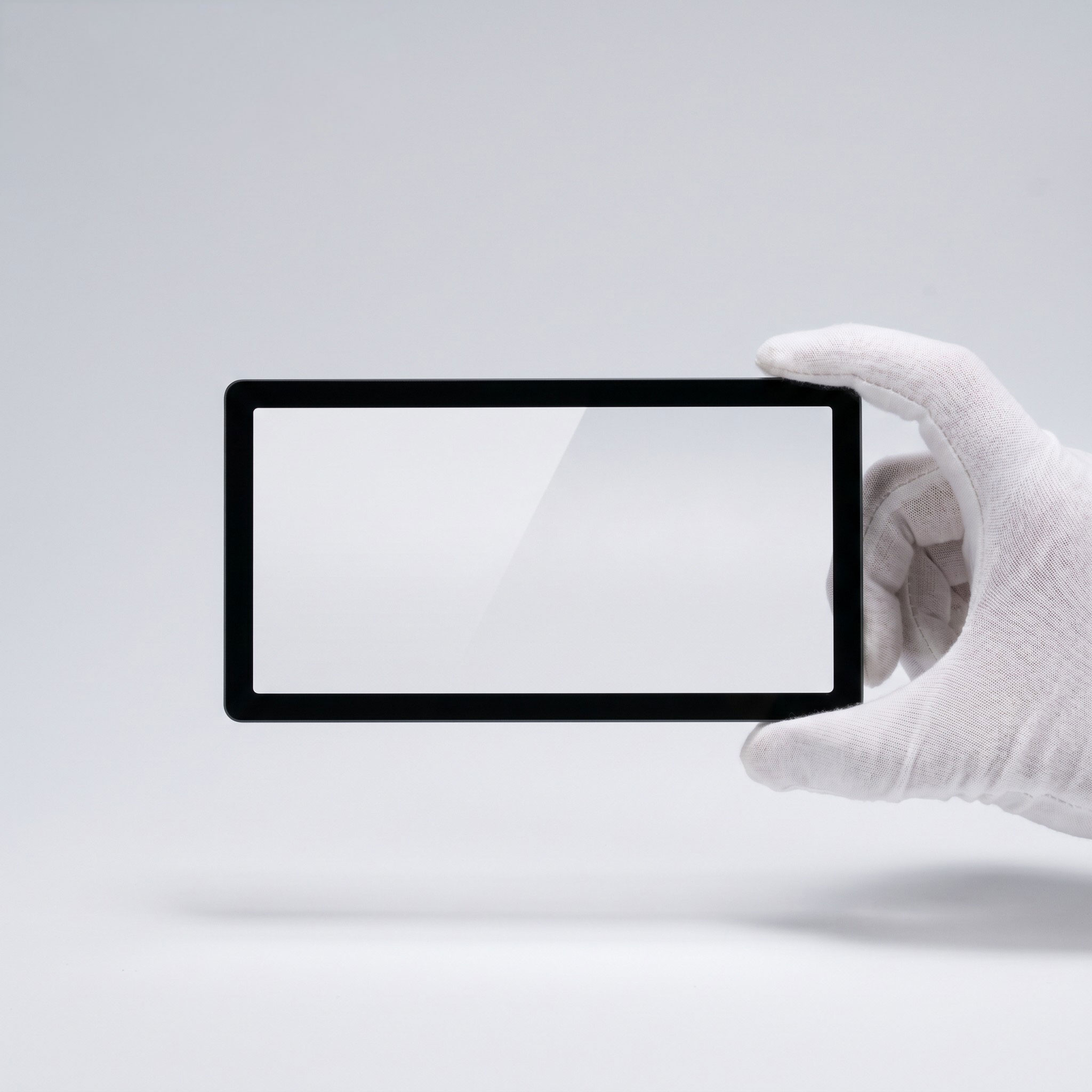
Custom Size Gorilla Glass Front Panel Panda Cover Sheet CNC Cut Silk Printed Tempered Glass Solar Display Screen Cover
CNC-cut, silk-printed and tempered Gorilla glass front panels for solar display screens and protective cover sheet applications. Custom size, print color and edge details are matched to your drawing.
KELO Glass at a Glance: Capacity, Process Control and Response
For international buyers, supplier confidence comes from verifiable operating data and a clear process window. These figures reflect the factory profile behind KELO’s cover glass, optical coating and conductive glass programs.
A Cover Glass Manufacturer Organized Around Surface Engineering
Huizhou KELO Glass Co., Ltd. is a factory-direct manufacturer in Huizhou, Guangdong, inside China’s Greater Bay Area electronics supply chain. The advantage is not only glass cutting — it is the ability to align substrate, coating, printing, tempering, bonding and inspection in one qualified process.
In-house AR, AG, AF and ITO/FTO
Coatings are a core technology, not an outsourced add-on. This helps stabilize optical performance, coating adhesion and batch-to-batch appearance.
Every critical process under one roof
Cutting, CNC, edge polishing, silk-screen printing, tempering, curved forming, coating, bonding and packing are controlled as one production chain.
DFM before quotation
Engineering review checks tolerance, hole break-out, coating side, curved radii and printing registration before price and lead time are finalized.
Rapid sampling from 1–2 pcs
Buyers can validate fit, optics and coating appearance before volume commitment. Sample approval becomes the reference for mass production.
100% appearance inspection
Incoming, in-process and final checks cover dimensions, tempering, coating adhesion, abrasion and appearance, with protective packing designed for export transit.
Export-ready communication
FOB, CFR, CIF, EXW and DDP terms, T/T, L/C, PayPal and Western Union payments, plus Trade Assurance protection for eligible Alibaba.com orders.
2026 Screen Cover Glass Procurement Trends Buyers Should Plan For
Cover glass purchasing is shifting from a simple piece-price comparison to a qualification-driven supply decision. The strongest programs now evaluate optical yield, coating durability, change control, packaging loss and engineering response together.
Total landed cost replaces piece price
Buyers are modeling freight, yield loss, rework, coating failure, inventory and tariff exposure. A slightly higher unit price can be the lower-cost supply when yield and transit protection are stronger.
Traceability and change control
Procurement teams increasingly request batch records, material verification, coating run identification and product change notification clauses for glass substrates, inks and coating stacks.
Optical specifications become contract language
AR reflectance, AG haze, AF contact angle, ITO sheet resistance and test methods are moving into drawings and inspection standards rather than being left to general catalogue descriptions.
Dual sourcing without duplicating validation
Brands want backup capacity, but they do not want two unrelated process windows. A supplier that documents the approved sample, coating recipe and inspection method makes a second source easier to qualify.
Product Development Trends Reshaping Screen Cover Glass
Display design is pushing cover glass toward thinner stacks, tighter curves, multi-functional coatings and tighter integration with touch sensing. Buyers should discuss these trends early, because each one changes tooling, sampling and inspection criteria.
2.5D and 3D curved cover glass
Automotive, smart home and premium appliance interfaces continue to adopt curved glass for seamless edges and distinctive product design. Small-radius hot bending requires early tolerance review.
Thin, chemically strengthened substrates
Thinner glass creates space for sensors, batteries and lighting modules while chemically strengthened glass helps maintain impact resistance. Edge quality and handling control become even more important.
Multi-functional optical stacks
AR, AG and AF functions are increasingly combined. The goal is to reduce reflections, diffuse glare and resist fingerprints on one substrate, without sacrificing transmission or appearance.
Conductive glass for touch, EMI and solar
ITO and FTO conductive glass remain important for capacitive touch sensors, transparent electrodes, EMI shielding and thin-film solar. FTO is often considered where thermal and chemical stability are critical.
Printed borders and bonded assemblies
Black frames, icon windows, 3M adhesive bonding and optical clear integration help reduce the number of parts in a display assembly. This trend rewards suppliers with strong printing and lamination control.
Application-specific durability and finish
Anti-fogging lab glass, anti-glare outdoor kiosks, AF-coated appliance panels and gaming glass each require a different balance of optics, tactile feel, hardness and cleanability.
How to Specify Screen Cover Glass with Fewer Revisions
Start with the operating condition, then define the substrate and coating stack. This table gives buyers a practical recommendation path. The final specification should still be confirmed against your drawing, sample and test method.
| Requirement | Recommended route | Why it matters |
|---|---|---|
| Outdoor readability | AG anti-glare, or AR+AG combination | Diffuses ambient light and reduces washout on kiosks, industrial HMI and in-vehicle screens. |
| Maximum optical clarity | Single-side or double-side AR coating | Low reflectance protects contrast for cameras, medical displays, lighting covers and premium screens. |
| Frequent touch and cleaning | AF anti-fingerprint, or AG+AF | Oleophobic performance helps resist fingerprints, oil and repeated wiping on control panels. |
| Touch sensing or EMI shielding | ITO conductive glass | Transparent conductivity supports capacitive touch sensors, displays and shielding applications. |
| Solar or high-temperature process | FTO conductive glass | Offers thermal and chemical stability for thin-film solar and some high-temperature processing routes. |
| Curved automotive display | Hot-bent tempered glass, 2.5D/3D forming | Matches the housing shape while maintaining impact resistance and optical quality. |
| High-touch appliance panel | Tempered glass with AF, silk print and CNC holes | Combines clean aesthetics, easy cleaning and integration features for kitchen and smart-home products. |
Production windows such as AR reflectance <1.0% per side, AF contact angle >110° and ITO/FTO sheet resistance of 1–20 Ω/sq should be written into the approved drawing or sample record.
- Substrate type, such as Gorilla glass, borosilicate, quartz or sapphire.
- Thickness and tolerance for final assembled stack.
- Edge profile, corner radius, holes and cutout locations.
- Coating side, target transmission, reflectance, haze and gloss.
- Test method and acceptance criteria for the coating.
- Silk-print color, registration and black frame details.
- Adhesive type, release liner and bonding orientation.
- Packing method, annual volume and sample approval process.
Where These Screen Cover Glass Solutions Are Used
KELO cover glass and optical coated glass are used in products where appearance, optical performance and durability must work together. The right specification changes with the environment, cleaning method and assembly process.
Consumer electronics
Touchscreen cover glass, display lenses, camera windows and printed glass cover sheets for devices that require clean optics and durable surfaces.
Automotive and EV displays
Curved center-console glass, dashboard displays and in-vehicle touch panels that require AR, AG or combined optical performance with precise forming.
Smart home and appliances
AF-coated tempered panels, kitchen appliance covers, switch glass, control interfaces and smart-home displays that need easy cleaning and premium appearance.
Industrial HMI and outdoor kiosks
AG and AR+AG glass for sunlight-readable displays, rugged operator panels, outdoor terminals and industrial monitors with black-printed borders.
Solar, laboratory and medical
FTO/ITO conductive substrates, anti-fogging optical glass, quartz and sapphire windows for instruments, sensors and thin-film solar research.
Gaming peripherals
Tempered glass mouse pads, custom gaming glass and PTFE mouse skate dots for peripheral brands that need consistent surface feel and brand customization.
Quality Assurance and E-E-A-T Signals Procurement Teams Can Check
Quality is built into each production gate rather than inspected only at shipment. KELO’s profile also makes supplier capability easier to review through verified assessment, buyer feedback, factory video, transaction level, trade capacity and credit profile.
Incoming inspection
Raw glass, inks and coating materials are verified before production. Thickness, flatness, surface defects and material identity are checked against the approved requirement.
In-process control
CNC dimensions, hole position, edge quality, tempering results and coating performance are monitored station by station, so drift is caught before final assembly.
Final inspection and packing
Finished pieces receive 100% appearance inspection plus relevant adhesion, abrasion and salt spray checks before honeycomb carton, blister tray or partition packing.
Screen Cover Glass Procurement FAQ
These are the questions international buyers most often ask before starting a cover glass or optical coating project with KELO Glass.
What is the minimum order quantity for custom cover glass?
What is the typical lead time for mass production?
What optical performance can your AR coating achieve?
Should I choose ITO or FTO conductive glass?
What thickness, sizes and shapes can you produce?
Which trade terms and payment methods do you accept?
How do you control quality?
What information helps you quote and sample faster?
Start Your Next Screen Cover Glass RFQ with KELO Glass
Send your drawing, target coating performance and annual volume. Our engineering team will review feasibility across glass substrate, thickness, AR/AG/AF coating, ITO/FTO conductivity, 2.5D/3D forming, printing, bonding and packing, then recommend a practical production route for your program.