Eight Factory-Direct Custom Tempered Glass Products for Wholesale Programs
Each product below is linked to its original product page. Images are displayed in full proportion so buyers can compare shape, edge treatment, coating appearance and application fit before requesting a quotation.
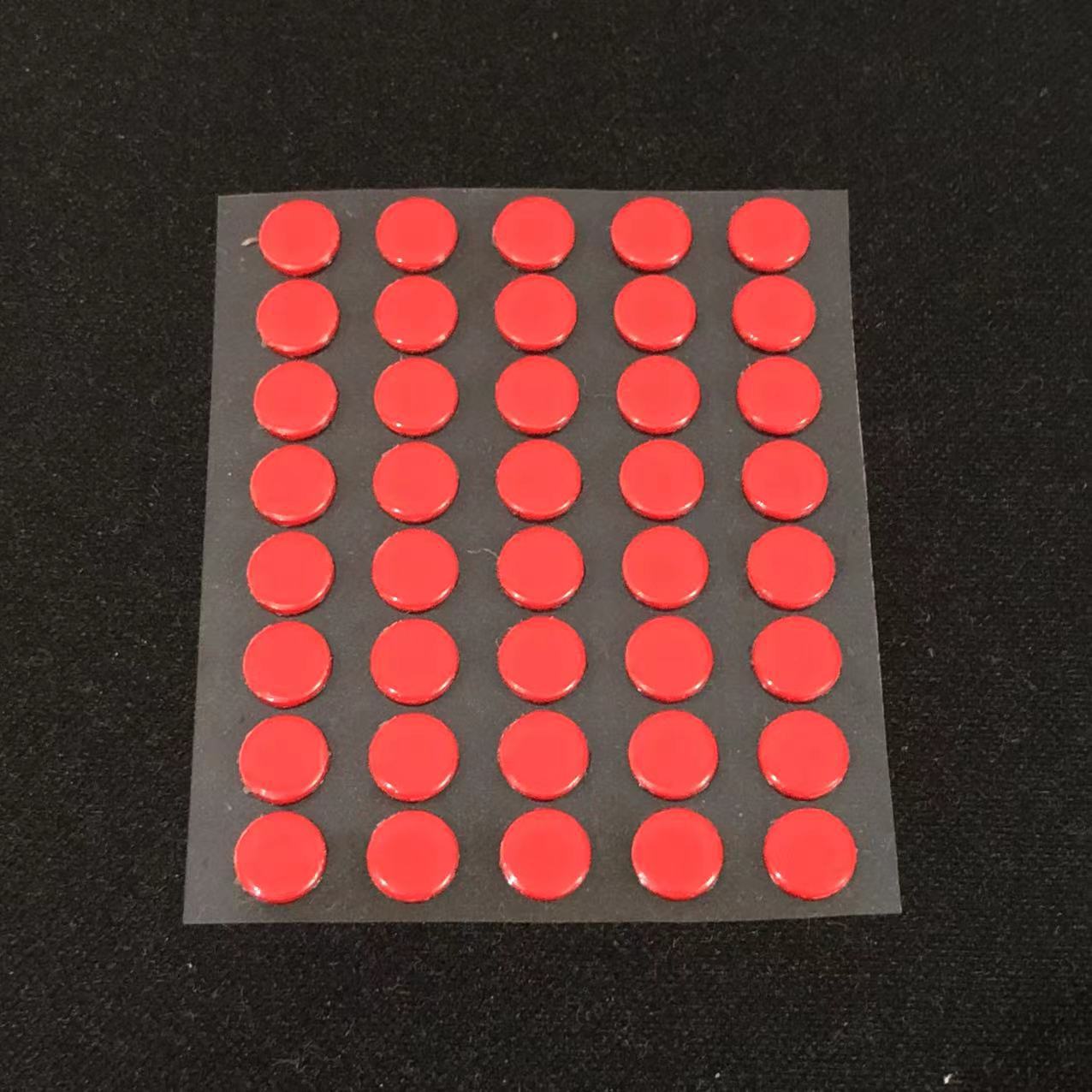
Factory Price Round Red Mouse Skate Dots
Universal glass mouse skates with small-dot PTFE construction, designed for smooth movement, non-slip mouse feet replacement and branded gaming accessory programs.
View product specifications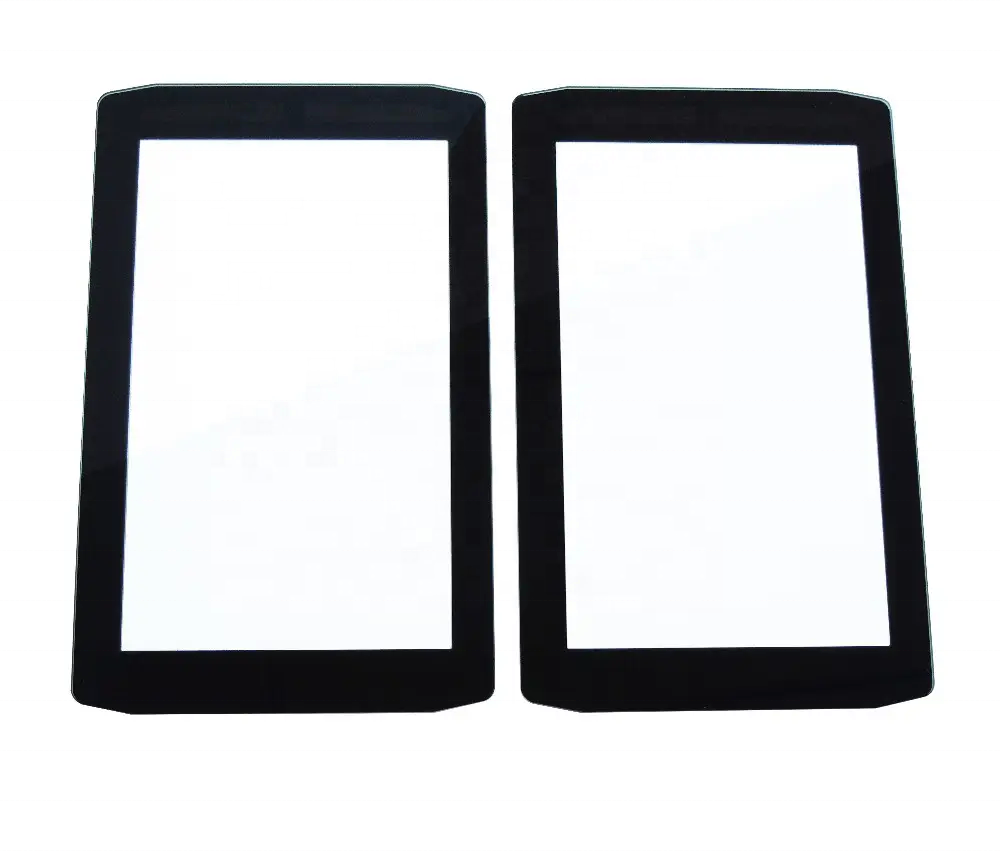
AG Anti-Glare Tempered Glass Touch Screen Panel
Anti-glare digital display glass with customizable touch panel construction, factory-direct production and outdoor readability for kiosks, terminals and industrial screens.
View product specifications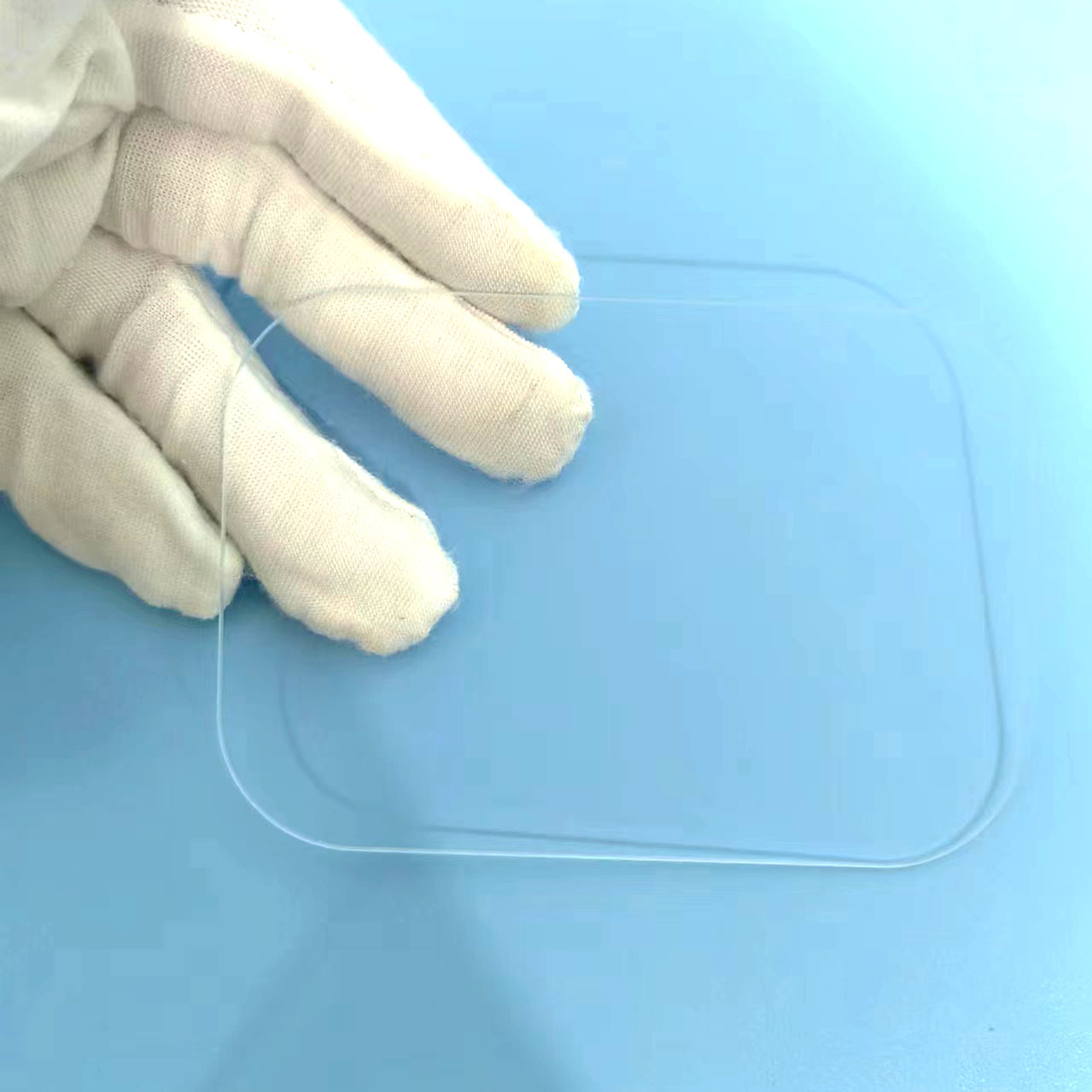
1.1mm ITO Coated Conductive Glass Panel
High-transmittance ITO conductive glass with CNC custom shape and polished edge, suitable for smart home touch mirrors, capacitive sensing and transparent electronic interfaces.
View product specifications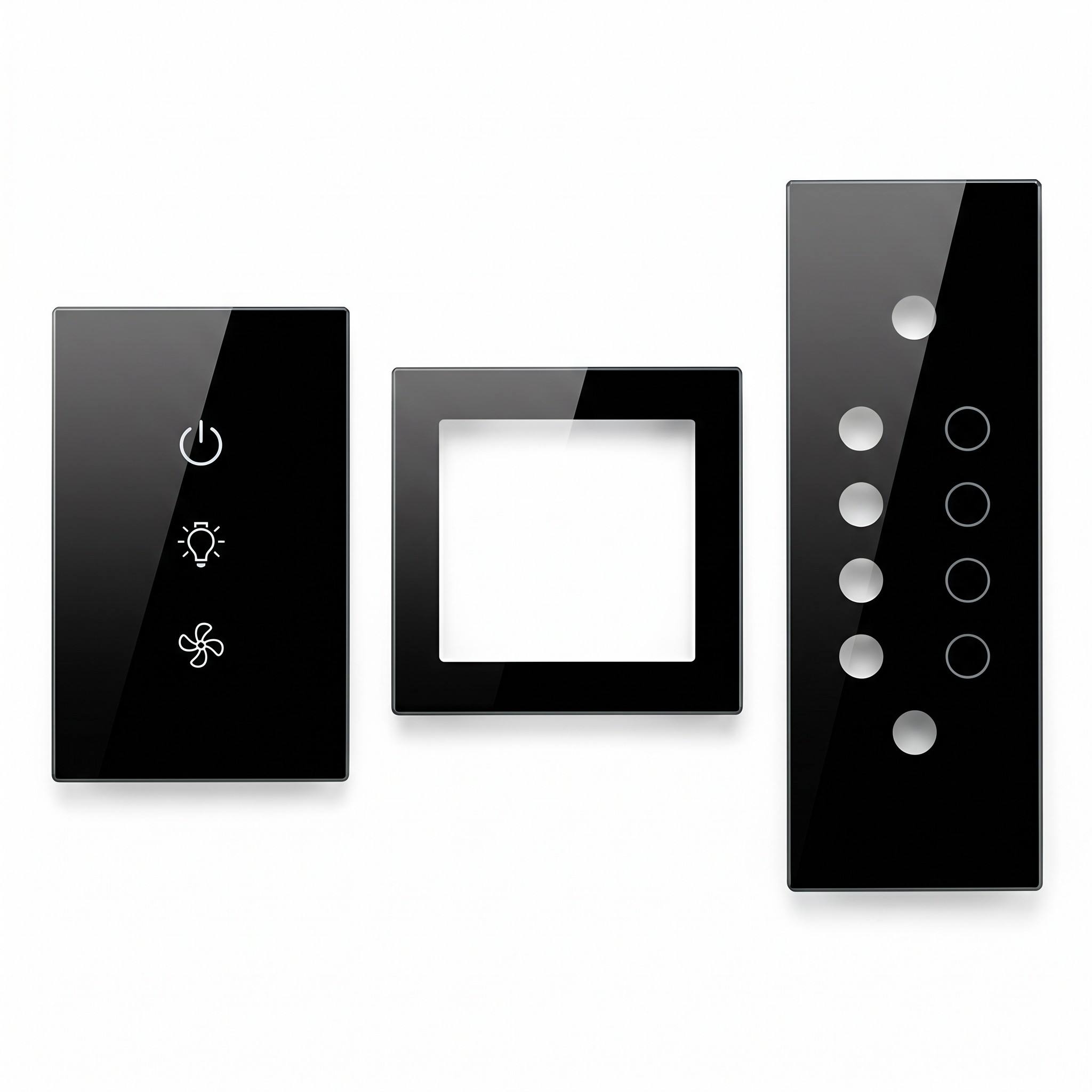
Tempered Glass Front Shield Cover Panel
Custom-size electronic display protection sheet for smart devices, engineered as a front shield cover panel with tempered glass durability and factory-controlled edge quality.
View product specifications
High-Transmittance AR Glass for Museum Showcases
98% high-transmittance anti-reflective glass with low-reflectance coating for museum showcases, luxury picture frames and display windows where optical clarity is critical.
View product specifications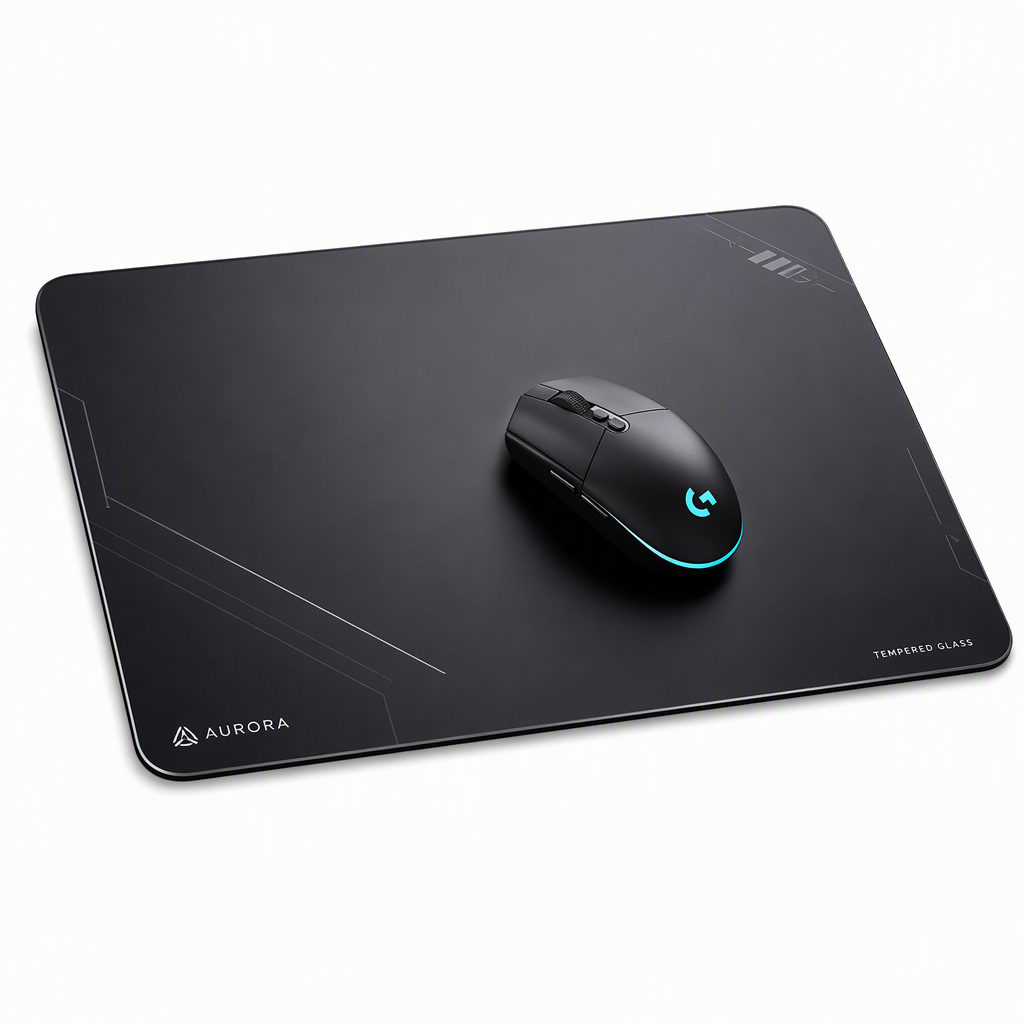
Tempered Glass Mouse Pad 2mm / 3mm
Hard-surface tempered glass mousepad with UV printing, custom logo and silicone base options, built for gaming peripheral brands and premium desk-accessory OEM programs.
View product specifications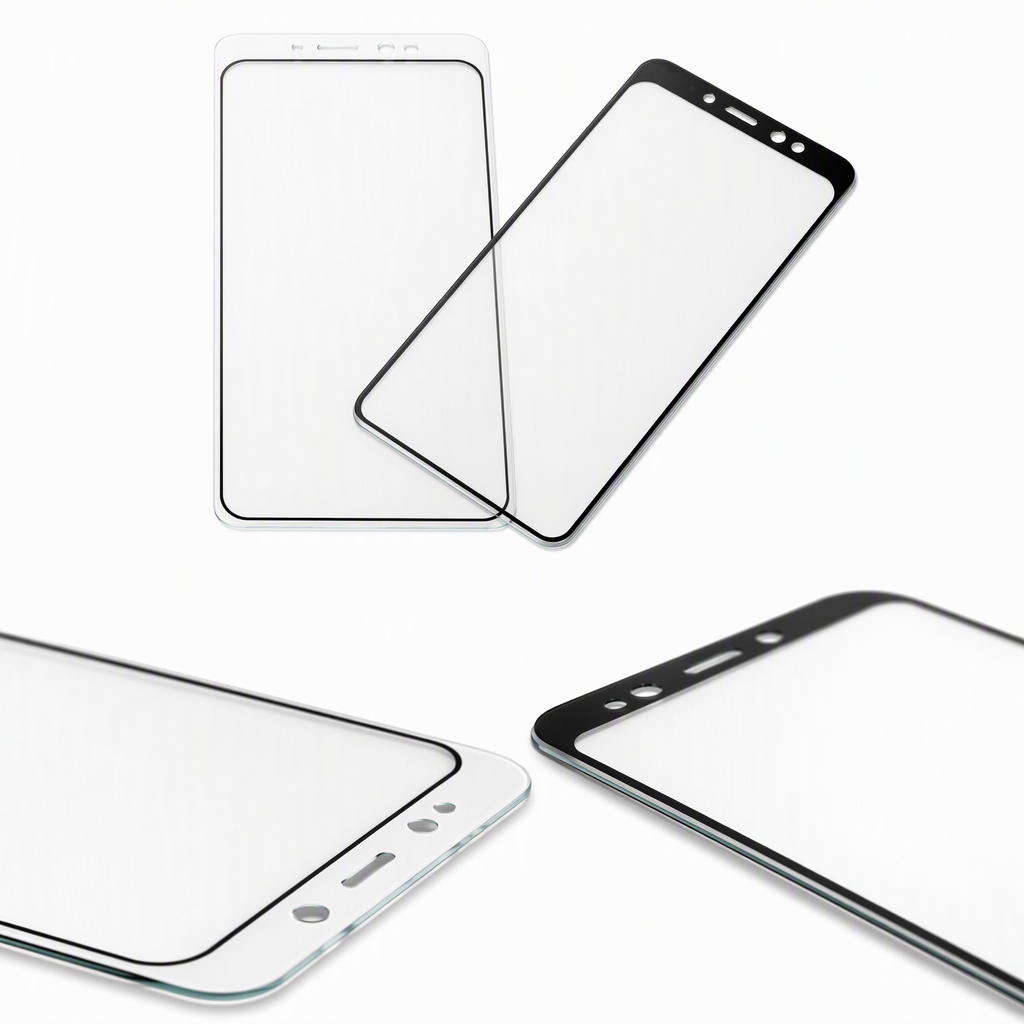
Toughened Glass Panel with CNC Holes
Irregular-shape toughened glass panel with no coating, CNC hole drilling, silk-screen printing and custom-size production for wholesale appliance and industrial glass programs.
View product specifications
Curved Tempered Glass Panel with AR Coating
Waterproof anti-reflective curved tempered glass panel for bathroom controls, instrument display decoration and design-led glass covers that require formed geometry.
View product specificationsWhy China's Custom Tempered Glass Factories Still Set the Global Benchmark
China remains the most complete supply base for custom tempered glass because the industrial ecosystem brings float glass, precision CNC, edge polishing, silk-screen printing, flat and curved tempering, optical coating, conductive film, adhesive bonding and export packing into a relatively tight geographic radius. For serious buyers, however, the real task is to separate true factory capability from a broker's quotation sheet.
Custom tempered glass begins with a substrate selected for thickness, transmission, color and chemical durability. The sheet is then cut, CNC-machined, drilled, polished, printed, coated when required and tempered. Every step changes downstream yield. A supplier that can cut and temper glass but outsources optical coating may still struggle to hold AR reflectance below 1.0% per side or AF contact angle above 110° after repeated wiping. A supplier without curved forming capability cannot support 2.5D/3D cover-glass programs for automotive dashboards, smart-home panels or premium bathroom interfaces.
This is why the strongest procurement strategy is to map the required process stack to the factory's actual equipment and quality gates. Huizhou KELO Glass Co., Ltd. is a useful reference point for that evaluation. The company operates as a factory-direct manufacturer in Huizhou, Guangdong, inside the Greater Bay Area electronics supply chain. Its company profile describes a 10,000–30,000 m² factory, 101–200 employees, 21–30 R&D engineers, a touch cover glass capacity of 20–25 million pieces per year and annual output value of US$50–100 million. Those figures are not a substitute for an audit, but they indicate resources consistent with a manufacturer handling custom glass programs rather than a pure trading operation.
The information gain for buyers is to evaluate suppliers on specifications that can be measured and repeated: thickness range from 0.1 mm to 19 mm, AR transmittance above 99% across 400–700 nm, AR reflectance below 1.0% per side, AG haze adjustable from 5% to 60%, AF water contact angle above 110°, ITO/FTO sheet resistance from 1 to 20 Ω/sq, transmittance above 85% and haze below 2%. When these figures are tied to sample approval, inspection methods and packaging standards, a wholesale quotation becomes a reliable decision tool instead of a price-only comparison.
Factory Advantages Buyers Can Verify Before the First Order
A strong China tempered glass wholesaler should reduce technical uncertainty, not simply forward an inquiry. These are the capabilities that matter when a custom glass project moves from drawing to sample approval and volume production.
Vertical Integration from Cutting to Bonding
Cutting, CNC machining, drilling, edge polishing, laser engraving, silk-screen printing, sandblasting, flat and curved tempering, coating and 3M adhesive bonding can run under one roof. Fewer handoffs mean tighter tolerance control and one accountable supplier.
In-House AR / AG / AF / ITO Coating
Surface engineering is the core differentiator. AR, AG, AF and ITO/FTO coating performance can be measured against agreed targets, including reflectance, transmittance, haze, contact angle and sheet resistance, instead of relying on unverified coating claims.
Engineering Review and Rapid Sampling
Samples can start from 1–2 pieces so buyers can validate fit, optics, coating performance and assembly before committing to volume. DFM feedback on tolerance, coating stack and cost drivers is provided during engineering review.
Three Inspection Gates Before Shipment
Incoming inspection verifies raw glass and consumables; in-process control checks CNC dimensions, hole positions, tempering and coating adhesion; final inspection includes 100% appearance checking plus tempering, adhesion, abrasion and salt spray tests.
Export-Ready Packing and Trade Terms
Custom honeycomb cartons, blister trays and partition packing help reduce transit damage. Buyers can work with FOB, CFR, CIF, EXW and DDP terms, and with T/T, L/C, PayPal or Western Union payment methods, with Alibaba Trade Assurance available for eligible orders.
Verifiable Trust Profile and Buyer Support
Review the verified assessment, ratings and reviews, factory video and trade history before ordering. A 4.9/5 store rating, 98.18% reply rate and typical response time of one hour or less help procurement teams move faster.



Procurement Trends Reshaping China Tempered Glass Wholesale
Purchasing teams are moving away from one-dimensional price comparisons toward risk-adjusted supplier qualification. The following trends are especially relevant for buyers sourcing custom tempered glass, coated glass and conductive glass from China.
1. Risk-Adjusted Total Cost Is Replacing the Lowest Unit Price
Glass breakage, coating rework, color mismatch, dimensional drift and late delivery often cost more than the apparent saving from a lower quotation. Buyers now ask for inspection data, packaging validation and process evidence before awarding volume.
2. Small-Batch Validation Before Commitments
Sampling from 1–2 pieces is becoming a standard first step for custom cover glass, printed glass panels and coated display glass. A validated sample reduces tooling risk and makes the 21–31 day mass-production lead time more predictable.
3. Multi-Function Coatings Are Specified as One System
Instead of selecting a single coating, buyers now combine functions: AR+AG for outdoor readability, AG+AF for touch cleanliness or ITO on a strengthened substrate for sensing. The supplier must control the stack as a system, not as isolated steps.
4. Verified Factory Data Enters the RFQ
Procurement teams increasingly review third-party assessment, factory video, trade history and buyer feedback before sending drawings. This is especially important for OEM programs where a replacement supplier may need weeks to match tolerances and surface appearance.
5. Packaging and Documentation Become Differentiators
Finished glass can meet specification at the factory and still fail on arrival. Custom carton design, partition packing, labeling and clear Incoterms are now evaluated alongside tempering and coating capability. DDP and Trade Assurance options can reduce administrative friction.
6. Dual Sourcing Without Technical Compromise
Brand owners want a second source without accepting a different optical stack or weaker dimensional capability. The practical solution is to qualify both suppliers against the same drawing, coating-performance window, inspection standard and packaging specification.
Where Custom Tempered Glass Is Heading Next
Tempered glass is no longer only a protective cover. It is becoming an optical interface, a touch-sensing substrate, a decorative surface and a structural component inside the product experience.
Thinner, Stronger and More Durable Glass
Demand is growing for thin glass that survives drop, impact, thermal and cleaning cycles. Chemically strengthened glass, precise edge polishing and controlled tempering allow thicknesses from 0.1 mm to 19 mm to be matched to the application.
2.5D and 3D Curved Cover Glass
Curved glass is moving into automotive dashboards, smart-home control panels, bathroom interfaces and premium appliances. Buyers increasingly ask for seamless edges, reliable curved forming and consistent optical appearance after coating.
Integrated Optical Coating Stacks
AR, AG and AF functions are being combined to solve multiple problems on one surface: low reflection, glare control and fingerprint resistance. Specifications now include transmittance above 99%, reflectance below 1.0% per side, haze ranges and contact angle durability.
Transparent Conductive Glass for Touch and Energy
ITO and FTO conductive glass support capacitive touch sensors, EMI shielding, transparent electronics and thin-film solar applications. The key purchasing criteria are sheet resistance, transmittance and haze, not simply the presence of a conductive layer.
Irregular CNC Shapes and Printed Glass Panels
Appliance interfaces, industrial controls and smart-home products need holes, cutouts, irregular outlines, silk-screen graphics and adhesive bonding. Custom CNC glass lets designers integrate display windows, icons and touch zones into one finished panel.
Gaming and Premium Desk-Accessory Glass
Tempered glass mouse pads and glass mouse skates are becoming premium category products. UV printing, custom logo, 2mm or 3mm thickness, silicone bases and PTFE skate dots are turning glass from a commodity material into a branded tactile experience.
Match the Glass Type and Coating to the Operating Condition
Start from the operating environment and product function. This matrix summarizes the performance windows commonly specified for factory-direct custom glass programs.
| Glass / Coating | Key Performance | Typical Application |
|---|---|---|
| ARAnti-reflective | Reflectance <1.0% per side · Transmittance >99% at 400–700 nm · single or multi-layer design | Automotive touch displays, medical monitors, museum showcases, luxury frames |
| AGAnti-glare | Controllable haze 5–60% · gloss 0.5–8 GU · reduces harsh reflections | Outdoor kiosks, industrial HMI, sunlight-readable screens |
| AFAnti-fingerprint | Water contact angle >110° · pencil hardness >3H · transmittance >98% · durability >10,000 cycles | Touch control panels, smart home glass, appliance interfaces |
| ITOIndium tin oxide | Sheet resistance 1–20 Ω/sq · transmittance >85% · haze <2% | Capacitive touch sensors, transparent displays, EMI shielding |
| FTOFluorine-doped tin oxide | Sheet resistance 1–20 Ω/sq · transmittance >85% · haze <2% · stronger thermal stability | Thin-film solar cells and high-temperature processes |
| CombinedAR+AG / AG+AF | Stacked functions on one substrate · cosmetic grade per 60/40 scratch-dig | Premium in-vehicle interfaces, outdoor touchscreens, appliance panels |
| Tempered cover glass | 0.1–19 mm · 2.5D/3D forming · silk-screen printing · CNC holes and cutouts | Smart devices, HMI panels, appliance lenses, instrument displays |
Values are typical production capability. Final performance targets should be confirmed against the drawing, sample and inspection method during engineering review.
Where Custom Tempered Glass Creates Measurable Product Value
Different industries define quality differently. A buyer should align the supplier's inspection method with the final product's failure cost, whether that is a scratched display, a failed touch sensor, a cracked control panel or an optical window that reduces image clarity.
Consumer Electronics
Touchscreen cover glass, camera lens covers and display protection with custom printing, thickness and edge finishing.
Automotive Displays
Center consoles, dashboards and in-vehicle touch panels that need AR/AG performance and 2.5D/3D curved cover glass.
Smart Home and Appliances
Control panels, appliance lenses, switch and socket glass, touch mirrors and decorative printed glass interfaces.
Industrial HMI
Rugged operator panels and factory control terminals where AG readability, strength and dimensional repeatability matter.
Medical Devices
Optical windows in quartz, borosilicate and sapphire glass for instruments that require clarity and material consistency.
Solar Energy
Solar glass and FTO substrates for thin-film cells and high-temperature processes that demand conductive stability.
Hotel and Bathroom
Smart bathroom control panels, mirror glass and waterproof curved tempered glass with anti-reflective coating.
Gaming Peripherals
Glass mouse pads, tempered game surfaces and PTFE glass skates for brands building premium tactile accessories.
Common Questions About Custom Tempered Glass Wholesale
These answers reflect factory-direct sourcing practices for custom glass programs and should be used as a starting point for RFQ discussions and sample validation.
What is the minimum order quantity for custom cover glass?
What is the typical lead time for mass production?
What optical performance can AR anti-reflective coating achieve?
Should I choose ITO or FTO conductive glass?
What thickness, sizes and shapes can be produced?
Which trade terms and payment methods are accepted?
How is quality controlled before shipment?
Can a factory support custom printing, holes and adhesive bonding?
Request a Factory-Direct Custom Tempered Glass Catalog
Send your drawing, target thickness, coating performance, annual volume and packaging requirements. The engineering team can review feasibility, recommend the most cost-effective glass stack and support sample validation from 1–2 pieces before mass production.
Email: info@keloglass.com · Huizhou KELO Glass Co., Ltd. · Huizhou, Guangdong, China