Door Lock Glass Is No Longer a Commodity Cover Lens
Buyers searching for a China top door lock glass supplier & exporters are usually not shopping for a commodity sheet. They need a qualified cover-glass partner that can hold optical, electrical and mechanical tolerances across volume.
A modern smart door lock combines a mechanical lock, an electronic control board, a PCAP or resistive touch keypad, a fingerprint sensor window and a decorative front panel. The door lock glass is the transparent or printed cover that protects these components while carrying the brand’s visual identity, tactile feel and weather resistance.
The specification list is broader than many first-time buyers expect: thickness from 0.1 mm to 19 mm, chemically strengthened or tempered glass, 2.5D/3D curved edges, silk-screen printing, laser engraving, AR anti-reflective coating for sensor windows, AG anti-glare treatment for outdoor visibility, AF anti-fingerprint coating for high-touch keypads, and ITO/FTO conductive layers for touch sensing, heating or anti-fog functions.
Huizhou KELO Glass Co., Ltd. is a factory-direct manufacturer in Huizhou, Guangdong, inside China’s Greater Bay Area electronics supply chain. Our product lines cover touch screen cover glass, optical coated glass and conductive glass. For door lock OEMs, that means a front panel, fingerprint window, touch keypad lens and display cover can come from one supplier with one quality system — without added handling damage, middle-man margins or fragmented accountability.
Door lock glass specification window
- Thickness: 0.1–19 mm, customized to drawing
- Strengthening: flat/curved tempering, chemical strengthening
- AR: reflectance <1.0% per side; transmittance >99% (400–700 nm)
- AG: haze 5–60%, gloss 0.5–8 GU
- AF: contact angle >110°, pencil hardness >3H
- ITO/FTO: 1–20 Ω/sq, transmittance >85%, haze <2%
- Forming: CNC holes, polished edge, 2.5D/3D, 3M adhesive bonding
Where Door Lock Glass and Adjacent Glass Technologies Are Used
The same surface engineering that improves a smart lock keypad also serves access control, appliances, automotive displays, industrial HMI and solar products.
Smart Door Locks
Touch keypad cover glass, fingerprint sensor windows and decorative front panels.
Access Control Panels
AG/AF glass for outdoor keypads, intercoms and high-touch entry terminals.
Home Appliances
Tempered glass lenses for control panels, switches, sockets and smart home interfaces.
Automotive Displays
AR/AG coated cover glass for center consoles, dashboards and in-vehicle touch panels.
Industrial HMI
Rugged cover glass for factory control terminals, kiosks and outdoor equipment.
Smart Mirrors
ITO conductive glass for touch mirrors, bathroom displays and anti-fog heating.
Solar & High-Temp
FTO conductive glass for thin-film solar cells and high-temperature processes.
Gaming Peripherals
Tempered glass mouse pads and precision glass skate feet — a capability transfer in surface wear and edge finishing.
8 Factory-Validated Glass Products for Door Lock & Display Projects
The eight product entries below cover the glass, coating and conductive capabilities most often requested by smart lock brands, access control manufacturers and display integrators. Product URLs are preserved exactly as supplied.
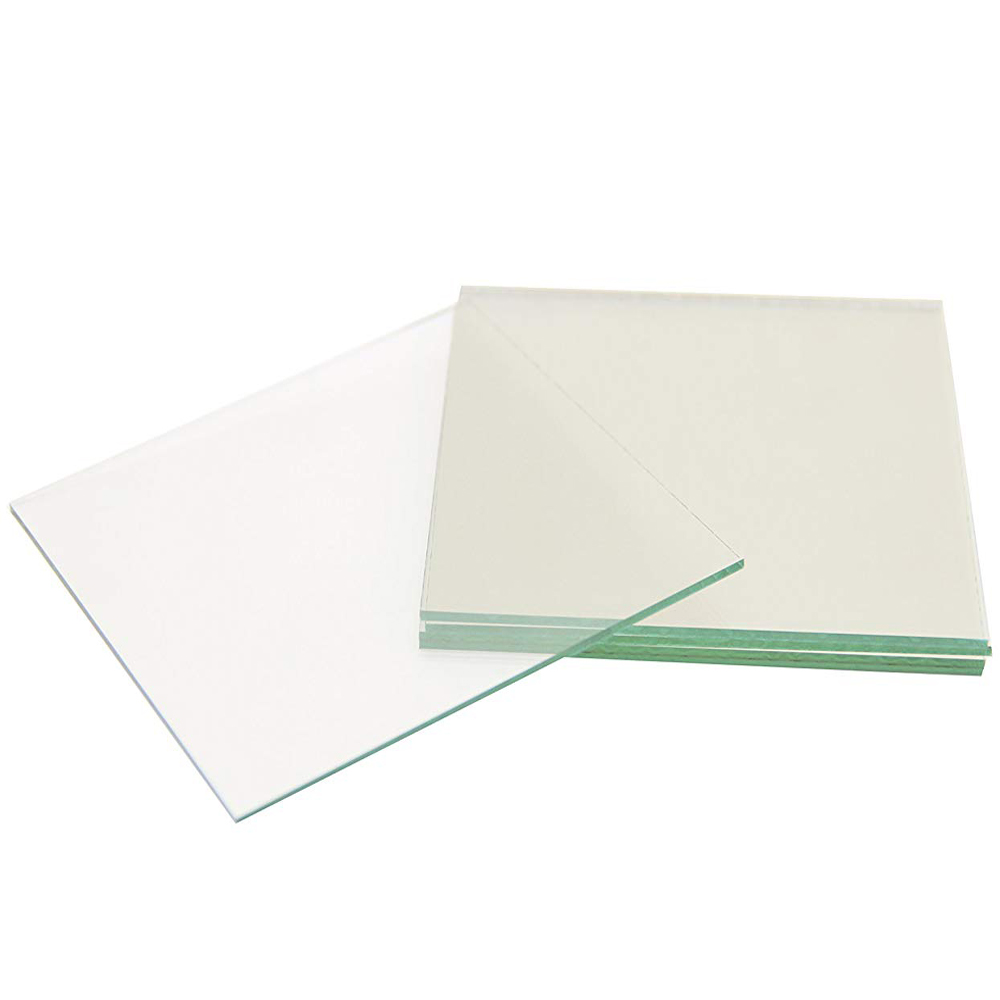
Custom 25x25x1.1mm ITO/FTO Coated Toughened Glass for LAB Display Anti-Fog Heating Conductive Glass Bathroom Solar Applications
A 1.1 mm conductive glass option for sensor windows, anti-fog heating, smart mirrors and lab displays. Useful where the door lock front panel needs both optical clarity and electrical function.
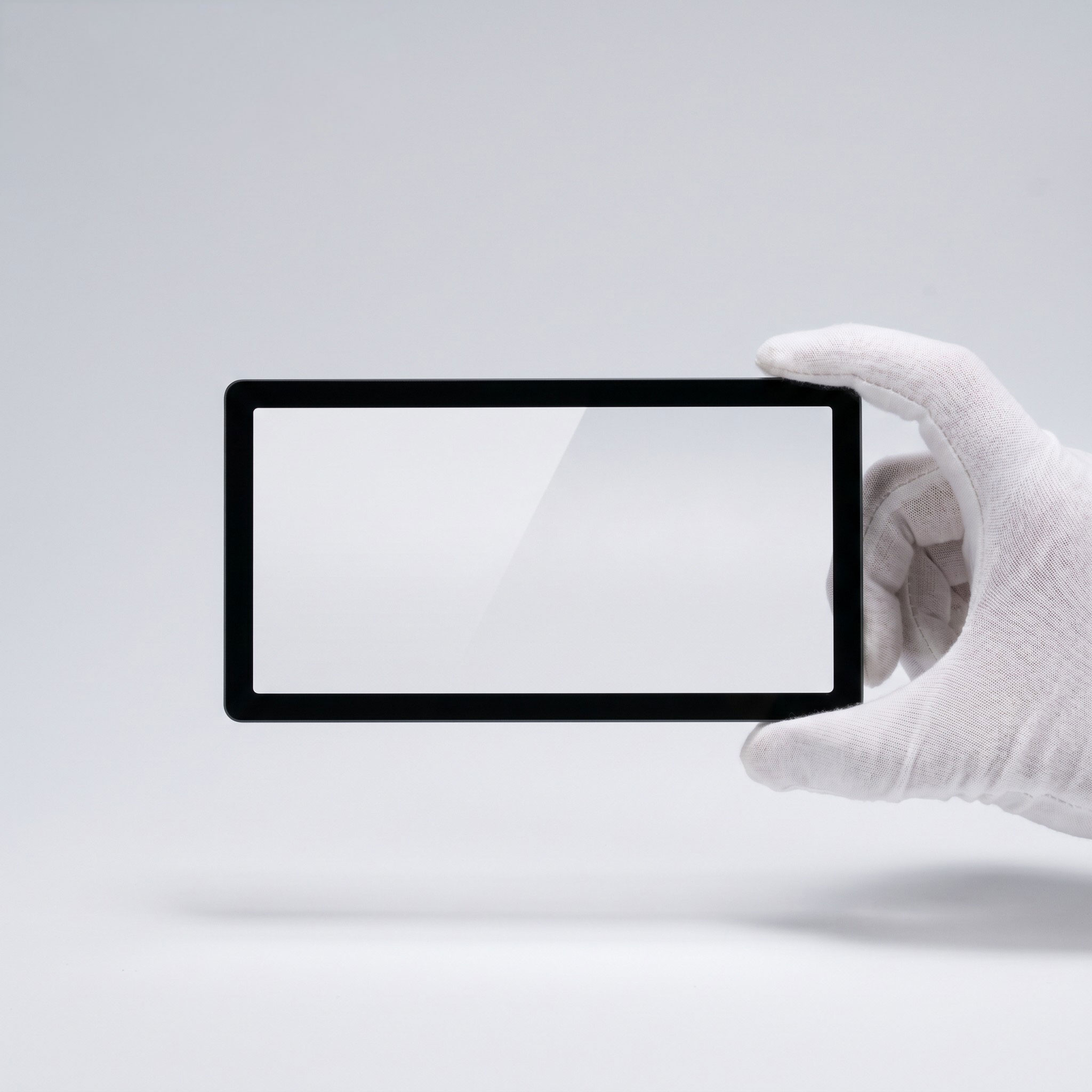
Custom Size Gorilla Glass Front Panel Panda Cover Sheet CNC Cut Silk Printed Tempered Glass Solar Display Screen Cover
A strong decorative cover-glass platform for smart lock fronts and display screens. CNC cutting, silk printing and tempering support impact resistance and clean industrial design.
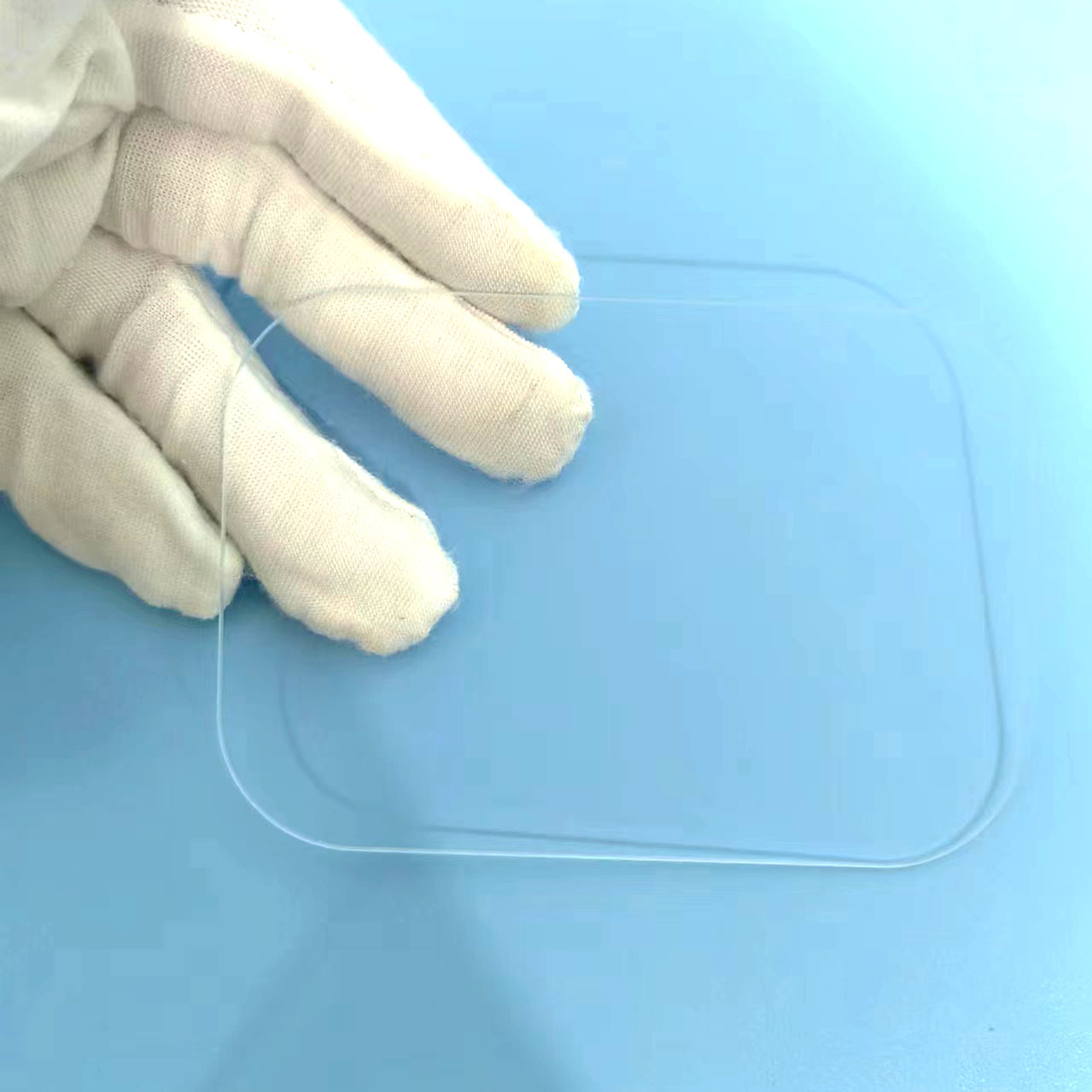
1.1mm ITO Coated Conductive Glass Panel High Transmittance CNC Custom Shape Polished Edge for Smart Home Touch Mirror
High-transmittance ITO glass with custom shape and polished edges. Suitable for touch mirrors and smart home interfaces that need invisible conductive layers.

KS AG002 Custom Size AG Coating Anti-Glare Tempered Glass Panel High Transmittance Cover Sheet for Electronic Display Screen
Anti-glare tempered glass for outdoor locks, kiosks and entry terminals. The controllable haze reduces harsh reflections while maintaining a premium appearance.

Curved Tempered Glass Panel with Anti-reflective Coating Waterproof for Bathroom and Instrument Display Decoration
A curved, waterproof AR glass for bathroom controls, instruments and edge-to-edge product designs. AR coating improves clarity; curved forming supports differentiated industrial design.
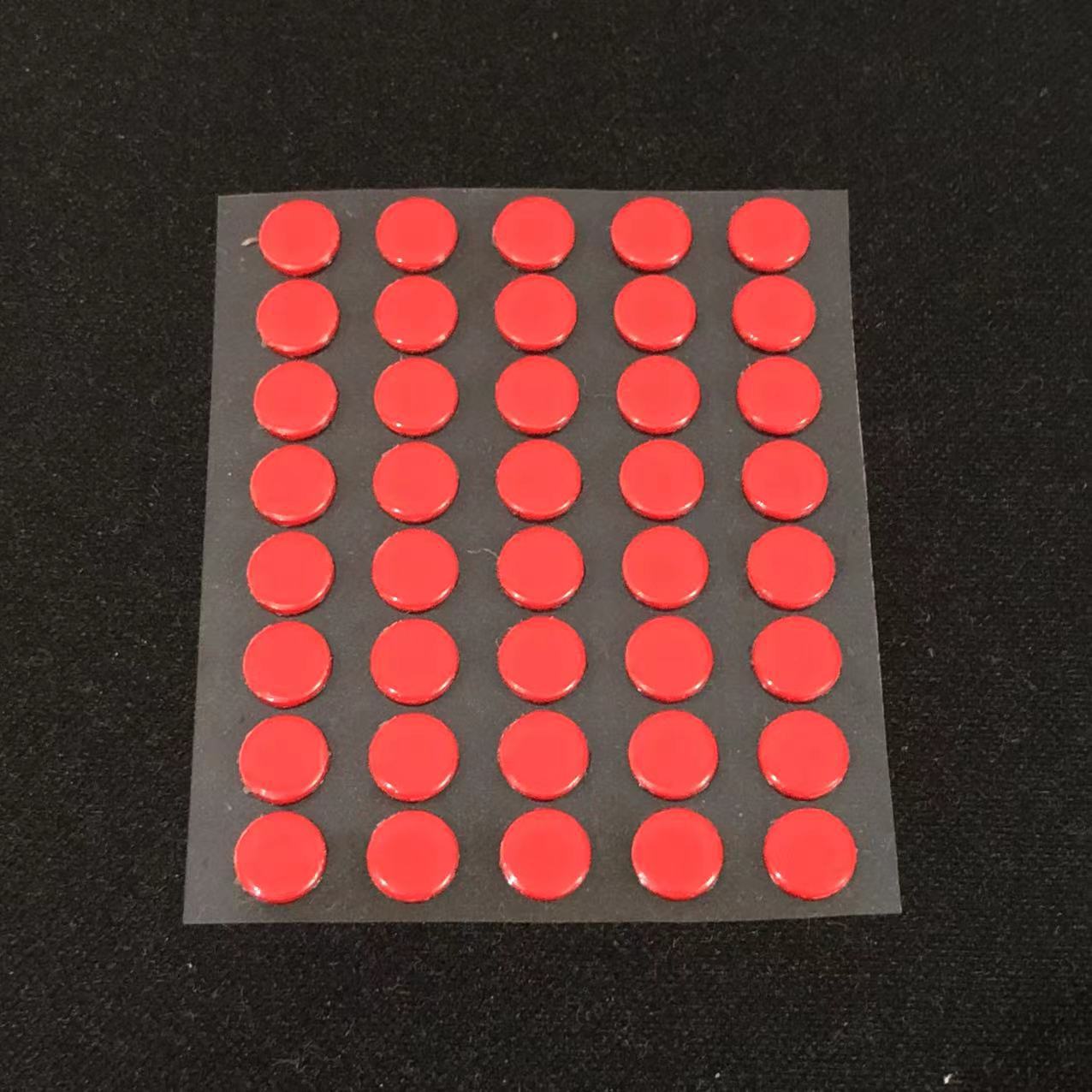
Factory Price Round Red Mouse Sticker Pads Universal Glass Mouse Skates with Small Dot PTFE Non-slip Mouse Feet
An adjacent precision die-cut and surface-wear capability. The same discipline applies to micro gaskets, sensor protection pads and thin adhesive components in door lock assemblies.
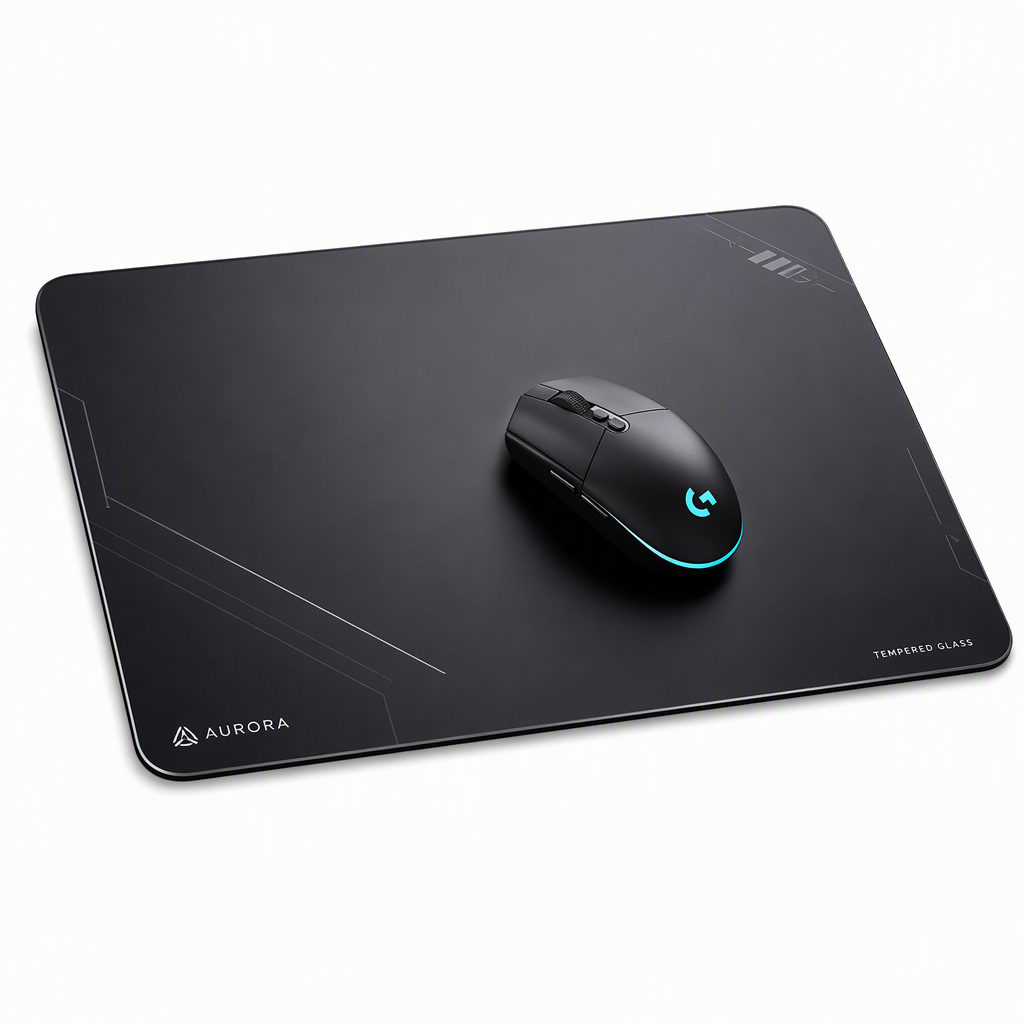
Tempered Glass Mouse Pad 2MM 3MM Hard Surface Glass Mousepad UV Printing Custom Logo Silicone Base OEM Factory
Tempered glass with UV printing and custom logo demonstrates decorated, wear-resistant glass manufacturing for branded consumer products.
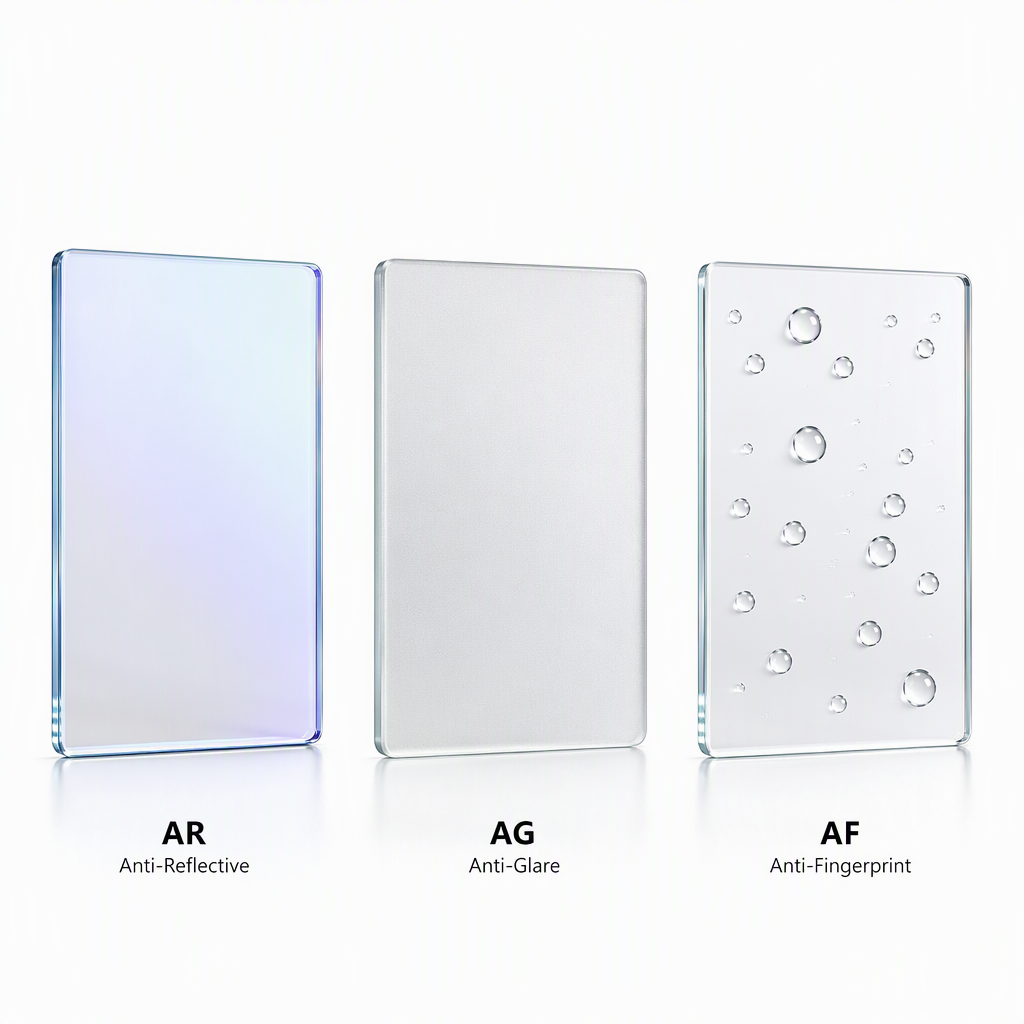
AR AG AF Coated Glass Anti Reflective Coating Service 92 Percent Transmission Anti Glare Custom Sheet Factory OEM
A combined AR/AG/AF coating service for high-end entry panels, sensor windows and displays where reflection, glare and fingerprints must all be managed.
Why KELO Glass Qualifies as a China Top Door Lock Glass Supplier
Huizhou KELO Glass Co., Ltd. is a verified, factory-direct manufacturer rather than a trading company. Our advantage is not a single machine; it is the ability to keep cutting, CNC, printing, tempering, coating and bonding under one roof and one quality system.

Our factory covers 10,000–30,000 m² and is staffed by 101–200 employees, including 21–30 R&D engineers. Annual output value is in the US$50–100 million range, with touch cover glass capacity of 20–25 million pieces per year. For buyers, that scale creates room for both rapid prototypes and repeat volume.
Every critical step runs in-house: cutting, water-jet cutting, CNC machining, drilling, edge polishing, laser engraving, silk-screen printing, sandblasting, flat and curved tempering, AR/AG/AF/ITO/FTO coating, 2.5D/3D forming and 3M adhesive bonding. That vertical integration tightens tolerances, shortens lead times and removes finger-pointing between subcontractors.
- Verified manufacturer, not a trader
- Engineering drawing review and DFM feedback
- Rapid prototyping from 1–2 pieces
- 100% appearance inspection before packing
- Custom honeycomb cartons and blister trays
- Trade Assurance and export documentation support
In-House Surface Engineering
AR/AG/AF optical coatings and ITO/FTO conductive layers are applied and inspected in our own production flow, not outsourced to uncontrolled third parties.
Vertical Integration
Ten core processes — from cutting and CNC to tempering, coating and adhesive bonding — are controlled inside one factory for tighter tolerances.
Faster NPI and Lead Time
Sample orders can start from 1–2 pieces, and bulk production is typically 21–31 days after sample approval, depending on coating and forming complexity.
Quality Gates
IQC, IPQC and FQC/OQC checks cover incoming glass, in-process dimensions and coatings, plus 100% final appearance inspection.
Export-Ready Packing
Custom honeycomb cartons, blister trays and partition packing reduce transit damage. FOB, CFR, CIF, EXW and DDP terms are supported.
Verified Track Record
A 4.9/5 store rating, 98.18% reply rate, six years of verified export activity and Alibaba Trade Assurance support give buyers independent checkpoints.
From Raw Glass to Packed Door Lock Panel
Keeping every process inside one facility is how KELO Glass protects optical quality, edge strength and coating consistency from prototype to repeat order.
Cutting
Sheet cutting and water-jet cutting to rough size.
CNC
Machining, drilling, holes and complex contours.
Edge Polish
Rounded, polished or chamfered edges for strength.
Laser Engraving
Precision marks, logos and fine graphic details.
Silk Printing
Functional borders, icons and brand colors.
Frosting
Sandblasting and surface texturing options.
Tempering
Flat and curved tempering for impact resistance.
Coating
AR, AG, AF, ITO and FTO functional layers.
2.5D / 3D
Curved forming for premium edge-to-edge designs.
Bonding
3M adhesive bonding and assembly-ready glass.
Three Inspection Gates Before Anything Ships
Quality is built into the process, not inspected in at the end. Each gate has defined checks and release criteria.
Incoming Inspection (IQC)
Raw glass and consumables are verified before production enters the line.
- Thickness and flatness check
- Surface defect screening
- Ink and coating material verification
In-Process Control (IPQC)
Critical dimensions and coating results are checked at each station.
- CNC dimension and hole position
- Tempering and strength tests
- Coating adhesion and abrasion checks
Final Inspection (FQC/OQC)
Every finished piece is checked before protective packing.
- 100% appearance inspection
- Salt spray reliability testing
- Honeycomb, blister and partition packing
Verify the Supplier Before You Send a Drawing
For a door lock glass program, supplier verification should be as rigorous as sample approval. These public company records give international buyers a starting point for due diligence.
Verified Assessment
On-site verification report of factory facilities and production capability.
View reportRatings & Reviews
Buyer feedback behind the current 4.9/5 store rating.
Read reviewsFactory Video
Walk through production, coating and inspection areas.
Watch videoCredit Profile
Business credit index and company standing information.
Check creditTransaction Level
Verified online transaction performance and order history.
View levelTrade Capacity
Export markets, trade terms and logistics capability.
View capacityTrade History
Recorded transactions completed through Alibaba.com.
View historyCompany Overview
Full company profile, certificates, facilities and contact details.
View profileDoor Lock Glass Procurement Trends for 2025–2030
Door lock glass buying is shifting from “lowest unit price” to “qualified supply with evidence.” The change favors suppliers that can document process control, support fast engineering iterations and protect delivery continuity.
Evidence-Based Supplier Qualification
Procurement teams now ask for measured coating data, adhesion and abrasion test methods, batch records and incoming inspection criteria. A supplier that can answer with data shortens the qualification cycle.
Dual Sourcing Without Losing Process Depth
China remains a deep process base for cover glass, coating and conductive glass. Buyers are adding regional backups while keeping China for complex coating stacks, curved forming and cost-effective scaling.
Compressed NPI and Low-MOQ Sampling
Smart lock brands iterate quickly. Suppliers that can produce 1–2 piece samples, review drawings and return DFM feedback in days create a measurable speed advantage.
Landed-Cost Thinking
Freight, damage rate, rework, inspection labor and line stoppage can outweigh a small unit-price difference. Better packaging, yield consistency and documentation reduce total landed cost.
Traceability and Batch Consistency
Door lock front panels are visible brand components. Buyers want repeatable color, ink, coating and curvature across lots, with clear batch identification and change-control communication.
Packaging and Logistics Resilience
Glass travels across long supply chains. Honeycomb cartons, blister trays, partition packing and export-ready documentation are becoming part of the technical specification, not an afterthought.
Example qualification weighting
An illustrative scorecard for a smart lock glass program. Adjust the weights to your own quality, cost and delivery priorities — but never accept unverifiable coating claims.
Product Development Trends Shaping Smart Lock Glass
The next generation of door lock glass will be thinner, stronger, more integrated and more decorative. Buyers should specify performance by use condition rather than by material name alone.
Thinner, Stronger Chemically Strengthened Glass
As smart locks become slimmer, 0.5–1.1 mm chemically strengthened glass can replace thicker tempered glass while maintaining impact and scratch resistance.
2.5D and 3D Curved Edges
Edge-to-edge industrial design is moving into smart entry products. Curved forming creates a smoother touch transition and a more premium appearance.
AR + AG + AF Multi-Functional Stacks
One sheet may need to reduce reflection, diffuse glare and resist fingerprints at the same time. Combined coating stacks reduce the number of separate components.
Under-Glass Fingerprint Windows
Fingerprint sensor windows require high transmission, low haze and consistent optical quality. AR coating can improve signal clarity and appearance.
Conductive Glass for Touch and Heating
ITO and FTO conductive layers support capacitive touch, EMI shielding and anti-fog heating. These functions are especially relevant for outdoor and bathroom entry products.
Decorative and Haptic-Friendly Surfaces
Silk printing, laser engraving, UV printing and controlled gloss levels allow door lock brands to create recognizable front panels without compromising durability.
| Use Condition | Recommended Glass | Key Specification | What to Ask the Supplier |
|---|---|---|---|
| Outdoor keypad / high ambient light | AG or AG+AF tempered glass | Haze 5–15%; gloss 0.5–8 GU; contact angle >110° | Coating report, abrasion test, gloss measurement |
| Fingerprint sensor window | AR or high-transmission chemically strengthened glass | T >92%; AR R <1.0%/side; low haze | Transmission curve, haze data, sensor-area cosmetics |
| Touch mirror / capacitive panel | ITO conductive glass | 1–20 Ω/sq; T >85%; haze <2% | Sheet resistance map and optical measurement |
| Bathroom / humidity-prone entry | FTO or anti-fog heating glass | Thermal and chemical stability; controlled heating | Adhesion, salt spray, thermal cycle results |
| Impact-prone front panel | Gorilla or chemically strengthened glass | Custom thickness; polished edges; tempering control | Strength test, edge quality, drop-test criteria |
| Premium brand finish | Silk-screen, laser, UV printed 2.5D glass | Color match; logo accuracy; curved edge profile | First article, color samples, print durability |
Typical ranges shown for planning. Final thickness, coating stack and test criteria must be confirmed against your drawing, target market and reliability standard.
Door Lock Glass Buyer FAQ
Straight answers to the questions procurement teams usually ask before a first sample order.
What is the minimum order quantity for custom door lock glass?
Sample orders can start from 1–2 pieces so you can validate fit, optics, coating performance and edge quality before committing to volume. Bulk quantities are quoted per drawing, annual volume and packaging requirement.
What is the typical lead time for mass production?
Bulk lead time is typically 21–31 days after sample approval, depending on size, coating stack, curved forming, printing complexity and order quantity.
What thickness, sizes and shapes can you produce?
Glass thickness ranges from 0.1 mm to 19 mm. Size, shape, holes, color, logo printing, 2.5D/3D curved forming and 3M adhesive bonding are customized to your drawing or sample.
What optical performance can your AR coating achieve?
Our AR anti-reflective coating achieves reflectance below 1.0% per side and transmittance above 99% across 400–700 nm, in single-layer or multi-layer designs. Final targets are confirmed against your drawing during engineering review.
Should I choose ITO or FTO conductive glass?
ITO glass is commonly used for capacitive touch sensors, displays and EMI shielding. FTO glass offers better thermal and chemical stability, making it a frequent choice for thin-film solar cells and high-temperature processes. Both are available with sheet resistance of 1–20 Ω/sq, transmittance above 85% and haze below 2%.
Can you cut fingerprint sensor holes, print logos and make 2.5D or 3D edges?
Yes. CNC machining, drilling, edge polishing, silk-screen printing, laser engraving, 2.5D/3D curved forming and adhesive bonding are all available. Send a drawing, 3D file or physical sample with the target surface finish and critical tolerances.
How do you control quality and packaging?
Quality is controlled through incoming, in-process and final inspection with 100% appearance checking, plus tempering, adhesion, abrasion and salt spray tests. Custom honeycomb cartons, blister trays and partition packing minimize transit damage.
Which trade terms and payment methods do you accept?
We support FOB, CFR, CIF, EXW and DDP trade terms, and T/T, L/C, PayPal and Western Union payments. Orders placed through Alibaba.com can be protected by Trade Assurance.
How should a door lock brand prepare an RFQ for the best quotation?
Include a 2D drawing or 3D model, glass thickness, material preference, edge profile, surface finish, printing artwork, coating performance, fingerprint sensor window requirement, annual volume, destination market and expected trade term. If you have a previous sample or competitor sample, send it for a fit and appearance reference.
Have a Drawing or a Spec? Let’s Engineer It.
Buyers, distributors, lock brands and contract manufacturers are welcome. Send your drawing, target coating performance, annual volume and destination market. Our engineering team will review DFM, recommend the most cost-effective glass stack and quote a sample path — with the same factory-direct accountability from prototype to repeat production.
info@keloglass.com