China Top Glass Panel Factory & Suppliers
Custom cover glass, AR / AG / AF optical coatings, ITO / FTO conductive glass, 2.5D / 3D curved tempered panels and gaming glass — engineered and inspected in-house for global B2B buyers.
8 Glass Panel Products from a China Factory-Direct Supplier
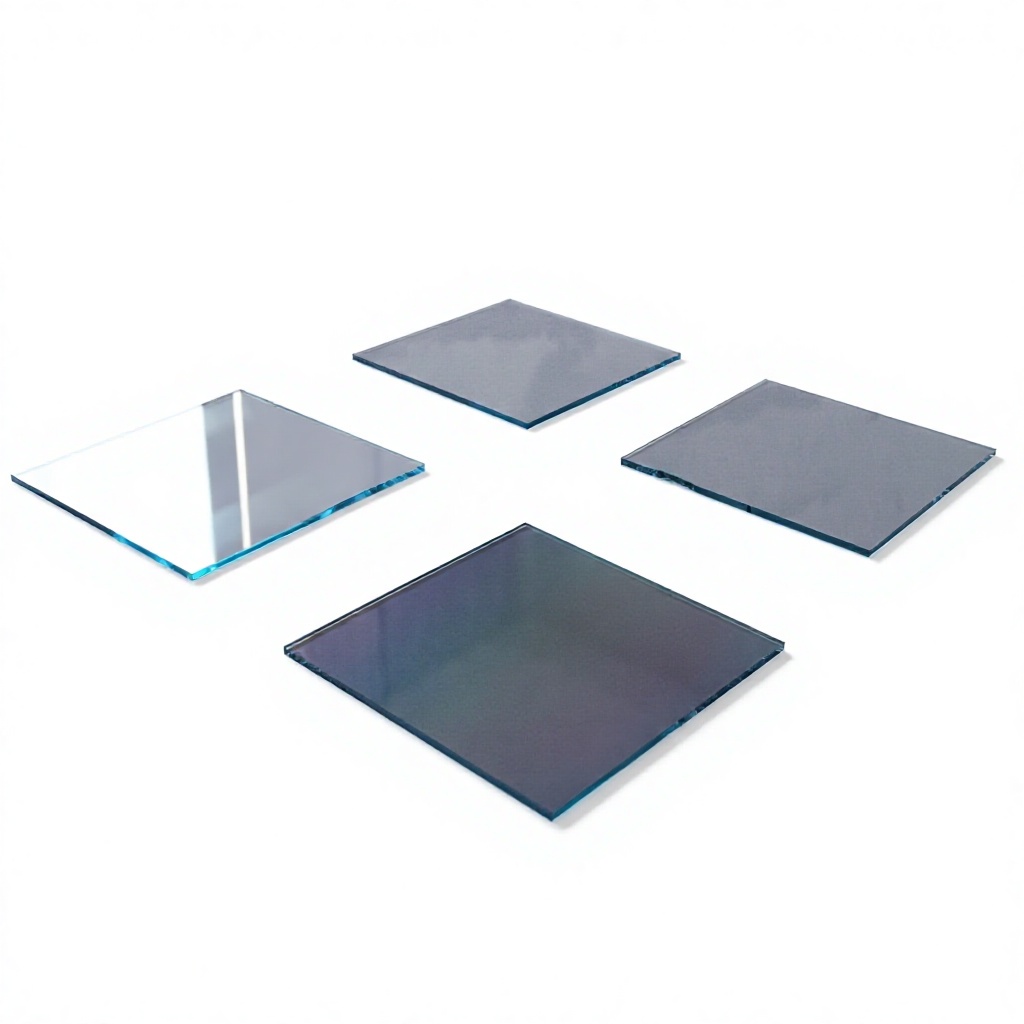
China glass panel sourcing is no longer a simple price comparison. The eight product routes below represent the practical buying map behind many RFQs: coated display glass, conductive glass, curved tempered panels, NFC switch glass, and gaming-grade glass / PTFE components. For each item, verify the substrate, coating stack, inspection standard and packing method — not only the quoted unit price.


Why a Factory-Direct China Glass Panel Supplier Wins on Total Cost
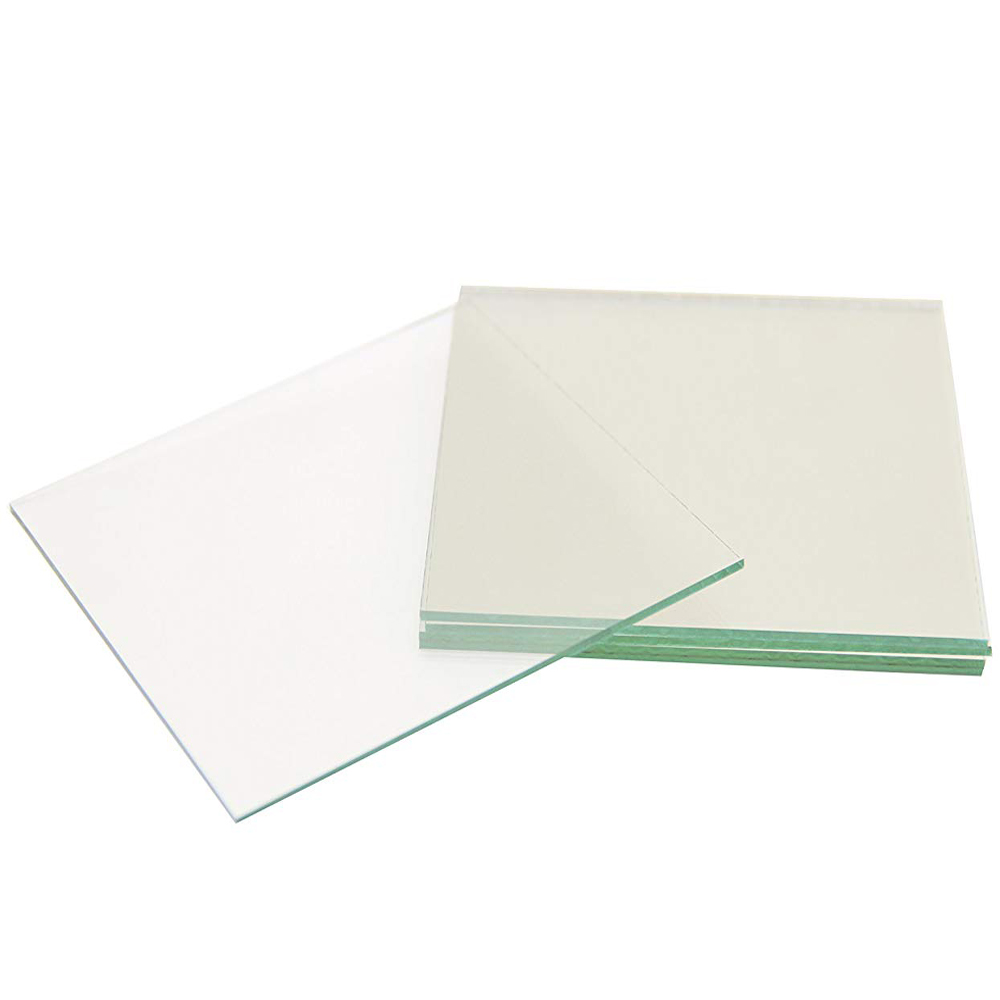
Factory-direct does not automatically mean the lowest initial quote. It means fewer hidden costs: one accountable process, engineering feedback before tooling, tighter sample-to-mass-production correlation, and packaging that prevents transit damage. For international buyers, the real cost of a glass panel is the sum of unit price, yield loss, rework, delay, inspection effort and damaged arrivals.
Huizhou KELO Glass Co., Ltd. is a factory-direct manufacturer in Huizhou, Guangdong, inside China’s Greater Bay Area electronics supply chain. Key production steps run in-house: cutting, CNC machining, edge polishing, silk-screen printing, flat and curved tempering, AR / AG / AF / ITO coating, 2.5D / 3D curved forming and 3M adhesive bonding. This integration is important because optical coating and curved forming are not commodity steps; they are process windows that can drift when outsourced.
Buyers gain more than price control. They gain a partner able to review drawings for manufacturability, recommend the right substrate and coating stack, provide samples from 1–2 pieces, and then scale to volume with the same process route. That is the information gain that separates a capable China glass panel factory from a catalogue-only trading supplier.
- 0.1–19 mm thickness range
- 2.5D / 3D curved glass capability
- Samples from 1–2 pieces
- 21–31 day typical lead time
- Europe, North America and South America experience
- Trade Assurance order protection

Glass Panel Procurement Trends Buyers Should Plan For
The next buying cycle will reward procurement teams that compare process evidence, not only quotations. These are the trends we see in serious OEM and distributor inquiries for China glass panel suppliers.
Specification-first RFQs
Buyers now send reflectance, transmittance, haze, contact angle, sheet resistance, warp, edge-chip limits and printing registration targets. “AR glass” or “tempered glass” alone is no longer a sufficient brief.
Evidence-based supplier validation
Verified assessment, factory video, trade history, credit profile and buyer reviews are being checked before the first sample order. Procurement teams want proof of process ownership, not just sales response speed.
Lower NPI friction
Shorter product development cycles demand fast prototypes, DFM comments and stable sample-to-volume transitions. Samples from 1–2 pieces help brands validate fit and optics before committing to tooling or volume forecasts.
Total landed cost and packaging
Custom honeycomb cartons, blister trays and partition packing are now part of the RFQ. A lower unit price is false economy if breakage, repacking or line stoppage erodes the landed cost.
Export Market Distribution
Current market coverage from the original KELO Glass company profile, useful for buyers checking regional experience.
Product Development Trends for Next-Generation Glass Panels
Glass panels are becoming multifunctional interface components. The winning design is not simply “glass plus coating”; it is an engineered stack that balances optics, touch feel, electrical function, strength, cosmetic print and assembly.
Multifunctional coating stacks
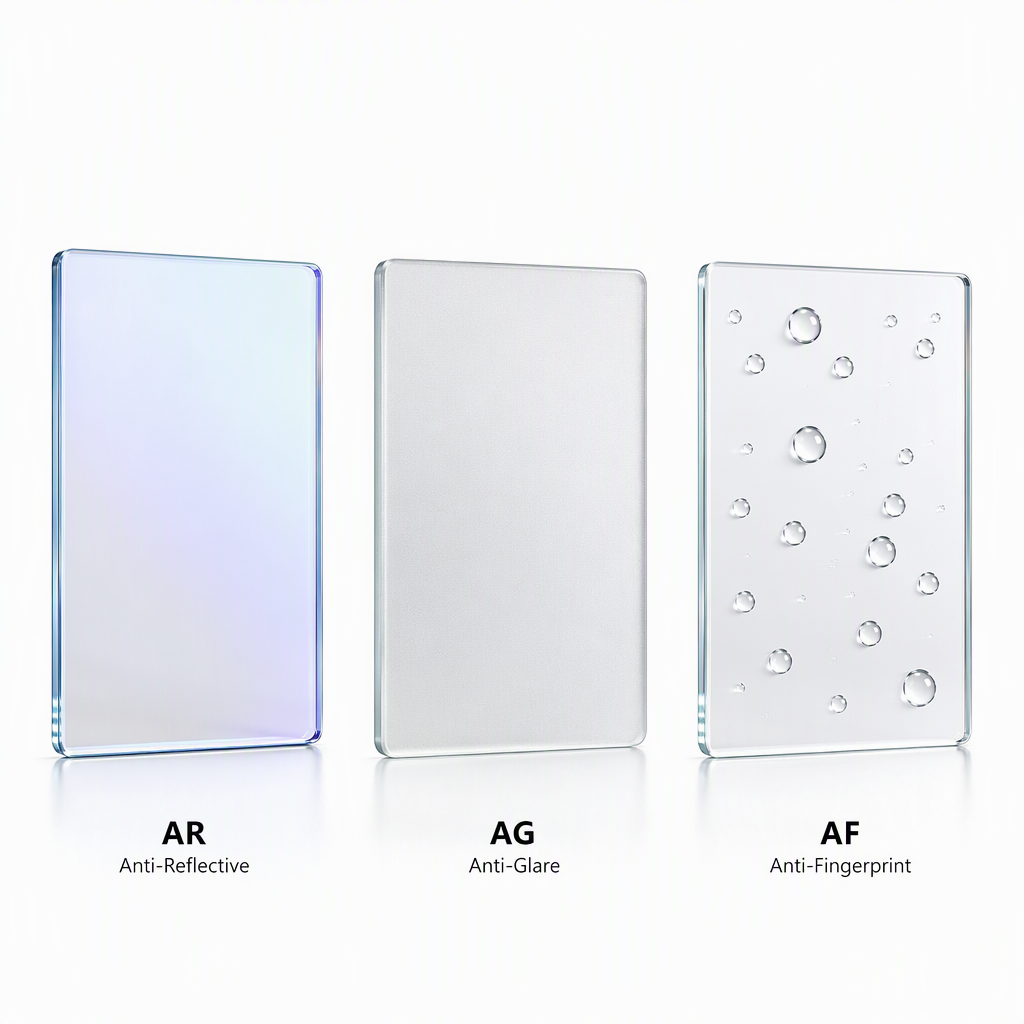
AR + AG + AF combinations are increasingly requested for automotive displays, outdoor kiosks and high-touch smart home panels. Buyers want one substrate to deliver low reflection, controlled haze and easy cleaning.
Conductive and thermal glass
ITO and FTO conductive glass support capacitive touch sensors, EMI shielding, anti-fog heating, lab displays and thin-film solar. FTO is often chosen when thermal and chemical stability are more important than touch-panel conductivity.
Curved and thin cover glass
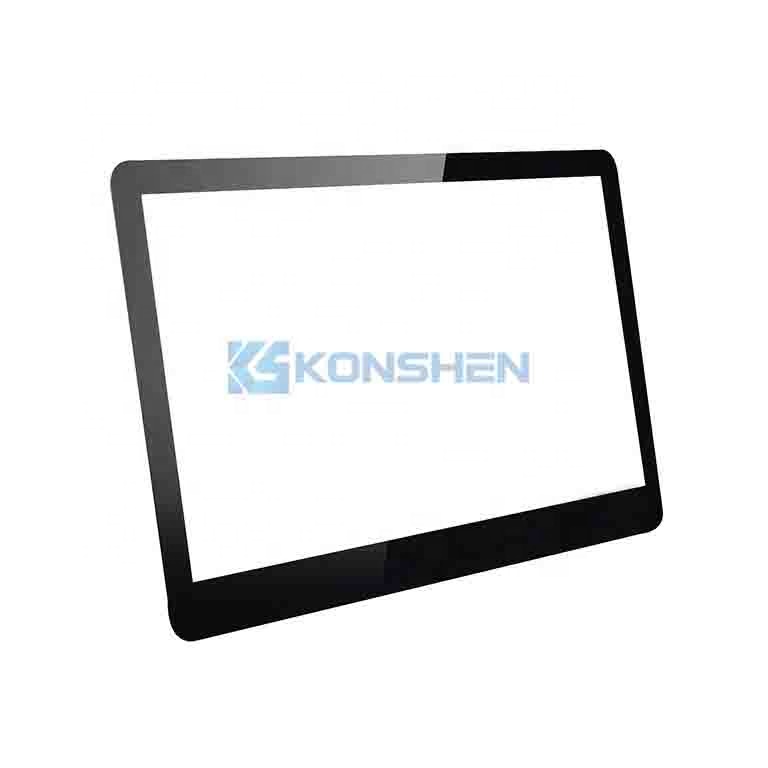
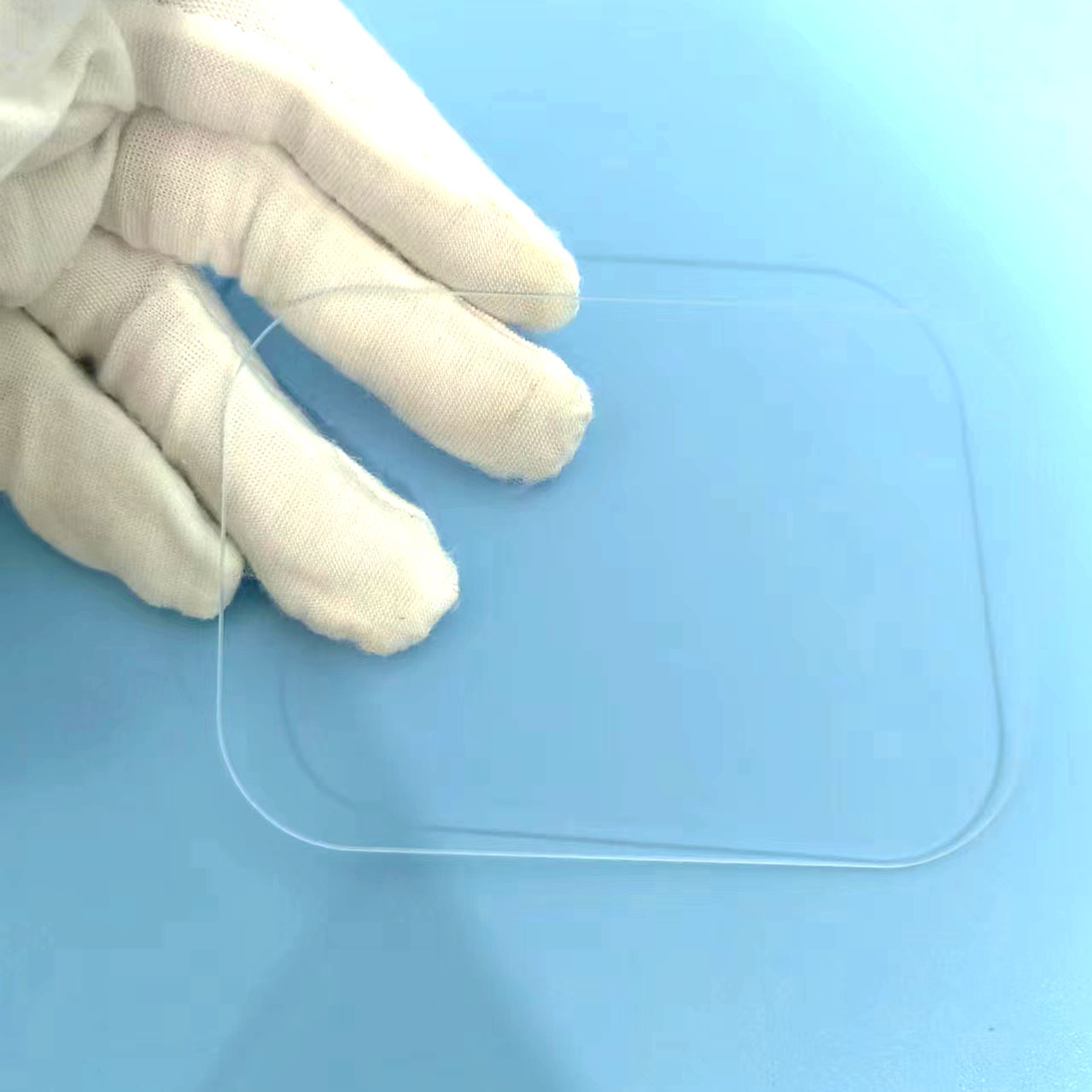
2.5D and 3D curved cover glass continues to move into automotive dashboards, smart home controls and appliance interfaces. Thin glass with edge polishing and chemical strengthening enables edge-to-edge industrial design.
Strengthened glass for harsh use
Chemical tempering and thermal tempering remain central for industrial HMI, medical devices, appliance panels and public terminals. Buyers should ask for strength, warp and edge-quality evidence, not only thickness.
Printed and integrated panels
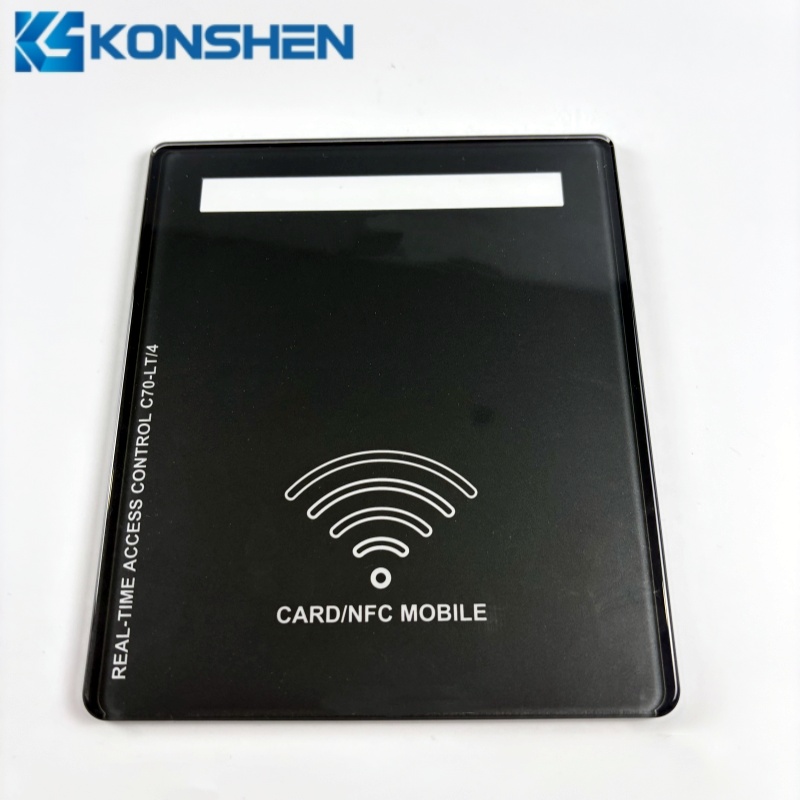
Silk-screen printing, laser engraving, NFC integration and waterproof structures turn glass from a protective cover into a functional control surface. This is especially relevant for switch panels, bathroom controls and access-card interfaces.
Tactile gaming surfaces
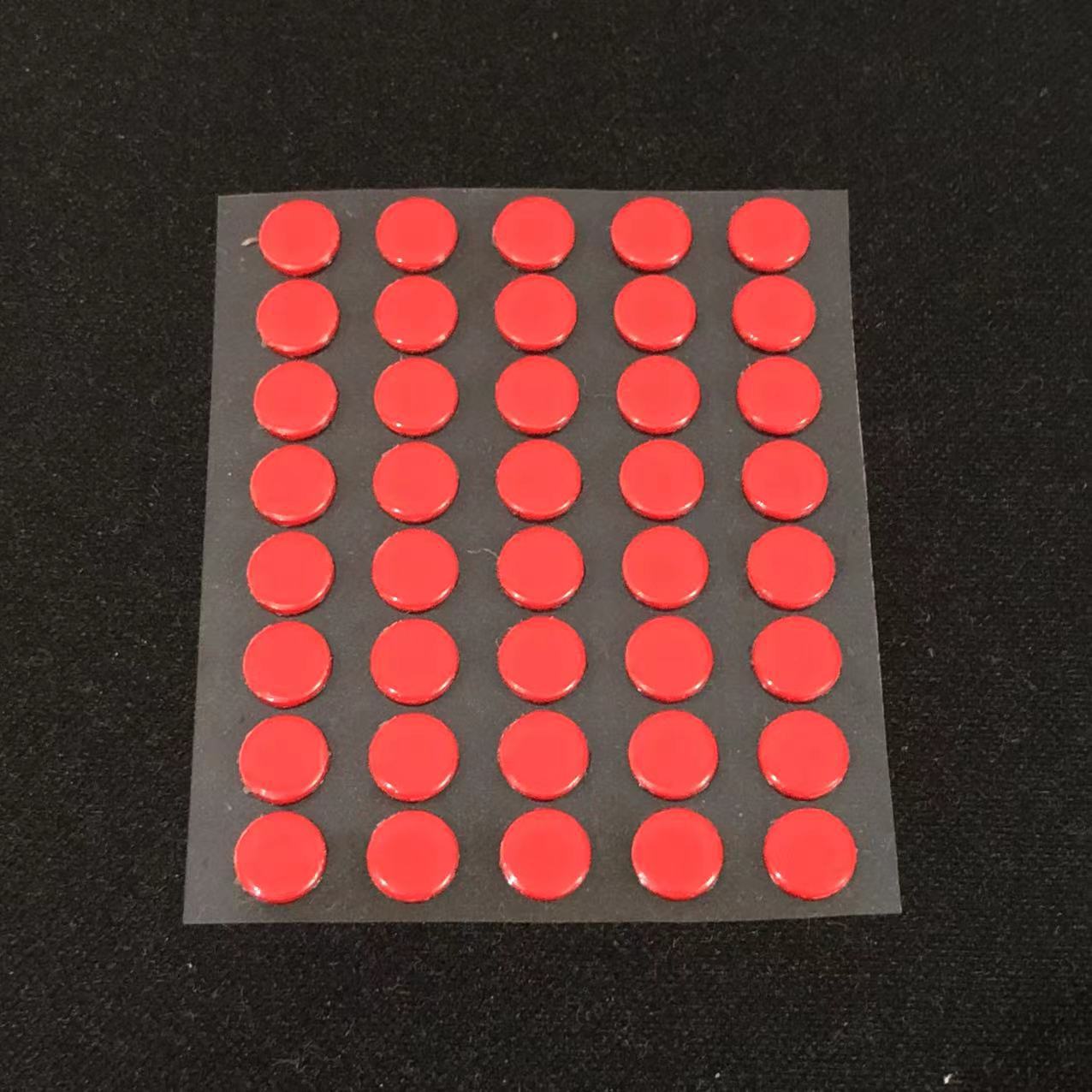
Glass mouse pads and PTFE skate feet are a niche but fast-moving category. Success depends on surface flatness, texture consistency, adhesive choice and wear-resistant glide rather than visual appearance alone.
Coating and Substrate Specification Matrix
Use this matrix to structure a clearer RFQ. The target values below reflect typical production capability from the original company information and should be confirmed against your final drawing during engineering review.
| Route | Key Performance | Best-fit Application | Evidence to Request |
|---|---|---|---|
| AR anti-reflectiveSingle or multi-layer | Reflectance <1.0% per side; transmittance >99% at 400–700 nm | Automotive touch displays, medical monitors, showcase windows | Reflectance curve, substrate thickness, coating stack, adhesion test, sample photo under controlled light |
| AG anti-glareControlled haze | Haze 5–60%; gloss 0.5–8 GU | Outdoor kiosks, industrial HMI, sunlight-readable screens | Haze and gloss measurements, durability test, visual comparison at angle |
| AF anti-fingerprintOleophobic top coat | Contact angle >110°; durability >10,000 cycles; pencil hardness >3H | Touch control panels, smart home glass, appliance interfaces | Abrasion test, chemical resistance, contact-angle data, cleaning instruction |
| ITO conductiveIndium tin oxide | Sheet resistance 1–20 Ω/sq; transmittance >85%; haze <2% | Capacitive touch sensors, displays, EMI shielding | Sheet-resistance map, etching tolerance, line-width capability, optical data |
| FTO conductiveFluorine-doped tin oxide | Sheet resistance 1–20 Ω/sq; transmittance >85%; haze <2% | Thin-film solar, high-temperature processes, anti-fog heating | Thermal stability data, sheet resistance after firing, substrate specification |
| Tempered / curvedFlat, 2.5D, 3D | Thickness 0.1–19 mm; silk-screen, holes, logo, edge polishing | Appliances, automotive dashboards, smart home control panels | Warp data, edge-chip standard, strength test, curved profile, 3M adhesive type |
| Gaming glass / PTFEMouse pads and skates | Custom size, print, texture and adhesive; wear-resistant glide | Gaming peripherals, resin pads, glass mouse pads | Glide test, surface flatness, adhesive specification, wear-cycle result |
E-E-A-T Evidence from Huizhou KELO Glass
Experience, expertise, authoritativeness and trust are not slogans in B2B glass sourcing. They are verifiable facts a buyer can check before releasing a sample order or mass-production PO.
Factory-direct identity
Huizhou KELO Glass Co., Ltd. is located in Gaotian Village, Zhenlong Town, Huiyang District, Huizhou, Guangdong, China. The company is positioned as a manufacturer, not a catalogue trader, with a verified assessment profile available for review.
Engineering depth
The original company profile lists 21–30 R&D engineers. This supports drawing review, DFM feedback, material selection and coating recommendation across Gorilla glass, borosilicate, quartz, sapphire, ceramic, lead shielding and laminated safety glass.
In-house process control
Cutting, CNC machining, drilling, edge polishing, laser engraving, silk-screen printing, sandblasting, flat and curved tempering, AR/AG/AF/ITO coating, 2.5D/3D forming and 3M adhesive bonding are controlled under one factory roof.
Three quality gates
IQC verifies incoming glass and consumables; IPQC checks dimensions, tempering and coating at each station; FQC/OQC applies 100% appearance inspection plus tempering, adhesion, abrasion and salt-spray testing.
Export and trade readiness
Experience serving Europe, North America and South America is supported by FOB, CFR, CIF, EXW and DDP terms; T/T, L/C, PayPal and Western Union payments; and Alibaba Trade Assurance protection for qualifying orders.
Capacity and responsiveness
The original profile lists a 10k–30k m² factory, 101–200 employees, 20–25M pcs/year touch cover glass capacity, US$50–100M annual output value, ≤1 hour typical response, 4.9/5 store rating and 98.18% reply rate.

China Glass Panel Sourcing FAQ
Direct answers to the questions procurement teams usually ask before a first sample order or supplier audit.
What is the minimum order quantity for custom cover glass?
What is the typical lead time for mass production?
What thickness, sizes and shapes can you produce?
What optical performance can your AR coating achieve?
Should I choose ITO or FTO conductive glass?
Which trade terms and payment methods do you accept?
How do you control quality before shipment?
Can you support OEM and ODM glass panel projects?
Request a Factory Review and Sample Proposal
Send your drawing, target optical or electrical performance, annual volume and destination market. The engineering team can review feasibility, recommend the substrate and coating stack, define the sample path, and quote with separated tooling, coating, printing and packaging costs.
Contact Us