China Top Home Appliance Glass Manufacturers & Factories
An evidence-led procurement guide for appliance brands, OEMs and distributors comparing tempered control panels, AF/AR/AG coated covers, ITO conductive display glass and custom silk-screen printed home appliance glass from China.
8 Home Appliance Glass Products to Shortlist Before Sending an RFQ
These eight production-ready product families reflect the real mix requested by appliance buyers: AF-coated kitchen electronics covers, ITO display covers, anti-fog conductive glass, custom tempered shields, high-temperature FTO substrates, silk-screen control panels and irregular-shaped wholesale panels. Each card keeps the original product URL so engineers can verify dimensions, coatings, printing and customization before quotation.
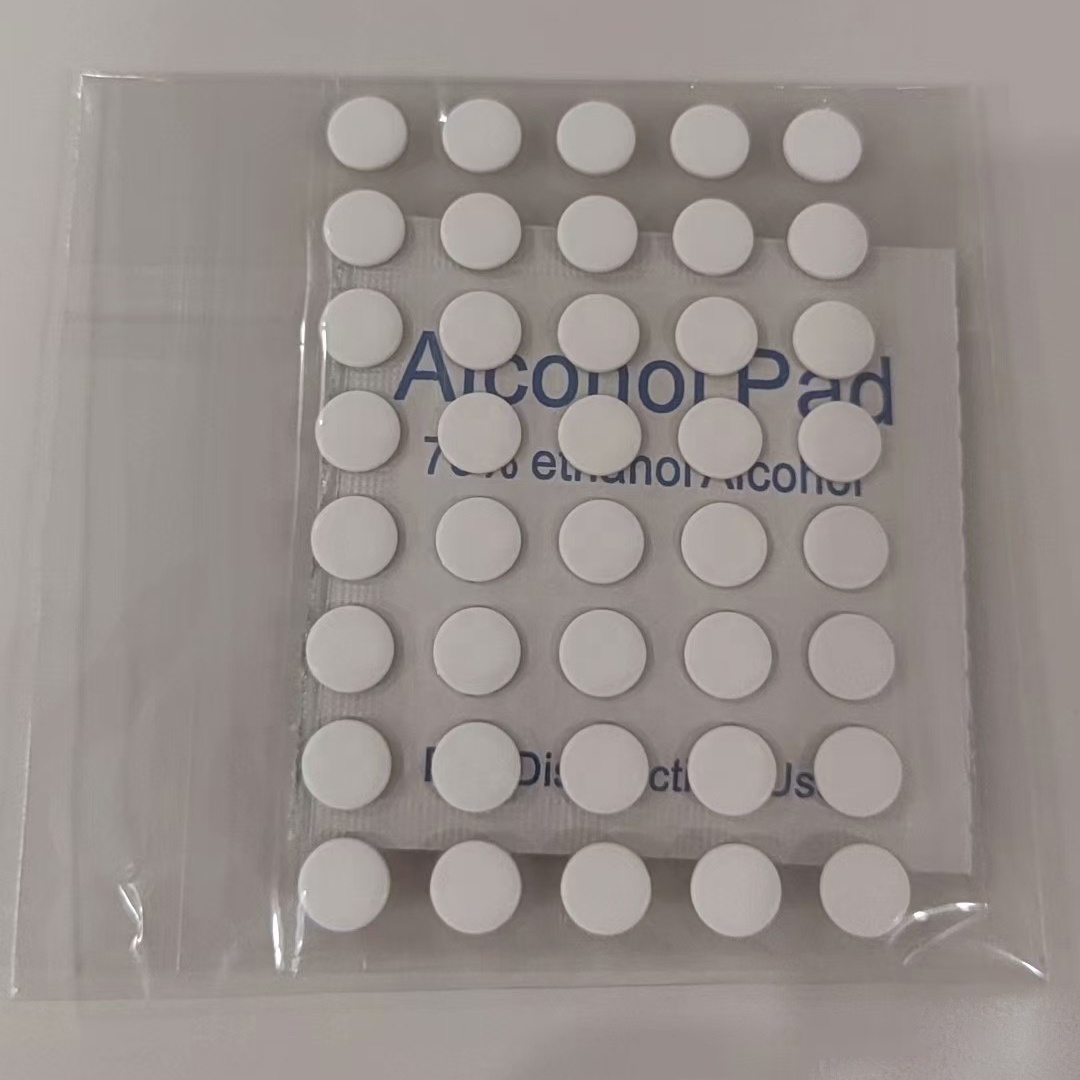
PTFE Round Gaming Mouse Glides Mouse Skate Dots
Low-friction PTFE glide dots for gaming mice and precision peripherals. Suitable for custom skate shapes, smooth tracking and repeat wholesale production.
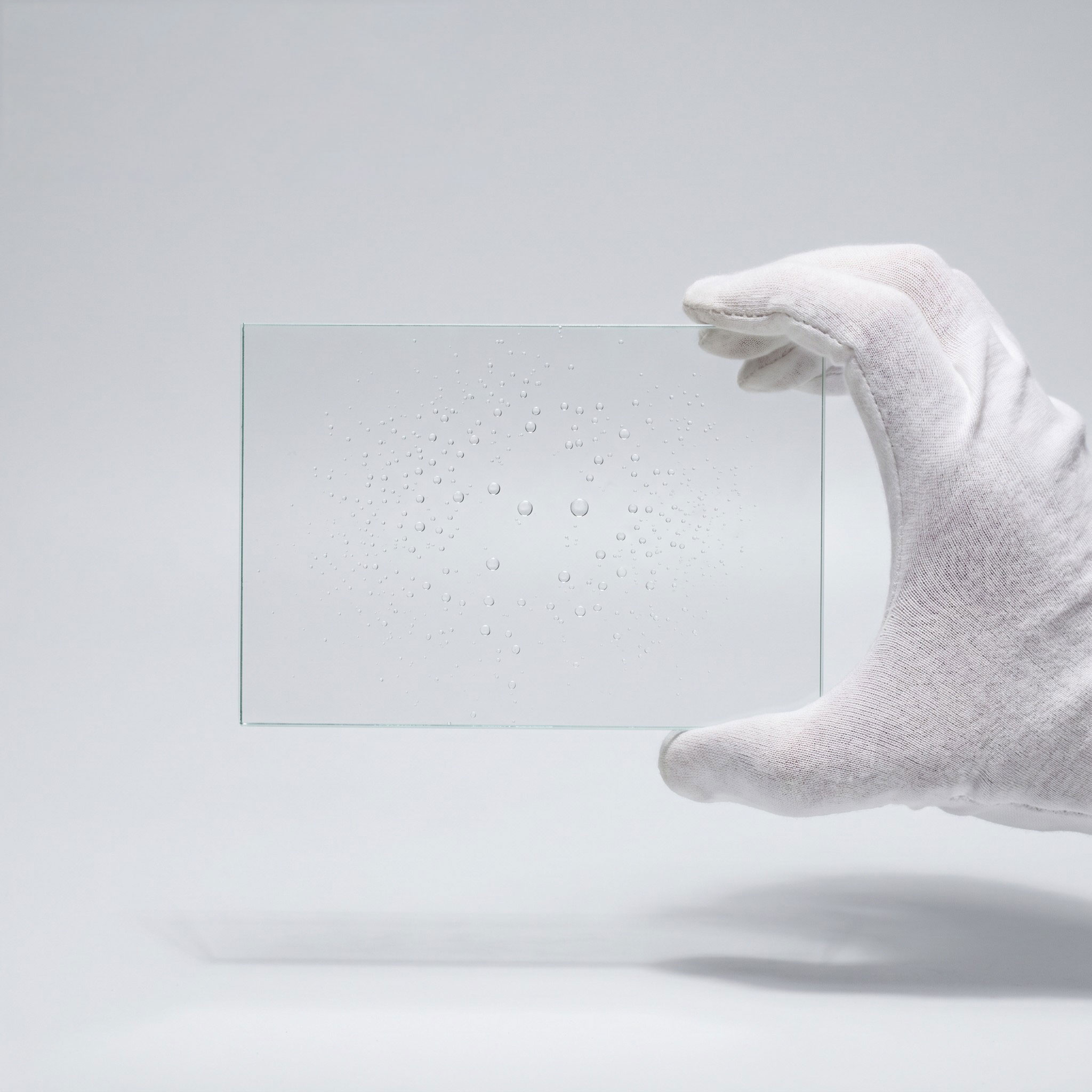
KS AF001 High Transmittance AF Coated 1.1mm/2mm CNC Cut Custom Shape Toughened Glass Panel for Kitchen Electronic Device Covers
High-transmittance AF-coated toughened glass for kitchen electronics. CNC-cut to custom shapes with fingerprint resistance and easy-clean performance.
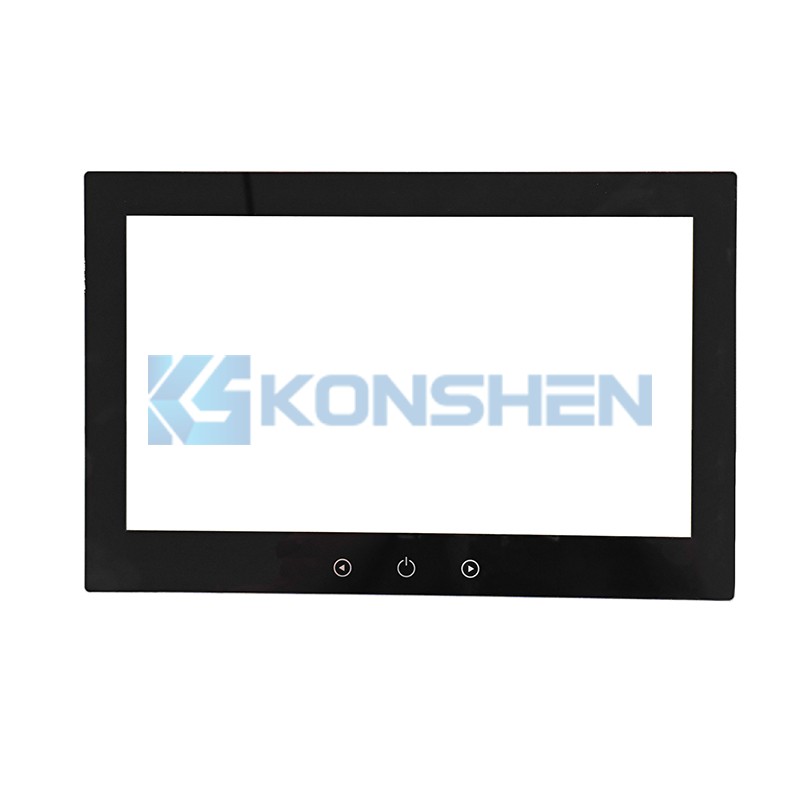
Electronic ITO Conductive Tempered Glass Custom Black Framed 1mm-4mm Thickness Display Cover for Industrial Monitor
ITO conductive tempered glass with custom black frame for industrial monitors and interactive display covers. Supports touch sensing and EMI shielding.
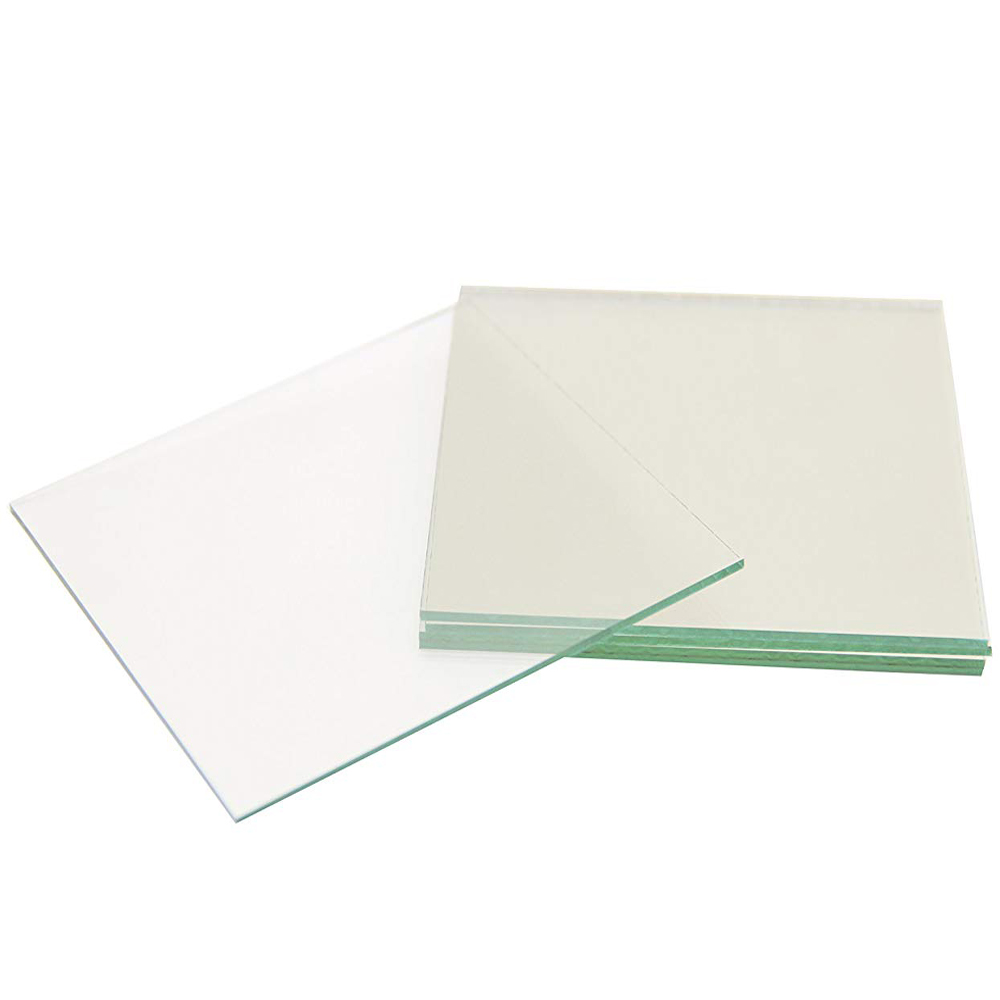
Custom 25x25x1.1mm ITO/FTO Coated Toughened Glass for LAB Display Anti-Fog Heating Conductive Glass Bathroom Solar Applications
Small-format conductive glass for lab displays, anti-fog heating, bathroom mirrors and solar applications. Toughened substrate with ITO or FTO coating.
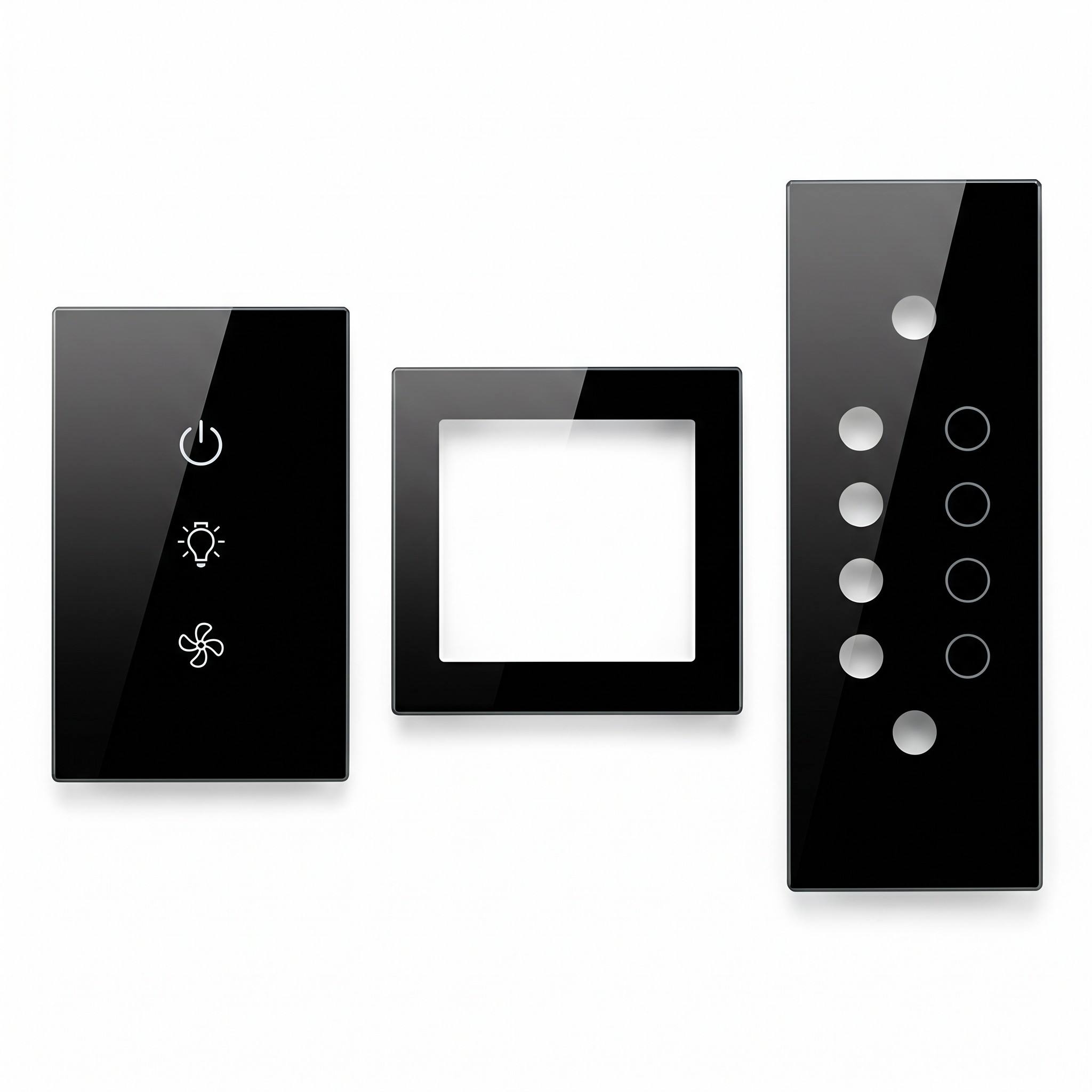
Tempered Glass Front Shield Cover Panel Custom Size Electronic Display Protection Sheet for Smart Device Konshen KS GB002
Custom-size tempered display protection panel for smart devices. Supports edge treatment, printing, adhesive bonding and front-shield assembly.
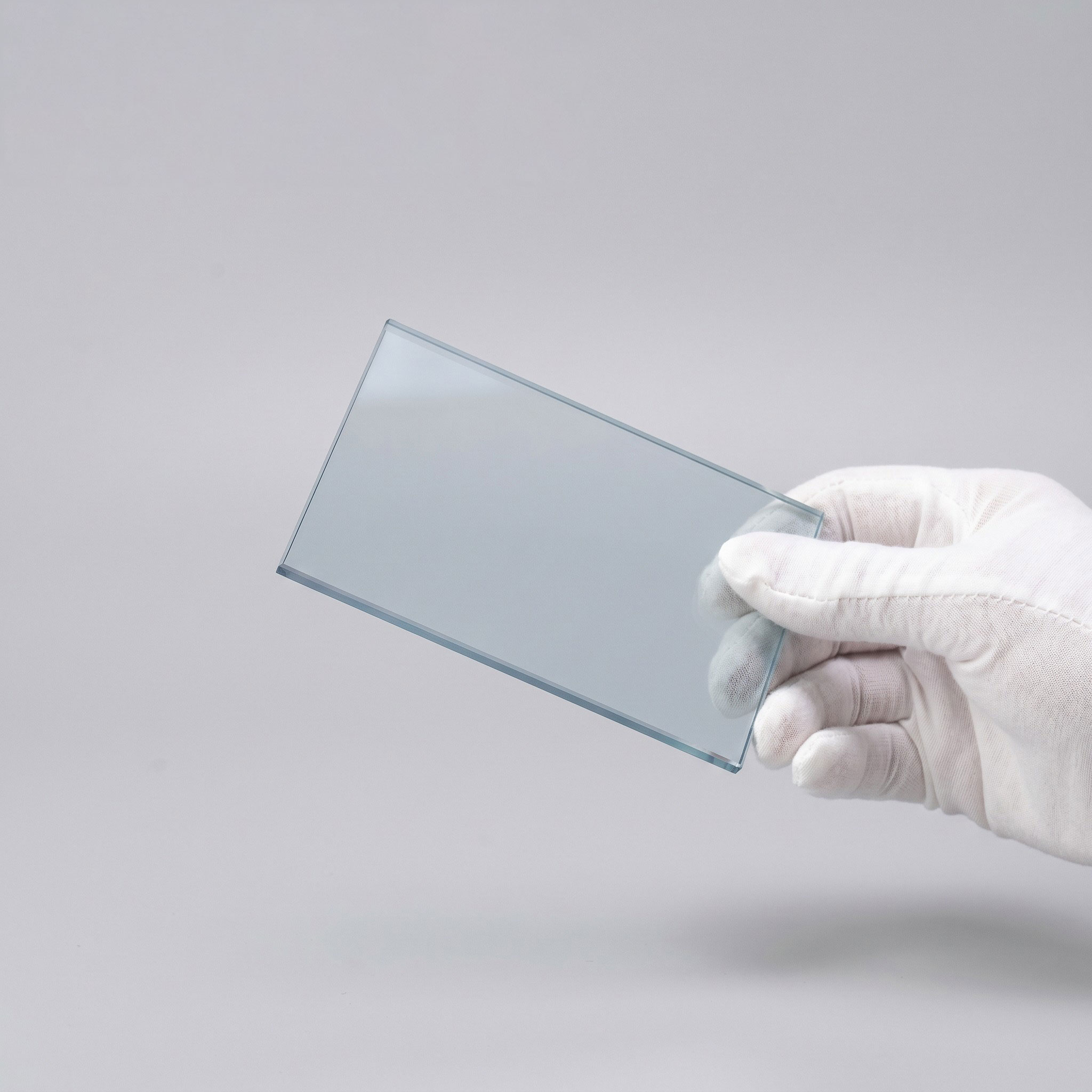
High Temperature Resistance Fluorine Doped Tin Oxide FTO Conductive Glass Solar Cell Substrate DSSC Perovskite Lab Research
High-temperature-resistant FTO glass for DSSC, perovskite and thin-film solar research. Stable conductivity for demanding laboratory processes.

Custom Silk Screen Printed Tempered Glass Electronic Control Panel Cover for Smart Appliances
Decorated tempered glass control panel cover for smart appliances. Combines display protection, silk-screen graphics and premium touch-surface aesthetics.
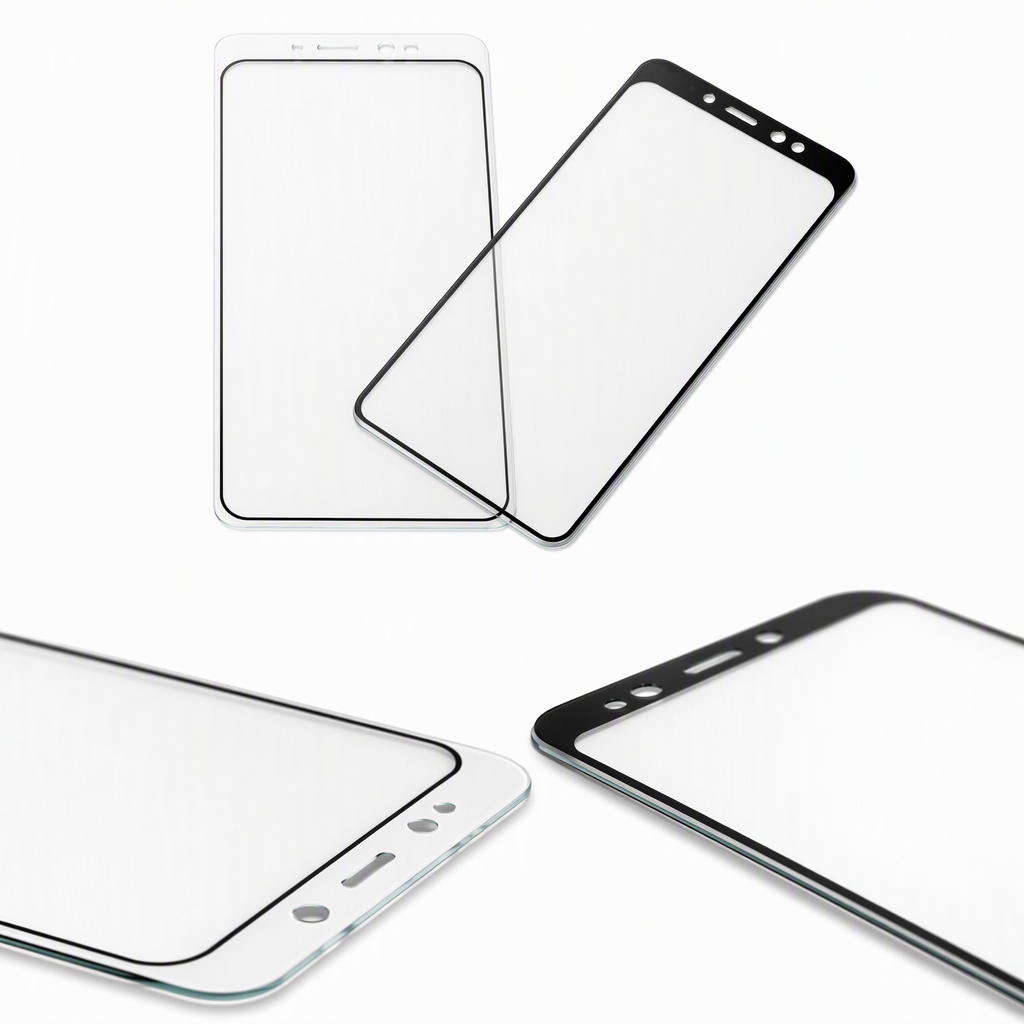
Toughened Glass Panel No Coating CNC Hole Drilling Irregular Shape Silk Screen Printed Custom Size Wholesale Supplier
Uncoated toughened glass with CNC holes, irregular shapes, silk-screen printing and custom sizes. Designed for wholesale appliance and electronics projects.
Need a coated, printed or curved panel outside this shortlist?
Send a drawing, target thickness, coating stack, annual volume and destination country. Ask for an engineering review before sample cost is quoted.
What Makes a China Home Appliance Glass Factory Worth Shortlisting?
Home appliance glass is a performance component hidden inside a visual product. A refrigerator touch panel, oven fascia, washing machine interface, air fryer lens or coffee-machine cover must survive steam, grease, detergents, repeated touch, thermal cycling and export packaging.
The best China factories combine optical coating, CNC forming, silk-screen decoration, tempering and quality documentation under one roof. That process depth matters because a defect on a printed control panel rarely has one obvious cause. It may come from glass flatness, ink adhesion, tempering stress, coating contamination, edge chipping or final packing. If each step is subcontracted, root-cause analysis becomes slow and responsibility becomes unclear.
Buyers searching for China top home appliance glass manufacturers & factories should therefore screen capability before comparing unit price. Ask whether cutting, water-jet cutting, CNC drilling, edge polishing, laser engraving, silk-screen printing, sandblasting, flat and curved tempering, AR/AG/AF/ITO coating, 2.5D/3D forming and 3M adhesive bonding are controlled in-house. Then validate the factory with sample measurements, inspection records and references.
Use these figures as screening data, not as a purchase decision.
A serious RFQ should test process ownership, coating repeatability, inspection evidence and engineering communication. The right supplier will explain which specification drives cost and which tolerance needs a different forming route.
The Procurement Trends Reshaping Appliance Glass Sourcing
Procurement teams are moving from catalogue shopping and price comparison to risk-based validation. The buying question is no longer only “Who can cut glass cheapest?” but “Who can prove repeatable optical, mechanical and decorative performance after volume ramp-up?”
Verification Before Quotation
Buyers now request factory video, verified assessment, trade history, production photos and product-specific inspection reports before releasing a drawing. A low quotation from a trading company often becomes expensive when yield loss, rework and transit damage appear later.
Small-Batch Validation and Faster Cycles
Sample orders from 1–2 pieces are used to validate fit, optics and coating before tooling. After sample approval, 21–31 days is a realistic mass-production window for custom cover glass. Urgent projects should confirm capacity at RFQ stage, not after the purchase order is issued.
Coatings Specified by Test Method
AF is no longer described only as “anti-fingerprint.” Buyers specify contact angle above 110°, pencil hardness above 3H and more than 10,000 abrasion cycles. AG is defined by haze 5–60% and gloss 0.5–8 GU. AR is defined by reflectance below 1.0% per side and transmittance above 99% across 400–700 nm.
Total Landed Cost and Packaging
Packing is part of cost. Honeycomb cartons, blister trays and partition packing reduce edge chips, coating scratches and line-side scrap. For high-value printed glass, moisture protection and custom carton design should be evaluated together with freight terms.
Traceability and Compliance Files
Procurement teams ask for batch traceability, incoming and final inspection records, adhesive and abrasion test results, salt-spray reports and material declarations aligned with RoHS and REACH requirements. Documentation is a buying criterion, not an after-sales task.
Single-Process Accountability
One factory that controls cutting, CNC, edge polishing, printing, tempering, coating and bonding shortens problem-solving loops. When a defect appears, root cause can be isolated without debate among multiple subcontractors.
What Appliance Brands Will Buy Next
Appliance design is moving toward flat, seamless, graphical control surfaces. Glass is no longer only a protective lens; it is the visible interface that carries brand perception, touch response, lighting, anti-glare performance and cleanability.
Decorative glass becomes the UI
Silk-screen printing, matte ink, gradient color and subtle texture turn glass into a design element. The factory must print, temper and coat without damaging registration or color consistency.
Touch functions move into the glass
ITO conductive glass, capacitive sensor integration and anti-fog heating are being combined on one substrate. In kitchen, bathroom and humid environments, anti-fog and heater layers are becoming practical requirements.
2.5D / 3D and thin strengthened formats
Curved and edge-polished cover glass supports premium appliances, seamless control panels and automotive-like dashboards. Chemically strengthened or tempered glass balances thinness with impact resistance.
Multi-function coatings and sustainable materials
AR+AG, AG+AF and high-temperature FTO stacks extend across appliances, solar and lab equipment. Low-VOC inks, durable AF top coats and recyclable packaging are becoming part of the next purchasing scorecard.
Specification Benchmarks Buyers Can Put Directly into an RFQ
Use these production windows to challenge quotations and align sample approval with mass production. Final values should still be confirmed against your drawing, application environment and cosmetic acceptance standard.
| Application Need | Factory Capability Window | Why It Matters |
|---|---|---|
| Thickness & shape | 0.1–19 mm; CNC drilling, holes, irregular shapes, 2.5D/3D forming, 3M adhesive bonding | Reduces assembly mismatch and tooling risk for appliance front panels. |
| AR anti-reflective | Reflectance below 1.0% per side; transmittance above 99% at 400–700 nm | Improves display contrast in bright kitchens, showrooms and outdoor environments. |
| AG anti-glare | Controllable haze 5–60%; gloss 0.5–8 GU | Diffuses reflections on high-gloss control panels and outdoor touch interfaces. |
| AF anti-fingerprint | Contact angle above 110°; pencil hardness above 3H; more than 10,000 abrasion cycles | Keeps high-touch appliance panels clear, smooth and easier to clean. |
| ITO / FTO conductive | Sheet resistance 1–20 Ω/sq; transmittance above 85%; haze below 2% | Supports touch sensing, anti-fog heating, thin-film solar and EMI shielding. |
| Decoration & integration | Silk-screen printing, black frames, logos, 3M adhesive, 2.5D/3D curved forming | Enables drop-in assembly and brand-consistent appearance. |
Inside a Factory You Can Audit: KELO Glass Capability
Huizhou KELO Glass Co., Ltd. is a factory-direct manufacturer in Huizhou, Guangdong, inside China’s Greater Bay Area electronics supply chain. The company focuses on touch screen cover glass, display cover glass and optical coated glass, with surface treatment as its core technology.
Vertical Integration
Cutting, water-jet cutting, CNC machining, edge polishing, laser engraving, silk-screen printing, sandblasting, flat and curved tempering, AR/AG/AF/ITO coating, 2.5D/3D forming and adhesive bonding are controlled under one roof.
Engineering Involvement
21–30 R&D engineers support drawing review, DFM feedback, rapid prototyping and sample validation. Samples can start from 1–2 pieces, which helps brand owners confirm fit, optics and coating before volume commitment.
Quality Inspection Gates
Incoming, in-process and final inspection are combined with 100% appearance checking, tempering verification, coating adhesion and abrasion tests, salt-spray testing and custom honeycomb/blister packaging.
Export Reliability
6 years as a verified exporter, 4.9/5 store rating, 98.18% response rate, typical response within one hour and Trade Assurance support. Export experience covers Europe, North America and South America.
KELO’s public factory data includes a 10,000–30,000 m² production area, 20–25 million pieces per year of touch cover glass capacity, 101–200 employees, 21–30 R&D engineers and US$50–100 million annual output value. Mass production is typically 21–31 days after sample approval, depending on size, coating stack, curved forming and printing complexity.
Trade terms include FOB, CFR, CIF, EXW and DDP. Payment methods include T/T, L/C, PayPal and Western Union, and orders placed through Alibaba.com can be protected by Trade Assurance. Specialty materials processed include Gorilla glass, borosilicate glass, quartz glass, sapphire glass, ceramic glass, lead shielding glass and laminated safety glass.
 Factory-direct production base in Huizhou, Guangdong.
 In-house glass processing and surface treatment lines.
 Finished cover glass inspection before protective packing.
Quality Gates and Data Buyers Should Verify
Quality is built into the process, not inspected in at the end. For home appliance glass, the most useful supplier is the one that can show where a check happens, what records are kept and how a non-conformance is closed.
Incoming Inspection
Raw glass and consumables are verified before production: thickness, flatness, surface defects, ink and coating material checks. This protects downstream printing and coating yields.
In-Process Control
Critical dimensions, hole positions, tempering and strength, coating adhesion and abrasion are checked at each production station. Early detection prevents a full batch from drifting out of tolerance.
Final Inspection
Finished pieces receive 100% appearance inspection, reliability checks where required, salt-spray testing and damage-resistant packing using honeycomb cartons, blister trays or partitions.
A practical RFQ scorecard for comparing China factories
Price is one column, not the whole sheet. The weighting below reflects how many appliance buyers compare suppliers when the part is visible, touched daily and shipped internationally.
Use the model to test whether a supplier can discuss coating repeatability, inspection evidence, lead-time risk, low-MOQ sampling and packaging protection without hiding behind a generic catalogue.
Home Appliance Glass Procurement FAQ
Straight answers to the questions procurement teams usually ask before a first sample order, factory audit or volume quotation.
What is the minimum order quantity for custom home appliance glass?
What is the typical lead time for mass production?
Which coatings should be specified for kitchen and bathroom appliances?
Can one glass panel combine touch, display and decoration?
Should I choose ITO or FTO conductive glass?
What thickness, sizes and shapes can a China factory produce?
What trade terms and payment methods are common?
How do I verify a supplier is a real manufacturer rather than a trader?
Ready to Shortlist a China Home Appliance Glass Manufacturer?
Send your drawing, target thickness, glass material, coating stack, printing artwork, annual volume and destination country. The engineering review should confirm feasibility, tolerance, sample cost, lead time and packaging before quotation. Use the inquiry button below to start a live conversation.
Huizhou KELO Glass Co., Ltd. · Gaotian Village, Zhenlong Town, Huiyang District, Huizhou, Guangdong, China · info@keloglass.com