8 OLED Glass Products Recommended for Display, Touch and Solar Programmes
These products reflect the most common OEM requests we receive for OLED display windows, coated cover glass, touch-control panels and conductive substrates. Every item can be quoted from a drawing, approved sample or optical target.
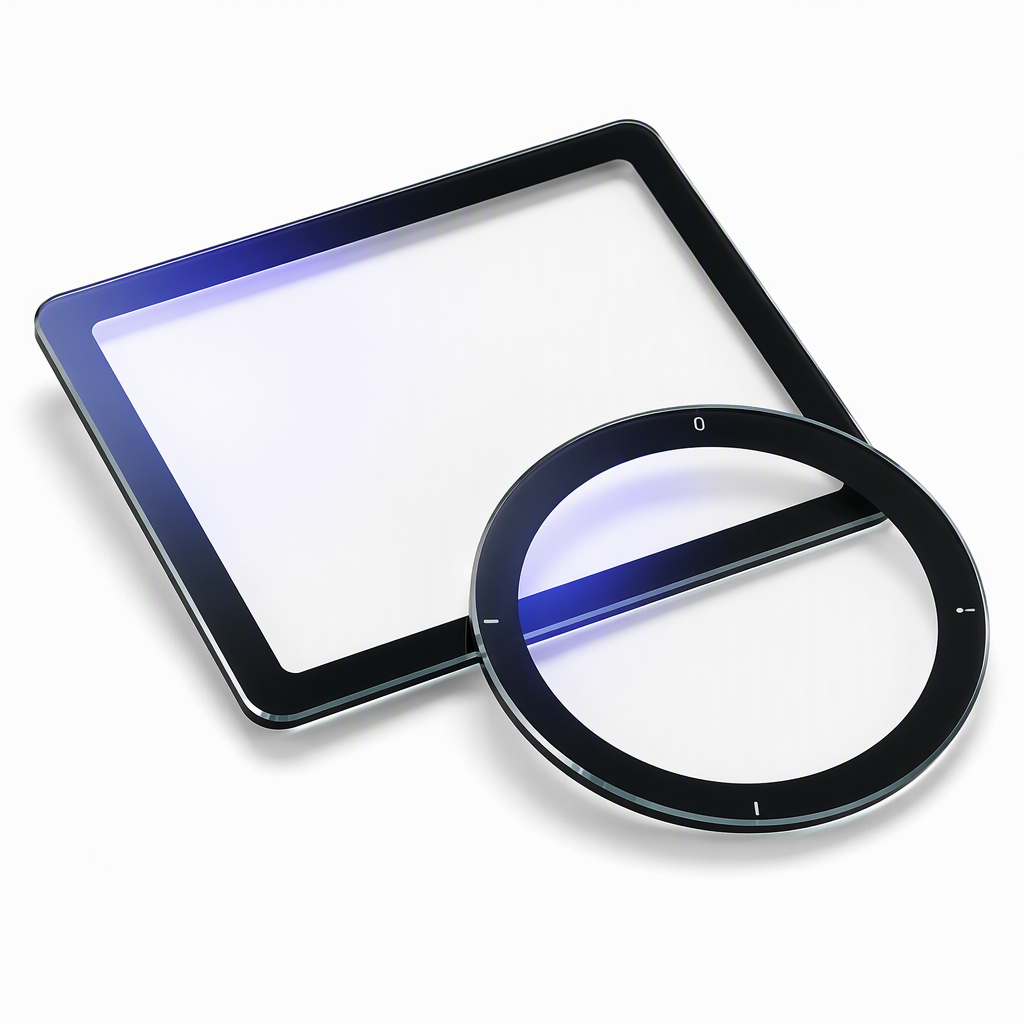
Custom Low-Iron AR-Coated Tempered Display Cover Glass
Low-iron tempered cover glass with anti-reflective coating for OLED display windows, touch modules and custom-size cover lenses.
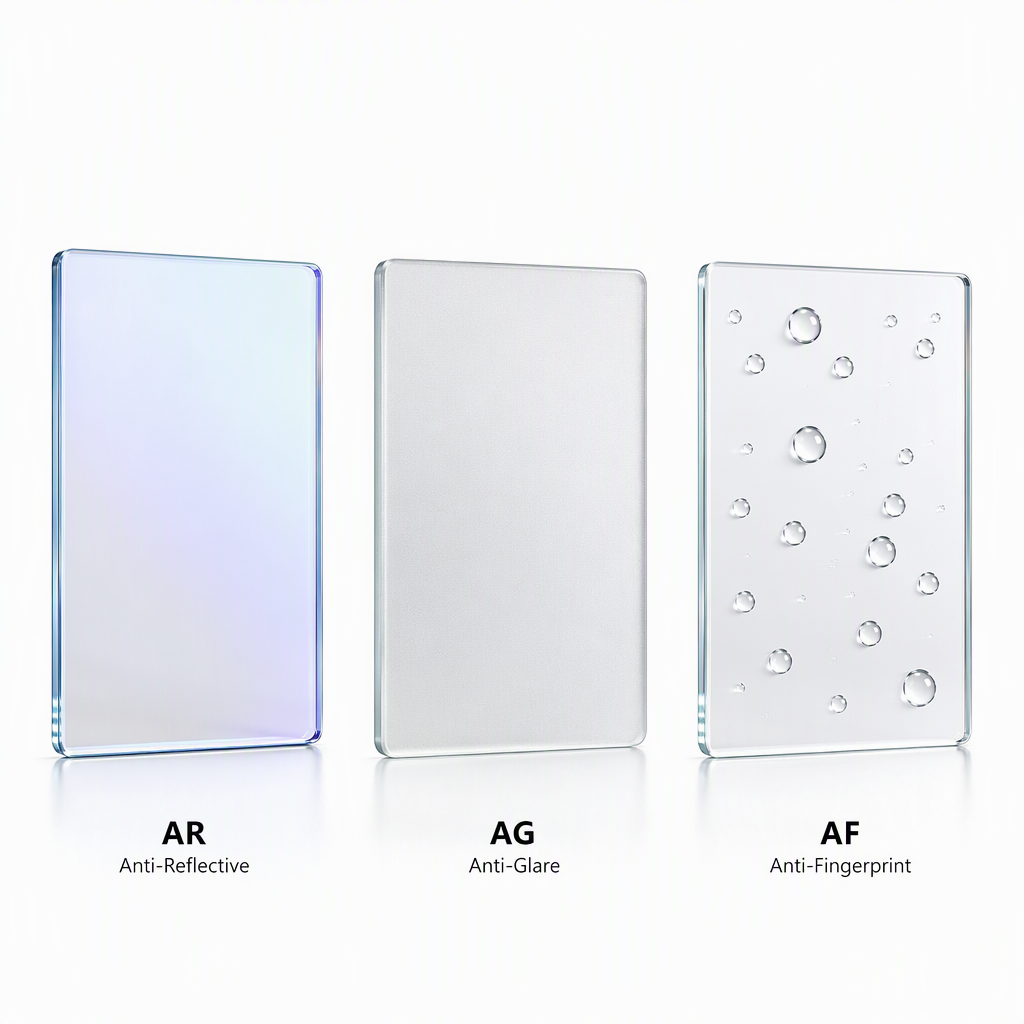
AR AG AF Coated Glass Anti-Reflective Coating Service
OEM optical coating service with 92% transmission, anti-glare control and optional anti-fingerprint top layer for display front panels.
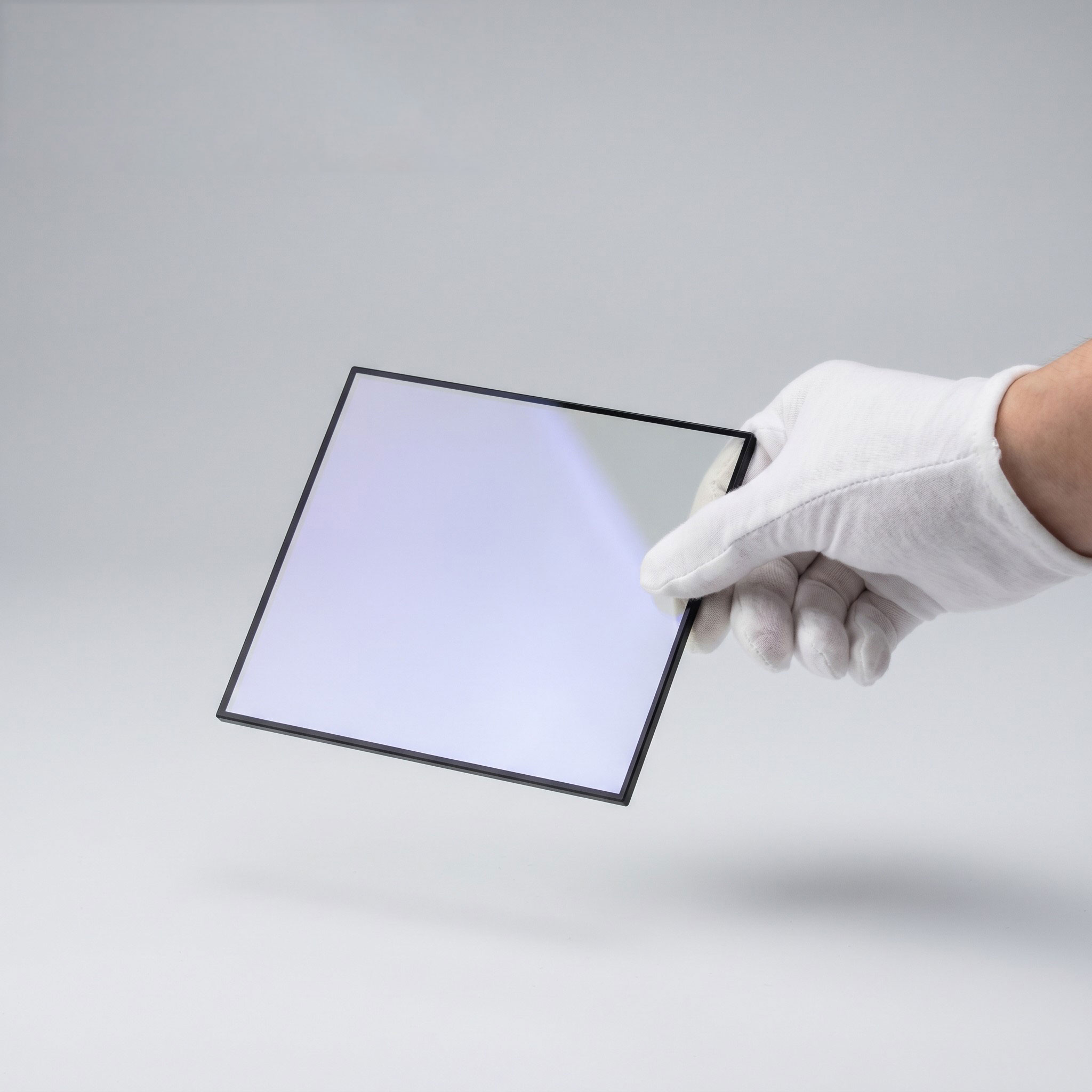
High Transmittance 98% Anti-Reflective AR Glass
Low-reflectance coated glass for museum showcases, luxury picture frames and display windows where colour neutrality and clarity are critical.
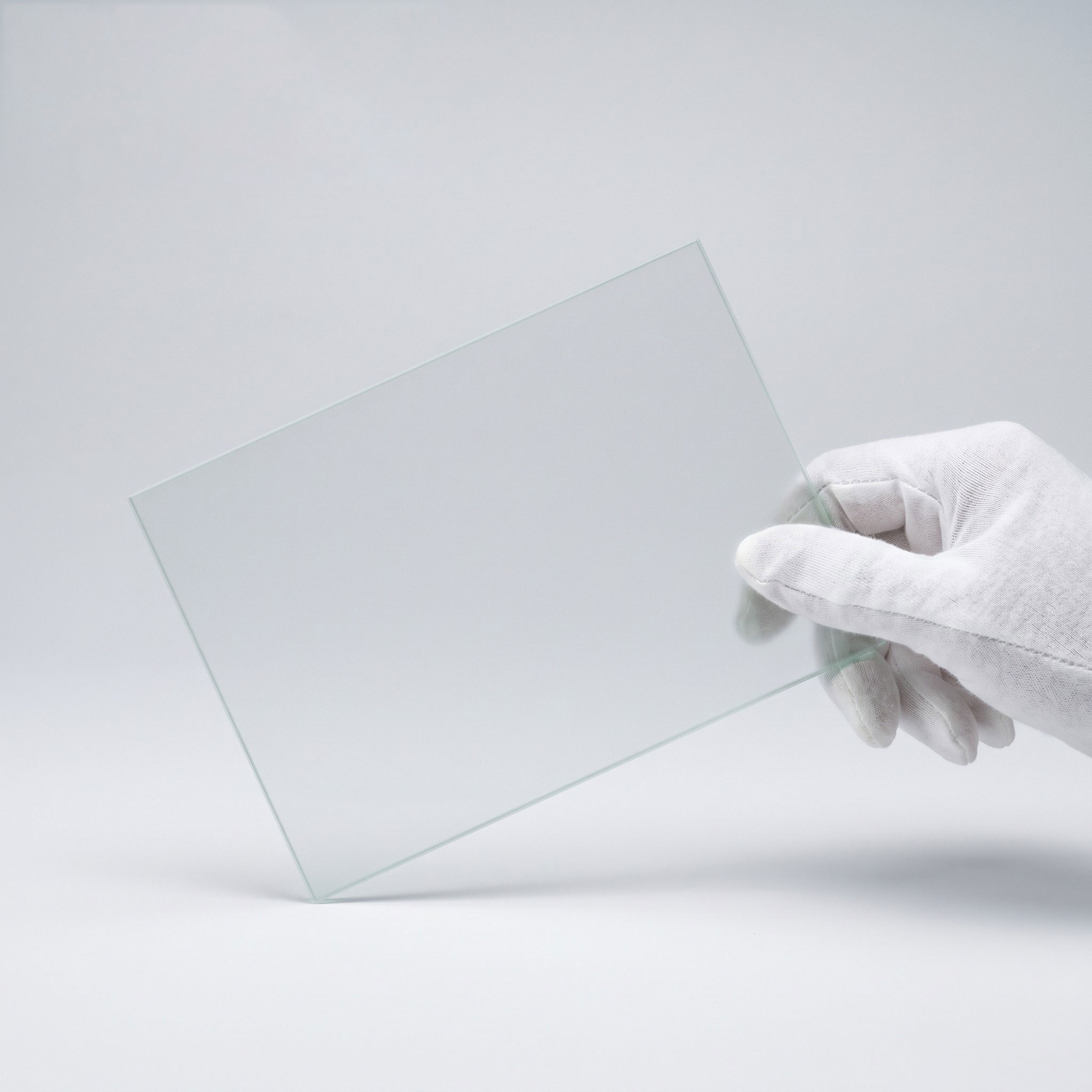
KS AG002 Anti-Glare Tempered Glass Panel
Custom-size AG-coated tempered panel with high transmittance for electronic display screens exposed to strong ambient light.
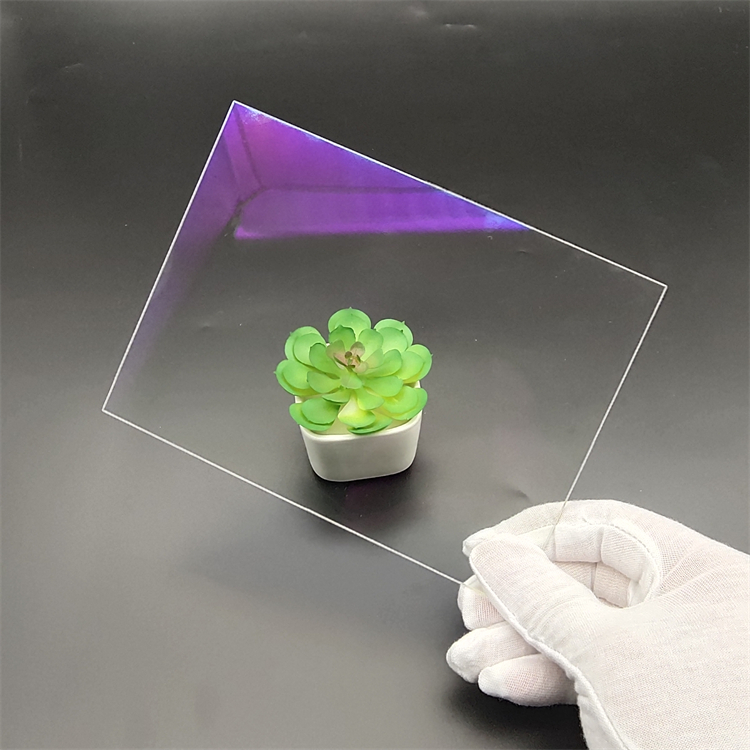
2mm Ultra-Clear Double-Side AR Tempered Glass
Both-side anti-reflective tempered glass for display screens, solar and lighting applications that require a solid structure and low reflection.

Waterproof Anti-Reflective Curved Tempered Glass Panel
Curved AR-coated tempered glass for bathroom interfaces and instrument display decoration, combining formability with easy-clean optical performance.
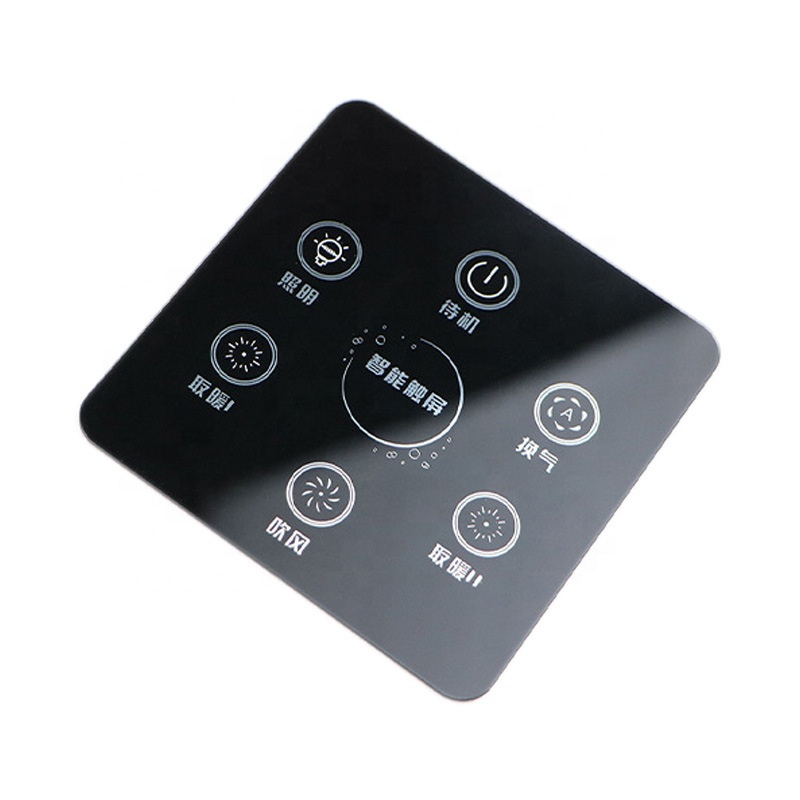
Intelligent Touch Shower Control Switch Glass Panel
Solid and hollow tempered glass panel with silk-screen printing for bathroom touch controls, supplied with a 4-year warranty option.
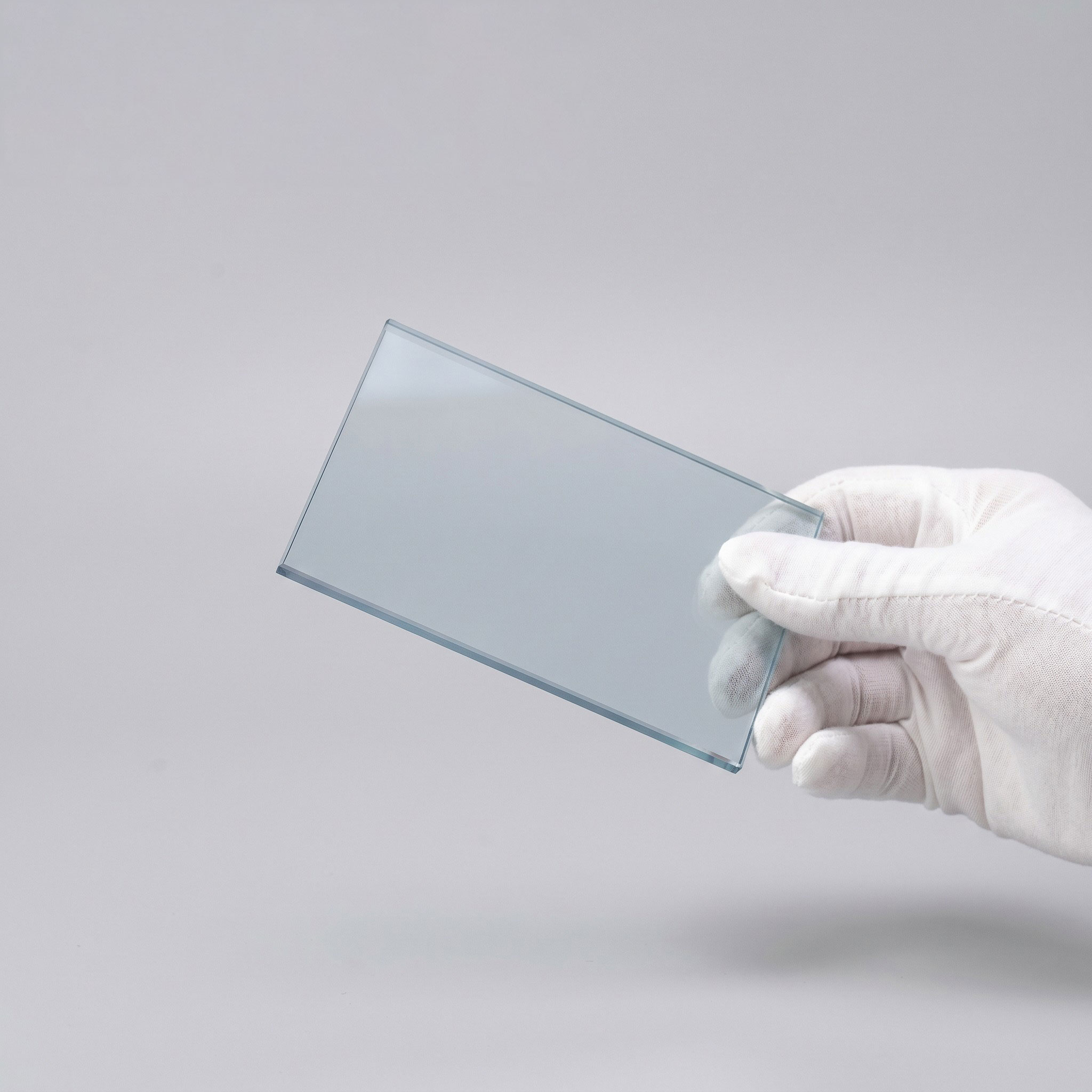
High-Temperature FTO Conductive Glass for Solar Cells
Fluorine-doped tin oxide glass for DSSC, perovskite research and thin-film solar processes requiring thermal and chemical stability.
The New Economics of OLED Glass Sourcing
“OLED glass” is not a single SKU. In a finished OLED device, glass may be a protective cover lens, an anti-reflective display window, an anti-glare front panel, a chemically strengthened 2.5D or 3D cover, or a transparent conductive substrate. Procurement teams that send only a thickness and a logo file to five suppliers often receive five non-comparable quotations. A stronger RFQ defines the user experience: reflectance, transmission, haze, contact angle, sheet resistance, impact standard, edge finish, printing tolerance, adhesive, packing and annual volume.
China remains a high-velocity source for OLED glass because the country combines display demand, coating capacity, CNC and tempering know-how, and a dense electronics supply chain. Yet not every wholesaler is a factory. A reliable China top OLED glass factory should demonstrate process ownership, measured optical data, verified trade records, repeatable inspection and export packing. Huizhou KELO Glass Co., Ltd. operates as a factory-direct manufacturer in Huizhou, Guangdong — inside the Greater Bay Area electronics supply chain. Its production scope covers touch screen cover glass, display cover glass, AR/AG/AF optical coating, ITO/FTO conductive glass, curved glass and custom glass fabrication from 0.1 mm to 19 mm. Buyers can start with 1–2 sample pieces, validate the optical stack, then scale to a typical 21–31 day production lead time.
A top OLED glass wholesaler should shorten your qualification cycle, not simply quote the lowest square-metre price. The difference appears later in yield, field reliability, packing damage and the cost of re-engineering an unqualified coating stack. That is why serious buyers now treat glass as an engineered interface, not a commodity sheet.
Why KELO Glass Qualifies as a China OLED Glass Factory, Not Just a Wholesaler
OLED programmes require more than stock glass. They require an accountable manufacturing partner that can connect substrate selection, CNC, tempering, coating, printing, inspection and packing into one controlled flow.
Factory-Direct Process Control
Huizhou KELO Glass is a verified manufacturer with 101–200 employees and a 10k–30k m² production site. Cutting, CNC machining, edge polishing, silk-screen printing, tempering, coating and bonding are managed under one roof instead of being passed between traders.
In-House Optical Coating
AR coating can achieve reflectance below 1.0% per side and transmittance above 99% across 400–700 nm. AG haze is controllable from 5–60%, AF contact angle can exceed 110°, and ITO/FTO sheet resistance is available from 1–20 Ω/sq.
Engineering and DFM Support
A 21–30 person R&D team reviews drawings for edge quality, coating compatibility, printing tolerance, 2.5D/3D formability and assembly risk. Samples can start from 1–2 pieces so the optical stack is validated before tooling and volume commitments.
Quality Gates and Test Evidence
IQC, IPQC and FQC/OQC checks cover thickness, flatness, dimensions, coating adhesion, abrasion, tempering, appearance and salt-spray reliability. 100% appearance inspection is supported by honeycomb cartons, blister trays and partition packing.
Verified Trade Profile
KELO has 6 years of verified exporter status, a 4.9/5 store rating, a 98.18% reply rate and Alibaba Trade Assurance support. Annual output value is in the US$50–100M range, with export experience across Europe, North America and South America.
Export Packing and Terms
FOB, CFR, CIF, EXW and DDP terms are available, with T/T, L/C, PayPal and Western Union payment options. Custom honeycomb cartons and partition packing are designed to reduce transit damage on coated and curved glass.


OLED Glass Procurement Trends Buyers Should Plan For
The purchasing brief is moving from catalogue part numbers to performance contracts. The following shifts are already visible in RFQs from display integrators, automotive Tier suppliers, appliance brands and solar research teams.
Drawing-Led RFQs Replace Catalogue Browsing
Buyers increasingly specify reflectance curves, haze range, contact angle, sheet resistance, edge quality and packing instead of asking for “AR glass”. This reduces sample loops and makes supplier comparisons more objective.
Dual Sourcing with Identical Metrology
Supply security is no longer only about adding a second name to the approved vendor list. Both factories need the same measurement method, acceptance sample and packing standard, otherwise yield data cannot be compared.
Total Landed Cost Beats Piece Price
Breakage, rework, coating scrap, delayed assembly and air freight can erase a low unit price. Serious procurement models now include yield, replacement rate, packaging cost and lead-time risk in the total cost of ownership.
Earlier Supplier Involvement
Glass suppliers are being invited into concept reviews before the housing, adhesive and display stack are frozen. Early DFM avoids coating mismatch, edge-chip risk and assembly stress that would appear only during pilot production.
Small-Batch Validation Before Volume
Low-MOQ samples from 1–2 pieces are becoming a standard step for optical stacks. A validated sample protects the programme from expensive coating changes after tooling, printing screens or fixture design have been committed.
Traceability, Documentation and Sustainability
Material traceability, inspection records, packing specifications and clear trade documents are part of the buying decision. Brands also ask suppliers to reduce breakage and improve carton recyclability without compromising glass protection.
OLED Glass Product Development Trends to Watch
What is changing on the glass itself? The direction is clear: thinner but stronger substrates, multi-functional surfaces and tighter integration between optical performance and the assembly process.
Thinner, Stronger Cover Stacks
Ultra-thin chemically strengthened glass is being paired with edge polishing and controlled compressive stress to protect OLED modules without adding bulk. Thickness ranges from 0.1 mm to 19 mm depending on the application and assembly method.
Multi-Layer AR + AG + AF Surfaces
Single-function coatings are giving way to stacked performance. A display cover may need low reflectance, glare diffusion and fingerprint resistance on one substrate, with each layer validated for adhesion and abrasion resistance.
Automotive-Grade 3D and Curved Glass
Automotive displays are moving toward curved, edge-to-edge covers with anti-reflective surfaces and reliable performance under heat, humidity and vibration. Forming, printing and coating must be engineered together.
Conductive Glass for Sensors and Solar
ITO glass supports capacitive touch sensors, displays and EMI shielding. FTO glass is often preferred for thin-film solar and high-temperature research because of its thermal and chemical stability. Both can be specified at 1–20 Ω/sq with high transmittance and low haze.
Large-Format and Edge-to-Edge Design
Larger display windows require uniform coating and flatness across the full sheet. Buyers increasingly ask for narrow borders, precise hole positions, 2.5D/3D edges and silk-screen graphics that align with the housing and touch sensor.
Smart-Home and Bathroom Touch Panels
Appliance and bathroom controls demand tempered glass with silk-screen graphics, reliable touch performance and surfaces that resist moisture, cleaning agents and fingerprints. A 4-year warranty option is becoming a useful differentiator.
Specify the Coating, Not the Colour: Optical Target Reference
Use this reference to make supplier quotations comparable. The final target should always be confirmed against your drawing, sample and reliability requirement.
| Function | Engineering Target | Best-Fit Application | Procurement Note |
|---|---|---|---|
| AR Anti-Reflective | Reflectance <1.0% per side; transmittance >99% at 400–700 nm; single or multi-layer | OLED cover glass, automotive touch displays, medical monitors and showcase windows | Ask for a measured reflection curve, not just an “AR” label. |
| AG Anti-Glare | Haze 5–60%; gloss 0.5–8 GU | Outdoor kiosks, industrial HMI and sunlight-readable display covers | Match haze to ambient brightness and desired image sharpness. |
| AF Anti-Fingerprint | Water contact angle >110°; pencil hardness >3H; durability >10,000 cycles | Touch panels, smart-home controls, appliance and bathroom interfaces | Specify the cleaning agent and abrasion test method. |
| ITO Conductive | Sheet resistance 1–20 Ω/sq; transmittance >85%; haze <2% | Capacitive touch sensors, displays and EMI shielding | Define pattern, busbar and resistance uniformity. |
| FTO Conductive | Sheet resistance 1–20 Ω/sq; transmittance >85%; haze <2% | Thin-film solar, DSSC, perovskite research and high-temperature processes | Confirm thermal process compatibility and substrate size. |
| Tempered / Strengthened | Thickness 0.1–19 mm; 2.5D or 3D forming; silk-screen and laser options | OLED cover lenses, curved display covers and control panels | Specify edge quality, impact standard and adhesive bonding. |
Inside the Factory: What “Factory-Direct” Should Mean in a Supplier Audit
When a supplier claims to be a China OLED glass factory, the audit should trace every critical step. KELO keeps the key processes in-house to control handling damage, tolerance stack-up and lead time.
Cutting, CNC and Drilling
Raw glass is cut, machined and drilled to drawing. Hole position, edge-chip limits and outer dimensions are checked before polishing and coating.
Edge Polishing and Laser Work
Edge finishing reduces stress concentration and improves appearance. Laser engraving and sandblasting can add functional markings, icons or privacy effects.
Silk-Screen Printing
Graphic borders, logos, touch icons and light-blocking layers are printed with dimensional control for housing alignment and sensor registration.
Flat and Curved Tempering
Flat and curved tempering, plus chemical strengthening, improve impact resistance and handling reliability. Curved forming is controlled to match the final mechanical assembly.
AR, AG, AF, ITO and FTO Coating
Coated batches are measured for reflectance, transmission, haze, adhesion and abrasion. Coatings are not outsourced, so corrective action stays within one quality system.
Bonding, Inspection and Packing
3M adhesive bonding, final appearance inspection and protective packing finish the flow. Honeycomb cartons, blister trays and partition packing are selected for the route and handling risk.
Quality control is organised as three gates. IQC verifies raw glass, ink and coating materials. IPQC checks dimensions, hole positions, tempering, adhesion and abrasion during production. FQC/OQC performs 100% appearance inspection plus salt-spray and reliability tests where required. For OLED-related projects, this discipline matters because a cosmetic defect or a small reflectance shift can reject an entire display assembly.
Specialty materials include Gorilla glass, borosilicate glass, quartz glass, sapphire glass, ceramic glass, lead shielding glass and laminated safety glass. Depending on the application, KELO can process thicknesses from 0.1 mm to 19 mm with custom size, shape, holes, colour, logo printing, 2.5D/3D forming and 3M adhesive bonding.
OLED Glass Procurement FAQ
Direct answers to the questions that usually arise before a first sample order or a factory audit.
What does “OLED glass” mean in a factory quotation?
It can mean a protective cover glass, an AR-coated display window, an AG front panel, a chemically strengthened 2.5D/3D cover or a transparent conductive substrate. For an accurate quotation, define the function, optical target, thickness, size, edge finish, printing, adhesive, reliability test and annual volume.
Can I order OLED cover glass samples in small quantities?
Yes. Sample orders can start from 1–2 pieces so you can validate fit, optics and coating performance before committing to volume. Bulk quantities are quoted against the approved drawing and sample.
Which coating should I choose for an OLED display cover?
Use AR when maximum clarity and low reflectance are the priority. Use AG when sunlight or strong ambient light causes glare. Use AF when fingerprints and cleaning are the main concern. Combined AR+AG or AG+AF stacks are possible when the application justifies the added process control.
What thickness, sizes and shapes can KELO produce?
Glass thickness ranges from 0.1 mm to 19 mm. Size, shape, holes, colour, logo printing, 2.5D/3D curved forming and 3M adhesive bonding are customised to your drawing or sample. Complex curved and printed parts are reviewed by engineering before quotation.
How do you control optical performance and quality?
Quality is controlled through incoming, in-process and final inspection, including 100% appearance checking, tempering, adhesion, abrasion and salt-spray tests. Coating performance is checked against agreed targets such as reflectance, transmittance, haze, contact angle or sheet resistance.
What are typical lead times and trade terms?
Bulk lead time is typically 21–31 days after sample approval, depending on size, coating stack, curved forming and printing complexity. Trade terms include FOB, CFR, CIF, EXW and DDP. Payment options include T/T, L/C, PayPal and Western Union, and Alibaba Trade Assurance can protect eligible orders.
How should I compare an OLED glass factory with a wholesaler?
Ask who owns the cutting, CNC, tempering, coating and inspection processes. Request measured optical data, a verified company profile, sample traceability and packing details. A factory should be able to explain how it will hold the specification from sample to mass production, not just send a price list.
How is coated glass packed for export?
Custom honeycomb cartons, blister trays and partition packing are used to minimise transit damage. For coated and curved glass, the packing method should be agreed with the drawing and shipping route because edge contact and surface abrasion are common causes of rejections.
Send Your Drawing, Optical Target and Annual Volume
Buyers, distributors, brand owners and research teams are welcome. Share your drawing, target reflectance or haze, sheet resistance, thickness, surface finish and estimated volume. Our engineering team will review feasibility and recommend a cost-effective OLED glass or coated glass solution.
Send an Inquiry