Eight Product Lines That Support Stove Glass, Appliance Glass and Display Glass Procurement
KELO Glass is a factory-direct manufacturer of touch screen cover glass, display cover glass and optical coated glass in Huizhou, Guangdong. The eight product families below show the practical building blocks used in stove glass, appliance fascia, touch interfaces and related precision components. Use them to evaluate a specification before releasing a custom stove-glass drawing.

Round Oval PTFE 3M Wear-resistant Smooth Mouse Feet Stickers Glass Pad Resin Pads
Precision PTFE glide components for smooth-touch accessories and glass-pad assemblies. A useful complementary line when an appliance or stove program also needs small, wear-resistant tactile parts.
View product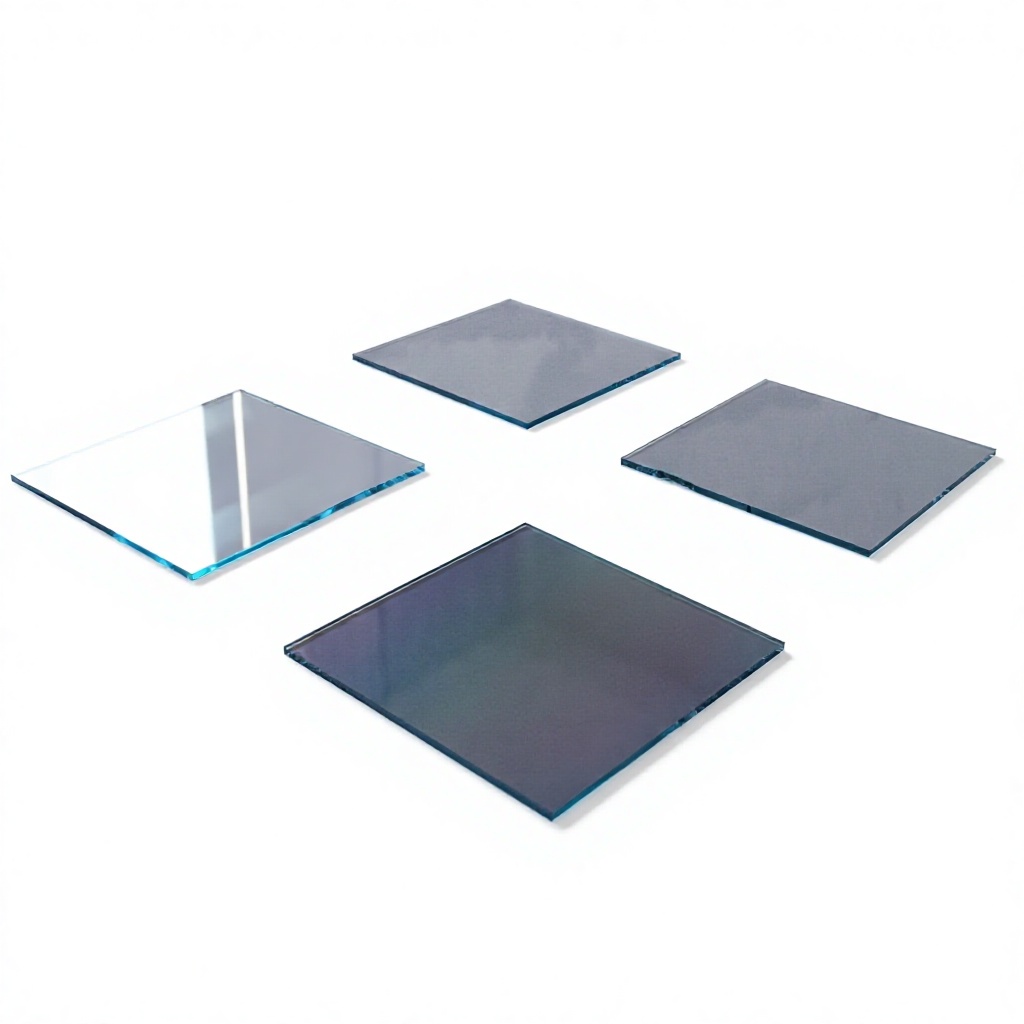
1.1mm ITO Coated Conductive Glass Panel Optical Electronic Glass Custom Shape Polished Edge for Industrial Use
ITO-coated conductive glass for touch sensors, industrial control interfaces and display panels. Custom shapes and polished edges support integration into modern appliance-control assemblies.
View product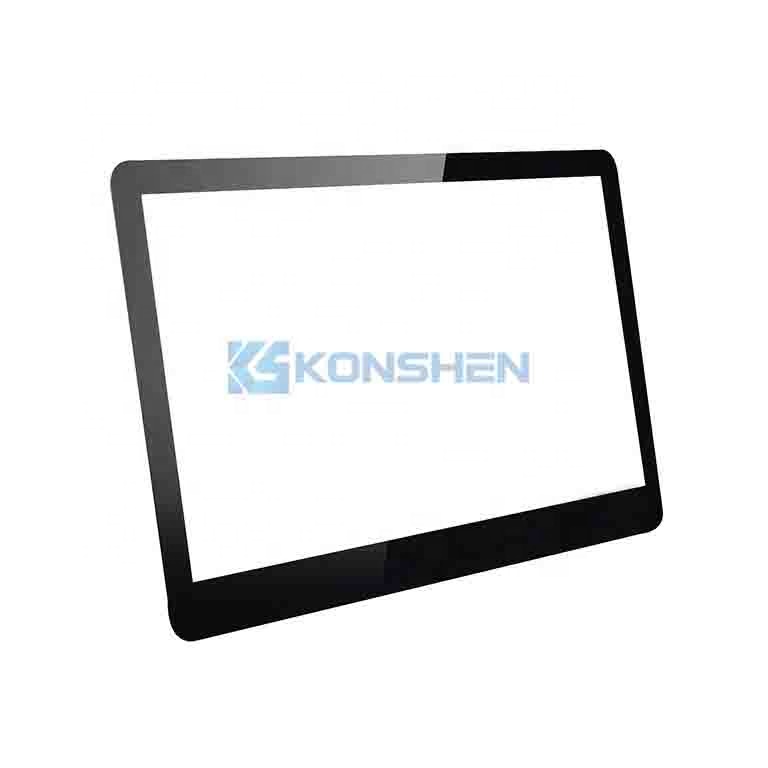
2mm 3mm Solid/Hollow Anti-Glare Chemical Tempered LCD Touch Screen Protection Cover Glass Silk Screen Printed European Style
Anti-glare chemically tempered cover glass with silk-screen printing. Suited to appliance interfaces, oven displays and high-use viewing windows where reflection control and surface durability matter.
View product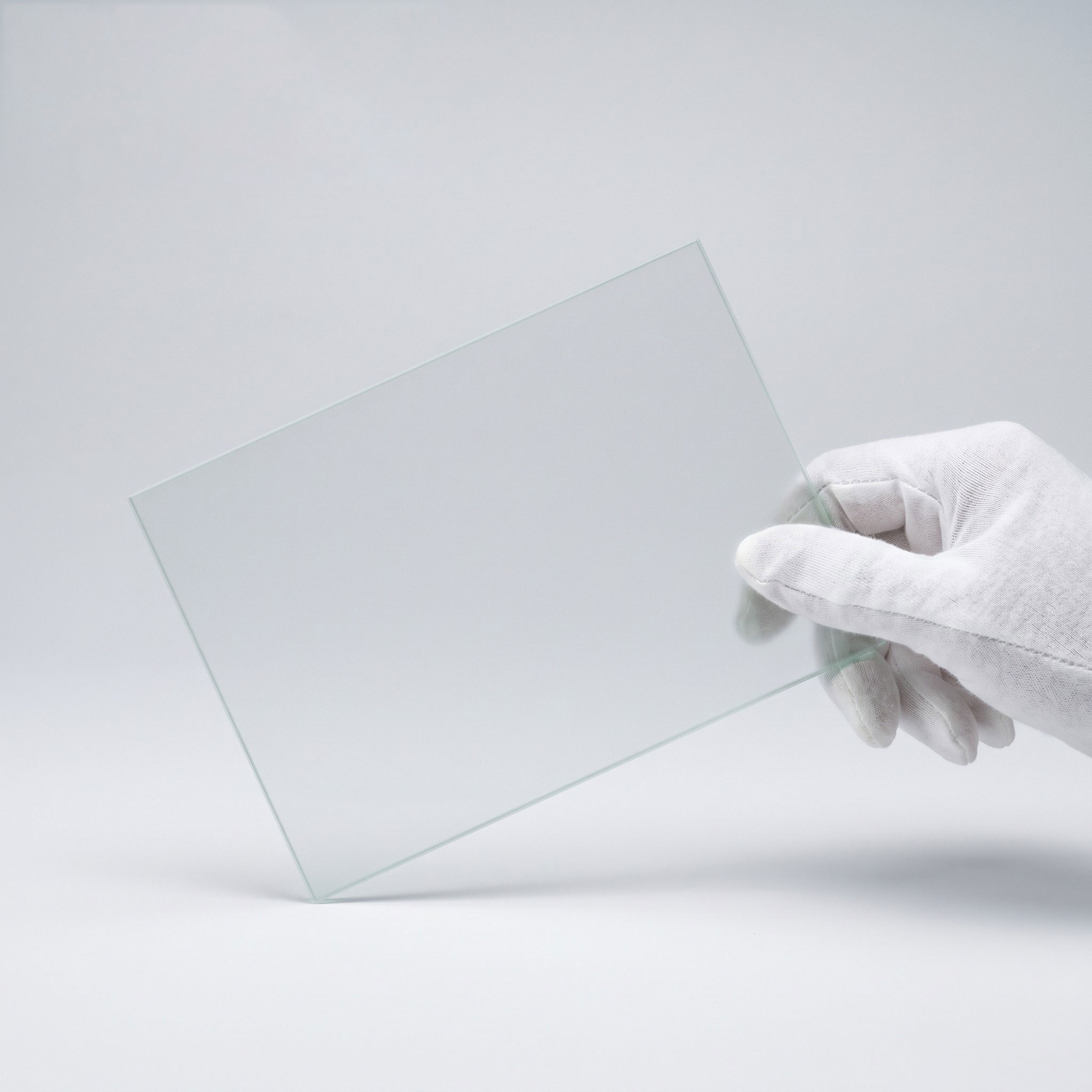
KS AG002 Custom Size AG Coating Anti-Glare Tempered Glass Panel High Transmittance Cover Sheet for Electronic Display Screen
AG-coated tempered glass with high transmittance for electronic displays and appliance viewing windows. A strong option when glare control is the primary visual requirement.
View product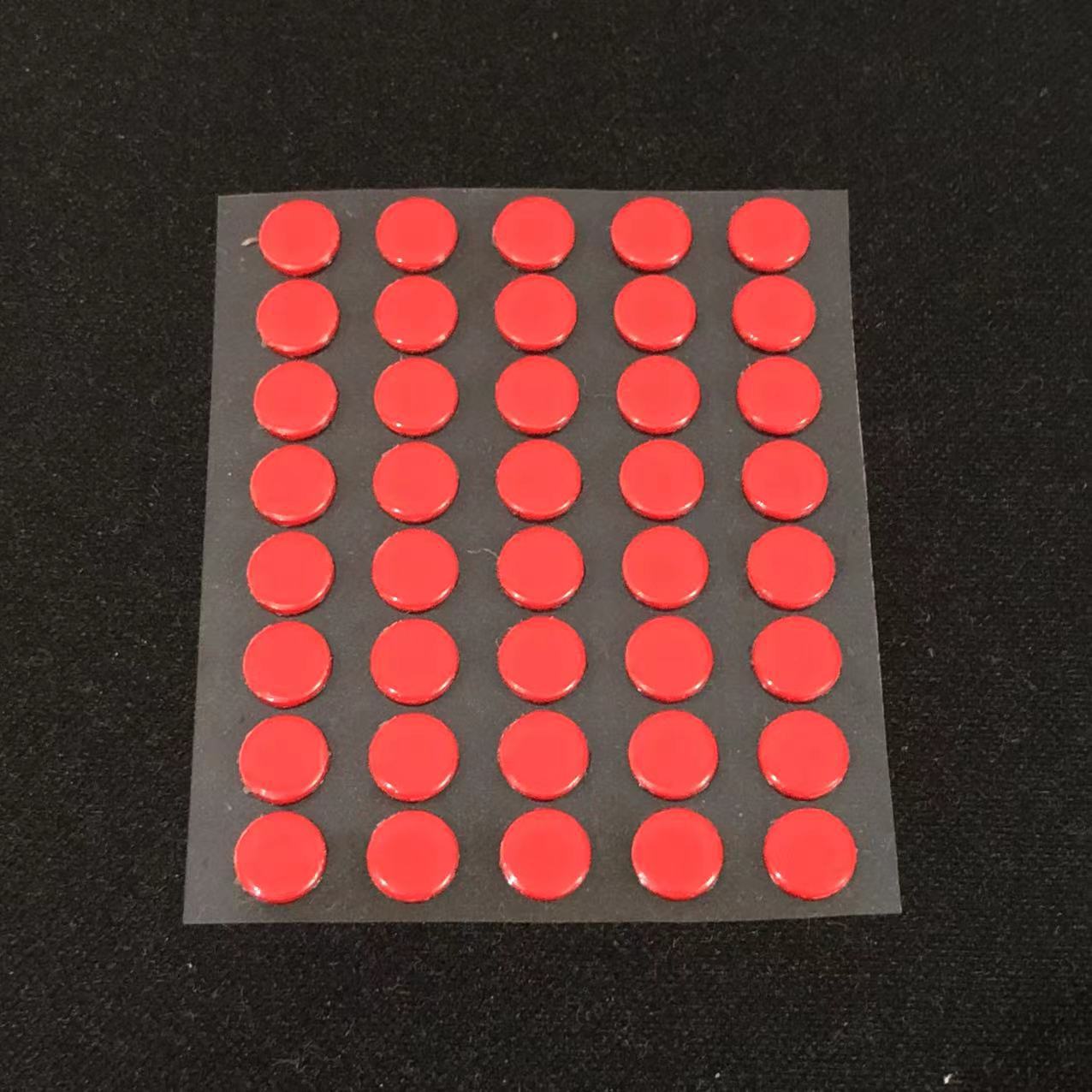
Factory Price Round Red Mouse Sticker Pads Universal Glass Mouse Skates with Small Dot PTFE Non-slip Mouse Feet
Round red PTFE skate dots for low-friction accessories and glass-pad products. Available as a complementary small-component program for brands that pair glass products with precision glides.
View product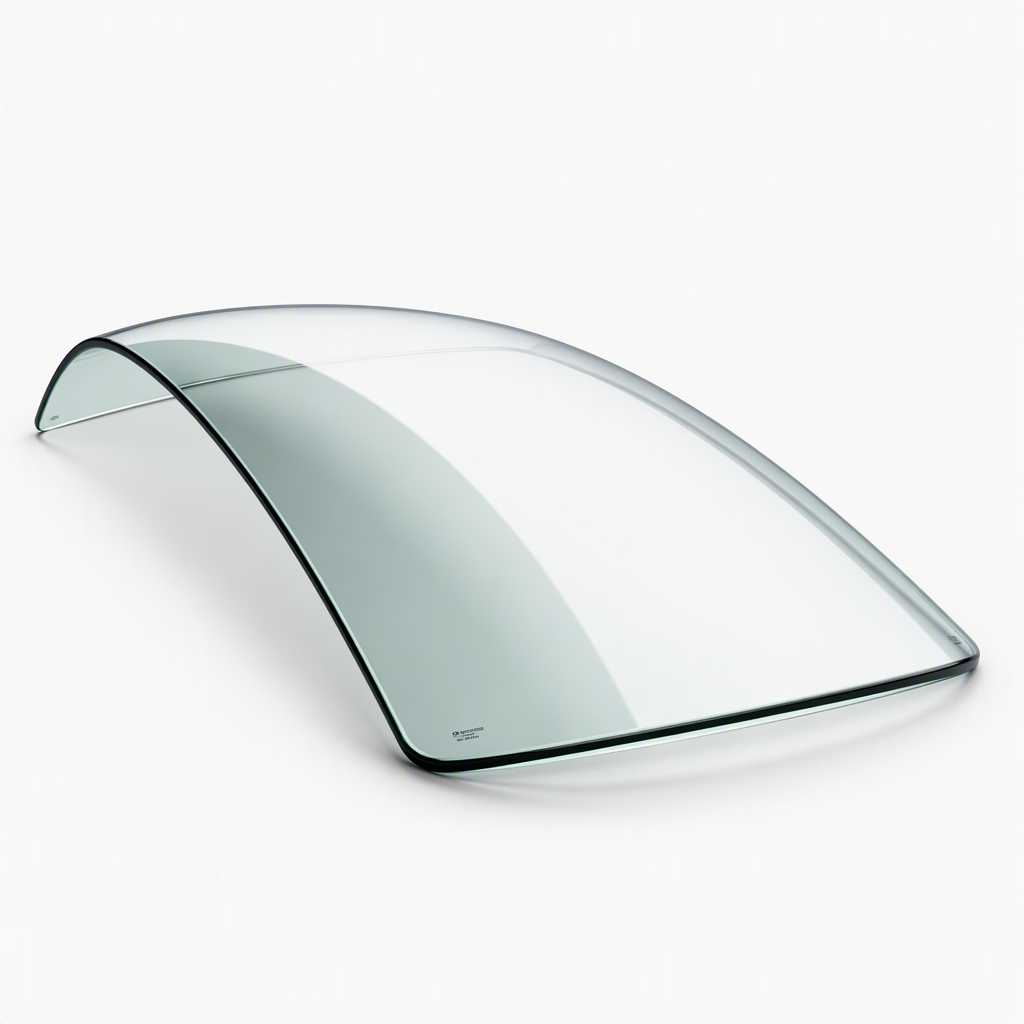
Hot Bent Glass Curved Tempered Glass Panel Small Radius Arc Shaped Custom Curved Glass For Automotive Display OEM ODM
Curved tempered glass with small-radius hot bending for automotive and appliance display designs. Relevant to premium stove consoles, oven doors and seamless control surfaces.
View product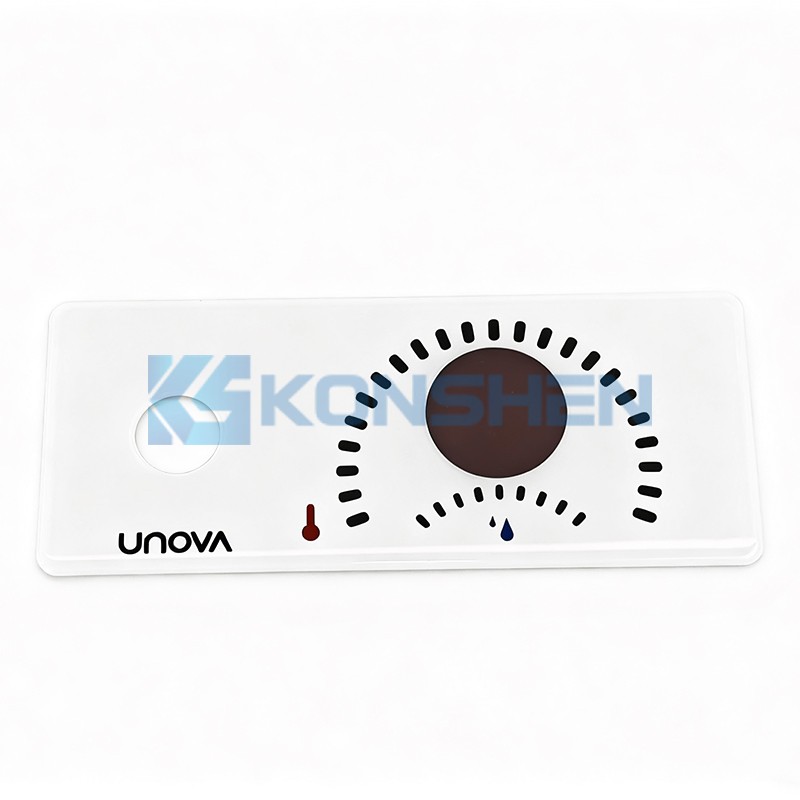
Custom Silk Screen Printed Tempered Glass Electronic Control Panel Cover for Smart Appliances
Silk-screen printed tempered glass control panel cover for smart appliances. A direct fit for oven, range and stove control fascia where decoration, durability and touch clarity must work together.
View product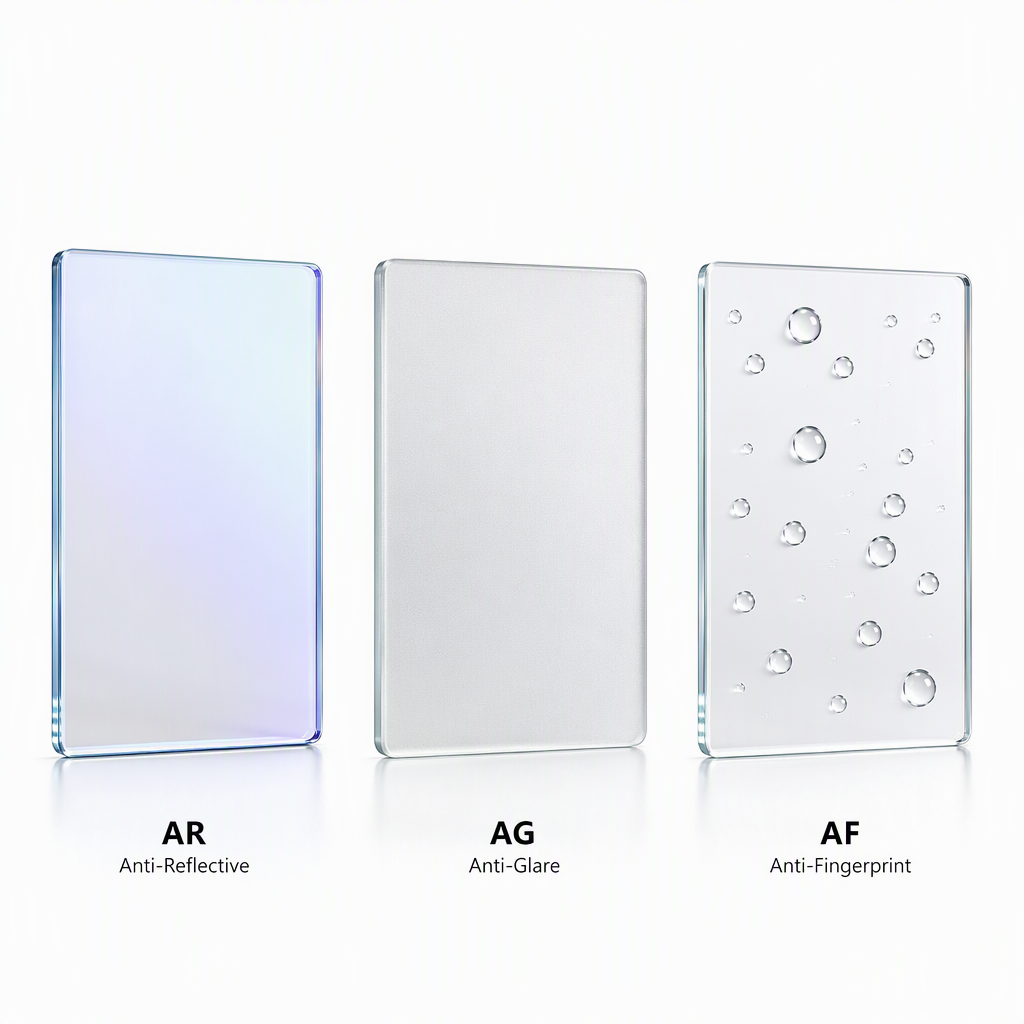
AR AG AF Coated Glass Anti Reflective Coating Service 92 Percent Transmission Anti Glare Custom Sheet Factory OEM
AR, AG and AF coated glass for anti-reflective, anti-glare and easy-clean performance. Specify this family when stove glass must combine optical clarity, reflection control and touch cleanliness.
View productWhat “Stove Glass” Really Means in a Global Procurement Specification
In international sourcing, “stove glass” is a family term rather than a single material. It covers transparent heat-resistant viewing glass for wood-burning stoves and fireplace inserts, oven door glass, decorative tempered panels on cookers and ranges, cooktop and induction glass, and silk-printed control fascia. Each use has different thermal shock, mechanical strength, optical and printing requirements.
A good supplier does not quote one generic glass. It asks how the glass is mounted, what gasket and frame are used, what maximum surface temperature is expected, whether the glass is in direct flame contact, and whether the customer needs a visible logo, touch sensor, anti-glare surface or easy-clean coating. These questions determine material, thickness, edge finish, tempering, coating, printing and packing.
For buyers sourcing from China, price is only one variable. The real cost of stove glass is driven by thermal failure, edge chips, coating scratches, print misregistration, packaging damage and engineering rework. A manufacturer with in-house cutting, CNC, edge polishing, silk-screen printing, tempering and coating can control these risks at the source.
KELO Glass, based in Huizhou, Guangdong, works in this factory-direct model. Its production scope includes touch screen cover glass, display cover glass and optical coated glass, with surface treatment as a core technology. For stove and appliance buyers, that translates into access to tempered glass panels, silk-screen printed control panels, AR/AG/AF functional coatings, ITO/FTO conductive glass, curved glass and custom fabrication under one accountable process.
Inside the KELO manufacturing model
- Factory-direct manufacturer, not a trading layer
- In-house cutting, CNC machining, edge polishing
- Silk-screen printing, flat and curved tempering
- AR, AG, AF, ITO and FTO surface engineering
- 2.5D / 3D curved forming and 3M adhesive bonding
- Engineering drawing review and DFM feedback
- Samples from 1–2 pieces before volume release
- 100% appearance inspection and export packing
Why a Factory-Direct Stove Glass Wholesaler Changes the Buying Equation
A China stove glass manufacturer should be evaluated on capability, process control and responsiveness—not just a price list. The figures below summarize KELO Glass’s public manufacturing and service profile; use them as a starting point for your supplier audit.
Factory-Direct Manufacturing, Not a Trading Layer
Huizhou KELO Glass Co., Ltd. is a factory-direct manufacturer in Huizhou, Guangdong. Core steps—cutting, CNC, edge polishing, silk-screen printing, tempering, coating and bonding—run under one roof. This reduces handling damage, shortens corrective loops and gives buyers one accountable source for a custom stove glass or appliance glass program.
Surface Engineering as a Core Technology
AR anti-reflective, AG anti-glare, AF anti-fingerprint, ITO and FTO functional coatings are central to the company’s product scope. For stove and appliance glass, these coatings can improve viewing clarity, reduce reflections in bright kitchens, hide fingerprints on touch fascia and enable conductive touch functions. Performance should always be confirmed against your drawing and test method.
Scale and R&D Depth for Custom Programs
Public company information lists a 10,000–30,000 m² factory floor, 20–25 million pieces per year of touch cover glass capacity, 101–200 employees, 21–30 R&D engineers and an annual output value of US$50–100 million. That combination supports both small validation builds and volume wholesale orders.
Verified Exporter with a Transparent Track Record
KELO is presented as a 6-year verified exporter on Alibaba.com with a 4.9/5 store rating, a 98.18% reply rate and Trade Assurance support. Buyers can review the verified assessment, factory video, ratings and reviews, credit profile, trade capacity and trade history before committing. Verification does not replace samples, but it shortens due diligence.
Wholesale-Friendly OEM/ODM Workflow
Sample orders can start from 1–2 pieces so fit, optics, print and coating can be validated before volume. Custom size, shape, holes, color, logo printing, 2.5D/3D curved forming and 3M adhesive bonding are available. Bulk lead time is typically 21–31 days after sample approval. Trade terms include FOB, CFR, CIF, EXW and DDP; payment options include T/T, L/C, PayPal and Western Union.
Quality Gates Built for Glass and Coated Glass
Incoming, in-process and final inspections are supported by 100% appearance checking plus tempering, adhesion, abrasion and salt-spray tests. Custom honeycomb cartons, blister trays and partition packing are used to reduce transit damage. For stove glass—where edge chips and coating scratches can stop an installation—this is a commercial advantage, not only a production detail.


Stove Glass Product Recommendations for 2025–2026 Projects
The right recommendation depends on heat exposure, mounting method, cleaning regime and visual requirement. These are the most practical starting points for OEM, ODM and wholesale programs. For distributors, standardize a core substrate and vary print, coating or packaging by market.
High-Clarity Tempered Viewing Glass for Wood and Pellet Stoves
For wood and pellet stove windows and fireplace inserts, start with a clear low-iron or standard clear substrate, a fully polished edge, controlled flatness and a tempering or thermal-shock validation plan that matches the mounting gasket and frame. Buyers should state whether the glass will see direct flame, ash contact or rapid cooling. Where the thermal profile is severe, engineering should review borosilicate, quartz or ceramic glass options rather than assuming ordinary tempered soda-lime is adequate.
Silk-Screen Printed Control Panels for Ovens and Ranges
Printed tempered glass fascia is the face of the appliance. Specify ink color, opacity, registration tolerance, backlighting behavior and resistance to cleaning chemicals. KELO’s custom silk-screen printed tempered glass control panel cover for smart appliances is a direct route for black or colored borders, symbols, logos and touch zones. Keep a signed golden sample because print color and sheen can shift under different lighting.
AG-Coated Glass for Cooktops, Range Hoods and Display Windows
Kitchens are bright, and reflections hide information. AG-coated tempered glass diffuses reflected light while preserving transmittance. It suits cooktop displays, hood controls and viewing windows that must remain readable under daylight or strong downlights. Specify haze and gloss targets together; too much diffusion can soften the image, while too little leaves glare.
AR-Coated Glass for High-Contrast Viewing and Sensor Windows
AR anti-reflective glass is specified when the product must look transparent, not mirror-like. It improves contrast for camera windows, sensor covers, medical monitors and high-end oven viewing panels. KELO’s AR/AG/AF coated glass line can be reviewed for combined requirements; define reflectance, wavelength range, hardness and cleaning durability before sampling.
Curved Tempered Glass for Premium Stove Consoles
Curved glass creates a seamless appliance front and can improve perceived value. Small-radius and hot-bent designs are increasingly requested for premium consoles and displays. Prototype early, because curvature affects tooling, printing and assembly tolerances. KELO’s hot-bent curved tempered glass panel for automotive and appliance display applications is a useful reference for formability discussions.
ITO Conductive Glass for Smart Controls and Touch Interfaces
Appliance controls are moving from mechanical knobs to glass touch panels. ITO conductive glass enables sensing and EMI-related functions while maintaining transparency. Design teams should discuss sheet resistance, transmittance, haze and pattern requirements together. KELO’s 1.1 mm custom ITO-coated conductive glass panel with polished edges is a practical reference for industrial and appliance-control integration.
Global Procurement Trends Reshaping Stove Glass Sourcing
Between 2025 and 2030, stove glass purchasing will be shaped less by catalogue price alone and more by risk, traceability, customization speed and total landed cost. The following shifts are already visible in buyer conversations and should be built into your supplier strategy.
Factory Verification Before Price Negotiation
Request the business license, verified assessment, factory video, production floor photos, key equipment list and recent trade records. A top China stove glass manufacturer should be comfortable with a live video audit and a pre-shipment inspection.
Sample-First and Low-Volume Validation
Brands are reducing tooling risk by ordering 1–2 sample pieces before releasing a volume order. Use the sample to evaluate edge quality, print alignment, coating color, flatness, gasket fit and packaging. Then lock the signed sample as the golden reference.
Documentation and Traceability
Procurement teams increasingly ask for material declarations, coating descriptions, test reports, ink and adhesive data, batch traceability and change-control notifications. For stove glass, document the thermal test method, not just a temperature claim.
Resilient, Dual-Source Supply Chains
Many buyers keep a China factory source for scale and customization while qualifying a regional finisher or second source for risk. A factory with in-house coating and tempering can reduce dependence on multiple subcontractors and shorten recovery time.
Total Cost of Ownership over Unit Price
Compare breakage rate, packaging cost, coating durability, print yield, rework, replacement shipments, inventory carrying cost and engineering time. A slightly higher piece price with better process control often produces a lower landed cost.
Private Label and Distributor Customization
Wholesalers need mixed specifications, logo printing, retail-ready packaging, barcode labels and repeatable color matching. Choose a manufacturer that treats packaging and documentation as part of the product, not an afterthought.
Export Market Distribution in KELO’s Public Profile
The company’s stated export mix reflects a practical focus on Europe and North America, where documentation, packaging and coating performance are often part of the purchase specification.
Product Development Trends Buyers Should Specify Now
Stove glass is becoming more integrated, more optical and more design-led. The trends below are not abstract; each one changes the RFQ, the sample approval criteria and the manufacturing process you should verify.
Larger, Flush and Edge-to-Edge Panels
Stove and oven designs are moving toward larger viewing areas and minimal frames. That raises the bar for flatness, edge quality, tempering control and packing protection. Buyers should specify visual acceptance criteria for the exposed edge and the viewing zone.
Curved, 2.5D and 3D Forming
Curved glass creates a seamless appliance front and can improve perceived value. Small-radius and hot-bent designs are increasingly requested for premium consoles and displays. Prototype early, because curvature affects tooling, printing and assembly tolerances.
AR, AG and AF Coatings as Standard Options
Reflection control and easy-clean surfaces are no longer limited to luxury products. AG reduces glare in bright kitchens; AR improves contrast; AF makes touch panels easier to clean. Combined stacks such as AR+AG or AG+AF can be specified when the use case justifies them.
Smart Touch and Conductive Integration
Appliance controls are moving from mechanical knobs to glass touch panels. ITO and FTO conductive glass enables sensing and EMI-related functions while maintaining transparency. Design teams should discuss sheet resistance, transmittance and haze together.
Stronger, Thinner and More Thermal-Shock-Ready
Designers want thinner glass without sacrificing safety margin. Chemical strengthening, edge treatment, controlled tempering and careful mounting design all contribute. For stove viewing windows, thermal shock validation should be part of the drawing release process.
Low-Carbon, Recyclable and Cleaner Production
Energy use, lead-free decoration, recyclable packaging and waste reduction are entering supplier scorecards. Ask for material and process documentation, packaging optimization plans and change-control procedures. These factors will increasingly influence preferred-supplier status.
Where Stove Glass and Technical Glass Are Used
KELO’s glass capability supports products where optical quality, durability and electrical function are non-negotiable. The same process discipline that serves electronics, automotive and industrial HMI customers also supports stove and appliance glass programs.
Wood-Burning Stoves
Clear viewing glass, polished edges and heat-resistant design review.
Pellet Stoves & Inserts
Uniform tempering, flatness and gasket-compatible dimensions.
Gas Fireplaces
Decorative printed borders with optional AR clarity.
Oven Doors
Thermal cycling, impact resistance and easy-clean surfaces.
Induction Cooktops
Flat, printed and scratch-resistant glass panels.
Range Hoods
AG/AR coated display windows and control fascia.
Smart Appliance Panels
Silk-screen printing plus AF and ITO options.
Commercial Kitchen Displays
Robust cover glass with glare control and simple cleaning.
A Procurement Specification Matrix for Custom Stove Glass
Use this matrix as a starting point for an RFQ. Final values must be confirmed by engineering against the drawing, mounting method and safety requirements. For high-risk applications, request test evidence and validate the finished assembly, not only the glass sample.
| Specification area | Typical custom options | Buyer question to ask |
|---|---|---|
| Material and thermal strategy | Borosilicate, quartz, ceramic, tempered soda-lime and specialty glass reviewed against application needs | What is the maximum temperature, thermal shock profile and direct flame exposure? |
| Thickness | 0.1–19 mm production range; exact thickness by mechanical and thermal design | What stiffness, weight and frame clearance does the assembly allow? |
| Shape and edge | CNC cutting, holes, slots, polished edges, 2.5D / 3D curved forming | Will the edge be exposed, clamped or bonded? Which edge defects are rejectable? |
| Printing | Silk-screen printing, color matching, logos, symbols, light-blocking borders | What color, opacity, registration and cleaning resistance are required? |
| Functional coating | AR anti-reflective, AG anti-glare, AF anti-fingerprint, ITO / FTO conductive | Is the priority reflection, glare, fingerprint control or conductivity? |
| Bonding and assembly | 3M adhesive bonding, gasket compatibility, protective film, mounting support | What substrate and fixing method will be used at the customer assembly line? |
| Inspection | 100% appearance checking, tempering, adhesion, abrasion and salt-spray testing | Which defects are critical: chips, scratches, coating marks, print shift or flatness? |
| Packaging | Custom honeycomb cartons, blister trays, partition packing and export pallets | What freight mode, handling profile and drop protection are required? |
Values are a practical RFQ starting point. Final production targets are confirmed against your drawing during engineering review.
Quality Control and OEM/ODM Workflow Before a Stove Glass Order Ships
Quality is built into the process, not inspected in at the end. A factory-direct stove glass program should show clear inspection gates and a transparent sample-to-mass-production path.
Incoming Inspection (IQC)
Raw glass and consumables are verified before production: thickness, flatness, surface defect screening, ink and coating material verification. For stove glass, material traceability and edge condition at the raw stage prevent downstream breakage.
In-Process Control (IPQC)
Critical dimensions and coating results are checked at each station: CNC dimensions and hole positions, tempering and strength tests, coating adhesion and abrasion. Printing registration and visible-zone quality should be checked before tempering when the process allows.
Final Inspection (FQC/OQC)
Every finished piece is checked before protective packing: 100% appearance inspection, salt-spray reliability testing where specified, and custom honeycomb, blister or partition packing. Agree on the golden sample and packaging drop requirement before volume production.
Share Requirements
Drawing, sample or target specification, annual volume and target market.
Engineering Review
DFM feedback on tolerance, material, coating, printing and cost drivers.
Rapid Prototype
Samples from as few as 1–2 pieces for fit, optics and assembly validation.
Validation
Fit, appearance, thermal performance and reliability approved by the buyer.
Mass Production
Typical lead time 21–31 days after sample approval, depending on complexity.
Packing and Shipping
Damage-proof packing, export documentation and worldwide delivery support.
Common Stove Glass Procurement Questions
Straight answers to the questions that usually come up before a first sample or wholesale order. Use them to prepare a clearer RFQ and a faster engineering review.
What is the minimum order quantity for custom stove glass?
Sample orders can start from 1–2 pieces so you can validate fit, optics and coating performance before committing to volume. Bulk quantity is quoted against your drawing, material, coating stack, printing, curved forming and packaging requirements. Wholesale and OEM/ODM programs can be structured around forecast, annual volume or mixed SKU plans.
What is the typical lead time for mass production?
Bulk production is typically 21–31 days after sample approval. The exact lead time depends on size, thickness, coating stack, curved forming, printing complexity and order quantity. Tooling or new fixture development may add time before the sample stage. Confirm the schedule in the proforma invoice and book freight after the final inspection date is agreed.
Can you produce heat-resistant stove glass in custom shapes?
Glass thickness ranges from 0.1 mm to 19 mm. Sizes, shapes, holes, slots, edge profiles, colors, logos, 2.5D/3D curved forming and 3M adhesive bonding can be customized to a drawing or sample. For stove glass, provide the frame or gasket drawing, fixing method and critical visible zones so engineering can review tolerance and breakage risk.
Which glass material should I choose for a wood stove window?
There is no single material for every stove window. The choice depends on maximum temperature, thermal shock, direct flame exposure, mechanical impact and safety requirements. Tempered soda-lime glass is common for many appliance panels; borosilicate, quartz or ceramic glass may be considered where thermal stability demands are higher. Ask the supplier to document the proposed material and test method, and validate a sample in the final assembly.
What coatings are available for stove and appliance glass?
AR anti-reflective coating lowers reflection and improves see-through clarity. AG anti-glare coating diffuses reflected light for bright environments. AF anti-fingerprint coating provides an oleophobic easy-clean surface. ITO and FTO provide transparent conductivity for touch, EMI or high-temperature applications. Combined coatings such as AR+AG or AG+AF can be evaluated when the product needs more than one function. Final performance should be confirmed on your substrate and test specification.
How do you control quality before shipment?
Quality control normally includes incoming material inspection, in-process checks at CNC, printing, tempering and coating, and final appearance inspection. KELO’s stated approach includes 100% appearance checking plus tempering, adhesion, abrasion and salt-spray tests. Packaging can use custom honeycomb cartons, blister trays and partition packing. Agree on the inspection standard, sampling plan, golden sample and packaging drop requirement before mass production.
Which trade terms and payment methods do you accept?
Trade terms include FOB, CFR, CIF, EXW and DDP. Payment methods include T/T, L/C, PayPal and Western Union. Orders through Alibaba.com can be covered by Trade Assurance. Confirm the final Incoterm, port, insurance responsibility, customs documentation and payment schedule in the proforma invoice.
How can I verify a China stove glass manufacturer before ordering?
Start with a sample and a drawing review. Then check the supplier’s verified assessment, factory video, company profile, ratings and reviews, credit profile, transaction level, trade capacity and trade history. Ask for live video of the relevant production lines—CNC, printing, tempering, coating, inspection and packing—and request test reports that match your application. A quote without process evidence is not a complete offer.
Do you support wholesale, private label and mixed SKU orders?
Yes. OEM/ODM and wholesale support can include custom size, shape, logo, silk-screen printing, coating selection, 2.5D/3D forming, 3M adhesive bonding, custom packaging and mixed-SKU planning. Provide annual volume, target market, packaging requirements and a target price so engineering can propose a cost-effective specification rather than an over-engineered one.
How are glass panels packed to avoid transit damage?
Stove glass should be protected at the edge and face. Custom honeycomb cartons, blister trays and partition packing are used to minimize transit damage. For high-value or large panels, discuss corner protection, moisture barrier, pallet configuration and drop-test requirements. Packing should be validated with the same freight mode and handling profile you expect in volume shipments.
Send Your Stove Glass Drawing, Target Performance and Annual Volume
KELO Glass will review feasibility, recommend the most cost-effective glass and coating stack, and quote samples from 1–2 pieces. For wholesale and OEM/ODM programs, include annual volume, target markets, frame or gasket details and packaging requirements so the engineering team can respond with a practical production plan. Email: info@keloglass.com.