Eight Cover Glass References for Wholesale Buyers
These eight references represent the practical range of a modern China wholesale cover glass factory: anti-glare display glass, printed control panels, gaming glass, CNC-machined toughened glass, optical conductive glass and curved automotive glass. Use them as starting points for RFQ discussions; geometry, coating, printing, thickness and bonding can be customized to your drawing or sample.
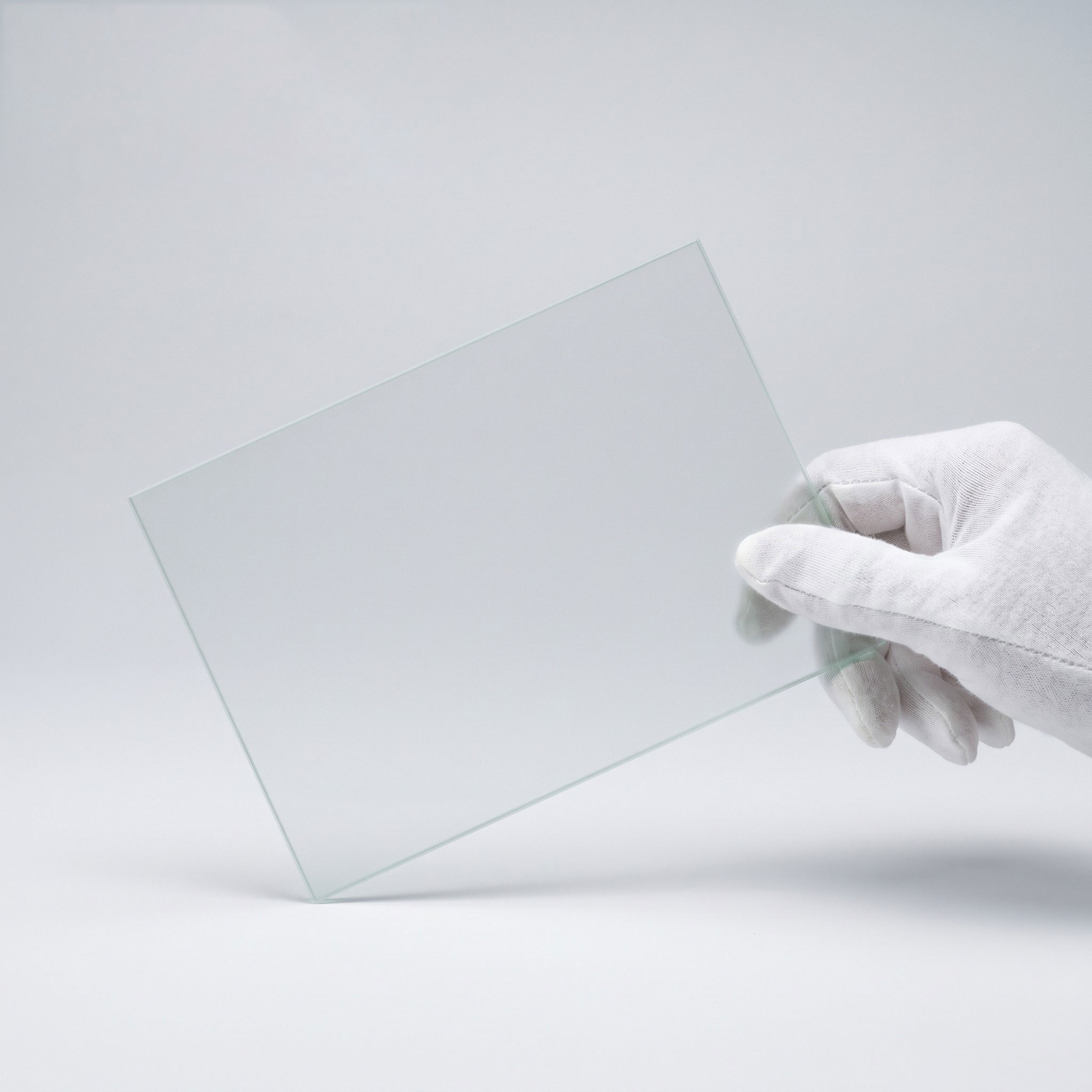
KS AG002 Custom Size AG Coating Anti-Glare Tempered Glass Panel High Transmittance Cover Sheet for Electronic Display Screen
A tempered anti-glare cover sheet for displays that must stay readable under strong ambient light. The AG surface diffuses reflections while preserving transmittance, making it a practical choice for kiosks, instruments and outdoor HMI.
View product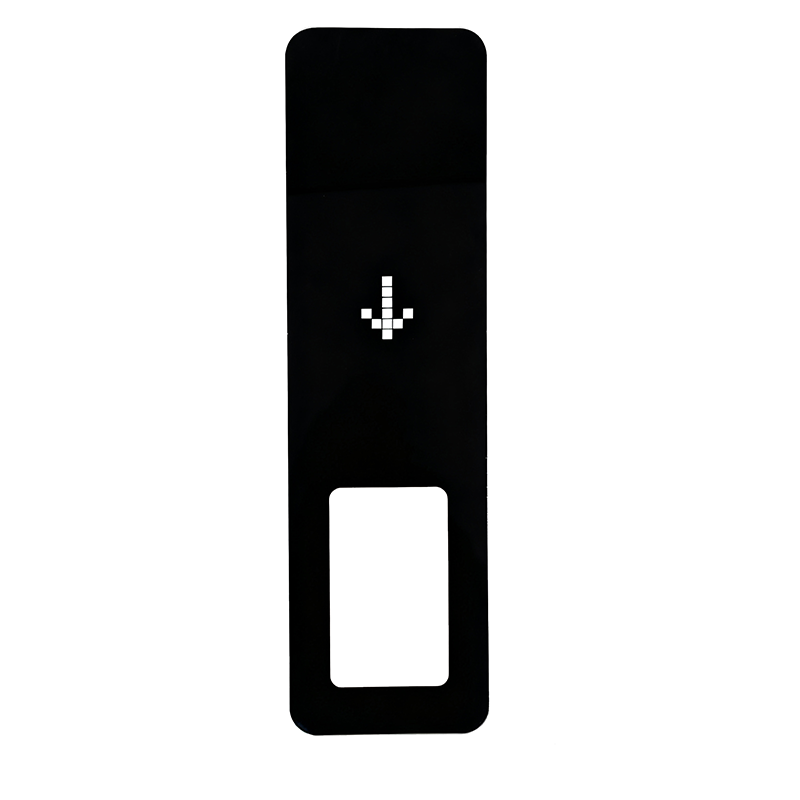
Customized Cutting Elevator Indicator Arrow Printing Touch Smart Control Elevator Panel Use Electronics Screen Glass Instrument
Elevator indicator and smart-control panel glass combining printed arrows, icon graphics and touch-friendly cover glass. Ideal for OEM elevator and building-control programs that require repeatable silk-screen registration and durable surfaces.
View product
PTFE Round Gaming Mouse Glides Mouse Skate Dots
PTFE round glides and skate dots engineered for smoother mouse movement, lower friction and a consistent glide feel. Suitable for gaming peripheral brands, aftermarket upgrades and OEM accessory kits.
View product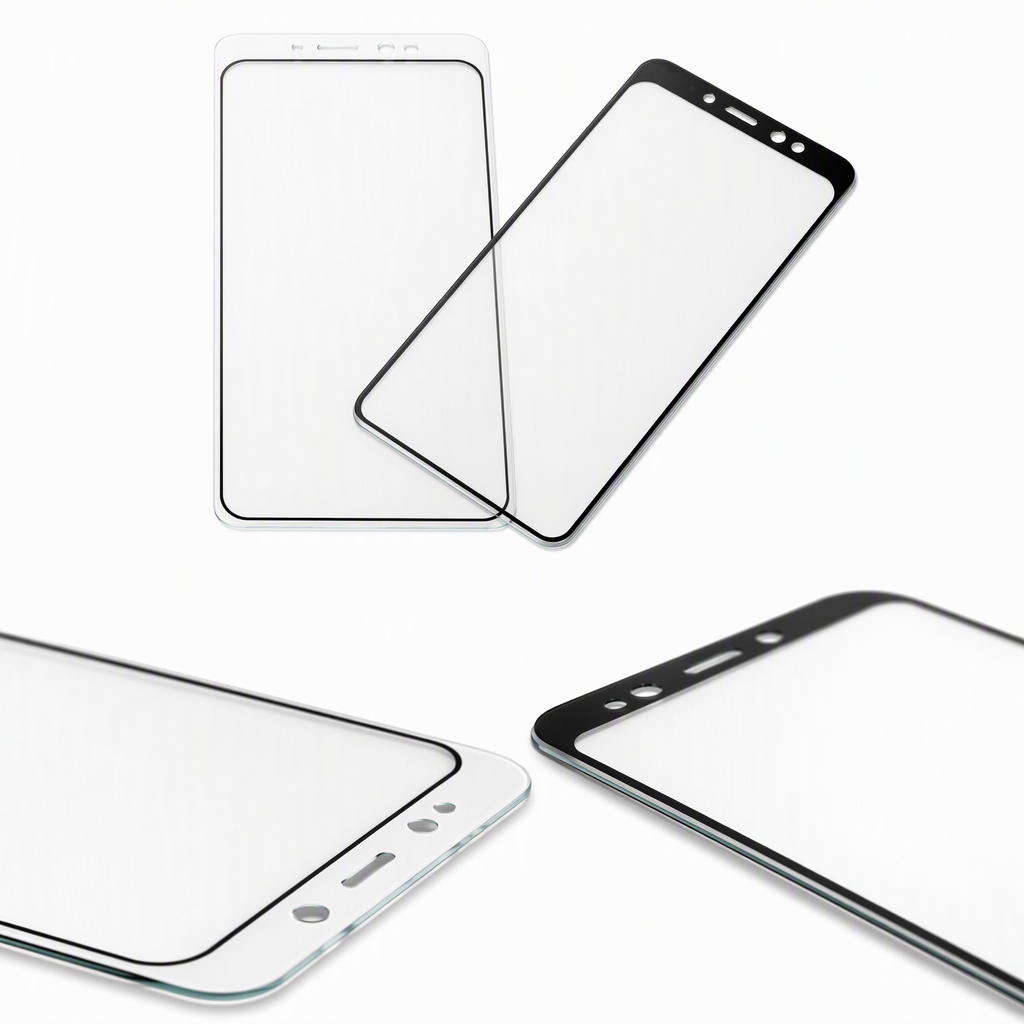
Toughened Glass Panel No Coating CNC Hole Drilling Irregular Shape Silk Screen Printed Custom Size Wholesale Supplier
Toughened glass panel with CNC-drilled holes, irregular outline and optional silk-screen printing. A strong fit for industrial guards, appliance windows and custom mechanical interfaces where edge quality and dimensional repeatability matter.
View product
Factory Customized Anti-fogging Anti Reflective Glass Ultra Thin Tempered Toughened Optical ITO FTO Conductive Glass for Lab
Ultra-thin tempered optical glass with anti-reflective and anti-fogging options, plus ITO/FTO conductive variants for laboratory and sensor applications. The value sits in the combined optical stack, not a single coating.
View product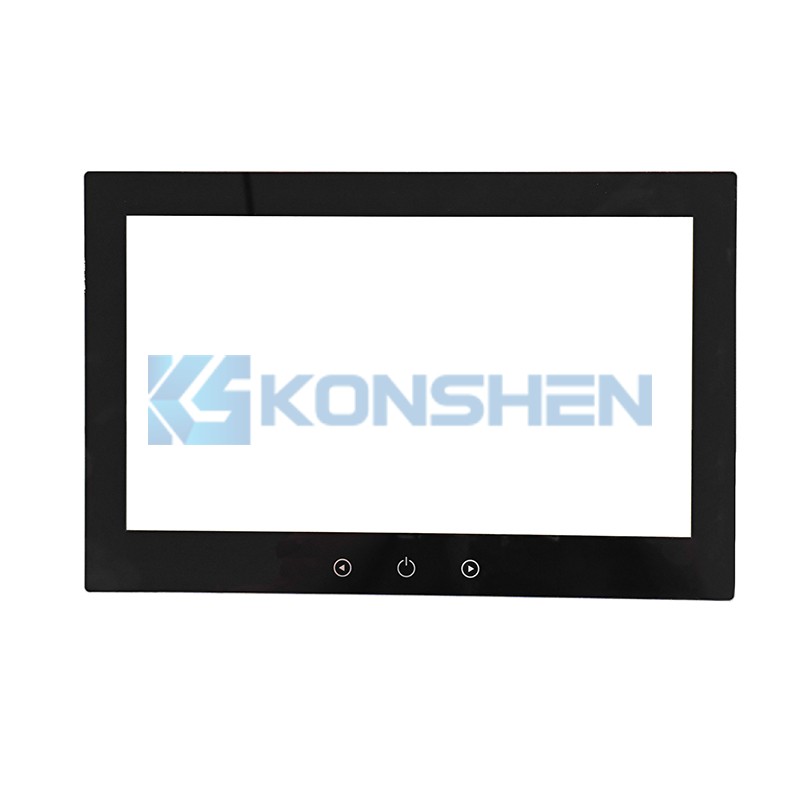
Electronic ITO Conductive Tempered Glass Custom Black Framed 1mm-4mm Thickness Display Cover for Industrial Monitor
ITO conductive tempered glass with a custom black printed frame, supplied in 1–4 mm thickness for industrial monitors and touch assemblies. The black frame combines light blocking, cosmetic finish and sensor alignment in one part.
View product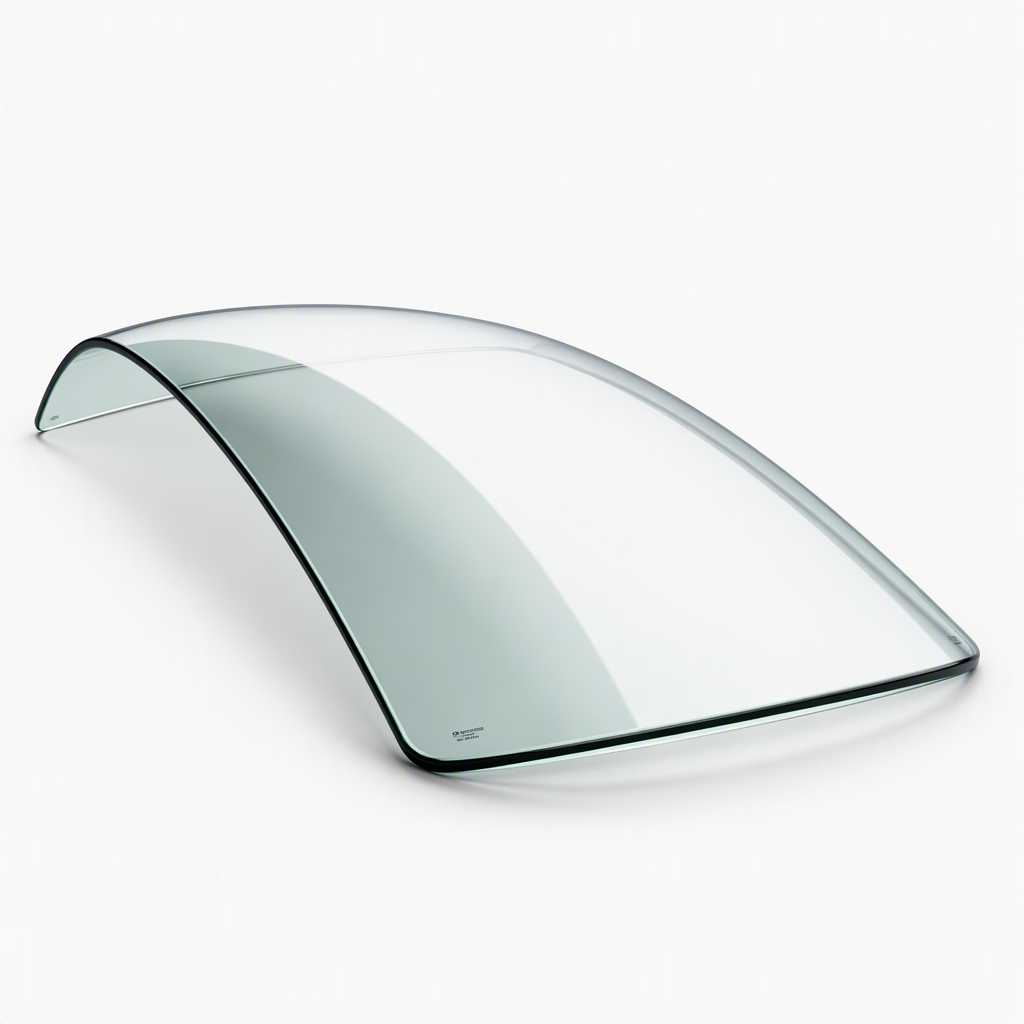
Hot Bent Glass Curved Tempered Glass Panel Small Radius Arc Shaped Custom Curved Glass For Automotive Display OEM ODM
Hot-bent, small-radius curved tempered glass for automotive displays and other confined HMI designs. Curved forming should be validated together with optical coating, printing and adhesive bonding to avoid assembly stress.
View product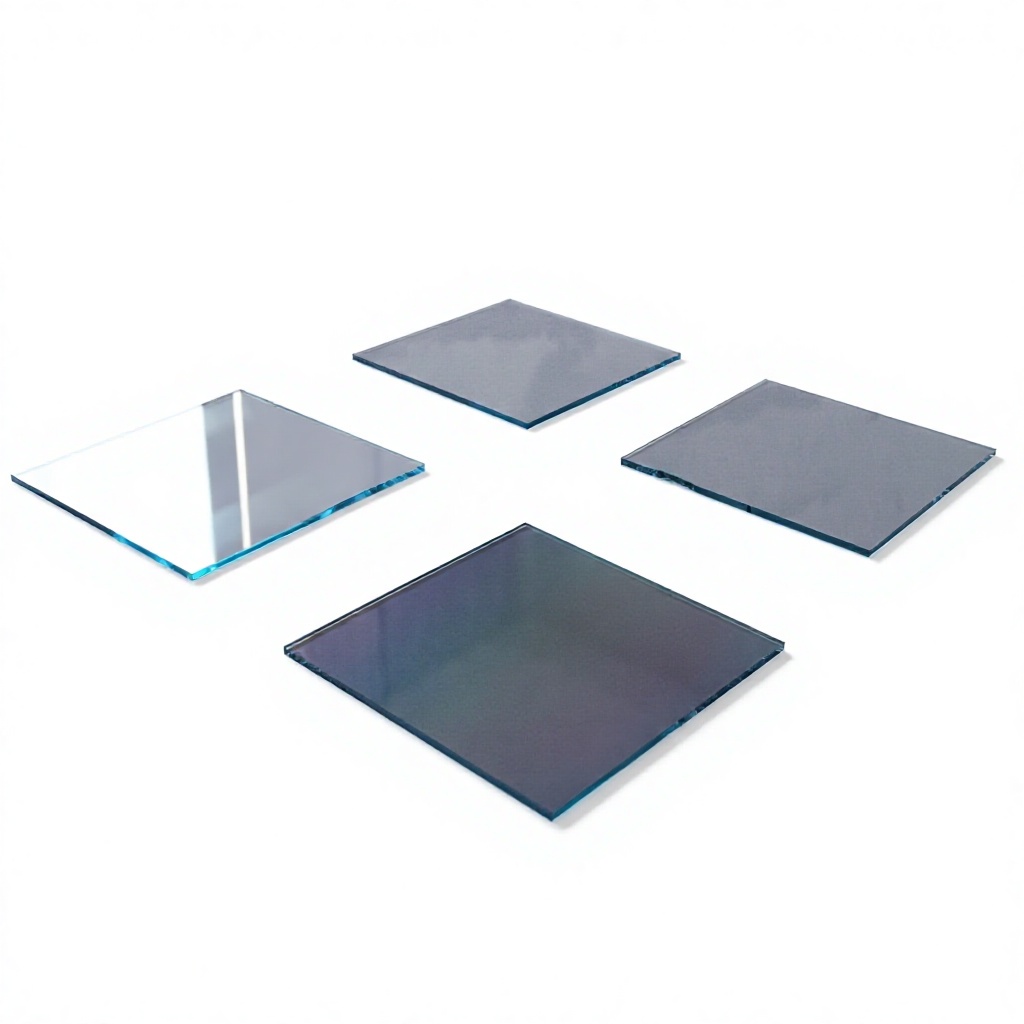
1.1mm ITO Coated Conductive Glass Panel Optical Electronic Glass Custom Shape Polished Edge for Industrial Use
1.1 mm ITO-coated conductive glass with custom outline and polished edges for industrial use. Thin conductive substrates help reduce stack height while maintaining transparency and sheet-resistance uniformity.
View productFactory Capacity and Trust Signals at a Glance
Wholesale glass sourcing becomes much more predictable when capacity, engineering depth and response speed are visible before the first RFQ is issued.
What a China Wholesale Cover Glass Factory Must Prove
A buyer searching for China wholesale cover glass factory & suppliers is not simply comparing a unit price. The real comparison is between process control, coating capability, inspection discipline and the risk of discovering a hidden problem after assembly.
The Chinese cover glass supply base is mature, but it is not uniform. Some suppliers trade finished glass without controlling forming, printing or coating. Others run part of the process in-house and outsource the rest. The most reliable wholesale partners can explain exactly where each operation happens, what is measured at each gate, and how a custom sample becomes a repeatable production part.
For engineering and procurement teams, that means moving beyond catalogue browsing. Ask for a process flow, a coating specification window, inspection criteria, packing method and a clear statement of which steps are performed internally. The stronger the evidence, the lower the total risk. Information gain comes from measured data: reflectance, haze, contact angle, sheet resistance, dimensional tolerance and appearance criteria — not from adjectives alone.
Can they show the process chain?
Cutting, CNC, polishing, printing, tempering, coating, curved forming and bonding should be traceable, with clear hand-off controls between steps.
Can they specify the coating?
AR, AG, AF, ITO and FTO should be quoted with numeric targets, not vague descriptions. Confirm the measurement method and sample approval criteria.
Can they verify the shipment?
Appearance inspection, packaging validation and export documentation are part of product quality. Ask how damage and mix-ups are prevented before loading.
Procurement Trends Reshaping China Cover Glass Sourcing
The next purchasing cycle will favor suppliers who can co-engineer, document and scale — not simply quote the lowest piece price. These are the shifts already visible in serious OEM and distributor programs.
Drawing-led RFQs replace catalogue buying
Custom cover glass is increasingly specified by 2D/3D drawings, tolerance bands and coating targets. Suppliers who can give DFM feedback before quoting reduce rework and shorten the validation loop.
Sampling before scaling
Low-volume samples from 1–2 pieces are now expected for fit, optics and coating validation. Fast prototypes reduce tooling risk and help procurement justify volume commitments with real data.
Coating stacks become the specification
AR, AG and AF are no longer cosmetic upgrades. They are functional layers tied to readability, touch feel, cleaning cycles and product lifetime. Buyers increasingly specify the stack, not just the glass.
Traceability and third-party verification
Verified factory profiles, transaction records, ratings and review histories are becoming standard checks. Procurement teams want evidence that the supplier can repeat performance, not only produce a good first sample.
Total landed cost replaces unit price
Breakage, rework, assembly rejects and delayed launches can erase a low quotation very quickly. Buyers now compare piece price together with packing quality, lead time, inspection rate and communication speed.
Dual qualification and supply resilience
Programs increasingly qualify a primary and secondary source, or at least a backup process route. A supplier with in-house coating and forming is easier to audit and less exposed to external bottlenecks.
KELO’s current export mix
International demand is concentrated in Europe and North America, with South America forming an important secondary market. The mix reflects a buyer base that values documentation, packing and repeatable coating performance.
Cover Glass Product Trends: Thinner, Curved, Coated and Conductive
Product development is moving toward glass that does more than protect a display. The cover glass increasingly carries optical, electrical, decorative and structural functions inside the same stack.
Thinner substrates with stronger performance
Thickness from 0.1 mm to 19 mm remains available, but demand is growing for thin, chemically strengthened glass that reduces stack height without sacrificing impact resistance or optical clarity.
2.5D and 3D curved cover glass
Automotive dashboards, smart home panels and premium appliances are driving demand for hot-bent, small-radius and edge-to-edge designs. Curved glass must be evaluated together with printing and bonding.
AR, AG and AF as a combined optical stack
Single-function coatings are giving way to stacked solutions. An AR+AG surface can reduce reflections and glare at the same time; an AG+AF surface adds easier cleaning for high-touch panels.
ITO and FTO conductive glass
ITO is widely used for capacitive touch sensors, displays and EMI shielding. FTO offers stronger thermal and chemical stability for thin-film solar and high-temperature processes. Typical sheet resistance is 1–20 Ω/sq with transmittance above 85%.
Printed glass with integrated function
Silk-screen printing is no longer only decorative. Black frames, icon windows, light-blocking borders and alignment marks are printed with tight registration to support assembly and cosmetic requirements.
Bonded display stacks and structural glass
3M adhesive bonding turns cover glass into a ready-to-assemble component. This reduces handling at the customer’s line and supports thinner, stronger display stacks with fewer interface losses.
Specify by Measured Performance, Not Guesswork
Use these typical production windows to structure an RFQ. Final targets are confirmed against your drawing, application conditions and sample approval criteria.
| Coating | Key Performance | Typical Use |
|---|---|---|
| ARAnti-reflective | Reflectance <1.0% per side · Transmittance >99% across 400–700 nm · single or multi-layer | Automotive touch displays, medical monitors, optical windows |
| AGAnti-glare | Controllable haze 5–60% · Gloss 0.5–8 GU | Outdoor kiosks, industrial HMI, sunlight-readable displays |
| AFAnti-fingerprint | Water contact angle >110° · Pencil hardness >3H · Transmittance >98% · durability >10,000 cycles | Touch control panels, smart home glass, appliance interfaces |
| ITOIndium tin oxide | Sheet resistance 1–20 Ω/sq · Transmittance >85% · Haze <2% | Capacitive touch sensors, displays, EMI shielding |
| FTOFluorine-doped tin oxide | Sheet resistance 1–20 Ω/sq · Transmittance >85% · Haze <2% | Thin-film solar cells, high-temperature processes |
| CombinedAR+AG / AG+AF | Stacked functions on one substrate · cosmetic grade options per 60/40 scratch-dig | Premium in-vehicle and outdoor touch interfaces |
Values represent typical production capability. Every project should confirm the exact measurement method, acceptance criteria and sample standard before mass production.
Why Huizhou KELO Glass Is Built for Custom Wholesale Programs
Huizhou KELO Glass Co., Ltd. is a factory-direct manufacturer located in Huizhou, Guangdong, inside China’s Greater Bay Area electronics supply chain. The core strength is advanced surface treatment supported by a complete in-house process chain.


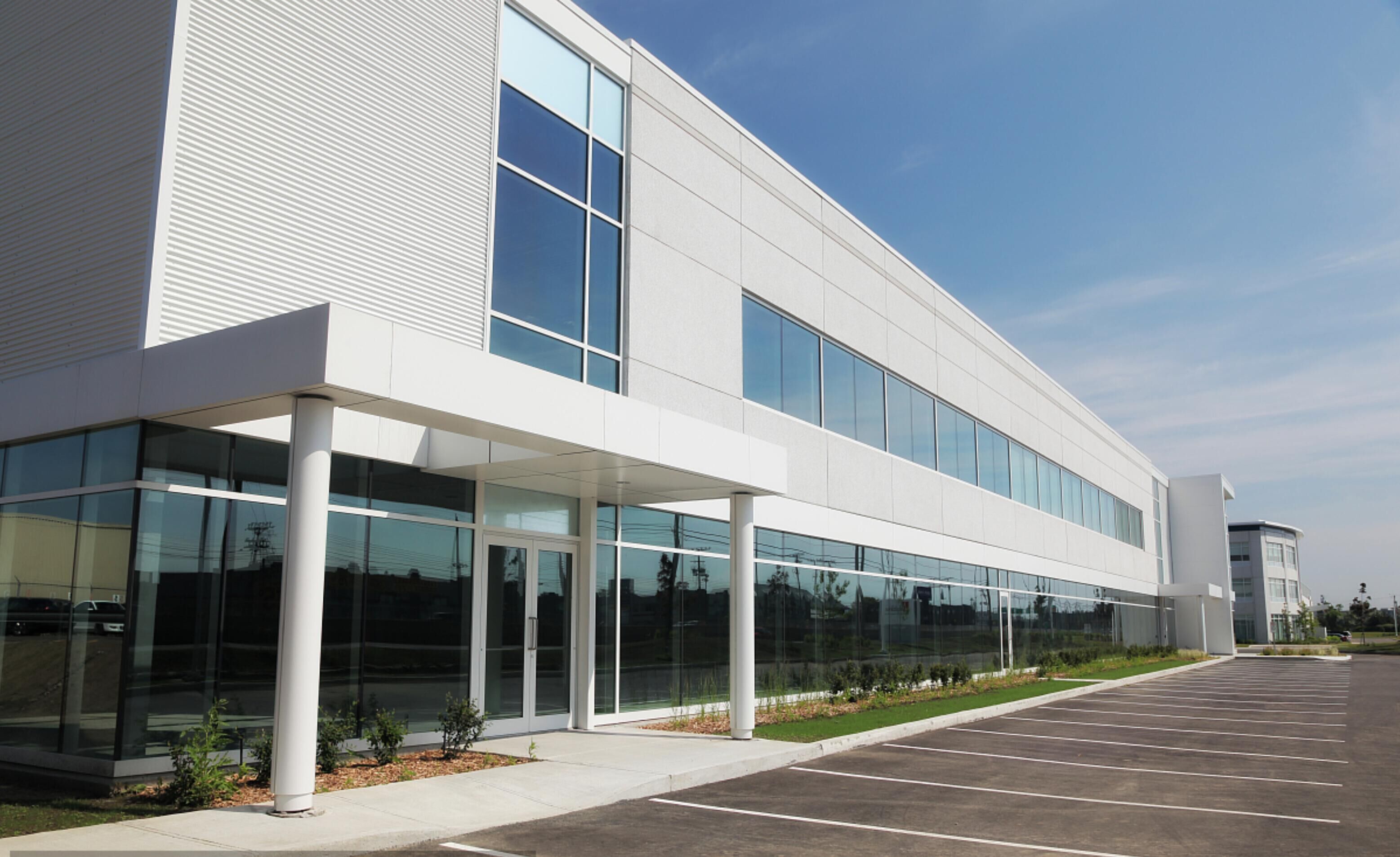
With a factory floor area of 10k–30k m², 101–200 employees, 21–30 R&D engineers and an annual output value of US$50–100M, KELO supports both custom sample work and repeat wholesale orders. Touch cover glass capacity reaches 20–25 million pieces per year. Samples can start from 1–2 pieces, and bulk lead time is typically 21–31 days after sample approval, depending on size, coating stack, curved forming and printing complexity.
The process chain is intentionally kept broad: cutting and water-jet cutting, CNC machining and drilling, edge polishing, laser engraving, silk-screen printing, sandblasting and frosting, flat and curved tempering, AR/AG/AF/ITO coating, 2.5D/3D curved forming and 3M adhesive bonding. For buyers, this means one accountable supplier, tighter tolerance control, stable lead times and pricing without unnecessary trader margins.
Factory-direct, not a trader
Key processes run under one roof. That improves accountability when tolerances, coating results or delivery schedules need to be corrected quickly.
Rapid sampling and engineering review
Drawing review and DFM feedback help identify tolerance, coating and cost drivers before tooling or production commitments are made.
Quality gates at every stage
Incoming, in-process and final inspection are supported by tempering, adhesion, abrasion and salt-spray testing as required by the project.
Export-ready trade support
FOB, CFR, CIF, EXW and DDP terms are available, with T/T, L/C, PayPal and Western Union payments. Alibaba Trade Assurance can protect eligible orders.
Verified commercial profile
Review the verified assessment, ratings and reviews and trade capacity before issuing a purchase order.
Clear communication
A 4.9/5 store rating, 98.18% reply rate, 6 years as a verified exporter and a typical response time of one hour help keep projects moving.
Three Inspection Gates Before Anything Ships
Quality is built into the process, not inspected in at the end. Each gate has defined checks and release criteria, and every finished piece receives 100% appearance inspection before packing.
Incoming inspection
Raw glass and consumables are verified before production: thickness, flatness, surface defects, ink and coating material verification. This protects downstream yield and keeps material issues from entering the line.
In-process control
CNC dimensions and hole positions, tempering strength, coating adhesion and abrasion resistance are checked at each critical station. Results are compared with the approved sample and drawing tolerance.
Final inspection and packing
Appearance, salt-spray reliability and packing protection are verified before shipment. Custom honeycomb cartons, blister trays and partition packing are used to reduce transit damage.
China Wholesale Cover Glass Procurement FAQ
Straight answers to the questions engineering and procurement teams usually ask before a first order.
What is the minimum order quantity for custom cover glass?
Sample orders can start from 1–2 pieces so you can validate fit, optics and coating performance before committing to volume. Bulk quantities are quoted per drawing, size, coating stack and annual demand.
What is the typical lead time for mass production?
Bulk lead time is typically 21–31 days after sample approval, depending on size, coating stack, curved forming and printing complexity. Planning should also include sample validation time and any new print or tooling requirements.
What optical performance can your AR coating achieve?
Our AR anti-reflective coating achieves reflectance below 1.0% per side and transmittance above 99% across 400–700 nm, in single-layer or multi-layer designs. The final specification is matched to your substrate, wavelength range and application.
Should I choose ITO or FTO conductive glass?
ITO glass is commonly used for capacitive touch sensors, displays and EMI shielding. FTO glass offers better thermal and chemical stability, which makes it a frequent choice for thin-film solar cells and high-temperature processes. Both are available with sheet resistance of 1–20 Ω/sq, transmittance above 85% and haze below 2%.
What thickness, sizes and shapes can you produce?
Glass thickness ranges from 0.1 mm to 19 mm. Size, shape, holes, color, logo printing, 2.5D/3D curved forming and 3M adhesive bonding are customized to your drawing or sample.
Which trade terms and payment methods do you accept?
We support FOB, CFR, CIF, EXW and DDP trade terms, and T/T, L/C, PayPal and Western Union payments. Orders placed through Alibaba.com can be protected by Trade Assurance where applicable.
How do you control quality?
Quality is controlled through incoming, in-process and final inspection with 100% appearance checking, plus tempering, adhesion, abrasion and salt spray tests. Custom honeycomb cartons, blister trays and partition packing minimize transit damage.
How should a buyer compare two China cover glass suppliers?
Compare the process chain, coating measurement data, inspection method, sample standard and packing specification. Ask whether coating and curved forming are performed in-house. Then compare total landed cost, including expected breakage, rework and launch risk.
What should be included in an RFQ?
Include a 2D drawing or 3D model, glass thickness, substrate preference, surface finish, coating targets, printing artwork, edge and hole requirements, annual volume, sample quantity and required trade term. This allows a faster, more accurate engineering review.
Send a Drawing, Target Specification or Annual Volume
Whether you are a brand owner, distributor, OEM or engineering team, the fastest way to narrow the right glass solution is to share your drawing, target coating performance and estimated volume. KELO’s team can review feasibility, recommend the most cost-effective stack and prepare a catalog for your product category.
Get CatalogEmail: info@keloglass.com · Huizhou KELO Glass Co., Ltd. · Gaotian Village, Zhenlong Town, Huiyang District, Huizhou, Guangdong, China