China Wholesale Medical Device Glass Manufacturers & Supplier
Custom cover glass, AR/AG/AF optical coatings, ITO/FTO conductive substrates, anti-fog panels and tempered glass control interfaces for diagnostics, patient monitoring, laboratory automation and medical HMI programs.
Get CatalogEight Wholesale Glass Products for Medical, Display and Human-Machine Interface Programs
These product lines reflect the practical mix that buyers request when sourcing precision glass from China: conductive substrates, custom tempered control panels, anti-glare cover sheets, anti-fog touch panels, printed electronic glass and adjacent wear-resistant components. Each item below keeps its original KELO product link for specification review.
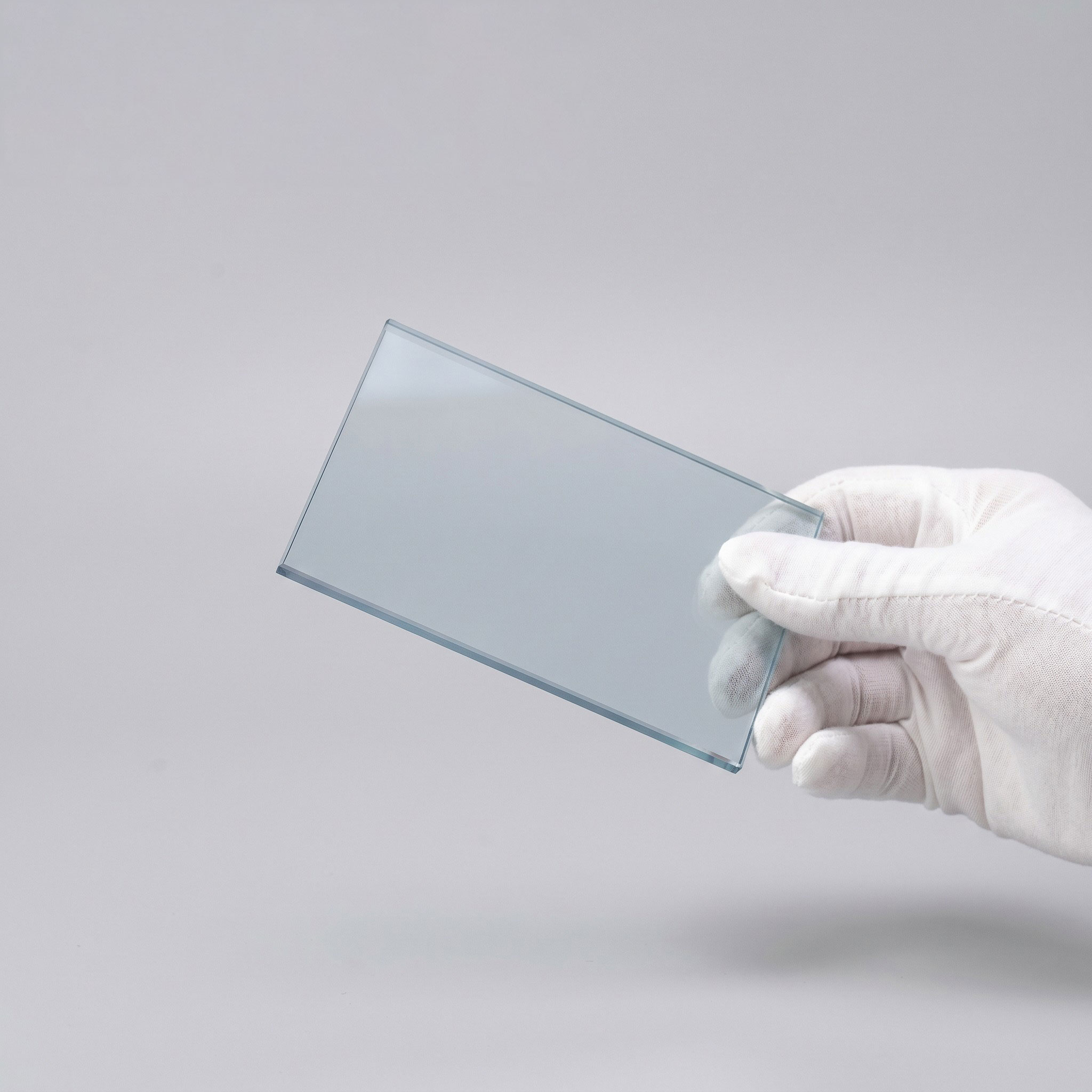
High Temperature Resistance Fluorine Doped Tin Oxide FTO Conductive Glass Solar Cell Substrate DSSC Perovskite Lab Research
For thin-film solar research, high-temperature processes and laboratory substrates where thermal stability matters.
View product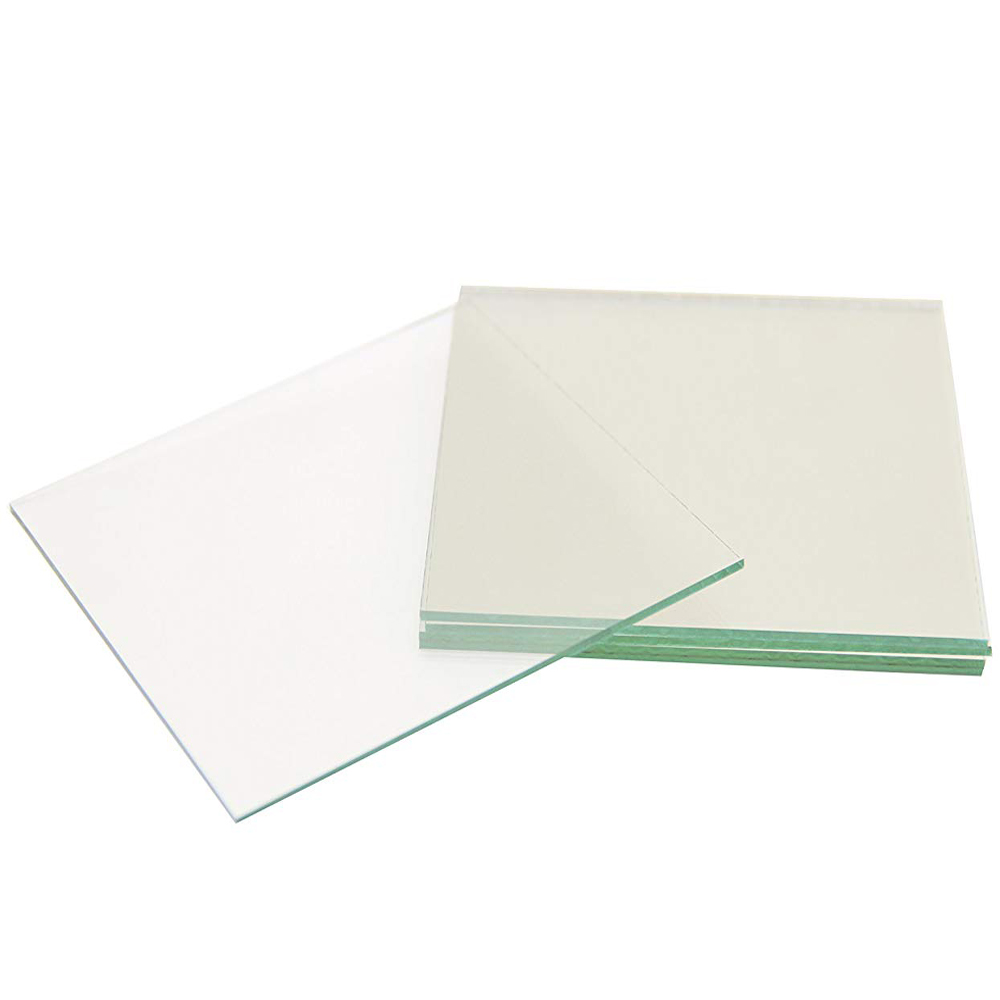
Custom 25x25x1.1mm ITO/FTO Coated Toughened Glass for LAB Display Anti-Fog Heating Conductive Glass Bathroom Solar Applications
Small-format conductive glass for display, anti-fog heating and controlled-environment prototype builds.
View product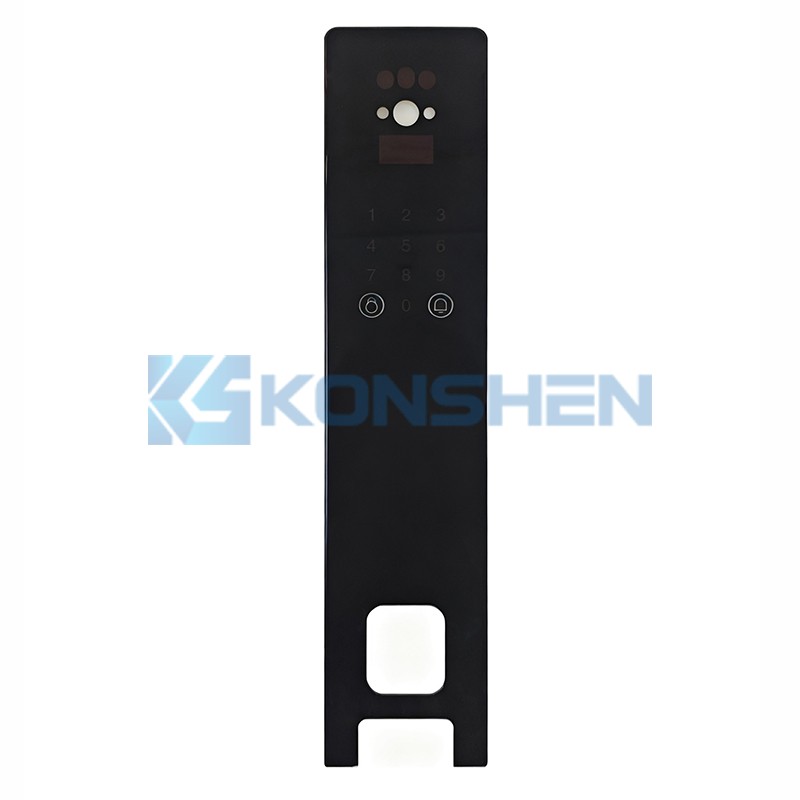
Electronic Tempered Glass Film Custom Printed Rectangular Panel Digital Keypad for Smart Door Lock
Printed tempered glass interfaces for access control, appliance and equipment keypads requiring clean aesthetics.
View product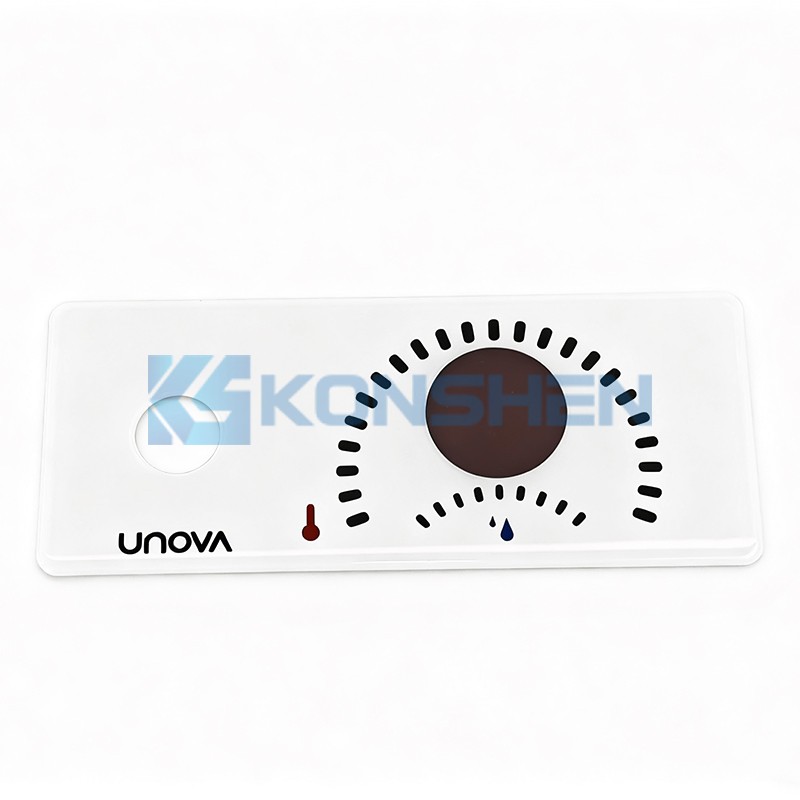
Custom Silk Screen Printed Tempered Glass Electronic Control Panel Cover for Smart Appliances
Durable printed overlays with color, icon, window and logo customization for appliance and HMI front panels.
View product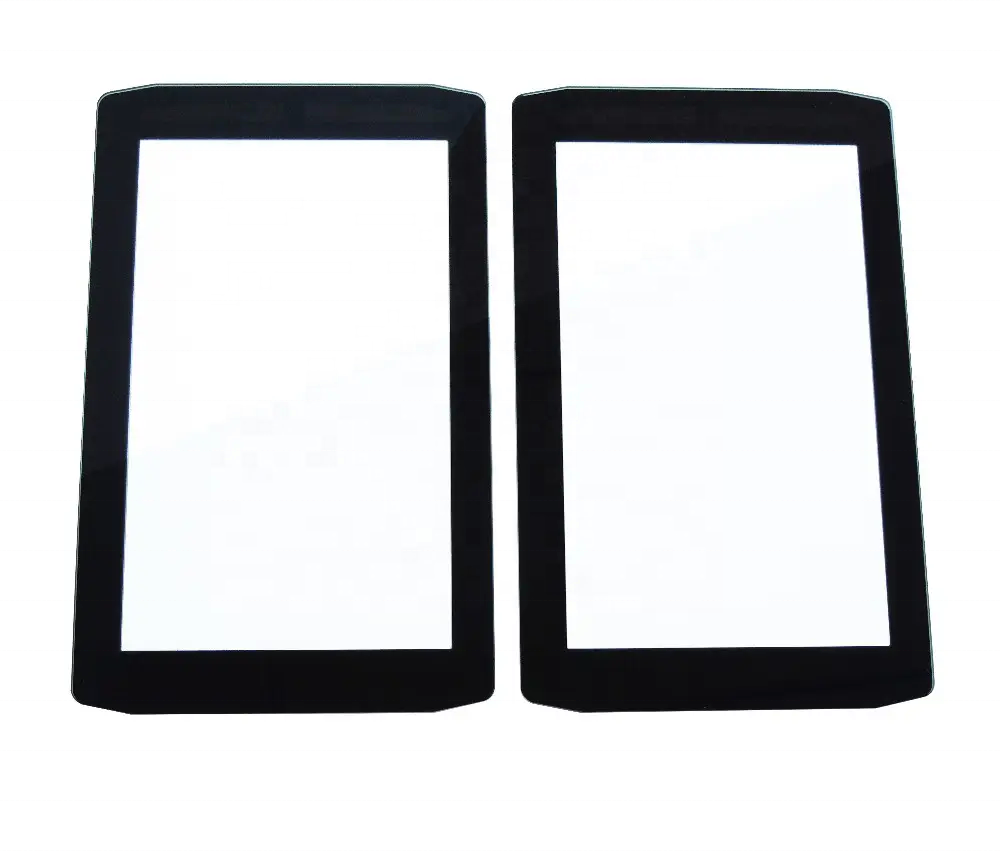
AG High Quality Solid Tempered Glass Anti-Glare Digital Screen Display Customizable Touch Screen Panel Factory Direct Outdoor
Sunlight-readable anti-glare tempered glass for outdoor kiosks, industrial terminals and public digital displays.
View product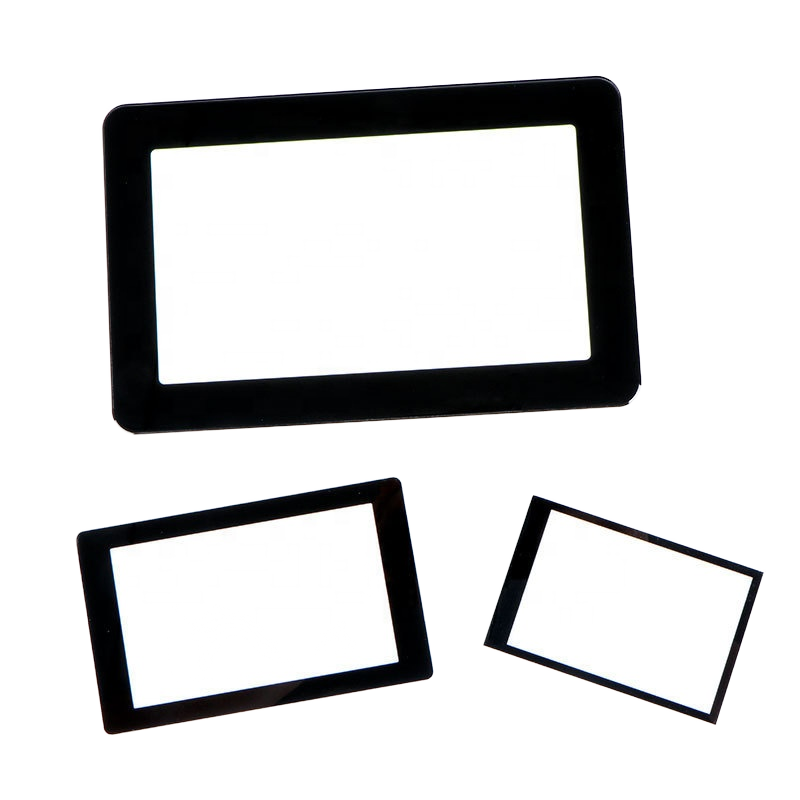
Wholesale Left Right Switching Control 0.2mm 5mm Soda Lime Extra Clear Tempered Glass Touch Screen Panel Outdoor Gym Waterproof
Extra-clear tempered touch panels for humid, wet or outdoor interfaces where readability and sealing are critical.
View product
Round Oval PTFE 3M Wear-resistant Smooth Mouse Feet Stickers Glass Pad Resin Pads
Low-friction adhesive-backed PTFE pads for glide, wear resistance and assembly applications beyond the glass line.
View product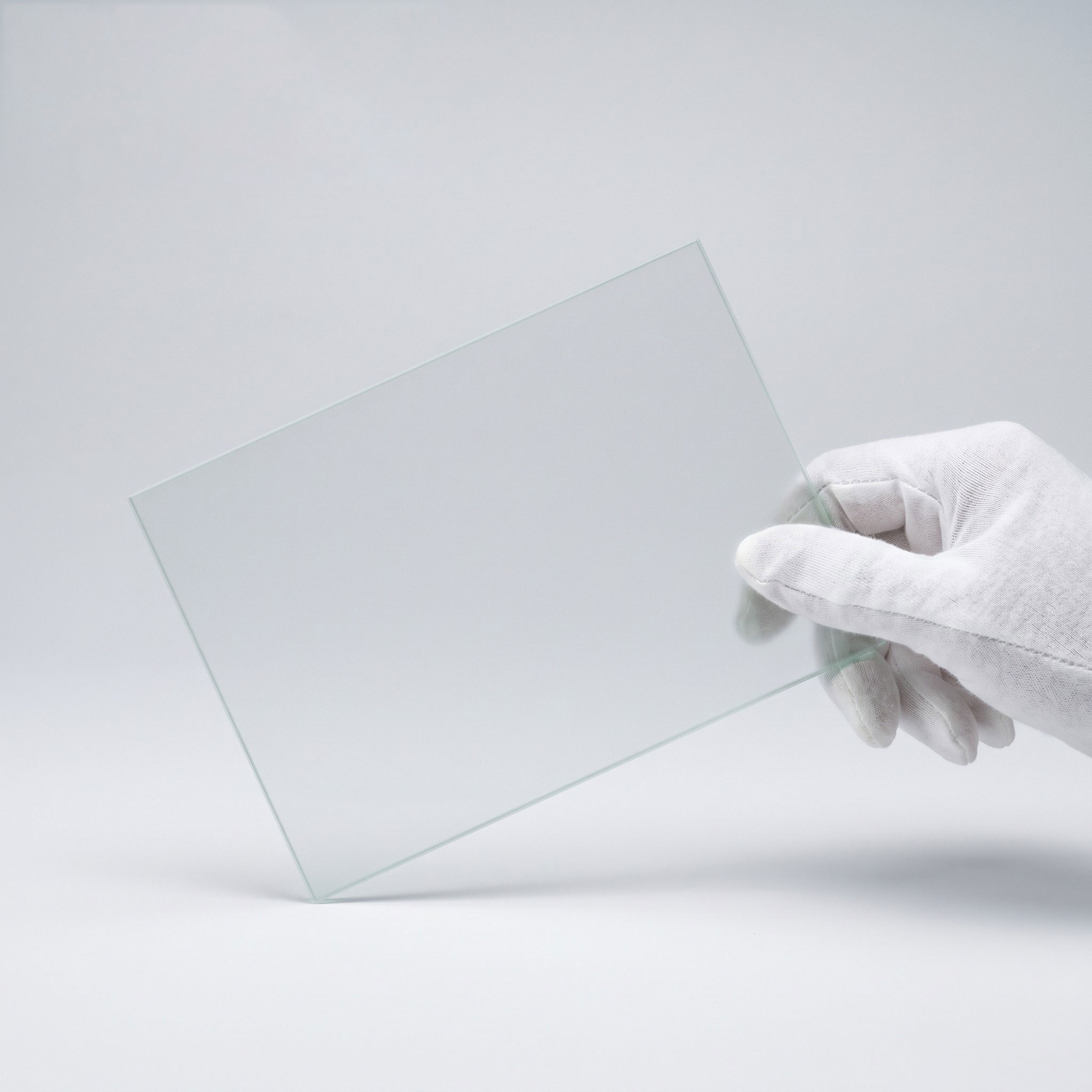
KS AG002 Custom Size AG Coating Anti-Glare Tempered Glass Panel High Transmittance Cover Sheet for Electronic Display Screen
Custom AG cover sheet with high transmittance for display screens requiring controlled glare and clean optical appearance.
View productWhat High-Intent Buyers Really Need from a China Medical Device Glass Supplier
The query “China Wholesale Medical Device Glass Manufacturers & Supplier” is a high-intent B2B search. The buyer is usually not searching for a generic glass sheet; they are searching for a manufacturing partner who can convert a drawing, optical target or regulatory requirement into a repeatable component.
In medical device programs, glass may appear as a display cover, an optical window, a touch-sensor substrate, a conductive electrode, an anti-fog viewing panel, a keypad overlay, a light-guide cover or a protective barrier. The word “medical” changes the qualification burden more than the base material itself. Optical clarity, cleanability, chemical resistance, lot traceability, change control and packaging discipline can matter as much as the quoted price per piece.
A reliable wholesale source should therefore be evaluated on four linked capabilities: substrate selection, coating performance, integration know-how and documentation discipline. A low unit price can disappear quickly if the supplier cannot hold transmission tolerances, control edge chips, reproduce a silk-screen color, protect the coating during shipment or explain how a process change will be communicated.
For senior procurement teams, the better metric is not landed cost alone. It is total cost of qualification: engineering review time, sample iterations, measurement reports, reliability testing, cleaning validation, packing validation, inventory risk and the cost of a line-down event. A supplier with in-house cutting, CNC, tempering, coating, printing and inspection usually shortens that path because fewer parties touch the part.
Procurement and brand owners
Need a verified factory, stable lead times, sample policy, trade terms and a supplier who can support repeat orders without hidden subcontracting.
R&D and product engineers
Need fast DFM feedback on thickness, coating stack, edge quality, printed graphics, curved glass and adhesive bonding before tooling investment.
Quality and regulatory teams
Need evidence of process control, measurement methods, change notification and packaging protection so the approved sample remains the production reference.
Medical Device Glass Requirements: Separate the Material Spec from the Application Spec
A glass component is qualified against the device’s environment. A cover lens for a laboratory analyzer and a conductive substrate for a point-of-care cartridge may both be “medical glass,” but the critical failure modes are completely different.
Start with the operating condition. If the part is a viewing window, the controlling requirements are usually transmission, haze, reflectance, color neutrality and surface defects. If the part is a touch panel, the controlling requirements shift to scratch resistance, fingerprint resistance, electrical tracking, water contact angle and edge strength. If the part is a sensor substrate, sheet resistance, coating uniformity, busbar design and thermal stability may matter more than impact resistance.
Chemical durability is often underspecified. Cleaning agents, disinfectants, humidity, autoclave cycles or laboratory reagents can attack exposed coatings, printed inks or adhesive layers even when the glass itself is inert. The device manufacturer remains responsible for final validation, but the glass supplier should be able to discuss material compatibility, provide coating data and support a realistic test plan.
Optical performance must also be written as a measured target, not a phrase such as “high clarity.” A useful RFQ will state transmission range, wavelength band, haze limit, gloss level or reflectance per side, inspection condition and acceptance method. For medical imaging and diagnostics, a small change in haze or reflection can affect perceived image quality even when dimensional tolerances are perfect.
| Substrate option | Typical medical / instrument fit | Engineering watch-outs |
|---|---|---|
| Soda-lime tempered glass | Touch overlays, appliance-style control panels, protective display covers and cost-sensitive HMI lenses. | Confirm thermal limits, edge quality and coating compatibility; it is not the default choice for high-temperature processes. |
| Chemically strengthened glass | Thin cover glass, portable diagnostic devices, wearables and lightweight touch interfaces. | Edge condition and compressive stress matter; machining after strengthening is usually avoided. |
| Borosilicate glass | Laboratory windows, diagnostic instrument covers and parts exposed to thermal or chemical cycling. | Clarify impact requirements and forming limits; not every borosilicate grade offers the same optical or thermal performance. |
| Quartz glass | High-purity optical windows, UV-transmitting components and high-temperature laboratory fixtures. | Higher cost and fragility; fabrication and cleaning methods should be agreed early. |
| Sapphire glass | Scratch-resistant optical windows and demanding sensor apertures. | Cost, size limits and anisotropic properties require design review; it is not a direct drop-in for every cover glass. |
| ITO / FTO conductive glass | Capacitive touch sensors, transparent electrodes, EMI shielding, thin-film solar and laboratory electrode substrates. | Sheet resistance, transmittance and haze must be balanced; FTO is often preferred for higher thermal and chemical stability. |
| AR / AG / AF coated glass | Imaging windows, outdoor-readable displays, high-touch panels and cleanable equipment interfaces. | Coatings are not interchangeable: reflectance, haze, gloss, contact angle, abrasion and adhesion should be specified separately. |
Coatings and Value-Added Processes That Drive Real Information Gain
The coating stack is often the true specification. The same glass substrate can behave like a display cover, an anti-glare window, a conductive sensor or an easy-clean touch surface depending on the surface treatment.
AR anti-reflective glass
Reflectance below 1.0% per side and transmittance above 99% across 400–700 nm in suitable designs; useful for medical monitors and optical windows.
AG anti-glare glass
Controllable haze from 5–60% and gloss around 0.5–8 GU for outdoor kiosks, industrial terminals and sunlight-readable displays.
AF anti-fingerprint glass
Water contact angle above 110°, pencil hardness above 3H, transmittance above 98% and durability beyond 10,000 cycles for high-touch surfaces.
ITO conductive glass
Sheet resistance from 1–20 Ω/sq, transmittance above 85% and haze below 2% for touch sensors, displays and EMI shielding.
FTO conductive glass
Better thermal and chemical stability than ITO in many high-temperature processes, making it a frequent choice for thin-film solar and laboratory work.
Anti-fog and heating
Conductive heating and anti-fog designs support humid, condensing or temperature-changing environments when specified with the right power and coating balance.
Tempered and strengthened
Flat and curved tempering, chemical strengthening and precision edge polishing for impact resistance, scratch resistance and clean edges.
2.5D / 3D and printing
Curved forming, CNC holes, laser engraving, silk-screen graphics, logos, 3M adhesive bonding and edge-to-edge HMI assembly support.
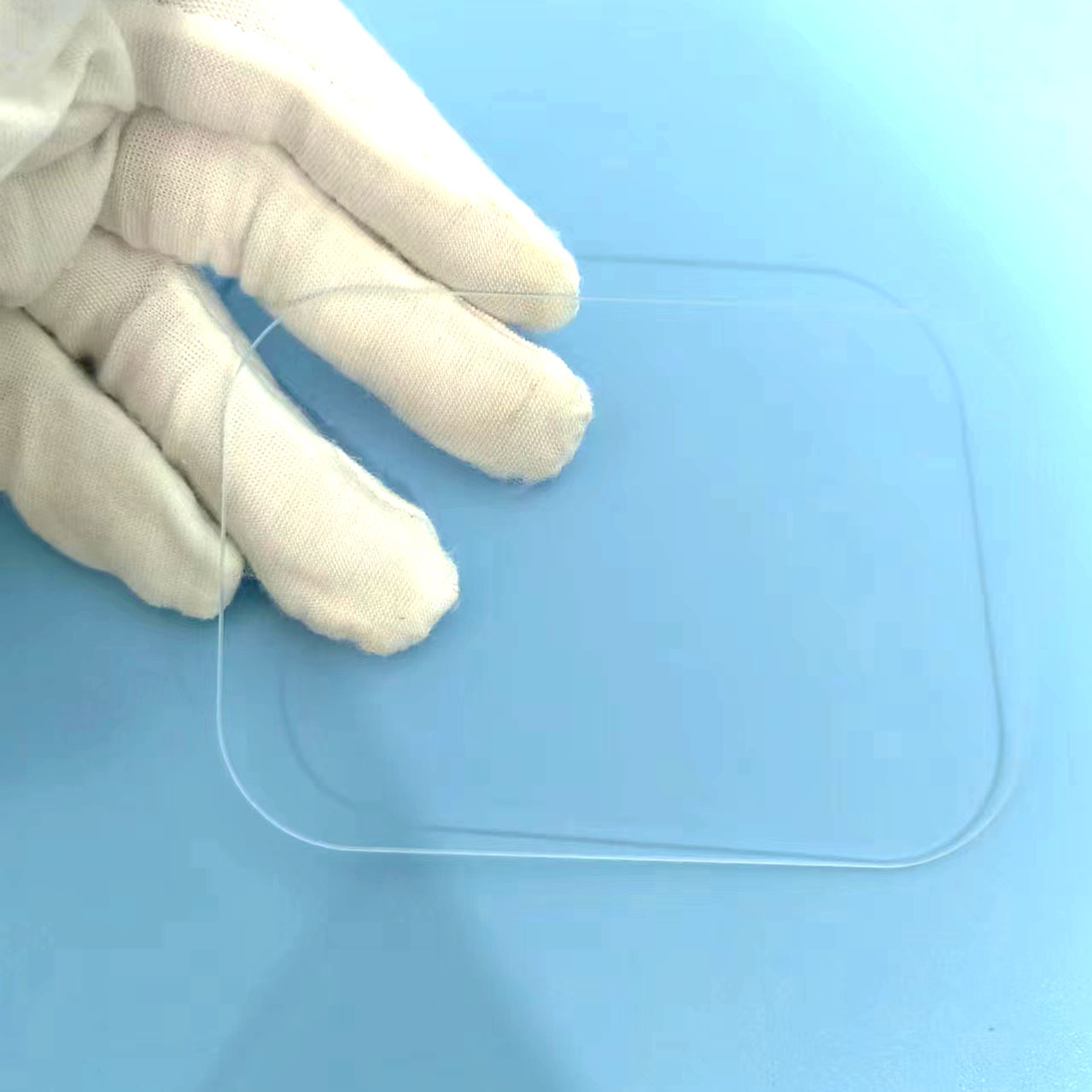
Coating samples are not decorative. They provide a way to compare reflectance, haze, gloss, contact angle and durability before a drawing is frozen for mass production.
Future Procurement Trends for Medical Device Glass Sourcing
Buyers are not simply shifting away from China sourcing; many are rebalancing suppliers, tightening documentation and asking for more engineering involvement before orders are placed.
Verified factory over trading layer
Procurement teams increasingly compare factory identity, process ownership, factory video, assessment reports and transaction history before requesting a quotation.
Documentation-first selection
Material certificates, measurement records, change notification and packaging standards are moving into the RFQ stage rather than appearing after the sample is approved.
Low-volume, high-mix programs
Medical and laboratory equipment makers often need several variants in moderate volumes. Flexible sample runs from 1–2 pieces reduce the risk of committing to a large first order.
Dual sourcing with controlled drawings
Buyers maintain a second source, but they also require tighter drawing control, known process routes and consistent cosmetic standards between suppliers.
Early supplier involvement
Engineering feedback on glass thickness, coating stack, edge design, print layering and adhesive selection can reduce expensive revisions later in the development cycle.
Total cost of qualification
Purchasing is measuring sample speed, engineering response, packaging quality and re-order consistency alongside unit price and freight.
Where Medical Glass and Precision Display Glass Are Heading
The next wave of glass components is being shaped by smaller devices, cleaner optical stacks, more integrated touch surfaces and more demanding use environments.
Thinner, stronger cover glass
Portable diagnostics, handheld monitors and compact instruments require thin glass with controlled edge strength and reliable adhesive bonding.
Anti-fog and easy-clean surfaces
Condensation, disinfectants and repeated wiping push demand for AF, anti-fog and heating layers that can survive realistic cleaning cycles.
Conductive glass for point-of-care devices
ITO and FTO substrates continue to support sensors, electrodes and transparent conductive paths in compact diagnostic hardware.
Combined AR + AG + AF stacks
One surface may need low reflection, glare diffusion and fingerprint resistance at the same time, which makes coating compatibility a design issue rather than a catalogue choice.
Curved and seamless HMI
2.5D and 3D forming help equipment designers create edge-to-edge interfaces with fewer seams, but they demand early tooling and tolerance review.
Design for assembly
Printing, laser engraving, conductive coating, adhesive bonding and protective film selection are increasingly specified as one integrated glass assembly.
Recommended Glass Direction by Application
Use this matrix as an early RFQ guide, then confirm the final substrate, coating and inspection standard with your engineering and quality teams.
| Application | Buyer intent | Recommended glass direction |
|---|---|---|
| Diagnostic analyzer window | Improve light transmission while reducing reflection and surface defects. | AR-coated tempered glass or borosilicate window with agreed scratch-dig inspection. |
| Point-of-care sensor substrate | Transparent conductivity with repeatable sheet resistance and low haze. | ITO or FTO conductive glass, selected by process temperature and chemical exposure. |
| Cleanroom equipment touch panel | Easy cleaning, smudge resistance and stable touch feel. | AF or AG + AF coated tempered glass with chemically strengthened options where appropriate. |
| Humid or condensing viewing port | Maintain visibility during temperature changes or wet environments. | Anti-fog heating conductive glass or protected coated window with a defined power budget. |
| Medical device keypad overlay | Durable graphics, tactile appearance and precise cut-outs. | Custom printed tempered glass with silk-screen graphics, holes, windows and adhesive backing. |
| Outdoor digital health kiosk | Legibility in daylight, weather resistance and durable touch surface. | AG tempered glass, extra-clear touch panel or outdoor waterproof design with sealed assembly. |
| Imaging display cover | High transmittance with controlled glare and clean optical appearance. | AG cover sheet such as KS AG002 custom-size glass with high transmittance. |
| Laboratory and high-temperature fixture | Thermal stability plus transparent conductive performance. | FTO conductive glass or quartz viewing window, depending on temperature and chemistry. |
How to Compare China Wholesale Medical Device Glass Manufacturers
Use a structured checklist instead of comparing quotations by price alone. The best supplier is the one that can prove process control and communicate changes before they affect your device.
1. Factory identity
Confirm whether the supplier owns cutting, CNC, tempering, coating, printing and inspection, or relies heavily on subcontractors.
2. DFM response
Ask for comments on thickness, tolerances, edge chips, coating stack, print colors, curved forming and adhesive choice.
3. Coating evidence
Request reflectance, transmission, haze, gloss, contact angle and adhesion data with the measurement method stated.
4. Change control
Clarify how material batches, ink, coating recipes and process parameters are controlled when moving from sample to volume.
5. Cleaning compatibility
Share the cleaning agents, disinfectants and sterilization conditions early so the coating and ink can be reviewed against the real environment.
6. Packaging discipline
Agree blister trays, partitions, protective film, honeycomb cartons and desiccant requirements before shipment.
7. Sample and commercial terms
Confirm sample quantities, lead time, trade terms, payment method, warranty and order protection available for the transaction.
8. Capacity and continuity
Review annual output, employee count, engineering headcount, export experience and ability to support repeat orders.
KELO Glass: A Factory-Direct Partner for Medical Device Glass and Precision HMI Glass
Huizhou KELO Glass Co., Ltd. is a factory-direct manufacturer located in Huizhou, Guangdong, inside China’s Greater Bay Area electronics supply chain. The company builds its offer around surface engineering: from glass cutting and CNC machining to coating, tempering, printing and bonding.



KELO’s production flow covers cutting, CNC machining, edge polishing, laser engraving, silk-screen printing, sandblasting and frosting, flat and curved tempering, AR / AG / AF / ITO coating, 2.5D / 3D curved forming and 3M adhesive bonding. Keeping these steps under one roof helps control handling damage, dimensional variation, coating consistency and lead time.
Materials processed include Gorilla glass, borosilicate glass, quartz glass, sapphire glass, ceramic glass, lead shielding glass and laminated safety glass. For wholesale buyers, sample orders can start from 1–2 pieces so that fit, optics and coating performance can be validated before volume commitment. Bulk lead time is typically 21–31 days after sample approval, depending on size, coating stack, curved forming and printing complexity.
Commercial support includes FOB, CFR, CIF, EXW and DDP terms, with T/T, L/C, PayPal and Western Union payments. Orders placed through Alibaba.com can be protected by Trade Assurance. Public profile resources include company overview, factory video, ratings and reviews, verified assessment, transaction level, trade capacity and trade history.
For regulated medical device programs, buyers should still define the component’s role in the technical file, confirm the applicable quality-system requirements and complete their own validation. KELO’s role is to support engineering review, provide process and measurement information, and keep the approved sample aligned with production.
Vertical Integration and Three-Gate Quality Control
Outsourcing steps adds handling damage, delay and unclear responsibility. In-house control gives the buyer a single accountable process from raw sheet to packed carton.
Specialty material processing is reviewed against the application. Thickness alone is not enough: forming route, coating compatibility, edge treatment and cleaning exposure all influence the final choice.
Incoming inspection
Raw glass and consumables are verified before production enters the line.
- Thickness and flatness checks
- Surface defect screening
- Ink and coating material verification
In-process control
Critical dimensions and coating results are checked at each station.
- CNC dimensions and hole positions
- Tempering and strength tests
- Coating adhesion and abrasion
Final inspection
Every finished piece is checked before protective packing.
- 100% appearance inspection
- Salt spray reliability testing
- Honeycomb, blister and partition packing
Export Market Distribution and Packaging Readiness
Export experience matters because glass is vulnerable to edge impact, coating abrasion and moisture during transit. Market mix also helps buyers judge whether the supplier understands their documentation and delivery expectations.
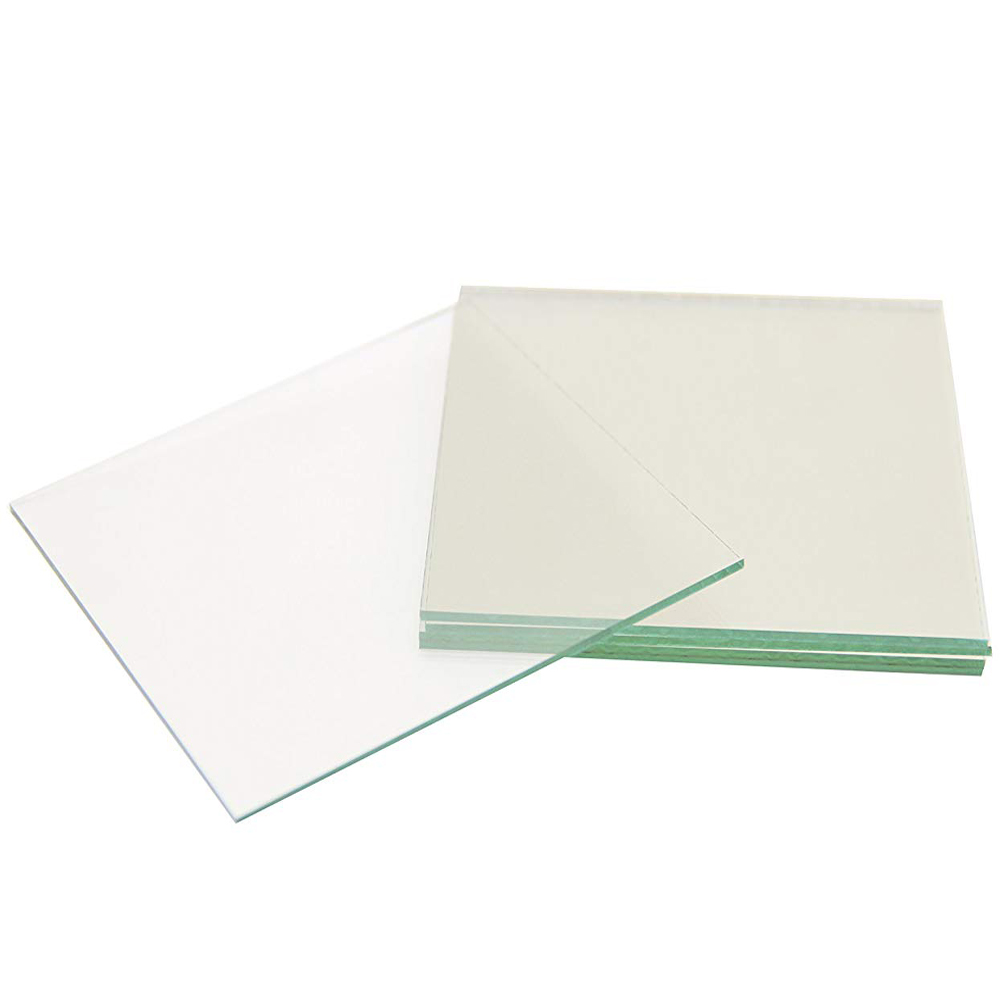
Custom honeycomb cartons, blister trays and partition packing help reduce transit damage and support cleaner unpacking at the customer site.
Frequently Asked Questions About China Wholesale Medical Device Glass
These are the questions procurement and engineering teams usually ask before requesting a sample or a quotation.
Are you a manufacturer or a trading company?
Huizhou KELO Glass Co., Ltd. is a factory-direct manufacturer. Production steps such as cutting, CNC machining, edge polishing, tempering, printing, coating and inspection are handled under the company’s factory system. Buyers can review company overview, factory video, verified assessment, transaction level and trade history through the public KELO profile pages.
Can you produce medical device glass to a drawing?
Yes. Custom size, shape, holes, thickness, silk-screen printing, logo, edge treatment, 2.5D / 3D forming and adhesive bonding can be manufactured to a drawing or approved sample. For medical applications, share the operating environment, cleaning agents and inspection standard as early as possible.
What is the minimum order quantity for custom cover glass?
Sample orders can start from 1–2 pieces so fit, optics and coating performance can be validated before volume commitment. Bulk quantities are quoted per drawing, material, coating stack and annual demand.
What is the typical lead time for mass production?
Bulk lead time is typically 21–31 days after sample approval. The exact schedule depends on size, coating stack, curved forming, printing complexity and the quantity required.
What optical performance can your AR coating achieve?
AR anti-reflective coating can achieve reflectance below 1.0% per side and transmittance above 99% across 400–700 nm in single-layer or multi-layer designs. Final acceptance criteria should be written against your measurement method and application.
Should I choose ITO or FTO conductive glass?
ITO is commonly used for capacitive touch sensors, displays and EMI shielding. FTO offers better thermal and chemical stability in many high-temperature processes, making it a frequent choice for thin-film solar cells and laboratory substrates. Both are available with sheet resistance around 1–20 Ω/sq, transmittance above 85% and haze below 2%.
What thickness, sizes and shapes can you produce?
Glass thickness ranges from 0.1 mm to 19 mm. Size, shape, holes, color, logo printing, 2.5D / 3D curved forming and 3M adhesive bonding are customized to your drawing or sample.
How should sterilization and chemical durability be handled?
Share the intended cleaning agents, disinfectants, sterilization cycles and exposure conditions during RFQ review. The supplier can provide material and coating information and support test planning, but final validation of the finished medical device remains with the device manufacturer.
Which trade terms and payment methods do you accept?
KELO supports FOB, CFR, CIF, EXW and DDP trade terms, and T/T, L/C, PayPal and Western Union payments. Orders placed through Alibaba.com can be protected by Trade Assurance.
How do you control quality and packing?
Quality control includes incoming, in-process and final inspection, 100% appearance checking, tempering, adhesion, abrasion and salt spray testing. Custom honeycomb cartons, blister trays and partition packing help minimize transit damage.
Send Your Drawing, Coating Target and Annual Volume for a Quotation
Whether you are comparing China wholesale medical device glass manufacturers, developing a new diagnostic display window, or searching for a stable ITO/FTO substrate supplier, KELO Glass can review the drawing and recommend a practical glass, coating and packing configuration.
Get CatalogFactory-direct · Samples from 1–2 pieces · Custom sizing and coatings · Export packing for Europe and the Americas