What “China Wholesale Touch Panel Glass” Really Means for a Buyer
China’s touch panel glass supply chain is not a single product category. It combines glass cutting, CNC machining, edge polishing, chemical strengthening, flat and curved tempering, silk-screen printing, optical coating, transparent conductive coating, adhesive bonding and export packing. A wholesale quotation is only useful when those capabilities match the drawing, the operating environment and the annual volume.
For procurement teams, the real question is not “Who has the lowest price per piece?” but “Which factory can hold the optical, electrical, mechanical and cosmetic specification repeatedly?” Huizhou KELO Glass Co., Ltd. is a factory-direct manufacturer in Guangdong’s Greater Bay Area electronics supply chain. Our experience comes from producing touch screen cover glass, display cover glass, AR/AG/AF coated glass and ITO/FTO conductive glass under one roof — from raw sheet to inspected carton.
In-house optical coating
AR reflectance can be specified below 1.0% per side with transmittance above 99% across 400–700 nm. AG haze is controllable from 5–60% at 0.5–8 GU gloss, while AF top coats target a water contact angle above 110° and more than 10,000 abrasion cycles.
Strengthening and forming
Tempered and chemically strengthened glass, CNC holes, edge polishing, 2.5D/3D curved forming and 3M adhesive bonding are important when the cover glass is part of a finished display, switch or appliance assembly.
Transparent conductive glass
ITO and FTO substrates are available at 1–20 Ω/sq sheet resistance with transmittance above 85% and haze below 2%. ITO is widely used for capacitive touch sensors, displays and EMI shielding; FTO is often preferred for thin-film solar and higher-temperature processes.
Export-ready quality control
Reliable wholesale supply needs IQC, IPQC and FQC/OQC checks, 100% appearance inspection, adhesion and abrasion testing, salt spray verification and damage-resistant packing with honeycomb cartons, blister trays and partitions.
8 Recommended Touch Panel Glass Products for Wholesale Buyers
These eight products cover different procurement problems: conductive glass for lighting, AF-coated appliance covers, ultra-clear AR display glass, curved waterproof glass, NFC switch panels, Gorilla glass front panels, gaming mouse glides and black-framed ITO display covers. Product URLs and images are preserved for direct specification review.
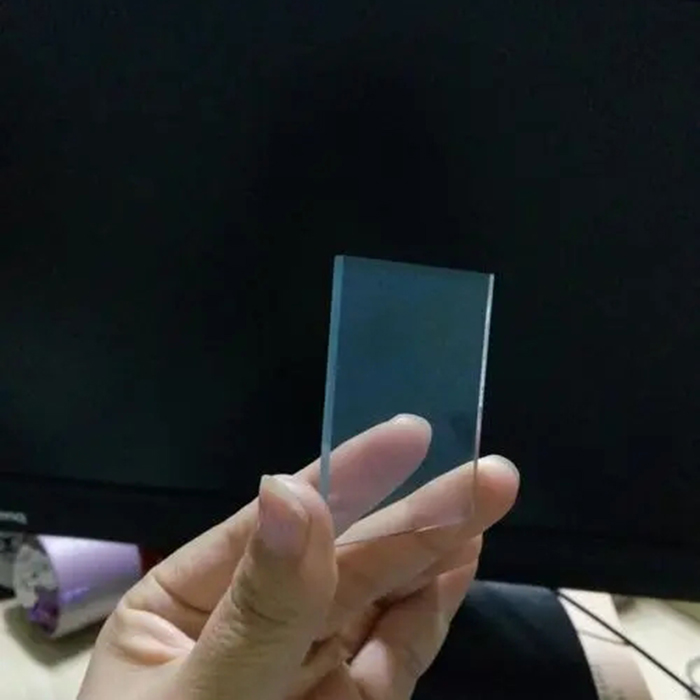
1.1 2.2mm Solid Flat Square Indium Tin Oxide (ITO) Coated Conductive Glass and FTO Conductive Glass for Lighting Applications
A dual conductive glass option for lighting, sensor and display stacks. Specify sheet resistance, transmittance, haze and edge treatment before quotation.
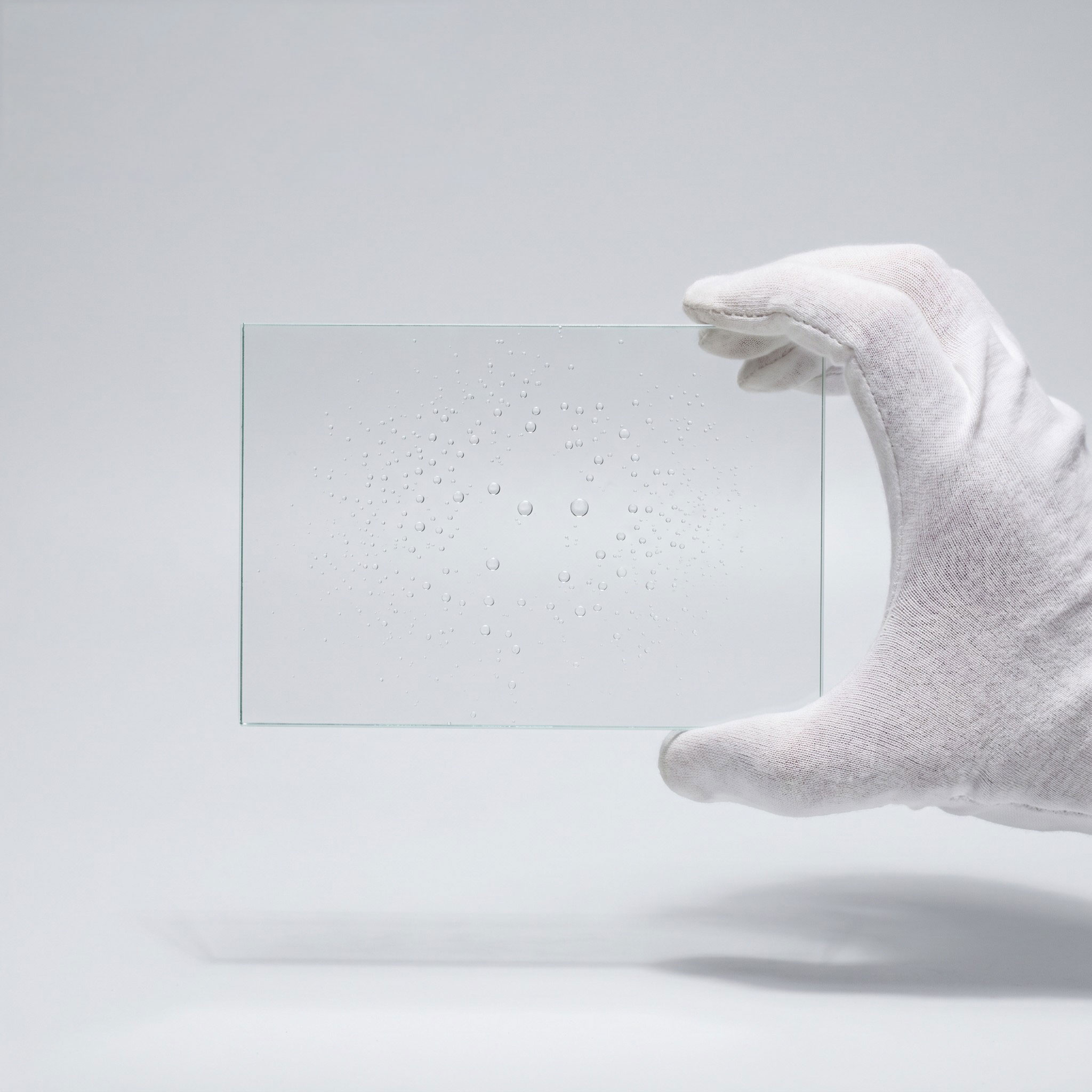
KS AF001 High Transmittance AF Coated 1.1mm/2mm CNC Cut Custom Shape Toughened Glass Panel for Kitchen Electronic Device Covers
An AF-coated toughened glass panel for kitchen electronics where fingerprints, oils and frequent cleaning affect perceived quality.
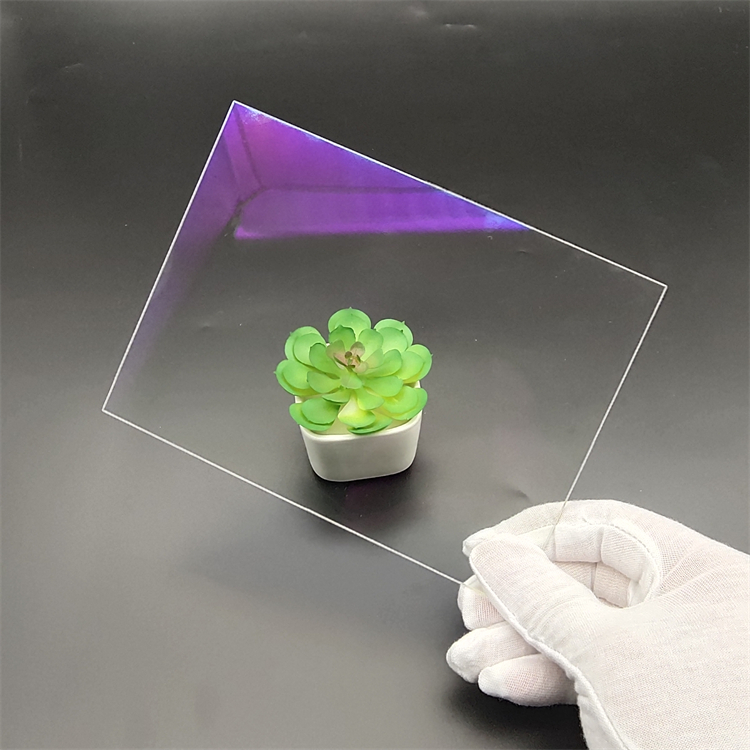
Custom 2mm Ultra-Clear Both Sides Anti-Reflective Coating Tempered Glass for Display Screen Solar & Lighting Use-Solid Structure
Double-sided AR tempered glass for display, solar and lighting applications where reflectance and image contrast must be tightly controlled.

Curved Tempered Glass Panel with Anti-reflective Coating Waterproof for Bathroom and Instrument Display Decoration
A curved, waterproof AR cover glass for bathroom controls and instrument displays where design, moisture resistance and optical clarity matter.
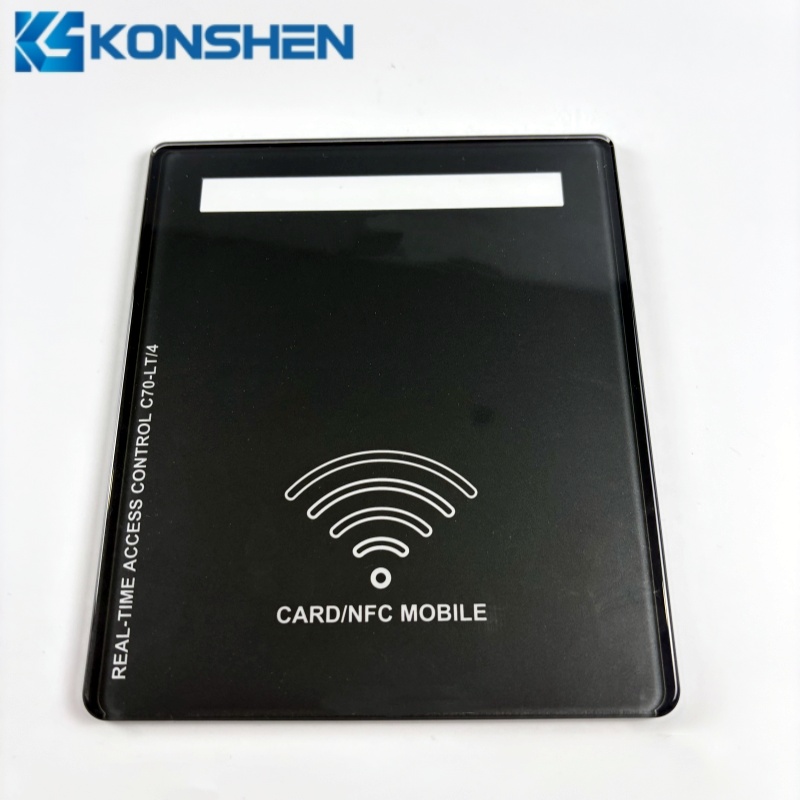
Custom 5mm NFC Access Card Silkscreen Printing Tempered Touch Screen Glass Switch Display Cover Glass
Printed tempered glass with NFC functionality for access control, switch panels and touch interfaces that need both decoration and function.
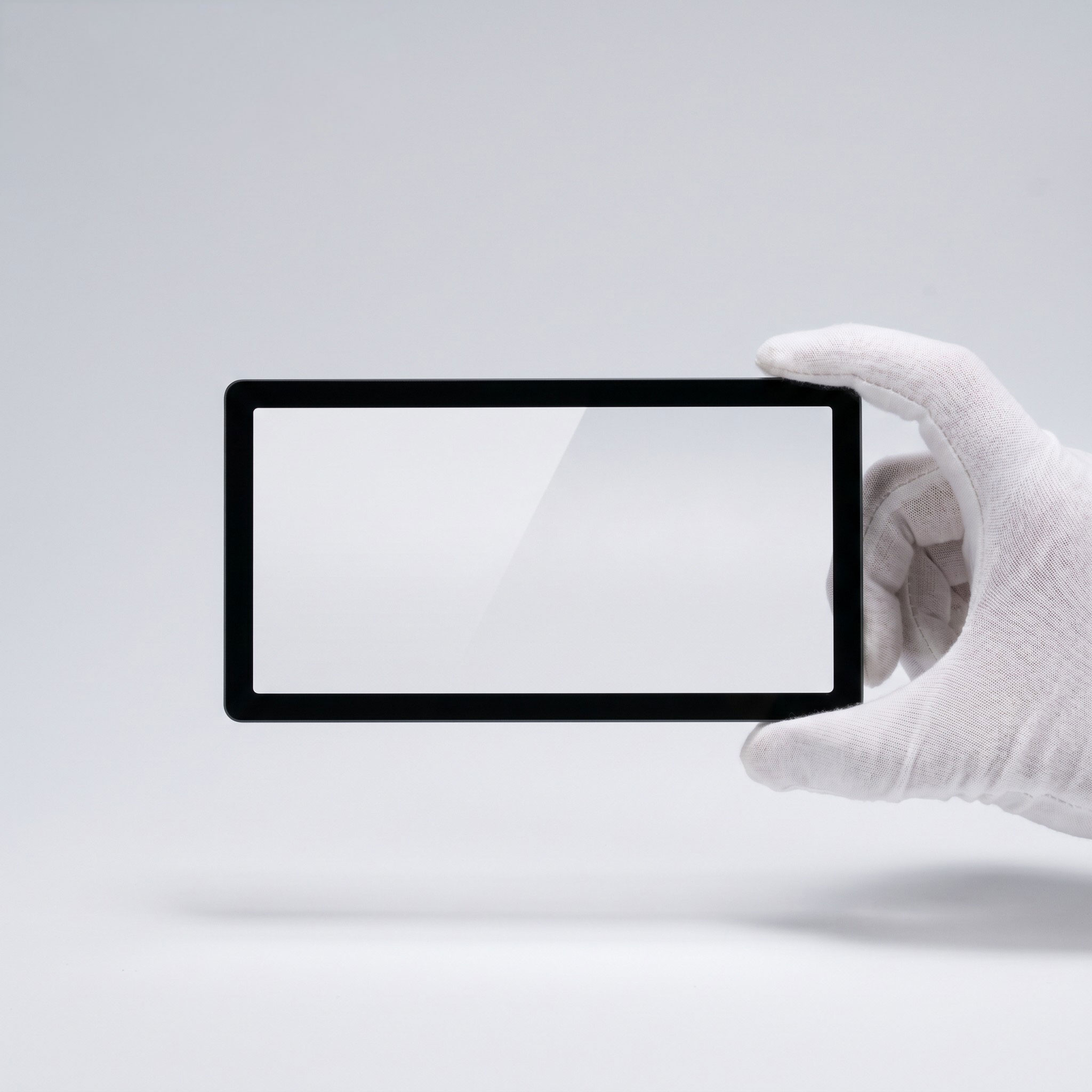
Custom Size Gorilla Glass Front Panel Panda Cover Sheet CNC Cut Silk Printed Tempered Glass Solar Display Screen Cover
A CNC-cut, silk-printed Gorilla glass front panel for solar display and instrument cover applications that require impact resistance and clean printing.
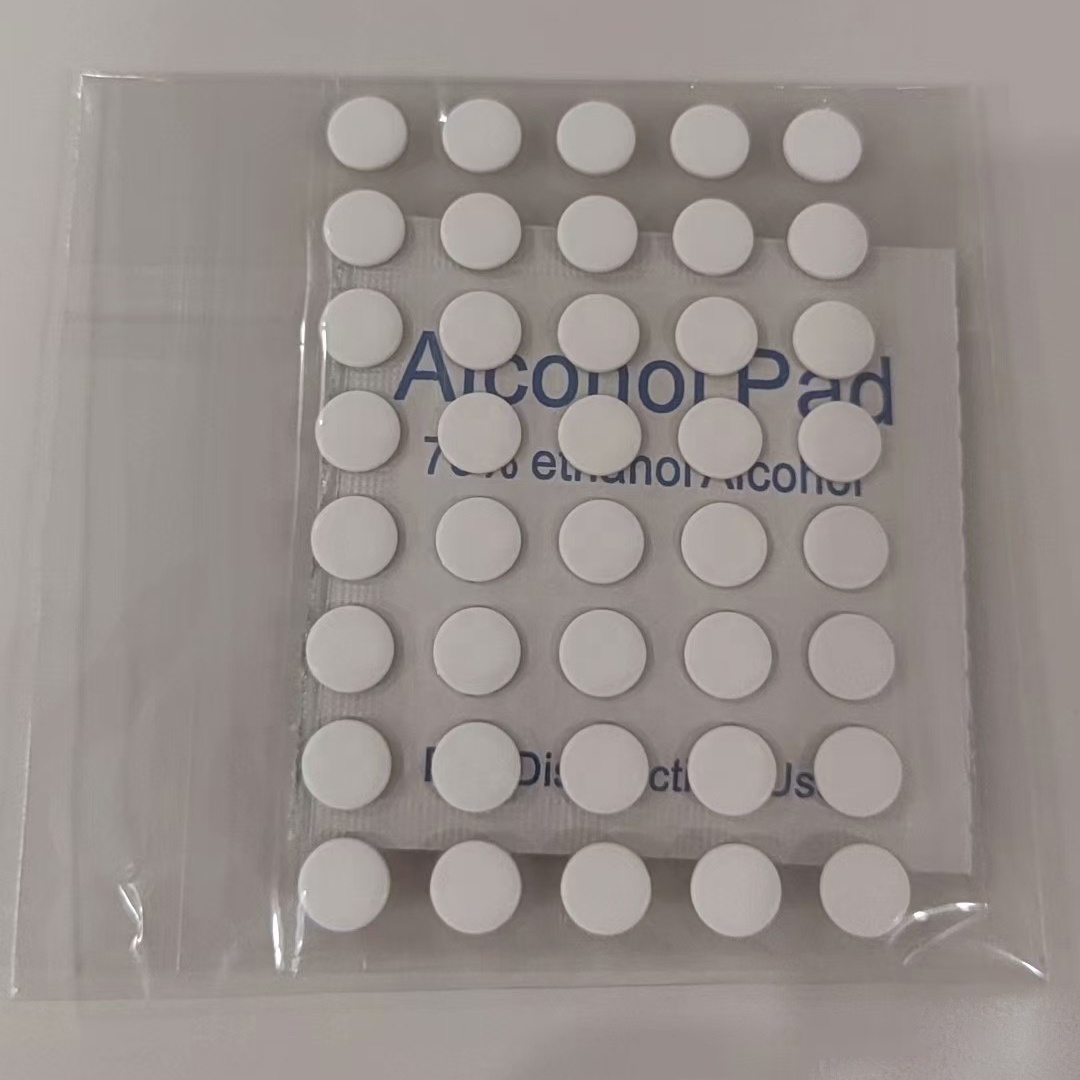
PTFE Round Gaming Mouse Glides Mouse Skate Dots
Low-friction PTFE mouse glides for gaming peripheral brands and aftermarket accessory programs where consistent glide and fit are critical.
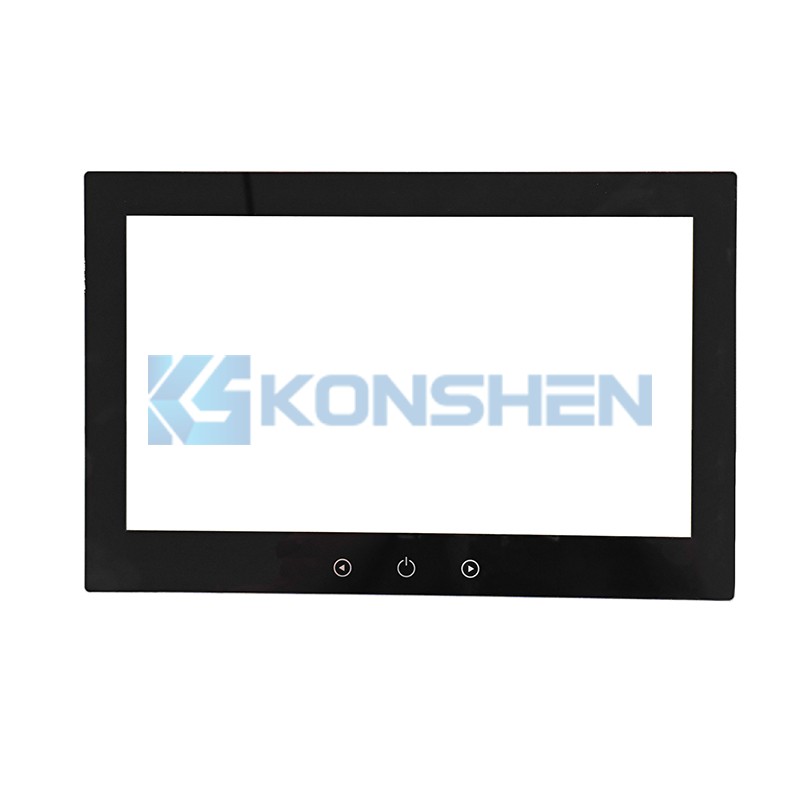
Electronic ITO Conductive Tempered Glass Custom Black Framed 1mm-4mm Thickness Display Cover for Industrial Monitor
A black-framed ITO conductive display cover for industrial monitors and control interfaces, available in 1–4 mm thickness with custom printing.
Need a consolidated catalog with coating values, thickness options, trade terms and packing details for your sourcing review?
Get CatalogSpecifications That Separate a Reliable Supplier from a Low-Cost Trader
A credible China wholesale touch panel glass factory should be able to discuss substrate, coating, electrical performance, geometry, printing, bonding and packaging in one technical review. Use the six modules below as a buyer’s checklist.
Substrate and thickness
Confirm soda-lime, borosilicate, Gorilla glass, quartz, sapphire, ceramic, lead shielding or laminated safety glass. Thickness ranges from 0.1 mm to 19 mm, with tolerance and flatness agreed on the drawing.
Optical coating targets
Define AR reflectance and transmittance, AG haze and gloss, AF contact angle and abrasion resistance. Request measured values and a visual inspection standard, not only a generic “AR available” statement.
Transparent conductive layer
Choose ITO or FTO based on process temperature, chemical exposure, sheet resistance, transmittance and haze. Capacitive touch sensors, displays and EMI shielding usually require different resistance windows.
Geometry and strength
Specify holes, cut-outs, edge polishing, corner radius, 2.5D/3D curvature, tempering and chemical strengthening. For high-touch devices, impact resistance and surface hardness should be tested against the finished assembly.
Printing and bonding
Silk-screen borders, black frames, logos, NFC access features and decorative ink need color and registration limits. If the glass will be laminated, define 3M adhesive, optical bonding and bubble acceptance criteria.
Packing and documentation
For wholesale orders, ask for honeycomb cartons, blister trays, partition packing, inspection records, material certificates and salt spray or abrasion reports. Good packing is part of quality control.
Touch Panel Glass Development Trends Buyers Should Plan For
Product roadmaps for displays, appliances, automotive interfaces and industrial HMIs are moving toward thinner stacks, more integrated optics and stronger mechanical performance. These trends affect tooling, tolerances and supplier qualification.
Large-format and ultra-thin cover glass
Appliance control panels and commercial displays are becoming larger while demanding thinner cover glass. The factory must control flatness, edge quality and coating uniformity across larger substrates.
2.5D and 3D curved glass
Curved cover glass is increasingly used in automotive dashboards, smart-home control panels and bathroom fixtures. Curved forming must be paired with optical coating and print registration for a premium finish.
Multi-functional AR + AG + AF stacks
Buyers increasingly want one substrate to solve several problems: AR for clarity, AG for outdoor readability and AF for fingerprint resistance. Stacked coatings require careful adhesion and durability validation.
Transparent conductive glass for sensors and solar
ITO remains important for capacitive touch and EMI shielding, while FTO supports thin-film solar and high-temperature processing. Both require clear sheet-resistance and haze specifications.
Chemical strengthening and thin safety
Thinner devices still need drop and impact resistance. Chemically strengthened glass and controlled tempering help protect edge quality while maintaining optical clarity and a slim profile.
Integrated printing, NFC and decoration
Glass is no longer only a protective layer. Black frames, silk-screen graphics, logos and NFC-enabled panels combine aesthetics, branding and function, increasing the need for in-house printing and process control.
China Wholesale Touch Panel Glass Procurement Trends for 2025–2030
Purchasing teams are moving away from one-quote decisions toward supplier qualification, total landed cost and technical traceability. The following trends are already visible in display, appliance, automotive and industrial projects.
Supply-chain resilience
Buyers are dual-qualifying factories, maintaining backup tooling and asking for production recovery plans. A wholesale partner should be able to explain capacity, material lead times and inspection bottlenecks clearly.
Specification-driven RFQs
Drawings, coating targets, tolerance tables and packing requirements are replacing vague product names. The more precise the RFQ, the easier it is to compare quotations fairly and avoid hidden deviations.
Faster NPI and prototype loops
Samples from 1–2 pieces shorten the validation cycle for new displays and control panels. Engineering review, DFM feedback and quick coating trials are becoming more valuable than a simple stock list.
Total landed cost
Low unit price is not low total cost. Buyers are comparing yield, cosmetic acceptance, replacement rate, packing damage, freight mode, payment terms and trade assurance across the full landed-cost equation.
Traceability and documentation
Quality records, batch traceability and measured coating data are increasingly requested by brand owners. A factory with in-house IQC, IPQC and FQC can provide more reliable documentation.
Regional customization and packaging
Europe and North America buyers often need specific labeling, packaging, incoterms and compliance documentation. Export experience across Eastern Europe, Northern Europe, Western Europe, Southern Europe, North America and South America is a practical advantage.




Why KELO Glass Is Built for OEM and ODM Touch Panel Projects
Huizhou KELO Glass Co., Ltd. operates a 10,000–30,000 m² factory in Huizhou, Guangdong. The company is a verified manufacturer rather than a trading intermediary, with 101–200 employees, 21–30 R&D engineers and an annual output value of US$50–100M. Touch cover glass capacity reaches 20–25 million pieces per year, and typical response time is within one hour.
Every critical process is kept in-house: cutting and water-jet cutting, CNC machining and drilling, edge polishing, laser engraving, silk-screen printing, sandblasting and frosting, flat and curved tempering, AR/AG/AF/ITO coating, 2.5D/3D curved forming and 3M adhesive bonding. This vertical integration reduces handling damage, shortens communication chains and keeps tolerances accountable from raw sheet to packed carton.
- OEM and ODM engineering support
- Drawing review and DFM feedback
- Samples from 1–2 pieces
- 100% appearance inspection
- Custom honeycomb and blister packing
- Trade Assurance supported
Specialty materials include Gorilla glass, borosilicate glass, quartz glass, sapphire glass, ceramic glass, lead shielding glass and laminated safety glass. For buyers, this means a single supplier can cover multiple product lines without losing control of cosmetic quality or coating performance.
Three Inspection Gates Before Touch Panel Glass Ships
Quality is built into the process, not inspected in at the end. KELO Glass uses incoming, in-process and final inspection to protect optical performance, electrical function and cosmetic acceptance.
IQC: incoming inspection
Raw glass, inks, coatings and consumables are checked before production. Thickness, flatness, surface defects and material identity are verified so that a supplier-side material issue does not become a finished-product failure.
IPQC: in-process control
CNC dimensions, hole positions, edge quality, tempering results, print registration and coating adhesion are checked at defined stations. Coating thickness and optical values are monitored before the next process step.
FQC/OQC: final release
Every finished piece receives 100% appearance inspection. Reliability checks can include adhesion, abrasion, salt spray and tempering verification. Custom honeycomb cartons, blister trays and partitions reduce transit damage.
Reviewing suppliers for an upcoming project? Ask for coating data, inspection criteria and a packing sample before you place a volume order.
Get CatalogExport Market Mix and Independent Trust Signals
KELO Glass is a six-year verified exporter on Alibaba.com with a 4.9/5 store rating, 98.18% reply rate and Trade Assurance support. Current market distribution reflects strong demand from Europe and North America for custom cover glass and optical coated glass.
Trade terms include FOB, CFR, CIF, EXW and DDP. Payments can be arranged by T/T, L/C, PayPal and Western Union, and orders placed through Alibaba.com can be protected by Trade Assurance.
Verified assessment
On-site verification report of factory and capabilities.
Ratings and reviews
Real buyer feedback behind a 4.9/5 store rating.
Credit and trade profile
Company standing, trade capacity, transaction level and credit information are available for buyer due diligence.
Frequently Asked Questions About China Wholesale Touch Panel Glass
These are the questions procurement teams usually ask before requesting samples, approving a drawing or placing a first volume order.
What is the minimum order quantity for custom touch panel glass?
What is the typical lead time for mass production?
What optical performance can your AR coating achieve?
Should I choose ITO or FTO conductive glass?
What thickness, sizes and shapes can you produce?
How do you control coating adhesion and durability?
Which trade terms and payment methods do you accept?
How do you control quality before shipment?
Can you process Gorilla glass, borosilicate, quartz and sapphire?
How do I start a custom wholesale inquiry?
Have a Drawing or a Spec? Let’s Engineer the Right Touch Panel Glass
Buyers, distributors and brand owners are welcome. Send your drawing, target AR/AG/AF or ITO/FTO performance and annual volume. The KELO Glass engineering team will review feasibility and recommend a glass solution that balances optical quality, durability, lead time and total landed cost.
Get Catalog Direct inquiry: info@keloglass.com