Eight Glass Products for Cooktop, Appliance & OEM Wholesale Programs
The products below reflect the same manufacturing platform used for custom cooktop glass: precision cutting, CNC machining, edge finishing, silk-screen printing, tempering, optical coating, conductive glass and adhesive bonding. Original product links and images are preserved for fast technical review.

Round Oval PTFE 3M Wear-resistant Smooth Mouse Feet Stickers Glass Pad Resin Pads
Wear-resistant PTFE glides and glass pad accessories for precision peripheral programs, demonstrating small-format die-cutting and adhesive lamination control.
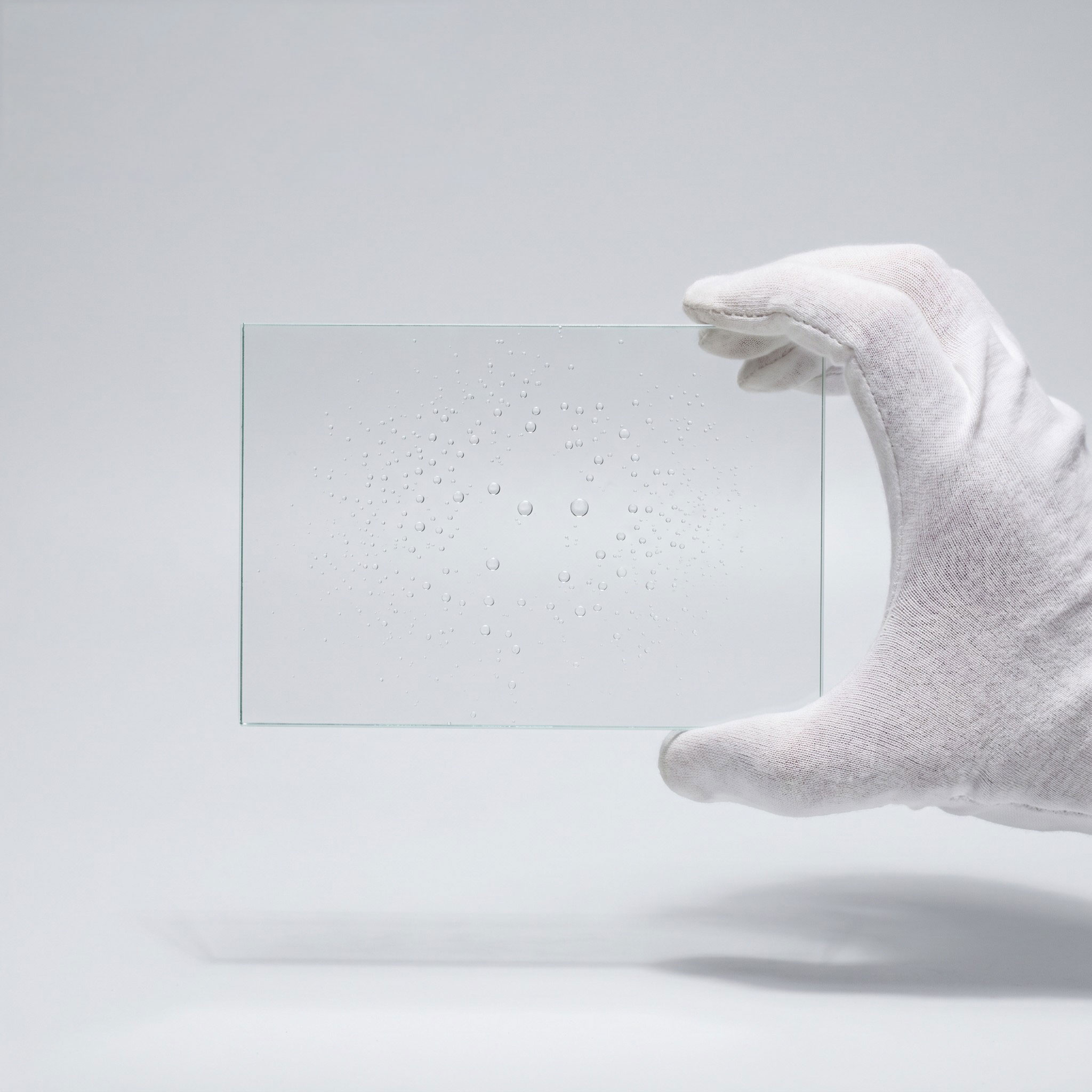
KS AF001 High Transmittance AF Coated 1.1mm/2mm CNC Cut Custom Shape Toughened Glass Panel for Kitchen Electronic Device Covers
AF-coated 1.1 mm and 2 mm toughened glass for kitchen electronics, CNC-cut to custom shapes with easy-clean, low-friction surface performance.
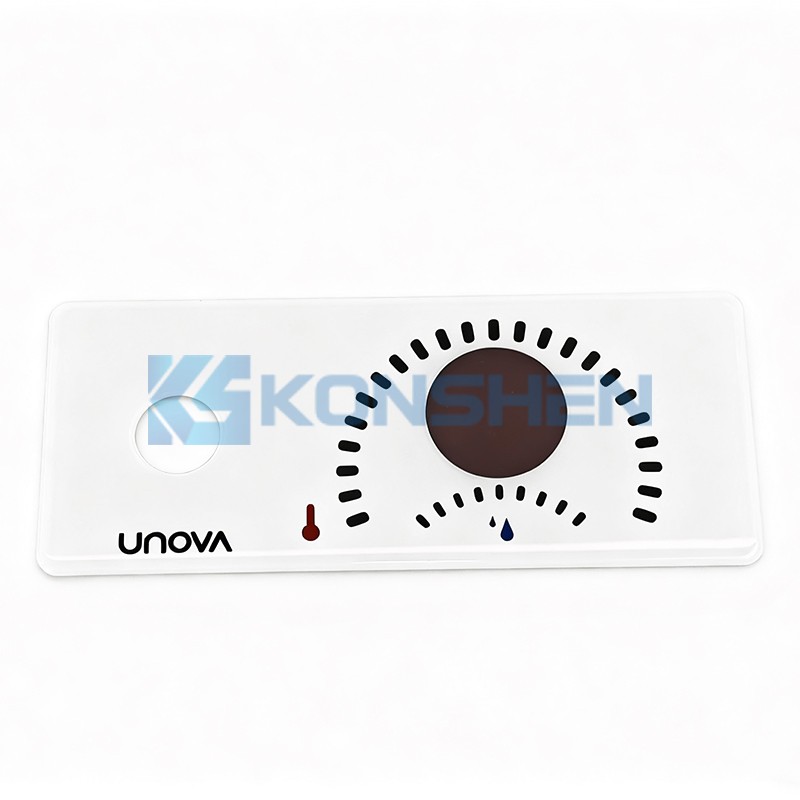
Custom Silk Screen Printed Tempered Glass Electronic Control Panel Cover for Smart Appliances
Printed tempered control panel covers for smart appliances, with durable graphics, hidden display windows and touch-friendly glass surfaces.
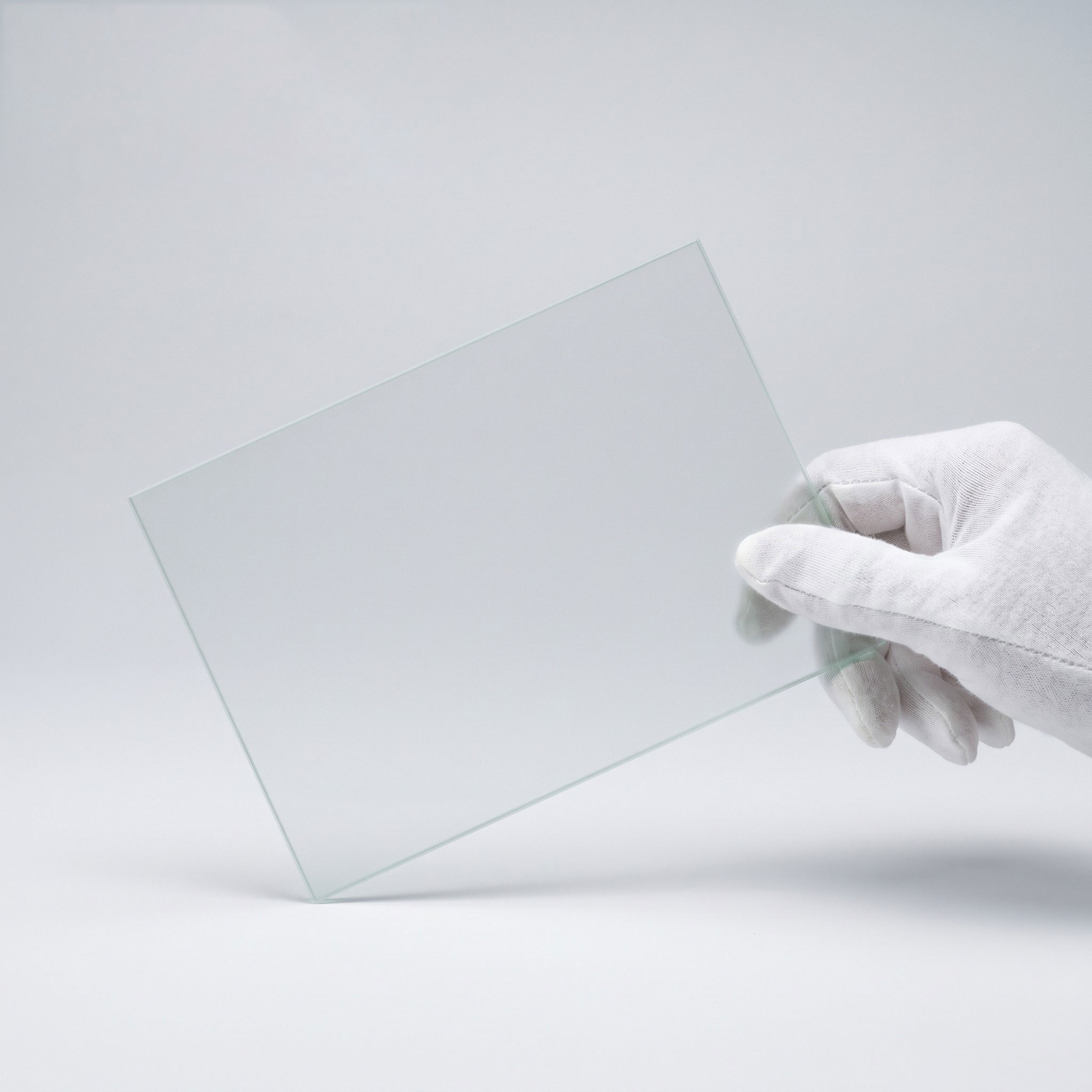
KS AG002 Custom Size AG Coating Anti-Glare Tempered Glass Panel High Transmittance Cover Sheet for Electronic Display Screen
AG-coated tempered display glass with controllable haze, ideal for bright kitchens, commercial appliances and daylight-readable screens.
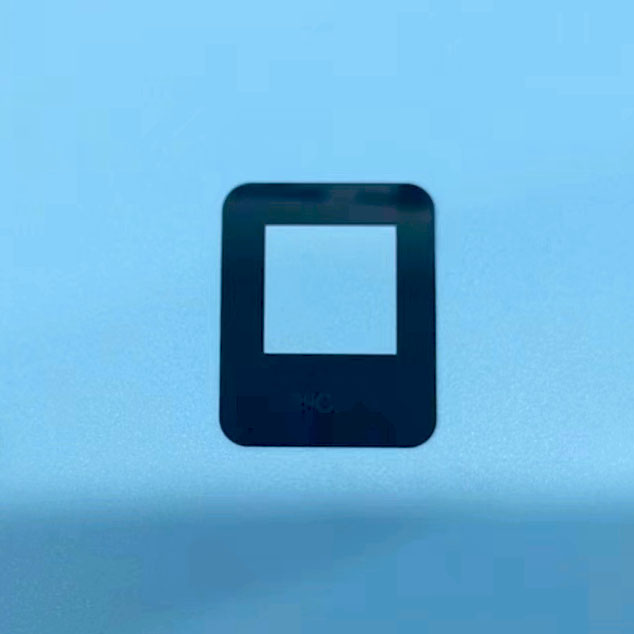
1mm Black Tempered Glass Switch Socket Panel Flat Solid Wall Cover with Print
1 mm black tempered wall switch and socket covers with a flat solid surface and print-ready finish for kitchen and smart-home electrical interfaces.
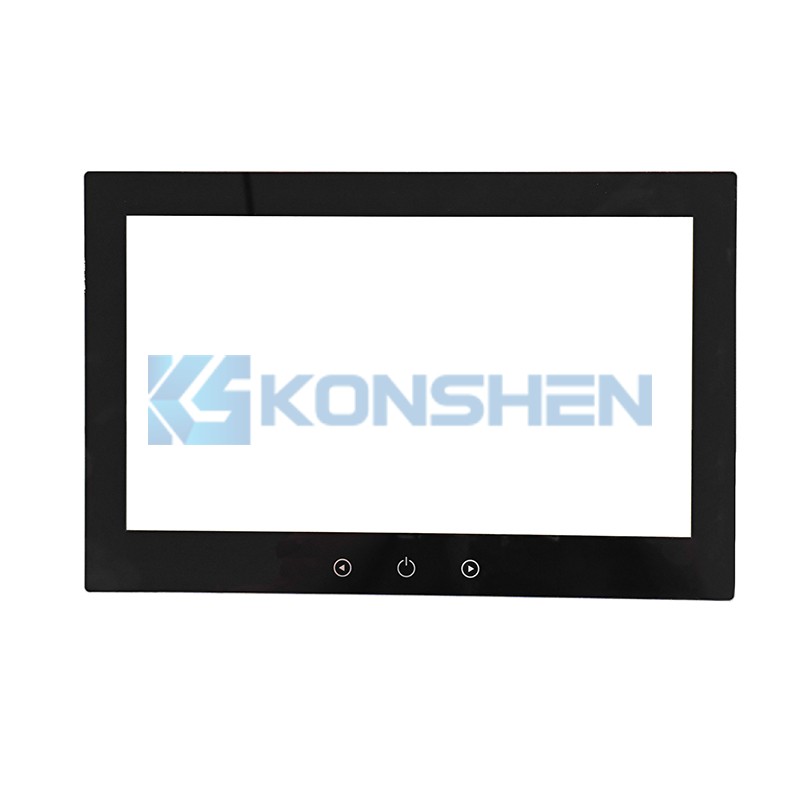
Electronic ITO Conductive Tempered Glass Custom Black Framed 1mm-4mm Thickness Display Cover for Industrial Monitor
ITO conductive tempered display covers with a black printed frame, 1–4 mm thickness, supporting touch sensing, EMI control and industrial monitor integration.
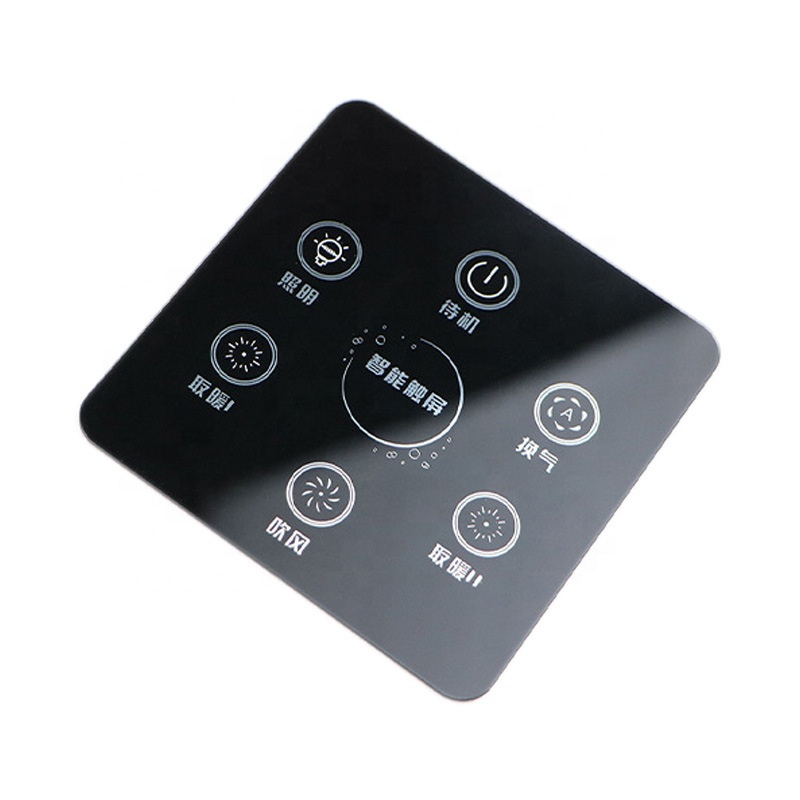
Bathroom Solid & Hollow Tempered Glass Intelligent Touch Shower Control Switch Panel Silk Screen Printed with 4-Year Warranty
Intelligent touch shower glass panel in solid or hollow tempered glass, showing wet-area printing, touch integration and bonded control-panel capability.
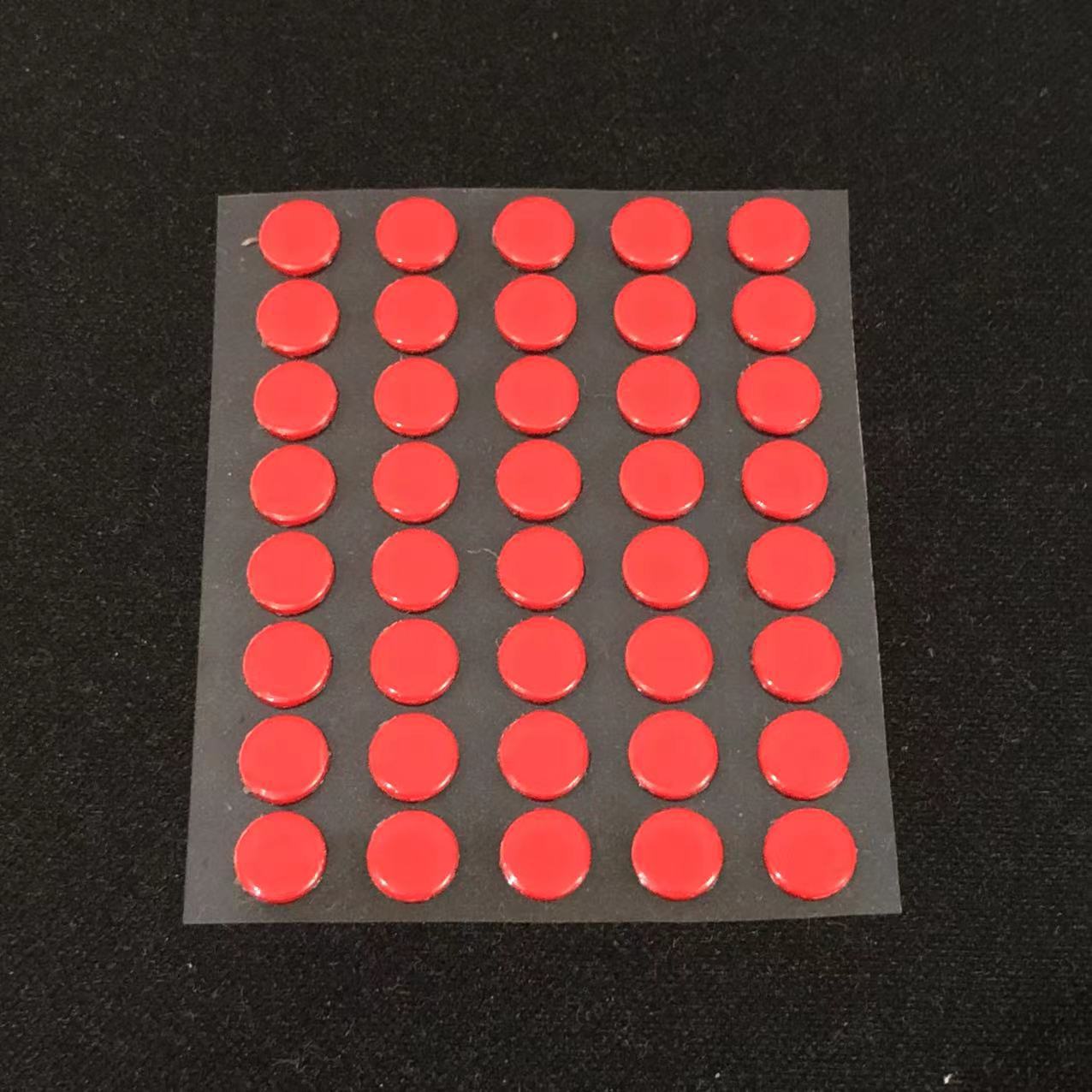
Factory Price Round Red Mouse Sticker Pads Universal Glass Mouse Skates with Small Dot PTFE Non-slip Mouse Feet
Factory-price PTFE mouse skates and small-dot glides for accessory wholesale programs, produced with repeatable stamping and adhesive application.
What Is Custom OEM Cooktop Glass — and Why Specification Discipline Matters
Custom OEM cooktop glass is the visible, touchable and safety-relevant surface of a modern cooking appliance. It may be a 3–4 mm black top plate, a 1–3 mm printed control fascia, an AR-coated display window, an AG anti-glare screen, or an AF-coated touch panel bonded with 3M adhesive. Buyers normally need more than a glass cutter: they need print registration, edge quality, thermal-shock control, coating durability, flatness, adhesive selection and packaging that survives export handling.
As a factory-direct glass manufacturer in Huizhou, Guangdong, Huizhou KELO Glass Co., Ltd. supports OEM, ODM and wholesale programs with in-house cutting, CNC machining, edge polishing, laser engraving, silk-screen printing, sandblasting, flat and curved tempering, AR/AG/AF/ITO/FTO coating, 2.5D/3D forming and 3M adhesive bonding. The factory covers 10,000–30,000 m², has 101–200 employees, 21–30 R&D engineers and an annual output value of US$50–100 million, with touch cover glass capacity around 20–25 million pcs per year.
This page is written for procurement teams, appliance brands, distributors and importers who need a repeatable supply route rather than a one-off sample. It separates verified factory data from engineering guidance, because the best quotation is not the lowest unit price — it is the glass specification that passes thermal, mechanical, optical, cosmetic and logistics requirements with the fewest hidden costs.
Six functions to define before requesting a cooktop glass quotation
- Thermal-shock and heat exposure
- Touch, ITO or capacitive integration
- Print design, windows and backlighting
- AF, AG, AR or combined coating
- Holes, cut-outs, 2.5D/3D edges and tolerances
- 3M adhesive, mounting and export packing
Verified Capability Behind Every Wholesale Glass Order
For B2B buyers, capability is only useful when it is measurable. These figures come from the company profile and describe the production base behind custom cooktop glass, appliance panels and adjacent specialty glass lines.
Enterprise Advantages for OEM Cooktop Glass Wholesalers
Cost control, engineering support and quality evidence matter more than catalogue size when you are sourcing a glass interface that will be bonded, touched, cleaned and inspected every day.
One factory, fewer handoffs
Cutting, CNC, polishing, printing, tempering, coating, curved forming and bonding run in-house. That reduces handling damage and keeps tolerances accountable from raw glass to packed carton.
Engineer-led DFM
Samples start from 1–2 pcs, so buyers can validate shape, print, optical performance and bonding before volume. Engineering review flags tolerance, coating and cost drivers early.
Surface engineering depth
AR, AG, AF, ITO and FTO technologies are applied and inspected in-house. Production windows include AR reflectance below 1.0% per side, AF contact angle above 110°, and ITO/FTO sheet resistance of 1–20 Ω/sq.
Verified export record
KELO is a verified exporter with a 4.9/5 store rating and 98.18% reply rate. Buyers can review third-party assessment, factory video, trade capacity, transaction history and credit profile before ordering.
From Raw Glass Sheet to Packed Cooktop Panel
Outsourcing individual glass processes creates extra transport, extra inspection points and uncertain responsibility when a cosmetic defect appears. In-house processing allows KELO to control the variables that matter to cooktop and appliance brands: edge quality, print alignment, flatness, coating adhesion, tempering condition and bonding strength.
The factory processes Gorilla glass, borosilicate glass, quartz glass, sapphire glass, ceramic glass, lead shielding glass and laminated safety glass. For cooktop-adjacent applications, the most common routes are tempered or chemically strengthened glass, black printed glass, AF-coated control faces, AR/AG display windows and ITO conductive layers.
- Cutting, water-jet and CNC drilling
- Edge polishing, holes and cut-outs
- Silk-screen printing and laser engraving
- Flat and curved tempering
- AR / AG / AF / ITO / FTO coating
- 2.5D / 3D forming and 3M bonding


Which Cooktop Glass Specification Fits Your Application?
Use these starting points for RFQ discussions. Final thickness, coating stack, printing and test criteria should be confirmed against your drawing, appliance structure and safety validation plan.
Induction / electric top plate
A 3–4 mm tempered black glass route is common for top plates, with optional AF easy-clean finish, printed graphics and masked display zones. Buyers should define flatness, edge condition and thermal-shock validation before tooling.
Printed touch control fascia
For control panels, 1.0–3.0 mm strengthened glass with AF, silk-screen graphics and optional ITO/capacitive sensing is typical. Register print to sensor windows, holes and adhesive zones with agreed tolerances.
Gas hob control fascia
Glass in gas appliances is generally used for control panels and trims rather than direct flame contact. Use heat shielding, stand-offs, high-temperature inks and clear validation limits if the glass is close to heat sources.
Oven / range display window
AR anti-reflective glass improves see-through clarity for oven displays and appliance control windows. AG is better where direct glare is the main issue. Combined AR+AG stacks can balance contrast, haze and readability.
Smart appliance glass cover
AF-coated 1.1 mm or 2 mm toughened glass with CNC cut-outs and 3M adhesive suits kitchen electronics and smart appliance covers. The adhesive, print and coating sequence must be fixed during sample approval.
Black printed interface glass
1 mm black tempered glass provides a premium flat surface for switch, socket and wall control interfaces adjacent to kitchen spaces. Print opacity, hole position, edge gloss and adhesive compatibility are the key checkpoints.
Cooktop Glass Sourcing Matrix
This matrix gives procurement teams a fast starting point for technical conversations with engineering and supplier quality teams.
| Application | Typical substrate route | Coating / finish | Buyer checkpoint |
|---|---|---|---|
| Induction / electric top plate | 3–4 mm tempered black glass, printed graphics | AF easy-clean, AG optional | Thermal shock, flatness, edge quality, hidden display mask |
| Touch control fascia | 1–3 mm strengthened glass, CNC holes | AF + ITO / capacitive layer | Print registration, sensor alignment, contact angle, bonding |
| Gas hob control area | 1–3 mm tempered glass with heat shielding | High-temperature print, AG / AF optional | Clear heat-exposure limits, stand-offs, ink durability |
| Oven / range display | 2–4 mm tempered display glass | AR, AG or AR+AG | Reflectance, transmittance, colour neutrality, cosmetic grade |
| Commercial kitchen HMI | 1.1–4 mm chemically strengthened or tempered glass | AG+AF, ITO, black framed print | Chemical durability, scratch resistance, EMC strategy, packing |
Final acceptance criteria must be tied to your drawing, appliance validation plan and applicable safety standards. The values above are sourcing guidance, not a substitute for OEM design validation.
Future Procurement Trends for Custom Cooktop Glass Wholesalers
Buyers are shifting from price-only sourcing to supplier systems that reduce validation time, protect brand quality and make multi-SKU programs easier to scale.
Sample-first, lower-risk purchasing
Procurement teams increasingly validate fit, optics, print and coating on 1–2 physical samples before committing to volume. This reduces tooling risk and shortens the path from concept to approved production drawing.
Verified factories over anonymous traders
Third-party assessment, trade history, factory video and credit data are now standard due-diligence tools. Buyers want to know who tempers, prints and coats the glass — not just who quotes the lowest price.
Documented performance windows
More buyers are asking for measured AR reflectance, AG haze, AF contact angle and ITO sheet resistance in RFQs. Clear numbers reduce disputes during first article approval and incoming inspection.
Multi-SKU and private-label demand
Appliance brands and distributors need many sizes, prints and finishes from a stable supplier. Flexible CNC and printing reduce minimum tooling friction and support region-specific cooktop designs.
Total landed cost focus
Wholesale buyers are calculating packaging yield, breakage rate, inspection labour and rework cost — not only FOB price. Honeycomb cartons, blister trays and partition packing often decide the real cost per accepted panel.
Regional compliance and traceability
Importers want batch traceability, material records, consistent packaging labels and export terms such as FOB, CFR, CIF, EXW and DDP. Trade Assurance and documented QC gates support smoother cross-border purchasing.
Cooktop Glass Development Trends Buyers Should Track
The next generation of cooktop and appliance interfaces is being shaped by integrated touch, quieter aesthetics, easier cleaning and tighter optical control.
Hidden touch and display integration
Printed black borders, ITO layers and selective windows allow controls to disappear when off and appear when lit. OEMs benefit from cleaner design, fewer mechanical parts and sealed glass surfaces.
Thinner chemically strengthened glass
For control fascias and appliance covers, thin chemically strengthened glass can reduce weight while maintaining strength. Thickness reduction must be balanced with stiffness, edge quality and bonding design.
Combined AR, AG and AF stacks
Single-function coatings are giving way to combined stacks such as AR+AG and AG+AF. The goal is a surface that is readable in bright kitchens, resistant to fingerprints and durable through daily cleaning.
2.5D, 3D and edge-to-edge design
Curved or rounded glass edges can improve touch feel, housing integration and visual continuity. For cooktops, curved forming must be evaluated together with print alignment, bonding and thermal behaviour.
Fine-print aesthetics and brand consistency
High-resolution silk-screen printing allows fine icons, durable markings, gradual masks and custom colour matching. The challenge is maintaining registration and colour consistency across production batches.
Durability and cleaner production
Low-friction AF surfaces, chemically resistant print and robust tempering help appliances stay clean and legible. Buyers also ask for better packing and process control that reduce breakage and avoid unnecessary rework.
Three Inspection Gates Before Cooktop Glass Ships
Quality is built into the process, not inspected in at the end. KELO uses incoming, in-process and final inspection gates, with 100% appearance checking for finished glass and reliability checks such as tempering, adhesion, abrasion and salt-spray testing.
For a wholesale program, request a first-article approval that covers dimensions, print position, glass colour, coating appearance, surface cosmetics, adhesive zones, packing method and the exact carton label. That single approved reference can prevent most disputes during ramp-up.
Verified Assessment
On-site verification of factory capability and profile.
View reportRatings & Reviews
Buyer feedback behind the 4.9/5 store rating.
Read reviewsFactory Video
Review production and coating lines before inquiry.
Watch videoTrade History
Recorded cross-border transactions and export activity.
View historyHow a Custom Cooktop Glass Project Runs
A transparent, engineering-led process from drawing review to export packing. Typical mass-production lead time is 21–31 days after sample approval, depending on size, coating stack, curved forming and print complexity.
Share requirements
Send a drawing, sample or target specification with annual volume and application conditions.
Engineering review
DFM feedback covers glass thickness, tolerance, coating, print, holes and cost drivers.
Rapid prototype
Validate with samples from as few as 1–2 pieces before production tooling.
Sample approval
Approve fit, optics, print, coating, adhesive and packaging references.
Mass production
IQC, in-process checks and final inspection control the release of each batch.
Packing & shipping
Custom honeycomb cartons, blister trays and partition packing support export delivery.
Frequently Asked Questions About Custom Cooktop Glass Sourcing
Practical answers for OEM procurement teams, appliance brands, importers and wholesale distributors comparing suppliers.
What is the minimum order quantity for custom cooktop glass?
Sample orders can start from 1–2 pieces so you can validate shape, print, optics, coating and bonding before committing to volume. Bulk quantities are quoted per drawing, glass type, coating stack, printing complexity and packaging requirement.
What glass thickness is used for induction, electric and gas cooktops?
Induction and electric top plates commonly use around 3–4 mm tempered black glass, while control fascias and appliance covers often use 1–3 mm glass. Gas hobs usually use glass for control panels and trims rather than direct flame contact. Final thickness must be confirmed against span, heat exposure, touch stack, housing design and the appliance safety validation plan.
Can you print logos, icons, hidden windows and custom graphics on cooktop glass?
Yes. We support silk-screen printing, laser engraving and masking for logos, icons, borders, hidden display windows and selective light transmission. For best results, provide artwork with colour references, ink requirements, window tolerance and the intended viewing side so print sequence and registration can be reviewed during DFM.
Which coating is best for a cooktop control panel: AF, AG or AR?
AF anti-fingerprint is used for touch surfaces that must resist smudges and clean easily. AG anti-glare diffuses reflections for bright kitchens and outdoor-influenced displays. AR anti-reflective improves optical clarity for windows and high-contrast displays. Combined stacks such as AG+AF or AR+AG can be evaluated when several functions are required.
Can you integrate ITO conductive glass or touch sensing into the panel?
Yes. ITO conductive glass is available with sheet resistance around 1–20 Ω/sq, transmittance above 85% and haze below 2%. It is used for capacitive touch sensors, displays and EMI shielding. For touch control panels, the ITO pattern, print window, black frame and bonding zones should be reviewed together before sampling.
How do you control thermal shock and safety for cooktop glass?
Glass grade, tempering condition, thickness, edge quality, hole position and heat shielding all affect thermal performance. KELO can review the mounting design and agree a validation plan with tempering checks, appearance inspection and application-specific thermal or mechanical tests. Final product safety approval remains with the appliance OEM, because the glass is one part of a larger heating and control system.
What is the typical production lead time?
Bulk lead time is typically 21–31 days after sample approval, depending on size, glass type, coating, curved forming, printing complexity and order quantity. Prototype lead time is quoted separately after drawing review so the sample route can be matched to your validation schedule.
How is the glass packed for export to avoid breakage?
We use custom honeycomb cartons, blister trays and partition packing to reduce transit damage. The packing method can be matched to panel size, edge exposure, print sensitivity, coating surface and the unloading conditions at destination. A packing sample can be approved together with the first-article sample.
Which trade terms and payment methods are supported?
We support FOB, CFR, CIF, EXW and DDP trade terms, and payment by T/T, L/C, PayPal and Western Union. Orders placed through Alibaba.com can be protected by Trade Assurance. For repeat wholesale programs, commercial terms can be structured around forecast, batch size and delivery schedule.
What information should I send with my RFQ?
Send a 2D drawing or sample, glass thickness target, dimensions and tolerances, print artwork, coating requirement, touch or ITO requirement, adhesive or mounting method, annual volume, destination country and target certification or test criteria. A clear RFQ shortens engineering review and helps us recommend the most cost-effective custom OEM cooktop glass route.
Have a Cooktop Glass Drawing or Specification?
Send your drawing, target coating performance, print artwork and annual volume. KELO’s engineering team will review feasibility, flag cost drivers and recommend a practical glass route for samples or wholesale production.