Eight Cover Lens & Specialty Glass Products for OEM Sourcing
Use this shortlist as a starting point for RFQ discussions. Each product below is linked to its original specification page so engineering and procurement teams can review the same reference before sampling, coating validation or tooling investment.
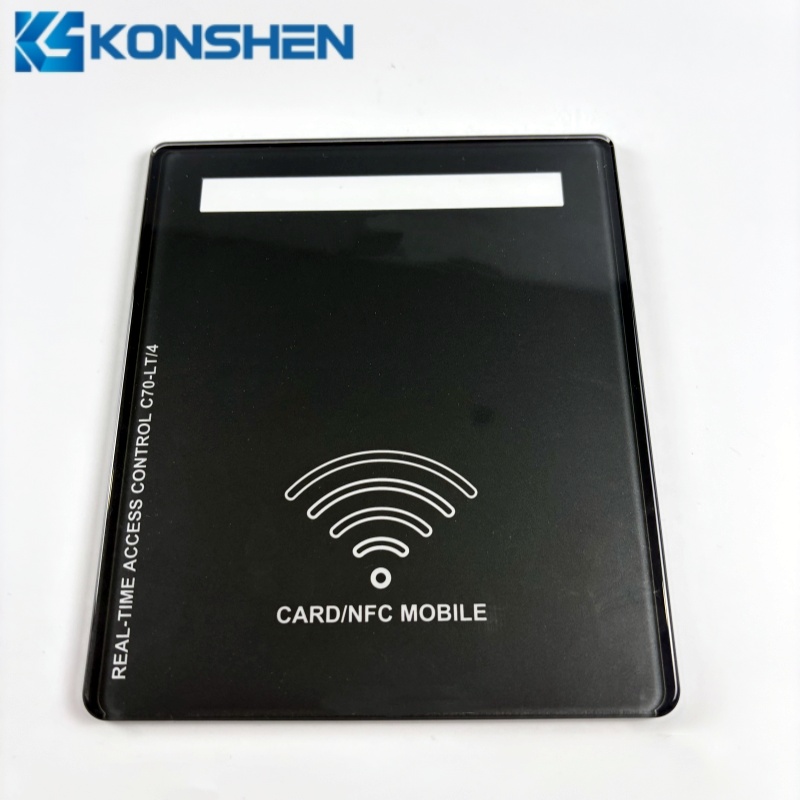
Custom 5 mm NFC Access Card Silkscreen Printing Tempered Touch Screen Glass Switch Display Cover Glass
A tempered switch-panel cover lens with silkscreen-printed graphics and an NFC-readable window. Recommended for access-control wall plates, smart-home switches and secure display covers where print registration and touch reliability must be validated together.
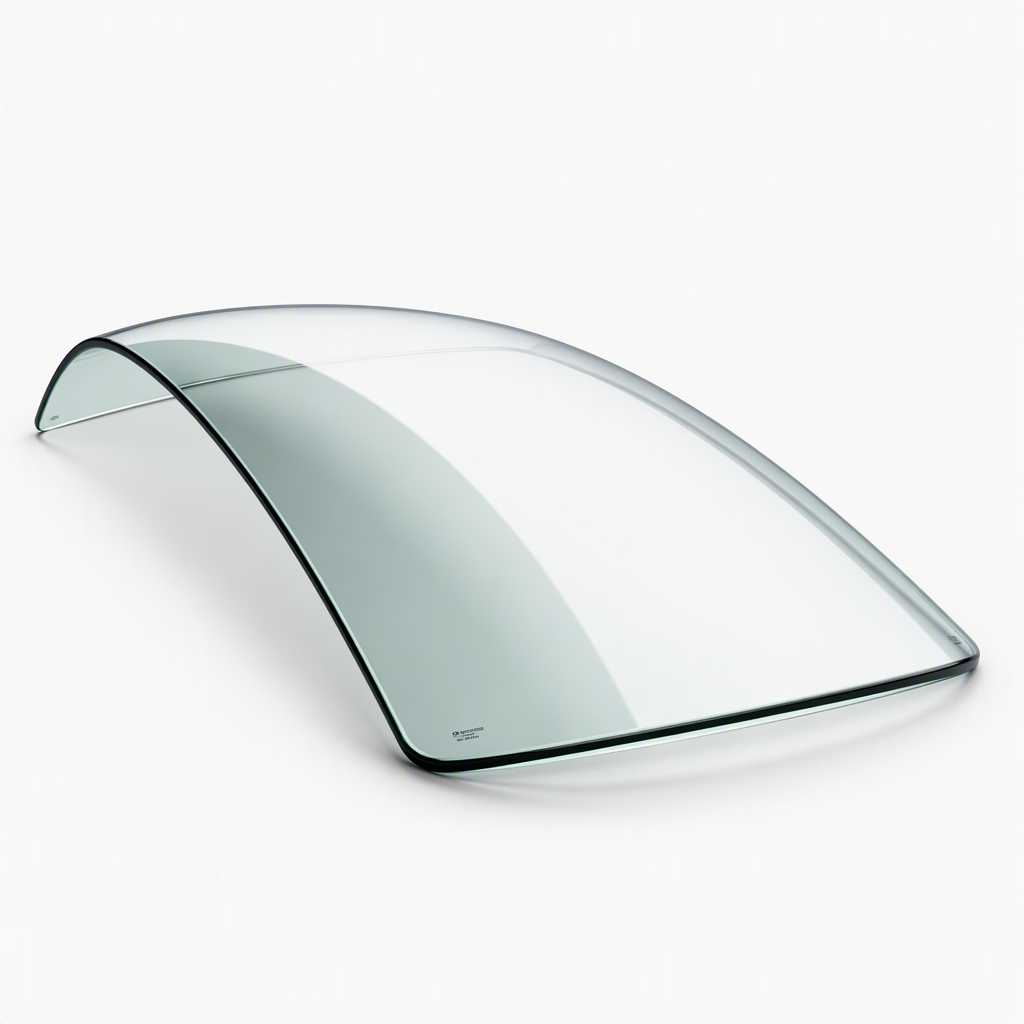
Hot Bent Glass Curved Tempered Glass Panel Small Radius Arc Shaped Custom Curved Glass For Automotive Display OEM ODM
Hot-bent tempered glass with a small-radius arc for automotive displays. The OEM/ODM program supports 2.5D and 3D shaping, edge polishing and print integration for center stacks, instrument clusters and curved HMI surfaces.
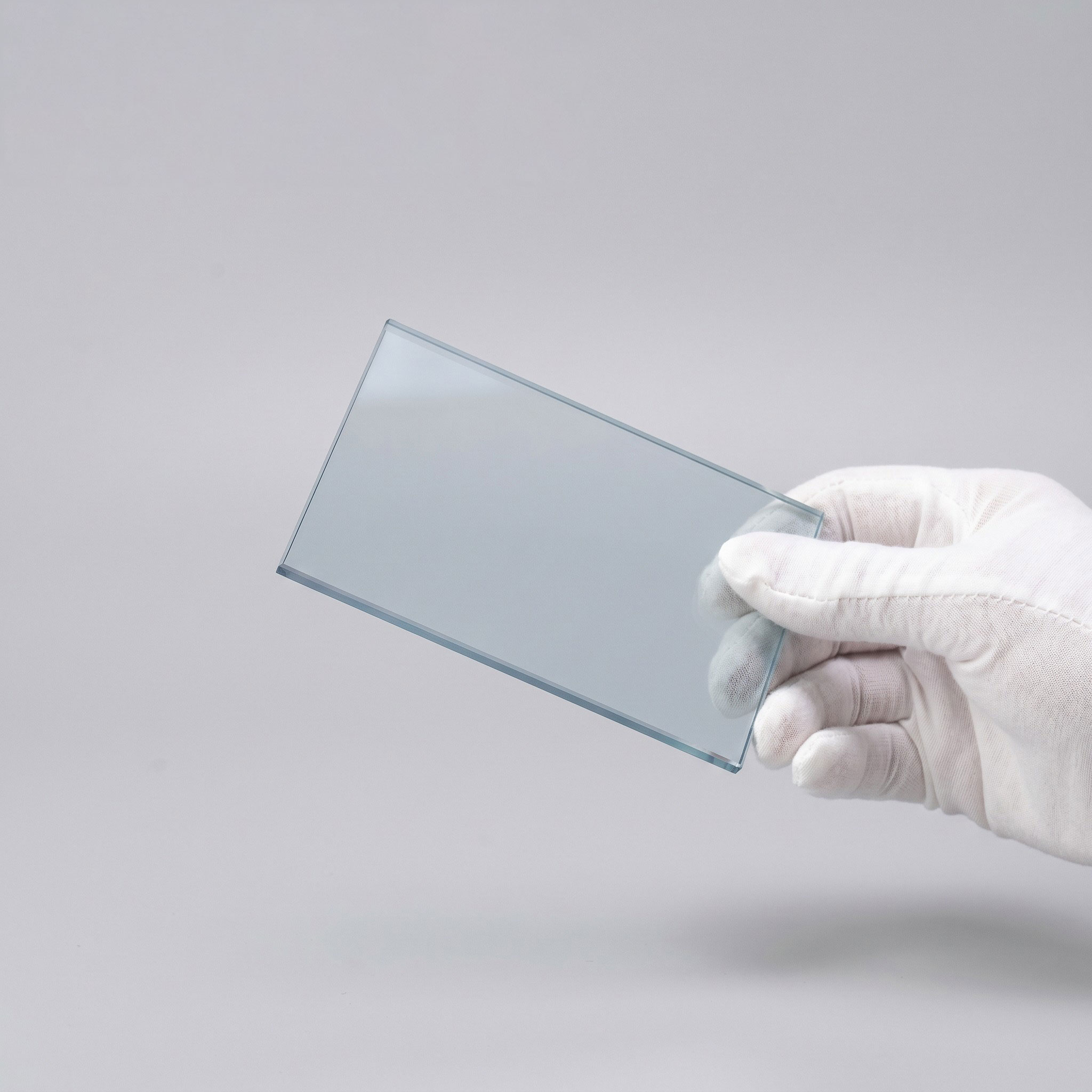
High Temperature Resistance Fluorine Doped Tin Oxide FTO Conductive Glass Solar Cell Substrate DSSC Perovskite Lab Research
Fluorine-doped tin oxide glass for DSSC, perovskite and thin-film solar research. Selected when the conductive substrate must survive higher thermal and chemical loads than standard ITO glass while maintaining transparent conductivity.
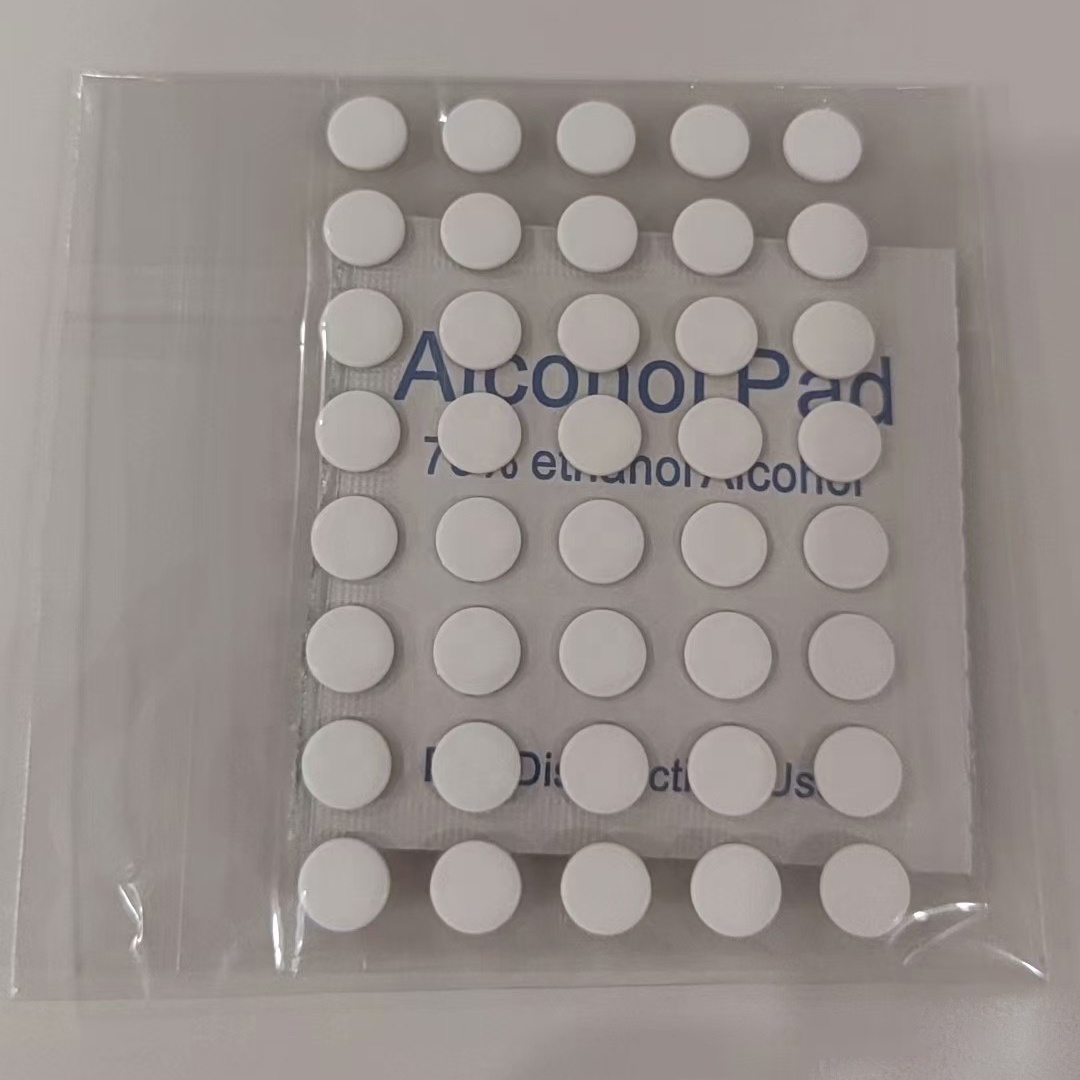
PTFE Round Gaming Mouse Glides Mouse Skate Dots
PTFE round gaming mouse glides supplied as skate dots. Low-friction, wear-resistant dots are sized to the mouse base; custom diameters, thickness options and packaging are available for peripheral brands and wholesale programs.
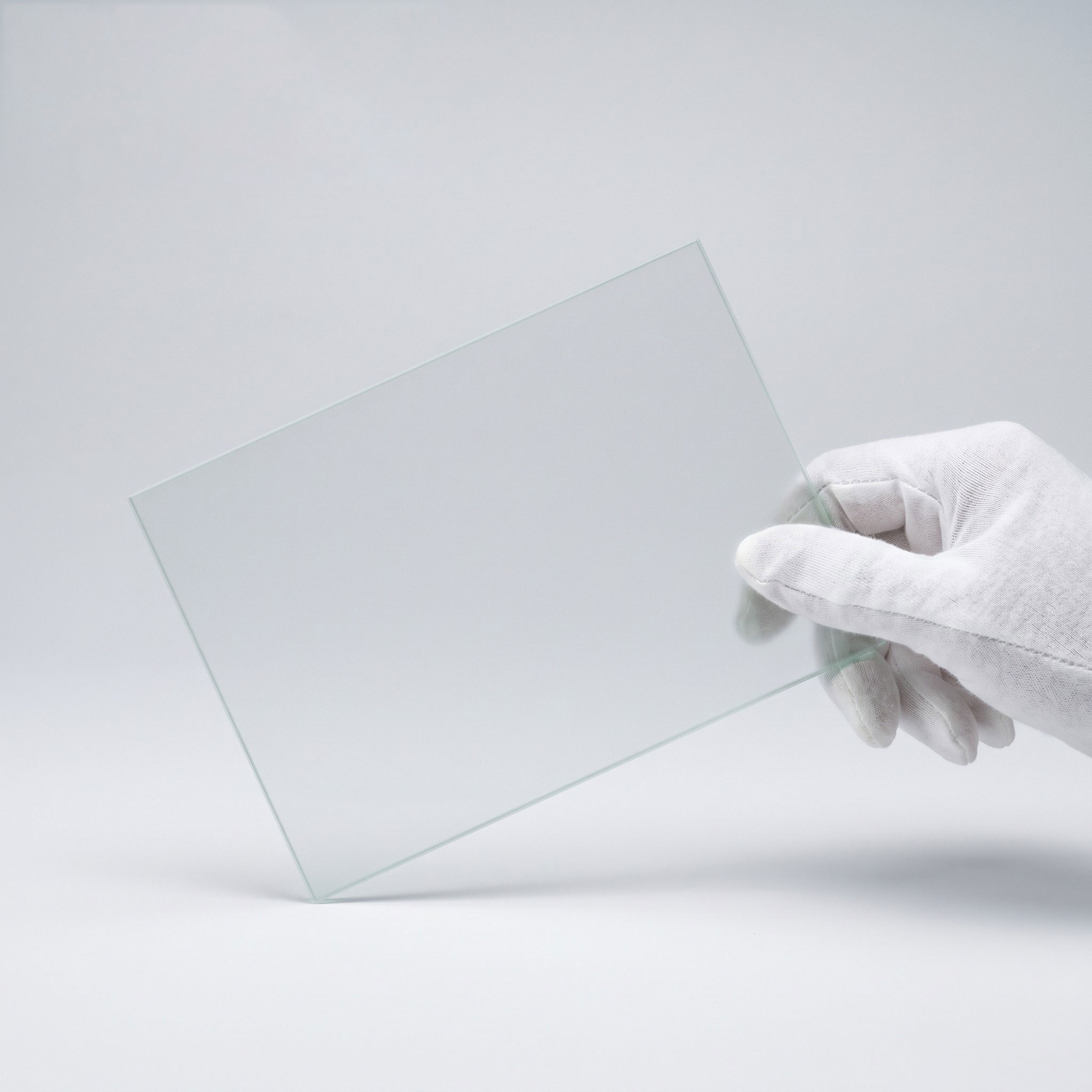
KS AG002 Custom Size AG Coating Anti-Glare Tempered Glass Panel High Transmittance Cover Sheet for Electronic Display Screen
AG-coated tempered glass with customizable haze for outdoor and high-brightness screens. A practical choice for kiosks, gym panels and industrial terminals that must remain readable under sunlight without losing image clarity.
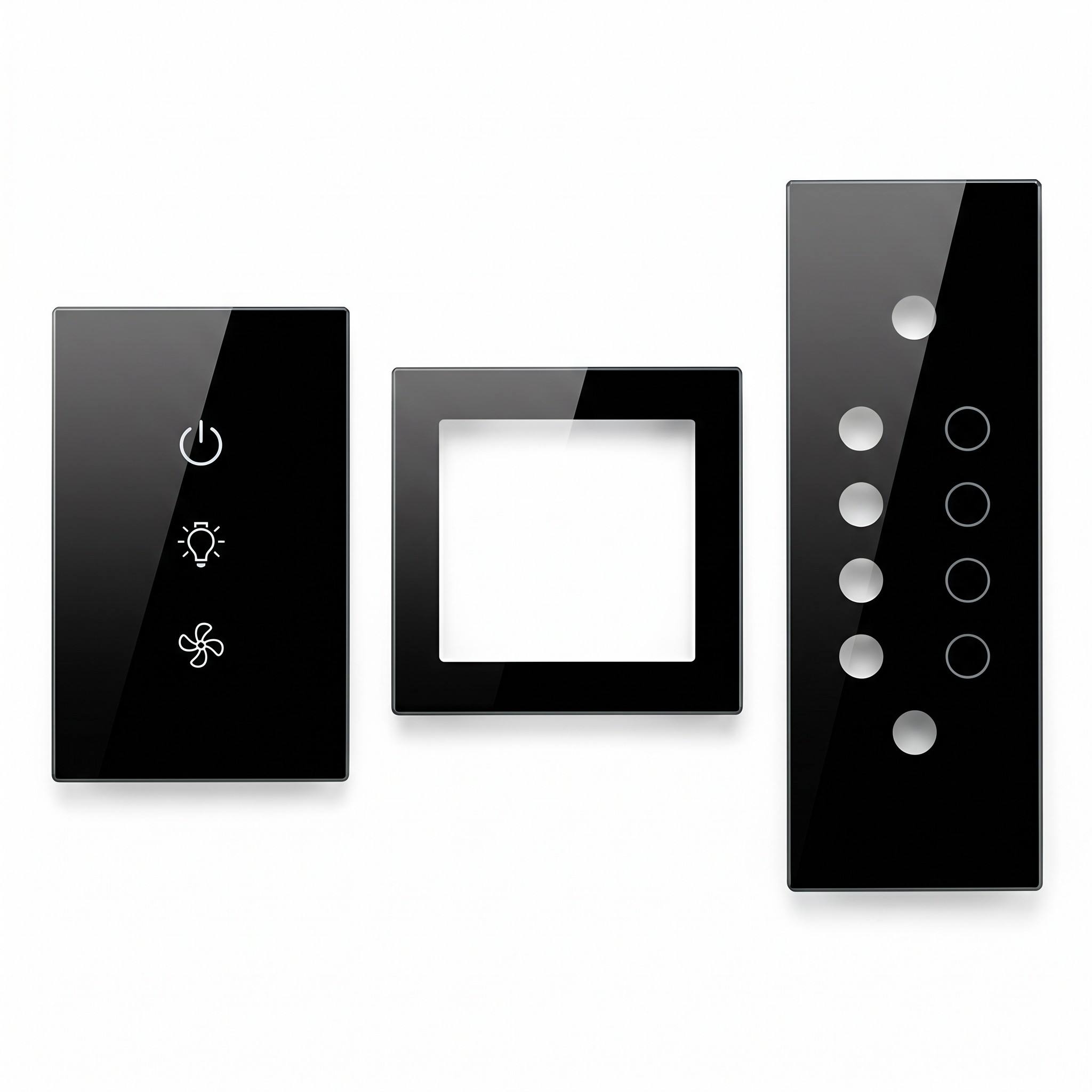
Tempered Glass Front Shield Cover Panel Custom Size Electronic Display Protection Sheet for Smart Device Konshen KS GB002
Custom-size tempered front shield for electronic displays and smart devices. The program covers cutouts, printed borders, edge finishing and adhesive bonding so the glass can drop into an existing mechanical stack with fewer assembly surprises.
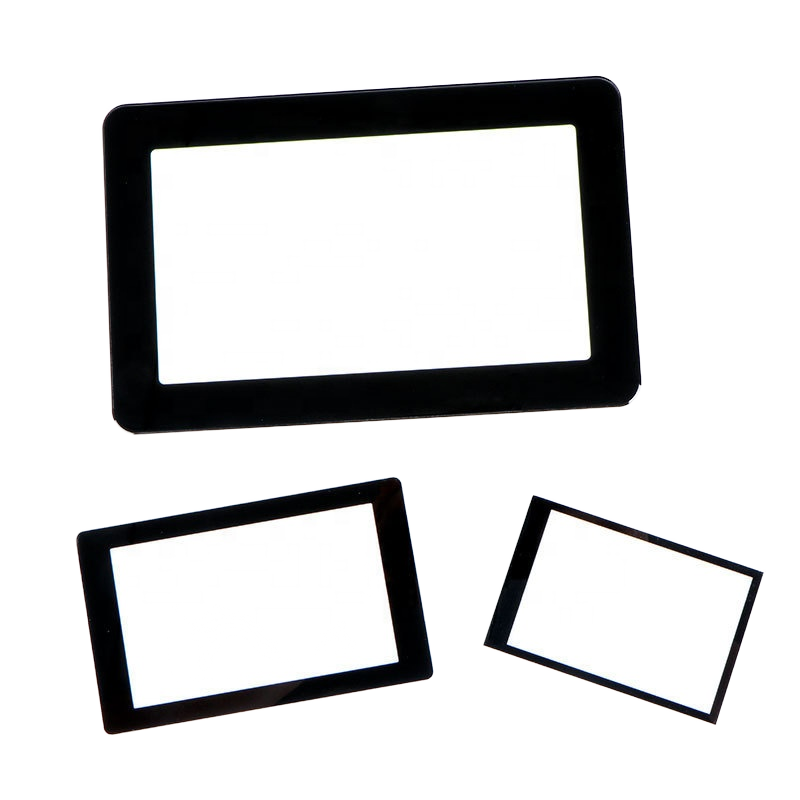
Wholesale Left Right Switching Control 0.2mm 5mm Soda Lime Extra Clear Tempered Glass Touch Screen Panel Outdoor Gym Waterproof
Extra-clear soda-lime tempered touch glass from 0.2 mm to 5 mm for outdoor gym and switching-control panels. Waterproof assembly, left/right control layouts and wholesale quantities can be reviewed against the drawing.

Curved Tempered Glass Panel with Anti-reflective Coating Waterproof for Bathroom and Instrument Display Decoration
Curved tempered glass with anti-reflective coating and waterproof treatment for bathroom controls and instrument display decoration. The AR layer improves readability while the curved form supports sealed, edge-to-edge design.
Not sure which configuration matches your drawing? Send the stack-up, viewing condition, coating target and annual volume early — our engineering team will review feasibility before sampling.
Inquire NowWhat a Custom OEM Cover Lens Program Must Prove
A cover lens is not a commodity sheet. It is a stack-up decision that affects optical clarity, touch reliability, drop performance, assembly yield and field returns. The strongest RFQs separate four proofs: optical, mechanical, supply and traceability.
Optical proof
AR coating should be specified by reflectance curve, not just “high transmittance.” AG should be specified by haze and gloss, because too much diffusion can soften icons and reduce perceived resolution. AF must be tied to contact angle and wipe durability.
Typical production windows include AR reflectance below 1.0% per side, transmittance above 99% across 400–700 nm, AG haze from 5–60% and AF contact angle above 110°.
Mechanical proof
Thickness alone does not define durability. Edge quality, hole position, chamfer, tempering method and adhesive selection determine whether the lens survives handling, drop and thermal cycling. Curved glass adds another variable: bend radius consistency.
KELO supports flat, 2.5D and 3D cover glass from 0.1 mm to 19 mm, with CNC machining, edge polishing, flat and curved tempering, and 3M adhesive bonding.
Supply proof
Ask whether coating, printing and tempering are in-house or subcontracted. Each handover adds handling damage, lead-time risk and unclear responsibility for defects. A factory-direct supplier should be able to show capacity, staffing and process boundaries.
Original factory data: 10,000–30,000 m² of floor area, 101–200 employees, 21–30 R&D engineers, 20–25 million touch cover glass pieces per year, and US$50–100 million annual output value.
Traceability proof
A sample is useful only if it represents the mass-production process. Lock the CTQs before tooling: thickness tolerance, edge chip limit, print color, coating side, adhesion, abrasion, salt spray and packing method. Then verify that the approved sample came from the same line.
Quality control should include incoming, in-process and final inspection, with 100% appearance checking plus tempering, adhesion, abrasion and salt-spray tests.
Why OEM Buyers Shortlist KELO Glass
Huizhou KELO Glass Co., Ltd. is a factory-direct manufacturer in Huizhou, Guangdong, inside the Greater Bay Area electronics supply chain. We produce touch screen cover glass, display cover glass and optical coated glass, with surface treatment as our core technology. Every key step runs under one roof: cutting, CNC machining, edge polishing, silk-screen printing, flat and curved tempering, coating and bonding.
One roof, fewer handovers
Cutting, water-jet cutting, CNC machining, drilling, edge polishing, laser engraving, silk-screen printing, sandblasting, flat and curved tempering, AR/AG/AF/ITO coating, 2.5D/3D forming and 3M adhesive bonding are controlled in-house. This reduces handling damage and finger-pointing between subcontractors.
Coating is measured, not outsourced
Surface engineering is the company’s core strength. AR, AG, AF, ITO and FTO performance is measured against production windows before release. Buyers can use these values in RFQ notes, then confirm final targets against the drawing during engineering review.
Engineering-led sampling
Share a drawing, a physical sample or a target specification. The team reviews tolerance, coating stack, print registration, curved forming and cost drivers before quoting. Samples start from 1–2 pieces, which helps validate fit and optics before volume commitment.
Export-ready quality and documentation
Verified exporter status, a 4.9/5 store rating and 98.18% reply rate on the official profile help reduce sourcing uncertainty. Trade Assurance, FOB/CFR/CIF/EXW/DDP terms and custom honeycomb cartons, blister trays and partition packing support international delivery.
Global export mix and buyer protection
The export profile reflects long-running demand from Europe and the Americas. Use this as context for packing, documentation and lead-time planning — not as a substitute for a project-specific capacity review.

Factory footprint in Huizhou, Guangdong — close to the Greater Bay Area electronics supply chain.
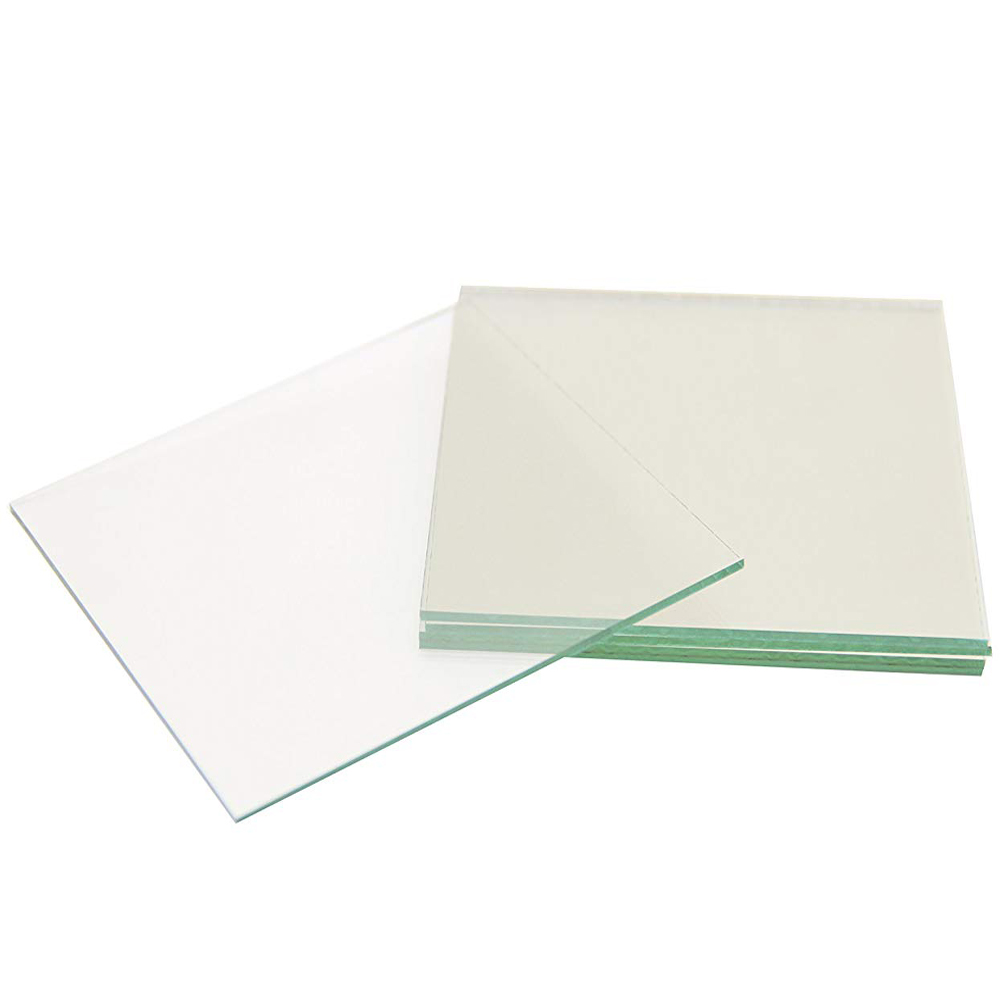
Export packing with honeycomb cartons, blister trays and partition protection to reduce transit damage.
Future Procurement Trends for Custom Glass Cover Lenses
Procurement is shifting from “lowest quote” to “lowest qualified landed cost.” For cover glass, the hidden cost drivers are coating yield, edge quality, print registration, packing damage and engineering rework. Buyers who compare these variables early usually get a more stable production ramp.
Landed-cost scoring replaces piece price
Buyers will compare piece price together with coating yield, packing damage, freight, tariff exposure and rework risk. A lower quote that creates 3–5% rework can lose on total cost once assembly-line downtime is included.
Coating audits move earlier
Instead of accepting a data sheet, procurement teams will ask for coating-side identification, contact angle, haze, adhesion and abrasion records. In-house coating gives a clearer batch traceability story than a trading company assembling multiple suppliers.
DFM and sample continuity
The approval sample must represent the mass-production process. Buyers will lock CTQs before tooling: thickness, edge chip limit, print color, coating side, adhesive and packing. Late-stage sourcing involvement is being replaced by early DFM review.
Dual sourcing with identical CTQs
Buyers still want a second qualified source, but the drawing and acceptance criteria should be identical. A second supplier is valuable only if the optical stack, edge finish and packing standard can be compared without re-qualifying the entire product from zero.
RFQ data package that reduces sample cycles
- Substrate preference: soda-lime, borosilicate, gorilla-type, quartz or sapphire.
- Thickness, size, tolerance and critical hole positions.
- Edge condition: polished, chamfered, flat or 2.5D/3D curved.
- Optical target: AR, AG, AF, AR+AG or AG+AF, with measured values.
- Printing artwork, color standard and transparent/NFC window layout.
- Adhesive, protective film and assembly stack-up details.
- Reliability tests and acceptance criteria for scratch, adhesion and salt spray.
- Annual forecast, first-order quantity and target delivery market.
Where Cover Glass and Coated Glass Technology Is Moving
The next product cycle is not only about thinner glass. It is about integrating more functions into the same substrate while keeping the optical stack stable in real operating conditions — sunlight, touch, cleaning agents, heat and vibration.
Larger and more curved interfaces
Automotive center stacks, smart-home control panels and industrial terminals are moving toward edge-to-edge glass with 2.5D and 3D forming. The supplier must control bend radius, optical distortion and print alignment across the curved area, not just the flat center.
Thinner glass, stronger edges
Thinner chemically strengthened glass saves weight, but edge quality becomes more important. Buyers should ask for edge chip limits, chamfer specifications and handling standards. The cheapest way to improve yield is often better edge finishing, not a thicker substrate.
Multi-function coating stacks
Single-function coatings are giving way to AR+AG and AG+AF stacks for premium in-vehicle and outdoor displays. The challenge is balancing readability, sparkle, fingerprint resistance and durability without adding haze or reducing transmittance beyond the product target.
Conductive glass for energy and sensors
ITO remains a workhorse for capacitive touch, displays and EMI shielding. FTO is increasingly relevant for thin-film solar, perovskite research and higher-temperature processes. Both require clear sheet-resistance and haze targets in the RFQ.
Coatings, Substrates and Buyer Checks
The table below turns common catalogue claims into comparable RFQ criteria. These are typical production windows; final targets are confirmed against the drawing, application environment and reliability plan during engineering review.
| Product / coating | Typical performance window | Best-fit application | What to lock in RFQ |
|---|---|---|---|
| Cover glass | 0.1–19 mm · flat, 2.5D or 3D · tempered or chemically strengthened · silkscreen, holes, logo, 3M adhesive | Touch panels, appliance lenses, industrial HMI, smart-home switches, automotive displays | Thickness tolerance, edge finish, hole position, print color, adhesive, drop and assembly requirements |
| AR | Reflectance <1.0% per side · transmittance >99% at 400–700 nm · single or multi-layer | Automotive touch displays, medical monitors, optical windows and high-clarity showcase glass | Reflectance curve, substrate, coating side, scratch resistance, cleaning chemical exposure |
| AG | Haze 5–60% · gloss 0.5–8 GU · tempered glass substrate | Outdoor kiosks, gym control panels, industrial terminals and sunlight-readable screens | Haze vs. clarity, gloss target, sparkle level, print appearance, pencil hardness |
| AF | Water contact angle >110° · pencil hardness >3H · durability >10,000 cycles | Touch control panels, smart appliances, high-touch switches and bathroom interfaces | Wipe durability, chemical resistance, coating side, abrasion test method |
| ITO | Sheet resistance 1–20 Ω/sq · transmittance >85% · haze <2% | Capacitive touch sensors, displays and EMI shielding | Sheet-resistance uniformity, busbar design, annealing limits, visible haze |
| FTO | Sheet resistance 1–20 Ω/sq · transmittance >85% · strong thermal and chemical stability | Thin-film solar cells, DSSC, perovskite research and high-temperature processes | Temperature profile, substrate type, haze, thickness and coating uniformity |
Production notes: AR/AG/AF coatings are inspected for optical performance and appearance before release. ITO/FTO substrates are specified by sheet resistance, transmittance and haze. Combined stacks such as AR+AG or AG+AF are quoted after drawing review.
Three Inspection Gates Before Anything Ships
Quality is built into the process, not inspected in at the end. Each gate has defined checks and release criteria, from raw glass to packed carton. The same logic applies to flat cover glass, curved automotive glass and coated substrates.
Incoming inspection
Raw glass and consumables are verified before production: thickness and flatness, surface defect screening, ink and coating material verification. This prevents a downstream coating failure caused by an incoming substrate issue.
In-process control
CNC dimensions and hole positions are checked at the machine. Tempering strength, coating adhesion and abrasion are tested at defined intervals. Curved glass is checked for radius consistency and print alignment.
Final inspection
Every finished piece is checked before protective packing: 100% appearance inspection, dimensional verification and salt-spray reliability sampling. Release criteria are agreed against the approved sample and drawing.
Packing validation
Custom honeycomb cartons, blister trays and partition packing minimize transit damage. Export documentation, incoterms and order protection through Trade Assurance are reviewed before shipment.
Share requirements
Drawing, sample, target specification and annual volume.
Engineering review
DFM feedback on tolerance, coating stack, print and cost drivers.
Rapid prototype
Samples from as few as 1–2 pieces for fit and optics.
Validation
Optical, mechanical and reliability checks against the approved spec.
Mass production
Typical bulk lead time of 21–31 days after sample approval.
Packing and shipping
Damage-resistant packing, export terms and worldwide delivery.
Independent Proof of Capability
Before committing to a custom cover lens project, review third-party verification, buyer feedback, factory video and trade records. The purpose is not to replace sampling, but to reduce supplier risk before engineering time is spent.
Verified Assessment
On-site verification report covering factory profile and capabilities.
View reportRatings & Reviews
Buyer feedback behind the 4.9/5 store rating and 98.18% reply rate.
Read reviewsFactory Video
Walk through the production and coating lines before requesting a sample.
Watch videoTrade History
Recorded transactions completed through the official Alibaba.com profile.
View historyQuestions Procurement Teams Ask Before a First Order
These answers reflect the specification and supply information buyers usually ask for before sampling, tooling or issuing a purchase order.
What is the minimum order quantity for custom cover glass?
What is the typical lead time for mass production?
What optical performance can your AR coating achieve?
Should I choose ITO or FTO conductive glass?
What thickness, sizes and shapes can you produce?
Which trade terms and payment methods do you accept?
How do you control quality?
How should a new OEM project start?
Have a Drawing, a Sample or a Target Optical Spec?
Buyers, distributors and brand owners are welcome. Send your stack-up, target coating performance and annual volume — KELO engineering will review feasibility and recommend a practical glass solution with clear sample and production timing.
- DFM review before tooling and sampling
- Coating targets confirmed against production capability
- Factory-direct pricing with export-ready packing
Email: info@keloglass.com