Eight Precision Glass & Surface Products for OEM/ODM Programs
These products illustrate the practical range behind elevator panel glass sourcing: strengthened cover glass, anti-reflective and anti-glare coatings, curved hot-bent glass, conductive substrates and custom surface treatments.
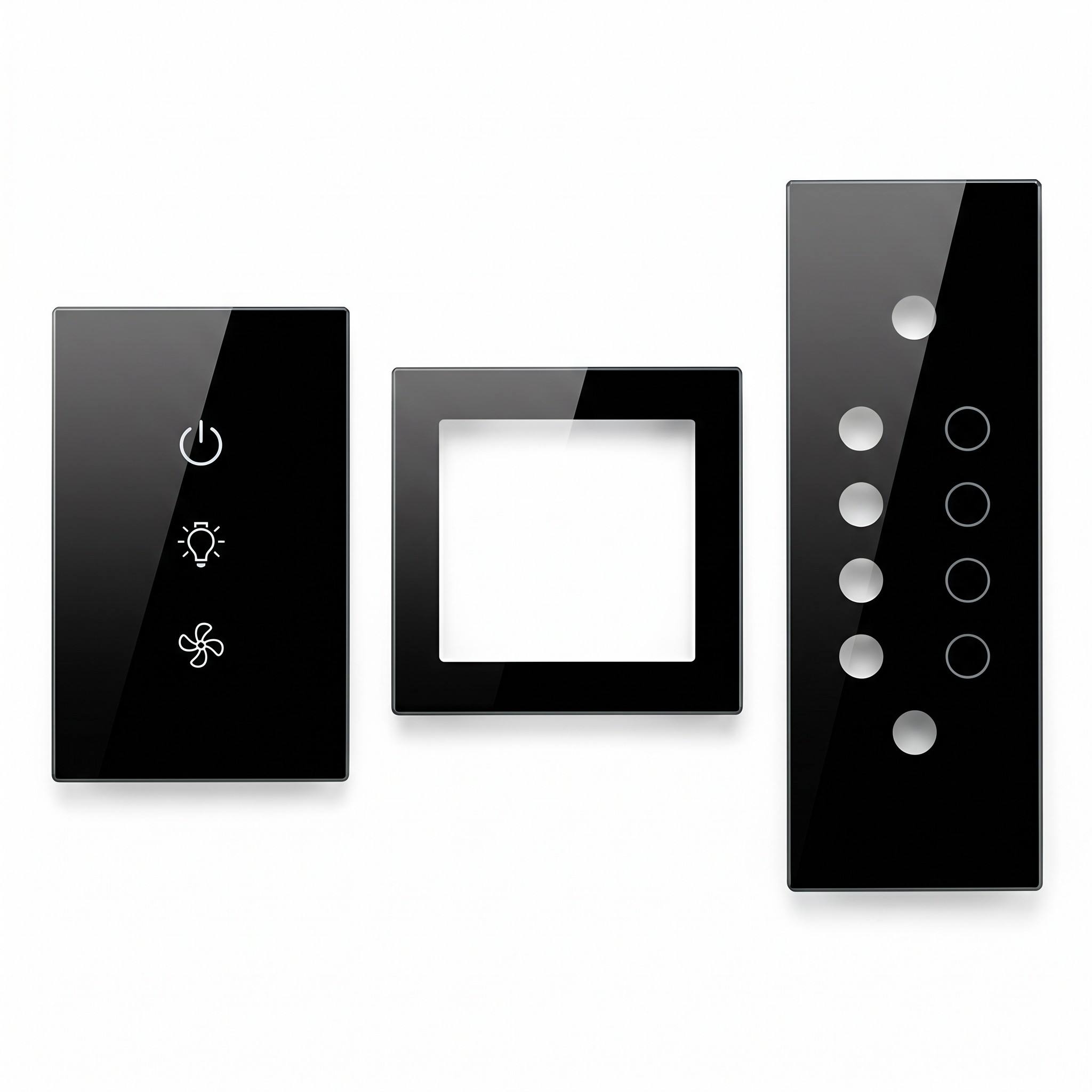
Tempered Glass Front Shield Cover Panel Custom Size for Konshen KS GB002
Strengthened display protection glass with custom cutting, edge finishing and optional printed graphics for smart devices and control interfaces.
View product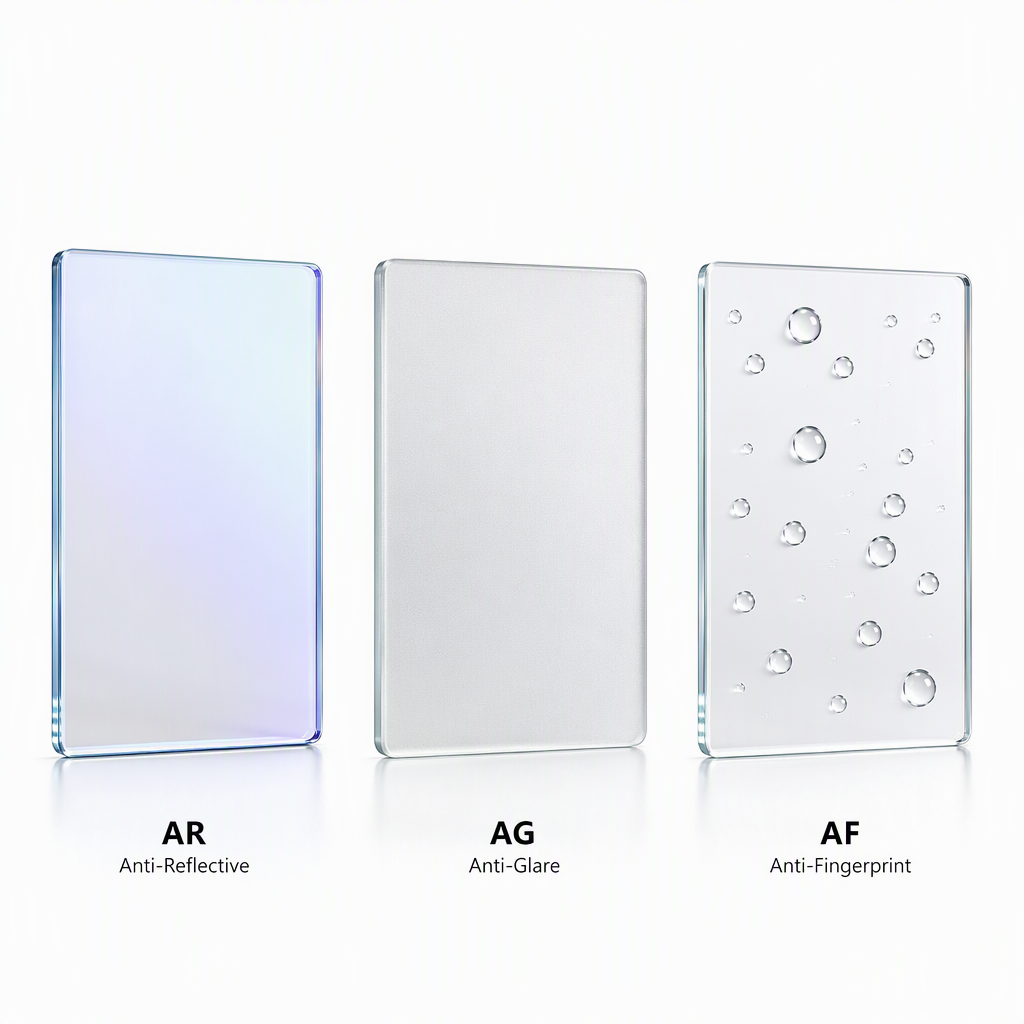
AR AG AF Coated Glass Anti-Reflective Coating Service 92 Percent Transmission
Single or multi-layer optical coatings for display windows where glare control, clarity and easy-clean performance directly affect usability.
View product
Curved Tempered Glass Panel with Anti-Reflective Coating Waterproof
Hot-bent and strengthened glass for bathroom controls, instrument displays and architectural interfaces requiring a seamless curved face.
View product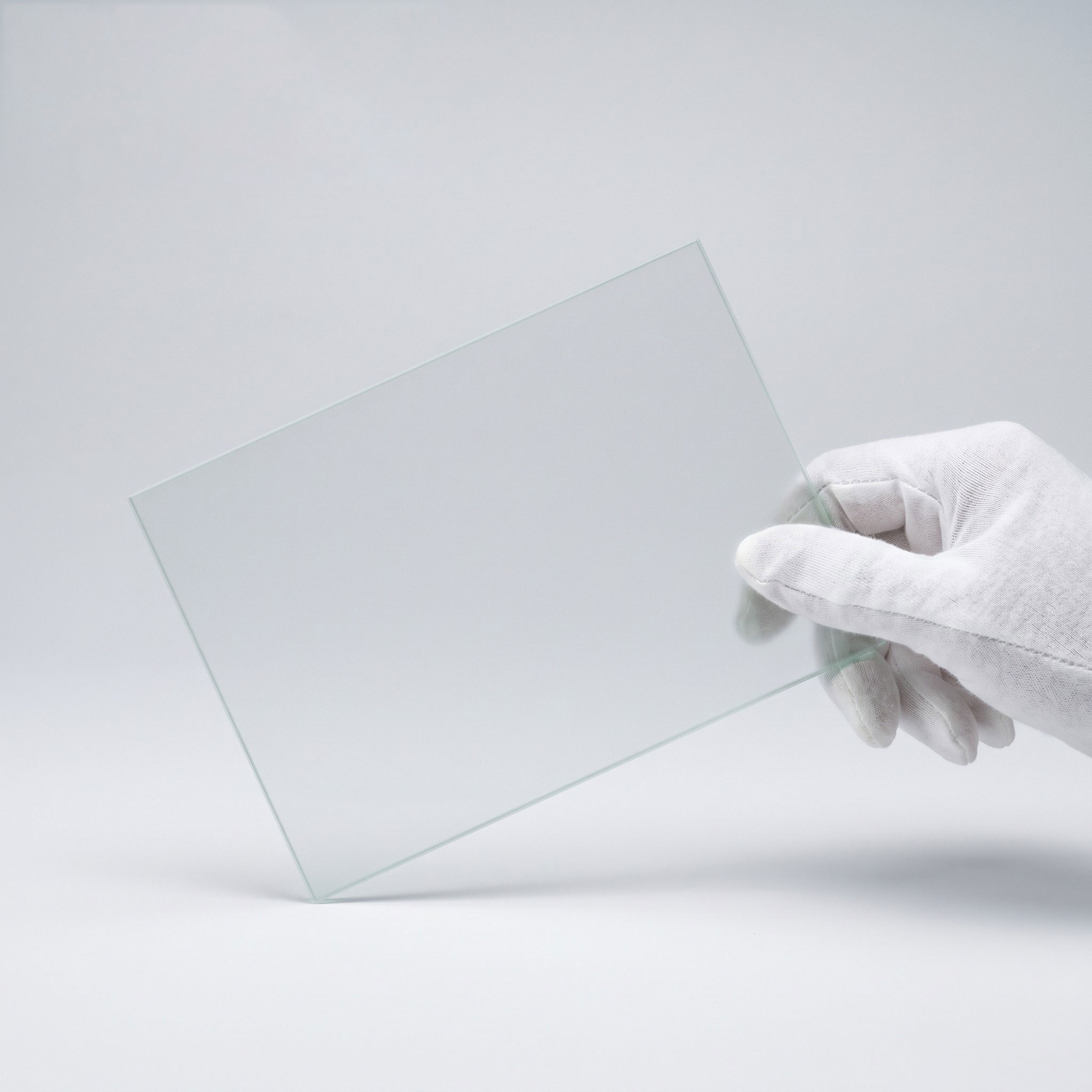
KS AG002 Custom Size AG Coating Anti-Glare Tempered Glass Panel
High-transmittance cover glass with controllable haze for bright lobbies, outdoor access panels and electronic display windows.
View product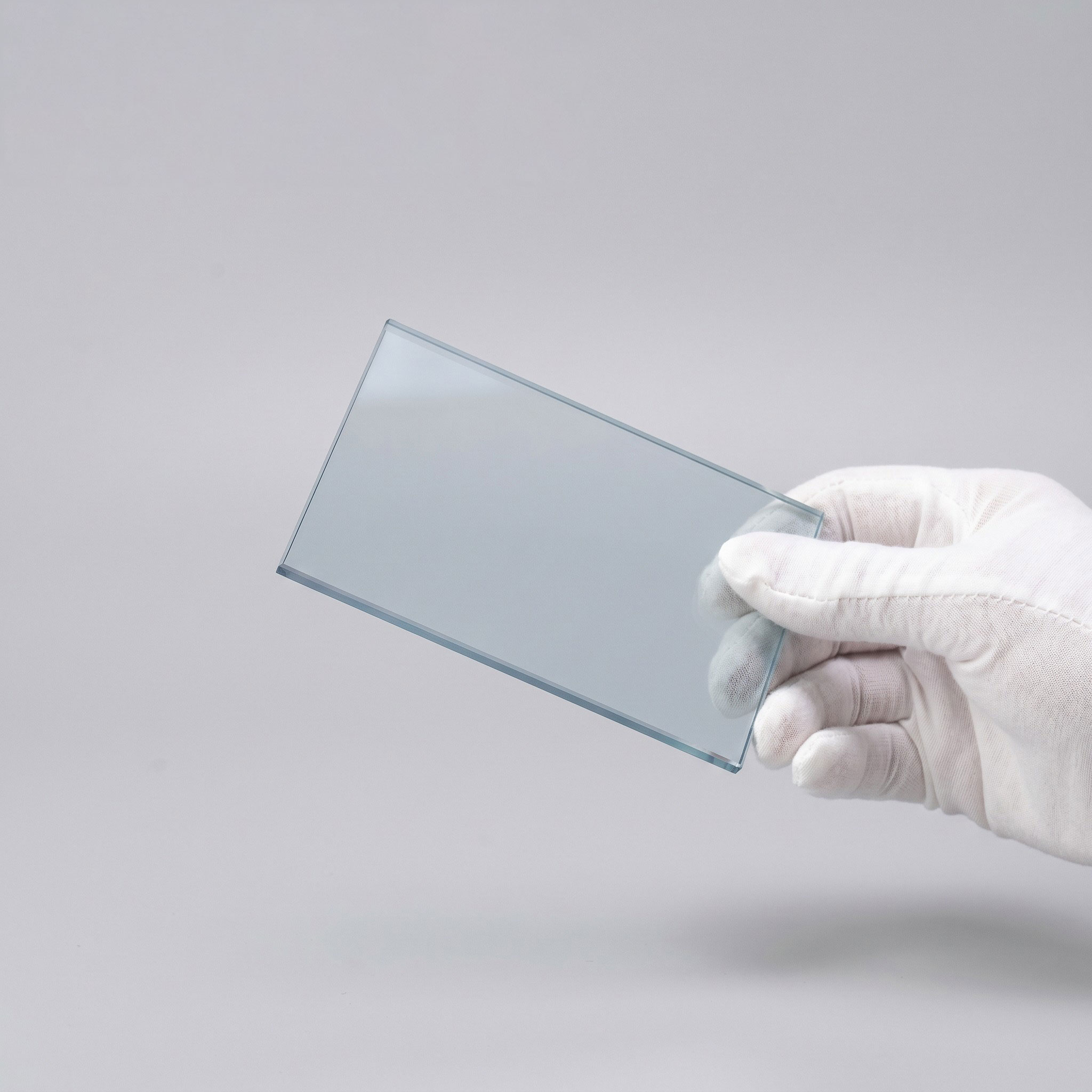
High Temperature Resistance FTO Conductive Glass for Solar Cell Research
Fluorine-doped tin oxide glass for thin-film solar, DSSC, perovskite and laboratory work where thermal and chemical stability matter.
View product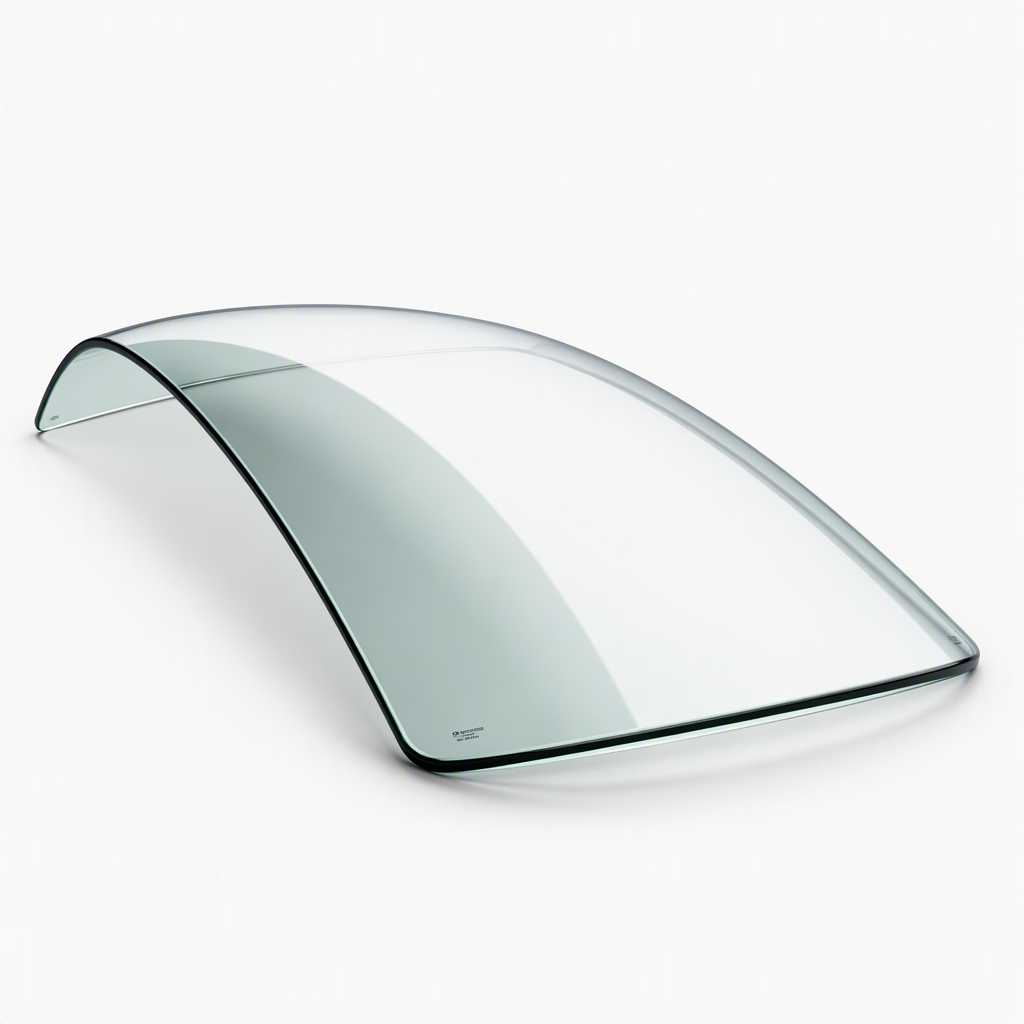
Hot Bent Curved Tempered Glass for Automotive Display OEM ODM
Small-radius arc-shaped glass for automotive dashboards and curved control surfaces where optical bonding and dimensional accuracy are critical.
View product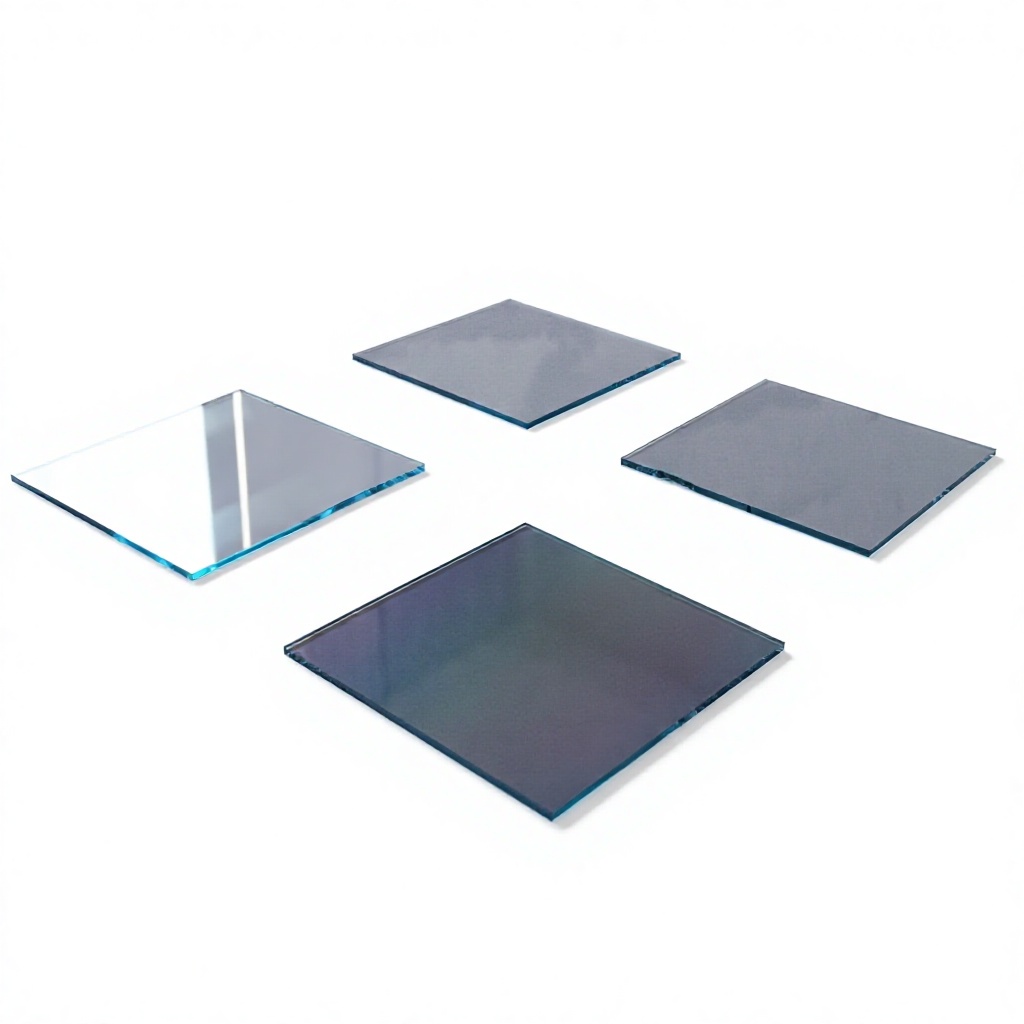
1.1mm ITO Coated Conductive Glass Panel Optical Electronic Glass
Transparent conductive glass with custom shape and polished edge for touch sensors, EMI shielding and industrial electronic assemblies.
View product
Round Oval PTFE 3M Wear-resistant Smooth Mouse Feet Stickers
Low-friction PTFE surface components for glass-related gaming and precision movement applications, available in custom shapes and adhesive formats.
View productWhy Elevator Panel Glass Is a Specification-Driven OEM Purchase
Elevator panel glass is often described as a cover lens, but in service it is really a high-touch safety and display component. It is pressed dozens of times a day, cleaned with commercial detergents, exposed to lobby lighting and required to maintain a premium appearance for years. For OEM/ODM buyers, the lowest quoted piece price is rarely the lowest total cost if the glass scratches, delaminates, distorts printed symbols or changes colour after coating.
That is why professional sourcing teams compare factories on process integration, not catalogue breadth. A reliable supplier should control cutting, CNC machining, edge polishing, silk-screen printing, tempering, coating, curved forming and adhesive bonding. When these steps are split across several subcontractors, handling damage, tolerance drift and unclear responsibility increase. A factory that keeps critical processes in-house can release a sample that reflects the actual mass-production route.
This guide draws on the production profile of Huizhou KELO Glass Co., Ltd., a factory-direct glass manufacturer in Huizhou, Guangdong, China. KELO’s published capabilities include 0.1–19 mm glass thickness, 2.5D/3D curved forming, AR/AG/AF coating, ITO/FTO conductive glass and 100% appearance inspection. The goal is not to list features, but to help buyers ask better questions before a drawing becomes a purchase order.
 Factory-direct glass processing · Huizhou, Guangdong
Recommended Glass Builds by Elevator Panel Application
Different elevator interface zones face different optical, mechanical and cleaning conditions. The specification should follow the application, not a generic catalogue entry.
High-traffic button plate
Use 1.1–6 mm tempered or chemically strengthened cover glass, silk-screen printed graphics, anti-fingerprint coating and polished edges. AF helps resist oils and repeated cleaning.
View cover glassFloor indicator display
For bright lobbies, AR glass reduces reflections and increases display contrast. Where sunlight hits directly, AG or AR+AG can be a better choice than clear glass.
View AR/AG solutionCurved cabin interface
Hot-bent 2.5D/3D glass supports narrow bezels, seamless assembly and premium visual integration. Confirm optical bonding, flatness and edge quality before tooling.
View curved glassTouch sensor and EMI stack
ITO conductive glass is common for capacitive touch and EMI shielding. FTO is preferred when higher thermal or chemical stability is needed in specialised processes.
View ITO glassWhat OEM/ODM Buyers Will Expect From Glass Suppliers
Procurement in elevator, appliance and industrial display markets is shifting from transactional buying to verified, data-backed supplier partnerships.
Verified factory integration
Buyers increasingly shortlist manufacturers that can show in-house coating, tempering, printing and inspection — not traders reselling unknown capacity.
Measurable RFQ data
“Clear glass” is no longer enough. RFQs now request reflectance, haze, gloss, contact angle, sheet resistance and durability cycles.
Low-volume validation first
Samples from 1–2 pieces reduce tooling risk. Procurement teams validate fit, optics and reliability before committing to annual volume.
Supply continuity and packing
Buyers audit lead time, export documents, carton design and damage-prevention methods as carefully as the glass specification itself.
How Elevator Panel Glass Is Evolving
The next generation of lift interfaces combines optical clarity, easy-clean surfaces, curved design and electronic integration.
AF plus AG combinations
Easy-clean anti-fingerprint layers are being paired with anti-glare treatment for touch panels that stay legible and look cleaner in public spaces.
AR for premium lobbies
Multi-layer AR coatings with reflectance below 1.0% per side support high-contrast floor indicators and black-panel aesthetics.
Curved and narrow-bezel designs
2.5D and 3D glass let designers reduce visible frames and create smoother integration with cabin walls and control consoles.
Conductive glass integration
ITO and FTO substrates allow glass to perform an electrical role — touch sensing, heating research, EMI shielding or thin-film solar development.
Coating Performance Buyers Can Put Directly Into an RFQ
Optical and functional coatings should be specified with measurable targets. These are the working windows our production and engineering reviews are built around.
Reflectance <1.0% / side
Transmittance >99% across 400–700 nm with single or multi-layer designs.
Haze 5–60%
Gloss 0.5–8 GU. Diffuses reflections for outdoor kiosks, lobby displays and industrial HMI.
Contact angle >110°
Pencil hardness >3H, transmittance >98% and durability above 10,000 cycles.
1–20 Ω/sq
Transmittance >85% and haze <2% for touch sensing, EMI shielding and thin-film solar work.
 In-house processing from cutting to final inspection
Why KELO Glass Is Built for OEM/ODM Elevator Panel Programs
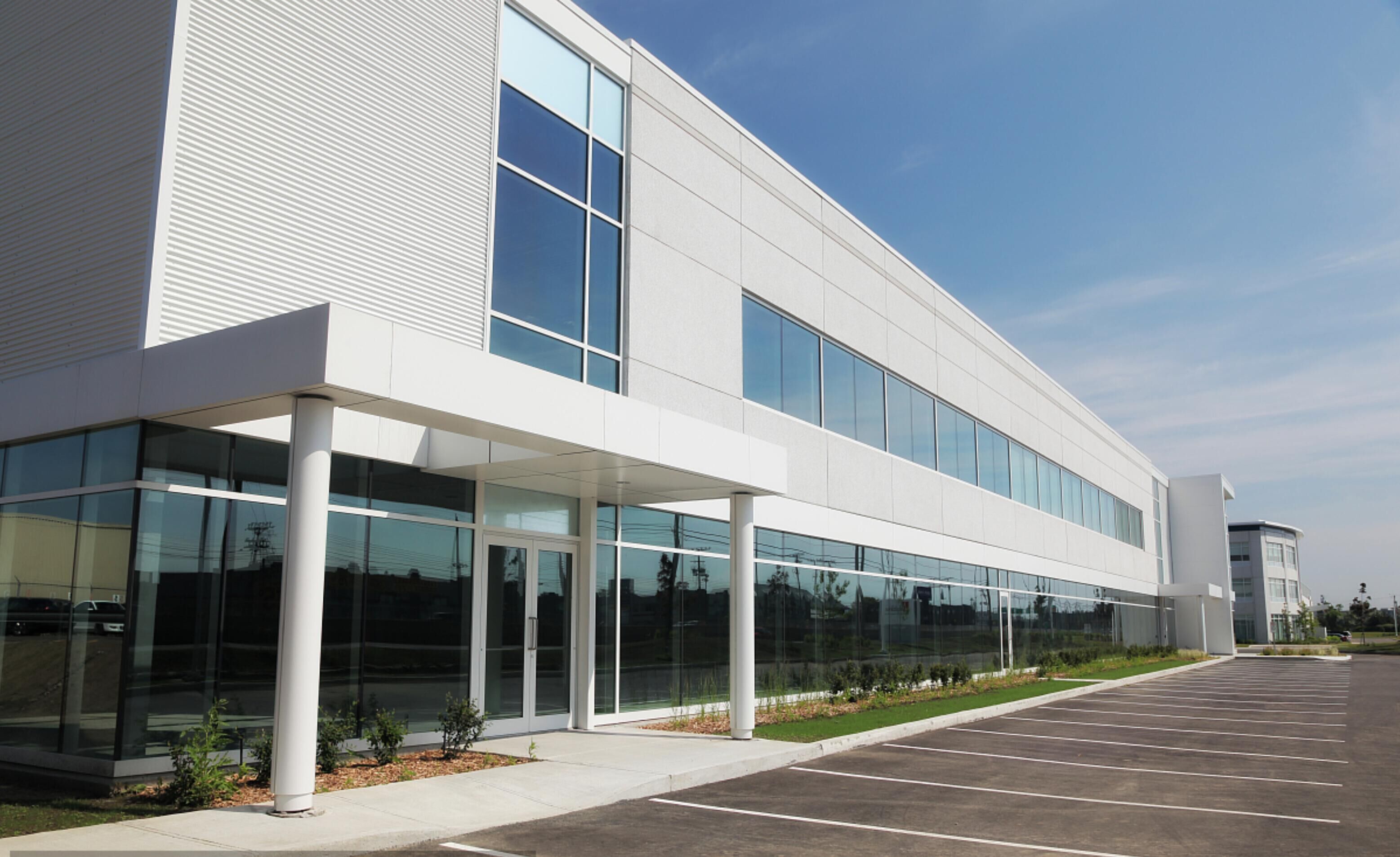
Huizhou KELO Glass Co., Ltd. is a factory-direct manufacturer located in Huizhou, Guangdong, inside China’s Greater Bay Area electronics supply chain. We focus on touch screen cover glass, display cover glass and optical coated glass, with surface engineering as a core technology.
For buyers, the advantage is accountability. Cutting, CNC machining, edge polishing, laser engraving, silk-screen printing, sandblasting, flat and curved tempering, AR/AG/AF/ITO coating, 2.5D/3D forming and 3M adhesive bonding are handled under one roof. That reduces handling damage, shortens corrective loops and keeps the approved sample aligned with mass production.
Our published company profile shows 10,000–30,000 m² of factory space, 101–200 employees, 21–30 R&D engineers, 20–25 million pieces per year of touch cover glass capacity and an annual output value of US$50–100 million. We also offer samples from 1–2 pieces, typical bulk lead time of 21–31 days, and support for FOB, CFR, CIF, EXW and DDP terms.
One Factory, Eight Critical Process Steps, Three Inspection Gates
Vertical integration is only valuable when each step has a defined quality check. KELO’s workflow is structured to keep optical, mechanical and cosmetic requirements visible from raw glass to packed carton.
Core in-house processes
Keeping critical steps together shortens the feedback loop between design, sample and volume production. Buyers can discuss tolerances directly with the team that forms, prints, tempers and coats the glass.
 100% appearance inspection before packing
IQC — Incoming inspection
Raw glass and consumables are verified before entering production.
- Thickness and flatness checks
- Surface defect screening
- Ink and coating material verification
IPQC — In-process control
Critical dimensions and coating results are checked at each station.
- CNC dimension and hole position
- Tempering and strength tests
- Coating adhesion and abrasion
FQC/OQC — Final release
Finished parts are checked before protective packing and shipment.
- 100% appearance inspection
- Salt spray reliability testing
- Honeycomb, blister and partition packing
Export Experience for Europe, North America and South America
International elevator and display programs require more than glass production — they require stable documentation, suitable incoterms and packaging that survives transit.
Common Questions About OEM/ODM Elevator Panel Glass
Procurement, engineering and quality teams often ask the same practical questions before a first order. These answers use KELO’s published production capabilities as the reference point.
What is the minimum order quantity for custom elevator panel glass?+
Sample orders can start from 1–2 pieces so the fit, optics, printing and coating performance can be validated before volume commitment. Bulk quantities are quoted against the drawing, annual volume and process complexity.
What is the typical lead time for mass production?+
Bulk lead time is typically 21–31 days after sample approval. The final schedule depends on glass size, coating stack, curved forming, printing complexity and inspection requirements.
What optical performance can your AR coating achieve?+
AR anti-reflective coating can reach reflectance below 1.0% per side and transmittance above 99% across 400–700 nm in single-layer or multi-layer designs. Final targets are confirmed during engineering review.
Should I choose ITO or FTO conductive glass?+
ITO glass is commonly used for capacitive touch sensors, displays and EMI shielding. FTO glass offers better thermal and chemical stability, making it a frequent choice for thin-film solar cells and high-temperature processes. Both are available with sheet resistance of 1–20 Ω/sq, transmittance above 85% and haze below 2%.
What thickness, size and shape can be produced?+
Glass thickness ranges from 0.1 mm to 19 mm. Size, shape, holes, colour, logo printing, 2.5D/3D curved forming and 3M adhesive bonding are customized to a drawing or approved sample. Silk-screen printing can be used for symbols, dead-front graphics and border masking.
Which trade terms, payments and quality controls are supported?+
KELO supports FOB, CFR, CIF, EXW and DDP trade terms, and T/T, L/C, PayPal and Western Union payments. Orders placed through Alibaba.com can be protected by Trade Assurance. Quality control includes incoming, in-process and final inspection with 100% appearance checking, plus tempering, adhesion, abrasion and salt spray tests. Custom honeycomb cartons, blister trays and partition packing help reduce transit damage.
Send Your Elevator Panel Drawing or Target Specification
Share the glass size, thickness, edge profile, printing artwork, coating target and annual volume. Our engineering team will review feasibility and recommend a practical glass build for sampling and mass production. Buyers, distributors, brand owners and project contractors are welcome.