8 Custom LCD and Touch-Panel Glass Products for OEM/ODM Programs
The product list below preserves the original product images and destinations. Each item represents a factory-built glass component rather than a catalog placeholder: choose a cover glass, control panel glass, conductive glass or gaming glass, then validate coating, thickness, printing and curved form against your drawing.
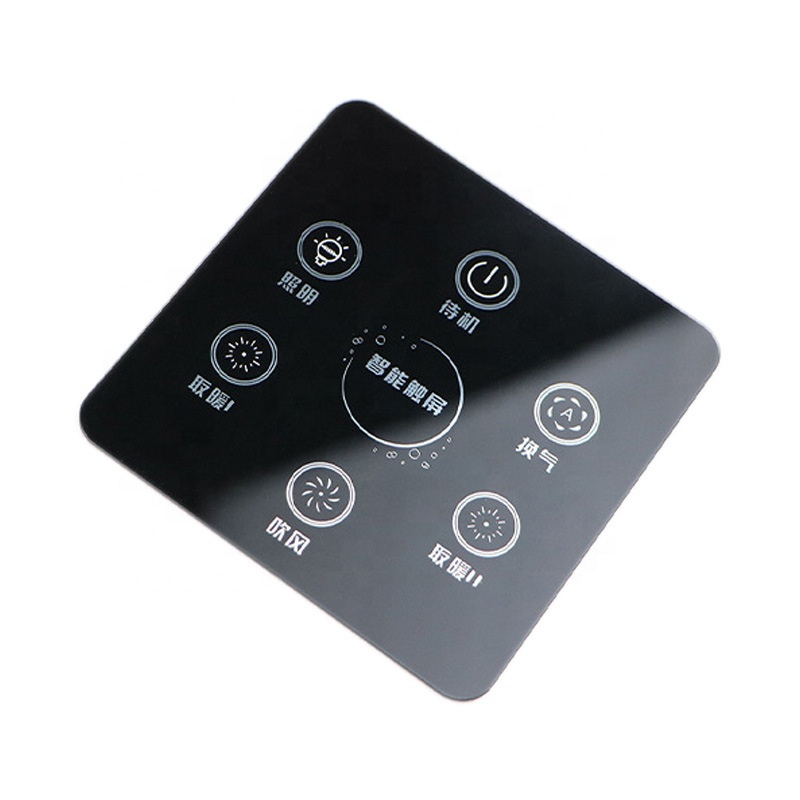
Bathroom Solid & Hollow Tempered Glass Intelligent Touch Shower Control Switch Panel Silk Screen Printed with 4-Year Warranty
Tempered glass switch panel with intelligent touch control, silk-screen graphics and a 4-year warranty for bathroom and smart-home programs.
View product
Customized Cutting Elevator Indicator Arrow Printing Touch Smart Control Elevator Panel Use Electronics Screen Glass Instrument
Custom-cut elevator indicator glass with arrow printing and touch control for smart elevator HMI and building electronics.
View product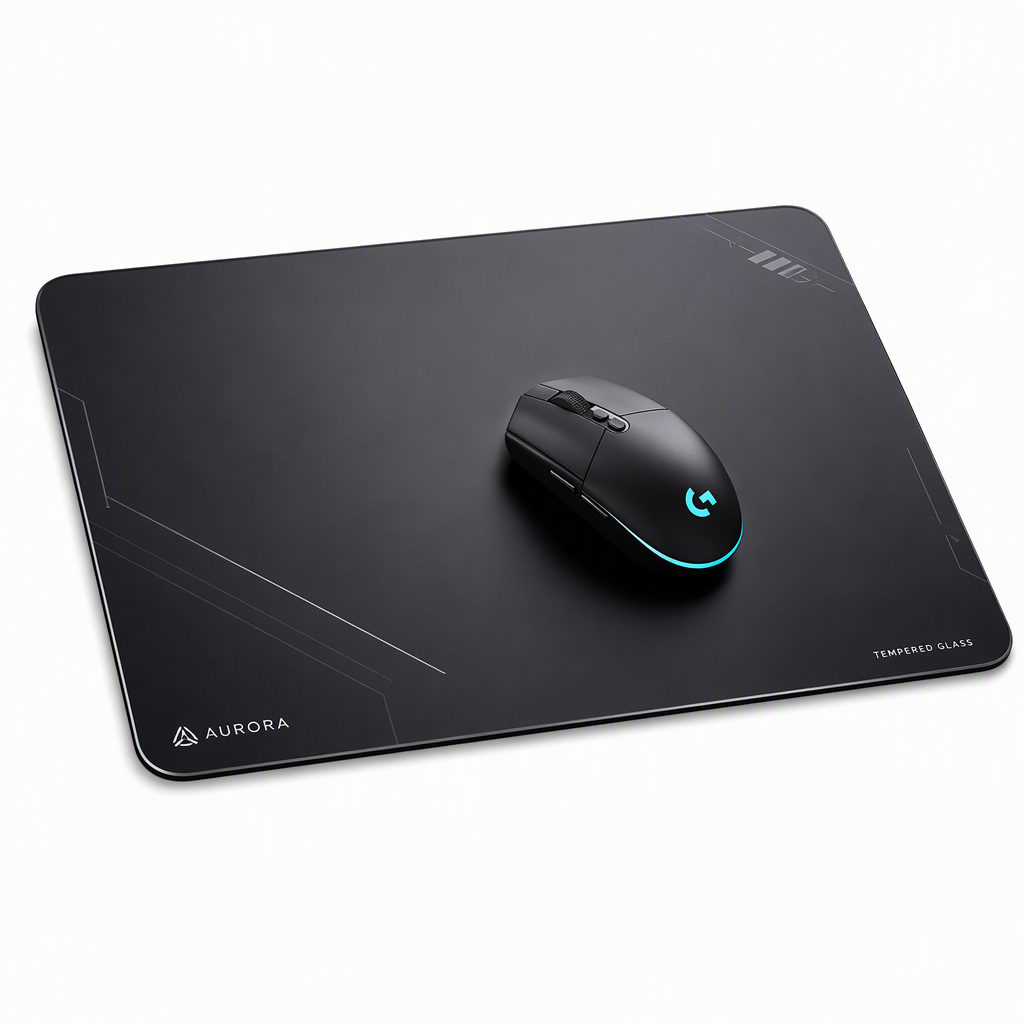
Tempered Glass Mouse Pad 2MM 3MM Hard Surface Glass Mousepad UV Printing Custom Logo Silicone Base OEM Factory
2 mm and 3 mm hard-surface glass mouse pad with UV printing, custom logo, silicone base and OEM packaging support.
View product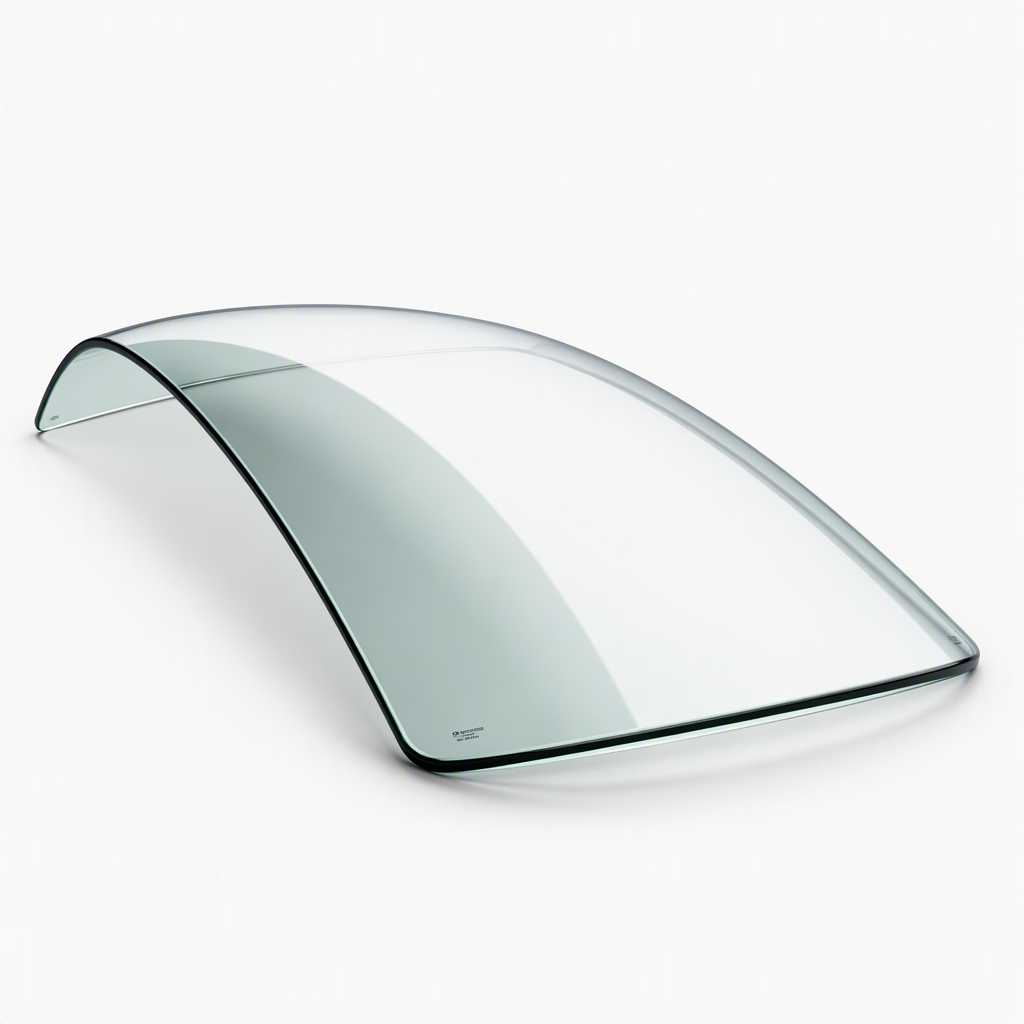
Hot Bent Glass Curved Tempered Glass Panel Small Radius Arc Shaped Custom Curved Glass For Automotive Display OEM ODM
Small-radius hot-bent tempered glass for automotive displays, curved HMI assemblies and edge-to-edge interior designs.
View product
Custom Silk Screen Printed Tempered Glass Electronic Control Panel Cover for Smart Appliances
Printed tempered glass cover for appliance control panels, with design support for icons, windows, touch zones and selective surface treatment.
View product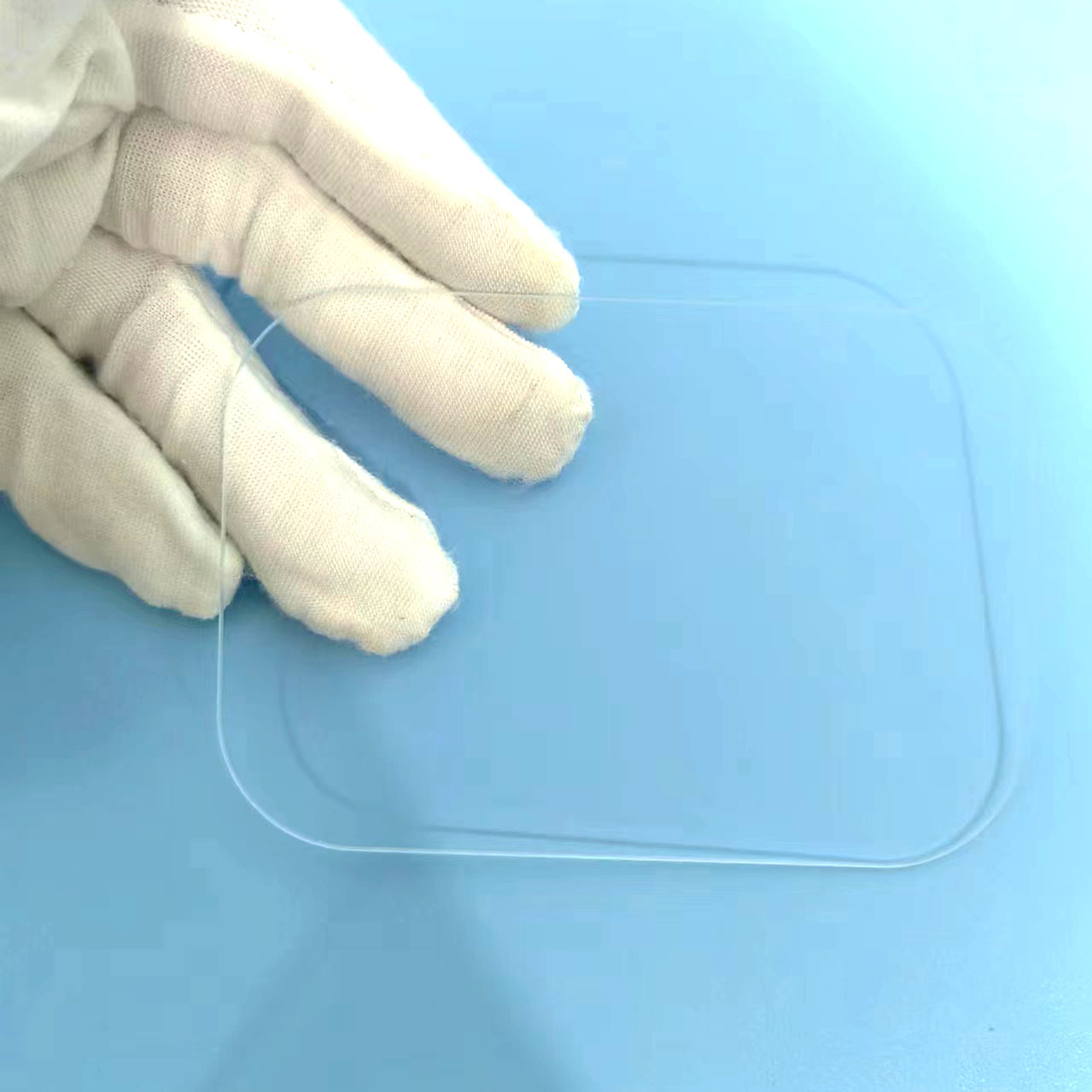
1.1mm ITO Coated Conductive Glass Panel High Transmittance CNC Custom Shape Polished Edge for Smart Home Touch Mirror
1.1 mm ITO conductive glass with CNC custom shape, polished edge and high transmittance for smart mirrors and touch interfaces.
View product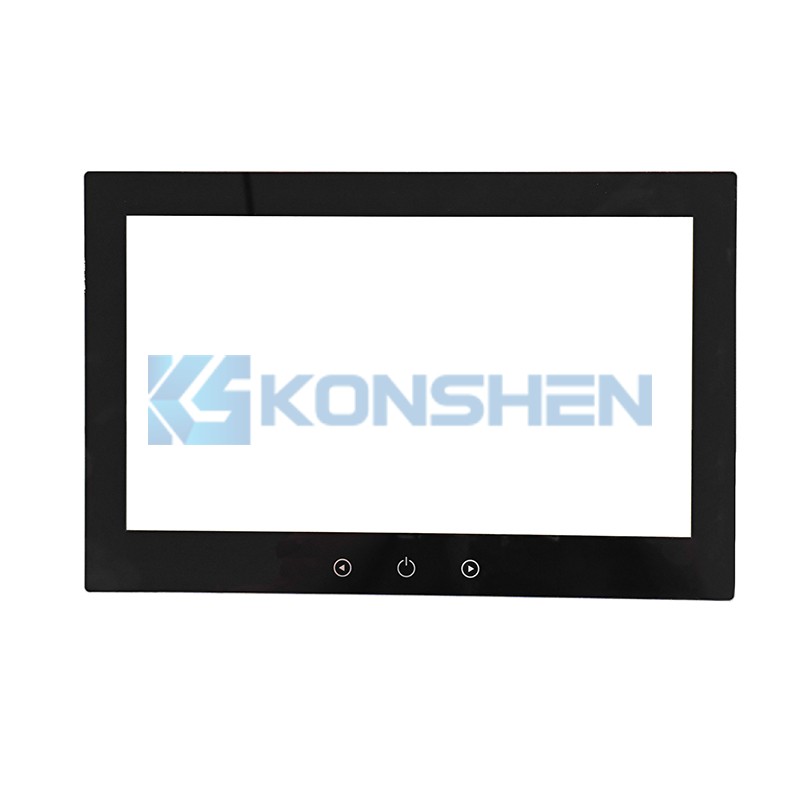
Electronic ITO Conductive Tempered Glass Custom Black Framed 1mm-4mm Thickness Display Cover for Industrial Monitor
Black-framed ITO conductive tempered display cover in 1–4 mm thickness for industrial monitors and embedded touch systems.
View product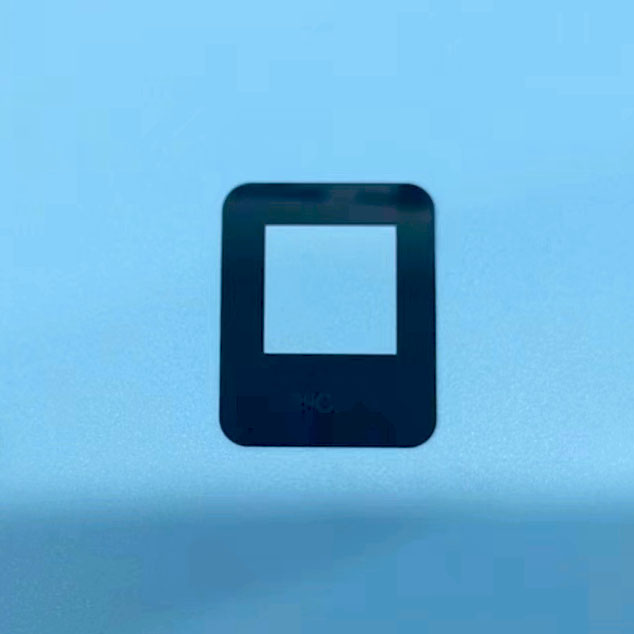
1mm Black Tempered Glass Switch Socket Panel Flat Solid Wall Cover with Print
1 mm black tempered wall switch and socket panel with printed graphics, flat solid cover and custom finish options.
View productOEM/ODM LCD Glass Sourcing: What the Term Really Covers
Buyers searching for OEM/ODM LCD glass factories and suppliers often use “LCD glass” as a broad sourcing phrase. In practice, the requirement may be a tempered cover glass for an LCD module, a silk-screen printed control panel, an ITO/FTO conductive substrate, an AR/AG/AF coated display window, or a 2.5D/3D curved glass part. These are different supply chains. A credible supplier should state clearly which glass processes it controls and which it does not.
Huizhou KELO Glass Co., Ltd. is a factory-direct glass processing manufacturer in Huizhou, Guangdong, China. The company produces touch screen cover glass, display cover glass, optical coated glass, ITO/FTO conductive glass, chemically strengthened glass and 2.5D/3D curved glass, with thickness from 0.1 mm to 19 mm. It is not positioned as an LCD liquid-crystal cell maker; its value is in custom glass cutting, printing, tempering, coating, curved forming, bonding and inspection. That distinction matters because it prevents a technically attractive quotation from being built on the wrong process assumption.
Because the finished part is both visible and functional, defects rarely stay inside the factory. A fingerprint coating that wears early, an AR stack that shifts color, a curved glass that does not fit a housing, or a printed border that misregisters during assembly can become a costly line-stop issue. KELO keeps cutting, CNC machining, edge polishing, laser engraving, silk-screen printing, sandblasting, flat and curved tempering, coating and adhesive bonding under one roof. For procurement teams, one accountable supplier reduces handling damage, shortens corrective loops and makes it easier to trace a nonconformance back to a specific process step.
The company profile also provides third-party context that buyers can verify before requesting samples: 10,000–30,000 m² of factory space, 101–200 employees, 21–30 R&D engineers, 20–25 million pieces per year of touch cover glass capacity, US$50–100 million annual output value, six years as a verified exporter on Alibaba.com, a 4.9/5 store rating, a 98.18% reply rate and Trade Assurance support. These are not substitutes for a factory audit, but they are useful screening signals when comparing OEM/ODM LCD glass suppliers at the shortlist stage.
Drawing + DFM review
Tolerance, tooling, print registration and adhesive bonding should be reviewed before quotation.
Optical target in writing
AR, AG and AF performance must be specified by reflectance, haze, contact angle or durability cycles.
Reliability plan
Tempering, adhesion, abrasion, salt spray and packing tests should be aligned with the application.
Commercial clarity
Samples from 1–2 pcs, 21–31 day bulk lead time, FOB/CFR/CIF/EXW/DDP and clear payment terms.
Procurement Trends Shaping OEM/ODM LCD Glass Supply in 2025–2026
The buying conversation has shifted from “who can quote the lowest price per piece” to “who can prove the process, document the performance and keep the specification stable after mass production starts.”
Verified factory over marketplace middleman
Procurement teams are increasingly screening for factory-direct capability, in-house coating, actual tempering equipment and verifiable trade history. A trader may offer a broad catalog, but a technical buyer needs a production owner who can explain what happens when a coating drifts or a curved part fails fit. KELO’s verified assessment, factory video, credit profile and transaction records are useful pre-audit evidence.
Performance-based RFQs replace generic glass requests
Instead of asking for “AR glass” or “ITO glass,” mature buyers now attach target reflectance, transmittance, sheet resistance, haze, contact angle, scratch-dig grade and reliability cycles. This reduces sample rounds because the supplier must quote against the same measured window that will be inspected at incoming quality control. KELO’s published coating windows, such as R <1.0% per side and sheet resistance of 1–20 Ω/sq, help start that conversation.
Supplier consolidation around fewer qualified partners
Brands are consolidating cover glass, control panel glass and conductive glass purchases with fewer suppliers to reduce audit overhead and packaging inconsistency. A supplier that can handle flat glass, curved glass, printing, coating and bonding can simplify the approved-vendor list. That said, consolidation only works when the factory has documented inspection gates and can show traceability across cutting, printing, tempering and final packing.
Small-batch validation before tooling commitment
Sample quantities of 1–2 pieces are now used more strategically: not just to check appearance, but to test assembly fit, adhesive compatibility, optical performance and cleaning durability. Rapid prototyping reduces tooling risk for custom switch panels, elevator HMI glass and curved automotive display covers. Procurement should treat the sample approval step as a technical milestone, not an administrative formality.
Inspection evidence and traceability become default
Incoming, in-process and final inspection are becoming expected parts of the supplier file. For glass parts, that means thickness, flatness, surface defects, hole position, print alignment, coating adhesion, abrasion resistance and packing protection. A supplier that can describe its IQC, IPQC and FQC/OQC checks before the first order is easier to qualify than one that only promises “100% inspection” after a problem appears.
Supply resilience and packaging quality rise in importance
Transit damage can erase the value of a good price. Custom honeycomb cartons, blister trays and partition packing are now part of the technical discussion for large glass panels, thin cover glass and printed control panels. Buyers also balance China’s cost base with lead-time buffer, payment protection and shipping terms. KELO supports FOB, CFR, CIF, EXW and DDP, with T/T, L/C, PayPal and Western Union payments.
Product Development Trends Buyers Should Design Into the Next RFQ
Glass is no longer a passive cover in many products. It is part of the optical stack, the touch interface, the exterior finish and the reliability story. These trends are already visible in custom cover glass, ITO/FTO conductive glass and printed control panel projects.
Thin, chemically strengthened cover glass
Thinner glass supports lighter devices and tighter industrial design, but it must keep enough strength for drop, impact and handling. Chemically strengthened and tempered cover glass helps balance weight, optical clarity and durability. For OEM/ODM buyers, the RFQ should state the assembled stress condition, not only the nominal thickness.
2.5D and 3D curved glass for automotive and smart home
Curved displays and seamless control surfaces continue to move from premium products into broader automotive, appliance and smart-home designs. Hot-bent curved tempered glass and small-radius formed panels demand early DFM review because curvature affects print registration, coating uniformity, bonding and packing. KELO produces 2.5D/3D curved forming and custom curved glass for automotive display applications.
Multi-functional AR, AG and AF stacks
A single surface may need anti-reflection, anti-glare and anti-fingerprint performance at the same time. Multi-layer optical stacks can improve readability, contrast and touch cleanliness, but each added function creates another inspection point. Buyers should define the primary optical goal, then allow the supplier to recommend whether AR+AG, AG+AF or a custom stack is the most cost-effective route.
ITO and FTO conductive glass for touch, EMI and energy
Transparent conductive glass remains central to capacitive touch sensors, industrial displays, EMI shielding and thin-film solar applications. ITO is common for touch and display structures, while FTO offers stronger thermal and chemical stability for high-temperature processes and thin-film solar cells. Both can be specified with sheet resistance, transmittance and haze targets rather than a generic material name.
Printed glass that integrates the interface
Silk-screen printed glass is increasingly used as a complete front interface: graphic layers, dead-front effects, icon windows, touch zones and sensor integration can be designed into one glass part. This reduces separate labels and plastic layers, but it raises the importance of print registration, color consistency, ink adhesion and annealing. A factory with in-house printing and flat/curved tempering can control these interactions more tightly.
Gaming peripherals and specialty glass surfaces
Glass mouse pads and glass skate feet have created a separate demand for hard-surface, low-friction, custom-printed glass parts. These products reward surface consistency, edge quality and graphic durability. OEM factories need to consider UV printing, silicone bases, custom logos, packing and drop protection as part of the glass specification, not as afterthoughts. KELO’s gaming application glass line covers these requirements.
Fast Selection Matrix: Match the Glass Surface to the Operating Condition
Start with the environment and the failure mode, then choose the substrate and coating stack. This is how a technical buyer can write a clearer RFQ and avoid over-specifying one function while under-specifying another.
Bright sunlight, kiosks and industrial terminals
Specular reflection washes out contrast. AG diffusion, or an AR+AG stack, keeps content readable without increasing backlight power.
Recommendation: AG or AR+AG tempered glassHigh-touch control panels and appliances
Fingerprint oils and repeated cleaning affect perceived quality. An oleophobic AF surface supports easy wiping and a longer clean appearance.
Recommendation: AF or AG+AFMedical displays, cameras and showcase windows
Light must pass rather than reflect. Low-reflectance AR coatings protect contrast and color fidelity across the visible band.
Recommendation: single or multi-layer ARCapacitive sensors, touch mirrors and EMI shielding
The glass itself must conduct while remaining transparent. Low sheet resistance and low haze are the key trade-off points.
Recommendation: ITO conductive glassThin-film solar and high-temperature steps
Some processes require better thermal and chemical stability than standard ITO can provide. FTO is often the more robust conductive substrate.
Recommendation: FTO conductive glassAutomotive displays and seamless control surfaces
Curvature, edge quality, coating uniformity and adhesive bonding must be reviewed together. The forming route should be chosen before tooling.
Recommendation: 2.5D/3D hot-bent tempered glassOne Glass Factory, Every Critical Process
Outsourcing glass steps adds handling damage, schedule gaps and unclear responsibility when a defect appears. KELO’s advantage is vertical integration around custom glass processing: the same factory that reviews the drawing can cut, machine, print, temper, coat, curve, bond and inspect the part. That is the practical meaning of factory-direct in an OEM/ODM glass project.
- 01Cutting & water-jet cutting
- 02CNC machining & drilling
- 03Edge polishing
- 04Laser engraving
- 05Silk-screen printing
- 06Sandblasting & frosting
- 07Flat & curved tempering
- 08AR / AG / AF / ITO coating
- 092.5D / 3D curved forming
- 103M adhesive bonding
What this means for your RFQ
You are not coordinating five vendors for cutting, printing, coating, tempering and packing. You are coordinating one engineering and production team against one drawing, one sample approval and one shipment schedule.
- Engineering drawing review and DFM feedback
- Sample orders from 1–2 pieces
- Typical bulk lead time of 21–31 days after sample approval
- 100% appearance inspection before packing
- Honeycomb cartons, blister trays and partition packing
Three Inspection Gates Before a Custom Glass Order Ships
Quality is built into the process, not inspected in at the end. Each gate has defined checks and release criteria, which is what a technical buyer should expect from a factory-direct glass supplier.
Incoming Inspection — IQC
Raw glass and consumables are verified before production enters the line.
- Thickness and flatness check
- Surface defect screening
- Ink and coating material verification
- Supplier lot traceability
In-Process Control — IPQC
Critical dimensions and functional results are checked at each station.
- CNC dimension and hole position
- Tempering and strength tests
- Print registration and ink adhesion
- Coating adhesion and abrasion checks
Final Inspection — FQC/OQC
Every finished piece is checked before protective packing and shipment.
- 100% appearance inspection
- Salt spray reliability testing
- Packaging protection review
- Honeycomb, blister and partition packing
How a Custom Glass Project Runs From Drawing to Delivery
A transparent, engineer-led process is designed to reach a validated sample quickly and then scale without surprises.
Share requirements
Send the drawing, sample or target specification plus annual volume and application environment.
Engineering review
Receive DFM feedback on tolerance, coating, printing, curved forming and cost drivers.
Rapid prototype
Validate fit, optics, print and surface feel with samples from as few as 1–2 pieces.
Validation
Approve the sample against your optical, mechanical and reliability requirements.
Mass production
Run production with a typical bulk lead time of 21–31 days after sample approval.
Packing & shipping
Use damage-resistant packing and agreed Incoterms for worldwide delivery.
Export Experience for Europe and the Americas
International buyers need more than a product photo. They need documentation, packaging discipline, communication speed and Incoterms that match their import process. KELO’s verified export profile and trade history support that level of due diligence.
Packed to arrive intact
Custom honeycomb cartons, blister trays and partition packing are specified to reduce transit damage for thin glass, printed panels and curved parts. For fragile or high-value programs, packing should be approved together with the sample, not after the purchase order is released.
Trusted Across Demanding Glass Applications
Custom glass components ship into products where optical quality, durability and electrical function are non-negotiable.
Consumer Electronics
Touchscreen and display cover glass, camera lens covers and custom glass lenses.
Automotive Displays
Center consoles, dashboards, curved display glass and in-vehicle touch panels.
Smart Home
Appliance glass lenses, switch and socket panels, touch mirrors and bathroom controls.
Industrial HMI
Rugged operator panels, factory control terminals and black-framed display covers.
Medical Devices
Optical windows in quartz and sapphire for instruments and diagnostic equipment.
Solar Energy
Solar glass and FTO substrates for thin-film cells and high-temperature processes.
Hotel & Bathroom
Smart bathroom control panels, shower switches and mirror glass.
Gaming Peripherals
Glass mouse pads, glass skate feet and custom-printed gaming surfaces.
Independent Proof of Capability for OEM/ODM Glass Buyers
Do not rely on a catalog alone. Review the verified factory assessment, buyer feedback, trade records and company video before you move a custom glass project to sample stage.
Verified Assessment
On-site verification report covering the factory and production capability.
View reportRatings & Reviews
Buyer feedback behind the 4.9/5 store rating and 98.18% reply rate.
Read reviewsFactory Video
Walk through production, coating and inspection areas before requesting samples.
Watch videoCredit Profile
Business credit index and company standing for supplier risk review.
Check creditOEM/ODM LCD Glass Supplier FAQ
Straight answers to the questions procurement and engineering teams usually ask before a first custom glass order.
What is the minimum order quantity for custom cover glass?
Sample orders start from 1–2 pieces so you can validate fit, optics, printing and coating performance before committing to volume. Bulk quantities are quoted per drawing, size, coating stack and annual usage.
What is the typical lead time for mass production?
Bulk lead time is typically 21–31 days after sample approval, depending on size, coating stack, curved forming and printing complexity. Schedule should be confirmed during engineering review.
What optical performance can your AR coating achieve?
AR anti-reflective coating can achieve reflectance below 1.0% per side and transmittance above 99% across 400–700 nm, in single-layer or multi-layer designs. Final targets are confirmed against your drawing.
Should I choose ITO or FTO conductive glass?
ITO glass is commonly used for capacitive touch sensors, displays and EMI shielding. FTO glass offers better thermal and chemical stability, making it a frequent choice for thin-film solar cells and high-temperature processes. Both are available with sheet resistance of 1–20 Ω/sq, transmittance above 85% and haze below 2%.
What thickness, sizes and shapes can you produce?
Glass thickness ranges from 0.1 mm to 19 mm. Size, shape, holes, color, logo printing, 2.5D/3D curved forming and 3M adhesive bonding are customized to your drawing or sample.
Which trade terms and payment methods do you accept?
FOB, CFR, CIF, EXW and DDP trade terms are supported, along with T/T, L/C, PayPal and Western Union payments. Orders placed through Alibaba.com can be protected by Trade Assurance.
How do you control quality before shipment?
Quality is controlled through incoming, in-process and final inspection with 100% appearance checking, plus tempering, adhesion, abrasion and salt spray tests. Custom honeycomb cartons, blister trays and partition packing minimize transit damage.
Can you support custom printing, coating and curved glass in one project?
Yes. KELO combines silk-screen printing, laser engraving, AR/AG/AF coating, ITO/FTO conductive coating, flat or curved tempering, 2.5D/3D forming and adhesive bonding under one factory roof. This is useful when the glass front panel must meet optical, touch, print and mechanical requirements together.
Have a Drawing, Coating Target or Curved Glass Specification?
Send your drawing, target transmission or reflectance, sheet resistance, print artwork, annual volume and application environment. KELO’s engineering team will review feasibility and recommend a cost-effective glass solution for your OEM/ODM project.
Contact Us