Factory-direct reference case · Huizhou, Guangdong, China

Top 10 Custom Cover Glass Factories & Exporter: A White Paper for High-Performance Sourcing

Use this ten-point audit to separate true factory-direct cover glass, AR/AG/AF optical coating and ITO/FTO conductive glass capability from trading-company noise — with KELO Glass as a documented reference case for samples from 1–2 pcs, 0.1–19 mm thickness and 21–31 day bulk production.

Factory-direct product range

8 Custom Cover Glass Products Buyers Shortlist First

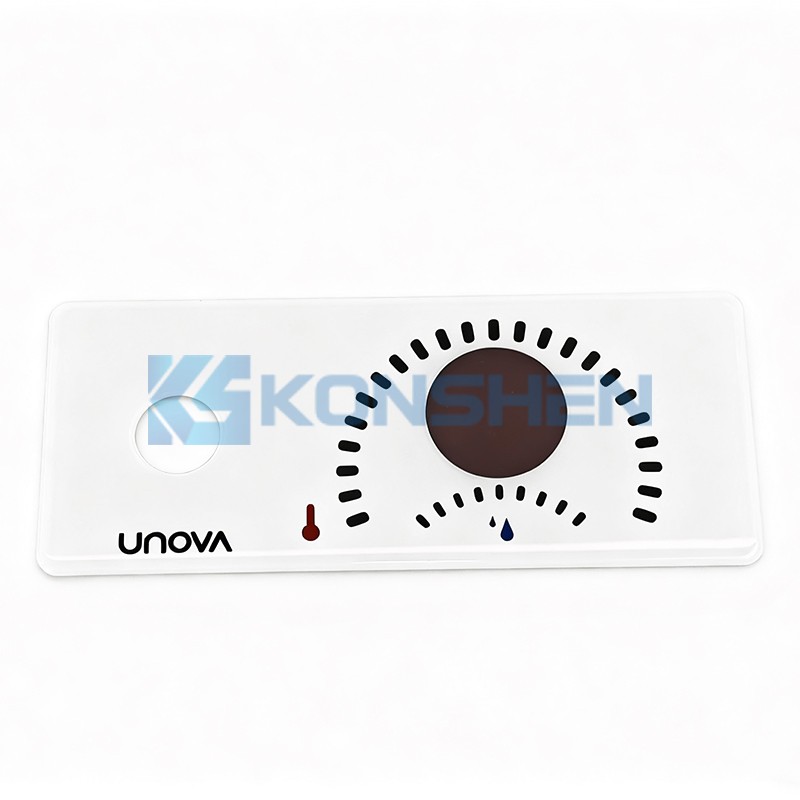
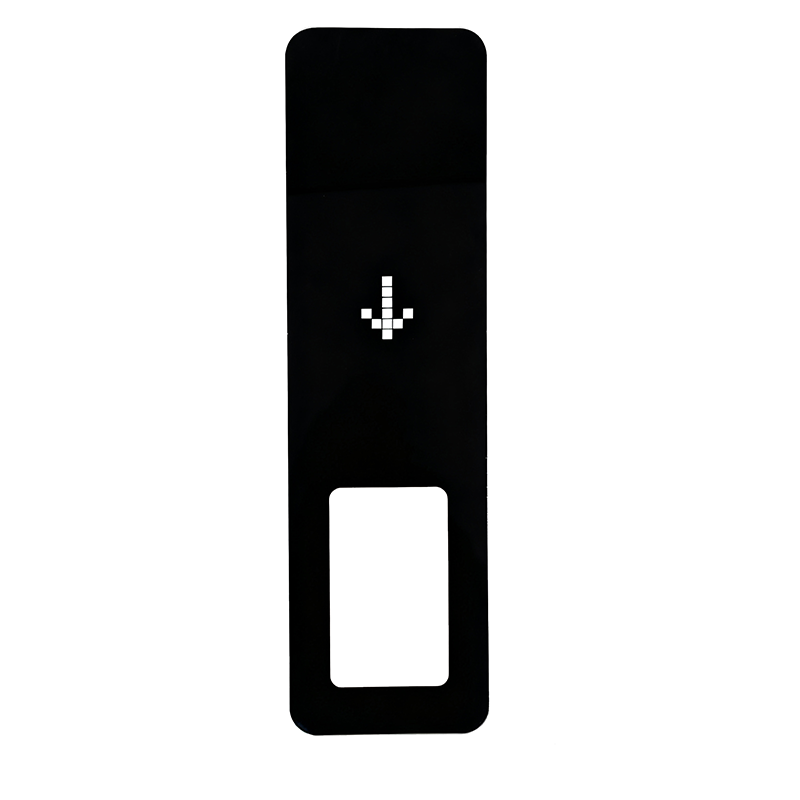
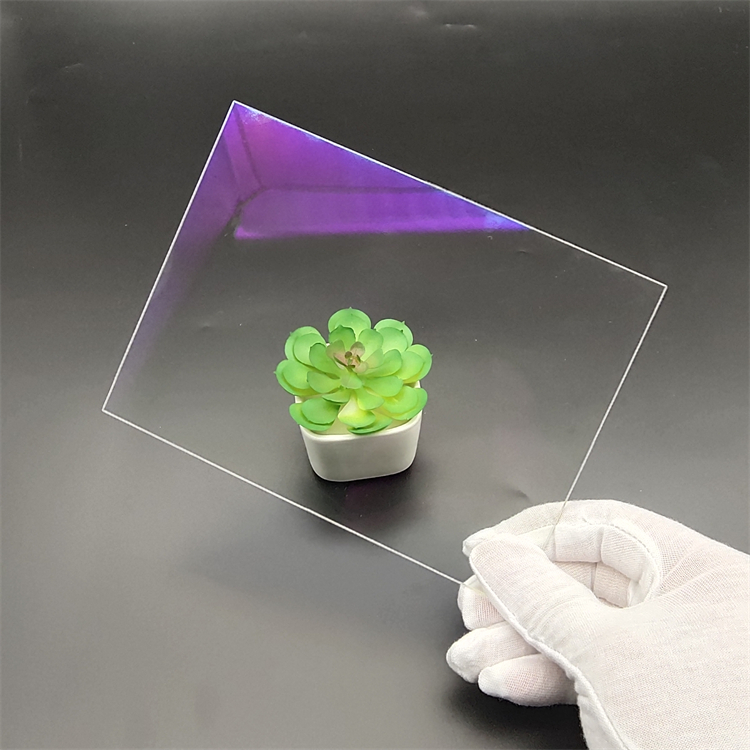
These eight configurations cover the practical “first RFQ” range for custom cover glass: elevator touch panels, AR-coated tempered glass, AR/AG/AF coating, ITO/FTO conductive glass, silk-screen control panels, anti-fog optical glass and precision gaming glass. Each product link leads to the original product page for detailed parameters.

0.1–19 mmCover glass thickness range
20–25M pcs/yrTouch cover glass capacity
21–31 daysTypical bulk lead time after sample approval
4.9/5Store rating with 98.18% reply rate
White paper context

Why a Top 10 Custom Cover Glass Factories & Exporter Shortlist Is Often Misleading

Search results for “Top 10 Custom Cover Glass Factories & Exporter” are easy to publish and hard to verify. Many lists recycle supplier names, mix trading companies with factories, or compare FOB prices without checking whether AR coating, AG etching, AF treatment, ITO/FTO deposition, curved forming, silk-screen printing and packing are controlled under one roof. For a buyer, the risk is not simply paying too much. The larger risk is approving a sample that cannot be repeated at volume.

Coating performance drift

A supplier may offer AR, AG or AF as a sales term, yet outsource the actual coating and lose the measurement data needed to hold reflectance, haze, gloss or contact angle. Ask for the measured window and inspection method — not a finish name.

Handling damage and process gaps

Every extra factory handoff adds cleaning, packing and rework risk. In-house cutting, CNC, polishing, printing, tempering, coating and bonding reduce finger-pointing when an optical defect appears after weeks of production.

Export reliability is part of quality

A beautiful sample is not a shipment. Check carton design, blister trays, partition packing, incoterm experience and whether the supplier can support FOB, CFR, CIF, EXW or DDP with documentation that matches your delivery terms.

Transparency note: this white paper is not a paid ranking. It is an evaluation framework built from factory capability data, common RFQ review questions and verifiable supplier-profile signals. KELO Glass is used as a reference case, not as a substitute for your own audit.

Ten-point due diligence

The 10-Point Audit for Top Custom Cover Glass Factories & Exporters

Shortlist candidates against these ten tests. A true top-tier custom cover glass factory or exporter should be able to answer with documents, samples and measured data — not adjectives.

01

Factory-direct scope

Ask which operations are truly in-house: cutting, CNC, edge polishing, printing, tempering, coating and bonding. KELO’s reference point is integrated processing in Huizhou, Guangdong, rather than coating or forming being passed to unnamed subcontractors.

02

Measured optical performance

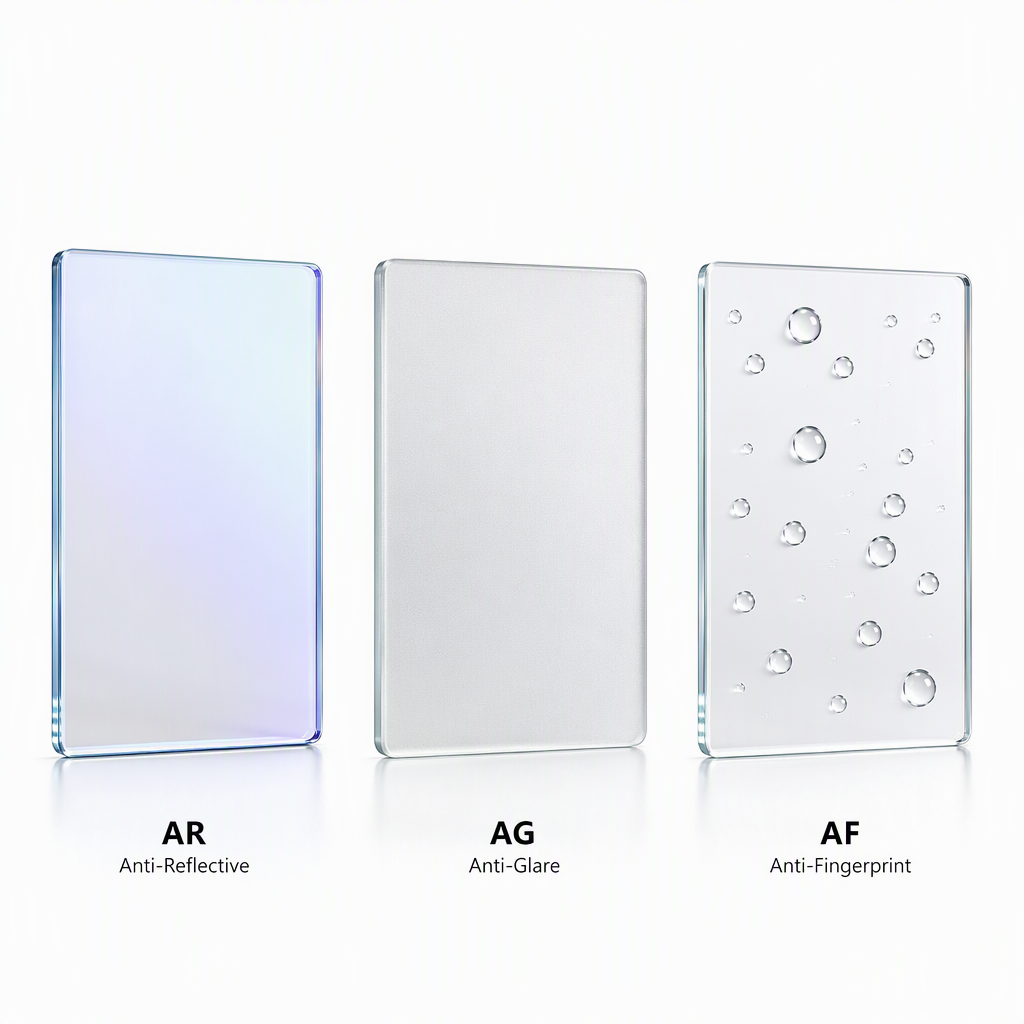
For AR, ask for reflectance <1.0% per side and transmittance >99% across 400–700 nm. For AG, confirm haze, gloss and sparkle. For AF, confirm water contact angle, abrasion cycles and cleaning method.

03

Conductive glass capability

ITO and FTO are not interchangeable. Confirm sheet resistance of 1–20 Ω/sq, transmittance >85%, haze <2% and whether the supplier can provide resistance mapping across the sheet.

04

Curved and tempered glass

Validate 2.5D/3D forming, flat and curved tempering, chemical strengthening, polished edges and thickness from 0.1 mm to 19 mm. Curved cover glass needs forming tolerance data, not only a photo.

05

Printing and cosmetics

Silk-screen registration, ink adhesion, color consistency and cosmetic grade must be written down. A 60/40 scratch-dig standard is a starting point; final acceptance should match your application and viewing distance.

06

Engineering responsiveness

Send the same drawing to each candidate and compare DFM feedback, sample cost and question quality. Samples from 1–2 pieces are useful for fit, optics and print checks before a tooling or volume commitment.

07

Capacity and lead-time realism

Ask for monthly capacity, current loading and bulk lead time after sample approval. A 20–25 million pcs/yr cover glass capacity and a typical 21–31 day mass-production window are useful benchmarks, not promises for every size.

08

Quality gates and records

Incoming, in-process and final inspection should have named checks. Look for 100% appearance inspection plus tempering, adhesion, abrasion and salt-spray testing, and ask how nonconforming parts are contained.

09

Export terms and protection

Confirm FOB, CFR, CIF, EXW or DDP support, payment methods such as T/T, L/C, PayPal and Western Union, and whether transactions can use Trade Assurance. Ask for packing photos before shipment release.

10

Total landed cost

Compare more than piece price. Add freight, insurance, breakage allowance, incoming inspection, rework, repacking and delay cost. A slightly higher quote with fewer defects and a stable lead time can be the cheaper route.

Future procurement trends

Procurement Trends Reshaping Custom Cover Glass Sourcing

The next buying cycle will reward suppliers who can prove process control and communication discipline, not only a low unit price. These four shifts are already visible in serious cover glass RFQs.

Total landed cost replaces lowest piece price

Procurement teams increasingly score suppliers on defect cost, packaging integrity, rework and lead-time buffer. A low quote that creates breakage or incoming inspection burden rarely survives annualized comparison.

Dual sourcing with one measurement standard

Buyers qualify a primary and secondary glass factory, but keep the same drawing, coating target, cosmetic grade and measurement method. Otherwise the second source is only a price reference, not a real continuity plan.

RFQs become technical documents

Top-tier RFQs include thickness, tolerance, glass grade, AR/AG/AF targets, ITO or FTO resistance, operating temperature, cleaning chemical exposure, annual volume and packaging expectations.

Audit-ready documentation is expected

Factory audits, inspection records, packing validation and traceability are moving from enterprise-only demands to mid-market expectations. Suppliers that answer with data shorten the qualification cycle.

Product development trends

Where Custom Cover Glass Technology Is Moving Next

Product roadmaps are pushing glass suppliers toward thinner stacks, larger formats, curved edges and more integrated surface functions. The winning supplier will be the one that can measure and repeat these features in mass production.

Thinner, larger and more curved

Device designs continue toward narrower bezels, large touch surfaces and 2.5D or 3D edges. The manufacturing challenge is not only forming glass, but holding cosmetic and assembly tolerances after tempering and printing.

Multifunctional coating stacks

A single surface may need AR clarity, AG sunlight diffusion and AF fingerprint resistance. Combined stacks such as AR+AG or AG+AF are growing where user experience and operating environment demand more than one function.

Conductive glass splits by use case

ITO remains a practical choice for capacitive touch, displays and EMI shielding. FTO is often preferred where thermal and chemical stability matter, such as thin-film solar or high-temperature laboratory processes.

Assembly-ready glass components

Buyers want less handling: polished edges, 3M adhesive bonding, printed graphics, protective film, custom trays and drawing-matched packaging. The supplier becomes a process partner, not just a glass cutter.

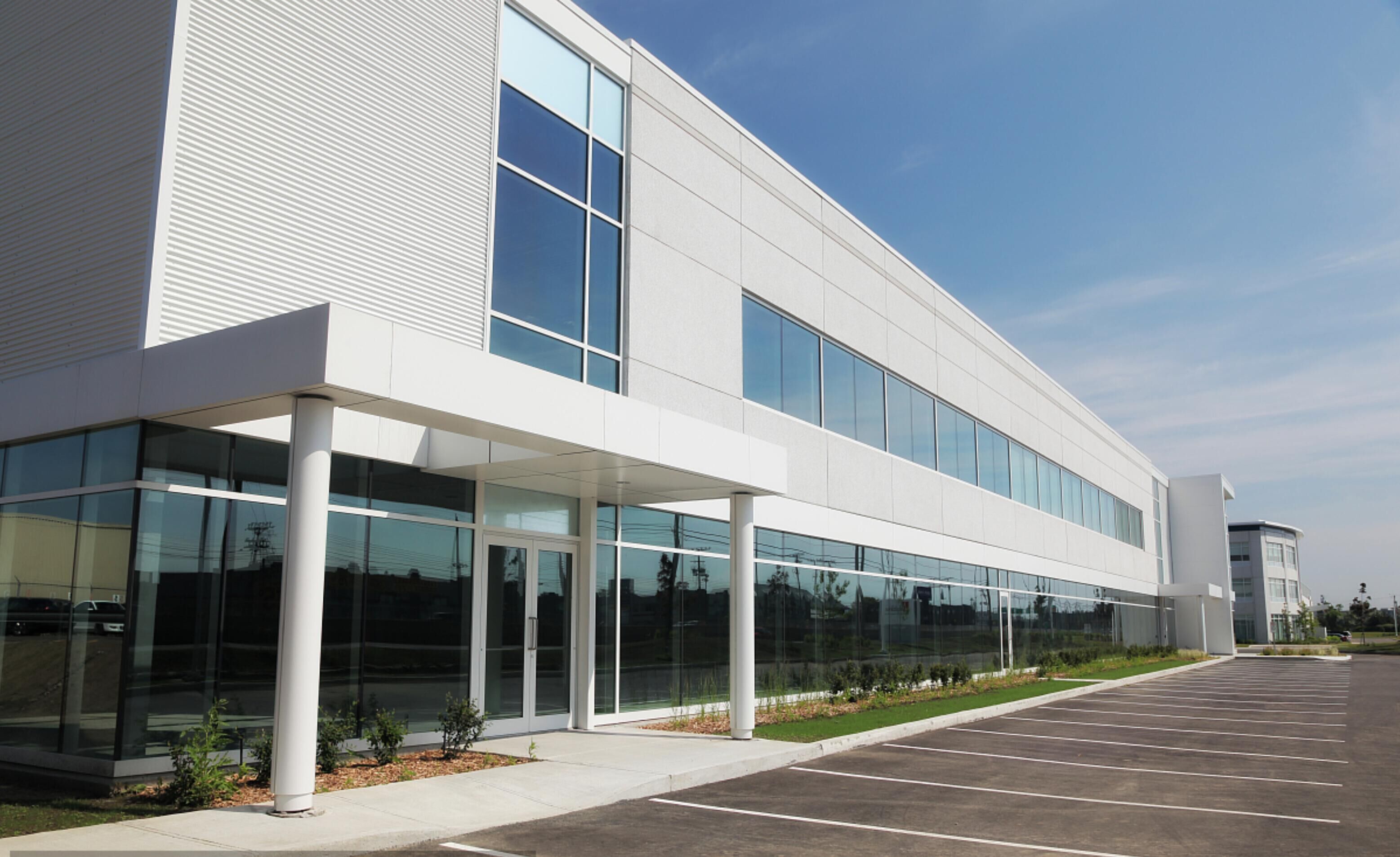
KELO Glass factory in Huizhou Guangdong
Glass processing line at KELO Glass
Finished cover glass inspection at KELO Glass
Enterprise advantages

KELO Glass as a Reference Case for Factory-Direct Cover Glass

Huizhou KELO Glass Co., Ltd. is a factory-direct glass manufacturer in Huizhou, Guangdong, within the Greater Bay Area electronics supply chain. The company focuses on touch screen cover glass, display glass and optical coated glass, with surface engineering as its core technology. Its operating scale includes a 10k–30k m² factory, 101–200 employees, 21–30 R&D engineers, a 20–25 million pcs/yr touch cover glass capacity and US$50–100 million annual output value.

For buyers, the value is not the size of the numbers alone. It is the ability to keep cutting, CNC machining, edge polishing, silk-screen printing, flat and curved tempering, AR/AG/AF/ITO coating, 2.5D/3D forming and 3M adhesive bonding inside one accountable process. KELO’s public profile also provides third-party checkpoints: about six years of verified exporter activity, a 4.9/5 store rating, a 98.18% reply rate and Alibaba Trade Assurance support. These signals do not replace a factory audit, but they make it easier to start with a supplier already accustomed to buyer documentation, international trade terms and sample-led qualification.

6 yrs verified exporter 4.9/5 store rating 98.18% reply rate Trade Assurance supported

Surface engineering in-house

AR, AG, AF and ITO/FTO coating are treated as measured processes, not catalogue labels. Performance windows are confirmed against the drawing, and final acceptance is agreed before mass production.

Full-process control

Cutting, water-jet, CNC, drilling, polishing, laser engraving, silk-screen printing, sandblasting, tempering, curved forming and bonding are aligned under one roof to reduce handling risk.

Engineering review and prototypes

DFM feedback, drawing review and samples from 1–2 pieces help validate fit, optics and print before a buyer commits to tooling, volume or packaging.

Verified trade record

A verified exporter profile, 4.9/5 store rating and 98.18% reply rate give procurement teams starting evidence for due diligence and supplier onboarding.

Three-gate quality control

IQC, IPQC and FQC/OQC checks include thickness, flatness, dimensions, tempering, coating adhesion, abrasion, salt spray and 100% appearance inspection.

Export packing and terms

Honeycomb cartons, blister trays and partition packing are designed for glass. FOB, CFR, CIF, EXW, DDP and Trade Assurance support give buyers room to negotiate delivery risk.

RFQ-ready performance data

Use the Specification Window, Not the Adjective

The table below condenses the performance ranges that should appear in a serious custom cover glass RFQ. Final targets must always be confirmed against the drawing, application environment and acceptance method.

Typical optical coating and conductive glass performance windows for custom cover glass RFQs
CoatingKey performance windowTypical use
AR Anti-reflectiveReflectance <1.0% per side · transmittance >99% at 400–700 nm · single or multi-layerAutomotive touch displays, medical monitors, optical windows
AG Anti-glareHaze 5–60% · gloss 0.5–8 GU · controllable sparkleOutdoor kiosks, industrial HMI, sunlight-readable screens
AF Anti-fingerprintWater contact angle >110° · pencil hardness >3H · transmittance >98% · >10,000 cyclesTouch control panels, smart home and appliance glass
ITO Indium tin oxideSheet resistance 1–20 Ω/sq · transmittance >85% · haze <2%Capacitive touch sensors, displays, EMI shielding
FTO Fluorine-doped tin oxideSheet resistance 1–20 Ω/sq · transmittance >85% · haze <2%Thin-film solar, high-temperature laboratory processes
Combined AR+AG / AG+AFStacked functions on one substrate · cosmetic grade per 60/40 scratch-dig or buyer standardPremium automotive and outdoor touch interfaces

Production capability values are indicative and may vary with size, thickness, glass grade and coating pattern. Agree measurement conditions, sampling plan and acceptance criteria before mass production.

What procurement teams weigh in a supplier shortlist

Illustrative qualification weighting used in this white paper, not a third-party market statistic.

Optical performance evidence
92
Coating durability data
89
Factory-direct process control
87
Lead time and capacity
84
Export packing & documentation
81
Total landed cost
79

A supplier that scores below 80 on optical evidence or process control should usually be sampled and audited before volume award.

Product recommendations

Recommended Configurations by Application

Start with the operating environment, then choose the substrate and coating stack. These four configurations are a practical starting point for engineering and sourcing discussions.

Automotive and EV HMI

Chemically strengthened 2.5D or 3D cover glass with AR+AG and optional AF, plus silk-screen graphics, polished edges and 3M adhesive bonding. Validate thermal cycling, salt spray, abrasion and optical clarity.

Outdoor kiosks and industrial HMI

AG tempered glass or an AR+AG stack with haze in the 5–60% range, controlled gloss and a robust edge finish. Confirm readability under direct sun and cleaning-chemical exposure.

Smart appliance control panels

Tempered cover glass with AF easy-clean treatment, custom printing, precise hole positions and 100% appearance inspection. Packaging should prevent ink and edge damage in transit.

Solar, lab and conductive devices

ITO or FTO conductive glass with verified sheet resistance, transmittance and haze. For high-temperature or chemical exposure, ask whether FTO, borosilicate, quartz or sapphire is more appropriate.

Procurement FAQ

Custom Cover Glass Procurement FAQ

Direct answers to the questions that usually appear before a first order, a second-source qualification or a factory audit.

What is included in a custom cover glass project?

A custom project usually includes substrate selection, thickness, outline cutting, CNC holes and cut-outs, edge polishing, silk-screen printing, tempering, AR/AG/AF coating, ITO/FTO conductive coating, 2.5D/3D forming, adhesive bonding and protective packing. The drawing should define functional dimensions, cosmetic zone, coating targets and packaging. Samples from 1–2 pieces are commonly used to validate fit, optics and print before mass production.

How do I choose between AR, AG and AF?

Start from the problem. AR reduces reflection and improves clarity for displays, cameras and optical windows. AG diffuses reflections to make outdoor or high-brightness screens more readable. AF makes touch surfaces easier to clean and more resistant to fingerprints and oils. Combined stacks such as AR+AG or AG+AF are possible when one surface must satisfy multiple requirements. Confirm reflectance, haze, gloss, contact angle and durability using agreed test methods.

What is the MOQ and sample policy?

Sample orders can start from 1–2 pieces for fit, optics and coating validation. Bulk MOQ is quoted per drawing because size, coating stack, yield and printing complexity affect the economic batch. Share annual volume, first-order quantity and target approval date so the factory can recommend a realistic pre-production plan.

What lead time should a buyer plan for?

A reference lead time for bulk custom cover glass is about 21–31 days after sample approval, depending on size, coating stack, curved forming, printing and packing. New projects need extra time for DFM review, sample production and validation. Ask whether capacity is available in the target month and request a milestone schedule.

Should I choose ITO or FTO conductive glass?

ITO is widely used for capacitive touch sensors, displays and EMI shielding because it combines transparency and conductivity. FTO offers stronger thermal and chemical stability, making it a frequent choice for thin-film solar cells and high-temperature processes. Both can be specified around sheet resistance of 1–20 Ω/sq, transmittance above 85% and haze below 2%, but the final choice depends on process temperature, chemical exposure and conductivity target.

Which trade terms, payments and buyer protections are available?

Typical export terms include FOB, CFR, CIF, EXW and DDP. Payment can be arranged by T/T, L/C, PayPal or Western Union depending on order value and country. For marketplace transactions, Trade Assurance can add a layer of order protection. Confirm the final incoterm, insurance responsibility, document set and consignee details in the contract.

How can I verify a factory before paying a deposit?

Check factory-direct evidence, process scope, measurement reports, quality gates, export records and buyer feedback. A serious supplier should be able to discuss which processes are in-house, provide samples, share inspection methods and accept a drawing-based RFQ. Third-party profiles such as verified assessment, trade history, ratings and Trade Assurance can support — but not replace — your own audit and sample validation.

What should an RFQ include?

Include a 2D drawing or 3D model, glass type and thickness, overall dimensions and tolerances, hole and edge requirements, cosmetic grade, printing colors, coating targets for AR/AG/AF/ITO/FTO, application environment, cleaning chemicals, operating temperature, annual volume, first-order quantity, target delivery date, incoterm and packaging expectations. Clear acceptance methods prevent later disputes.

How is quality controlled and packed?

The expected flow is incoming inspection, in-process checks after cutting, CNC, printing, tempering and coating, and final inspection before packing. Ask for 100% appearance checking, adhesion and abrasion tests, salt-spray testing where relevant, and packing that uses honeycomb cartons, blister trays or partitions. Request packing photos and a pre-shipment release checklist for repeat orders.
Inquiry conversion

Send a Drawing, Target Performance and Annual Volume

Buyers, distributors and brand owners are welcome. Share your drawing, glass thickness, coating target, conductive requirement, annual volume and target delivery date. Our engineering team will review feasibility, recommend a practical glass stack and confirm the sample path from 1–2 pcs to mass production.