8 Glass Products for Digital Scale & Display Applications
Digital scale glass is a functional cover component, not a decorative panel. In bathroom, kitchen, retail and industrial weighing equipment, the glass must combine flatness, impact resistance, print alignment, optical clarity, touch integration and batch consistency. The eight live product links below show the practical manufacturing envelope of a factory-direct glass supplier.
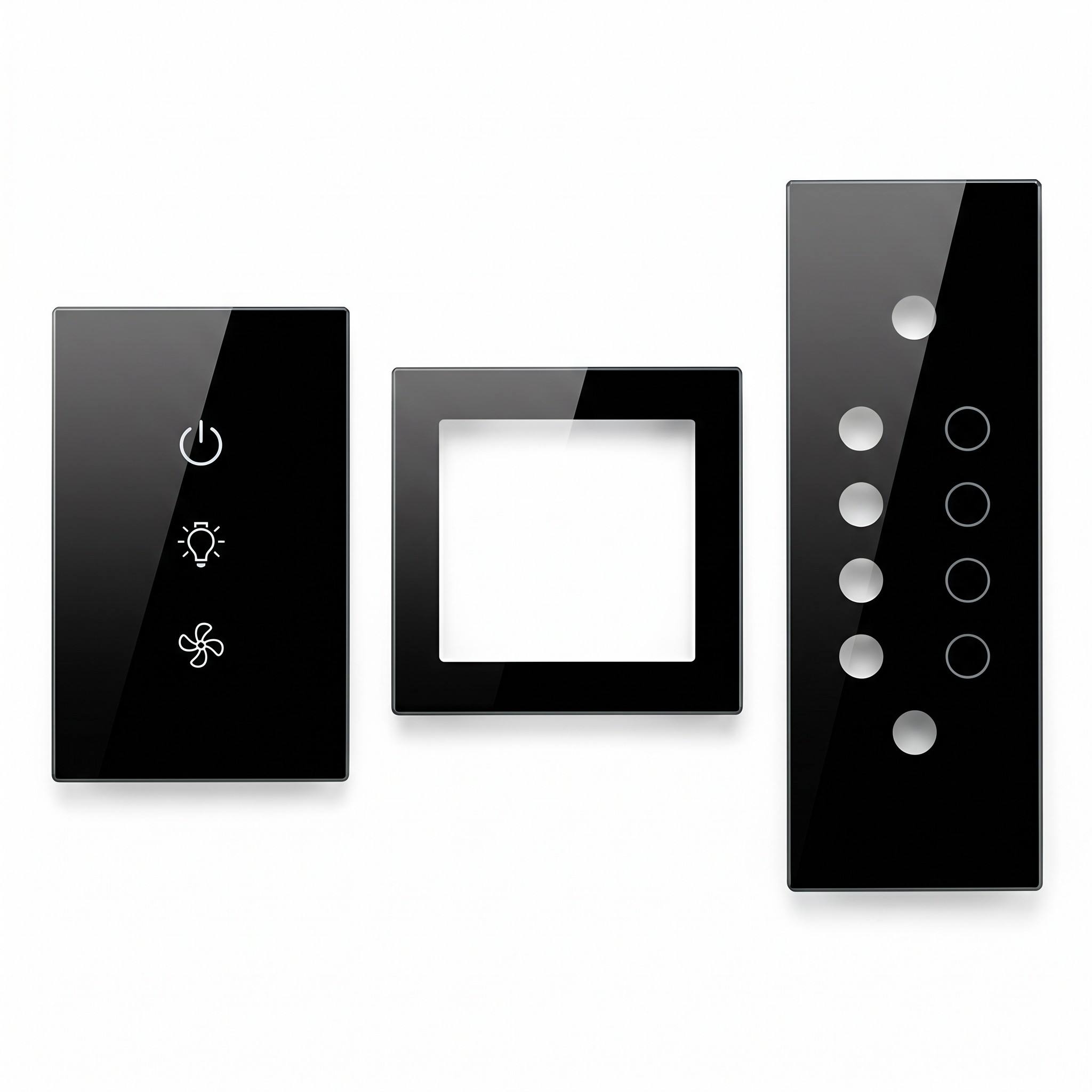
Tempered Glass Front Shield Cover Panel Custom Size Electronic Display Protection Sheet for Smart Device Konshen KS GB002
Custom-size tempered display protection with edge polishing and print options; suitable for scale windows, control panels and smart-device front shields.
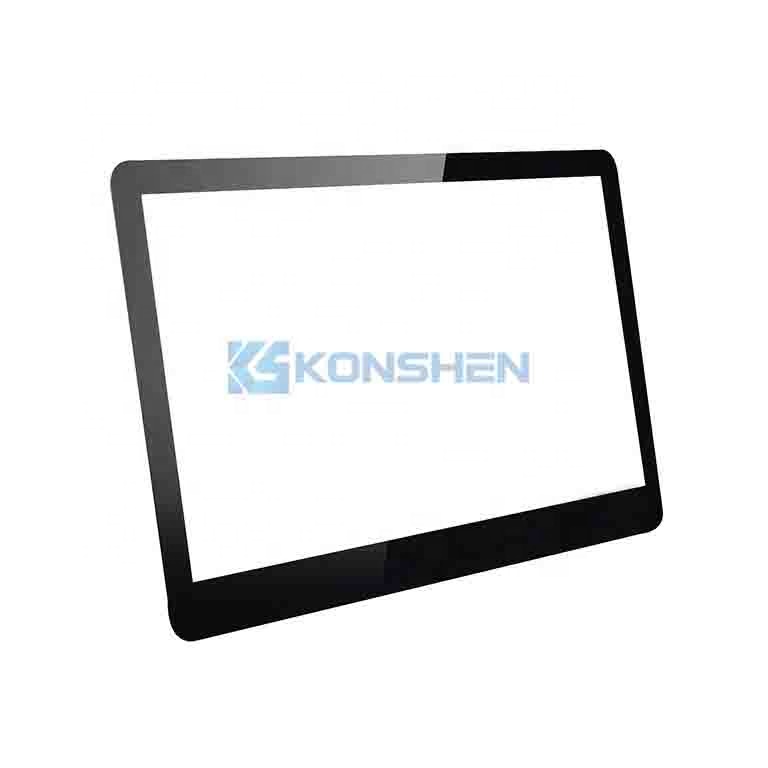
2mm 3mm Solid/Hollow Anti-Glare Chemical Tempered LCD Touch Screen Protection Cover Glass Silk Screen Printed European Style
AG-treated chemically tempered LCD protection for bright retail, outdoor and bathroom environments where reflections reduce readability.
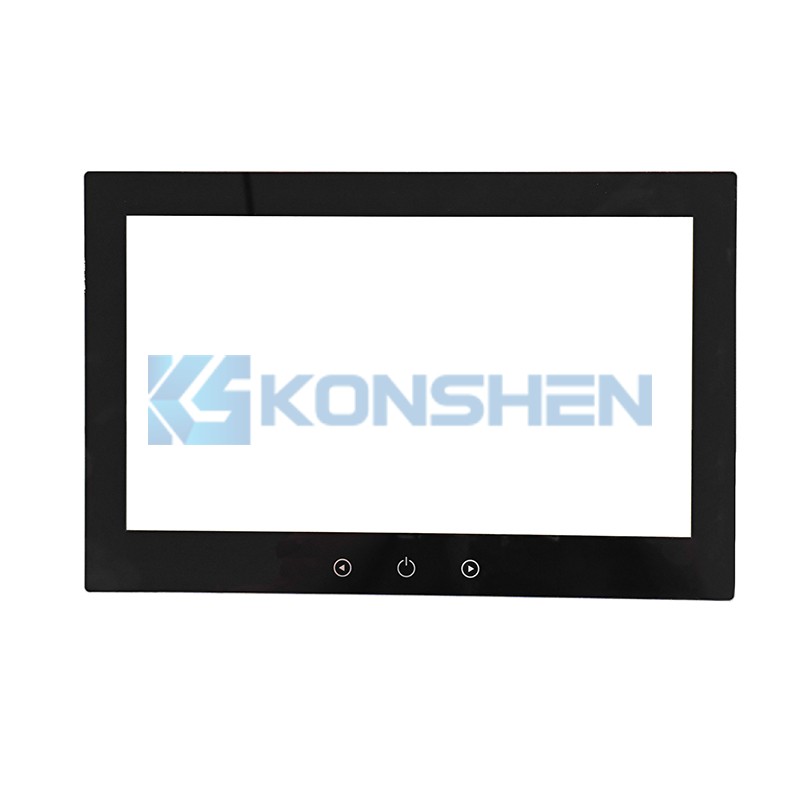
Electronic ITO Conductive Tempered Glass Custom Black Framed 1mm-4mm Thickness Display Cover for Industrial Monitor
Combines tempered display protection with ITO conductivity and a printed black frame for industrial monitors, touch interfaces and weighing HMIs.
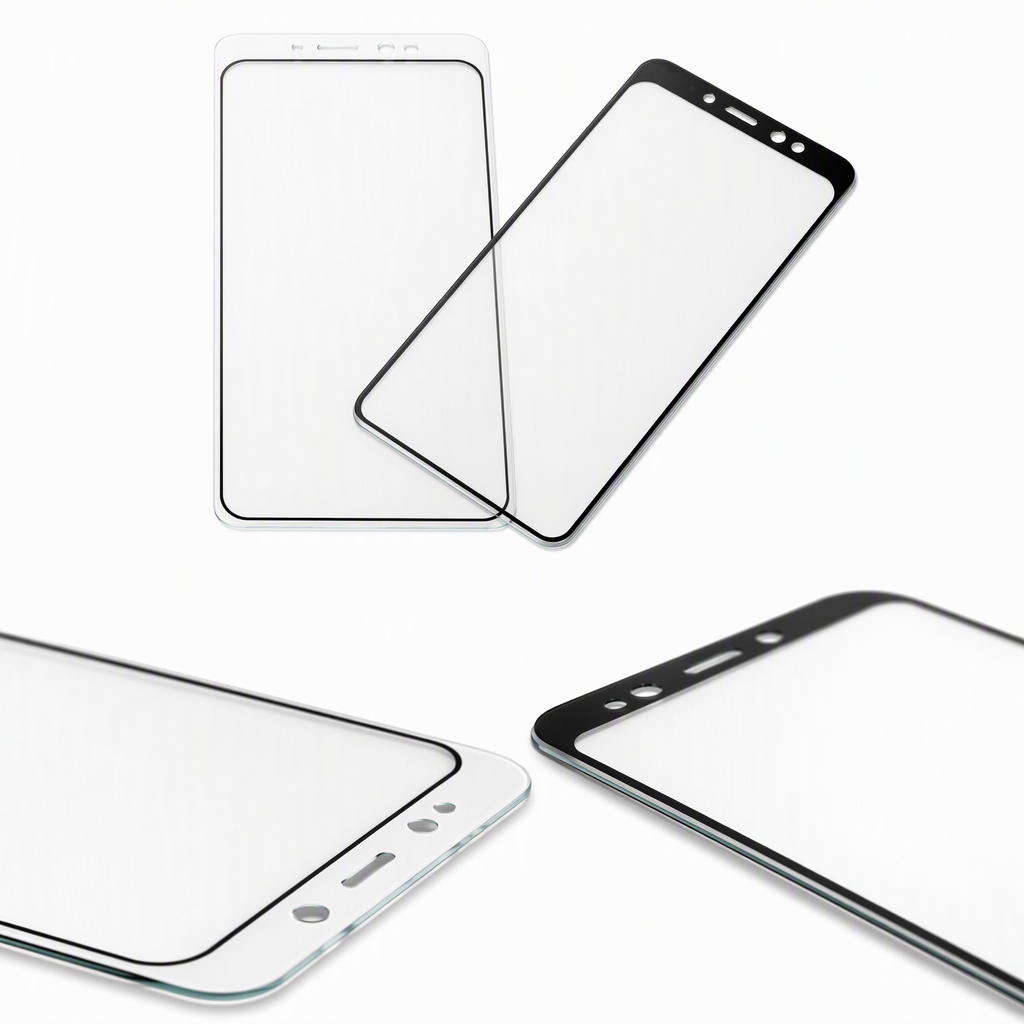
Toughened Glass Panel No Coating CNC Hole Drilling Irregular Shape Silk Screen Printed Custom Size Wholesale Supplier
CNC hole drilling, irregular outlines and silk-screen printing make this panel suitable for weighing platforms and custom control windows.
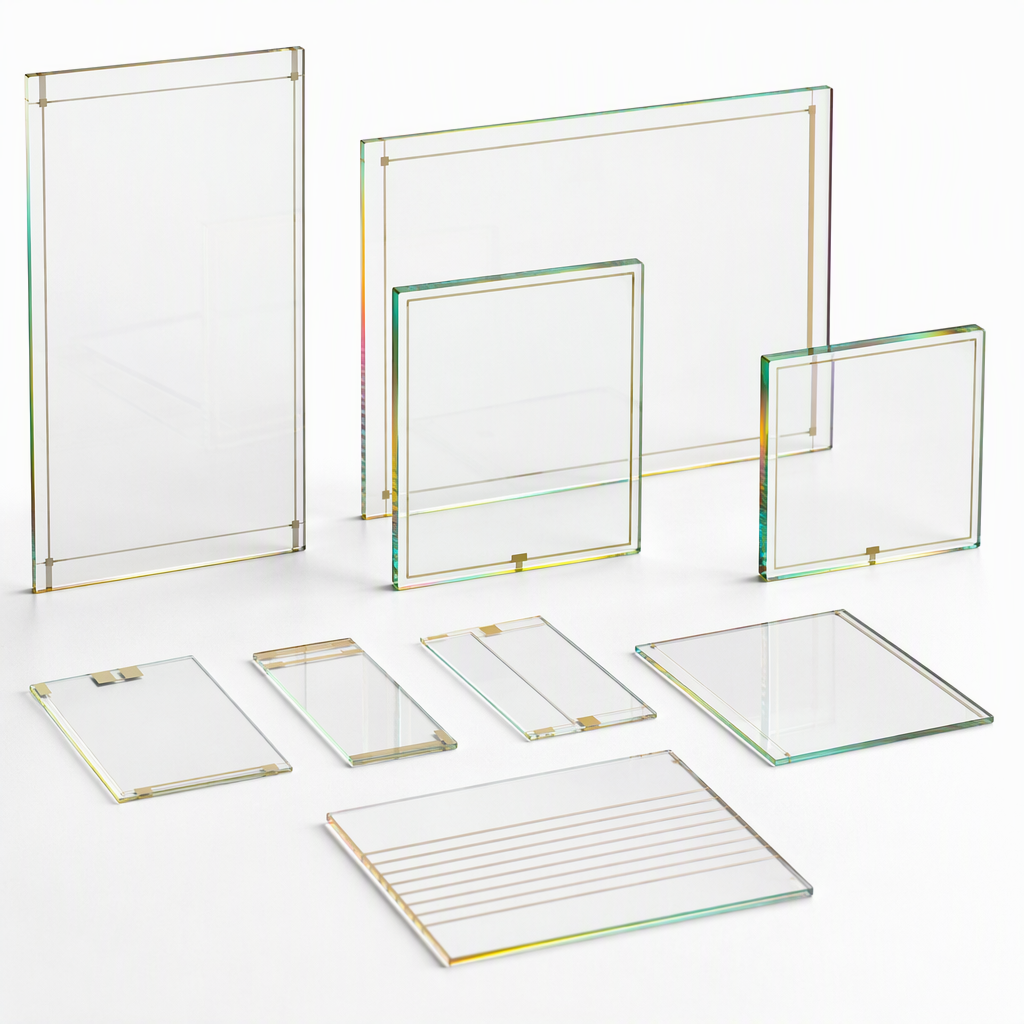
ITO Coated Glass Conductive Glass Sheet 6 To 8 Ohm Per Square Custom Size Touch Panel Heating Substrate Supplier
Low-resistance ITO glass for transparent touch circuits, EMI control and heating substrates where optical clarity and electrical function must coexist.
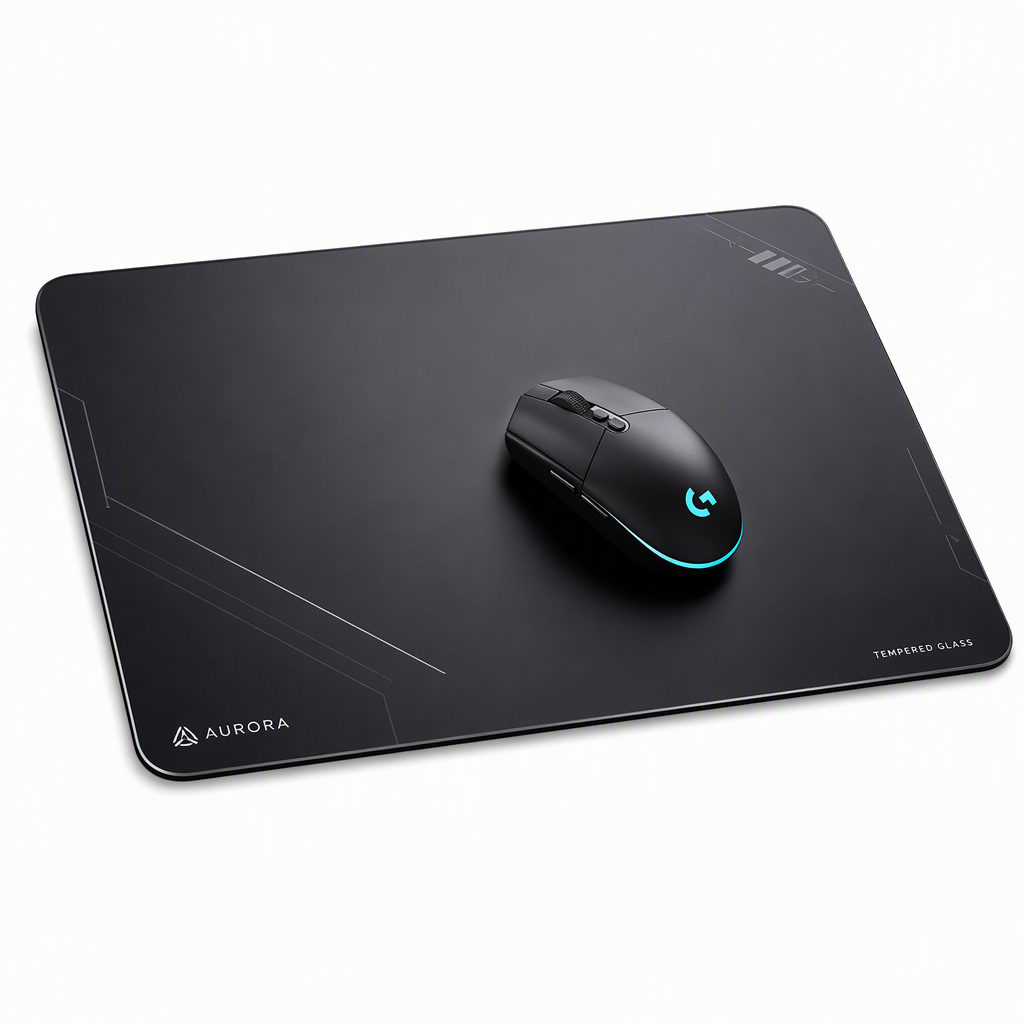
Tempered Glass Mouse Pad 2MM 3MM Hard Surface Glass Mousepad UV Printing Custom Logo Silicone Base OEM Factory
Demonstrates decorative tempered glass, UV printing and consumer-product finishing for brands that also require glass scale covers.
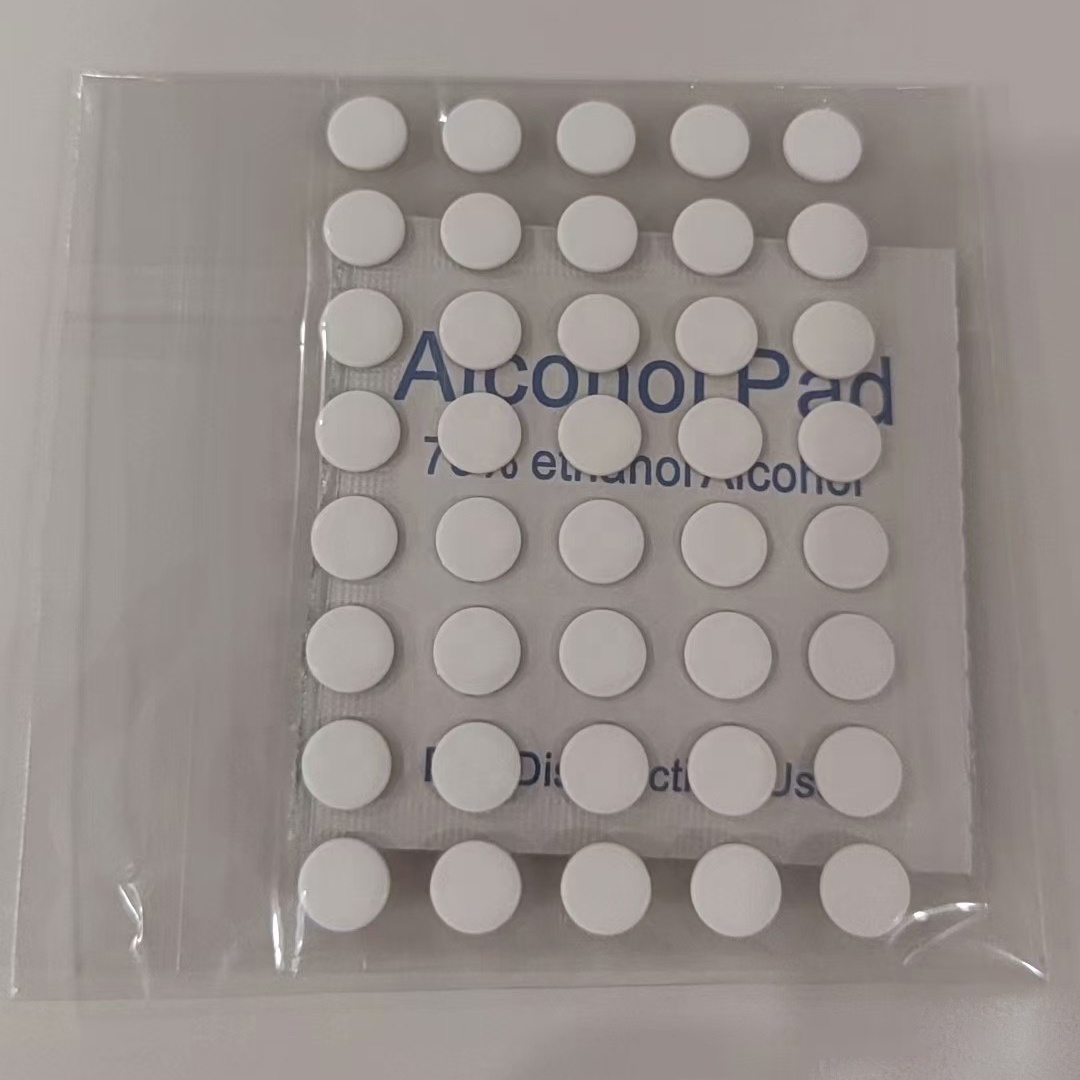
PTFE Round Gaming Mouse Glides Mouse Skate Dots
Precision low-friction polymer components for peripheral brands; an example of KELO extending material and finishing know-how beyond glass.
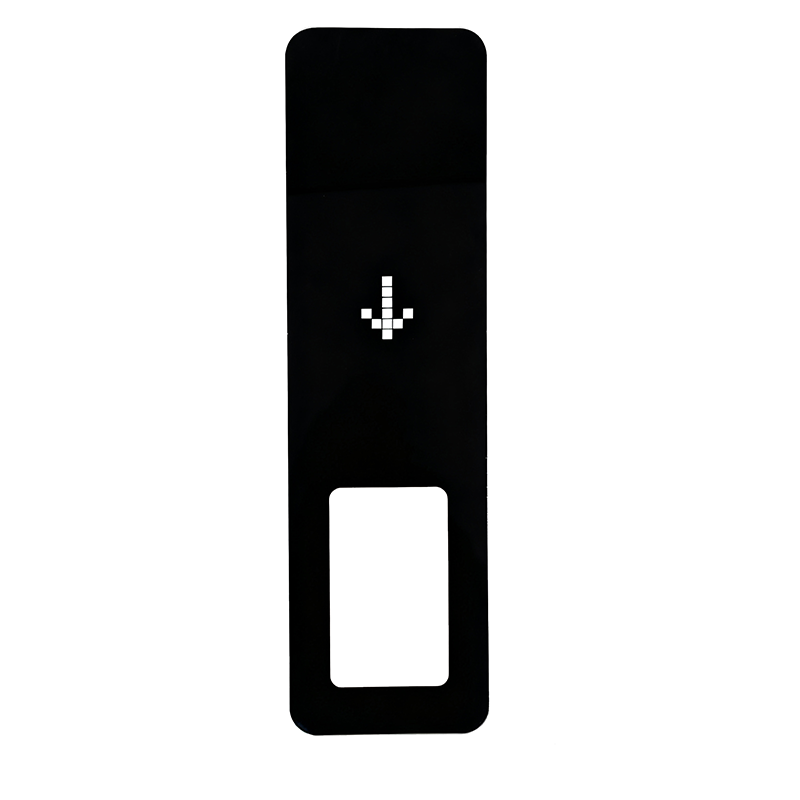
Customized Cutting Elevator Indicator Arrow Printing Touch Smart Control Elevator Panel Use Electronics Screen Glass Instrument
Printed control glass with precise cutting for smart touch panels, display windows and decorative interface glass in instrument applications.
Top 10 Digital Scale Glass Manufacturers & Manufacturer: What to Verify
Search results for “Top 10 digital scale glass manufacturers” are easy to publish and hard to verify. Instead of an unverifiable paid ranking, use the same 10-point scorecard applied in this guide. It lets procurement teams compare any shortlist — including Huizhou KELO Glass Co., Ltd. — on process control, optical performance, electrical function and export reliability.
Factory ownership
Confirm whether cutting, CNC, polishing, printing, tempering and coating are controlled in-house. KELO runs these key steps under one roof in Huizhou.
Thickness & strength
Check the real range: KELO processes 0.1–19 mm glass with flat or curved tempering and chemical strengthening options for scale covers.
AR/AG/AF coating
Ask for measured data, not slogans: reflectance below 1.0% per side for AR, haze 5–60% for AG, and contact angle above 110° for AF.
ITO/FTO capability
For touch or heating functions, verify sheet resistance of 1–20 Ω/sq, transmittance above 85% and haze below 2%.
CNC & printing
Digital scale glass often needs holes, toleranced outlines, black frames and silk-screen graphics; confirm positional accuracy and print durability.
Scale application knowledge
A good supplier understands weighing-platform flatness, edge impact risk, anti-slip requirements and display-window readability.
Quality gates
Look for incoming, in-process and final inspection, 100% appearance checking, adhesion/abrasion tests and salt-spray reliability checks.
Sampling speed
KELO supports samples from 1–2 pieces, engineering drawing review and DFM feedback before a volume order is released.
Export packing
Glass must arrive intact. Compare honeycomb cartons, blister trays, partition packing and documentation support for FOB, CIF and DDP shipments.
Verified trade record
Review ratings, reply rate, transaction history and Trade Assurance support. KELO’s stated 4.9/5 rating and 98.18% reply rate are useful starting points.
Which Glass Specification Fits Your Weighing Product?
Start with the use environment, not the catalogue. A bathroom scale, a kitchen scale and an industrial weighing terminal place different demands on impact resistance, optical coating, touch function and print durability.
Bathroom scale cover glass
Prioritise impact strength, edge quality, print alignment and easy-clean performance. Typical projects start around 4–6 mm tempered glass, with polished edges and optional AF coating.
- Tempered or chemically strengthened substrate
- Silk-screen black border and logo
- Anti-fingerprint and easy-wipe surface
Kitchen scale display window
Reading clarity matters under counters, cabinets and retail lighting. Use high-transmittance glass, AR or AG treatment, precise CNC holes and clean screen printing.
- AR for maximum see-through clarity
- AG for bright or window-facing displays
- Thin glass for compact product design
Industrial weighing HMI
Industrial terminals may require thicker glass, AR/AG optical control, ITO conductivity, wider temperature tolerance and robust packing for global freight.
- AG/AR stacked coatings
- ITO conductive or heater substrate options
- 100% appearance inspection before packing
Coating Data Buyers Can Put Directly into an RFQ
For digital scale glass, coating performance should be written as a measurable requirement. The values below reflect the production windows KELO Glass works to; final targets are confirmed against the drawing during engineering review.
| Coating / process | Typical performance window | Value in digital scale glass |
|---|---|---|
| AR anti-reflective | Reflectance below 1.0% per side; transmittance above 99% across 400–700 nm | Improves display legibility under strong retail lighting and reduces ghost reflections. |
| AG anti-glare | Haze 5–60%; gloss 0.5–8 GU | Diffuses reflections near windows, bathrooms and outdoor weighing stations. |
| AF anti-fingerprint | Water contact angle above 110°; pencil hardness above 3H; over 10,000 cycles | Keeps touch-scale surfaces cleaner and easier to wipe in hygiene-sensitive settings. |
| ITO conductive | 1–20 Ω/sq; transmittance above 85%; haze below 2% | Supports capacitive touch, EMI shielding and transparent circuit functions. |
| FTO conductive | 1–20 Ω/sq; transmittance above 85%; haze below 2% | Better thermal and chemical stability for solar and high-temperature processes. |
| Tempered / CNC | 0.1–19 mm; 2.5D/3D forming; holes, cut-outs and silk-screen printing | Defines the mechanical envelope for scale covers and display windows. |
What Digital Scale Glass Buyers Will Demand Next
Procurement is shifting from “send me a clear glass panel” to performance-led purchasing. The most competitive RFQs now define optical data, inspection methods and supply resilience before price negotiation begins.
Performance-based RFQs
Buyers will specify reflectance, haze, contact angle, sheet resistance, warpage and edge-chip limits instead of relying on sample photos alone.
Dual-source readiness
Audit-ready documentation, inspection reports and sample approvals will be used to qualify one primary and one backup glass manufacturer.
Resilient packing
Long-distance freight makes packaging part of the specification. Honeycomb cartons, blister trays and partition packing reduce breakage and rework.
Traceable trade
Verified assessments, transaction history, factory video and Trade Assurance support are becoming standard checks before a first order is placed.
How Digital Scale Glass Is Evolving
The next generation of weighing products is slimmer, more connected and more visually integrated with the surrounding appliance or control interface. Glass is becoming part of the user experience, not just a protective cover.
Slim, high-strength glass
Thin-gauge cover glass with chemical strengthening helps brands reduce product thickness while maintaining impact performance.
AR/AG readable displays
Retail lighting, bathroom windows and outdoor kiosks drive demand for coatings that keep measurements readable from any angle.
AF easy-clean surfaces
High-touch scale controls benefit from oleophobic surfaces that resist fingerprints and simplify cleaning in kitchens and clinics.
ITO heating and touch
Transparent conductive glass enables capacitive touch, EMI control and heater substrates for humid bathrooms or cold-chain environments.
2.5D and 3D forming
Curved and edge-to-edge glass supports seamless industrial design, especially for premium bathroom scales and integrated appliance panels.
Integrated display + touch
Decorated cover glass, black frames, printed icons, touch electrodes and optical coatings are increasingly combined in one substrate.
Why Huizhou KELO Glass Co., Ltd. Is a Credible Manufacturing Partner
KELO is a factory-direct manufacturer in Huizhou, Guangdong, inside the Greater Bay Area electronics supply chain. The company focuses on touch screen cover glass, display cover glass and optical coated glass, with advanced surface treatment as its core technology. Every key step — cutting, CNC machining, edge polishing, silk-screen printing, flat and curved tempering, coating and bonding — is controlled under one roof for tighter tolerances, stable lead times and accountable quality.
Vertical integration
Cutting, CNC, polishing, printing, sandblasting, tempering, curved forming, coating and 3M adhesive bonding are handled in-house, reducing handling damage and supplier finger-pointing.
Coating expertise
AR, AG, AF and ITO/FTO coatings are produced and inspected in-house. Measured windows include reflectance below 1.0%, haze 5–60%, contact angle above 110° and sheet resistance from 1–20 Ω/sq.
Quality and packing
IQC, IPQC and FQC gates cover thickness, flatness, surface defects, CNC dimensions, tempering, coating adhesion and abrasion. Final packing uses honeycomb cartons, blister trays and partitions.
Export responsiveness
KELO supports FOB, CFR, CIF, EXW and DDP terms; T/T, L/C, PayPal and Western Union; Trade Assurance on eligible orders; samples from 1–2 pieces; and typical bulk lead time of 21–31 days after approval.
Digital Scale Glass Procurement Questions
These are the questions engineering, sourcing and quality teams usually ask before approving a first sample or releasing a volume order.
What is digital scale glass, and which glass should I specify?
Digital scale glass is a tempered or chemically strengthened cover glass used on bathroom scales, kitchen scales, retail weighing displays and industrial weighing HMIs. Specify the operating environment first: impact and edge strength for bathroom scales, optical clarity for display windows, and AG/AR/AF or ITO functionality where readability, touch or easy-clean performance is required.
Can you customize thickness, shape, holes, printing and curved edges?
Yes. KELO processes glass from 0.1 mm to 19 mm and supports custom size, shape, CNC holes, silk-screen printing, color, logo, black frames, 2.5D or 3D curved forming and 3M adhesive bonding. Drawings or physical samples can be reviewed for DFM before sampling.
What is the sample policy and typical MOQ?
Sample orders can start from 1–2 pieces so buyers can validate fit, optics and coating performance before committing to volume. Bulk quantities are quoted per drawing, coating stack, printing complexity and annual forecast.
What lead time and trade terms are typical?
Mass production is typically 21–31 days after sample approval, depending on size, curved forming, coating and printing complexity. Trade terms include FOB, CFR, CIF, EXW and DDP; payment options include T/T, L/C, PayPal and Western Union, with Trade Assurance available on eligible online orders.
How are optical coating and flatness verified?
Quality control includes incoming, in-process and final inspection. Coatings are checked for performance and appearance, while glass is checked for thickness, flatness, dimensions, surface defects, tempering, adhesion and abrasion. Final inspection includes 100% appearance checking before protective packing.
How do I compare top digital scale glass manufacturers fairly?
Score each supplier on factory ownership, thickness range, AR/AG/AF data, ITO/FTO capability, CNC and printing accuracy, scale-application knowledge, inspection gates, sample speed, export packing and verified trade record. This 10-point approach is more reliable than a directory ranking because it produces evidence you can audit before placing an order.
Send Your Digital Scale Glass Drawing for Engineering Review
Share your glass size, thickness, coating target, print artwork, annual volume and delivery market. Our engineering team will review feasibility, recommend the most cost-effective substrate and coating stack, and confirm a sample path before mass production.
Factory-direct quotation · DFM feedback · Samples from 1–2 pcs