8 Industrial Display Glass Products to Evaluate First
The strongest “Top 10” shortlist is built from measurable product families, not generic supplier names. These eight custom glass solutions cover the optical, touch, conductive, curved, appliance, gaming and solar-adjacent requirements that procurement teams most often compare.
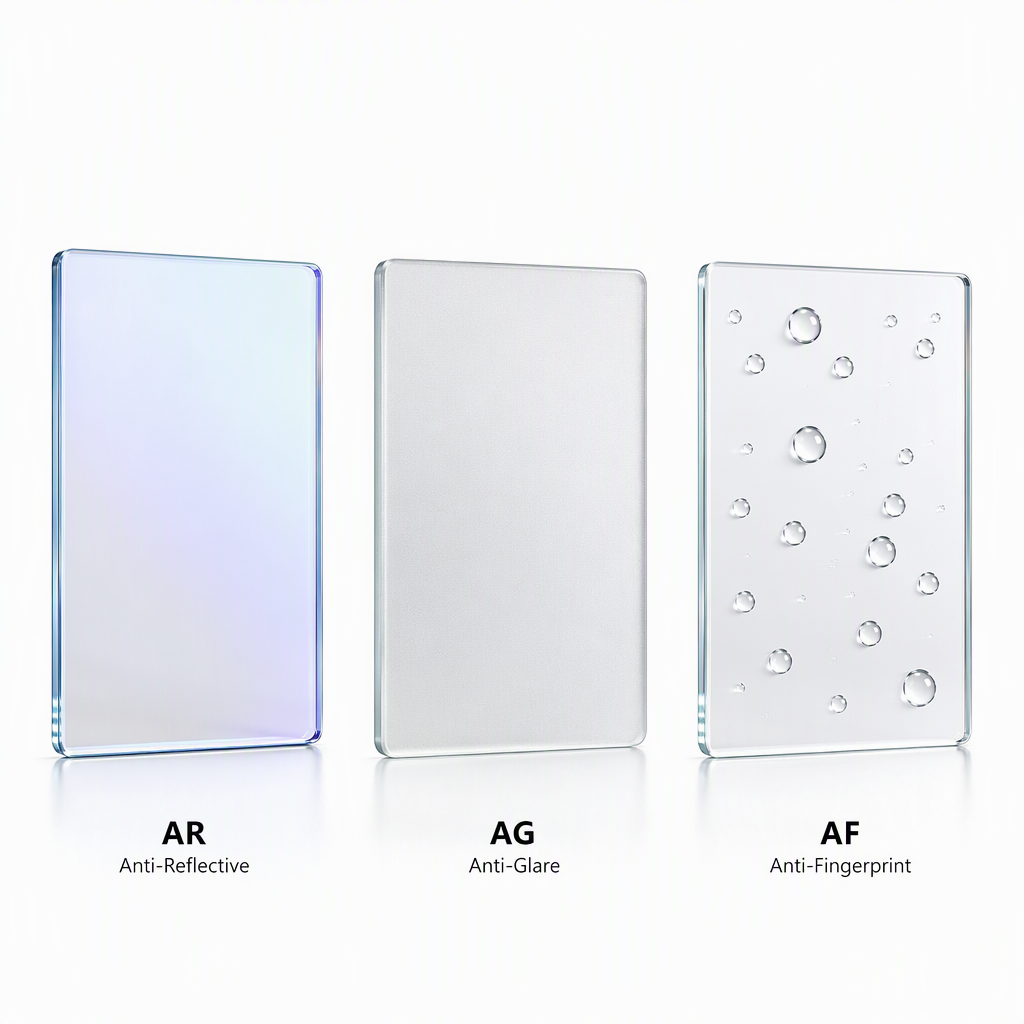
AR AG AF Coated Glass Anti Reflective Coating Service 92 Percent Transmission Anti Glare Custom Sheet Factory OEM
For engineers comparing reflectance, transmission and glare control in one coated substrate. Recommended when display readability and fingerprint resistance must be balanced.
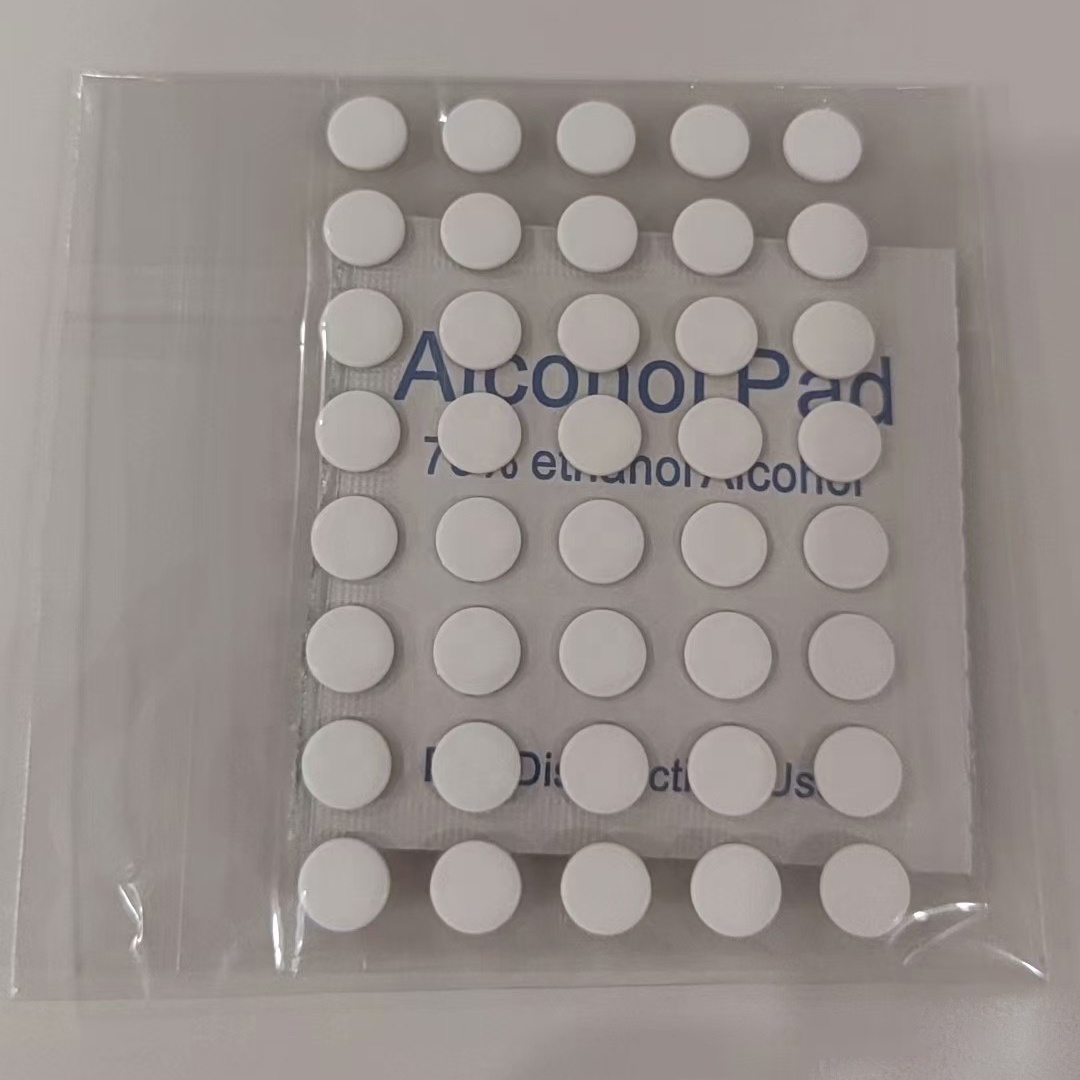
PTFE Round Gaming Mouse Glides Mouse Skate Dots
A low-friction gaming accessory component for brands that need consistent glide feel, clean adhesion and repeatable OEM supply.
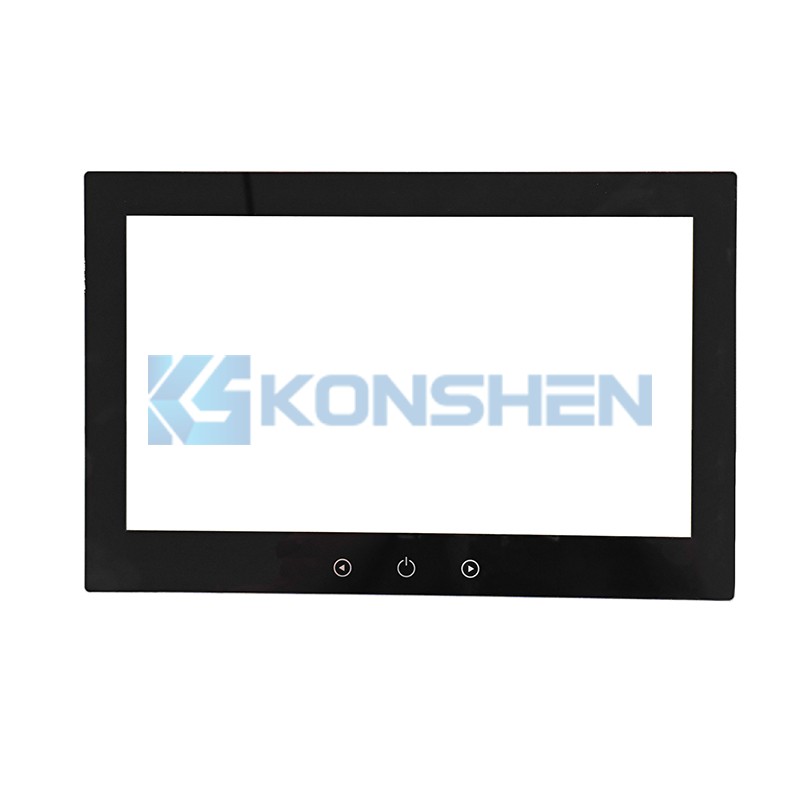
Electronic ITO Conductive Tempered Glass Custom Black Framed 1mm-4mm Thickness Display Cover for Industrial Monitor
For capacitive touch sensors, industrial monitors and EMI-related display designs that require transparent conductivity plus tempered strength.
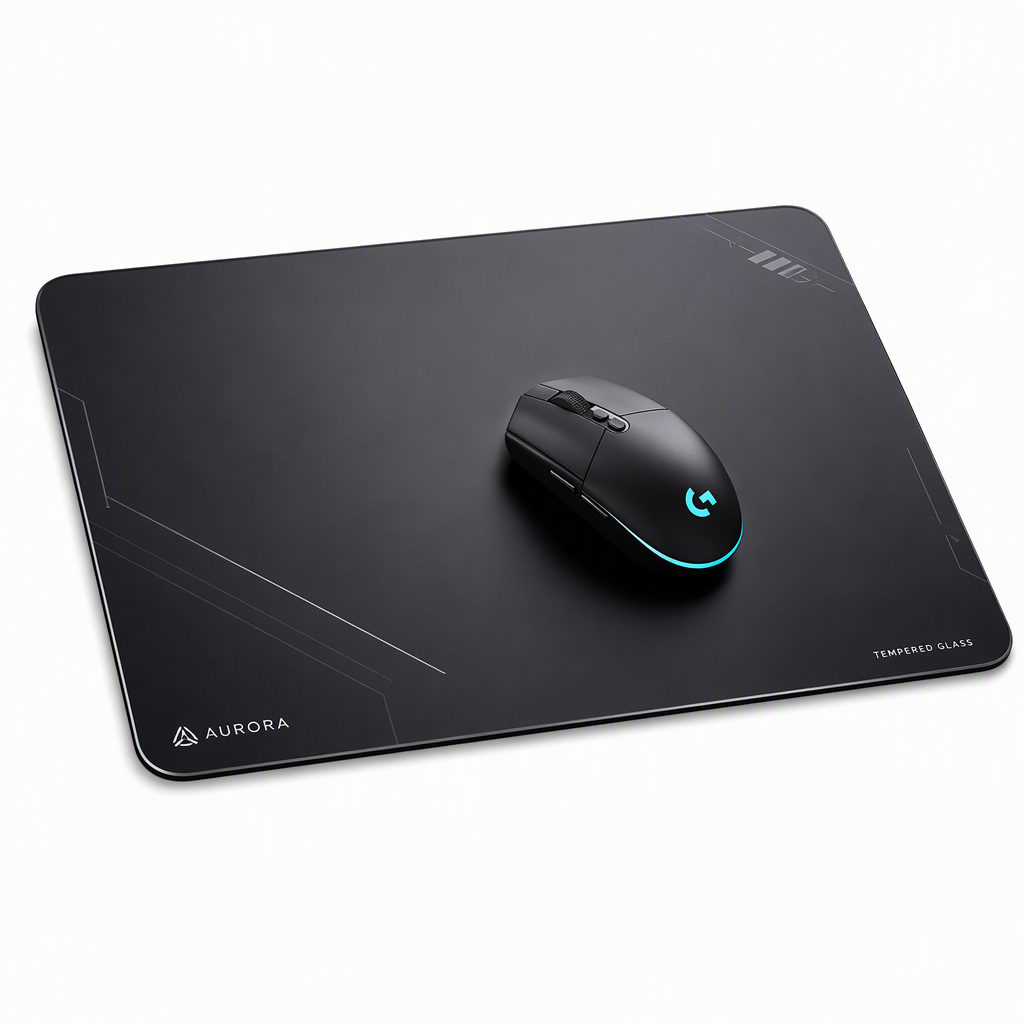
Tempered Glass Mouse Pad 2MM 3MM Hard Surface Glass Mousepad UV Printing Custom Logo Silicone Base OEM Factory
A premium gaming peripheral glass product with custom printing, logo options and silicone base assembly for brand owners and distributors.

Custom Silk Screen Printed Tempered Glass Electronic Control Panel Cover for Smart Appliances
For smart home and appliance interfaces that need precise print registration, tempered safety and a clean cosmetic surface.

Curved Tempered Glass Panel with Anti-reflective Coating Waterproof for Bathroom and Instrument Display Decoration
Combines curved forming, anti-reflective treatment and water resistance for bathroom controls, instrument displays and premium decorative panels.
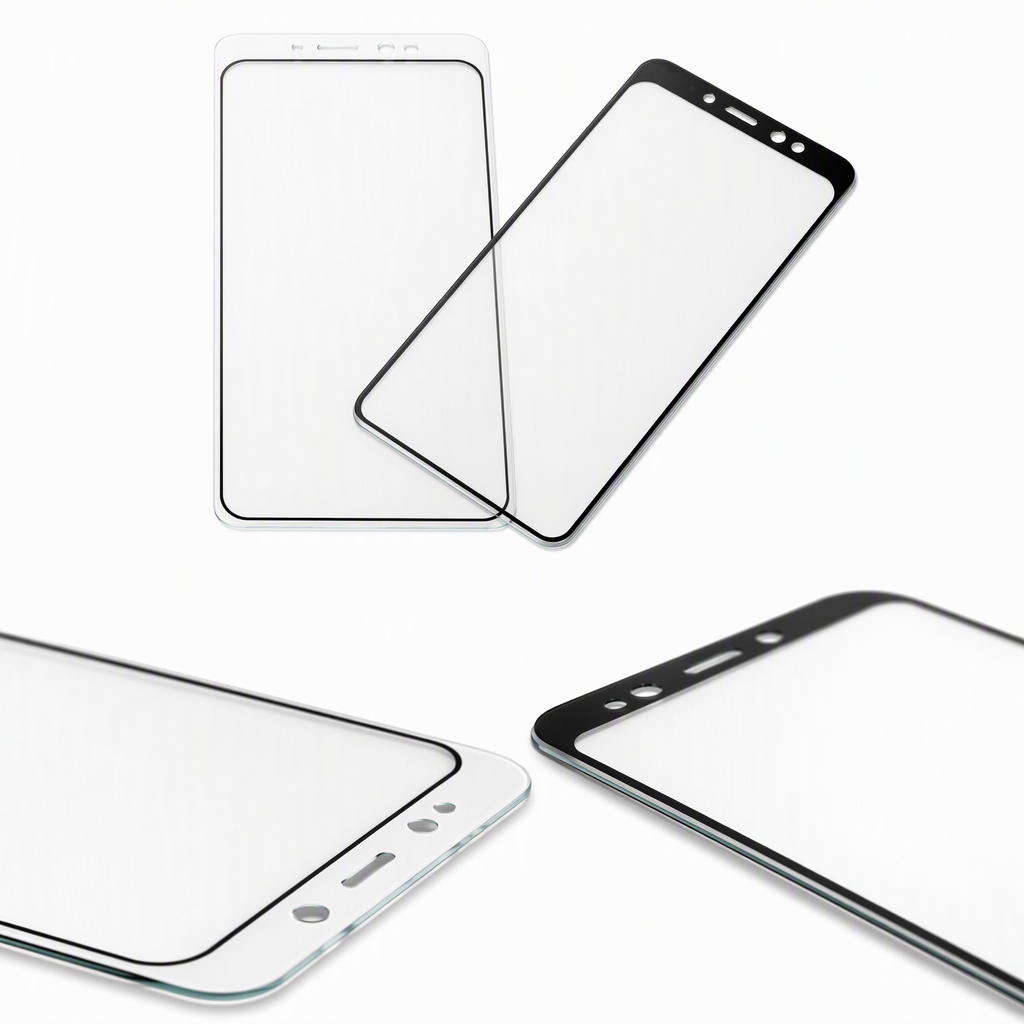
Toughened Glass Panel No Coating CNC Hole Drilling Irregular Shape Silk Screen Printed Custom Size Wholesale Supplier
For enclosures and display windows where the glass must follow a non-standard outline, include CNC holes and still maintain tempered strength.
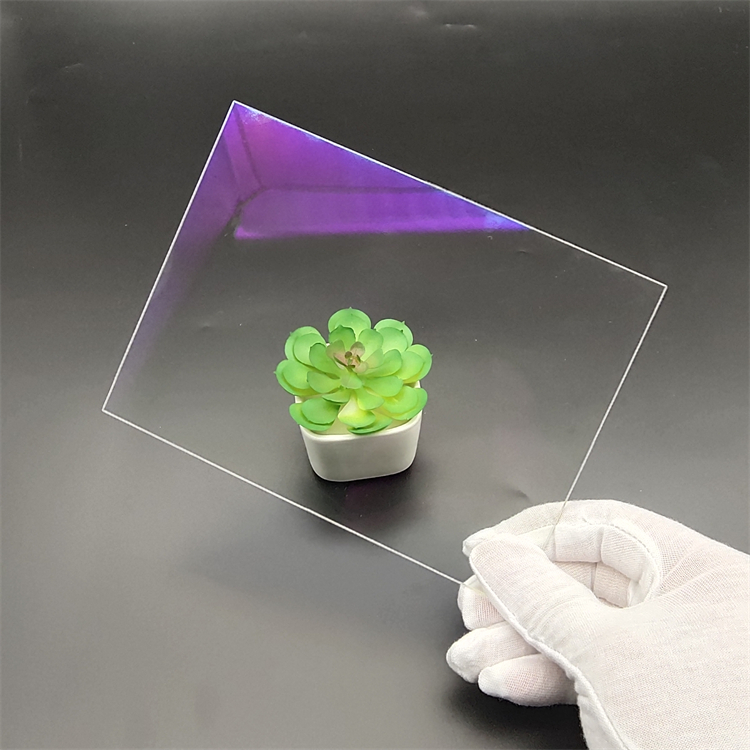
Custom 2mm Ultra-Clear Both Sides Anti-Reflective Coating Tempered Glass for Display Screen Solar & Lighting Use-Solid Structure
A high-clarity 2 mm option for display windows, lighting covers and solar-adjacent surfaces where both faces benefit from anti-reflective performance.
What “Top 10” Should Mean to a Procurement Team
Most lists of the Top 10 Industrial Display Glass Manufacturers & Exporter read like directories. That is not how experienced buyers reduce risk. An industrial display glass part is not a commodity sheet; it is a tuned optical, mechanical, electrical and cosmetic component. The supplier must control raw glass, cutting, CNC machining, edge finishing, tempering, printing, coating and bonding. A single uncontrolled variable — coating thickness, edge micro-chipping, silk-screen registration, or packaging contact — can turn an entire batch into scrap.
This white paper therefore treats the “Top 10” headline as an evaluation model. Instead of publishing an unverifiable popularity ranking, it converts the title into ten evidence-based lenses that buyers can apply to any shortlisted manufacturer or exporter. It then uses Huizhou KELO Glass Co., Ltd. as a reference factory-direct supplier, because its published capability data covers the same functional areas that serious OEM projects compare: AR/AG/AF optical coating, ITO/FTO conductive glass, tempered cover glass, 2.5D/3D forming, CNC shapes, and export packaging.
Information gain matters here. A useful supplier page should help a buyer write a better RFQ, set acceptance criteria, and ask for proof. The recommended approach is to compare samples, measurement methods, process ownership, inspection records and export discipline — not simply the lowest unit price. For industrial display programs, the true cost of a weak glass supplier often appears later as line stoppage, rework, optical mismatch, or damaged shipments.
White-Paper Snapshot
- Core focus: display cover glass, optical coated glass and conductive glass
- Typical thickness: 0.1–19 mm, customized to drawing
- Coating window: AR, AG, AF, ITO and FTO options
- Sampling: possible from 1–2 pieces for validation
- Mass production: typically 21–31 days after approval
- Export terms: FOB, CFR, CIF, EXW and DDP
- Quality flow: IQC, IPQC and FQC/OQC with 100% appearance check
- Factory base: Huizhou, Guangdong, China
The Top 10 Evaluation Lenses Behind a Reliable Manufacturer Shortlist
Use these ten lenses to compare potential industrial display glass manufacturers and exporters. Each lens should be backed by drawings, samples, test reports, process video, audit evidence or documented production data.
01 · Coating depth
Can the supplier control AR, AG and AF performance in-house, or does it outsource the most critical optical step?
02 · Process ownership
Cutting, CNC, polishing, printing, tempering, coating and bonding should be traceable to known process owners.
03 · Substrate range
Thickness from 0.1 mm to 19 mm, plus specialty materials, helps confirm whether the factory fits your real roadmap.
04 · Curved forming
2.5D and 3D forming capability determines whether edge-to-edge and automotive-style designs are feasible.
05 · Conductive glass
ITO and FTO require different electrical, thermal and optical trade-offs; confirm sheet resistance, transmittance and haze.
06 · Dimensional control
CNC holes, outline tolerance, edge quality and print registration must be evaluated against the assembly stack.
07 · Quality evidence
Ask for inspection gates, 100% appearance checking, adhesion, abrasion, tempering and salt-spray test records.
08 · Sample speed
Rapid prototyping from 1–2 pieces shortens validation and exposes coating or forming issues before tooling spend.
09 · Export discipline
Packing, documentation, incoterms and damage control matter as much as production capability for export orders.
10 · Commercial clarity
Lead-time buffers, payment terms, engineering response and change-order discipline should be written into the project plan.
Product Recommendation by Operating Environment
Start with the environment and user behavior, then specify the glass. This is how experienced engineers avoid over-coating, under-protecting, or creating a cosmetic surface that cannot survive daily cleaning.
Outdoor kiosks and industrial HMI
Specify AG anti-glare glass or an AR+AG stack. Controllable haze from 5–60% and gloss from 0.5–8 GU help maintain readability under sunlight while reducing distracting reflections.
Medical, camera and premium display windows
Use AR anti-reflective glass where every photon matters. A well-controlled AR coating can achieve reflectance below 1.0% per side and transmittance above 99% across 400–700 nm.
High-touch appliance control panels
Choose AF anti-fingerprint glass or an AG+AF stack. Contact angle above 110°, pencil hardness above 3H and durability beyond 10,000 cycles are practical buying criteria for smart appliances.
Capacitive touch sensors and EMI shielding
Use ITO conductive glass when transparent conductivity is required. Typical targets are 1–20 Ω/sq sheet resistance, transmittance above 85% and haze below 2%.
Thin-film solar and high-temperature processes
FTO glass is often the better fit when thermal and chemical stability matter more than the standard display touch-sensor trade-off. Confirm resistance, haze and process compatibility.
Curved, irregular and edge-to-edge designs
Select chemically strengthened or tempered cover glass with 2.5D/3D forming, CNC holes and custom outlines. The earlier the drawing review starts, the lower the tooling and yield risk.
What Buyers Will Standardize in 2025–2028
The next procurement cycle will reward buyers who compare total cost of ownership, process transparency and traceability, not only quoted piece price.
Total cost replaces unit price
Procurement teams will model yield, rework, packing damage, freight claims and line stoppage into the landed cost. A glass part that is 5% cheaper but creates 2% scrap is rarely cheaper.
Verified dual sourcing
Custom optical and conductive glass remains a specialized manufacturing cluster. Buyers will add second-region options where possible, but keep engineering partners that can prove process depth.
Data-rich RFQs
Drawings alone are no longer enough. RFQs will state coating stack, haze target, gloss range, contact angle, sheet resistance, test method and acceptance criteria.
Surface performance specifications
Thickness-only purchasing is giving way to optical and functional specifications: reflectance, transmittance, haze, gloss, oleophobicity and electrical resistance.
Form-fit covers instead of flat rectangles
Curved edges, stepped surfaces, CNC holes and decorative printing are becoming normal requirements in industrial, appliance and automotive interfaces.
Process audit before price negotiation
Buyers will ask for incoming, in-process and final inspection evidence before discussing volume discounts. Quality systems reduce hidden risk and protect launch schedules.
How Industrial Display Glass Is Evolving
Design trends are pushing glass from a passive cover into an active part of the human-machine interface. Suppliers that can combine optics, conductivity and formability will carry more value.
Multi-functional coating stacks
AR+AG, AG+AF and other combined coatings reduce the number of separate surfaces in an assembly. The challenge is balancing haze, gloss, reflectance and durability in one stack.
Larger, thinner, stronger cover glass
Chemically strengthened glass and tighter edge finishing allow thinner covers on larger displays. Buyers should validate drop, impact and cleaning durability together.
Edge-to-edge and 2.5D/3D HMI design
Curved graphical covers improve industrial design and grip, but they demand precise forming, print registration and inspection. Early DFM review is essential.
Transparent electrodes beyond simple touch
ITO and FTO glass continue to support touch sensors, EMI shielding, displays, solar and high-temperature processes. Electrical and optical targets must be specified together.
Readability engineering for outdoor and safety use
As displays move into sunlight, vehicles and public spaces, anti-glare haze and anti-reflective performance become safety and usability features, not cosmetic upgrades.
Sustainability and packaging discipline
Lead-free inks, energy-efficient coating, reusable process materials and damage-proof packaging are becoming part of supplier evaluation. Transit damage is both cost and environmental waste.
Why KELO Glass Belongs on a Benchmark Shortlist
Huizhou KELO Glass Co., Ltd. is a factory-direct manufacturer in Huizhou, Guangdong, inside China’s Greater Bay Area electronics supply chain. Its core position is surface engineering: touch screen cover glass, display cover glass and optical coated glass, supported by in-house processing from cutting and CNC to coating and bonding.
One factory, every critical process
Cutting, water-jet cutting, CNC machining, drilling, edge polishing, laser engraving, silk-screen printing, sandblasting, flat and curved tempering, AR/AG/AF/ITO coating, 2.5D/3D forming and 3M adhesive bonding are handled in-house.
Surface treatment as core technology
AR reflectance below 1.0% per side, AG haze from 5–60%, AF contact angle above 110°, and ITO/FTO sheet resistance from 1–20 Ω/sq are practical production windows for custom projects.
Fast validation for buyers
Samples can start from 1–2 pieces so fit, optics and coating performance are validated before volume commitment. Bulk lead time is typically 21–31 days after sample approval.
Export-ready quality and packing
100% appearance inspection, tempering, adhesion, abrasion and salt-spray testing are reinforced by custom honeycomb cartons, blister trays and partition packing to reduce transit damage.
Verified exporter profile
The company has a 6-year verified exporter history on Alibaba.com, a 4.9/5 store rating, a 98.18% reply rate, and public profiles for ratings, trade capacity, transaction level and credit.
Commercial terms for international buyers
FOB, CFR, CIF, EXW and DDP terms are supported, with T/T, L/C, PayPal and Western Union payment options. Alibaba Trade Assurance can protect eligible orders.
Export market mix reported by KELO Glass

Specialty materials processed include Gorilla glass, borosilicate glass, quartz glass, sapphire glass, ceramic glass, lead shielding glass and laminated safety glass. The practical advantage is fewer hand-offs between cutting, forming, coating and inspection.
What to Verify Before You Place a Volume Order
A supplier’s factory profile is useful only when it maps to inspection evidence. For industrial display glass, verify the quality gates and the export documents before releasing mass production.
Incoming inspection
Raw glass and consumables should be checked for thickness, flatness, surface defects and material identity before production begins.
In-process control
CNC dimensions, hole positions, edge condition, silk-screen registration, tempering results and coating adhesion should be checked at defined stations.
Final inspection
100% appearance inspection should cover chips, scratches, print defects, coating spots and dimensional readiness before packing.
Test documentation
Ask for tempering, adhesion, abrasion and salt-spray records where relevant. The acceptance method should be agreed before production, not after a dispute.
Packing validation
Custom honeycomb cartons, blister trays and partition packing should be reviewed against the shipment route, handling risk and container loading plan.
Responsiveness
A fast engineering response reduces ambiguity. KELO Glass reports a typical response time of no more than one hour and a 98.18% reply rate on its store profile.
Common Buyer Questions About Industrial Display Glass
These are the questions procurement teams and engineering teams should ask before requesting a quotation or approving a sample.
What should be included in a glass RFQ?+
Include a 2D drawing or 3D model, glass thickness, material preference, outline tolerance, hole positions, edge treatment, surface finish, coating target, print artwork, packing requirement, annual volume and destination. For coated glass, specify reflectance, haze, gloss, contact angle or sheet resistance, plus the test method you will use for acceptance.
How do I choose between AR, AG and AF?+
AR anti-reflective coating increases see-through clarity and is suitable for medical, camera and premium display windows. AG anti-glare coating diffuses reflections for outdoor kiosks and industrial HMI. AF anti-fingerprint coating improves touch feel and cleaning. Combined stacks such as AR+AG or AG+AF can solve more than one problem, but the trade-offs should be validated on a sample.
What is the minimum order quantity for custom cover glass?+
For validation, sample orders can start from 1–2 pieces so you can check fit, optics and coating performance before committing to volume. Bulk quantities are quoted against the drawing, coating stack, forming complexity, printing and annual demand. Early engineering review usually reduces both sample iterations and mass-production risk.
What is a realistic mass-production lead time?+
Typical bulk lead time is 21–31 days after sample approval, depending on size, coating stack, curved forming, printing complexity and inspection requirements. For new programs, buyers should allow additional time for drawing review, sample validation and packing approval. A lead-time buffer is especially important before peak season or a product launch.
Should I specify ITO or FTO conductive glass?+
ITO is commonly used for capacitive touch sensors, displays and EMI shielding. FTO offers stronger thermal and chemical stability, which makes it a frequent choice for thin-film solar cells and high-temperature processes. Both can be supplied with sheet resistance of 1–20 Ω/sq, transmittance above 85% and haze below 2%, but the final specification depends on your process temperature, electrical target and optical requirement.
How can I avoid optical mismatch between sample and mass production?+
Agree on measurement conditions before sampling: wavelength range, reflectance or transmittance target, haze and gloss limits, and whether measurement is single-sided or double-sided. Ask the supplier to document the coating stack and inspection method. During production, keep golden samples and periodic optical checks. This is more reliable than judging glass only by eye on a desk.
What thickness, sizes and shapes can be produced?+
Custom glass can range from 0.1 mm to 19 mm thickness. Size, shape, holes, color, logo printing, 2.5D/3D curved forming and 3M adhesive bonding are customized to the drawing or sample. For irregular outlines and CNC holes, send a dimensioned drawing and state the assembly method so the factory can review edge quality, strength and packing risk.
Which trade terms, payments and quality checks are available?+
Export terms include FOB, CFR, CIF, EXW and DDP. Payment can be handled by T/T, L/C, PayPal and Western Union, and eligible Alibaba.com orders can be protected by Trade Assurance. Quality control should include incoming, in-process and final inspection, 100% appearance checking, relevant reliability tests and damage-resistant packing.
Have a Drawing, a Coating Target or a Shortlist to Benchmark?
Send your drawing, target optical performance and annual volume. KELO Glass can review feasibility, recommend the most suitable glass and coating stack, and quote a sample route before volume production.