Top 10 Precision Cut Glass Wholesaler & Wholesalers
A factory-direct evaluation guide for custom cover glass, AR/AG/AF optical coatings, ITO/FTO conductive glass and 2.5D/3D curved panels — written for procurement teams, brand owners and hardware engineers.
8 Precision Cut Glass Products for Wholesale, OEM & ODM Programs
These reference products help buyers compare cover glass, optical coating, conductive glass and curved tempered glass. Product URLs are preserved for direct technical review and RFQ preparation.
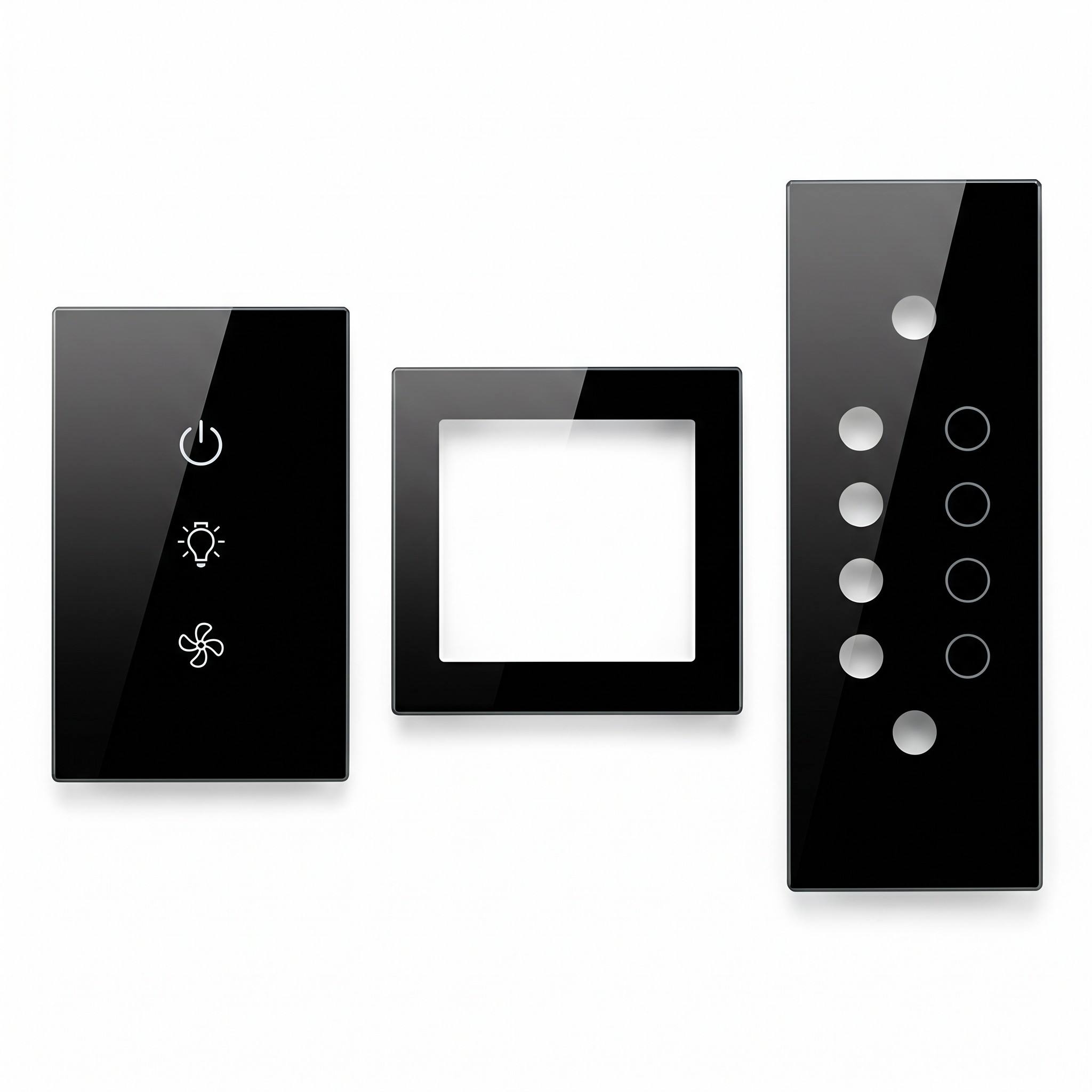
Tempered Glass Front Shield Cover Panel Custom Size Electronic Display Protection Sheet for Smart Device Konshen KS GB002
Custom tempered front shield for smart device displays, offering scratch resistance and dimensional accuracy for OEM enclosures.
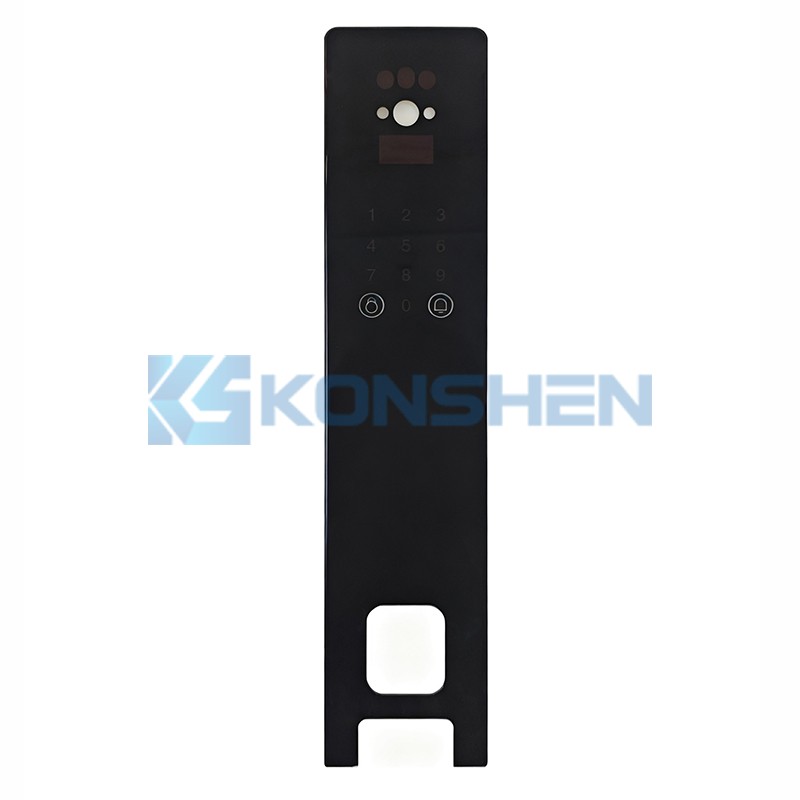
Electronic Tempered Glass Film Custom Printed Rectangular Panel Digital Keypad for Smart Door Lock
Printed tempered glass panel for smart door locks and digital keypads, combining decoration with durable touch-surface protection.
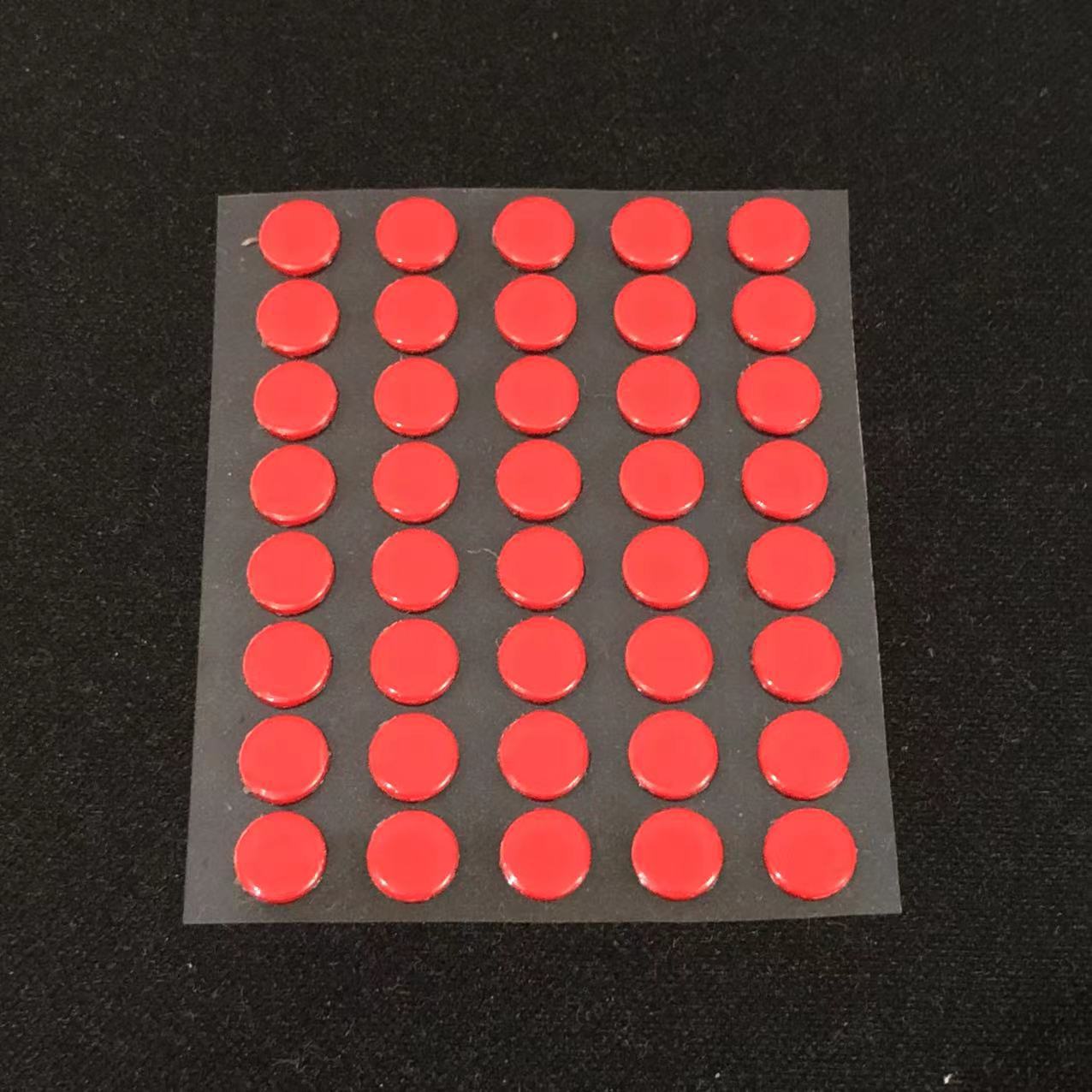
Factory Price Round Red Mouse Sticker Pads Universal Glass Mouse Skates with Small Dot PTFE Non-slip Mouse Feet
Low-friction glass mouse skates with PTFE dots for gaming peripherals, supplied at factory-direct wholesale pricing.

Factory Customized Anti-fogging Anti Reflective Glass Ultra Thin Tempered Toughened Optical ITO FTO Conductive Glass for Lab
Ultra-thin optical glass with anti-reflective and anti-fogging treatment, available with ITO or FTO conductive coatings for lab equipment.
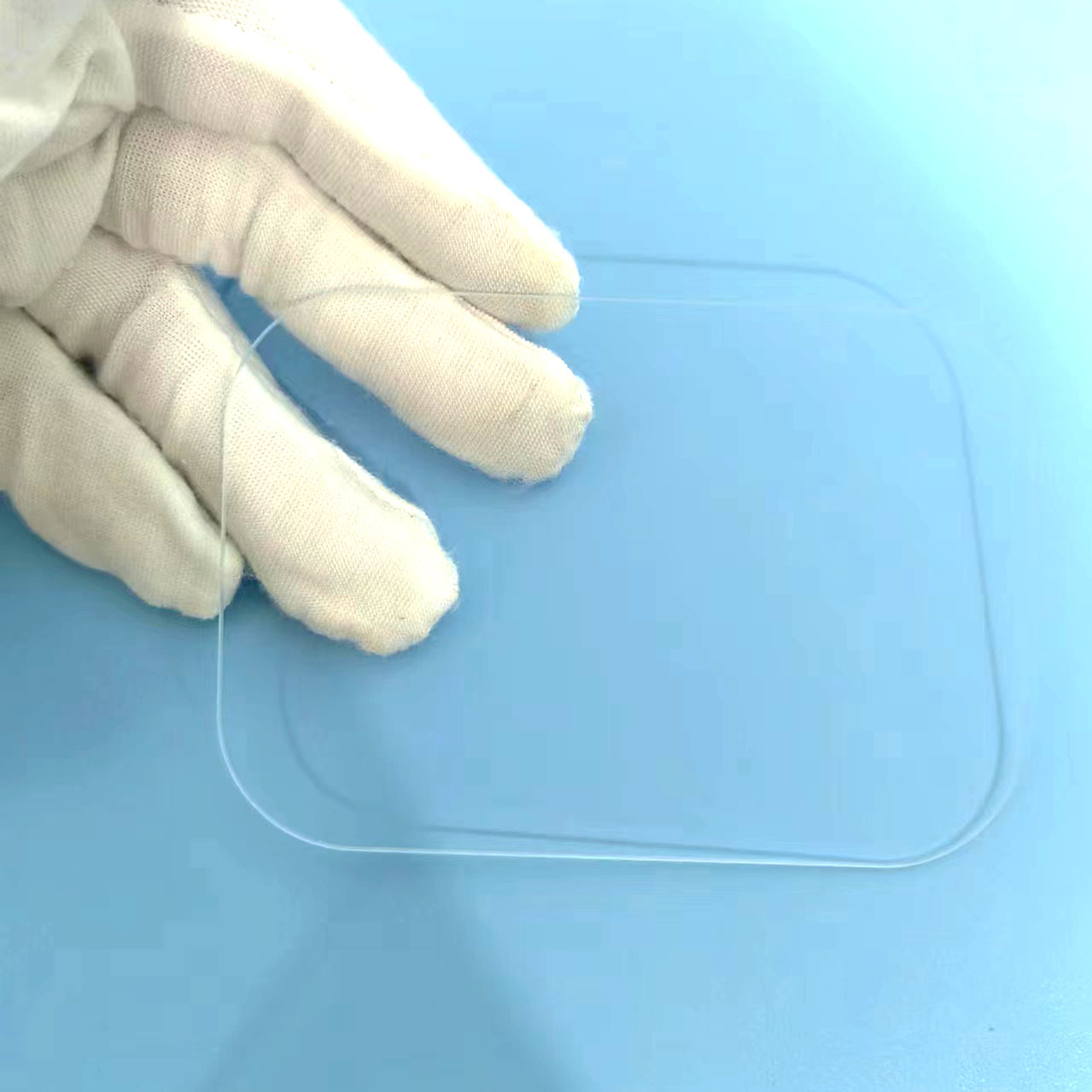
1.1mm ITO Coated Conductive Glass Panel High Transmittance CNC Custom Shape Polished Edge for Smart Home Touch Mirror
1.1 mm ITO-coated glass for touch mirrors and smart home interfaces, with CNC custom shape and polished edge options.
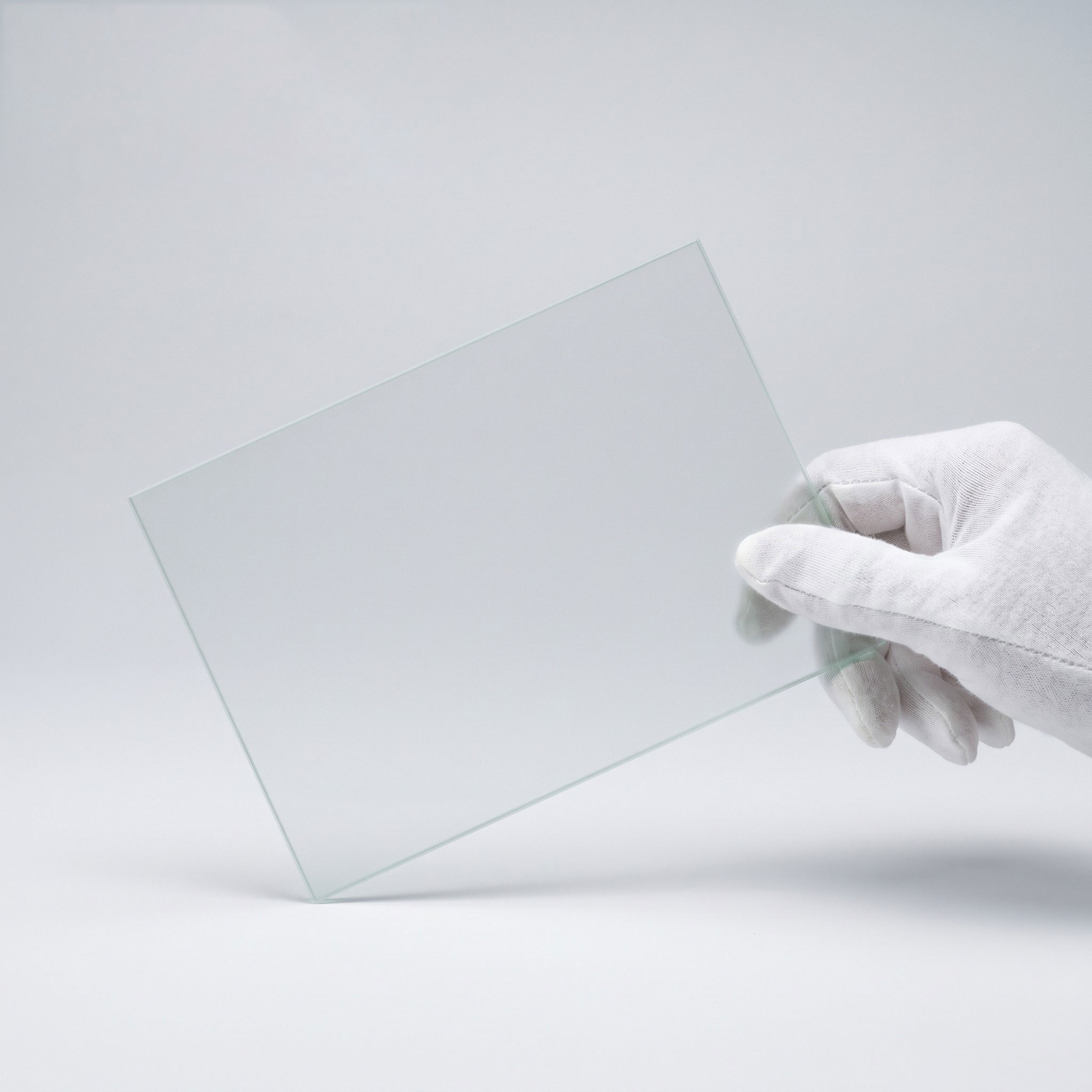
KS AG002 Custom Size AG Coating Anti-Glare Tempered Glass Panel High Transmittance Cover Sheet for Electronic Display Screen
Custom anti-glare tempered cover glass for electronic displays, diffusing reflections while maintaining high transmittance.
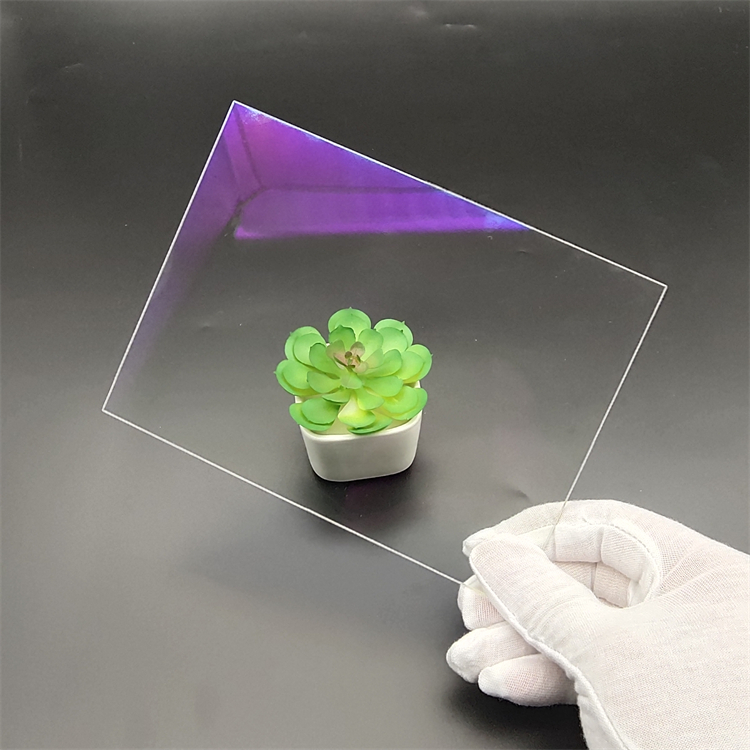
Custom 2mm Ultra-Clear Both Sides Anti-Reflective Coating Tempered Glass for Display Screen Solar & Lighting Use-Solid Structure
2 mm ultra-clear tempered glass with double-sided AR coating for display, solar and lighting applications requiring strong optical clarity.

Curved Tempered Glass Panel with Anti-reflective Coating Waterproof for Bathroom and Instrument Display Decoration
Curved tempered glass with waterproof AR coating for bathroom panels, instrument displays and decorative electronic interfaces.

Why a Precision Cut Glass Wholesaler Must Be a Manufacturer First
Huizhou KELO Glass Co., Ltd. is a factory-direct precision glass manufacturer in Huizhou, Guangdong, inside the Greater Bay Area electronics supply chain. The company produces touch screen cover glass, display cover glass, optical coated glass, ITO/FTO conductive glass, 2.5D/3D curved glass and specialty fabricated glass.
The commercial difference is vertical control. Cutting, water-jet cutting, CNC machining, edge polishing, laser engraving, silk-screen printing, sandblasting, flat and curved tempering, AR/AG/AF/ITO coating, 2.5D/3D forming and 3M adhesive bonding can be coordinated under one factory system. For buyers, that usually means one accountable supplier, fewer handling transfers, tighter tolerance feedback and more predictable lead times from prototype to volume production.
- Verified manufacturer rather than a pure trading layer
- Engineering drawing review and DFM feedback before quotation
- Rapid prototyping from 1–2 pieces for fit, optics and coating validation
- 100% appearance inspection plus in-process quality gates
Integrated cutting, CNC, coating, tempering and packing capacity.
Built for wholesale programs and repeat OEM production.
Production, engineering, quality and export support in one team.
Coating, forming, printing and material process development.
Factory-direct pricing without middle-man margin stacking.
Clear RFQ questions, engineering feedback and quotation support.
The Top 10 Scorecard: How to Compare Precision Cut Glass Wholesalers
“Top 10” should not mean ten logos on a page. It should mean ten verifiable traits that separate a qualified precision cut glass wholesaler from a price-only reseller. Use this scorecard before you place a sample order.
Verify factory ownership, not trading layers
Ask for business license, factory address, production video and a live process walk-through. A true precision cut glass wholesaler should show cutting, CNC, tempering, coating and inspection under one roof. Trading layers add lead time and diffuse accountability when tolerances are missed.
Confirm in-house surface engineering
AR, AG, AF and ITO/FTO performance is process-sensitive. Confirm whether coating is done internally or outsourced. In-house coating usually gives faster iteration on reflectance, haze, contact angle and sheet resistance — and cleaner responsibility if a batch drifts outside specification.
Request measurable optical and electrical data
Do not accept “high clarity” or “conductive” as specifications. Ask for reflectance, transmittance, haze, gloss, contact angle, sheet resistance and durability cycles. The best wholesalers speak in test methods and numbers, not adjectives, because their production team can reproduce the same targets batch after batch.
Check thickness, size and shape envelope
Precision cut glass may range from 0.1 mm to 19 mm, with holes, polished edges, printed borders, curved forming and adhesive bonding. Confirm the supplier’s actual envelope before design freeze. A wholesaler that only resells standard sheets may struggle with 2.5D/3D forming or tight CNC tolerances.
Evaluate prototype speed and sample MOQ
Sample orders from 1–2 pieces reduce engineering risk before volume commitment. Ask how quickly the supplier can review drawings, flag DFM issues and produce validation samples. Fast samples are not a luxury; they shorten the qualification cycle and protect tooling, assembly and display-stack decisions.
Audit inspection gates and release criteria
A credible factory should describe incoming inspection, in-process control and final inspection with 100% appearance checking. Ask about tempering, adhesion, abrasion, salt spray and dimensional reports. The right wholesaler documents quality before shipment rather than relying on a final visual glance.
Review packaging for breakage risk
Precision glass is vulnerable at edges and corners. Ask for honeycomb cartons, blister trays, partition packing and protective film. Good packaging is part of total landed cost because damage claims, replacement freight and line stoppages can cost more than the glass itself.
Compare total landed cost, not unit price
Low unit price can hide high freight, rework, inspection, tariff or delay costs. Model the fully loaded cost of sampling, qualification, volume production, packaging and after-sales response. A factory-direct wholesaler with stable process control often wins on total cost even when the first quote is not the cheapest.
Confirm trade terms and payment protection
Typical terms include FOB, CFR, CIF, EXW and DDP, with T/T, L/C, PayPal and Western Union available. For online orders, Trade Assurance can add a layer of protection. Confirm Incoterms, payment milestones and documentation before production, not after shipment.
Test engineering response and communication
A precision glass project is rarely solved by a catalogue page. The supplier should ask for drawing tolerances, application environment, coating targets and annual volume, then respond with feasibility feedback. Response quality is a leading indicator of how production issues will be handled later.
Coating Performance Data That Should Be Written Into the Purchase Order
The best precision cut glass wholesalers convert optical requirements into measurable release criteria. These are the performance windows commonly specified for AR, AG, AF, ITO and FTO glass projects.
| Coating | Key Performance | Typical Use |
|---|---|---|
| ARAnti-reflective | Reflectance <1.0% per side · Transmittance >99% at 400–700 nm · single or multi-layer designs | Automotive touch displays, medical monitors, optical windows |
| AGAnti-glare | Controllable haze 5–60% · Gloss 0.5–8 GU · tempered substrate available | Outdoor kiosks, industrial HMI, sunlight-readable screens |
| AFAnti-fingerprint | Water contact angle >110° · Pencil hardness >3H · Transmittance >98% · Durability >10,000 cycles | Touch control panels, smart home glass, appliance interfaces |
| ITOIndium tin oxide | Sheet resistance 1–20 Ω/sq · Transmittance >85% · Haze <2% | Capacitive touch sensors, displays, EMI shielding, smart mirrors |
| FTOFluorine-doped tin oxide | Sheet resistance 1–20 Ω/sq · Transmittance >85% · Haze <2% · stronger thermal stability | Thin-film solar cells, high-temperature processes, lab glass |
| CombinedAR+AG / AG+AF | Stacked functions on one substrate · cosmetic grade per 60/40 scratch-dig · custom edge and print options | Premium in-vehicle touch interfaces and outdoor control panels |
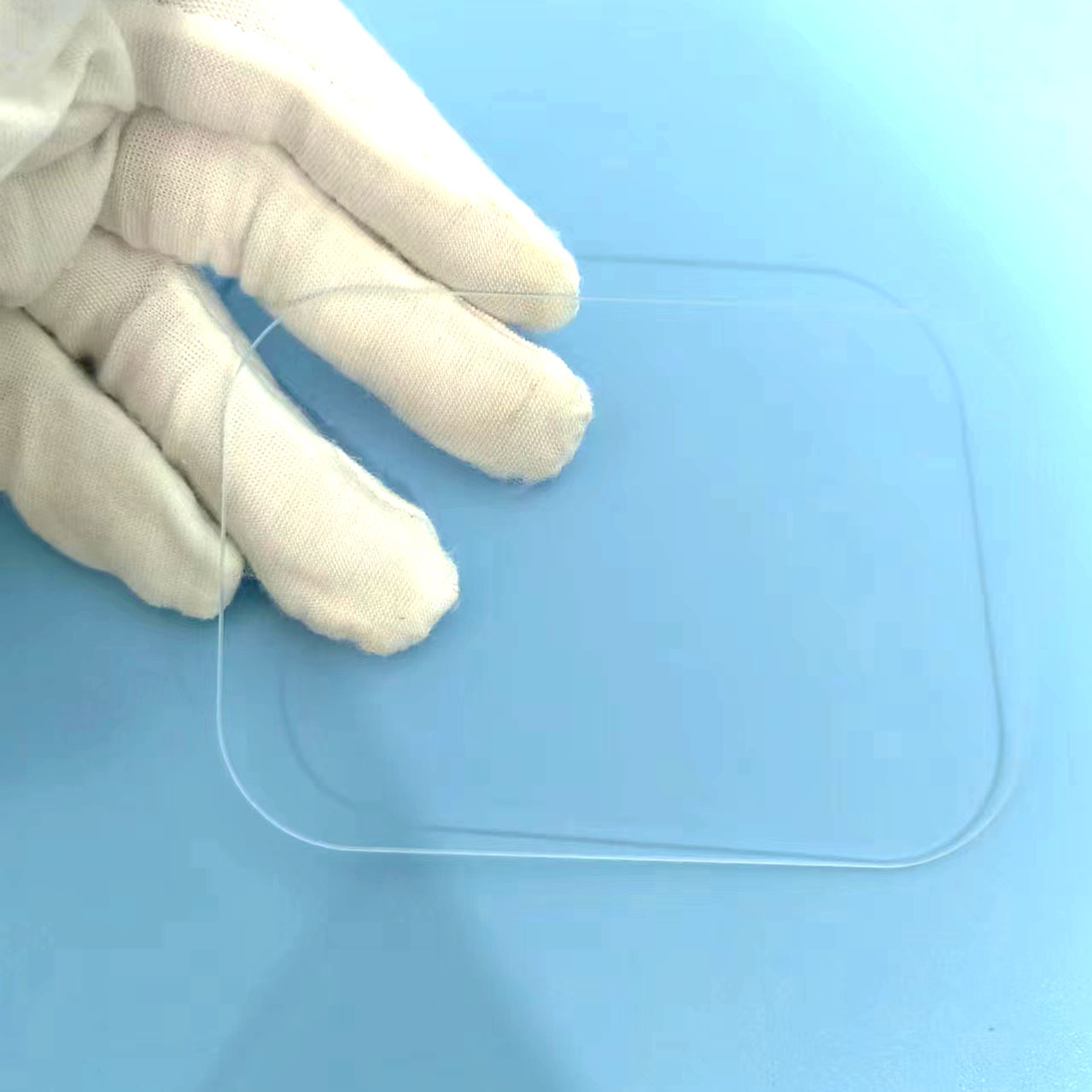
Every coated batch should be measured and visually inspected before release. For wholesale procurement, request the inspection record with the shipment, not only a certificate with the sample.
What Is Changing in Precision Cut Glass Wholesale Buying, 2025–2030
Precision cut glass is no longer purchased as a generic sheet. It is increasingly treated as an engineered component with optical, electrical, cosmetic and supply-chain requirements attached.
Dual sourcing and regional resilience
Buyers are qualifying a primary and secondary glass source to protect production from freight disruption, tariff changes and single-factory capacity peaks. The strongest wholesalers support this by sharing process documentation, approved sample standards and repeatable inspection records.
Total landed cost replaces lowest unit price
Procurement teams increasingly compare qualification cost, breakage rate, inspection labour, replacement freight and line-stop risk. A slightly higher factory-direct quote with stable tolerances can be far cheaper than a low quote that requires sorting and rework.
Optical performance becomes contractual
“Clear glass” is being replaced by measurable targets: reflectance below 1.0% per side, transmittance above 99%, haze within a defined range and contact angle above 110°. Purchase orders are shifting toward test-method-linked acceptance criteria.
Coating convergence accelerates
AR+AG and AG+AF stacks are growing because one surface must solve several problems at once: reflection, glare and fingerprint visibility. This favours suppliers with in-house coating lines and the ability to tune multiple layers without cross-supplier finger-pointing.
Conductive glass demand expands
Smart mirrors, touch surfaces, EMI shielding and thin-film solar are pulling ITO/FTO glass into more programmes. Buyers now ask for sheet resistance, transmittance and haze together, rather than treating conductivity as an isolated property.
Traceability and packaging become procurement criteria
Larger buyers request batch traceability, controlled packing methods, salt-spray and adhesion records, and documentation for sustainability reviews. Packaging is no longer an afterthought; it is an inbound quality control point.
What Precision Cut Glass Products Will Look Like Next
Product roadmaps in consumer electronics, automotive, smart home, solar and industrial HMI all point toward thinner, stronger, more functional and more integrated glass surfaces.
Ultra-thin to thick glass under one programme
Thickness ranges from 0.1 mm to 19 mm are being combined in the same product family: thin chemically strengthened cover glass for portable devices, thicker tempered panels for industrial enclosures. Wholesalers must manage different processing routes without mixing quality standards.
2.5D and 3D curved cover glass
Edge-to-edge industrial design is driving demand for 2.5D and 3D curved cover glass. Buyers should verify forming capability, cosmetic standards, edge polishing and lamination compatibility, because curved glass exposes process weaknesses that flat glass can hide.
AR+AG and AG+AF stacks
Outdoor touch panels need low reflection, reduced glare and easy cleaning. Stacked coatings are becoming a practical alternative to changing the display or increasing backlight power. Specify reflectance, haze, gloss and contact angle together.
ITO and FTO for smart surfaces
Conductive glass is moving beyond traditional touch sensors into smart mirrors, transparent heating, EMI shielding and thin-film solar. FTO is often favoured for thermal stability, while ITO remains a mainstream choice for touch and display applications.
Chemical strengthening for industrial HMI
Industrial touch panels need impact resistance without excessive thickness. Chemically strengthened glass can support ruggedness and optical clarity, especially when combined with printed borders, AR or AG treatment and custom bonding.
Decorative and functional printed glass
Silk-screen printing, laser engraving and sandblasting are turning cover glass into a brand and interface element. The next procurement question is not only “what glass,” but “what glass, what print, what coating, and how does it assemble into the final device?”
Which Precision Cut Glass Solution Should You Specify?
Start with the operating condition, not the catalogue. The same base glass can behave very differently depending on coating stack, tempering, thickness and edge design.
Outdoor and automotive displays
Use AG or AR+AG tempered glass when ambient light and specular reflection wash out the image. Specify haze 5–60%, gloss 0.5–8 GU and tempered substrate for durability.
High-touch control panels
Choose AF or AG+AF glass for smart home, appliance and industrial interfaces. Aim for contact angle above 110°, hardness above 3H and abrasion durability exceeding 10,000 cycles.
Optical instruments and medical devices
Specify AR-coated glass when transmittance and contrast matter. A well-controlled coating achieves reflectance below 1.0% per side and transmittance above 99% across 400–700 nm.
Smart mirrors, solar and EMI shielding
Use ITO or FTO conductive glass when the surface must conduct while staying transparent. Confirm sheet resistance 1–20 Ω/sq, transmittance above 85% and haze below 2%.
One Factory, Ten Critical Process Steps for Precision Cut Glass
Vertical process control reduces handling damage, shortens engineering feedback loops and keeps the approved sample aligned with volume production.
Precision cutting and water-jet cutting
CNC machining and drilling
Edge polishing and chamfering
Laser engraving and marking
Silk-screen printing
Sandblasting and frosting
Flat and curved tempering
AR, AG, AF and ITO/FTO coating
2.5D and 3D curved forming
3M adhesive bonding and assembly support
Three Inspection Gates Before Precision Cut Glass Ships
Wholesale buyers should know exactly how quality is released. The best process is built around defined gates, not a final visual check.
Incoming inspection
Raw glass and consumables are verified before production begins.
- ✓Thickness and flatness check
- ✓Surface defect screening
- ✓Ink and coating material verification
In-process control
Critical dimensions and coating results are checked at each station.
- ✓CNC dimension and hole position
- ✓Tempering and strength tests
- ✓Coating adhesion and abrasion
Final inspection and release
Finished pieces are checked before protective packing and shipment.
- ✓100% appearance inspection
- ✓Salt spray reliability testing
- ✓Honeycomb, blister and partition packing
Six Steps from Drawing to Wholesale Delivery
A transparent process helps procurement teams forecast sample validation, production slots and shipment timing with fewer surprises.
Share requirements
Provide a drawing, sample or target specification, plus annual volume and application environment.
Engineering review
DFM feedback covers tolerances, coating stack, printing, curved forming and cost drivers.
Rapid prototype
Sample orders can start from 1–2 pieces so fit, optics and electrical performance can be checked.
Validation
Approve appearance, dimensions, optical targets, reliability results and packaging requirements.
Mass production
Typical bulk lead time is 21–31 days after sample approval, depending on size, coating and forming complexity.
Packing and shipping
Damage-proof packing and export documentation support FOB, CFR, CIF, EXW and DDP terms.
Common Questions from Precision Cut Glass Wholesale Buyers
Straight answers for procurement teams comparing samples, specifications, quality control and delivery.
What is the minimum order quantity for custom precision cut glass?+
Sample orders can start from 1–2 pieces so fit, optics and coating performance can be validated before volume commitment. Bulk quantities are quoted according to drawing complexity, material, coating stack and annual demand.
What lead time should a wholesaler quote for mass production?+
Typical bulk lead time is 21–31 days after sample approval, depending on size, coating stack, curved forming and printing complexity. A responsible supplier will separate sample lead time from mass-production lead time and confirm both in writing.
How do I compare AR coating quality between suppliers?+
Ask for reflectance per side, transmittance across a defined wavelength range, haze and durability test data. For premium applications, request targets such as reflectance below 1.0% per side and transmittance above 99% at 400–700 nm, then confirm the test method.
Should I choose ITO or FTO conductive glass?+
ITO glass is commonly used for capacitive touch sensors, displays, smart mirrors and EMI shielding. FTO glass offers stronger thermal and chemical stability, making it a frequent choice for thin-film solar cells and high-temperature processes. Both can be specified at 1–20 Ω/sq, transmittance above 85% and haze below 2%.
What thickness, sizes and shapes can be produced?+
Glass thickness can range from 0.1 mm to 19 mm. Size, shape, holes, colour, logo printing, 2.5D/3D curved forming and 3M adhesive bonding are customized to a drawing or sample. Confirm edge finish, tolerance and cosmetic standard before quotation.
How do I verify that a supplier is factory-direct?+
Check the business license, factory address, production video and live process walk-through. Ask whether cutting, CNC, tempering, coating, printing and final inspection are done in-house. Review third-party verification, buyer feedback and transaction records where available.
Which trade terms and payment methods are typical?+
Common terms include FOB, CFR, CIF, EXW and DDP. Payment methods may include T/T, L/C, PayPal and Western Union. For online orders, Trade Assurance can add protection. Confirm the exact Incoterm, insurance responsibility and payment schedule before production.
How is breakage controlled during international shipping?+
Protective packaging should be matched to glass thickness, size and edge exposure. Custom honeycomb cartons, blister trays, partition packing and surface film reduce transit damage. Ask for the packing method to be approved with the sample, not chosen after mass production.
Can you support 2.5D or 3D curved glass and printed borders?+
Yes. Curved forming, CNC shaping, edge polishing, silk-screen printing, laser engraving and AR/AG/AF coating can be combined. The key is early DFM review, because curved geometry, print registration and coating uniformity must be engineered together.
Which applications benefit most from precision cut glass?+
Touch displays, smart home panels, automotive interfaces, industrial HMI, medical instruments, solar devices, smart mirrors, bathroom panels and gaming peripherals all benefit. The right specification depends on whether the dominant requirement is optical clarity, glare control, fingerprint resistance, conductivity, impact strength or curved design.
Have a Drawing, Target Spec, or Annual Volume?
Send your drawing, required optical or electrical performance, annual demand and application environment. The engineering team can review feasibility, recommend the most cost-effective glass structure and confirm sample and production timing.