8 Factory-Direct Glass Configurations for Appliance Programs
These eight product families are drawn from KELO Glass’s original product catalog and can be adapted for refrigerator control overlays, smart-fridge touch interfaces, low-reflection display windows, illuminated panels and protection covers. Product URLs are kept as supplied; for drawing review, use the inquiry button below.
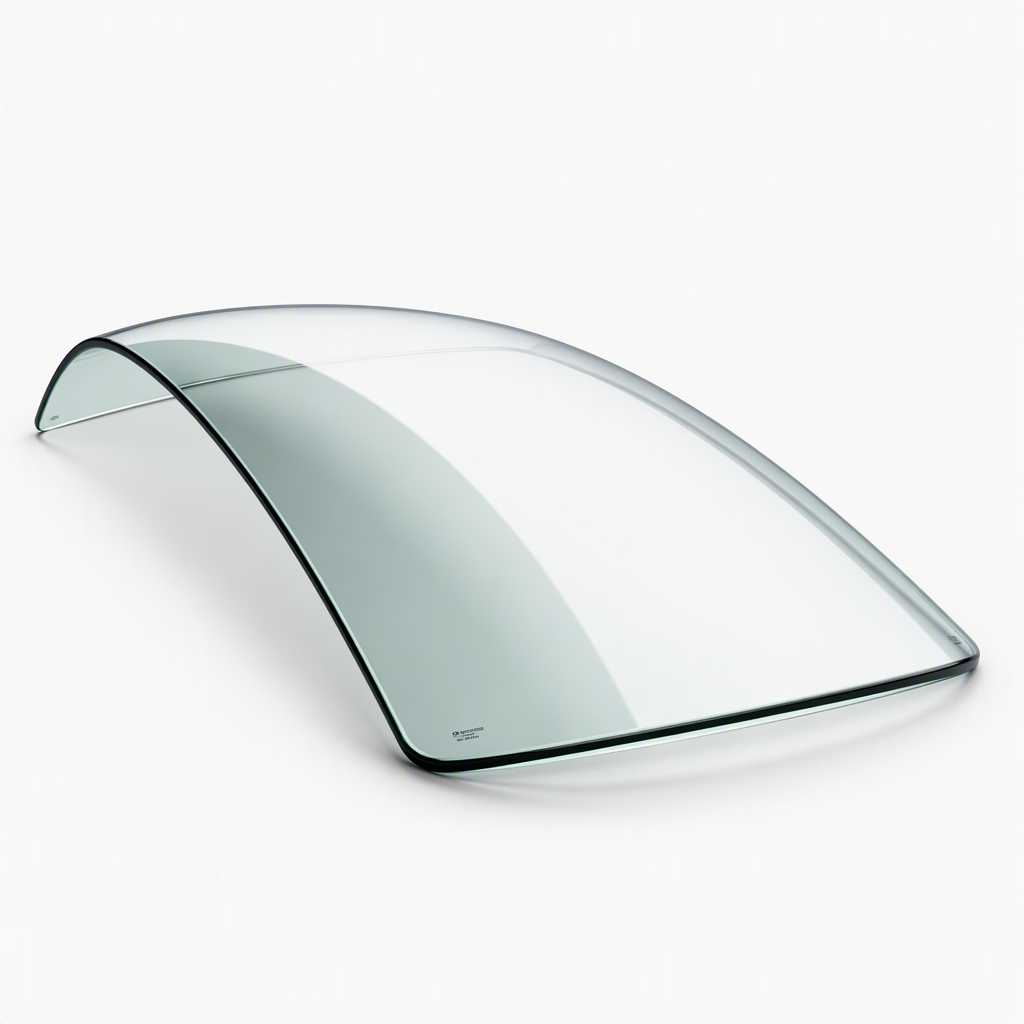
Hot Bent Curved Tempered Glass Panel for Display OEM ODM
Small-radius curved tempered glass for seamless refrigerator display windows, control crowns and decorative appliance interfaces that require precise 2.5D/3D geometry.
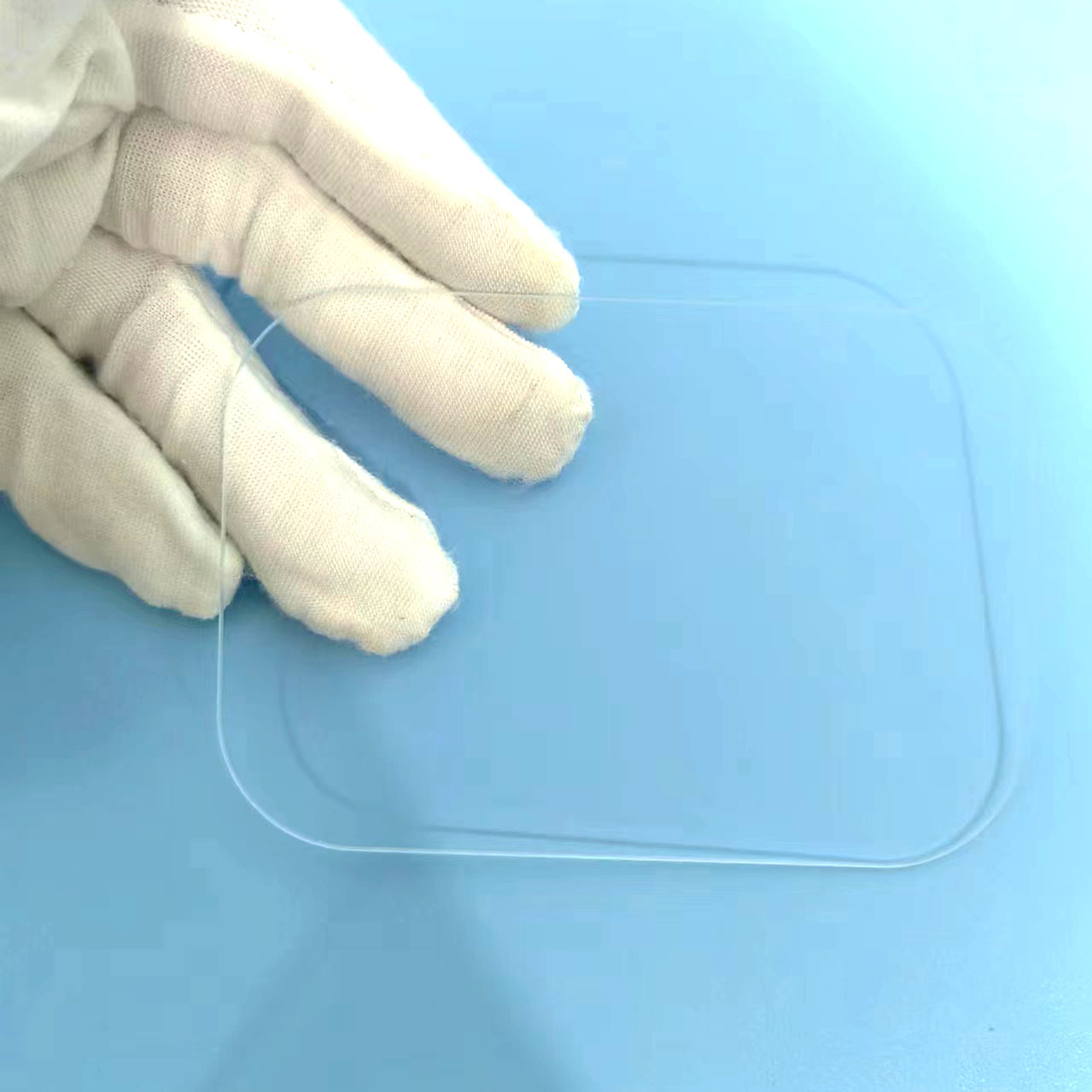
1.1mm ITO Coated Conductive Glass for Smart Home Touch Mirror
High-transmittance ITO glass with CNC custom shape and polished edge for capacitive touch mirrors, smart-fridge HMI and transparent conductive interfaces.

Custom Silk Screen Printed Tempered Glass Control Panel
Printed tempered glass overlay for refrigerator control panels, appliance HMI, touch switches and smart-home interfaces with brand color and icon registration.
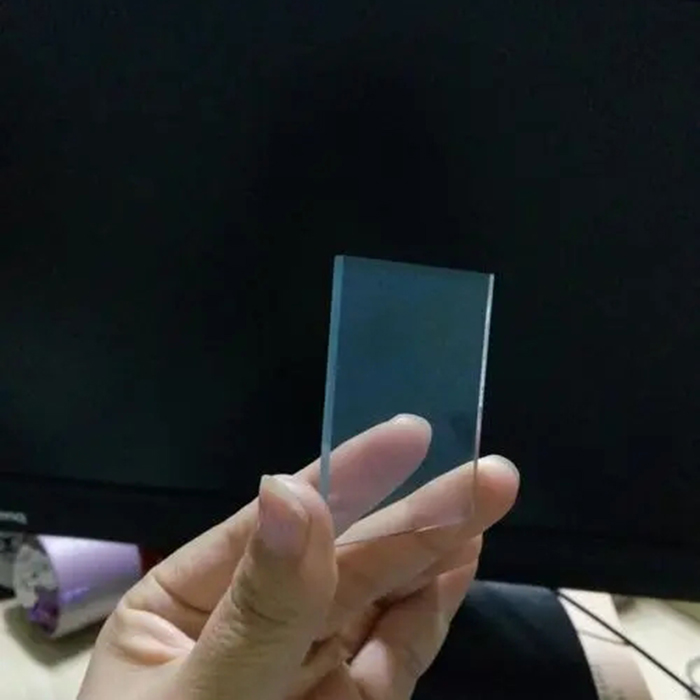
ITO & FTO Conductive Glass for Lighting Applications
Solid flat square conductive glass for lighting windows, sensor covers and illuminated appliance modules requiring controlled sheet resistance.
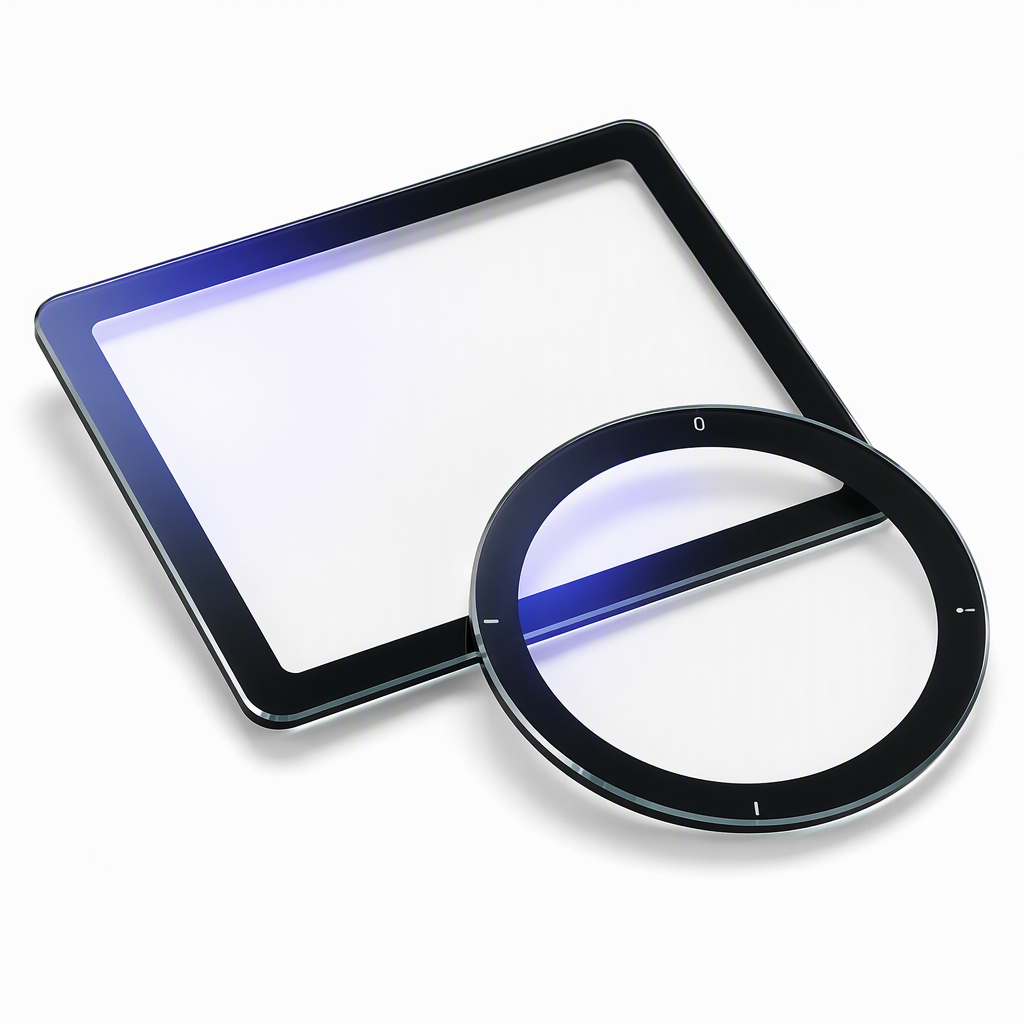
Low-Iron AR-Coated Tempered Display Cover Glass
Low-iron display glass with anti-reflective coating and custom size for refrigerator screens that must stay readable under bright kitchen lighting.

Waterproof Anti-Reflective Curved Tempered Glass Panel
Moisture-resistant curved tempered glass with AR coating for display windows, instrument covers and refrigerator glass surfaces exposed to condensation or cleaning.
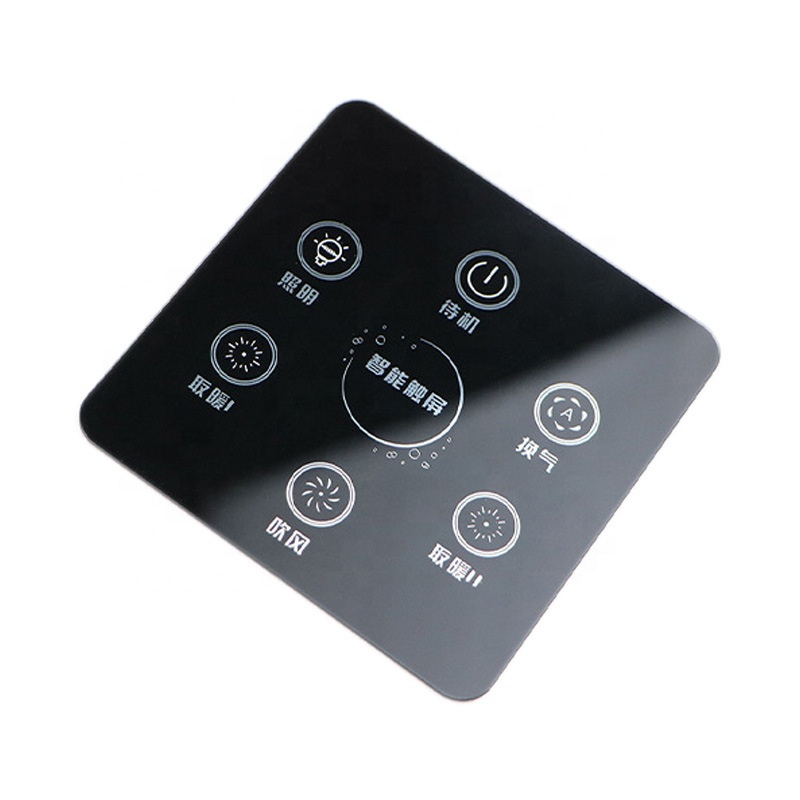
Intelligent Touch Tempered Glass Control Switch Panel
Solid and hollow tempered glass touch panel with silk-screen printing and multi-year warranty support — a reference for complex appliance control assemblies.
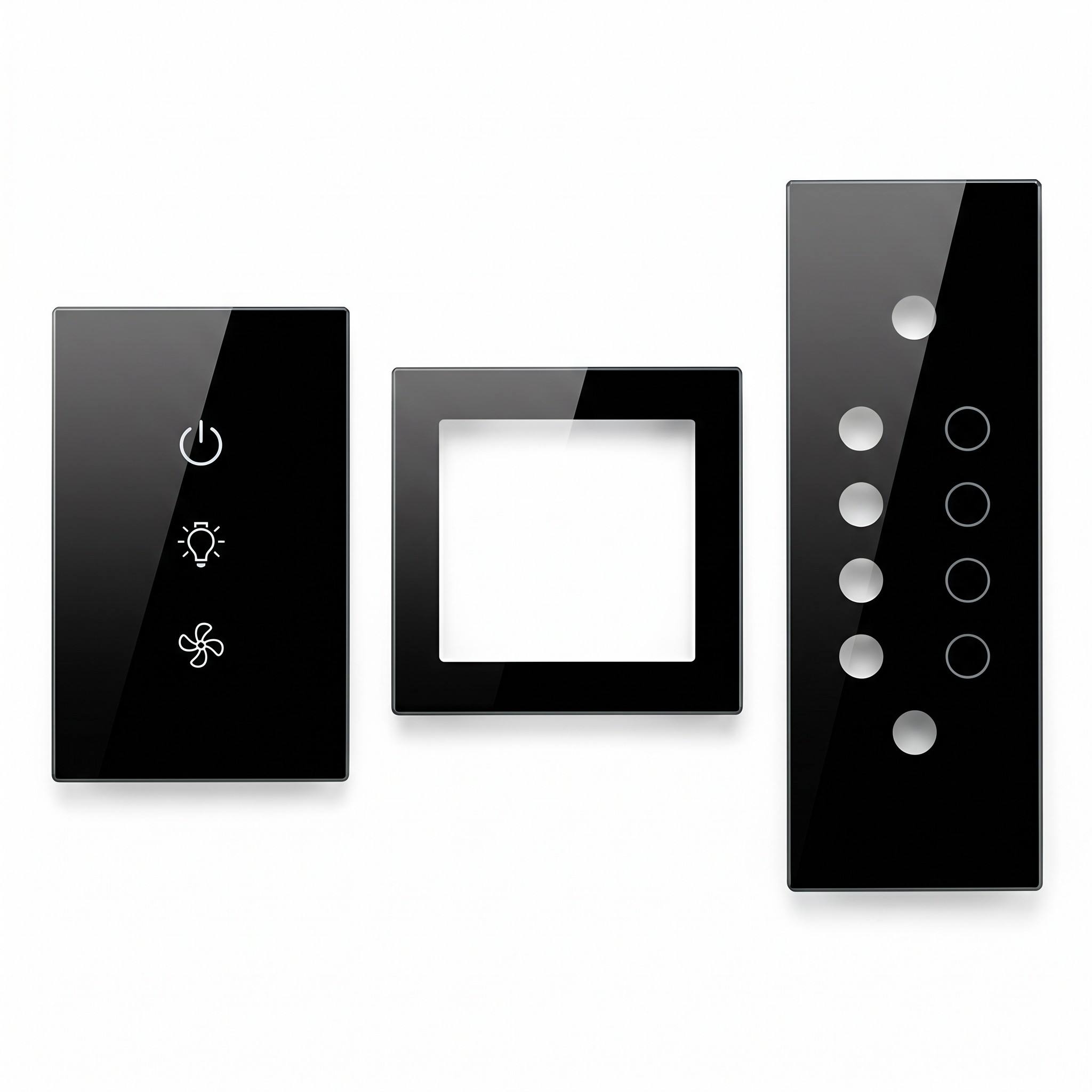
Custom Tempered Glass Front Shield Cover for Smart Device Displays
Custom-size electronic display protection sheet for refrigerator display shields, smart-device fronts and touch covers requiring impact resistance.
Why Refrigerator Glass Deserves a Supplier Strategy, Not a Price List
Refrigerator glass is not one product. It includes tempered shelves and crisper covers, low-iron door glass, printed control panels, decorative glass and smart surfaces such as touch mirrors and capacitive HMI glass.
Each item carries a different risk profile. A shelf failure is a safety and liability issue. A control-panel haze or color mismatch is a brand and consumer-perception issue. A conductive glass lot with unstable sheet resistance becomes a production-line issue. A curved glass panel that does not match the door radius becomes an assembly and warranty problem. For procurement teams, the lowest quoted piece price can be meaningless if the supplier cannot hold optics, cosmetics, strength and delivery together.
Most B2B directories publish a list of company names and stop there. That creates little information gain. This guide adds the missing layer: what to specify, how to benchmark refrigerator glass suppliers and exporters, which product trends will affect tooling and validation, and how to audit an exporter before the first purchase order. The ranking below is therefore a capability benchmark, not a copied directory list. Use it to shortlist suppliers for tempered appliance glass, printed control panels, AR/AG/AF coated glass and ITO/FTO conductive glass.
For buyers, the strongest sourcing plan separates three decisions: the glass construction, the surface treatment and the supplier operating system. The construction determines whether the part can survive thermal cycling, cleaning chemicals and consumer use. The surface treatment determines whether the display remains readable, easy to clean and visually premium. The supplier operating system determines whether the approved sample can be reproduced at volume with the same cosmetic standard and lead time.
How This Top 10 Refrigerator Glass Supplier & Exporter Benchmark Was Built
This is an engineering-led benchmark rather than a paid directory ranking. The goal is to help appliance brands, distributors and contract manufacturers compare suppliers on evidence that affects qualification and mass production.
Process Depth
Can the supplier cut, CNC, polish, print, temper, curve, coat, bond and inspect in-house? Outsourced steps add handling damage, lead-time risk and unclear responsibility.
Optical & Electrical Performance
Reflectance, transmittance, haze, contact angle and sheet resistance should be published as working windows, not marketing adjectives.
Engineering Response
Fast DFM feedback on drawings, tolerance stack-ups, coating stacks, print registration and packaging can reduce the prototype loop before tooling is committed.
Quality Gates
IQC, IPQC and FQC/OQC with defined release criteria matter more than a certificate alone. Ask for inspection records and 100% appearance-check procedures.
Export Reliability
Trade terms, packing validation, documentation, response time and verified transaction history all affect landed cost and line-down risk.
Information Transparency
Factory area, capacity, employee count, R&D staffing, annual output, export markets and sample policy should be verifiable, not hidden behind vague claims.
Top 10 Refrigerator Glass Supplier & Exporters: Benchmark Profiles
KELO Glass is the featured factory-direct supplier because its published capability data aligns closely with refrigerator glass requirements. Profiles 2–10 are capability categories for comparison, not paid endorsements; verify legal entity, audit reports, sample performance and references before shortlisting.
KELO Glass — Featured Factory-Direct Supplier
Huizhou, China. Cover glass, AR/AG/AF coated glass, ITO/FTO conductive glass; 0.1–19 mm; 2.5D/3D; 1–2 pc samples; 21–31 day mass production.
Verified exporter · 4.9/5 ratingGreater Bay Area Cover-Glass Specialists
Deep CNC, printing, curved forming and coating clusters. Strong for appliance overlays, touch panels and custom cover glass.
China · Custom depthEastern China Appliance Glass Integrators
High-volume tempered shelves, door glass and printed panels for white-goods brands and contract manufacturers.
China · High volumeEuropean Appliance Glass Specialists
Premium compliance, local JIT and brand-specific cosmetic standards for EU refrigerator and built-in appliance programs.
EU · ComplianceTurkish White-Goods Glass Exporters
Near-shore EU logistics and a mature white-goods supply base for tempered panels, shelves and printed glass.
Türkiye · Near-shoreJapan/Korea Optical Coating Suppliers
Advanced AR/AG stacks and precision display glass for premium smart appliances, touch mirrors and high-clarity windows.
Asia · Optical depthSoutheast Asian Glass Processors
Cost-balanced assembly, printing and export packaging for appliance brands diversifying beyond single-country supply.
ASEAN · DiversificationIndian White-Goods Glass Makers
Domestic appliance manufacturing and growing export capability for tempered glass shelves, panels and control covers.
India · Domestic scaleMexican Near-Shore Fabricators
USMCA logistics for North American appliance brands seeking shorter freight lanes and regional replenishment.
Mexico · Near-shoreCentral/Eastern European Exporters
EU logistics, customization and multi-country distribution for appliance glass panels and display covers.
CEE · EU accessProcurement tip: do not compare a factory-direct coated-glass supplier with a trading company on unit price alone. Compare tooling ownership, sample-to-mass-production control, coating capability, breakage rate, packaging and documentation.
Product Procurement Trends Reshaping Refrigerator Glass Buying
For 2025–2030, refrigerator glass sourcing is moving from commodity purchasing toward functional-surface procurement. Buyers who plan for these shifts earlier will have fewer qualification loops and more negotiating leverage.
Dual Sourcing Becomes Standard
Appliance brands increasingly qualify one factory-direct coated-glass supplier for custom features and one regional fabricator for replenishment. This reduces line-down risk without giving up cost control.
Total Landed Cost Replaces Unit Price
Breakage, rework, coating failure, packaging, expedited freight and line stoppage now sit inside the sourcing model. A slightly higher quote with 100% appearance inspection can be cheaper overall.
Smart-Fridge HMI Drives Functional Glass
Refrigerator glass is becoming an interface: capacitive touch, ITO sensors, touch mirrors, hidden displays and backlit icons. RFQs should request sheet resistance, transmittance, haze, contact angle and abrasion data.
Low-Carbon and Compliance Documentation
EU and North American buyers increasingly ask for RoHS/REACH declarations, material traceability and packaging-waste data. Suppliers that respond with documents shorten qualification.
Smaller Batches and Faster Iteration
SKU proliferation and regional designs favor suppliers that can prototype from 1–2 pieces and scale to mass production without changing the process. This is especially important for printed control panels.
Traceability and PPAP-Style Discipline
First article inspection, control plans, change notification and packaging validation are becoming baseline expectations for appliance OEMs. Weak traceability creates hidden launch risk.
Where Refrigerator Glass Technology Is Heading
A supplier’s current catalogue matters, but its process roadmap matters more. These are the development directions that will influence tooling, validation and sourcing decisions for refrigerator glass.
2.5D/3D Curved Glass for Premium Doors
Curved and bent glass supports seamless door aesthetics, wraparound control zones and edge-to-edge display integration. Small-radius forming capability becomes a differentiator.
Multi-Functional AR+AG+AF Stacks
Single-function coatings are giving way to stacked surfaces that combine anti-reflection, anti-glare and anti-fingerprint performance while maintaining print and touch durability.
ITO/FTO Conductive Glass for Touch and Mirrors
Transparent conductive glass enables capacitive sensing, touch mirrors, transparent heating and EMI shielding. Sheet resistance and haze control are becoming specification points, not optional data.
Chemically Strengthened Low-Iron Glass
Low-iron substrates improve clarity and color neutrality, while chemical strengthening allows thinner, lighter panels with better edge strength for premium appliances.
Printed, Backlit and Integrated Graphics
Silk-screen printing, laser engraving and backlit icon zones turn glass into a branded control surface. Registration tolerance and ink durability become part of the quality agreement.
Thinner, Lighter Panels With Stronger Edges
Appliance designers want slim profiles without sacrificing impact resistance. Edge polishing, controlled chamfers and optimized tempering are as important as raw glass thickness.
What to Put in a Refrigerator Glass RFQ
A clear RFQ reduces quotation cycles and prevents sample approval from becoming a mass-production argument. Include these six groups of data in your drawing package or specification sheet.
Substrate and Thickness
Specify low-iron, borosilicate, strengthened or standard glass; thickness range; flatness; edge profile; hole positions; and whether chemical strengthening or tempering is required.
Optical Performance
For AR, AG or AF surfaces, include reflectance, transmittance, haze, gloss and contact-angle targets. State the measurement condition so the sample and mass production are judged the same way.
Printing and Color
Provide Pantone references, ink thickness, translucent zones, icon dimensions and registration tolerance. Define whether the customer needs first-surface or second-surface printing.
Conductive Function
For ITO or FTO glass, specify sheet resistance, transmittance, haze, pattern requirements and the intended touch, heating or EMI function. Include test method and acceptance criteria.
Reliability and Safety
Define tempering fragmentation, impact, thermal cycling, humidity, salt spray and cleaning-chemical requirements. For shelf glass, state load and safety standards explicitly.
Packing and Documentation
Ask for honeycomb cartons, blister trays, partition packing and drop-test data. Include RoHS/REACH declarations, material traceability and first-article inspection requirements.
KELO Glass: A Factory-Direct Partner for Refrigerator Glass Programs
Huizhou KELO Glass Co., Ltd. is a factory-direct manufacturer in Huizhou, Guangdong, inside China’s Greater Bay Area electronics supply chain. The company focuses on touch screen cover glass, display cover glass, optical coated glass and custom fabricated specialty glass.

Vertical Integration From Raw Sheet to Packed Carton
For refrigerator glass buyers, the advantage is process control. Cutting, CNC machining, edge polishing, laser engraving, silk-screen printing, sandblasting, flat and curved tempering, AR/AG/AF/ITO coating, 2.5D/3D forming and 3M adhesive bonding run under one roof. This reduces handling damage, shortens problem-solving loops and keeps the approved sample closer to mass-production reality.
The factory reports a 10,000–30,000 m² floor area, 20–25 million pieces/year touch cover glass capacity, 101–200 employees, 21–30 R&D engineers and US$50–100 million annual output value. Export experience covers Europe, North America and South America, with FOB, CFR, CIF, EXW and DDP terms, T/T, L/C, PayPal and Western Union payment options, and Alibaba Trade Assurance support.
- Verified manufacturer — 6 years as a verified exporter
- 4.9/5 store rating and 98.18% reply rate
- Samples from 1–2 pcs; bulk lead time typically 21–31 days
- Specialty materials: Gorilla glass, borosilicate, quartz, sapphire, ceramic, lead shielding and laminated safety glass
Export Market Distribution Reported by KELO

Quality Gates Refrigerator Glass Buyers Should Verify
Quality is built into the process, not inspected in at the end. KELO’s published quality approach uses incoming, in-process and final inspection gates, with 100% appearance checking plus tempering, adhesion, abrasion and salt-spray testing.
Incoming Inspection — IQC
Raw glass and consumables are verified before production: thickness, flatness, surface defects, ink and coating material verification. For refrigerator glass, this step protects color consistency and reduces downstream rejection.
In-Process Control — IPQC
Critical dimensions and coating results are checked at each station: CNC dimensions, hole positions, tempering and strength, coating adhesion and abrasion. This is where coating-stack and print-registration drift should be caught.
Final Inspection — FQC/OQC
Finished pieces are checked before protective packing: 100% appearance inspection, salt-spray reliability testing, honeycomb cartons, blister trays and partition packing. Custom packaging reduces transit damage and warranty exposure.
Verify before you buy: review the supplier’s verified assessment, ratings and reviews, factory video, credit profile, transaction level, trade capacity and trade history. For KELO, these records are available through its company profile and Alibaba.com verification pages.
Refrigerator Glass Procurement FAQ
These are the questions appliance buyers, distributors and OEM project teams most often ask before requesting a refrigerator glass sample or quotation.
What types of glass are used in refrigerators and smart appliances?
Common constructions include tempered glass shelves and crisper covers, low-iron display glass, silk-screen printed control panels, decorative door glass, AR/AG/AF coated cover glass, and ITO/FTO conductive glass for touch mirrors or capacitive interfaces. The right choice depends on load, cleaning chemicals, condensation, optical targets and whether the part is structural, decorative or functional.
Can tempered glass control panels be customized for smart refrigerators?
Yes. Customization typically covers size, shape, holes, edge profile, thickness, printed graphics, translucent icon zones, AR/AG/AF coating, 2.5D/3D curved forming and adhesive bonding. Provide a drawing, color target, surface treatment requirement and annual volume so the supplier can review tooling, print registration and validation.
What is the minimum order quantity and sample lead time?
At KELO Glass, sample orders can start from 1–2 pieces so buyers can validate fit, optics and coating performance before committing to volume. Bulk lead time is typically 21–31 days after sample approval, depending on size, coating stack, curved forming and printing complexity.
How do AR, AG and AF coatings improve refrigerator glass?
AR anti-reflective coating reduces surface reflection and improves see-through clarity. AG anti-glare coating diffuses ambient and sun reflections, which helps displays remain readable in bright kitchens. AF anti-fingerprint coating creates an oleophobic surface that resists smudges and wipes clean. Combined stacks can deliver multiple functions on one glass substrate.
Should I choose ITO or FTO conductive glass for smart-fridge touch?
ITO glass is commonly specified for capacitive touch sensors, displays and EMI shielding because of its transparency and conductivity. FTO glass offers stronger thermal and chemical stability, making it suitable for thin-film solar and high-temperature processes. Both can be supplied with sheet resistance around 1–20 Ω/sq, transmittance above 85% and haze below 2%, but the final target should be confirmed against your function and test method.
What thicknesses, sizes and shapes can a refrigerator glass supplier produce?
KELO Glass works with thickness from 0.1 mm to 19 mm. Size, shape, holes, color, logo printing, 2.5D/3D curved forming and 3M adhesive bonding are customized to a drawing or approved sample. For refrigerator applications, buyers should also define load requirements, edge safety, coating durability and packing method.
Which trade terms and payment methods are accepted?
KELO supports FOB, CFR, CIF, EXW and DDP trade terms, and T/T, L/C, PayPal and Western Union payments. Orders placed through Alibaba.com can be protected by Trade Assurance. Confirm Incoterm, packaging, inspection and documentation responsibilities in the quotation before issuing a purchase order.
How are refrigerator glass panels packed and shipped?
Glass should be packed with honeycomb cartons, blister trays, partitions and protective film as required. For coated or printed panels, specify interleaving and moisture protection. KELO’s published approach uses custom packing to minimize transit damage; buyers should request drop-test data or packaging validation for new sizes.
How can I verify a refrigerator glass supplier before ordering?
Check legal entity, factory address, verification reports, ratings and reviews, credit profile, transaction level, trade capacity and trade history. Then request a sample, inspect optical and conductive test data, review IQC/IPQC/FQC records, and confirm change-notification, packaging and warranty procedures. A supplier that can provide evidence is easier to qualify and safer to scale.
Have a Refrigerator Glass Drawing or Specification?
Send your drawing, target coating performance, annual volume and packaging requirement. Our engineering team will review feasibility and recommend a cost-effective glass construction for your refrigerator or smart-appliance program.
Inquire Now