2025 Socket Glass & Optical Glass Sourcing Whitepaper
Top 10 Socket Glass Factories & Factory: 2025 Socket Glass Sourcing Whitepaper
An evidence-led guide to switch socket glass panels, tempered cover glass, AR/AG/AF optical coatings, 2.5D/3D curved glass and ITO/FTO conductive substrates.
Top 10 Socket Glass Factories & Factory Audit Logic
Top 10 Socket Glass Factories & Factory: The 10-Point Audit Matrix
Socket glass is not a commodity blank. It is a finished interface component that combines substrate selection, tempering, silk-screen registration, cut-out accuracy, optical coating durability, adhesive compatibility and packing discipline. Because factory rankings change with capacity, certifications and project mix, the most reliable way to build a shortlist is to audit the factory against the same ten technical and commercial controls. Use this matrix when comparing suppliers for wall switch socket panels, smart-home touch covers and coated display glass.
Substrate traceability
Confirm glass type, thickness tolerance, batch records and incoming inspection for low-iron, soda-lime, Gorilla, borosilicate, quartz or sapphire.
Socket panel flatness
Wall switch and socket covers need controlled warpage, clean cut-outs and edge quality that will not chip during installation.
Tempering reliability
Ask for impact, thermal and fragmentation data. For thin socket glass, strength and flatness must be balanced, not treated as separate specs.
Print registration
Silk-screen color, border alignment, logo sharpness and print adhesion determine the perceived quality of the finished socket panel.
AR / AG / AF control
Specify reflectance, transmittance, haze, gloss and contact angle. Require measured witness samples, not visual claims.
ITO / FTO performance
Check sheet resistance mapping, transmittance, haze and bus-bar design for touch sensors, heating substrates and thin-film solar.
Curved glass capability
For 2.5D and 3D covers, evaluate mold control, radius consistency, optical distortion and edge polishing for automotive or appliance assembly.
Cleanliness & packing
Particle contamination, adhesive residue and transit damage are costly. Verify clean handling, blister trays, partitions and honeycomb cartons.
Inspection documentation
Require IQC, IPQC and FQC records, 100% appearance checks, adhesion testing, salt spray and measurable release criteria.
Compliance & delivery
Review RoHS/REACH status, trade terms, payment protection, mass-production lead time and export experience for your region.
A responsible Top 10 socket glass factories & factory shortlist should be built from auditable evidence: samples, inspection data, process visibility and export records. Use this matrix to rank candidates, then validate the finalists with a test order.
Factory-First Advantage
Inside the Benchmark: Huizhou KELO Glass Co., Ltd.
Huizhou KELO Glass Co., Ltd. is a factory-direct manufacturer in Huizhou, Guangdong, inside China’s Greater Bay Area electronics supply chain. The company produces touch screen cover glass, display cover glass, socket glass panels and optical coated glass, with surface treatment as its core technology. For procurement teams, the advantage is not simply a lower quoted price. It is having cutting, water-jet cutting, CNC machining, edge polishing, laser engraving, silk-screen printing, sandblasting, flat and curved tempering, AR/AG/AF/ITO coating, 2.5D/3D forming and 3M adhesive bonding under one accountable quality system.
This vertical integration reduces handling damage, shortens engineering feedback loops and keeps tolerances stable from prototype to mass production. KELO’s verified profile includes 10k–30k m² of factory space, 101–200 employees, 21–30 R&D engineers, an annual output value of US$50–100 million and touch cover glass capacity of 20–25 million pieces per year. Its store rating is 4.9/5, with a 98.18% reply rate and Trade Assurance support for orders placed through Alibaba.com.
- Verified manufacturer, not a trading intermediary
- Engineering drawing review, DFM feedback and rapid sampling
- In-house optical coating, tempering and CNC
- 100% appearance inspection and export-grade packing

One accountable process chain
Cutting, CNC, printing, tempering, coating and bonding are controlled under one roof, reducing finger-pointing and transit damage between vendors.
Surface engineering focus
AR, AG, AF, ITO and FTO functions are measured against optical and electrical targets, supporting higher-value socket and display projects.
Sample-to-volume control
Samples can start from 1–2 pieces, then move to mass production with typical lead times of 21–31 days after approval.
Auditable quality gates
IQC, IPQC and FQC checks cover dimensions, coating adhesion, abrasion, salt spray and 100% appearance inspection before packing.
Product Recommendations
8 Socket Glass and Optical Glass Products Recommended for 2025 Sourcing
These eight product families cover the most common buying intents behind “socket glass factories” and “glass factory” searches: switch socket panels, tempered display covers, curved automotive glass, outdoor touch panels, protective front panels and transparent conductive substrates. Each item is linked to its original product page.
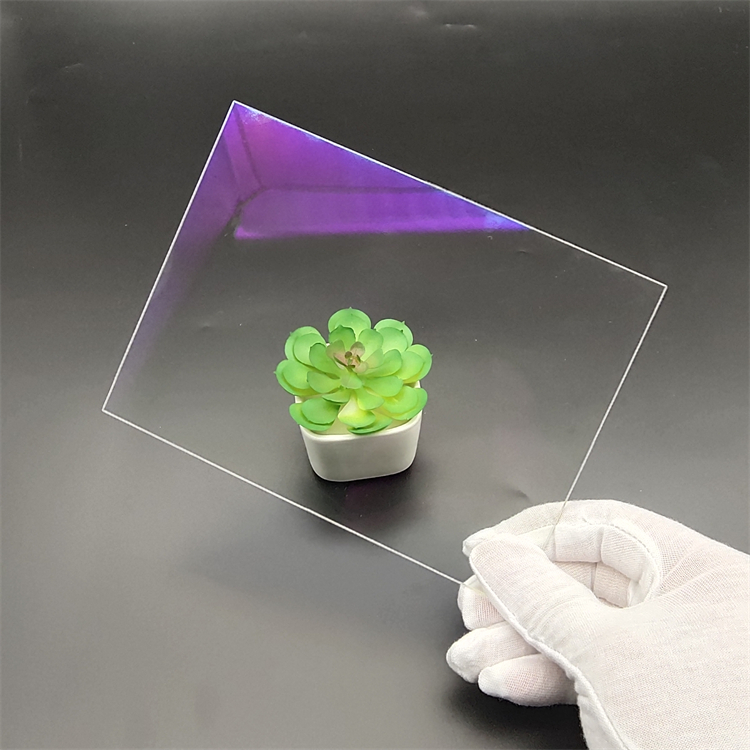
Custom 2mm Ultra-Clear Both Sides Anti-Reflective Coating Tempered Glass for Display Screen Solar & Lighting Use-Solid Structure
Double-sided AR-coated tempered glass for display windows, solar covers and lighting where reflected glare and color shift must be minimized.
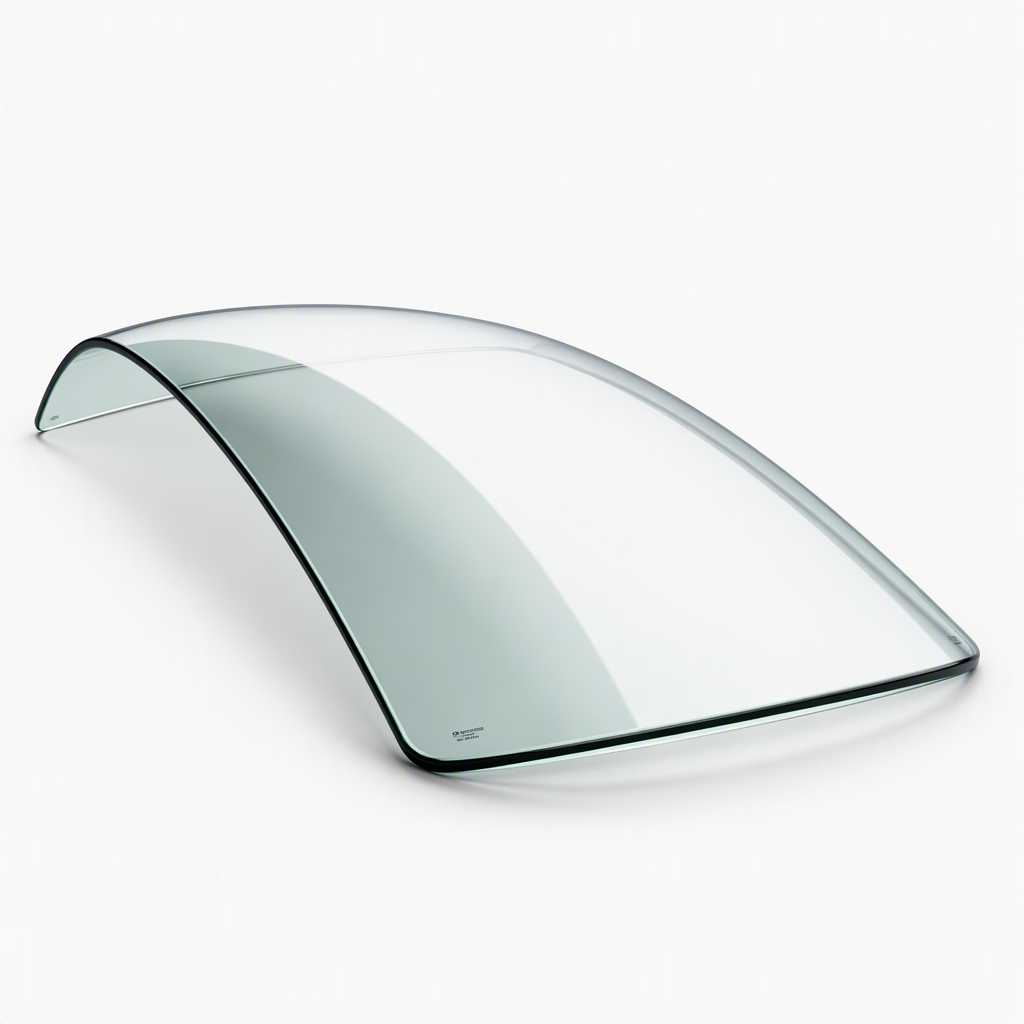
Hot Bent Glass Curved Tempered Glass Panel Small Radius Arc Shaped Custom Curved Glass For Automotive Display OEM ODM
Hot-bent 2.5D/3D curved cover glass for automotive dashboards, center consoles and instrument clusters with tight radius control.
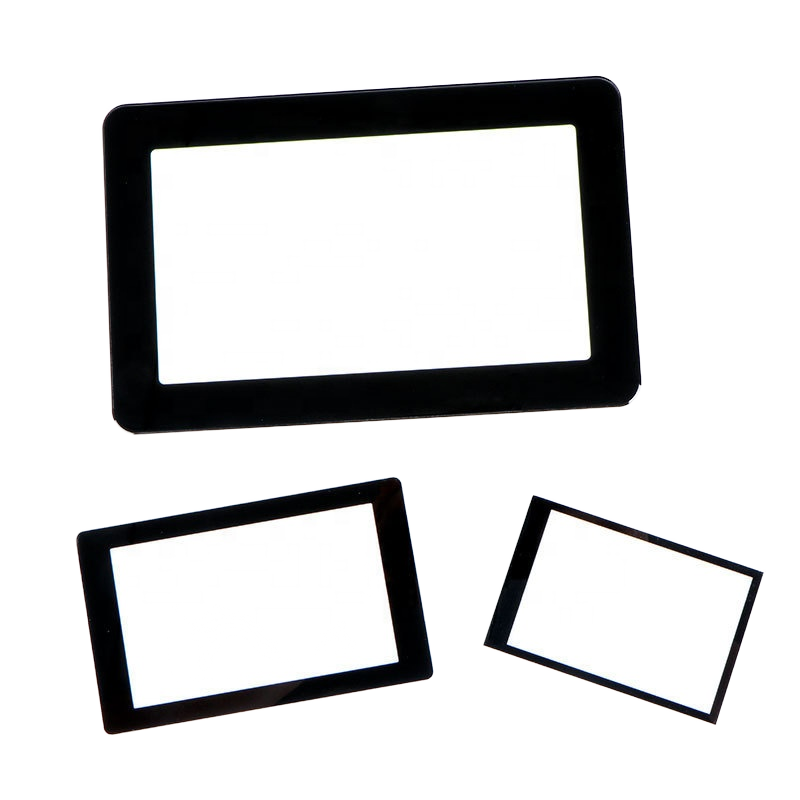
Wholesale Left Right Switching Control 0.2mm 5mm Soda Lime Extra Clear Tempered Glass Touch Screen Panel Outdoor Gym Waterproof
Extra-clear soda-lime touch panel glass for outdoor fitness controls and waterproof interfaces, with print and strengthening options.

Round Oval PTFE 3M Wear-resistant Smooth Mouse Feet Stickers Glass Pad Resin Pads
PTFE glide stickers with 3M adhesive for gaming glass pads and resin pads, delivering smooth movement and long wear life.
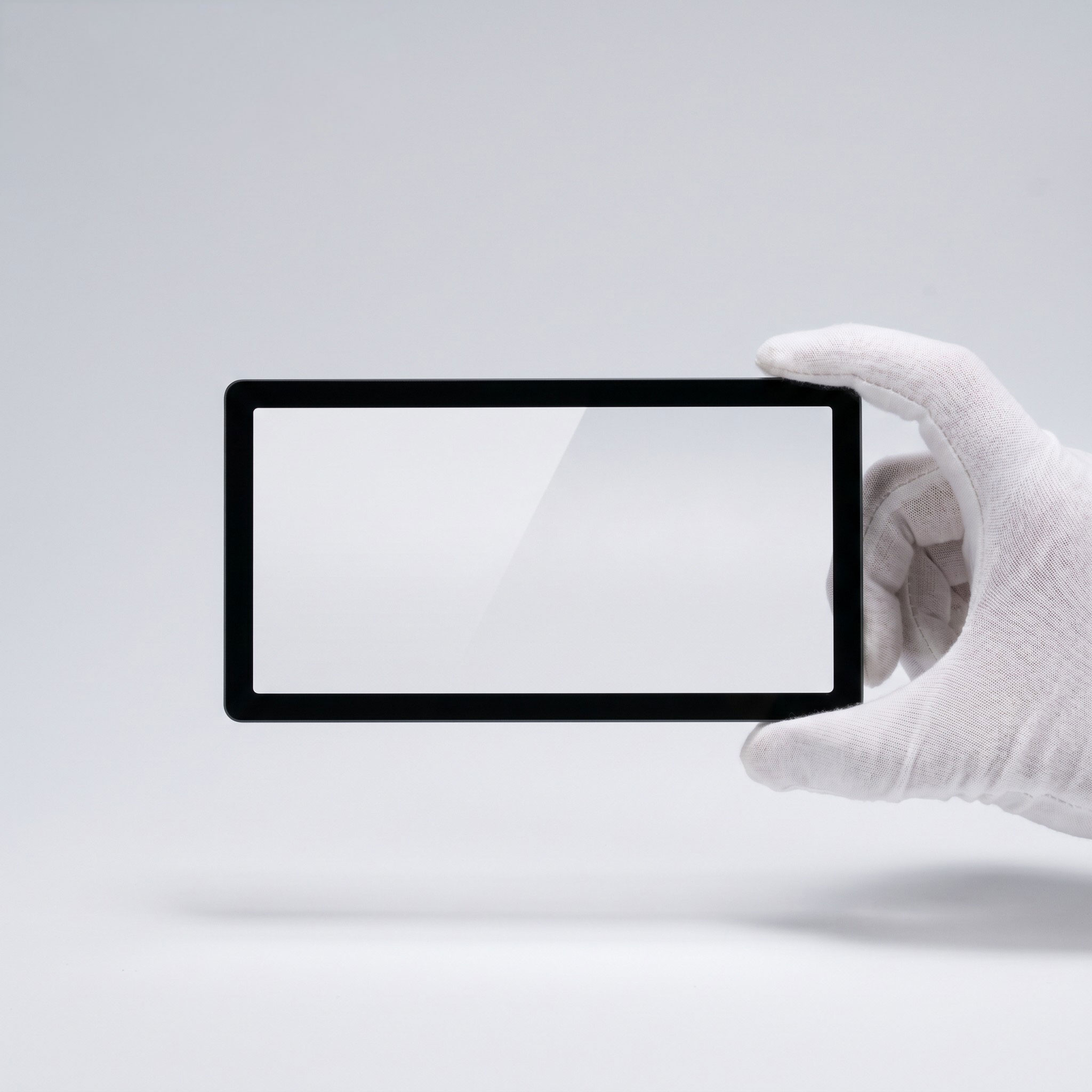
Custom Size Gorilla Glass Front Panel Panda Cover Sheet CNC Cut Silk Printed Tempered Glass Solar Display Screen Cover
CNC-cut Gorilla glass front panels with silk printing and tempering for solar displays, appliance interfaces and control covers.
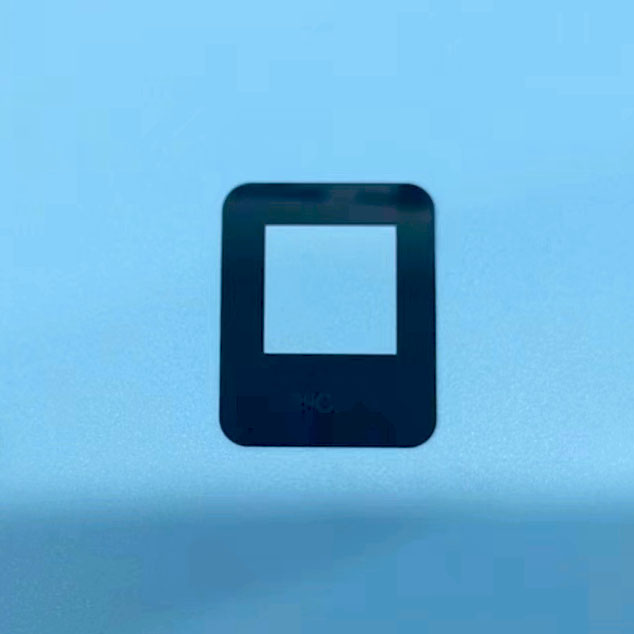
1mm Black Tempered Glass Switch Socket Panel Flat Solid Wall Cover with Print
A crisp socket glass panel for wall switches and power outlets, combining 1mm black tempered glass with flatness and print control.
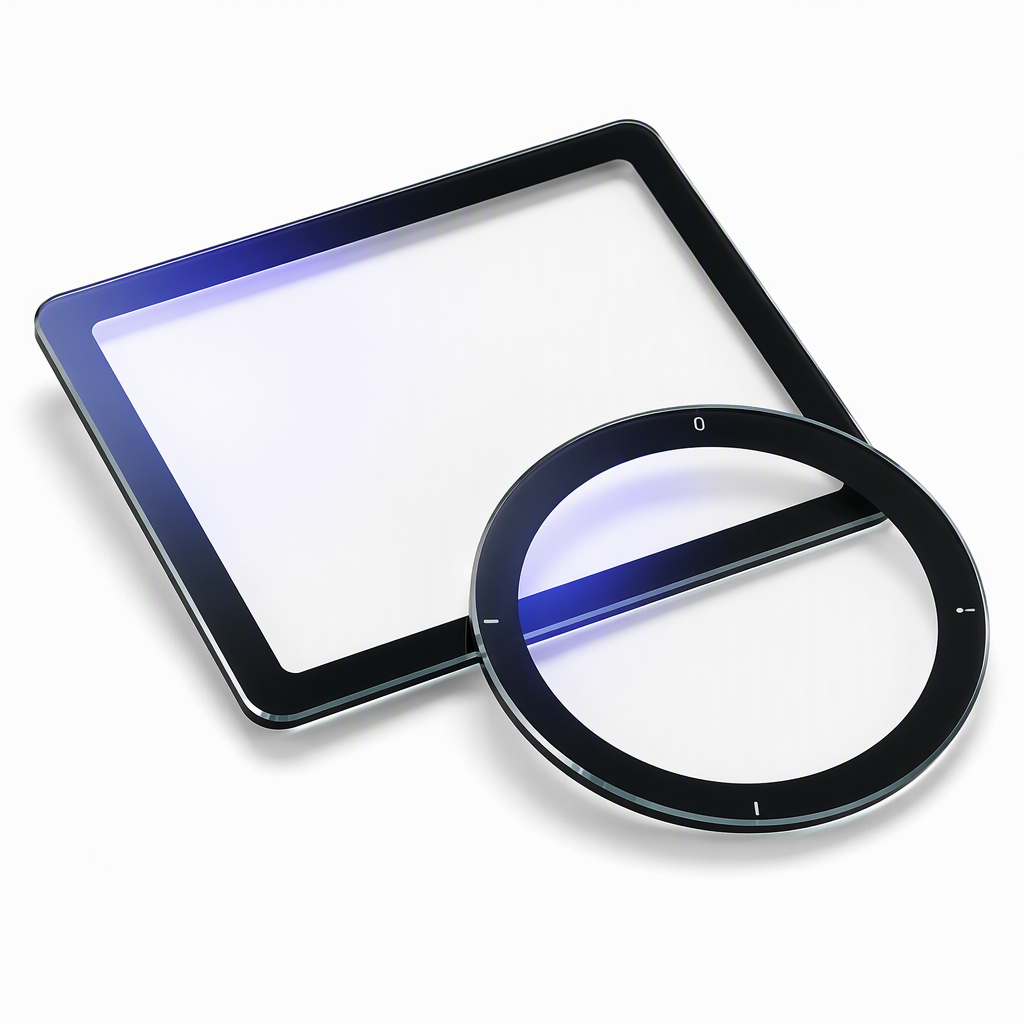
Custom Tempered Glass Toughened Glass Panels Low Iron Display Cover Glass AR Coating Factory Supply Customized Size
Low-iron tempered display cover glass with optional AR coating for high transmittance, neutral color and custom dimensions.
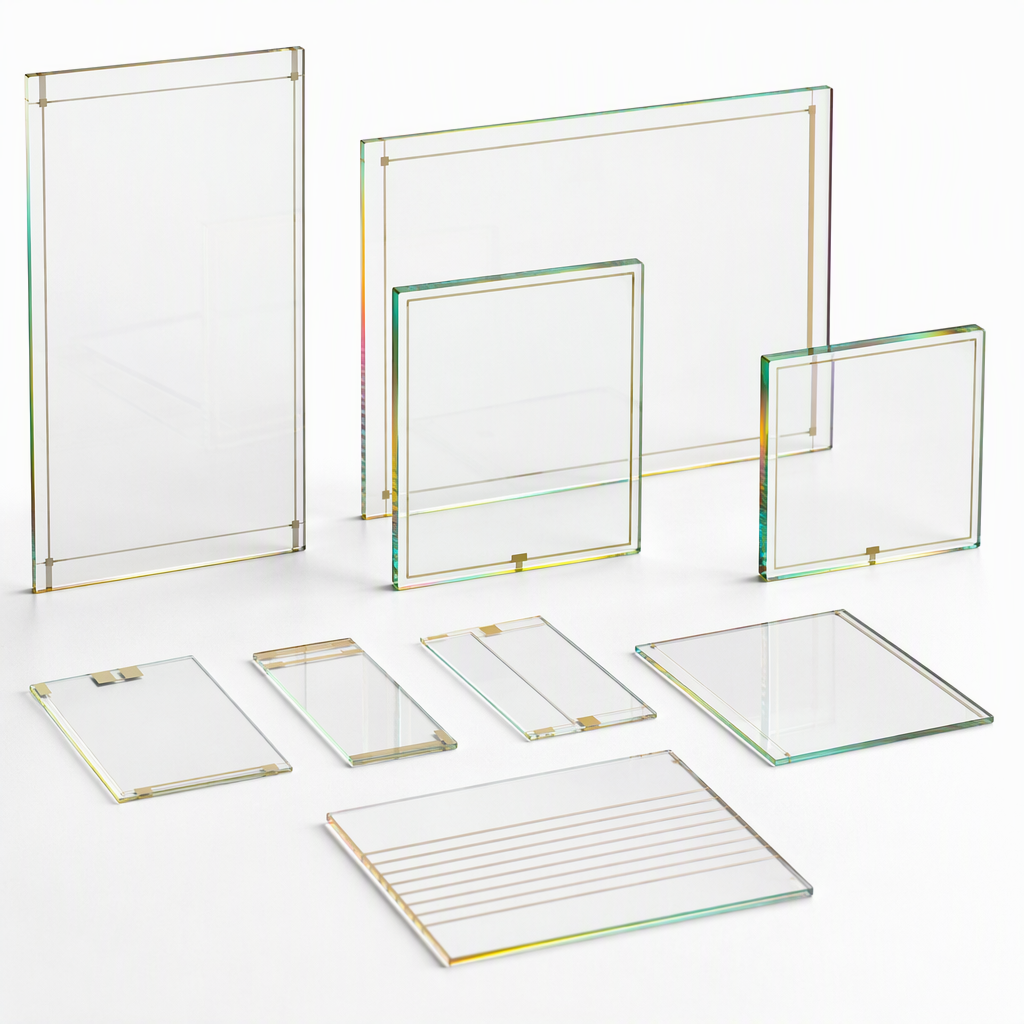
ITO Coated Glass Conductive Glass Sheet 6 To 8 Ohm Per Square Custom Size Touch Panel Heating Substrate Supplier
Transparent ITO conductive glass for touch panels, heating substrates and sensor stacks, with 6–8 Ω/sq sheet resistance options.
Market Intelligence
Product and Procurement Trends Shaping Socket Glass Factories
The buying conversation is shifting from “Who can supply a glass panel?” to “Which factory can prove optical, mechanical and electrical performance across a repeatable production window?” The following eight trends are especially relevant for 2025–2030 sourcing plans.
Product Development Trends
Coating convergence
AR, AG and AF functions are increasingly stacked on one substrate. Socket and display customers want anti-glare readability, low reflection and easy cleaning without sacrificing haze or color.
2.5D and 3D cover glass
Automotive dashboards, smart-home panels and premium appliances are moving toward curved, edge-to-edge glass that supports seamless assembly.
Conductive glass for touch and energy
ITO and FTO demand is growing in capacitive touch, heating substrates, EMI shielding and thin-film solar, where sheet resistance and haze matter.
Thinner, stronger, lower-iron
From 0.1–19 mm production ranges, customers are requesting low-iron glass, chemical strengthening and precise edge finishing for durability and clarity.
Procurement Trends
Audit-first sourcing
Buyers increasingly compare verified factory assessment, trade history, store rating and live process evidence before sending a drawing.
Total cost of ownership
Procurement teams now price in yield loss, rework, transit damage and assembly downtime, not just the unit cost of a glass panel.
Faster sampling and low MOQ
Prototype orders from 1–2 pieces let product teams validate fit, optics and coating performance before committing to volume.
Supply-chain resilience
Dual sourcing, clear Incoterms and damage-proof export packing are becoming standard requirements for European and North American buyers.
Technical Specification
Specifying Socket Glass, Coated Glass and Conductive Substrates
For a socket glass factory, the most useful RFQ is not a single thickness and size. It should define the operating environment, cleaning method, touch frequency, optical target, electrical function, print design and packing standard. The table below summarizes the production windows that informed buyers should discuss during engineering review.
| Glass / Coating | Key Performance Window | Typical Application |
|---|---|---|
| ARAnti-reflective | Reflectance <1.0% per side · Transmittance >99% across 400–700 nm · single or multi-layer designs | Automotive touch displays, medical monitors, camera windows, high-clarity display covers |
| AGAnti-glare | Controllable haze 5–60% · gloss 0.5–8 GU · tempered substrate options | Outdoor kiosks, industrial HMI, gym control panels, sunlight-readable displays |
| AFAnti-fingerprint | Water contact angle >110° · pencil hardness >3H · transmittance >98% · durability >10,000 cycles | Touch control panels, smart-home switches, appliance glass, socket glass interfaces |
| ITOIndium tin oxide | Sheet resistance 1–20 Ω/sq · transmittance >85% · haze <2% | Capacitive touch sensors, heating substrates, displays, EMI shielding |
| FTOFluorine-doped tin oxide | Sheet resistance 1–20 Ω/sq · transmittance >85% · haze <2% | Thin-film solar cells, high-temperature processes, chemically demanding environments |
| CombinedAR+AG / AG+AF | Stacked functions on one substrate · cosmetic grade per 60/40 scratch-dig · application-specific haze and gloss | Premium in-vehicle interfaces, outdoor touch panels, high-end appliance control glass |
Incoming Inspection
Raw glass and consumables are verified before production enters the line.
- Thickness and flatness check
- Surface defect screening
- Ink and coating material verification
In-Process Control
Critical dimensions and coating results are checked at each station.
- CNC dimensions and hole positions
- Tempering and strength testing
- Coating adhesion and abrasion checks
Final Inspection
Finished pieces are checked before protective packing is applied.
- 100% appearance inspection
- Salt spray and reliability testing
- Honeycomb, blister and partition packing
Share requirements
Send a drawing, sample or target spec with annual volume and application conditions.
Engineering review
Receive DFM feedback on tolerance, coating stack, print design and cost drivers.
Rapid prototype
Sample quantities can start from 1–2 pieces for fit and optical validation.
Validation
Approve appearance, dimensions, coating performance and reliability data.
Mass production
Typical lead time is 21–31 days after sample approval, depending on complexity.
Packing & shipping
Use damage-proof export packing with FOB, CFR, CIF, EXW or DDP terms.
Buyer FAQ
Socket Glass Factory and Procurement FAQ
These are the questions international buyers most often ask when comparing socket glass factories, coated glass suppliers and custom cover glass manufacturers.
What is socket glass, and how is it different from standard cover glass?
Socket glass usually refers to the tempered glass panel used on wall switches, power sockets and smart-home control interfaces. It is a finished visual component, so flatness, print alignment, cut-out quality, impact resistance and fingerprint performance matter as much as the raw glass thickness. Standard cover glass may prioritize optical clarity, while socket glass must also look consistent after installation and cleaning.
What is the minimum order quantity for custom socket glass panels?
Sample orders can start from 1–2 pieces so you can validate fit, color, print, coating and assembly before committing to volume. Bulk quantities are quoted per drawing, glass type, thickness, coating stack and packing requirement.
What lead time should I plan for mass production?
Bulk lead time is typically 21–31 days after sample approval. The exact schedule depends on size, coating stack, curved forming, silk-screen complexity and order volume. Tools, molds and custom packaging can add separate review time.
Which coating should I choose: AR, AG, AF, or a combined stack?
Choose AR when maximum light transmission and low reflection are critical. Choose AG when outdoor or high-glare environments need diffused readability. Choose AF when fingerprints and cleaning are major concerns. Combined AR+AG or AG+AF stacks are common for premium touch interfaces where several requirements must be met on one substrate.
Should I use ITO or FTO conductive glass?
ITO glass is widely used for capacitive touch sensors, displays and EMI shielding. FTO glass offers better thermal and chemical stability, which makes it a frequent choice for thin-film solar cells and high-temperature processes. Both are available with sheet resistance of 1–20 Ω/sq, transmittance above 85% and haze below 2%, depending on the final design.
What thickness, sizes and shapes can you produce?
Production covers glass thickness from 0.1 mm to 19 mm. Size, shape, holes, color, logo printing, 2.5D/3D curved forming and 3M adhesive bonding are customized to your drawing or sample. The engineering team can review tolerances and recommend the most stable manufacturing route.
How is quality controlled before shipment?
Quality is controlled through incoming, in-process and final inspection, with 100% appearance checking plus tempering, adhesion, abrasion and salt spray tests where applicable. Custom honeycomb cartons, blister trays and partition packing are used to minimize transit damage.
What trade terms, payment methods and packing are available?
FOB, CFR, CIF, EXW and DDP trade terms are supported. Payment methods include T/T, L/C, PayPal and Western Union. Orders placed through Alibaba.com can be protected by Trade Assurance. Export packing can be customized for fragile glass, long-distance shipping and automated assembly lines.
Request the 2025 Socket Glass and Optical Glass Catalog
Send your drawing, target coating performance, annual volume and destination market. The team can review feasibility, recommend the most cost-effective glass and coating stack, and support samples from 1–2 pieces through mass production.
Get Catalog