8 Touch Screen Glass Products Buyers Shortlist First
For a top-10 supplier comparison, start with the exact products your program needs. These eight product families cover cover glass, display protection, optical coating, conductive glass, gaming peripherals and custom tempered panels. Each specification should be verified with samples, measurement reports and factory audit evidence before volume release.

Round Oval PTFE 3M Wear-resistant Smooth Mouse Feet Stickers Glass Pad Resin Pads
Low-friction gaming mouse accessory components for glide performance, wear resistance and OEM accessory programs.
View product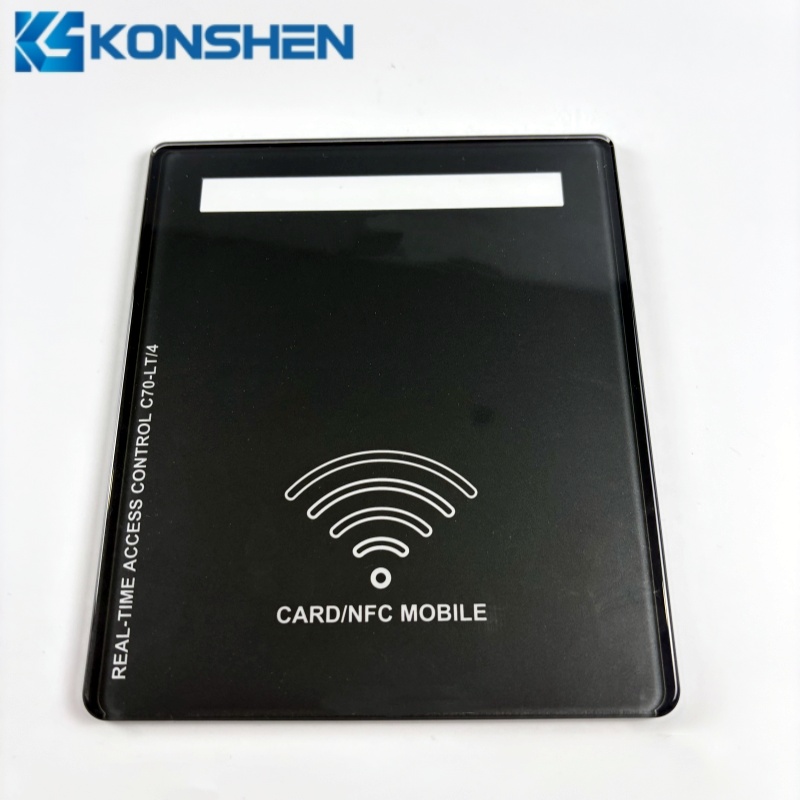
Custom 5mm NFC Access Card Silkscreen Printing Tempered Touch Screen Glass Switch Display Cover Glass
Tempered cover glass with silkscreen printing for smart switches, access control and display cover applications.
View product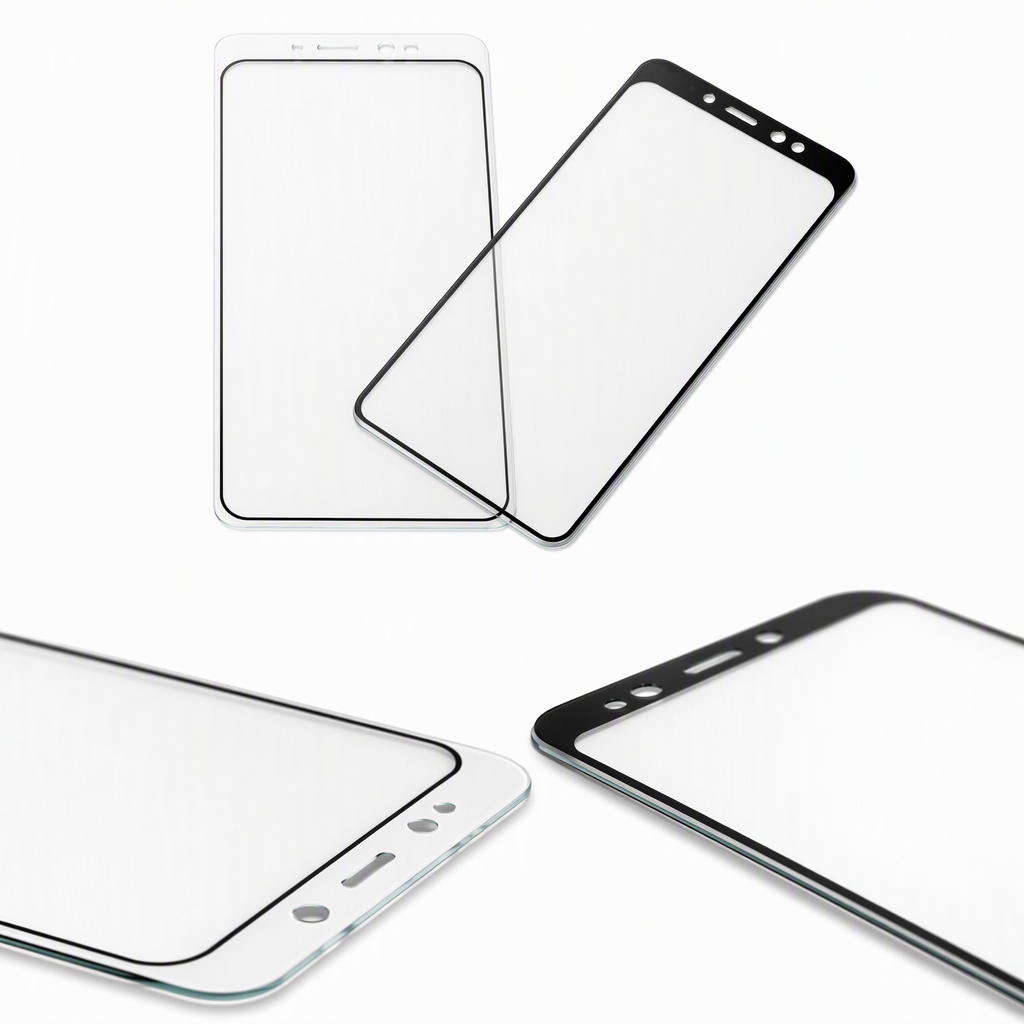
Toughened Glass Panel No Coating CNC Hole Drilling Irregular Shape Silk Screen Printed Custom Size Wholesale Supplier
CNC-machined, toughened and printed glass panels for irregular shapes, holes and custom-size touch interfaces.
View product
High Transmittance 98% Anti-Reflective AR Glass for Museum Showcase Luxury Picture Frame Low Reflectance Coated 1mm-19mm
Low-reflection optical glass for showcases, framed art, display windows and applications where clarity is critical.
View product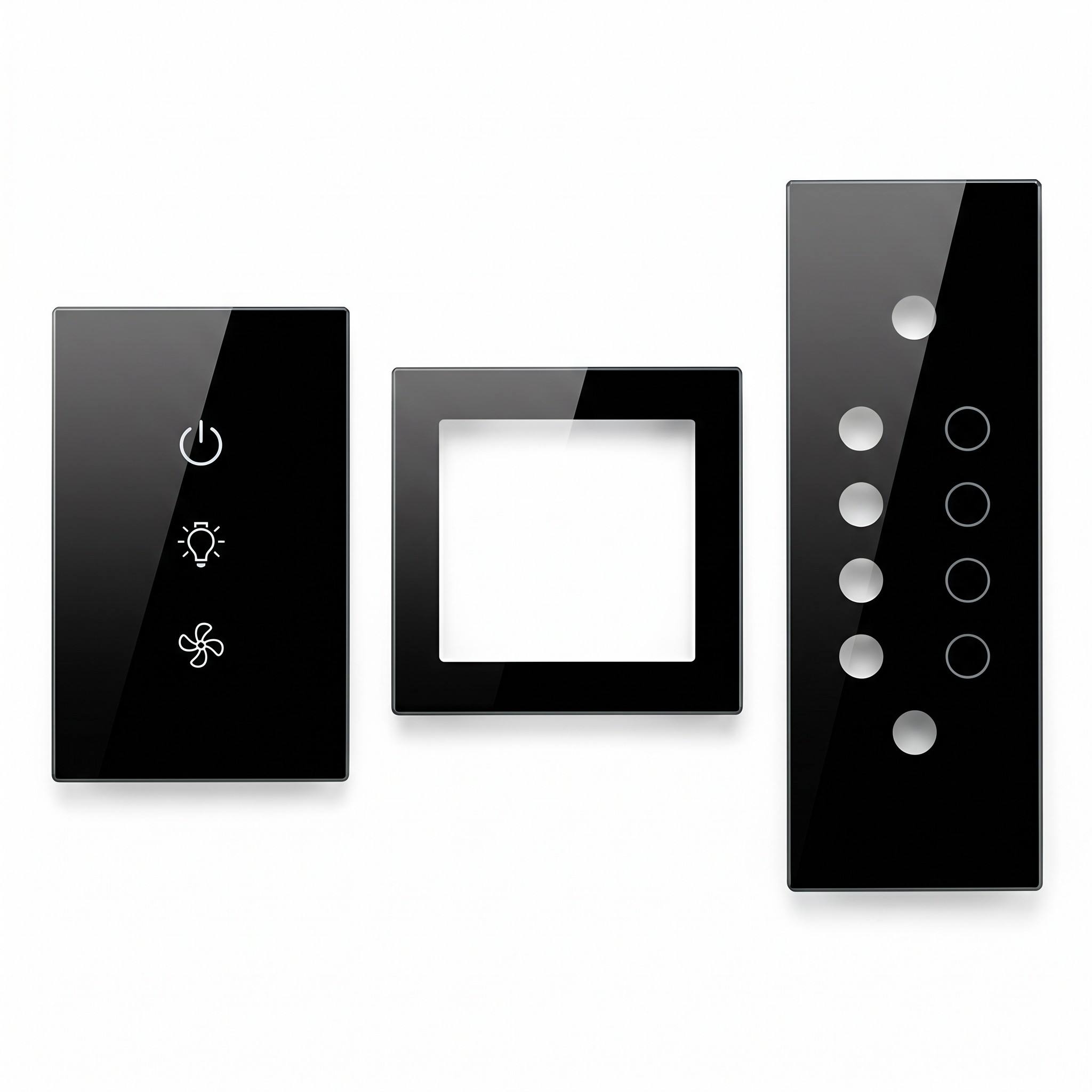
Tempered Glass Front Shield Cover Panel Custom Size Electronic Display Protection Sheet for Smart Device Konshen KS GB002
Front shield cover glass for smart devices and electronic displays, custom cut and tempered for protection.
View product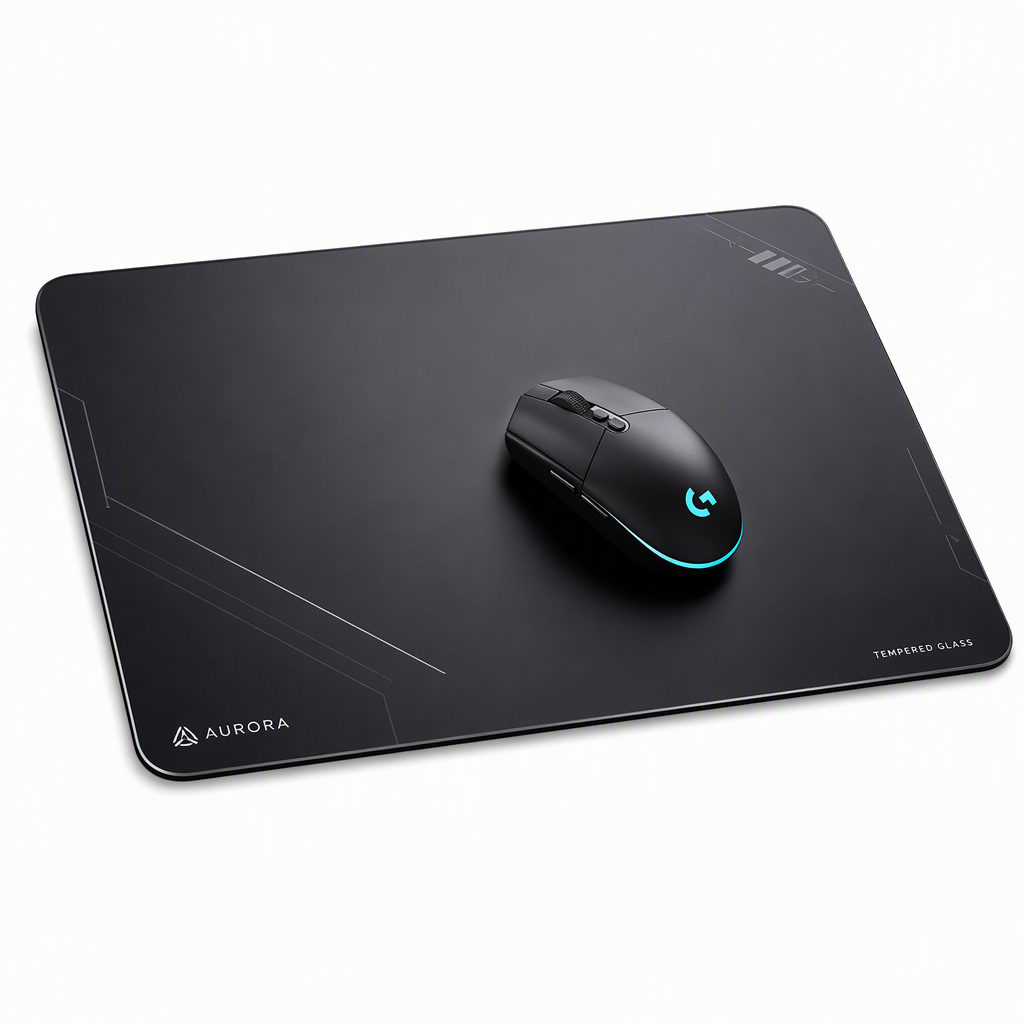
Tempered Glass Mouse Pad 2MM 3MM Hard Surface Glass Mousepad UV Printing Custom Logo Silicone Base OEM Factory
Hard-surface tempered glass mouse pads with UV printing, custom logo and silicone base options for gaming brands.
View product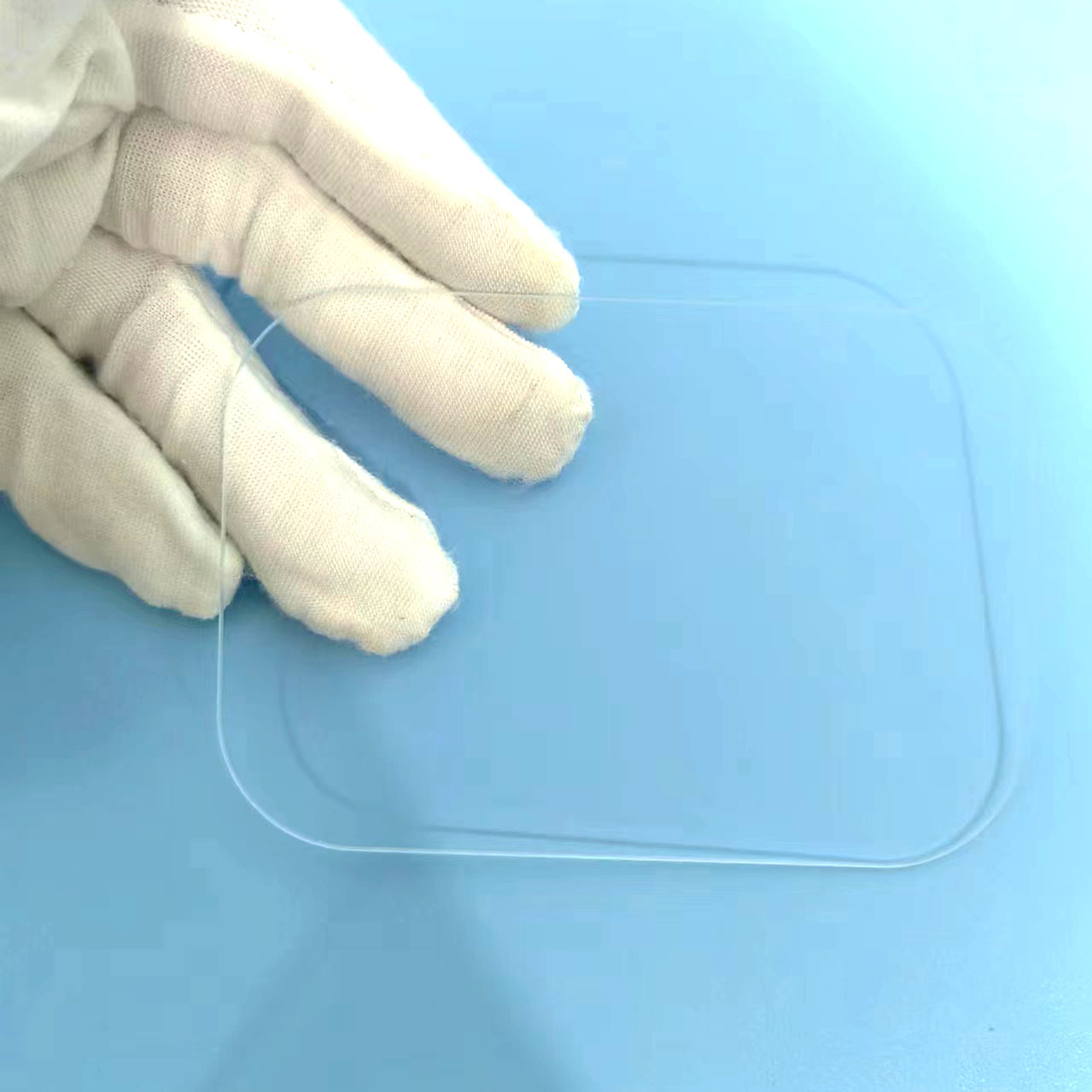
1.1mm ITO Coated Conductive Glass Panel High Transmittance CNC Custom Shape Polished Edge for Smart Home Touch Mirror
Transparent conductive glass for capacitive touch mirrors, smart home control surfaces and custom sensor designs.
View product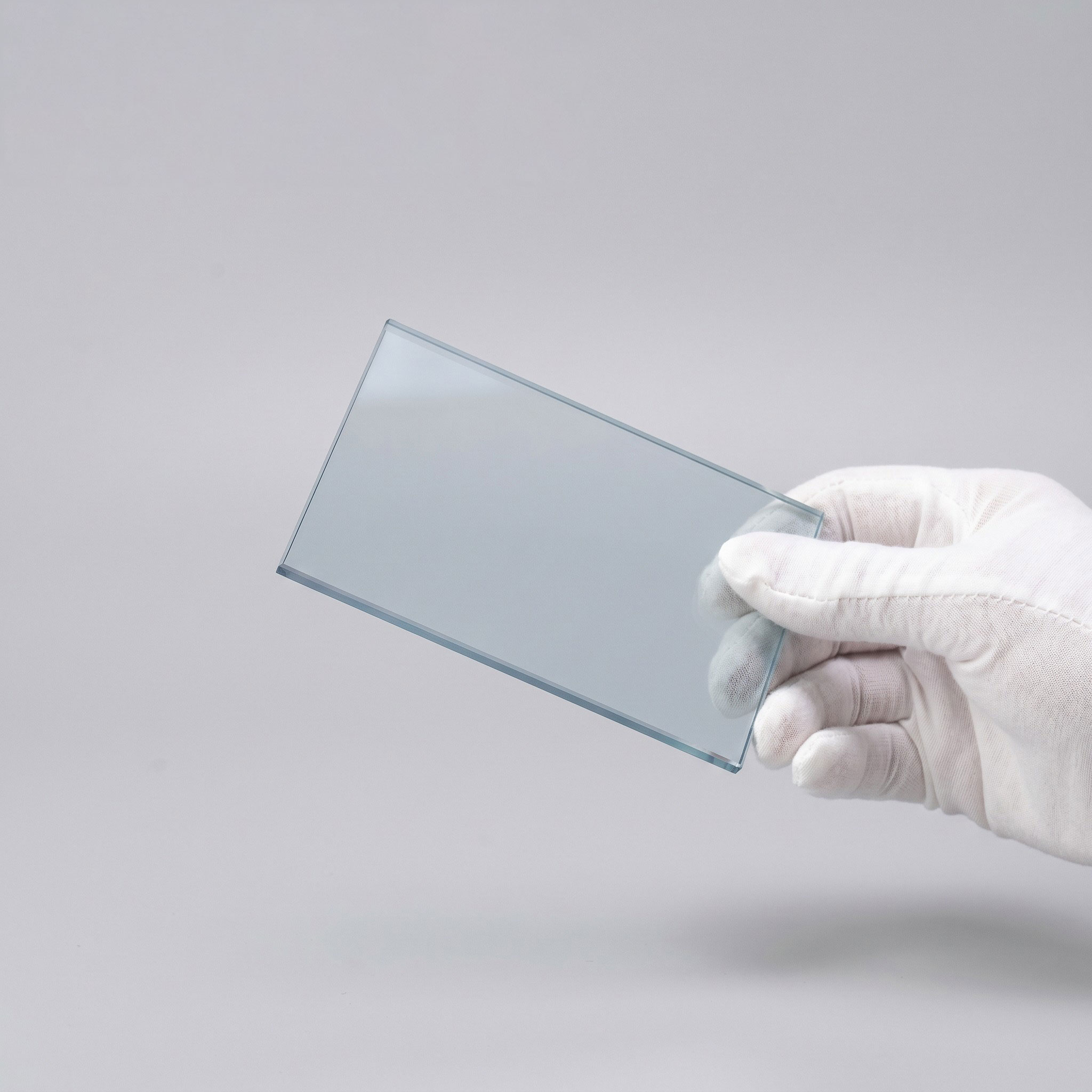
High Temperature Resistance Fluorine Doped Tin Oxide FTO Conductive Glass Solar Cell Substrate DSSC Perovskite Lab Research
FTO conductive glass for thin-film solar, DSSC, perovskite research and high-temperature conductive-substrate processes.
View productWhat Makes a Touch Screen Glass Supplier Truly “Top 10”?
A genuine top-10 shortlist is not a directory of trading companies. It is a set of evidence-backed capabilities: in-house glass processing, measurable optical performance, reliable tempering and curved forming, stable QC, engineering feedback and export documentation. For high-volume buyers, the cost of a failed coating batch, delayed sample or damaged shipment is far higher than a small unit-price difference. This is why serious procurement teams compare total qualified supply risk rather than the lowest quotation.
Evidence Before Ranking
Ask for factory video, verified assessment, measurement reports, sample history and packing validation. A supplier should prove capability, not only describe it.
In-House Surface Engineering
AR, AG, AF, ITO and FTO performance depends on process control. Outsourced coating adds handling risk, longer lead times and unclear responsibility.
Qualified Supply, Not Guesswork
The best exporter for touch glass aligns drawing tolerances, glass thickness, coating stack, packing and trade terms into one controlled production route.
The 10-Point Scorecard for Touch Screen Glass Exporters
Use this scorecard when comparing quotations from touch screen glass suppliers. It helps convert marketing claims into audit questions and measurable acceptance criteria.
Factory-Direct Model
Confirm whether cutting, CNC, printing, tempering, coating and packing are performed in-house or outsourced.
Optical Data
Request reflectance, transmittance, haze, gloss and contact-angle data against your wavelength or appearance target.
Thickness Range
Verify capability from thin 0.1 mm glass to heavy 19 mm panels, with flatness and edge-quality controls.
Curved Forming
For 2.5D or 3D cover glass, ask about forming tolerance, optical distortion and tooling lead time.
Strengthening
Tempered or chemically strengthened glass must be supported by process records and impact or stress validation.
Conductive Glass
ITO and FTO suppliers should specify sheet resistance, transmittance, haze and thermal stability in writing.
Quality Gates
Look for IQC, IPQC and FQC/OQC, plus 100% appearance inspection and defined release criteria.
Engineering Feedback
DFM review should flag tolerance conflicts, coating risk, cost drivers and assembly issues before sampling.
Sampling Speed
Rapid samples from 1–2 pieces reduce development cycles and reveal whether the supplier understands your drawing.
Export Readiness
Check incoterms, packaging, documentation, Trade Assurance support and response discipline.
Why KELO Glass Belongs on a Top-Tier Shortlist
Huizhou KELO Glass Co., Ltd. is a factory-direct manufacturer in Huizhou, Guangdong, inside China’s Greater Bay Area electronics supply chain. The company builds its position around advanced surface treatment and complete glass fabrication rather than trading. For buyers, that means one accountable supplier for touch screen cover glass, optical coated glass, conductive glass and custom tempered panels.
Every key step can run under one roof: cutting, CNC machining, edge polishing, laser engraving, silk-screen printing, sandblasting, flat and curved tempering, AR/AG/AF/ITO/FTO coating, 2.5D/3D forming and 3M adhesive bonding. This vertical control reduces handling damage, shortens corrective loops and makes lead-time commitments more reliable.
- Verified manufacturer, not a trader
- 0.1–19 mm thickness range
- Samples from 1–2 pieces
- Bulk lead time usually 21–31 days
- 100% appearance inspection
- OEM and ODM engineering support



One Factory, Critical Processes
Cutting, CNC, polishing, printing, tempering, coating, bending and bonding stay under one quality system.
Surface Treatment Core
AR, AG, AF, ITO and FTO technologies are engineered around measured optical and electrical targets.
Material Flexibility
Gorilla glass, borosilicate, quartz, sapphire, ceramic glass and laminated safety glass can be processed.
Three Inspection Gates
IQC, IPQC and FQC/OQC cover dimensions, appearance, coating adhesion, abrasion and packing.
Export Experience
FOB, CFR, CIF, EXW and DDP terms; T/T, L/C, PayPal and Western Union; Trade Assurance support.
Buyer Signals
Published profile signals include a 4.9/5 store rating, 98.18% reply rate and 6 years as a verified exporter.
Global Buyer Distribution
Export experience covers the documentation, packaging and incoterms that international buyers expect. The published market distribution is shown here as a procurement reference, not a guarantee of current order volume.
2025–2028 Touch Screen Glass Procurement Trends
Buyer behavior is shifting from “find the cheapest panel” to “secure a qualified, auditable supply route.” These trends should be written into RFQs and supplier scorecards now.
Consolidation Around Audited Suppliers
Procurement teams are reducing supplier count and asking for factory video, verified assessment, sample reports and traceable QC records.
Optical Specs as Contract KPIs
AR reflectance, AG haze, AF contact angle and ITO sheet resistance are moving from brochure claims to inspection criteria.
Faster Sampling Cycles
Brands want prototype iterations in days, not weeks. Suppliers that can ship 1–2 validated samples quickly gain an advantage.
Regional Risk Balancing
China plus regional warehousing and alternative logistics routes are being evaluated to protect launch schedules.
Conductive Glass Growth
Smart mirrors, touch sensors, EMI shielding, thin-film solar and research substrates are expanding ITO/FTO demand.
Total Landed Cost Focus
Breakage, rework, air freight and line stoppage now outweigh small piece-price savings in many awards.
Product Development Trends Shaping Touch Glass Specifications
Touch screen glass is becoming an active optical and electrical component, not a passive protective sheet. These development directions affect design, tooling and supplier selection.
Thin, Strong and Curved
Edge-to-edge industrial design continues to push chemically strengthened glass, 2.5D edges and 3D curved cover panels with controlled optical distortion.
Combined AR, AG and AF
Premium displays increasingly combine anti-reflection, anti-glare and anti-fingerprint functions on one substrate to balance clarity, readability and cleanability.
ITO/FTO Integration
Touch mirrors, smart home controls, solar substrates and sensor applications require transparent conductivity with defined resistance, transmittance and haze.
Gaming and Smart Surfaces
Tempered glass mouse pads, glide accessories, appliance panels and smart switch glass create new demand for print, texture and base bonding.
Touch Screen Glass Procurement FAQ
These are the questions procurement and engineering teams most often ask before placing a first sample or volume order for custom touch screen glass.
What is the minimum order quantity for custom cover glass?
What is the typical lead time for mass production?
What optical performance can AR coating achieve?
Should I choose ITO or FTO conductive glass?
What thickness, sizes and shapes can be produced?
Which trade terms and payment methods are accepted?
How is quality controlled before shipment?
Can I request OEM samples with my drawing and logo?
Have a Drawing, RFQ or Target Optical Specification?
Send your drawing, target coating performance, glass thickness, annual volume and destination. KELO Glass can review feasibility and recommend a practical touch screen glass route—cover glass, tempered display glass, AR/AG/AF coating, ITO/FTO conductive glass, 2.5D/3D forming or custom printing. Samples from 1–2 pieces are available for validation.