Touch Switch Glass Products Ready for RFQ
These are practical product starting points for buyers sourcing elevator control glass, appliance switch panels, bathroom mirror controls, solar display covers and conductive touch glass. Each item below preserves its original product link and factory image.
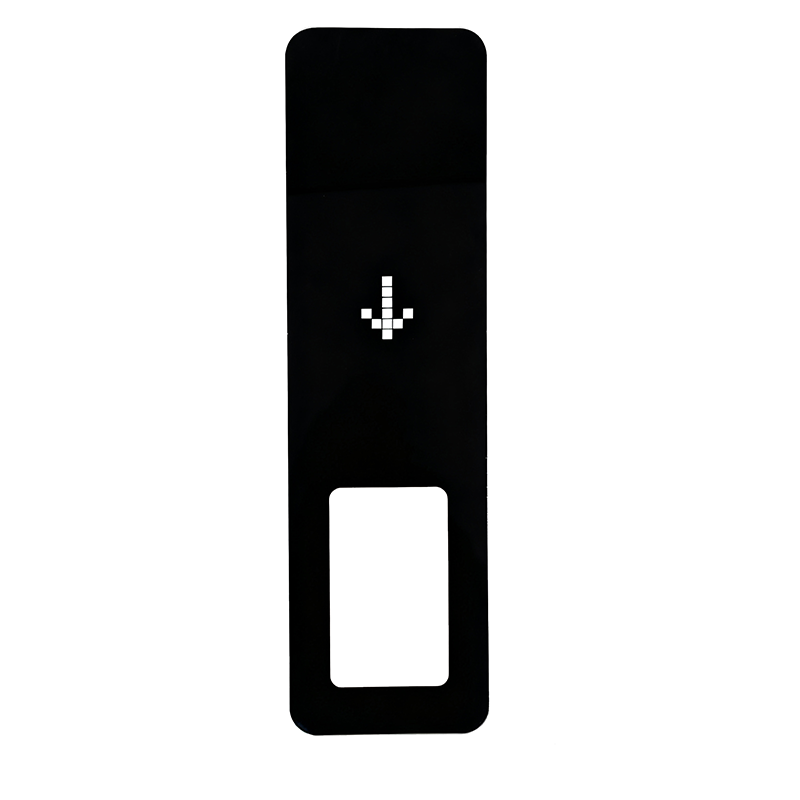
Customized Elevator Touch Switch Glass Panel
CNC-cut, silk-printed touch switch glass for elevator indicators and HMI control panels, with tempered glass and durable graphic printing.

Curved AR Tempered Glass for Bathroom Controls
Waterproof curved tempered glass with anti-reflective coating for bathroom touch panels, mirror controls and instrument display decoration.
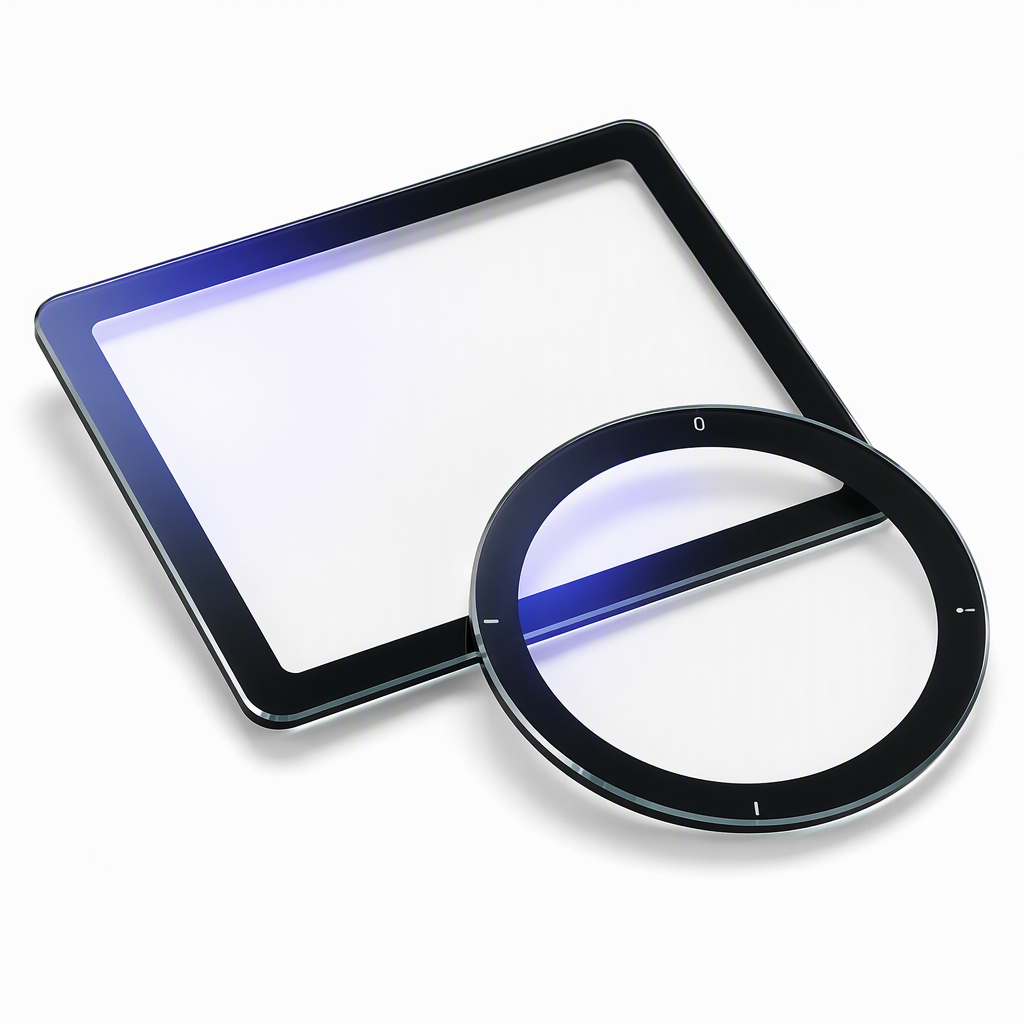
Low-Iron AR Tempered Display Cover Glass
Custom low-iron toughened glass with AR coating for display screen covers requiring true color, high clarity and factory supply customization.
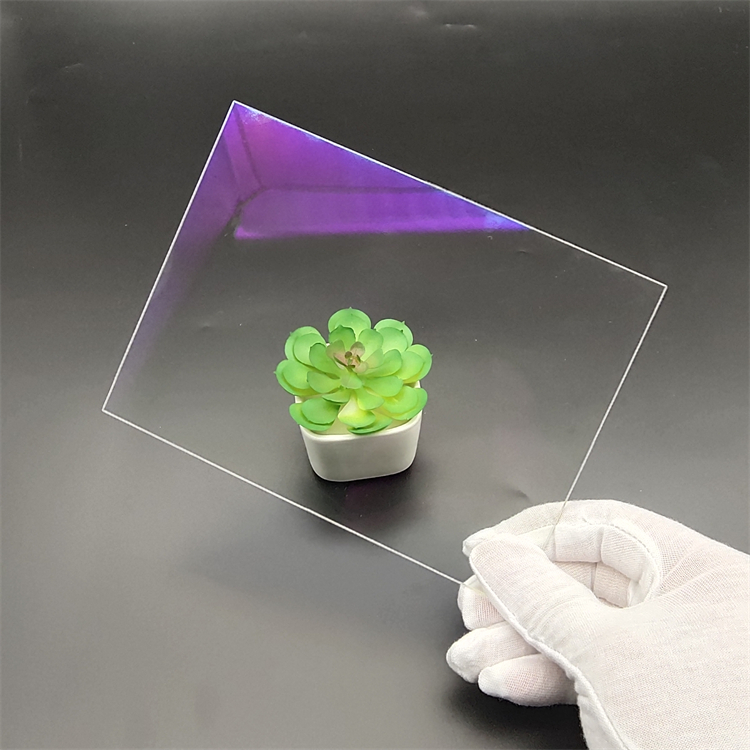
2 mm Ultra-Clear Double-Side AR Glass
Both-sides AR-coated 2 mm tempered glass for display screens, solar and lighting applications where solid structure and low reflection matter.
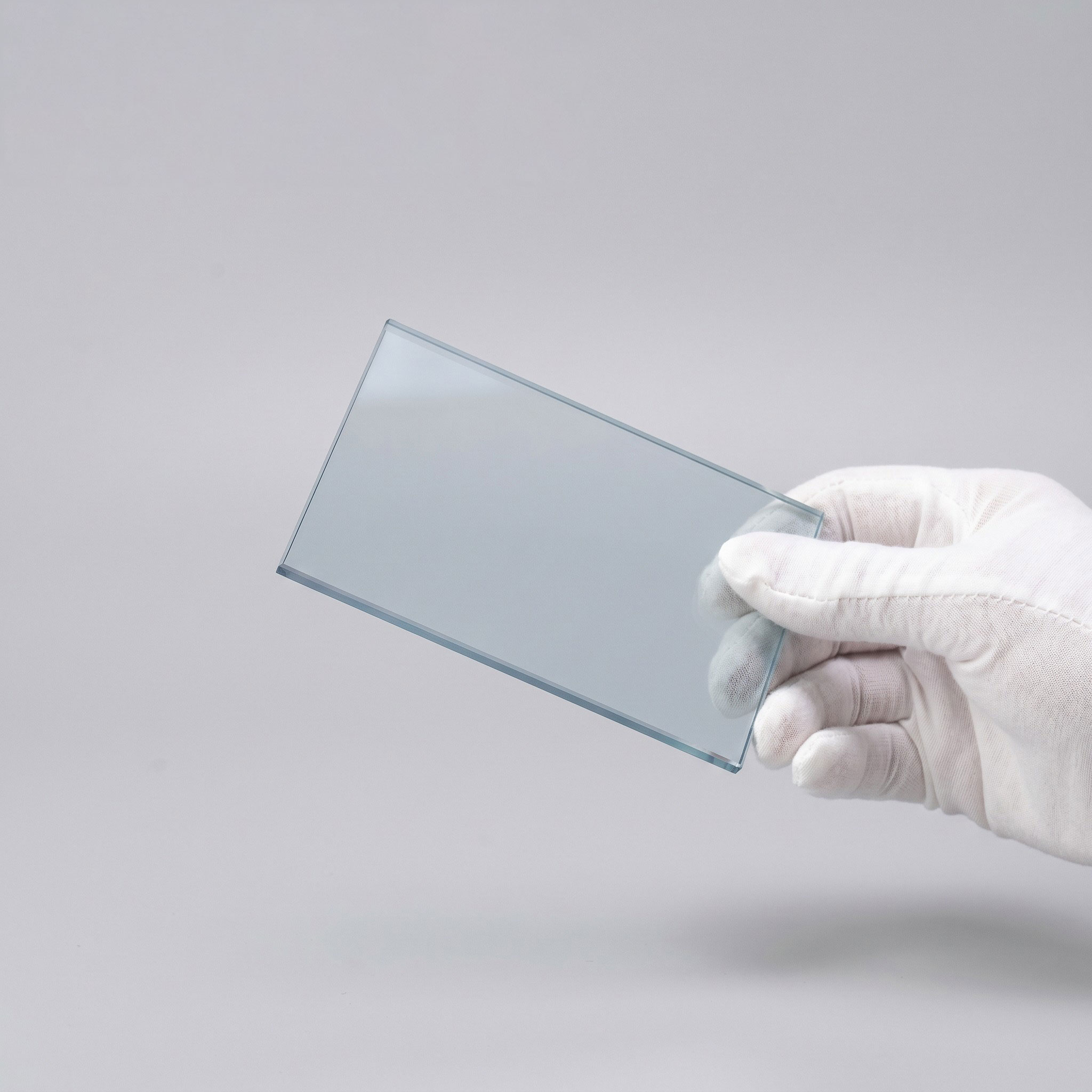
FTO Conductive Glass for Solar & High-Temperature Use
Fluorine-doped tin oxide conductive glass for thin-film solar cells, DSSC, perovskite research and high-temperature processes.
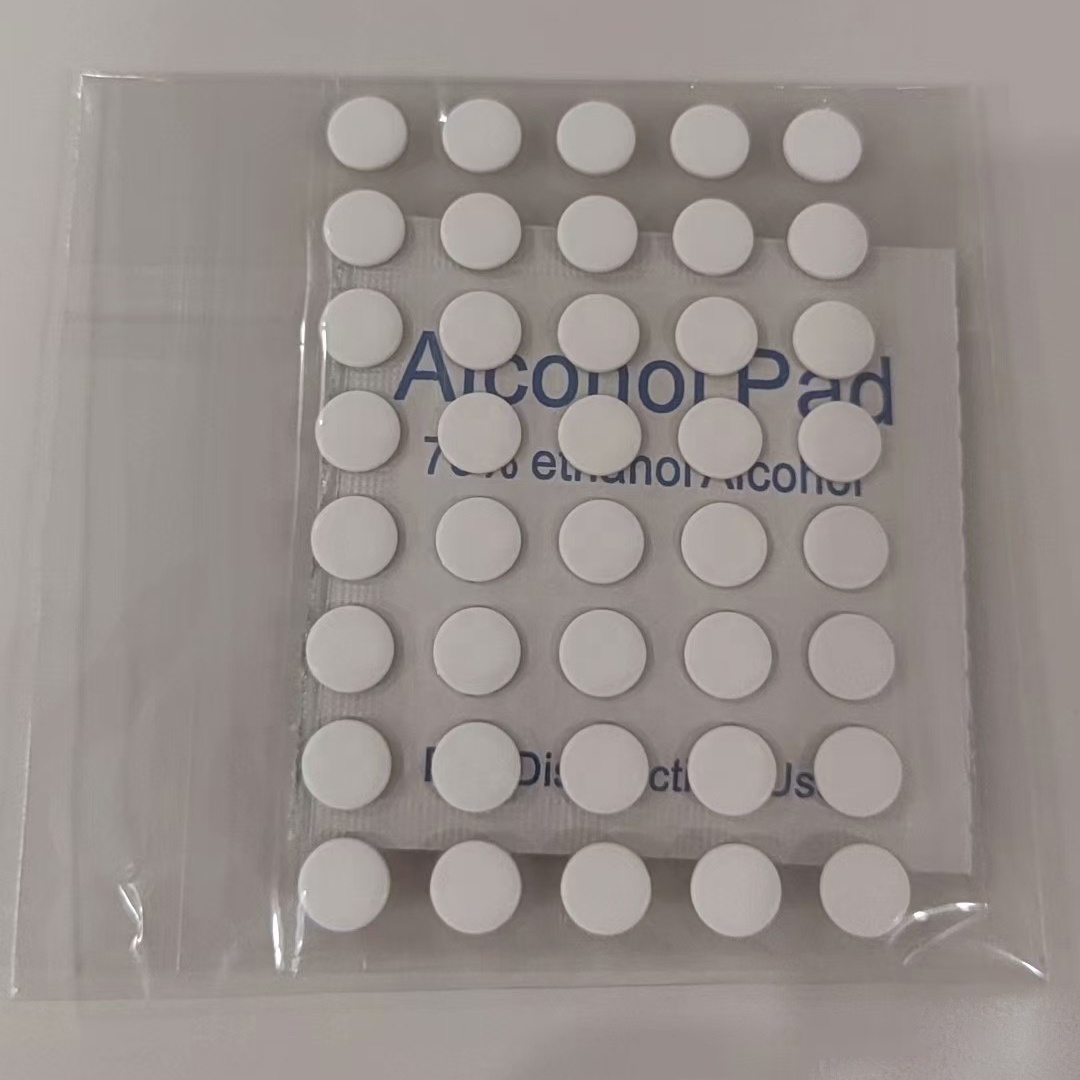
PTFE Round Gaming Mouse Skate Dots
Low-friction PTFE glide dots for gaming mouse skates, supporting smooth movement and custom peripheral accessory programs.
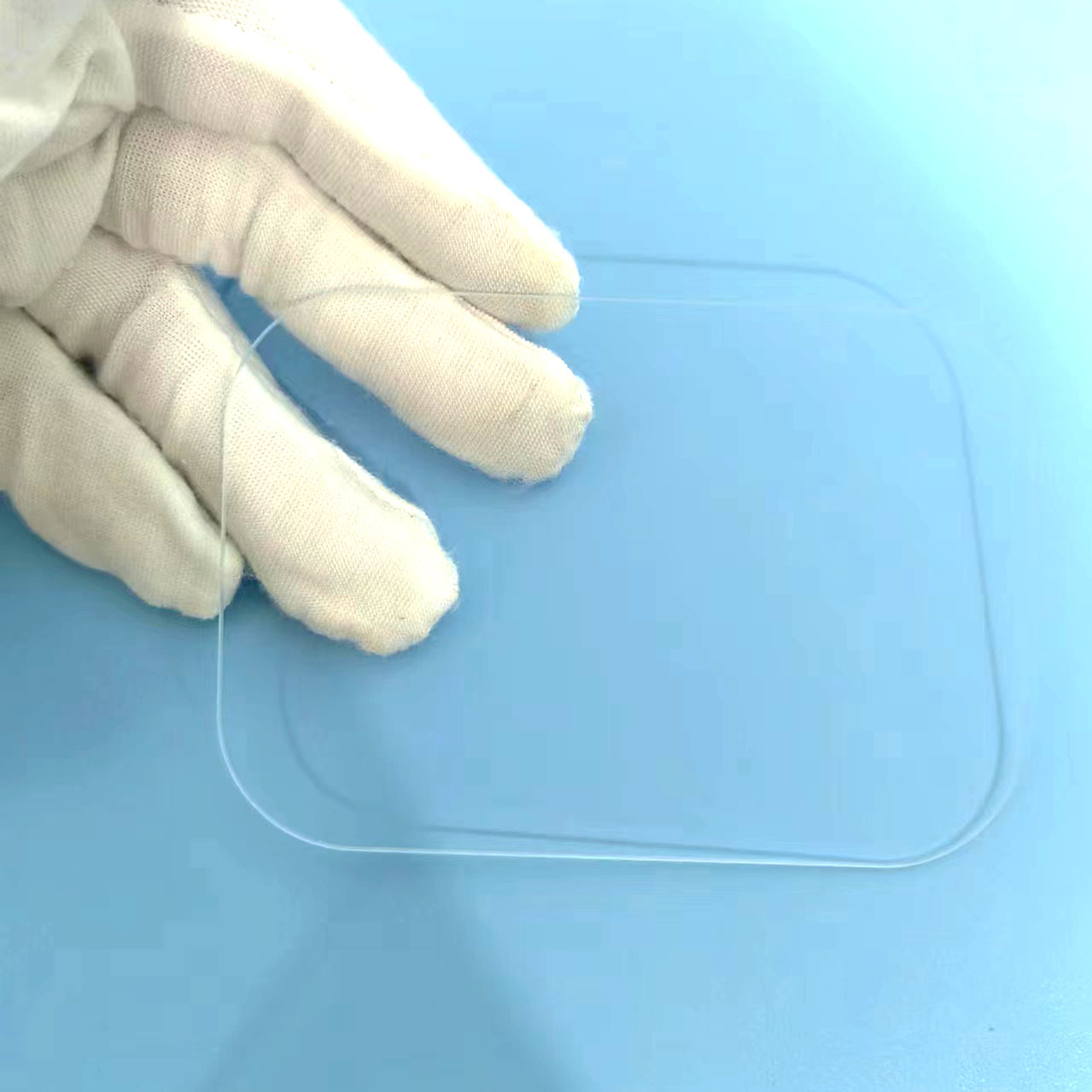
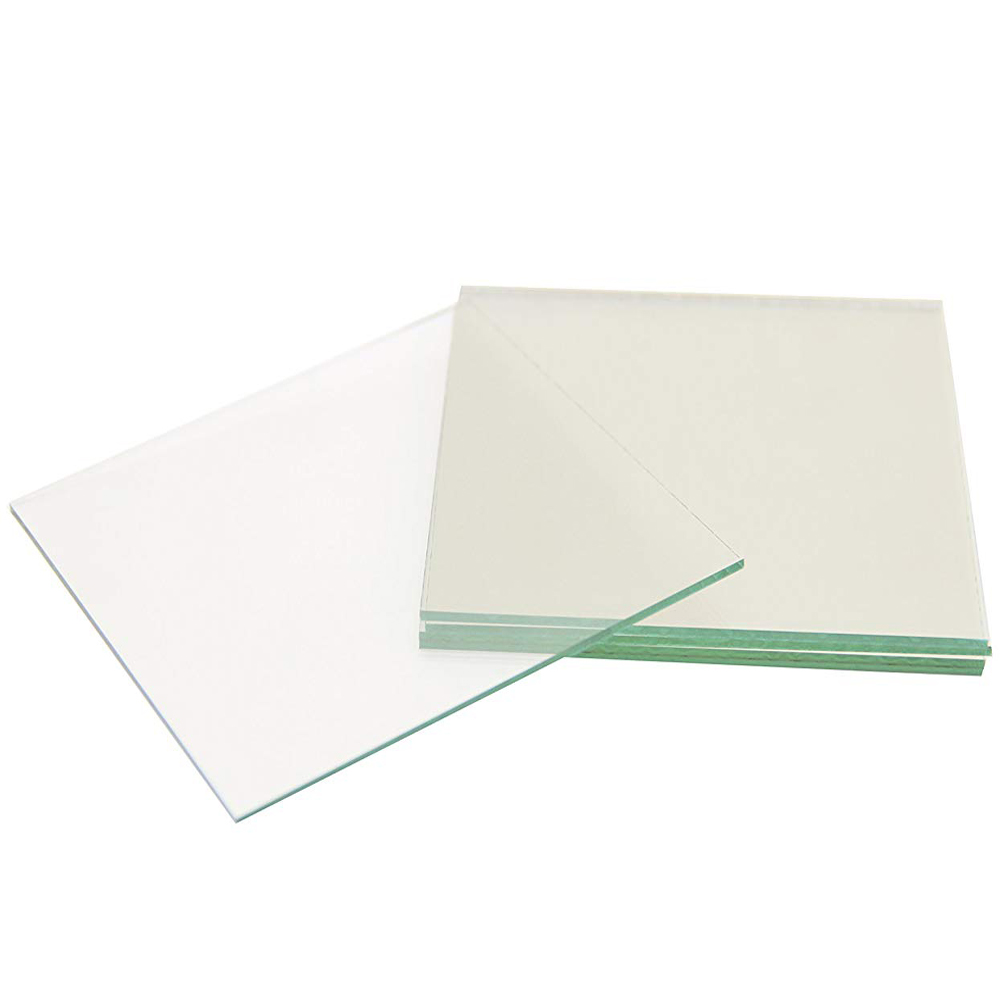
1.1 mm ITO Conductive Glass for Touch Mirrors
High-transmittance ITO-coated glass with CNC custom shape and polished edge for smart home touch mirrors and capacitive interfaces.
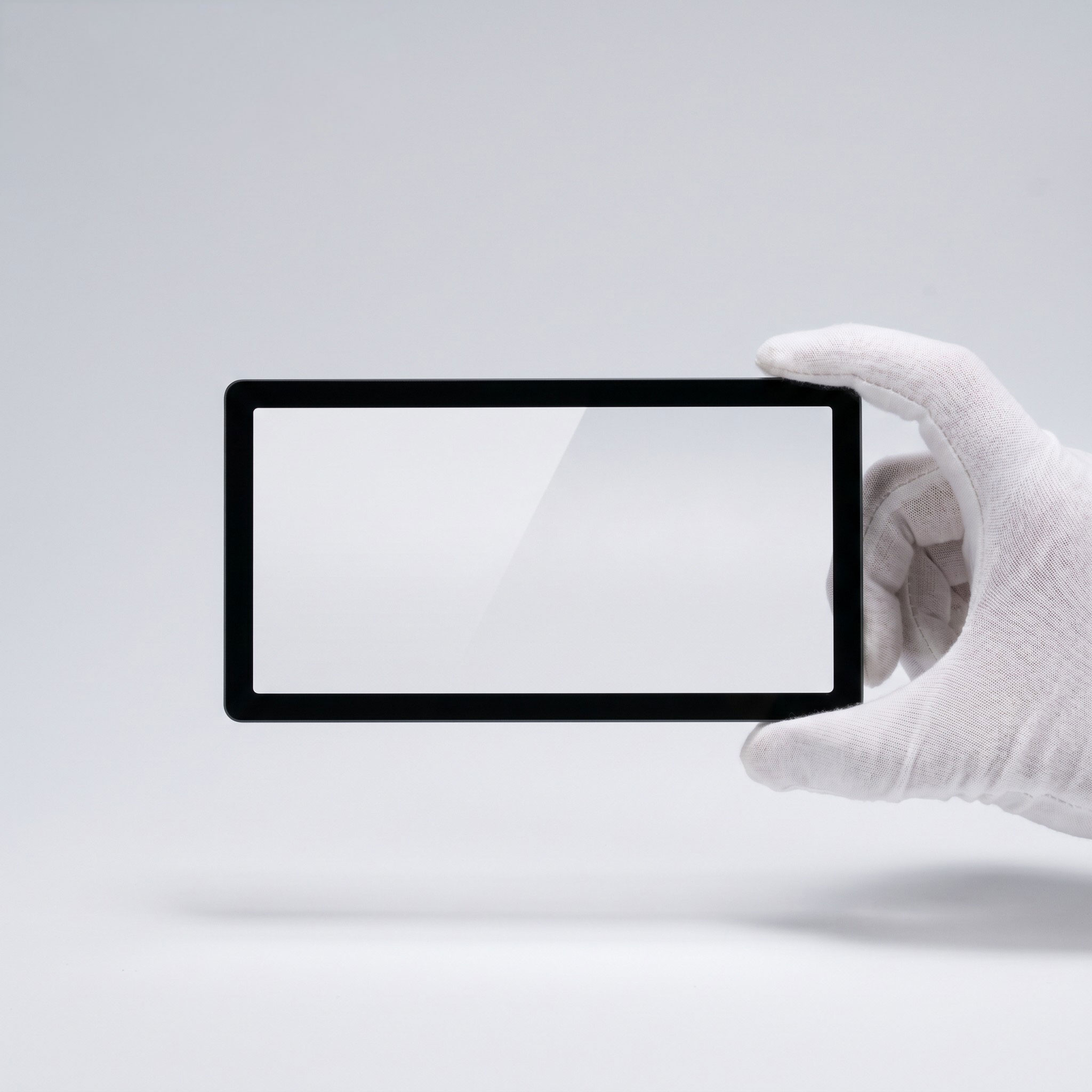
Custom Gorilla Glass Front Panel for Solar Display
CNC-cut, silk-printed tempered Gorilla glass front panel for solar display screens and custom cover-sheet applications.
Need to compare thickness, coating, printing and conductive options for a new touch switch panel? Send your drawing or target specification for an engineering review.
Inquire NowWhy the “Top 10” Shortlist Is Now a Technical Audit
Touch switch glass is no longer a commodity sheet. It is a multi-layer interface that combines optical performance, capacitive function, mechanical strength and cosmetic printing. A top-tier factory must show evidence across all four.
Purchasing teams are evaluating suppliers on total landed risk, not only unit price. A glass panel that fails after tempering, delaminates after repeated cleaning, or breaks in transit erases the savings of a low quote. The strongest exporters document incoming inspection, in-process control, final appearance checks and damage-proof packing before they ask a buyer to commit to volume.
The title Top 10 Touch Switch Glass Factories & Exporters should be read as a shortlist discipline. This whitepaper uses a 10-point scorecard. KELO Glass is included as a verified factory-direct benchmark because its cutting, CNC machining, edge polishing, silk-screen printing, tempering, coating, curved forming and adhesive bonding steps run in-house.
For serious B2B buyers, the useful information is specific: thickness capability, coating data, sample policy, lead time, trade terms and export verification. Those are the facts that separate a category page from a procurement tool — and they are the same facts Google rewards when content demonstrates first-hand expertise and information gain.
Use the benchmarks, recommendation matrix and FAQ below to build an RFQ pack. The goal is not to collect the most quotations; it is to shortlist factories that can prove repeatable optical, electrical, mechanical and cosmetic performance under one quality system.
Factory & Export Data Buyers Can Check
These figures reflect the supplied company profile and product capability data. Use them as RFQ anchors rather than vague marketing claims.
10 Checks That Separate Factories from Trading Companies
A real shortlist is built from verifiable capability. These ten checks give procurement teams a repeatable way to compare touch switch glass factories and exporters without relying on price alone.
Factory identity
Confirm business license, factory address, on-site verification, export history and buyer feedback. A rating matters only when linked to real transactions.
In-house coating
AR, AG, AF and ITO/FTO coating should be controlled under one roof. Outsourced coating adds handling damage, delays and weak traceability.
Substrate range
0.1–19 mm capability covers thin display covers through heavy-duty industrial windows. Check flatness, edge quality and yield at each thickness.
CNC & print precision
Holes, cut-outs, step edges, indicator windows, logos and silk-screen graphics must align. Request first-article reports and cosmetic standards.
Measured optics
AR reflectance below 1.0% per side, AG haze 5–60%, AF contact angle above 110° and durability beyond 10,000 cycles are practical anchors.
Conductive capability
ITO suits capacitive touch, displays and EMI shielding. FTO suits thin-film solar and high-temperature processes. Verify resistance, haze and transmittance.
Three-gate QC
IQC, IPQC and FQC/OQC should be defined. 100% appearance inspection plus adhesion, abrasion, impact and salt spray tests reduce launch risk.
Sampling speed
Samples from 1–2 pcs and fast DFM feedback shorten validation. The exporter should review your drawing, not merely quote a glass size.
Lead time & packing
A 21–31 day bulk lead time is realistic after sample approval. Honeycomb cartons, blister trays and partitions protect fragile glass in transit.
Trade protection
FOB, CFR, CIF, EXW and DDP terms; T/T, L/C, PayPal and Western Union payments. Confirm what is included in the landed cost.
Match the Glass to the Operating Environment
Start with the use condition, not the catalogue. The right coating stack protects readability, touch feel, cleaning performance and service life.
| Application | Recommended Glass | Proof to Request | Why It Matters |
|---|---|---|---|
| Outdoor touch switch or kiosk | AG, or AR+AG tempered glass | Haze 5–60%, gloss 0.5–8 GU, salt spray result | Diffuses sunlight and ambient reflections while keeping content readable. |
| High-touch smart home, appliance or bathroom panel | AF, or AG+AF | Contact angle >110°, >10,000 cycles, adhesion test | Resists fingerprints, oils and repeated cleaning for a cleaner interface. |
| High-clarity display window, medical or automotive | AR single- or multi-layer | R <1.0% per side, T >99% across 400–700 nm | Protects contrast and reduces ghost reflections from strong light sources. |
| Capacitive touch sensor or EMI shielding | ITO conductive glass | 1–20 Ω/sq, T >85%, haze <2% | Combines transparency with stable electrical conductivity. |
| Thin-film solar or high-temperature process | FTO conductive glass | Sheet resistance, thermal stability, haze | Offers stronger thermal and chemical stability than standard ITO in many processes. |
| Curved or edge-to-edge industrial design | 2.5D / 3D chemically strengthened glass | Bend tolerance, optical distortion, impact test | Delivers seamless assembly without sacrificing strength or cosmetic quality. |
Future Procurement Trends 2025–2030
Buyers are moving from transactional purchasing to supplier qualification. The next five years will reward factories that can document process control, not just promise quality.
Performance-based RFQs
Buyers will specify reflectance, haze, contact angle, sheet resistance and durability instead of quoting only thickness and size. This makes supplier comparison more objective and lowers validation risk.
Verified factory data
On-site verification, export history, transaction records and buyer reviews will carry more weight than marketplace badges alone. Procurement teams want evidence that the production process exists.
Dual sourcing & buffer stock
Glass is fragile and custom. Buyers will qualify a primary and backup supplier, then plan safety stock around coating, curved forming and international freight lead times.
Low-MOQ sampling
Custom printing, coating and curved glass require physical validation. Suppliers that support 1–2 pc samples and fast DFM feedback will win more new product introductions.
Packaging as landed cost
Honeycomb cartons, blister trays and partition packing are not secondary details. Transit damage directly changes total cost, so packaging design will be audited alongside glass quality.
Batch-level traceability
Coating adhesion, tempering strength and printing appearance should be tied to production records. Buyers will increasingly request batch-level QC documentation before release.
Touch Switch Glass Development Trends
Product development is moving toward functional integration. The glass surface now carries optics, touch sensing, decoration and protection at the same time.
Multi-functional optical stacks
AR+AG and AG+AF combinations allow one substrate to deliver low reflection, glare control and easy cleaning. Buyers should specify each layer’s measurable performance.
2.5D and 3D curved glass
Curved cover glass supports edge-to-edge industrial design in automotive consoles, smart home panels and appliance fascias. Forming precision and optical distortion are key acceptance criteria.
Conductive glass integration
ITO and FTO conductive glass turn a passive cover into an active interface. Applications range from capacitive touch sensors and EMI shielding to solar cell substrates and laboratory research.
Specialty & thinner materials
0.1–19 mm processing covers ultra-thin covers and heavy-duty windows. Gorilla, borosilicate, quartz, sapphire, ceramic, lead shielding and laminated safety glass expand application fit.
KELO Glass as a Factory-Direct Benchmark
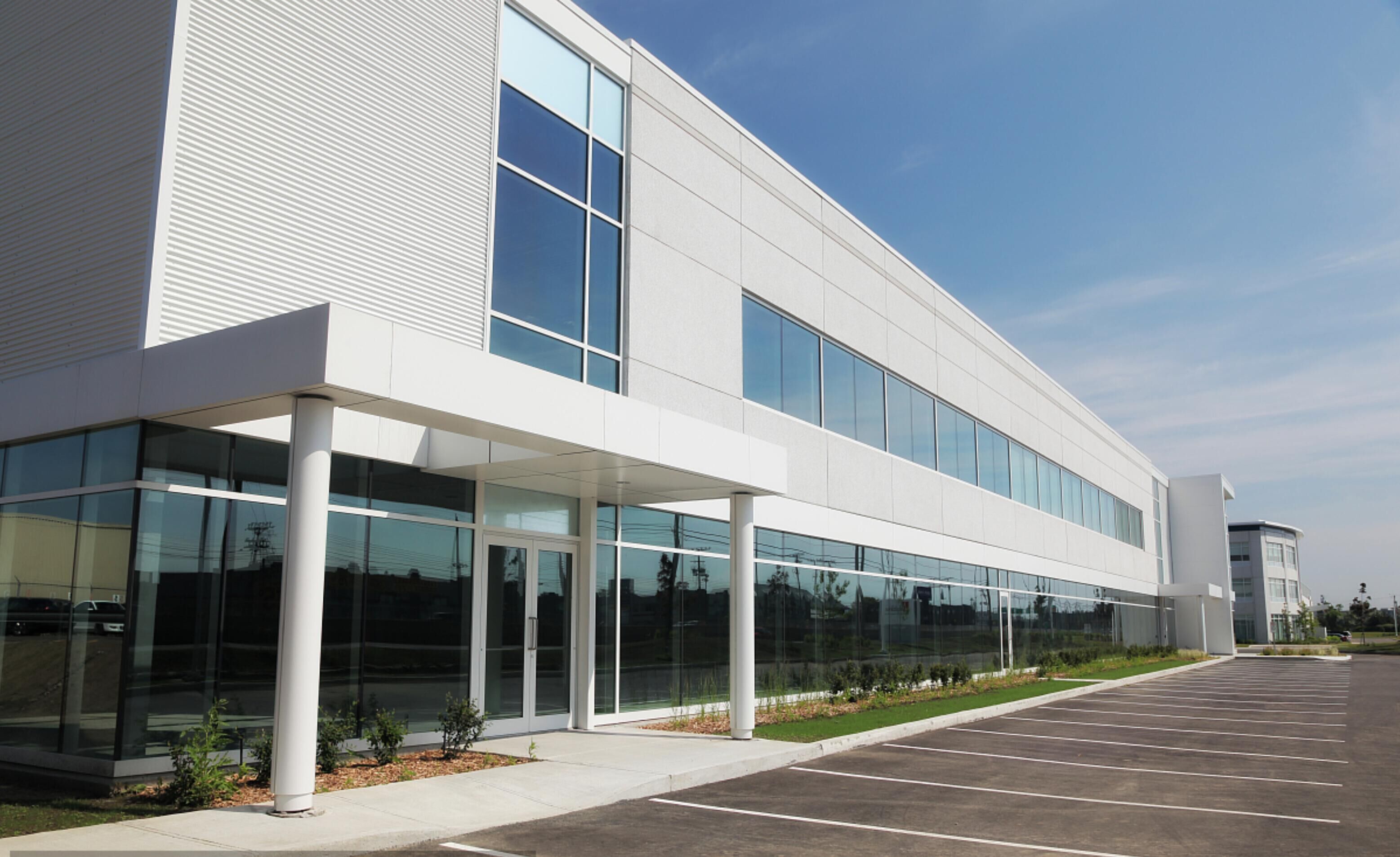
Huizhou KELO Glass Co., Ltd. is a factory-direct manufacturer in Huizhou, Guangdong, inside the Greater Bay Area electronics supply chain. The company manufactures touch screen cover glass, display cover glass and optical coated glass, with surface treatment as its core technology.
The supplied company profile shows 10k–30k m² of factory space, 101–200 employees, 21–30 R&D engineers, 20–25M pcs/year touch cover glass capacity and US$50–100M annual output value. That scale matters because custom touch switch glass projects require engineering review, sample iteration, coating control and reliable mass production under one quality system.
Because cutting, water-jet cutting, CNC machining, edge polishing, laser engraving, silk-screen printing, sandblasting, flat and curved tempering, AR/AG/AF/ITO/FTO coating, 2.5D/3D curved forming, 3M adhesive bonding and final inspection are handled in-house, KELO compresses the feedback loop between drawing review and a validated sample. Sample orders can start from 1–2 pcs; bulk lead time is typically 21–31 days after sample approval.
Quality is controlled through IQC, IPQC and FQC/OQC, with 100% appearance checking, tempering and strength tests, coating adhesion and abrasion checks, salt spray testing and custom honeycomb, blister and partition packing. The company has 6 years of verified exporter status on Alibaba.com, a 4.9/5 store rating, a 98.18% reply rate and Trade Assurance support.
- Verified manufacturer, not a trader
- In-house optical coating
- 0.1–19 mm thickness range
- 2.5D / 3D curved forming
- 1–2 pc samples for validation
- 21–31 day bulk lead time
Export Market Distribution
Trade terms include FOB, CFR, CIF, EXW and DDP; payment methods include T/T, L/C, PayPal and Western Union. Orders placed through Alibaba.com can be protected by Trade Assurance. Specialty materials processed include Gorilla glass, borosilicate glass, quartz glass, sapphire glass, ceramic glass, lead shielding glass and laminated safety glass.


Touch Switch Glass Sourcing FAQ
Practical answers for procurement teams comparing touch switch glass factories and exporters.
What is touch switch glass, and how is it different from ordinary tempered glass?
Touch switch glass is a cover glass used over capacitive switch arrays, indicators or HMI displays. It is usually tempered or chemically strengthened, then printed, coated and sometimes curved. Unlike a plain glass sheet, it must preserve optical clarity, support touch sensitivity, hide internal electronics and survive repeated cleaning.
Should I specify AR, AG, AF or a combined coating?
Choose AR when maximum clarity and low reflection are required. Choose AG for outdoor or high-brightness environments where glare must be diffused. Choose AF for high-touch surfaces that collect fingerprints and oils. Combined AR+AG or AG+AF coatings are common for premium touch switch and display panels. Always request measured reflectance, haze, gloss and contact angle values.
What sample quantity and MOQ are realistic for custom glass?
Sample orders from 1–2 pcs are realistic for validating fit, optics, printing and coating performance before committing to volume. Bulk MOQ is quoted per drawing because size, coating stack, curved forming and printing complexity affect tooling, yield and production planning.
What lead time should I plan for in 2025–2030?
Bulk lead time is typically 21–31 days after sample approval. Add time for drawing review, physical samples, coating validation and international freight. Complex 3D forming, multi-layer printing or specialty materials may require additional production time.
Which thicknesses, shapes and materials can be processed?
Glass thickness ranges from 0.1 mm to 19 mm. Size, shape, holes, cut-outs, polished edges, color, logo printing, 2.5D/3D curved forming and 3M adhesive bonding are customized to your drawing or sample. Specialty materials can include Gorilla glass, borosilicate glass, quartz glass, sapphire glass, ceramic glass, lead shielding glass and laminated safety glass.
Should I choose ITO or FTO conductive glass?
ITO glass is commonly used for capacitive touch sensors, displays and EMI shielding. FTO glass offers better thermal and chemical stability, which makes it a frequent choice for thin-film solar cells and high-temperature processes. Both are available with sheet resistance of 1–20 Ω/sq, transmittance above 85% and haze below 2%.
How can I verify a factory before placing an order?
Check the factory address, on-site verification report, export history, buyer reviews, transaction level and trade records. Ask for evidence of in-house cutting, CNC, printing, tempering, coating and QC. Request first-article samples and agree on inspection criteria before mass production.
How is glass packed, and which trade terms are available?
Custom honeycomb cartons, blister trays and partition packing minimize transit damage. Trade terms include FOB, CFR, CIF, EXW and DDP; payment methods include T/T, L/C, PayPal and Western Union. Orders placed through Alibaba.com can be protected by Trade Assurance.
Send Your Drawing, Target Coating and Annual Volume
Share your touch switch glass drawing, operating environment, target optical or conductive performance and estimated order volume. The team can review feasibility, recommend a glass stack and quote samples, tooling or mass production.
Email: info@keloglass.com · Huizhou KELO Glass Co., Ltd. · Huizhou, Guangdong, China