Top China Coated Glass Supplier & Exporter
Specify AR, AG, AF, ITO/FTO and custom cover glass with in-house coating, CNC, tempering, printing and 100% appearance inspection — engineered for global OEMs, distributors and brand owners.
8 RFQ-Ready Coated Glass Products for Global Buyers
These eight product lines cover the most common buyer intents we see from procurement teams: anti-reflective display glass, anti-glare protection, anti-fingerprint touch surfaces, transparent conductive glass, custom Gorilla glass front panels and high-temperature FTO substrates. Each link opens the live product specification page so your engineering team can compare dimensions, coatings and application fit.
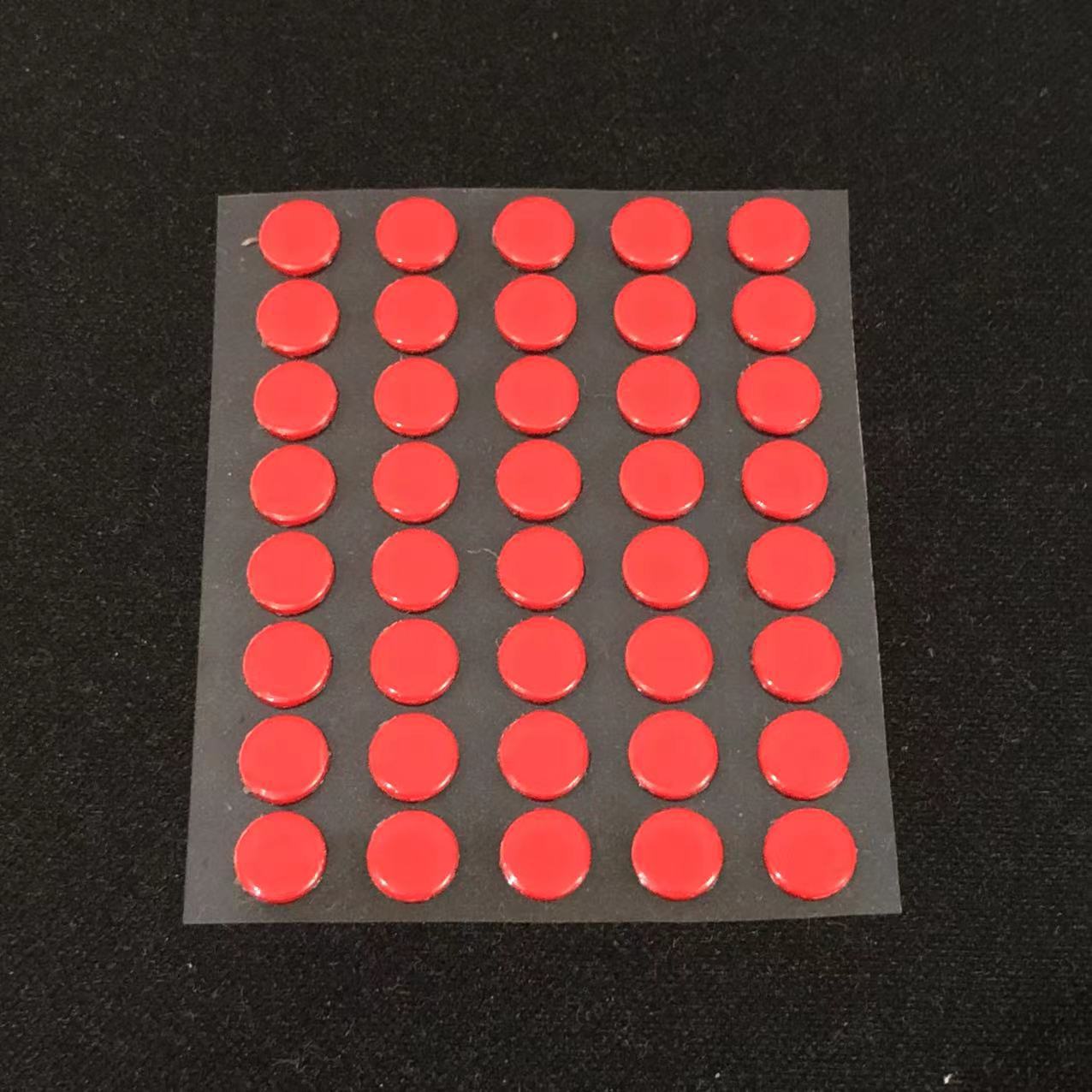
Round Red PTFE Mouse Skates
Factory-price small-dot PTFE mouse feet for universal glass mouse pads, with low friction, stable glide and OEM packaging support.

98% Transmittance AR Glass
Anti-reflective coated glass for museum showcases and luxury picture frames, available from 1 mm to 19 mm with low reflectance.
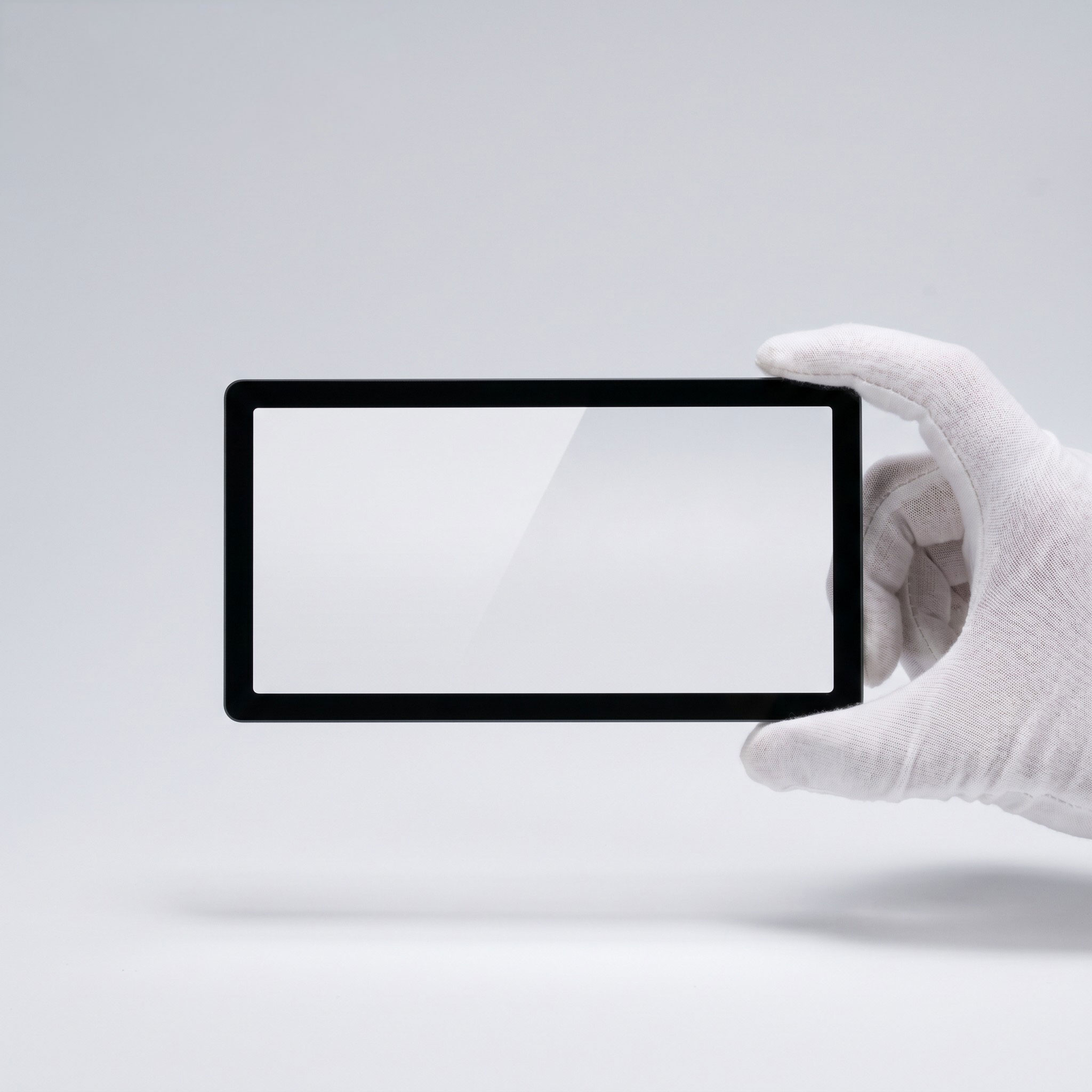
Custom Gorilla Glass Front Panel
CNC-cut, silk-printed and tempered Gorilla glass cover sheets for solar displays, Panda-style front panels and screen covers.
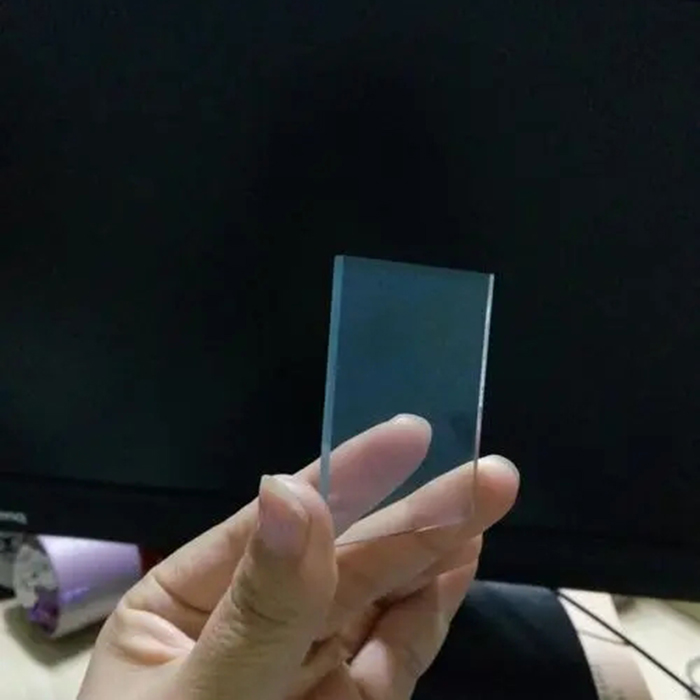
ITO & FTO Conductive Glass
Solid flat square conductive glass, 1.1/2.2 mm, for lighting, touch sensors, transparent electrodes and EMI shielding.
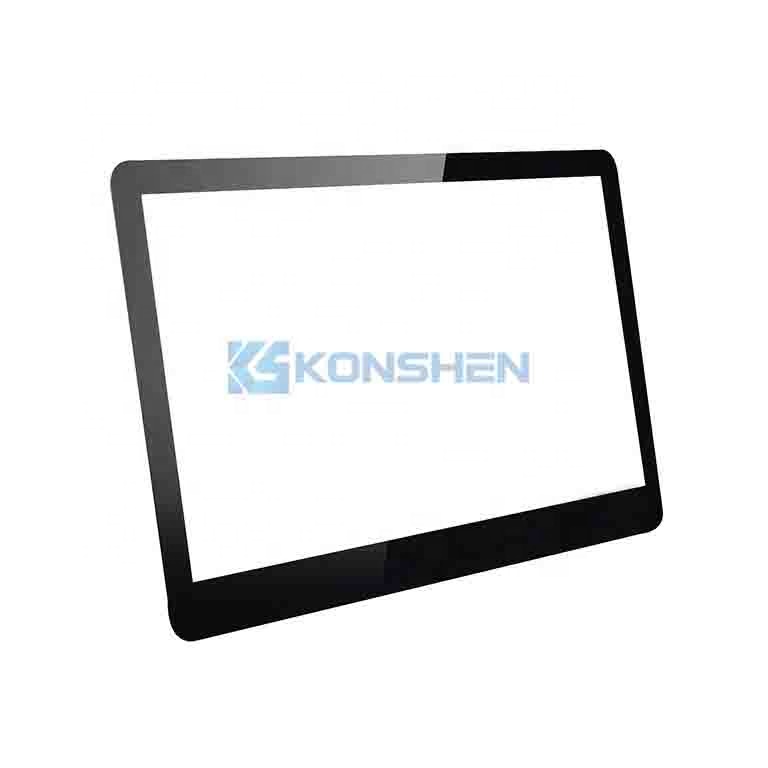
Anti-Glare LCD Cover Glass
2/3 mm chemically tempered AG glass with European-style silk printing for touch screens, kiosks and control panels.

Smart Elevator Touch Panel Glass
Custom-cut, arrow-printed control glass for elevator indicators and smart touch interfaces with durable tempered surfaces.
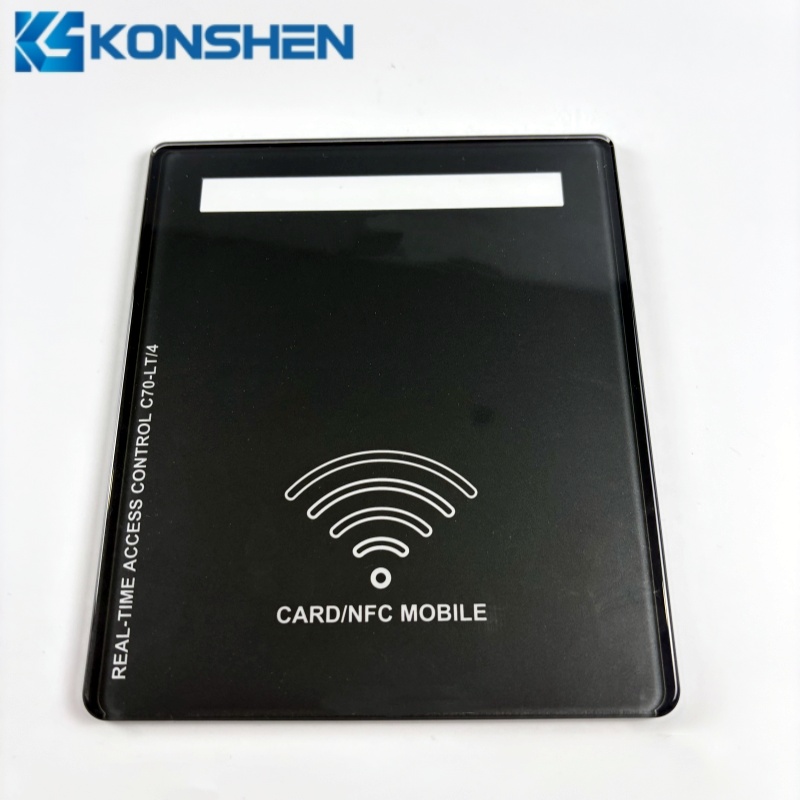
NFC Tempered Glass Switch Panel
5 mm tempered, silkscreen-printed NFC access-card cover glass for switches, display lenses and smart control surfaces.
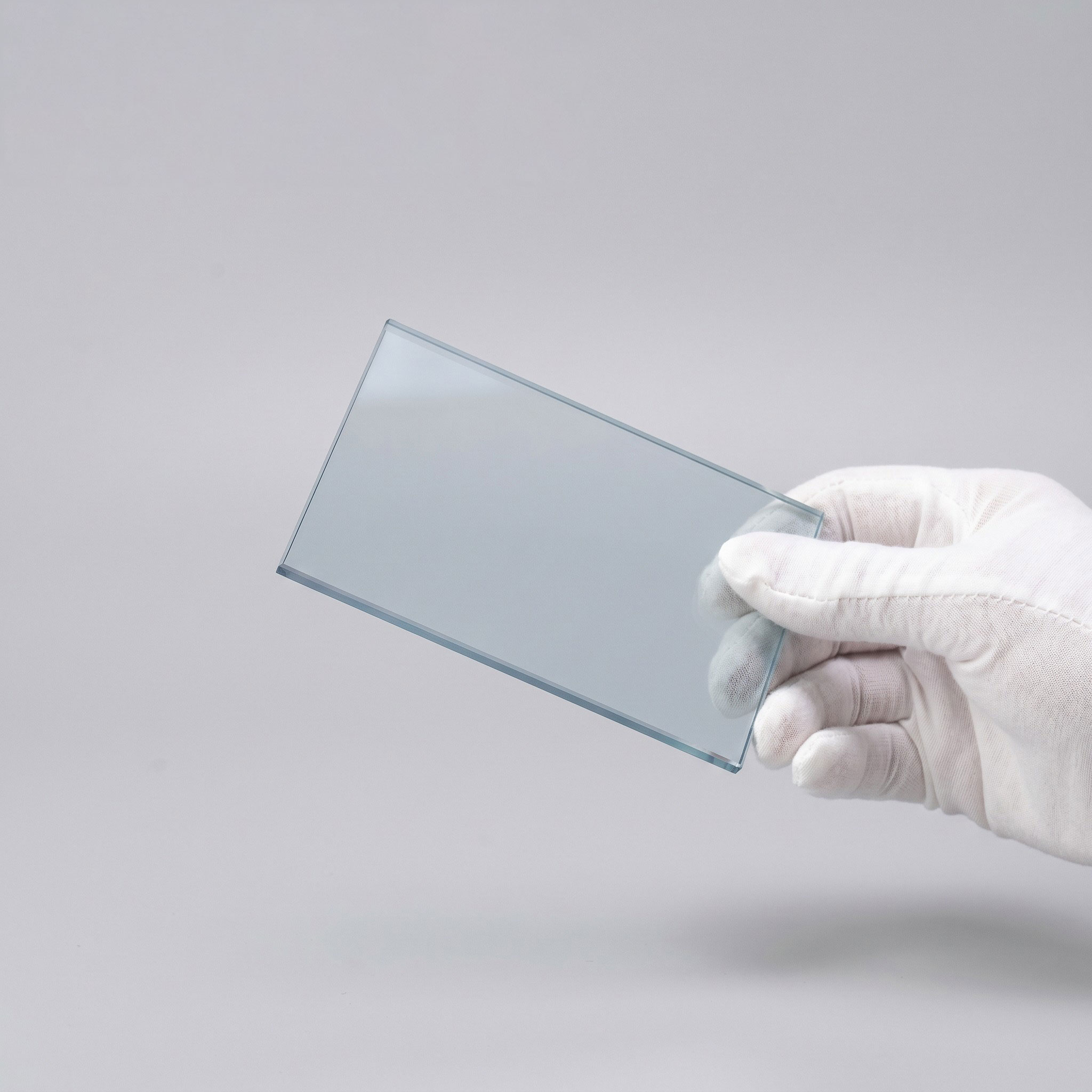
High-Temperature FTO Solar Glass
Fluorine-doped tin oxide conductive glass for DSSC, perovskite, thin-film solar and laboratory research applications.
A China Coated Glass Supplier Built for Specification-Led Procurement
In coated glass, the supplier is part of the product specification. A coating stack that looks identical in a catalogue can differ in reflectance, haze, adhesion, hardness, thermal stability and long-term weather resistance. For buyers sourcing from China, the real question is not simply “Who has the lowest price?” but “Who can hold my optical and electrical tolerances in mass production, provide evidence, and respond when the drawing changes?”
Huizhou KELO Glass Co., Ltd. is a factory-direct China coated glass supplier and exporter located in Huizhou, Guangdong, inside the Greater Bay Area electronics supply chain. The company produces touch screen cover glass, display cover glass and optical coated glass, with advanced surface treatment as its core technology. Cutting, CNC machining, edge polishing, laser engraving, silk-screen printing, sandblasting, flat and curved tempering, AR/AG/AF/ITO coating, 2.5D/3D forming and 3M adhesive bonding are handled in-house. That vertical integration reduces handling damage, shortens communication loops and gives buyers one accountable process owner from raw sheet to packed carton.
For procurement teams, the practical value is verified capacity rather than sales language: a 10,000–30,000 m² factory floor, 20–25 million pieces per year of touch cover glass capacity, 101–200 employees on site, 21–30 R&D engineers, annual output value of US$50–100 million and a typical response time within one hour. The supplier has also built a six-year verified exporter profile, a 4.9/5 store rating, a 98.18% reply rate and Trade Assurance support. This guide is written from those production-floor and export-project realities, so it can be used as a due-diligence checklist rather than a simple catalogue page.
Coated Glass Procurement Trends Buyers Should Plan For
Price-only sourcing is giving way to specification-led supplier qualification. The next procurement cycle will reward buyers who compare coating performance, process control, documentation and supply continuity — not just quoted unit price.
Verification before quotation
Buyers now ask for factory verification, DFM feedback, coating test data and inspection gates before releasing an RFQ. A supplier that cannot show IQC, IPQC and FQC records creates hidden risk when cosmetics or optical specs tighten.
One process owner
Outsourcing coating, printing, tempering or curved forming separately increases handling damage and finger-pointing. A factory that owns the full route can control tolerances, protect lead times and keep the approved sample aligned with volume output.
Performance per square metre
Price comparison is moving from “cost per piece” to “qualified cost per square metre”. Reflectance below 1.0% per side, haze control from 5–60%, contact angle above 110° and sheet resistance from 1–20 Ω/sq change the true value of a quote.
Low-MOQ validation, then ramp
Brand owners and distributors increasingly validate with 1–2 sample pieces before mass production. They also plan landed cost early, comparing FOB, CFR, CIF, EXW and DDP terms, protective packing and Trade Assurance protection before committing volume.
Product and Technology Development Trends in Coated Glass
Coated glass is becoming less of a passive cover and more of an engineered interface. The strongest suppliers will combine optical coating, conductive layers, curved forming, printing and assembly support in one controlled process.
Multi-functional coating stacks
AR+AG and AG+AF combinations are increasingly requested for automotive, outdoor kiosks and high-touch appliances. Buyers want one substrate to deliver low reflection, glare diffusion and easy cleaning without compromising cosmetic grade.
2.5D and 3D cover integration
Edge-to-edge industrial HMI, smart-home panels and automotive displays are driving demand for curved, chemically strengthened cover glass. Forming, printing, coating and adhesive bonding must be engineered together to avoid fit and optical issues.
Conductive glass for sensors and solar
ITO remains the mainstream choice for capacitive touch sensors and EMI shielding, while FTO is preferred for thin-film solar, DSSC, perovskite and high-temperature processes. Both require controlled sheet resistance, transmittance and haze.
Traceability and transit protection
Optical glass can be damaged by poor packing even when the coating is correct. Custom honeycomb cartons, blister trays and partition packing are becoming part of the quality specification, especially for export orders with multiple handling points.
Why KELO Glass Qualifies as a Factory-Direct Partner
The strongest buying decision is based on capability evidence. KELO’s advantage is not a single machine or a single coating type; it is the ability to keep critical processes, engineering review and quality release under one roof.

In-house process chain from raw glass to protective packing
Every key step is controlled internally: cutting and water-jet cutting, CNC machining and drilling, edge polishing, laser engraving, silk-screen printing, sandblasting and frosting, flat and curved tempering, AR/AG/AF/ITO coating, 2.5D/3D forming and 3M adhesive bonding. Specialty materials include Gorilla glass, borosilicate glass, quartz glass, sapphire glass, ceramic glass, lead shielding glass and laminated safety glass.
- Verified manufacturer, not a trading intermediary
- Engineering drawing review and DFM feedback before quotation
- Rapid prototyping from 1–2 pieces, then stable volume production
- 100% appearance inspection plus tempering, adhesion, abrasion and salt-spray testing
Surface engineering expertise
AR reflectance below 1.0% per side, transmittance above 99%, AG haze from 5–60%, gloss from 0.5–8 GU, AF contact angle above 110° and conductive glass from 1–20 Ω/sq give your RFQ measurable targets.
Custom size, shape and thickness
Glass thickness ranges from 0.1 mm to 19 mm. Size, holes, color, logo printing, 2.5D/3D forming and adhesive bonding are produced to your drawing or sample, with samples from 1–2 pieces for validation.
Export-ready communication
Typical response time within one hour, 21–31 day mass production lead time after sample approval, and support for FOB, CFR, CIF, EXW and DDP terms help international buyers plan cash flow and delivery.
Order protection and credit profile
Alibaba Trade Assurance, a 4.9/5 store rating, a 98.18% reply rate and verified trade history provide independent trust signals before a buyer places a first production order.
Coated Glass Performance Matrix for RFQ and Drawing Notes
Use this matrix to align engineering, purchasing and quality teams before requesting a price. Final targets should always be confirmed against your drawing during engineering review, because substrate thickness, printed area and end-use environment can change the process window.
| Coating / Glass | Key performance window | Best-fit applications |
|---|---|---|
| AR anti-reflective | Reflectance <1.0% per side · Transmittance >99% from 400–700 nm · single or multi-layer design | Automotive touch displays, medical monitors, museum showcases, luxury picture frames |
| AG anti-glare | Controllable haze 5–60% · Gloss 0.5–8 GU · acid-etched or coated options | Outdoor kiosks, industrial HMI, sunlight-readable screens, in-vehicle interfaces |
| AF anti-fingerprint | Water contact angle >110° · Pencil hardness >3H · transmittance >98% · durability >10,000 cycles | Touch control panels, smart home appliances, switch and socket glass |
| ITO conductive | Sheet resistance 1–20 Ω/sq · Transmittance >85% · Haze <2% | Capacitive touch sensors, displays, EMI shielding, transparent electrodes |
| FTO conductive | Sheet resistance 1–20 Ω/sq · Transmittance >85% · Haze <2% · strong thermal and chemical stability | Thin-film solar cells, DSSC, perovskite research, high-temperature processing |
| Combined stacks | AR+AG or AG+AF on one substrate · cosmetic grade available to 60/40 scratch-dig | Premium automotive touch interfaces, outdoor displays and high-end appliance panels |
Values shown are typical production capability, not a universal guarantee for every size, thickness or printed area. Share your drawing, annual volume and operating environment so our engineers can recommend a validated specification.
Where Coated Glass Performance Matters Most
Buyer intent becomes clearer when the application is specific. These four application clusters account for a large share of coated glass sourcing decisions because optical quality, durability and electrical function are all non-negotiable.
Automotive & in-vehicle touch
AR and AR+AG stacks reduce reflections on center consoles, dashboards and touch panels while maintaining optical clarity and scratch resistance.
Industrial HMI & outdoor kiosks
AG glass with controlled haze keeps content readable under sunlight, while chemically strengthened cover glass handles frequent touch and cleaning.
Smart home & appliances
AF-coated switch panels, tempered glass lenses and silk-printed control interfaces resist fingerprints and maintain a premium appearance.
Solar & laboratory research
FTO glass supports thin-film solar, DSSC and perovskite work where thermal stability, sheet resistance and optical transmission must be balanced.
Independent Proof of Supplier Capability
Do not evaluate a coated glass supplier on photos alone. Use third-party verification, buyer feedback and recorded trade activity to test whether the supplier can support your project after the sample is approved.
Verified Assessment
Review the on-site verification report covering factory capability, production equipment and company profile.
View reportRatings & Reviews
Buyer feedback behind the 4.9/5 store rating and 98.18% reply rate helps validate communication and delivery consistency.
Read reviewsTrade Capacity
Check export markets, trade terms, logistics experience and the factory’s ability to support repeat orders.
View capacityTrade History
Recorded transactions completed online provide an additional reference point for first-time international buyers.
View historyExport Distribution and Landed-Cost Planning
Most coated glass projects require more than a product sample. Buyers need packaging that survives transit, documentation that supports customs clearance and commercial terms that match their internal purchasing model.
Current market distribution
KELO’s export distribution spans Europe and the Americas. This experience is useful when planning mixed containers, protective packaging and delivery schedules for distributors and brand owners.

Common Questions About Coated Glass Sourcing From China
These are the questions procurement teams, engineers and brand owners ask most often before placing a first order. Clear answers shorten the RFQ cycle and reduce the risk of ordering the wrong coating stack.
What is the minimum order quantity for custom cover glass?
Sample orders can start from 1–2 pieces so you can validate fit, optics and coating performance before committing to volume. Bulk quantities are quoted per drawing and annual volume, with the final MOQ depending on size, shape, printing, coating and tempering requirements.
What is the typical lead time for mass production?
Bulk lead time is typically 21–31 days after sample approval. The actual schedule depends on glass size, coating stack, curved forming, printing complexity and order quantity. Repeat orders with approved tooling and stable drawings usually plan more predictably than first-time projects.
What optical performance can your AR coating achieve?
AR anti-reflective coating can achieve reflectance below 1.0% per side and transmittance above 99% across 400–700 nm, in single-layer or multi-layer designs. The final specification should be confirmed against the substrate thickness, laminate structure, display brightness and operating environment.
Should I choose ITO or FTO conductive glass?
ITO glass is commonly used for capacitive touch sensors, displays and EMI shielding. FTO glass offers better thermal and chemical stability, which makes it a frequent choice for thin-film solar cells, DSSC, perovskite research and high-temperature processes. Both are available with sheet resistance of 1–20 Ω/sq, transmittance above 85% and haze below 2%.
What thickness, sizes and shapes can you produce?
Glass thickness ranges from 0.1 mm to 19 mm. Size, shape, holes, color, logo printing, 2.5D/3D curved forming and 3M adhesive bonding can be customized to your drawing or sample. For projects where the glass must fit an existing housing, share the mating dimensions and tolerance stack-up during engineering review.
Which trade terms and payment methods do you accept?
Trade terms include FOB, CFR, CIF, EXW and DDP. Payment methods include T/T, L/C, PayPal and Western Union. Orders placed through Alibaba.com can be protected by Trade Assurance. For distributors and brand owners, the best term depends on your freight forwarder, customs profile and cash-flow plan.
How do you control quality before shipment?
Quality is controlled through incoming inspection, in-process control and final inspection, including 100% appearance checking plus tempering, adhesion, abrasion and salt-spray tests. Custom honeycomb cartons, blister trays and partition packing minimize transit damage. Inspection records can be aligned with the release criteria agreed during sample approval.
What information should I send with my inquiry?
Send a 2D drawing or sample photo, target thickness, glass size, quantity, coating requirement, surface finish, printing artwork, application environment and delivery country. If you need AR, AG, AF, ITO or FTO performance, include the target reflectance, haze, contact angle or sheet resistance. Our engineers can then review feasibility and recommend a cost-effective specification.
Send Your Drawing, Target Coating and Annual Volume
Whether you are sourcing cover glass for an automotive display, AR glass for a museum showcase, AG glass for an outdoor kiosk, FTO glass for solar research or a custom tempered glass switch panel, KELO’s engineering team can review your drawing and recommend a manufacturable specification before you commit to tooling or volume.
Share your target performance, sample quantity, application environment and delivery country. We will respond with feasibility feedback, recommended substrate and coating stack, lead-time guidance and the information needed for a formal quotation.
info@keloglass.com