Top China Control Panel Glass Factories & Wholesalers
A procurement-grade guide to tempered control panel glass, AR/AG/AF optical coatings, ITO/FTO conductive glass and custom cover glass — written for buyers who need verified process control, repeatable optical performance and total landed-cost clarity, not just a low unit price.
8 Control Panel & Specialty Glass Products for Wholesale Buyers
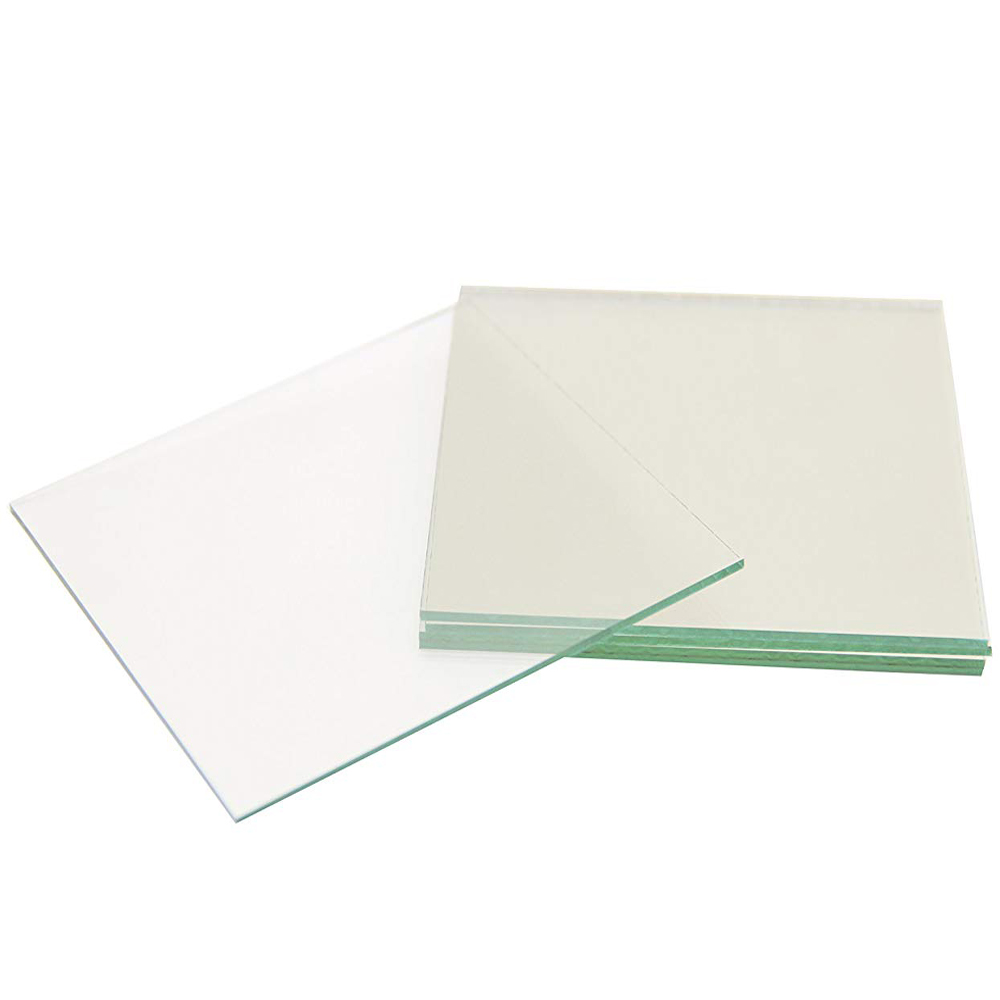
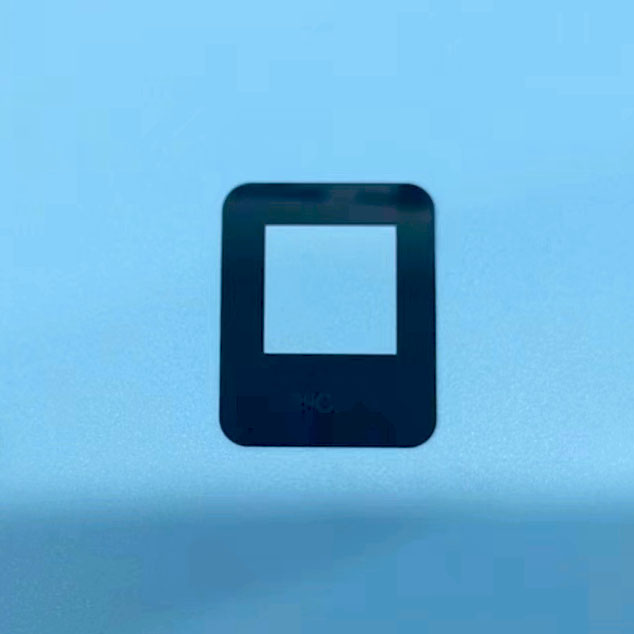
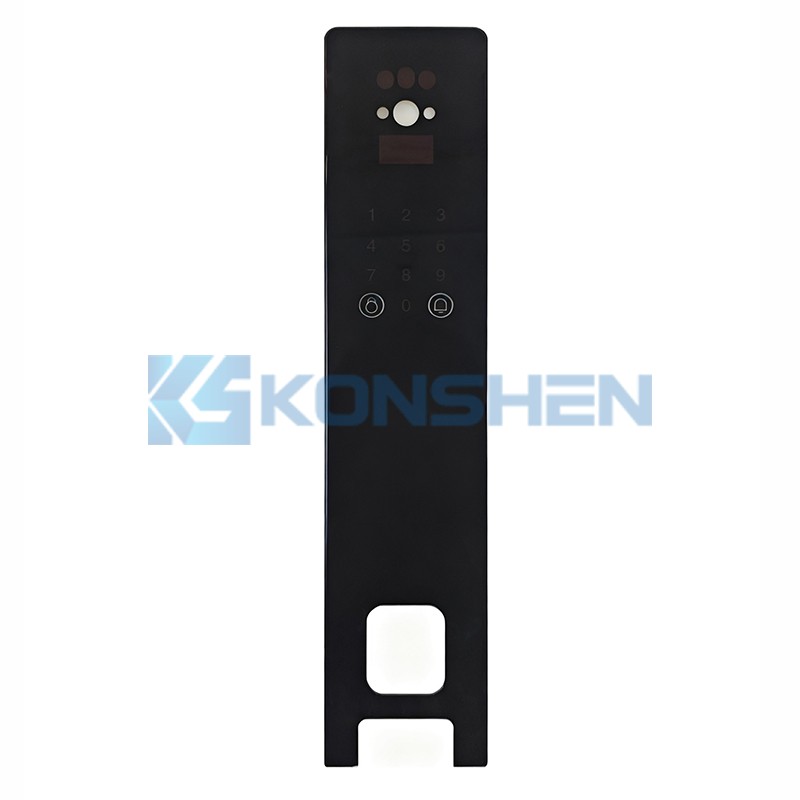
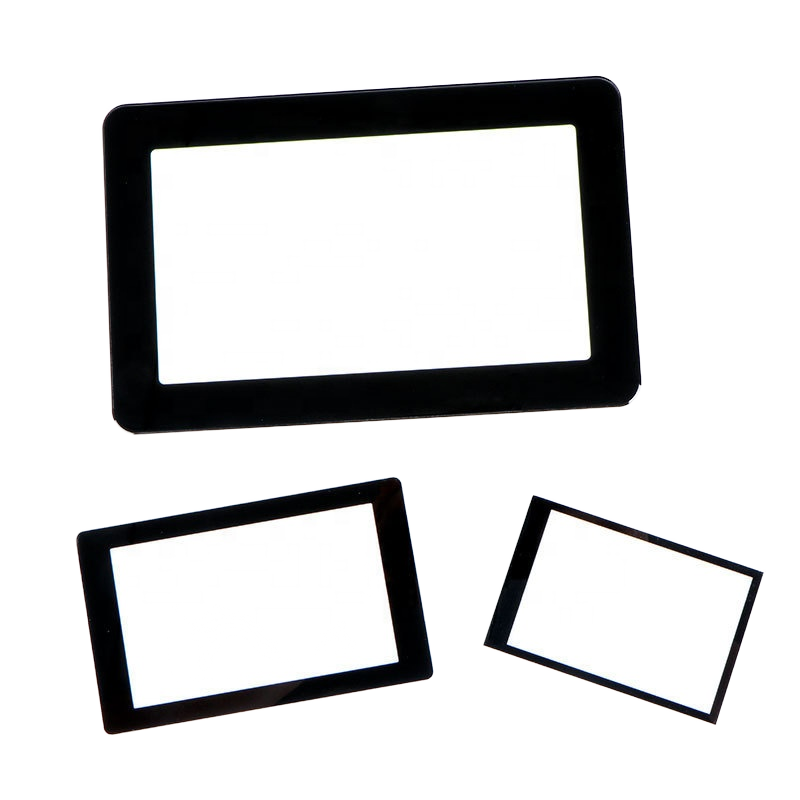
These product families represent the control-panel, display-cover and specialty-glass categories most often sourced from China. Each item is linked to its live product page so procurement teams can compare construction, coating options, intended applications and customization scope. For wholesalers, the critical question is not only what is catalogued, but whether the factory can hold the same specification across repeat orders.

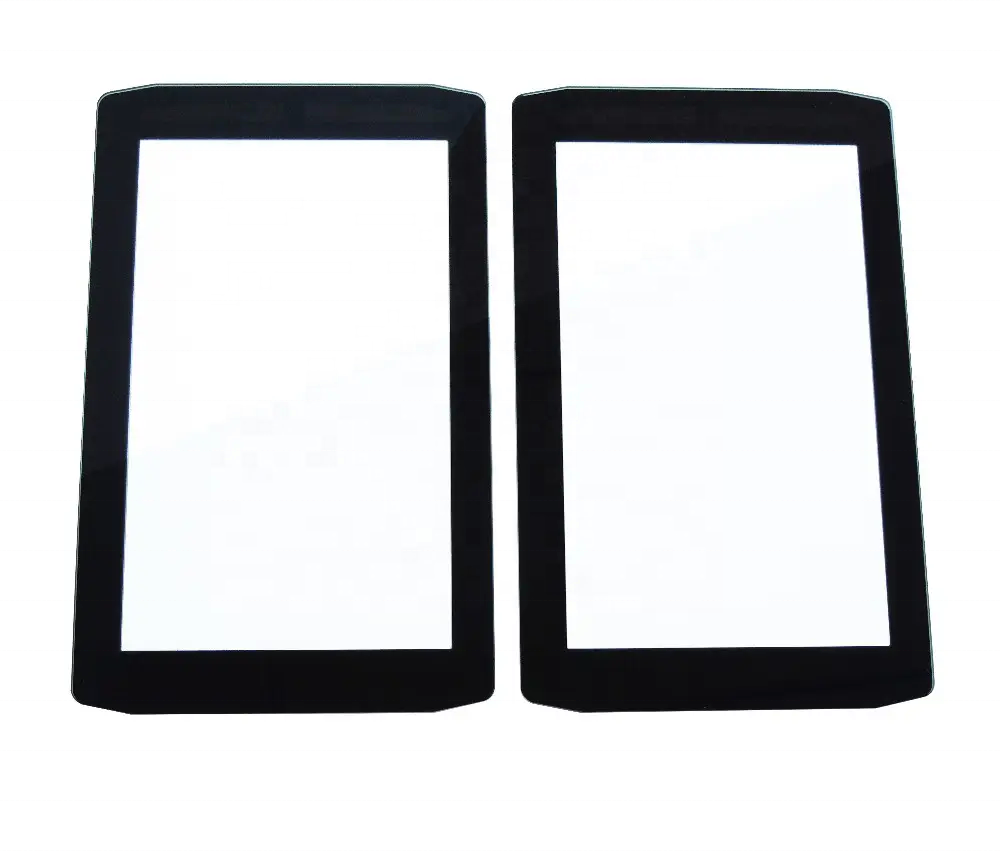
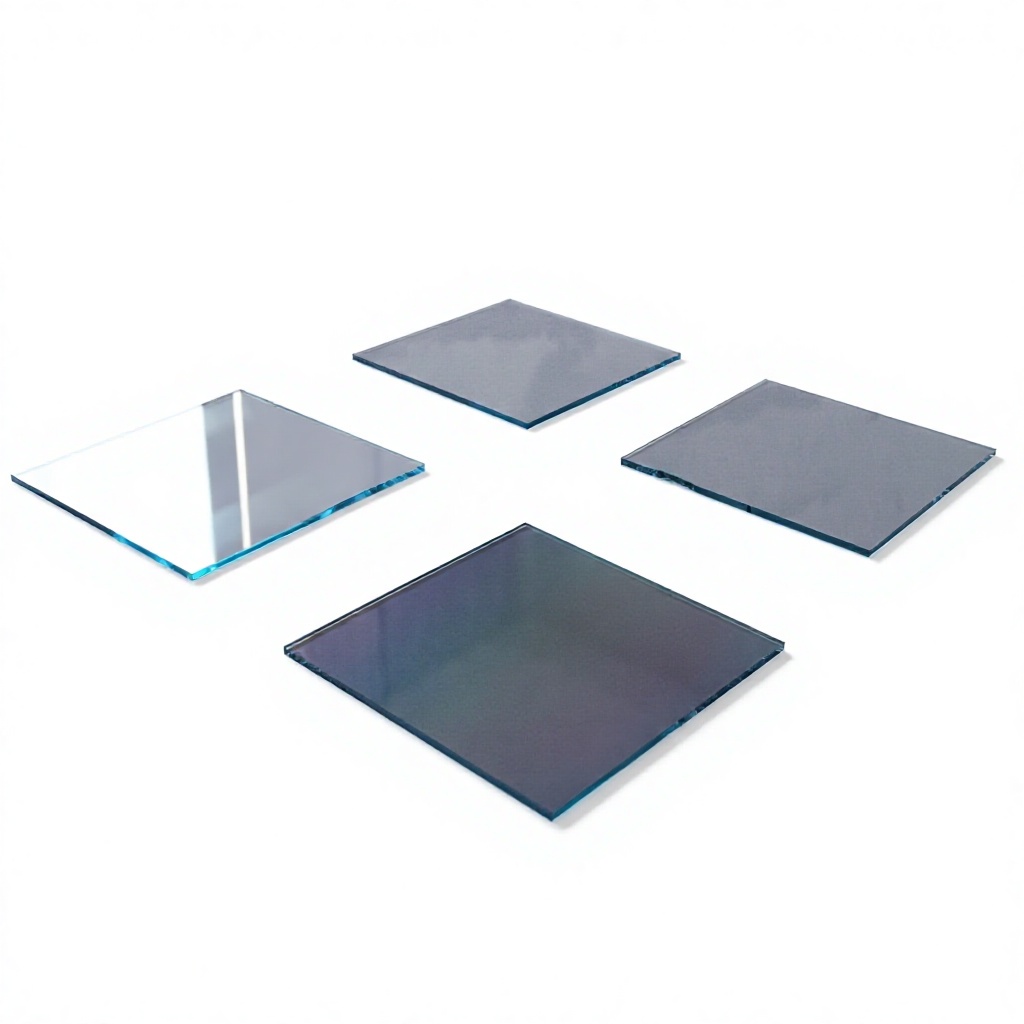
Send your drawing, target reflectance or haze, operating environment, annual volume and packaging requirement. Engineering review will confirm feasibility before quotation.
Why “China Control Panel Glass Factory” Is a High-Intent Search
The query combines supplier discovery, capability validation, sample benchmarking, price comparison and supply-risk reduction.
Buyers searching for China control panel glass factories and wholesalers are rarely looking for generic decorative glass. They are usually sourcing a functional component: a tempered cover lens for an appliance, a printed switch panel, an elevator HMI screen, an outdoor touch interface, an ITO-coated sensor substrate or a custom glass keypad. The real due-diligence questions are therefore technical and commercial at the same time: What glass substrate is used? Can the factory hold thickness, flatness, hole position and print registration? Which coating stack is measurable and repeatable? What is the MOQ, lead time, packing standard and trade term?
Huizhou KELO Glass Co., Ltd. is a factory-direct manufacturer located in Huizhou, Guangdong, inside China’s Greater Bay Area electronics supply chain. The company focuses on touch screen cover glass, display cover glass and optical coated glass, with surface treatment as a core technology. Key operations are managed in-house: cutting, CNC machining, edge polishing, silk-screen printing, flat and curved tempering, AR/AG/AF coating, ITO/FTO conductive coating, 2.5D/3D forming and 3M adhesive bonding. This vertical integration matters because every outsourced step can add handling damage, delay and ambiguous responsibility when a cosmetic or optical defect appears.
Publicly visible capability indicators include a 10,000–30,000 m² factory, 101–200 employees, 21–30 R&D engineers, 20–25 million pcs/year touch cover glass capacity and US$50–100 million annual output value. KELO also presents a 6-year verified exporter profile, a 4.9/5 store rating, a 98.18% reply rate and Trade Assurance support. For wholesale buyers, those signals should be verified against the official profile, then compared with the factory’s process video, trade capacity and product-specific inspection data.
Inside KELO Glass: The Procurement Value of a Factory-Direct Model
For control panel glass, a good supplier is not only a processor of glass sheets. It is a process owner that can translate your drawing into a stable specification, measure the result and pack it safely for international transport.
Coating is not outsourced
AR, AG, AF and ITO/FTO conductive coatings are treated as core processes. Optical performance depends on substrate cleaning, layer design, curing and measurement; keeping coating in-house keeps responsibility for reflectance, haze, contact angle and sheet resistance inside one quality system.
One factory, ten critical steps
Cutting, water-jet cutting, CNC drilling, edge polishing, laser engraving, silk-screen printing, sandblasting, flat and curved tempering, coating and 3M adhesive bonding are handled under one roof. That reduces handling damage and creates a single point of accountability from raw sheet to packed carton.
Engineer-led customization
With 21–30 R&D engineers, drawings can be reviewed for DFM issues before tooling or sampling. Buyers can validate fit, optics and coating performance with samples from 1–2 pieces, then scale to production with a typical lead time of 21–31 days after sample approval.
Verified trust signals
KELO’s buyer profile includes verified assessment, ratings and reviews, factory video, transaction level, trade capacity, trade history and credit profile. A 4.9/5 store rating, 98.18% reply rate and Trade Assurance support give procurement teams externally visible checkpoints before a first deposit.
Which Glass and Coating Should You Specify for Each Application?
Start with the operating condition, not the catalogue. The same control panel format can require very different glass, printing and coating decisions depending on sunlight, touch frequency, cleaning chemicals, impact risk and electrical function.
Outdoor kiosks, gym and industrial HMI
Specular reflections wash out the screen and force higher backlight power. AG anti-glare glass diffuses ambient light while preserving touch response. For premium outdoor interfaces, AR+AG stacks improve clarity and glare control.
AG haze 5–60% · gloss 0.5–8 GUSmart home, appliance and high-touch panels
Fingerprint marks and cleaning residue quickly make a control panel look worn. AF anti-fingerprint coating creates an oleophobic surface that resists smudges and wipes clean, which is valuable for appliance glass lenses, switch panels and smart home interfaces.
Contact angle >110° · >10,000 cyclesAutomotive, medical and optical displays
When the viewer must see the content rather than the glass surface, AR anti-reflective coating is the right starting point. Single-layer and multi-layer designs can be specified by reflectance and transmittance targets.
R <1.0%/side · T >99%Capacitive touch sensors and EMI shielding
Here the glass must conduct while remaining transparent. ITO conductive glass is commonly used in capacitive touch sensors, displays and EMI shielding. Sheet resistance, transmittance and haze must be balanced together.
1–20 Ω/sq · T >85% · haze <2%Thin-film solar and high-temperature processes
FTO conductive glass offers stronger thermal and chemical stability than standard ITO in many thin-film solar and high-temperature process steps. It is a frequent choice when process temperature and chemical exposure are more demanding.
Thermal stability · conductive oxideElevator panels, switch panels and smart locks
These products depend on cosmetic appearance as much as function. Black tempered glass, printed graphics and 2.5D/3D forming create a premium front surface. For assembly, 3M adhesive bonding can simplify installation and reduce separate hardware.
Print · temper · 2.5D/3D · 3M adhesiveFuture Procurement Trends for China Control Panel Glass Wholesalers
Price comparison is still important, but the buying process is becoming more evidence-based. Wholesalers and OEM brands are consolidating suppliers that can provide stable optical data, engineering feedback and predictable packaging.
Dual sourcing and supply resilience
Buyers increasingly qualify a primary factory and a backup factory, or require a single factory to demonstrate capacity redundancy. The ability to provide process video, verified assessment, trade history and material traceability is becoming part of the commercial decision, not a marketing extra.
Evidence-based factory selection
Procurement teams are moving from “Can you make it?” to “Show me the measurement.” AR reflectance, AG haze, AF contact angle, ITO sheet resistance, print registration and 100% appearance inspection are becoming RFQ attachments rather than optional conversation points.
Total landed cost replaces unit price
A lower quotation can lose on breakage, rework, delayed assembly or failed optical yield. Buyers now compare unit price together with packing damage rate, sample iteration speed, duty terms and the engineering cost of changing coating stacks mid-project.
Coating integration and fewer suppliers
Brands prefer one supplier that can deliver tempered glass, printed graphics and AR/AG/AF coating as a single controlled stack. This reduces incoming inspection at the brand end and avoids disputes over whether a defect originated in the glass, ink, adhesive or coating.
Faster engineering cycles
Samples from 1–2 pieces and DFM feedback before tooling shorten the path from concept to validation. For wholesalers, the ability to prototype a new printed control panel or curved cover glass quickly can be more valuable than a marginally lower mass-production price.
Packaging and ESG performance
Glass control panels can be damaged by edge contact, flex and vibration. Custom honeycomb cartons, blister trays and partition packing are becoming KPI items. At the same time, buyers ask for better material utilization, recyclable packing and lower breakage-related waste.
Typical Buyer Scorecard for a China Control Panel Glass Supplier
Illustrative procurement weighting based on the technical and commercial evidence normally requested during RFQ review.
Product Development Trends: What the Next Control Panel Will Demand
The next generation of control panel glass will be judged on more than transparency and thickness. It will need to combine strength, optical function, touch reliability and a premium visual finish in one assembly-ready part.
Thinner, stronger cover glass
Appliance, automotive and portable interfaces continue to demand thinner glass without sacrificing impact resistance. Chemically strengthened glass, precise edge finishing and controlled tempering are becoming more important than simply increasing thickness.
2.5D and 3D curved control surfaces
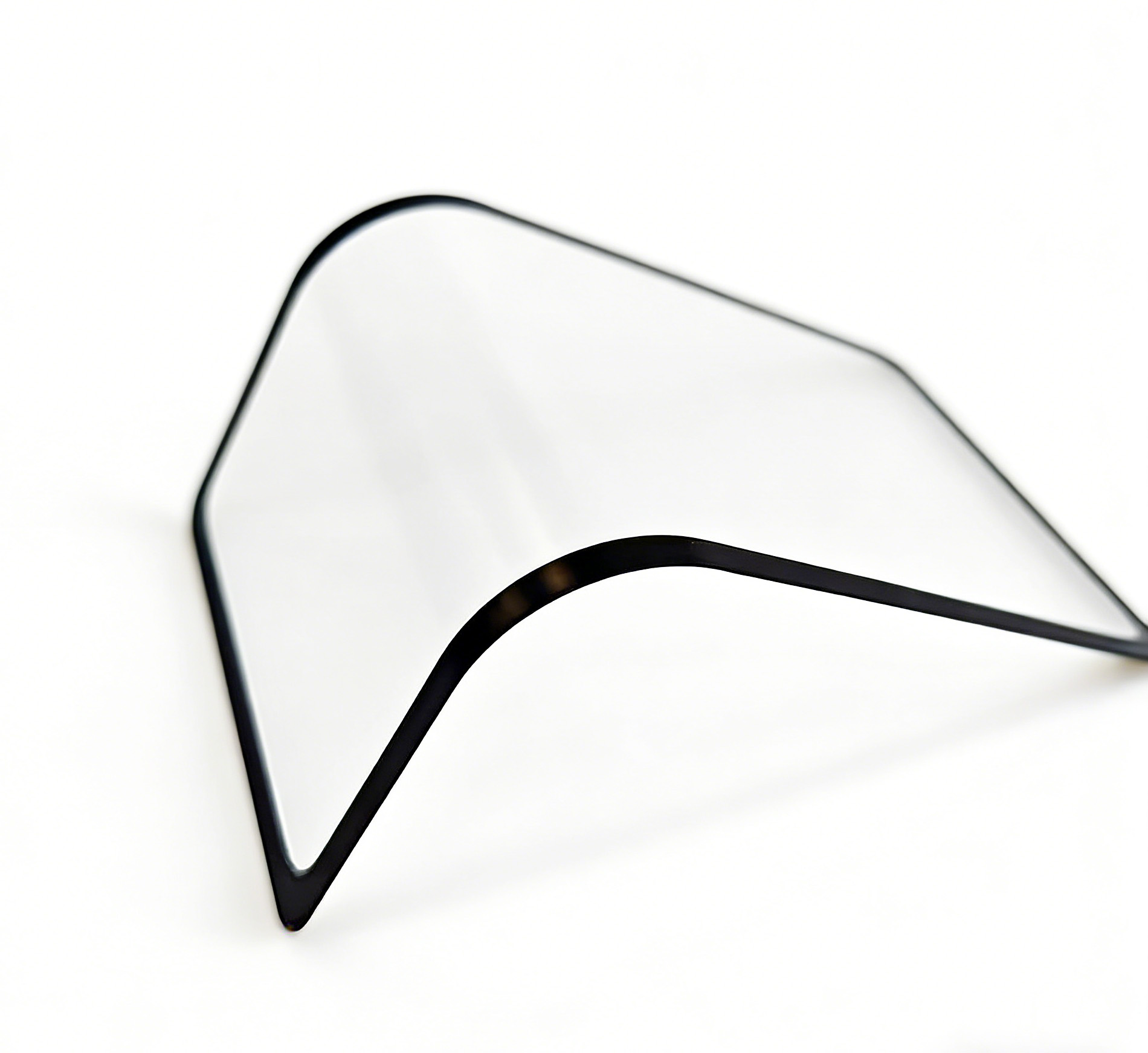
Curved cover glass allows seamless integration into automotive dashboards, smart home panels and premium appliances. The manufacturing challenge is not only forming the glass, but holding print registration, coating uniformity and dimensional fit after bending.
Multi-functional coating stacks
AR+AG and AG+AF combinations are increasingly requested because one surface must solve several problems at once: glare, fingerprint visibility, cleaning durability and optical clarity. The supplier must be able to measure each function without compromising the others.
Conductive glass with embedded function
ITO and FTO conductive glass enable touch sensing, heating, EMI shielding and solar-related applications. As devices integrate more functions behind the front glass, buyers will ask for tighter control of sheet resistance, transmittance and haze while keeping the cosmetic surface defect-free.
How to Audit a China Control Panel Glass Factory Before You Pay a Deposit
Use this checklist to separate a capable glass processor from a trading intermediary that simply forwards drawings to an unknown workshop.
Process ownership
Ask for a live or recorded walk-through of the line: cutting, CNC, polishing, printing, tempering, coating and final inspection. A factory should be able to explain which steps are in-house and which are subcontracted, with evidence rather than a general statement.
Optical measurement reports
Request measured values for AR reflectance and transmittance, AG haze and gloss, AF contact angle, and ITO/FTO sheet resistance. Ideally, the report should show the test method, sample size and acceptance range used for the production lot.
Strength and reliability testing
Confirm tempering or strengthening validation, coating adhesion, abrasion resistance, salt spray resistance where relevant, and 100% appearance inspection. A control panel glass supplier should be able to explain the difference between cosmetic inspection and functional reliability testing.
Dimension and print control
For printed panels, elevator indicators and switch covers, ask how CNC tolerance, hole position and print registration are checked. Review a first-article inspection report and request a golden sample agreement before volume production.
Packaging validation
Glass panels often fail after the factory gate, not inside it. Ask for photos of honeycomb cartons, blister trays and partition packing. For repeat wholesale orders, request a packing standard and a breakage-rate target in writing.
Commercial verification
Review verified assessment, trade capacity, transaction level, trade history, credit profile and buyer feedback on the official company profile. Confirm trade terms such as FOB, CFR, CIF, EXW or DDP and payment methods such as T/T, L/C, PayPal or Western Union before the order.
Frequently Asked Questions About Control Panel Glass Sourcing
Direct answers for procurement teams comparing China control panel glass factories, wholesalers and custom glass manufacturers.
What is the minimum order quantity for custom control panel glass?+
What is the typical lead time for mass production?+
Should I choose AR, AG or AF coating?+
Should I use ITO or FTO conductive glass?+
What thickness, sizes and shapes can be produced?+
Which trade terms and payment methods are accepted?+
How is quality controlled from sample to shipment?+
How can I verify that the factory is not a trading company?+
Have a Drawing or Target Spec? Let’s Engineer It.
Send your drawing, target coating performance, annual volume and packaging requirement. Huizhou KELO Glass Co., Ltd. will review feasibility and recommend the most cost-effective glass solution for your control panel, display cover, switch panel or conductive glass project.
Inquire NowTypical details to include: thickness, glass type, dimensions, edge finish, print artwork, coating target, operating environment, sample quantity and expected annual demand.