Display Cover Glass Products for Optical, Touch and Outdoor Applications
Buyers searching for a China display cover glass manufacturer usually need more than a catalogue. They need a supplier who can match substrate, coating, strength, printing and assembly requirements to a repeatable production process. The eight products below cover the most common procurement paths: anti-glare outdoor panels, anti-reflective display glass, ITO conductive touch glass, CNC tempered glass, elevator touch panels and gaming peripheral glass.
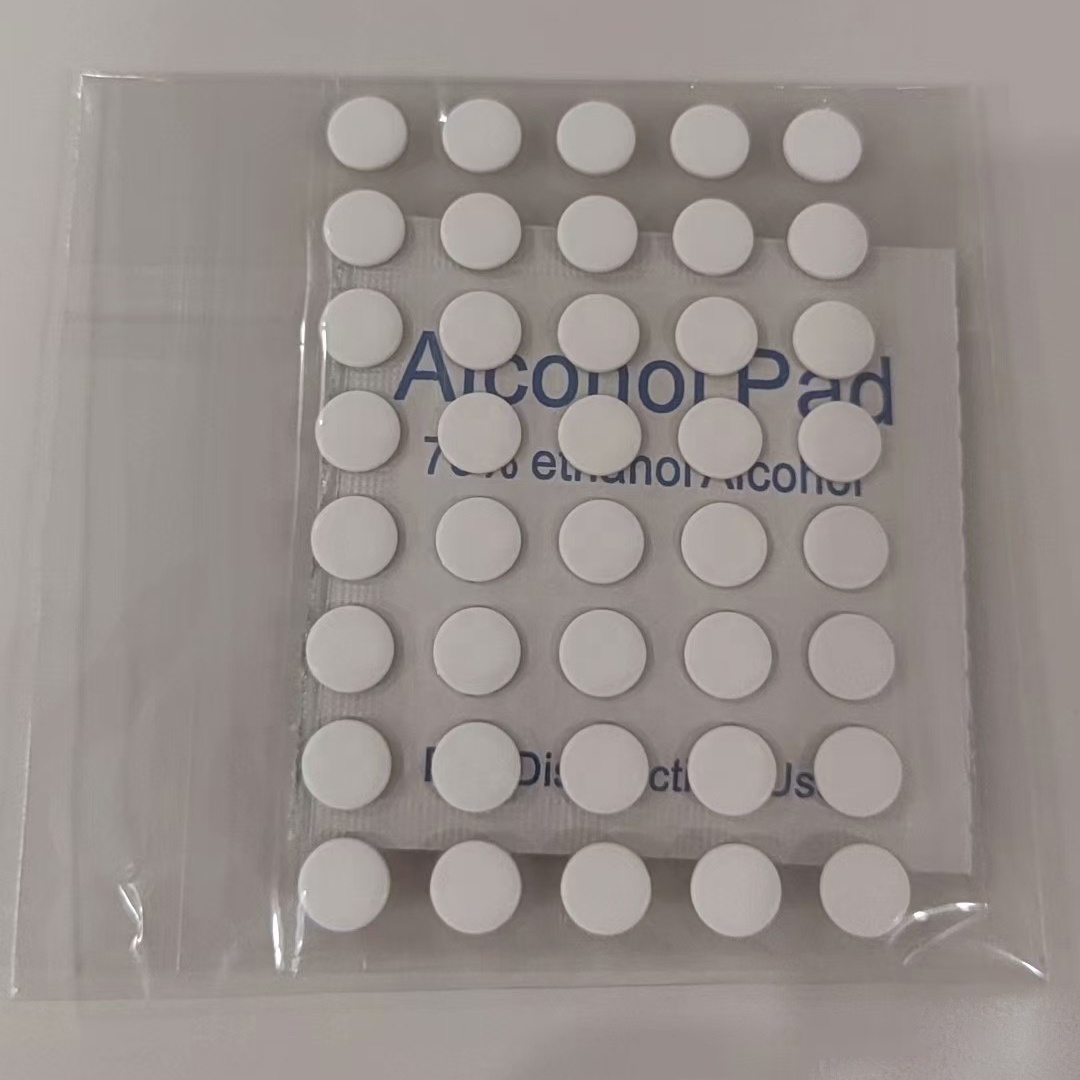
PTFE Round Gaming Mouse Glides Mouse Skate Dots
Low-friction PTFE glide dots for gaming mouse skates, designed for smooth movement, reduced drag and stable performance on glass and cloth mouse pads.
View product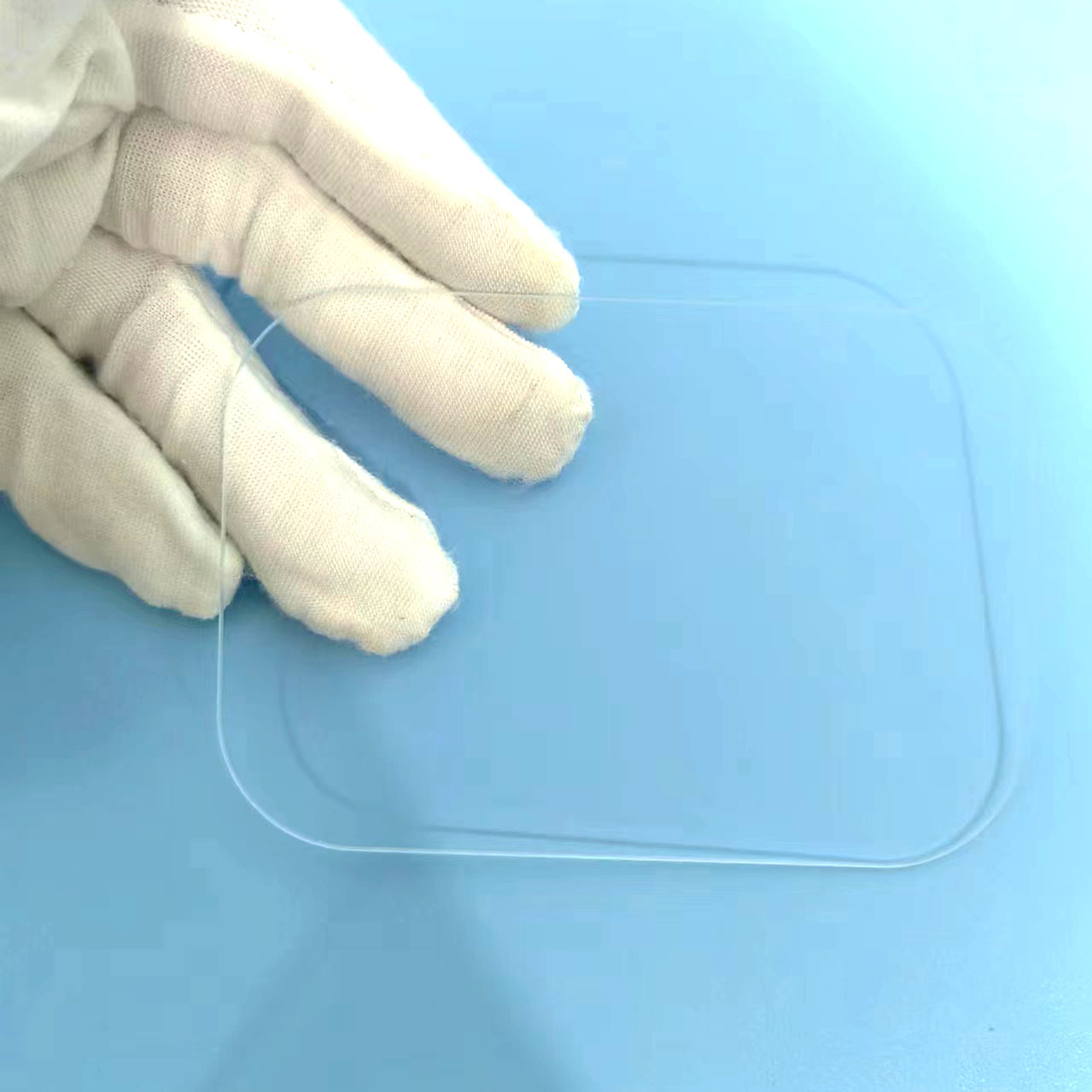
1.1mm ITO Coated Conductive Glass Panel High Transmittance CNC Custom Shape Polished Edge for Smart Home Touch Mirror
High-transmittance ITO glass for capacitive touch mirrors, smart home switches and touch sensors, with custom shape, polished edges and controlled sheet resistance.
View product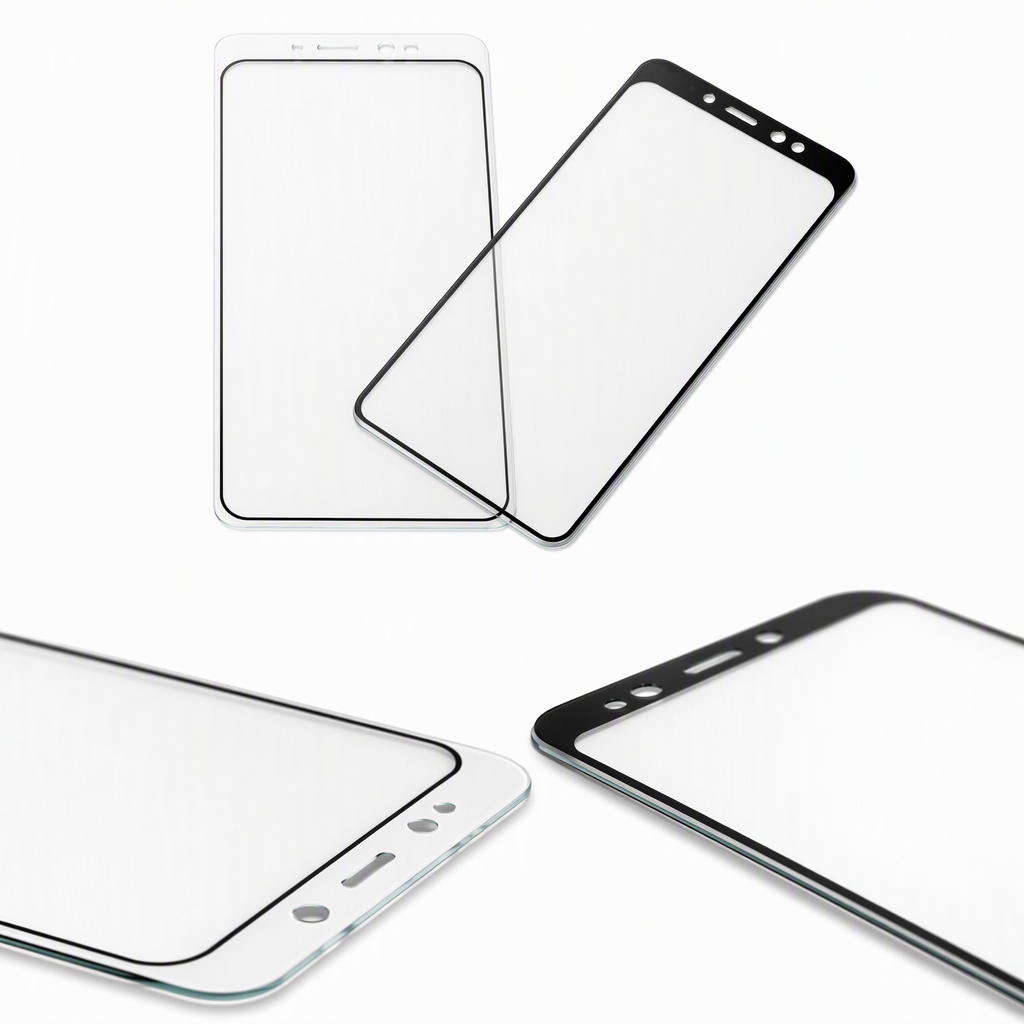
Toughened Glass Panel No Coating CNC Hole Drilling Irregular Shape Silk Screen Printed Custom Size Wholesale Supplier
Custom toughened glass panels with CNC holes, irregular outlines and silk-screen printing for industrial HMI, chargers, appliances and control interfaces.
View product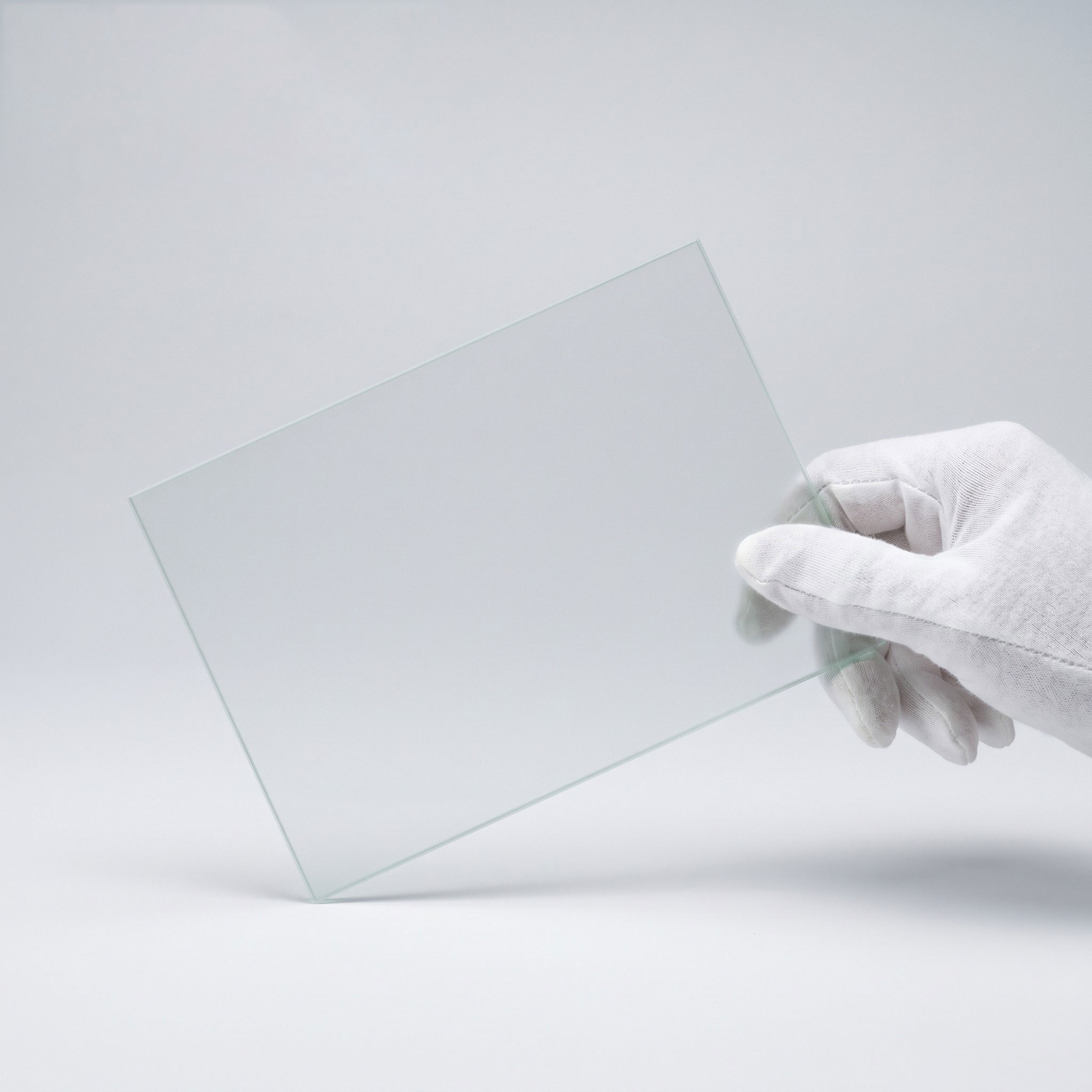
KS AG002 Custom Size AG Coating Anti-Glare Tempered Glass Panel High Transmittance Cover Sheet for Electronic Display Screen
AG-coated tempered cover glass that diffuses harsh reflections for outdoor kiosks, industrial displays and electronic screens requiring sunlight readability.
View product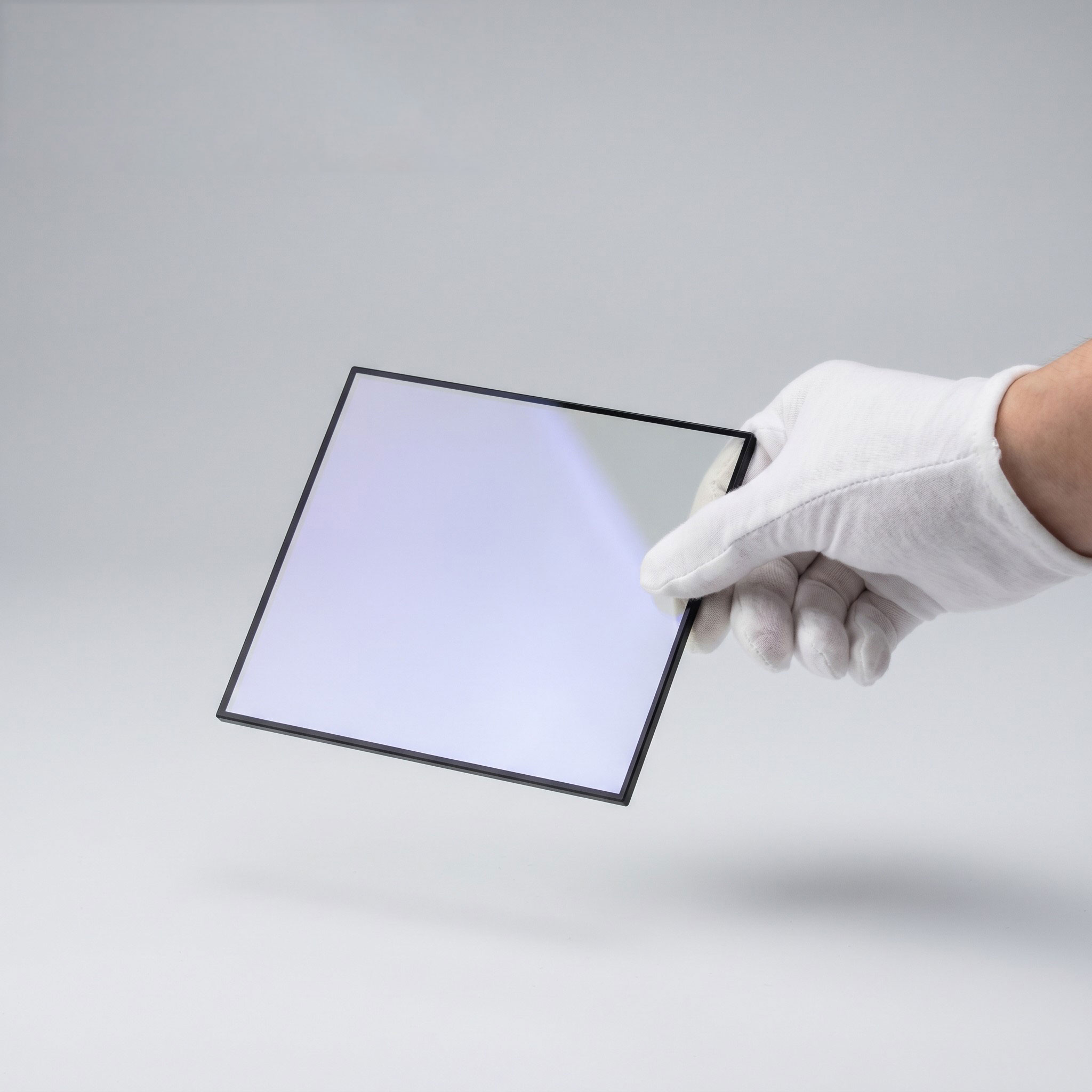
High Transmittance 98% Anti-Reflective AR Glass for Museum Showcase Luxury Picture Frame Low Reflectance Coated 1mm-19mm
Low-reflectance AR glass for museum showcases, luxury frames and display windows where maximum see-through clarity and minimal ghost reflection are essential.
View product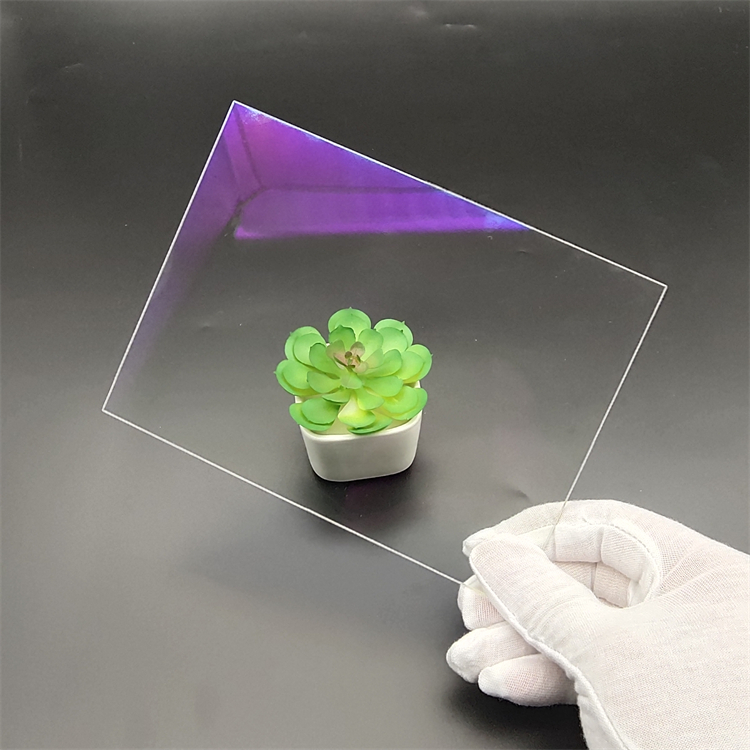
Custom 2mm Ultra-Clear Both Sides Anti-Reflective Coating Tempered Glass for Display Screen Solar & Lighting Use-Solid Structure
Dual-side AR-coated tempered glass for display screens, solar and lighting applications, combining ultra-clear optics with solid mechanical structure.
View product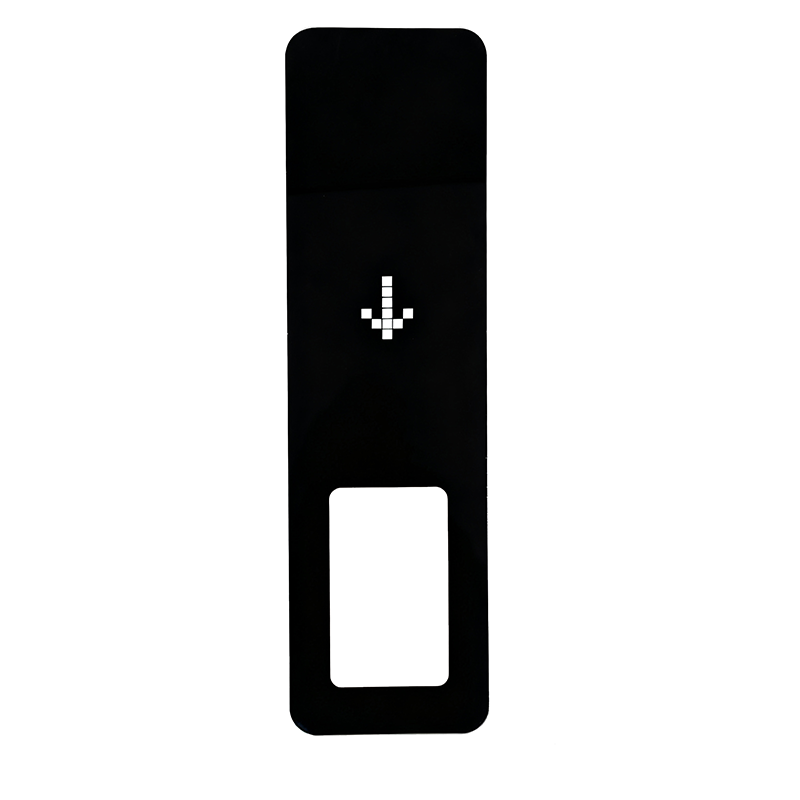
Customized Cutting Elevator Indicator Arrow Printing Touch Smart Control Elevator Panel Use Electronics Screen Glass Instrument
Custom-cut elevator control panel glass with arrow printing, touch sensor integration and instrument window options for smart building interfaces.
View product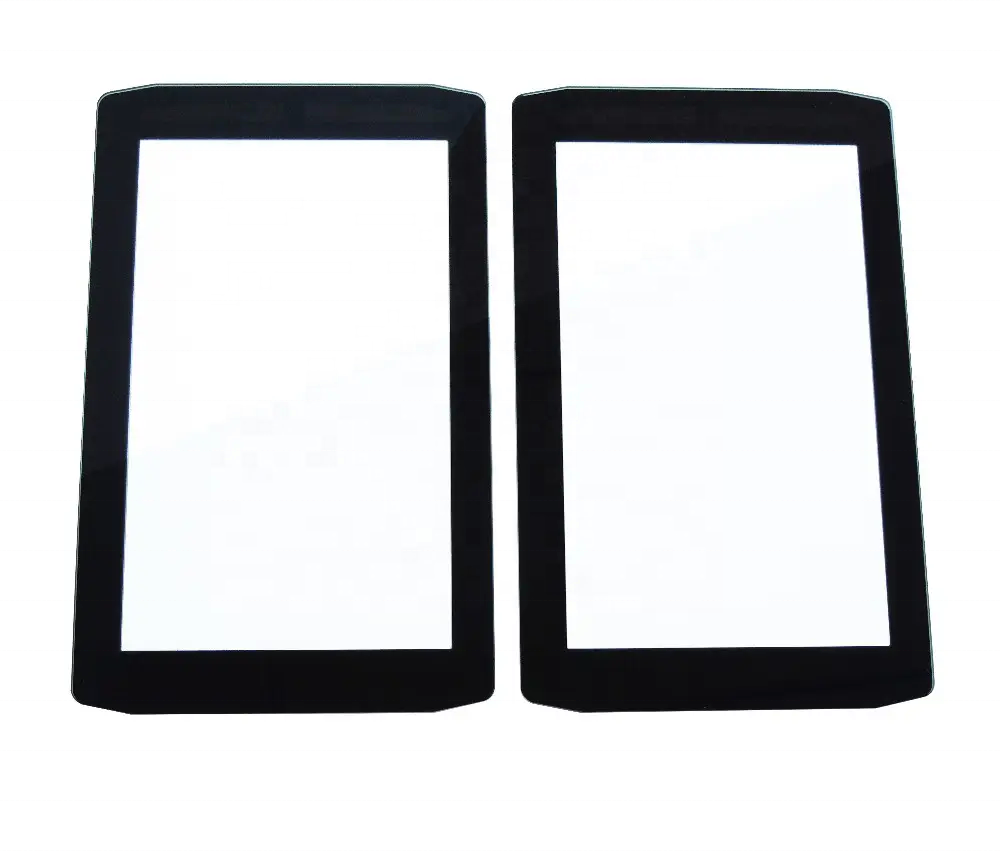
AG High Quality Solid Tempered Glass Anti-Glare Digital Screen Display Customizable Touch Screen Panel Factory Direct Outdoor
Factory-direct outdoor AG touch panel glass with tempered strength, customizable haze and size options for kiosks, EV chargers and industrial terminals.
View productNeed a specification review before choosing a product? Send your drawing, target reflectance or haze, thickness, annual volume and operating environment. The KELO engineering team can recommend a substrate and coating stack that is manufacturable at scale.
Contact UsWhy KELO Glass Is a Qualified China Display Cover Glass Manufacturer
Huizhou KELO Glass Co., Ltd. is a factory-direct manufacturer inside China’s Greater Bay Area electronics supply chain. The company’s core strength is not simply cutting glass; it is engineering the surface — optical coatings, conductive layers, strengthening, printing, curved forming and bonding — under one accountable production system.
In-house surface engineering
AR, AG, AF, ITO and FTO coating are handled internally, so optical targets are measured against the same process that will run your mass production order.
Full-process fabrication
Cutting, CNC machining, drilling, edge polishing, laser engraving, silk-screen printing, tempering, curved forming and 3M adhesive bonding are coordinated under one roof.
DFM before quotation
Engineering review flags tolerance conflicts, coating risks, edge stress, print alignment and packing issues early, helping buyers avoid expensive changes after tooling or sampling.
Quality control with release gates
Incoming, in-process and final inspection are documented. Checks include 100% appearance inspection, tempering, adhesion, abrasion and salt-spray reliability testing.
Broad specialty material range
Gorilla glass, borosilicate, quartz, sapphire, ceramic glass, lead-shielding glass and laminated safety glass can be processed to drawing or sample.
Custom size, shape and optics
Thickness from 0.1 mm to 19 mm, custom holes, colors, logos, 2.5D/3D curved forming, controlled haze and single- or multi-layer AR coatings are available.
Export-ready logistics
FOB, CFR, CIF, EXW and DDP terms are supported. Protective packing uses honeycomb cartons, blister trays and partition packing to reduce transit damage.
Verified trading record
A 4.9/5 store rating, 98.18% reply rate, Trade Assurance support and six years of verified exporter activity give procurement teams independent signals to review.
How to Specify Display Cover Glass: The Variables That Decide Performance and Total Cost
For procurement teams, the lowest quoted unit price is rarely the lowest total cost. The right supplier should help you define the optical stack, glass strength, electrical function, print integration and packing protection before volume production begins.
1. Optical stack
AR, AG and AF coatings solve different problems. AR increases transmittance and reduces reflection; AG scatters reflections for sunlight readability; AF lowers surface energy for easier cleaning.
- AR: reflectance below 1.0% per side, transmittance above 99%
- AG: haze 5–60%, gloss 0.5–8 GU
- AF: contact angle above 110°, abrasion durability
2. Mechanical design
Thickness, edge quality, hole position and curved forming affect impact resistance and assembly fit. Chemically strengthened or tempered glass can reduce breakage in high-touch environments.
- Thickness range 0.1–19 mm
- 2.5D and 3D curved glass
- CNC holes, irregular shapes and polished edges
3. Electrical function
When glass must conduct while remaining transparent, ITO and FTO are the common choices. The decision depends on sheet resistance, transmittance, haze and the thermal budget of the downstream process.
- ITO: touch sensors, displays, EMI shielding
- FTO: thin-film solar and high-temperature steps
- 1–20 Ω/sq; transmittance above 85%; haze below 2%
4. Integration and packing
Print alignment, adhesive selection, surface cleanliness and protective packing determine yield after the glass leaves the factory. Custom honeycomb cartons and blister trays protect edges and coatings during export.
- Silk-screen printing and laser engraving
- 3M adhesive bonding
- 100% appearance inspection before packing
| Coating / Material | Typical performance window | Best-fit application | Procurement note |
|---|---|---|---|
| AR anti-reflective | Reflectance <1.0% per side; transmittance >99% at 400–700 nm | Automotive displays, medical monitors, museum showcases | Confirm whether one side or both sides require AR. |
| AG anti-glare | Haze 5–60%; gloss 0.5–8 GU | Outdoor kiosks, EV chargers, industrial HMI | Higher haze reduces glare but can soften image sharpness. |
| AF anti-fingerprint | Contact angle >110°; pencil hardness >3H; >10,000 abrasion cycles | Touch control panels, smart home, appliance glass | Ask for cleaning and abrasion test criteria in the RFQ. |
| ITO conductive | 1–20 Ω/sq; transmittance >85%; haze <2% | Capacitive touch sensors, touch mirrors, EMI shielding | Pattern, busbar and resistance tolerance should be defined. |
| FTO conductive | 1–20 Ω/sq; transmittance >85%; haze <2% | Thin-film solar, high-temperature processes | Choose FTO when thermal and chemical stability matter. |
| AR+AG or AG+AF stack | Combined optical and functional layers; cosmetic grade per 60/40 scratch-dig | Premium outdoor and in-vehicle interfaces | Stacked coatings need careful cost and durability review. |
Performance values are typical production capability. Final specifications should be confirmed against your drawing, operating environment and validation standard.
Which Display Cover Glass Product Should You Shortlist?
Product recommendations should follow the use condition, not only the product name. These four purchasing scenarios cover many of the searches and RFQs received from international buyers.
Kiosks, EV chargers and industrial terminals
Start with AG anti-glare tempered glass. For high-touch outdoor interfaces, consider AG + AF. Specify haze, gloss, tempered strength and edge treatment. If the screen is exposed to rain or cleaning agents, review salt-spray and abrasion requirements.
Automotive, medical and showcase displays
Use AR anti-reflective glass or a combined AR+AG stack. For curved dashboards or control surfaces, specify chemically strengthened 2.5D/3D cover glass. Confirm reflectance at the target wavelength range, not only at 550 nm.
Elevator panels and smart home control glass
Printed or CNC-processed cover glass panels with AF coating improve daily handling. For touch mirrors and capacitive sensors, evaluate ITO conductive glass with defined sheet resistance, visible pattern and edge busbar design.
Solar and conductive applications
Choose FTO conductive glass when thermal stability is needed, or ITO when optical transparency and touch sensing are the priority. Always clarify transmittance, haze, resistance uniformity and the downstream lamination process.
Display Cover Glass Trends Shaping the Next Procurement Cycle
Cover glass is moving from a passive protective part to an engineered optical interface. Buyers increasingly evaluate suppliers on coating durability, optical data, curved forming accuracy and the ability to integrate printing and touch function.
Multi-function coating stacks
Instead of choosing only AR, AG or AF, projects increasingly combine functions: AR+AG for outdoor visibility, AG+AF for cleanable touch surfaces, and AR+AF for premium displays.
Thinner, stronger, curved glass
Automotive, smart home and portable devices are driving demand for thin, chemically strengthened glass with precise 2.5D/3D forming and edge-to-edge aesthetics.
Conductive glass becomes more integrated
Touch mirrors, smart appliances and control panels require transparent conductive layers with tighter resistance uniformity, fine printing and reliable bonding to the display stack.
Data-backed durability and traceability
Procurement teams now ask for measured haze, gloss, reflectance, contact angle and abrasion data, plus batch-level traceability and packing validation for international shipping.
How Display Cover Glass Buyers Will Source in the Next Cycle
Supply resilience, engineering collaboration and total landed cost are becoming more important than a simple price comparison. The supplier who can prove process control and support early design work will be better positioned for repeat business.
Earlier supplier involvement
Brands are bringing glass manufacturers into the DFM stage to align coating targets, print tolerances and packaging before drawings are frozen. This reduces sample loops and protects launch schedules.
Dual sourcing with process transparency
Procurement teams want a primary and backup source that can produce to the same drawing. A factory with in-house coating and fabrication can document critical process parameters more clearly.
Total landed cost focus
Buyers are calculating yield, breakage, inspection labor and replacement cost — not only the unit price. Protective packing, stable coating performance and reliable lead times directly affect total cost.
Compliance and validation evidence
RFQs increasingly request material declarations, RoHS/REACH support, adhesion and abrasion data, salt-spray results and packing validation. A responsive engineering contact can shorten this review.
One Factory, Every Critical Process, Three Quality Gates
Outsourcing individual glass processes can introduce handling damage, schedule gaps and unclear responsibility. By keeping cutting, CNC, polishing, printing, tempering, coating, curved forming and bonding in-house, KELO can control the transition points where defects usually appear.
The result is a clearer line from drawing to sample to mass production. 100% appearance inspection is combined with tempering, adhesion, abrasion and salt-spray tests, and each shipment can use custom honeycomb cartons, blister trays and partition packing to reduce transit damage.
- 01Cutting & water-jet cutting
- 02CNC machining & drilling
- 03Edge polishing
- 04Laser engraving
- 05Silk-screen printing
- 06Sandblasting & frosting
- 07Flat & curved tempering
- 08AR / AG / AF / ITO coating
- 092.5D / 3D curved forming
- 103M adhesive bonding

IQC: Incoming inspection
Raw glass and consumables are verified before production enters the line.
- Thickness and flatness checks
- Surface defect screening
- Ink and coating material verification
- Supplier batch traceability
IPQC: In-process control
Critical dimensions and coating results are checked at defined process stations.
- CNC dimensions and hole positions
- Tempering and strength tests
- Coating adhesion and abrasion
- Print alignment and appearance
FQC/OQC: Final release
Finished pieces are inspected and packed before shipment.
- 100% appearance inspection
- Salt-spray reliability testing
- Custom honeycomb cartons and blister trays
- Partition packing for edge and coating protection
Export Confidence for Europe, North America and South America
International buyers need more than production capability. They need documentation, responsive communication, trade terms and packing that survive long-distance logistics. KELO supports FOB, CFR, CIF, EXW and DDP terms, with T/T, L/C, PayPal and Western Union payments. Orders placed through Alibaba.com can be protected by Trade Assurance.
Verification signals are available for review: verified assessment, ratings and reviews, factory video, transaction level, trade capacity, trade history and credit profile. These records help procurement teams compare a factory-direct China cover glass supplier with trading companies and alternative sources.
Display Cover Glass Procurement FAQ
These are the questions most commonly raised before a first sample order or a supplier comparison. Clear answers early in the process reduce sample loops and help align engineering and purchasing teams.
What is the minimum order quantity for custom display cover glass?
Sample orders can start from 1–2 pieces so you can validate fit, optics, print alignment and coating performance before committing to volume. Bulk quantities are quoted according to the drawing, size, coating stack, annual volume and packing requirement. For early-stage projects, a sample-first approach is usually the lowest-risk path.
What is the typical lead time for mass production?
Bulk lead time is typically 21–31 days after sample approval, depending on size, thickness, coating stack, curved forming and printing complexity. Projects involving multi-layer AR, 3D forming, ITO patterning or special packing should plan additional validation time before the mass production window.
What optical performance can your AR coating achieve?
The AR anti-reflective coating can achieve reflectance below 1.0% per side and transmittance above 99% across the 400–700 nm range in single-layer or multi-layer designs. For museums, medical displays, automotive panels and showcases, confirm the target wavelength range, maximum allowable reflection and whether one side or both sides need AR.
Should I choose ITO or FTO conductive glass?
ITO glass is commonly used for capacitive touch sensors, touch mirrors, displays and EMI shielding. FTO glass offers stronger thermal and chemical stability, which makes it a frequent choice for thin-film solar cells and high-temperature processes. Both can be supplied with sheet resistance of 1–20 Ω/sq, transmittance above 85% and haze below 2%, subject to project review.
What thickness, sizes and shapes can you produce?
Glass thickness ranges from 0.1 mm to 19 mm. Size, shape, holes, color, logo printing, 2.5D/3D curved forming and 3M adhesive bonding are customized to your drawing or sample. For first samples, send a 2D drawing, a 3D model where relevant, and a photo of the assembly to help the engineering team review edge clearance and installation stress.
Which trade terms and payment methods are supported?
FOB, CFR, CIF, EXW and DDP trade terms are supported, with T/T, L/C, PayPal and Western Union payments. Orders placed through Alibaba.com can be protected by Trade Assurance. For repeat buyers, the commercial terms can be aligned with forecast volume, packing configuration and shipping schedule.
How do you control quality before shipment?
Quality is controlled through incoming, in-process and final inspection, including 100% appearance checking, plus tempering, adhesion, abrasion and salt-spray tests. Custom honeycomb cartons, blister trays and partition packing are used to minimize transit damage. For critical projects, inspection criteria can be reviewed and agreed before mass production begins.
What information should I send for an accurate quotation?
Send the drawing or sample photo, glass size and thickness, target application, coating requirement, annual volume, print or logo details, edge and hole tolerance, operating environment and packing expectation. If you do not yet know the coating, describe the problem to solve — glare, reflection, fingerprint marking, touch sensing or high-temperature processing — and the engineering team can recommend a suitable starting specification.
Send Your Drawing, Target Performance and Annual Volume
Whether you need an AG outdoor touch panel, an AR display window, ITO conductive glass for a touch mirror or a custom tempered glass panel, the fastest route is a specification review. Share your drawing and application details, and KELO can confirm feasibility, recommend a coating stack and outline sample and production lead times.
info@keloglass.com