Top Trusted Appliance Glass Panel Factory & Suppliers
Factory-direct tempered, silk-screen printed, AR/AG/AF coated and ITO/FTO conductive glass panels for appliance control interfaces, smart home displays, touch mirrors and OEM/ODM production.
Send an InquiryEight Appliance Glass Panel Products Buyers Request Most
These formats reflect real procurement demand across appliance HMI, smart-home touch mirrors, anti-glare display windows and conductive glass applications. Each product can be engineered to drawing, with samples from 1–2 pieces and mass production typically quoted at 21–31 days after approval.
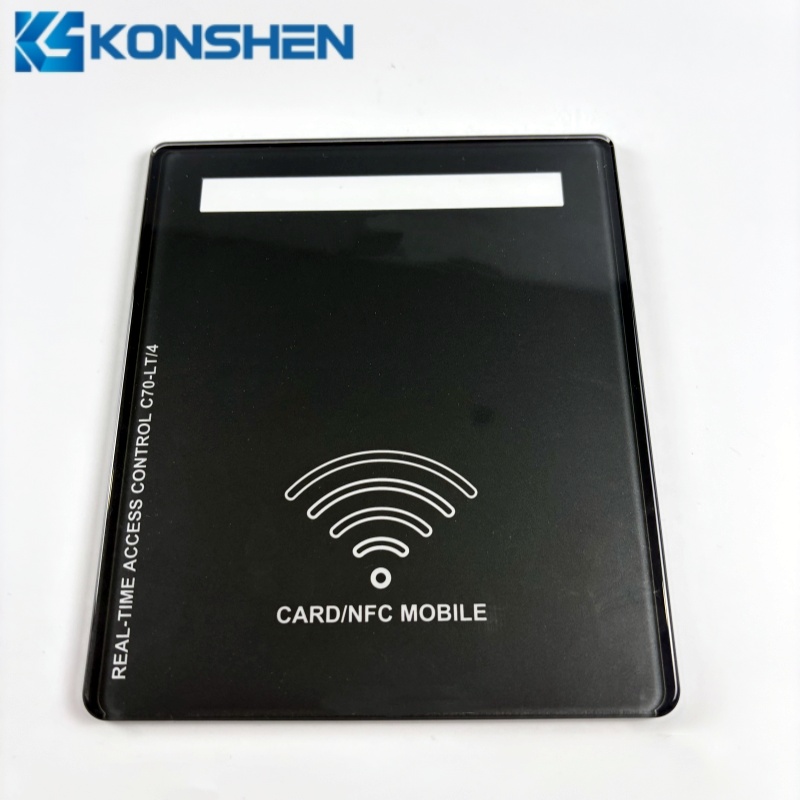
Custom 5mm NFC Access Card Silkscreen Printing Tempered Touch Screen Glass Switch Display Cover Glass
NFC-ready tempered touch glass with silkscreen graphics for access control, appliance HMI and smart switch covers.
View product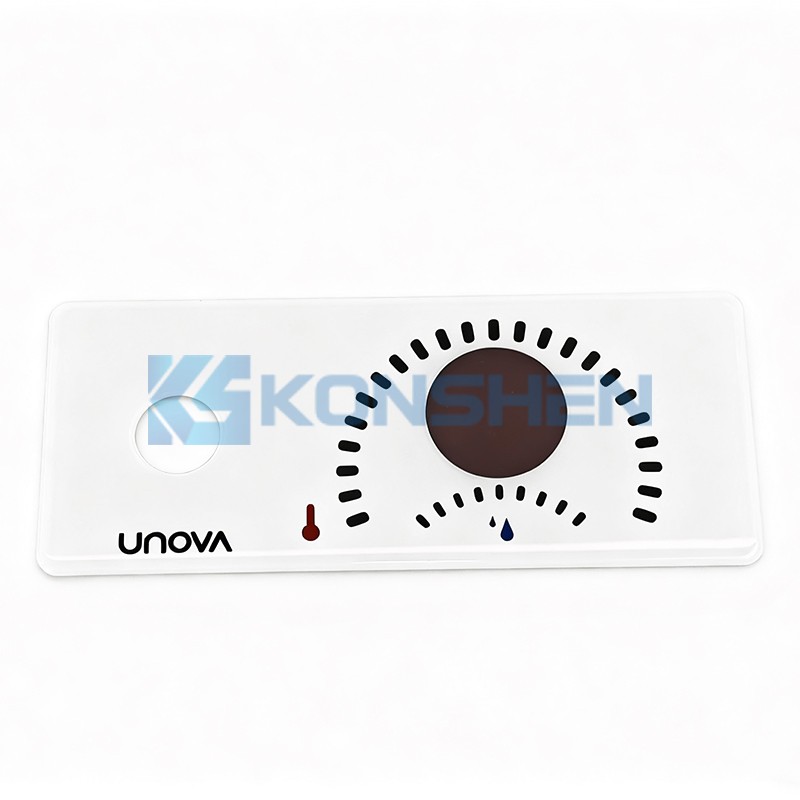
Custom Silk Screen Printed Tempered Glass Electronic Control Panel Cover for Smart Appliances
Tempered, printed electronic control cover engineered for smart appliances and high-touch interfaces.
View product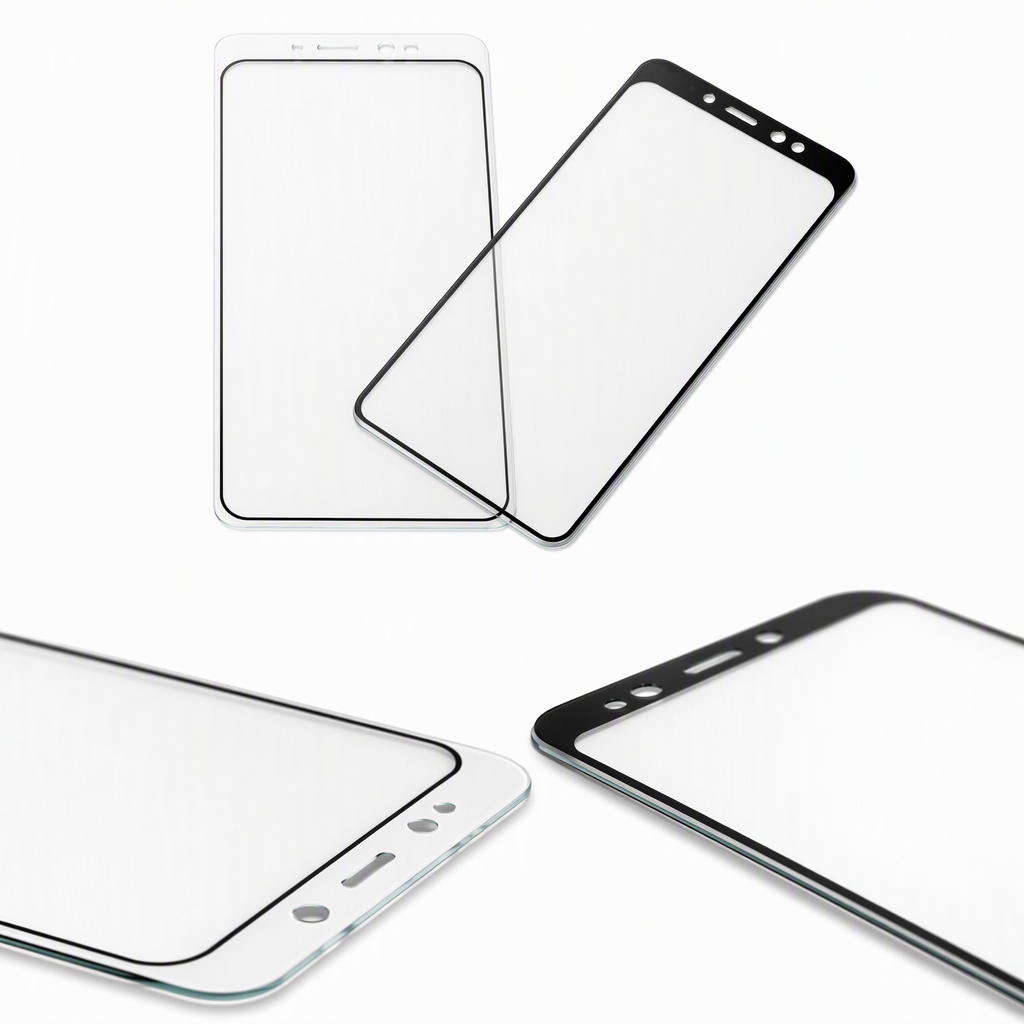
Toughened Glass Panel No Coating CNC Hole Drilling Irregular Shape Silk Screen Printed Custom Size Wholesale Supplier
Irregular toughened glass with CNC-drilled holes, custom sizes and optional printing for non-standard outlines.
View product
Round Oval PTFE 3M Wear-resistant Smooth Mouse Feet Stickers Glass Pad Resin Pads
PTFE/3M wear-resistant mouse feet and glass-pad accessories for gaming peripherals requiring low-friction glide.
View product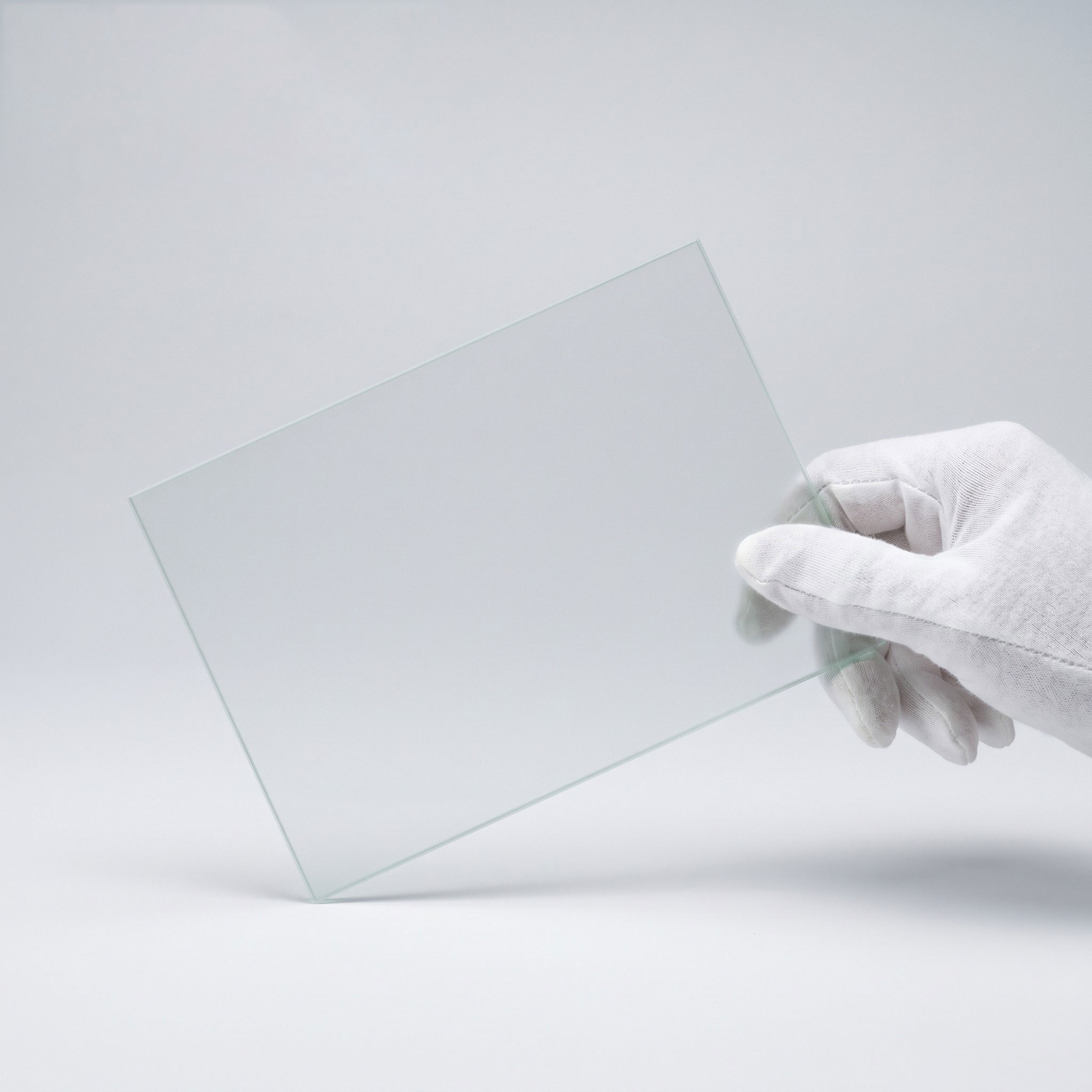
KS AG002 Custom Size AG Coating Anti-Glare Tempered Glass Panel High Transmittance Cover Sheet for Electronic Display Screen
AG-coated tempered glass with controllable haze and high transmittance for displays exposed to glare.
View product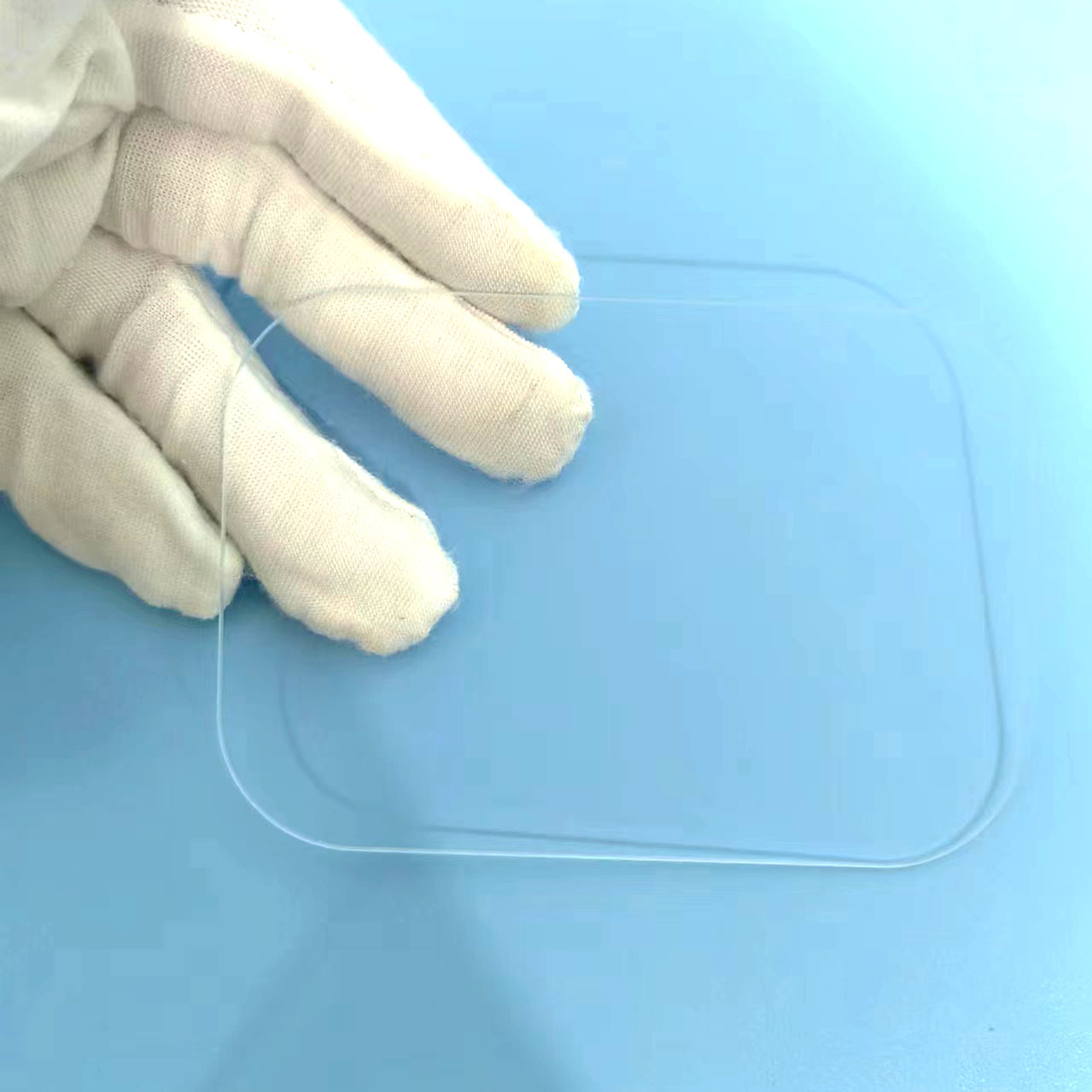
1.1mm ITO Coated Conductive Glass Panel High Transmittance CNC Custom Shape Polished Edge for Smart Home Touch Mirror
1.1 mm ITO conductive glass for smart-home touch mirrors, capacitive sensing and transparent electrode applications.
View product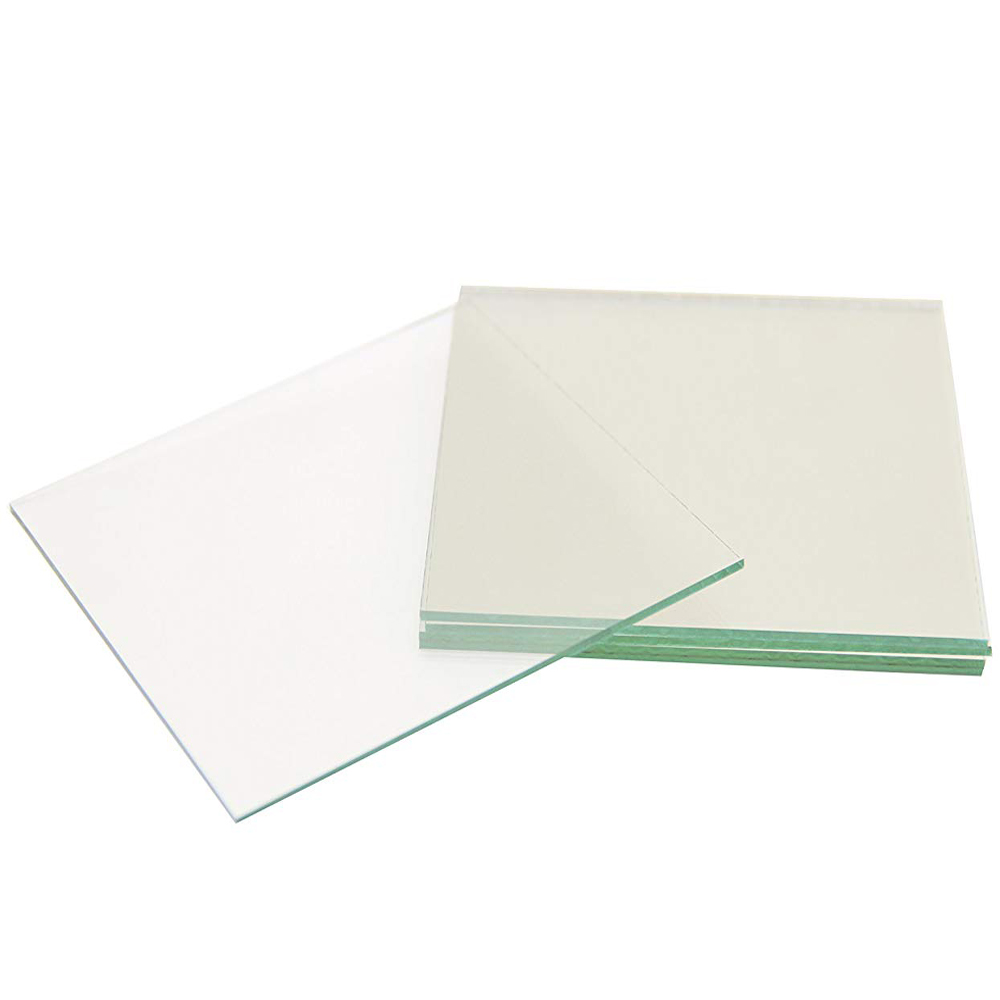
Custom 25x25x1.1mm ITO/FTO Coated Toughened Glass for LAB Display Anti-Fog Heating Conductive Glass Bathroom Solar Applications
Custom ITO/FTO toughened glass with anti-fog heating and conductive performance for lab, bathroom and solar designs.
View product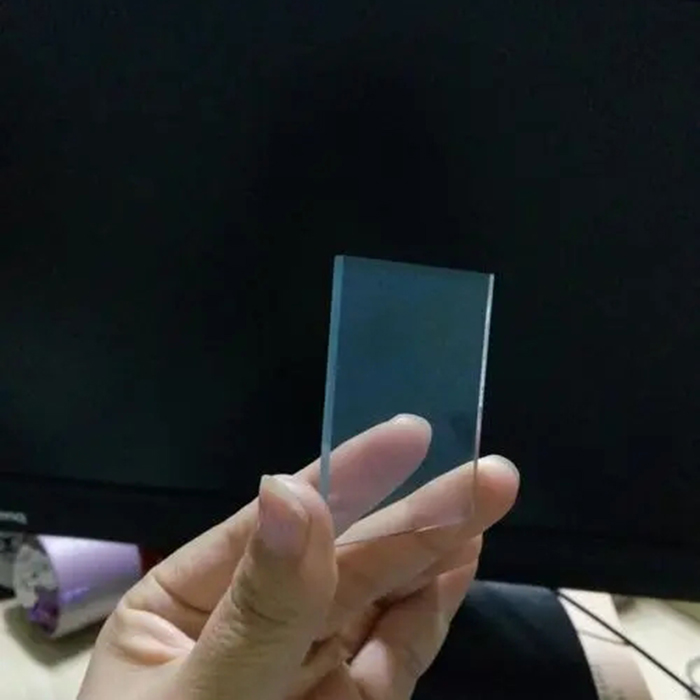
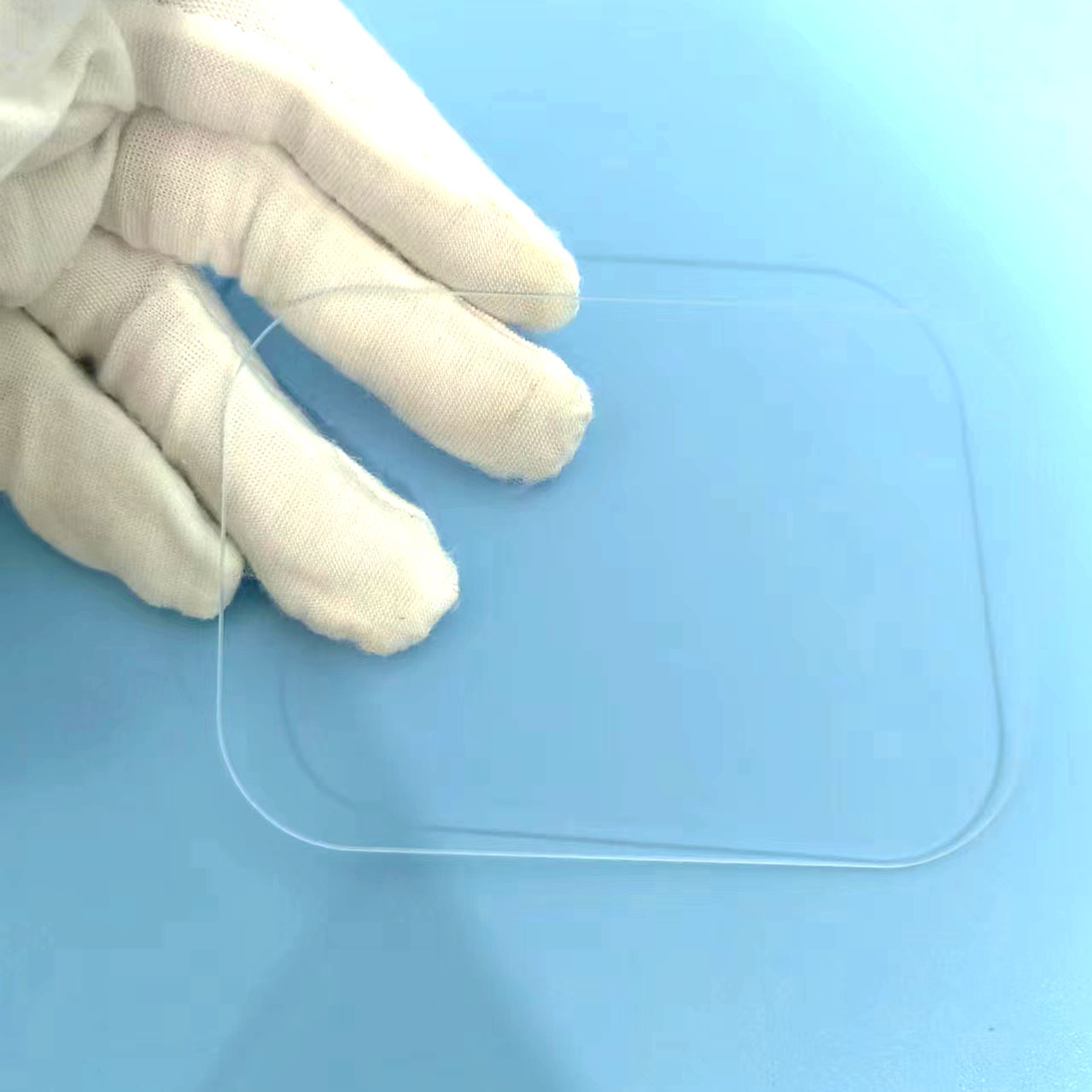
1.1 2.2mm Solid Flat Square Indium Tin Oxide (ITO) Coated Conductive Glass and FTO Conductive Glass for Lighting Applications
Solid flat square ITO/FTO conductive glass in 1.1 and 2.2 mm for lighting and transparent conductive applications.
View productWhy Appliance Glass Panels Are Becoming a Strategic Procurement Category
Appliance glass panels have moved far beyond decorative front covers. In modern refrigerators, ovens, washing machines, coffee machines, air-conditioning controls, smart mirrors and bathroom fixtures, the glass panel often combines touch sensing, printed graphics, optical coating, thermal stability and structural protection in one component. That shift changes the buying decision: procurement teams are no longer comparing only glass thickness or price per piece. They are evaluating the factory's ability to control printing registration, edge quality, coating durability, flatness, adhesive bonding and packaging risk across an entire production run.
For SEO and supplier research, the phrase “appliance glass panel factory” now carries strong commercial intent, but the buyer behind it is usually solving an engineering problem. They may need a tempered glass control cover for a smart appliance, an anti-glare display window for an outdoor interface, an AF-coated panel that resists fingerprints, or an ITO/FTO conductive glass substrate for a touch mirror or anti-fog heating layer. A trusted supplier must therefore demonstrate process depth, not just product listings. Huizhou KELO Glass Co., Ltd. is a factory-direct manufacturer in Huizhou, Guangdong, inside the Greater Bay Area electronics supply chain, with in-house cutting, CNC machining, edge polishing, laser engraving, silk-screen printing, flat and curved tempering, coating and 3M adhesive bonding.
Four Purchasing Shifts Reshaping Appliance Glass Sourcing
Price remains important, but the strongest procurement teams now evaluate qualification cost, coating performance, digital verification and production continuity together.
Total cost of qualification
Buyers now calculate the cost of repeated samples, optical failures, delamination, transit damage and line stoppages. A low unit price is less attractive when the supplier cannot hold coating and printing tolerances during scale-up.
Surface engineering as specification
AR, AG, AF and conductive layers are increasingly written directly into drawings and RFQs. Suppliers are expected to supply measured performance data, not simply state that a “coating is available”.
Smart surfaces and anti-fog function
Touch mirrors, bathroom displays and appliance windows increasingly require ITO/FTO conductive glass for sensing, heating or anti-fog performance while maintaining high transmittance and low haze.
Digital supplier verification
International buyers check verified assessments, transaction history, buyer reviews, factory video and trade capacity before releasing a bulk order. Trade Assurance and documented quality gates reduce first-order risk.
Coating Performance That Should Be Written Into the RFQ
Appliance glass panels fail at the interface between optical appearance and daily use. These are the measured windows KELO builds around; final targets should always be confirmed against your drawing during engineering review.
| Coating | Key Performance | Typical Appliance Use |
|---|---|---|
| ARAnti-reflective | Reflectance <1.0% per side; transmittance >99% across 400–700 nm; single or multi-layer designs | Display windows, camera covers, medical and high-clarity appliance lenses |
| AGAnti-glare | Controllable haze 5–60%; gloss 0.5–8 GU; high transmittance options | Outdoor control panels, industrial HMI, sunlit appliance displays |
| AFAnti-fingerprint | Water contact angle >110°; pencil hardness >3H; durability >10,000 cycles | Touch control panels, smart home appliances, frequently cleaned surfaces |
| ITOIndium tin oxide | Sheet resistance 1–20 Ω/sq; transmittance >85%; haze <2% | Capacitive touch sensors, touch mirrors, EMI shielding |
| FTOFluorine-doped tin oxide | Sheet resistance 1–20 Ω/sq; transmittance >85%; haze <2% | Thin-film solar, high-temperature processes, heating and conductive layers |
| CombinedAR+AG / AG+AF | Stacked functions on one substrate; cosmetic grade per 60/40 scratch-dig or customer standard | Premium in-vehicle interfaces, smart mirrors and outdoor touch terminals |
Specification note: for anti-fog or heating conductive panels, confirm busbar design, power density, sheet resistance tolerance and edge insulation requirements before tooling.
What the Next Generation of Appliance Glass Panels Will Require
The next procurement cycle will reward factories that can combine design freedom, functional coatings, conductive layers and verifiable quality control in a single production flow.
2.5D and 3D curved cover glass
Edge-to-edge appliance designs need curved forming without compromising strength or optical quality. Buyers should request forming tolerance, edge polishing standard and assembly fit data.
Stacked AR + AG + AF coatings
Premium panels increasingly need multiple functions on one substrate: low reflection, glare diffusion and fingerprint resistance. Stack compatibility and abrasion resistance become critical.
Anti-fog and heated smart surfaces
Bathroom mirrors, refrigerator windows and outdoor interfaces can use ITO/FTO conductive glass for heating or sensing. Power design, insulation and environmental testing matter as much as optical data.
Thinner, stronger touch panels
Chemically strengthened and tempered thin glass supports lighter appliance doors, larger touch areas and flush designs. Buyers should define impact, scratch and edge-chip acceptance criteria.
Hidden-display and printed-glass integration
Silk-screen printing now hides inactive areas, creates light windows and integrates icons or branding. The supplier must control colour density, registration and ink durability after tempering.
Dual-source and documentation readiness
Procurement teams increasingly request material declarations, packaging validation, batch traceability and continuity planning. A factory-direct supplier with export experience can support these review items earlier.
A Factory-Direct Partner Built Around Glass Surface Engineering
Huizhou KELO Glass Co., Ltd. manufactures touch screen cover glass, display cover glass and optical coated glass for appliance, automotive, smart-home, industrial and solar applications. The company processes glass thicknesses from 0.1 mm to 19 mm and supports customization of size, shape, holes, colour, logo printing, 2.5D/3D curved forming and 3M adhesive bonding.
Because key processes run under one roof, buyers gain one accountable supplier for cutting, CNC machining, edge polishing, laser engraving, silk-screen printing, sandblasting and frosting, flat and curved tempering, AR/AG/AF/ITO coating and bonding. This vertical integration helps control tolerances from raw sheet to packed carton, reduce handling damage and shorten corrective loops when a sample requires adjustment.
- Verified manufacturer, not a trading intermediary
- Engineering drawing review and DFM feedback
- Samples from 1–2 pieces before volume commitment
- 100% appearance inspection before shipment
- Gorilla, borosilicate, quartz, sapphire and ceramic glass options
- Honeycomb cartons, blister trays and partition packing
- FOB, CFR, CIF, EXW and DDP trade terms
- Alibaba Trade Assurance and verified assessment links

How to Verify an Appliance Glass Panel Factory Before a Bulk Order
A trustworthy supplier should make verification easy. Review the production process, inspection gates, packaging method and third-party profile before releasing tooling or bulk quantities.
Verified assessment
Review the on-site verification report covering factory profile, production capability and export readiness.
View reportRatings & reviews
Check buyer feedback behind the published store rating and response performance.
Read reviewsFactory video
Walk through the production and coating lines to confirm the processes claimed in the quotation.
Watch videoTrade history
Review recorded transactions, market coverage and trade capacity when comparing suppliers.
View historyAppliance Glass Panel Procurement FAQ
Direct answers for engineers, sourcing managers and brand owners comparing factories and suppliers.
What is the minimum order quantity for custom appliance glass panels?
Sample orders can start from 1–2 pieces so the fit, optics, printing and coating performance can be validated before committing to volume. Bulk quantities are quoted according to the drawing, material, process route and annual demand.
What is the typical lead time for mass production?
Bulk lead time is typically 21–31 days after sample approval, depending on size, coating stack, curved forming, printing complexity and order quantity. A precise RFQ helps the factory confirm tooling and scheduling earlier.
What optical performance can AR, AG and AF coatings achieve?
AR coating can achieve reflectance below 1.0% per side and transmittance above 99% across 400–700 nm in single-layer or multi-layer designs. AG coating offers controllable haze of 5–60% and gloss of 0.5–8 GU. AF coating can target a water contact angle above 110°, pencil hardness above 3H and more than 10,000 cycles of durability.
Should I choose ITO or FTO conductive glass for smart appliance applications?
ITO glass is commonly used for capacitive touch sensors, touch mirrors, displays and EMI shielding. FTO glass often offers better thermal and chemical stability for thin-film solar cells and high-temperature processes. Both are available with sheet resistance of 1–20 Ω/sq, transmittance above 85% and haze below 2%; the final choice depends on process temperature, conductivity target and environmental exposure.
What thickness, sizes and shapes can be produced?
Glass thickness ranges from 0.1 mm to 19 mm. Size, shape, holes, colour, logo printing, 2.5D/3D curved forming and 3M adhesive bonding can be customized to a drawing or physical sample. Irregular outlines, polished edges and CNC hole drilling are supported.
Can silk-screen printing, tempering, coating and adhesive bonding be combined?
Yes. Appliance control panels frequently combine printed graphics, tempered glass, AF or AG coating and 3M adhesive bonding. The exact process order is confirmed during engineering review, because printing colour, coating compatibility and adhesive selection can affect the final appearance and durability.
Which trade terms and payment methods are accepted?
KELO supports FOB, CFR, CIF, EXW and DDP trade terms. Payment options include T/T, L/C, PayPal and Western Union. Orders placed through Alibaba.com can be protected by Trade Assurance where eligible.
How is quality controlled before shipment?
Quality control includes incoming inspection, in-process inspection and final inspection, with 100% appearance checking. Tempering, adhesion, abrasion and salt spray tests can be applied according to the product and specification. Custom honeycomb cartons, blister trays and partition packing help reduce transit damage.
How can a buyer verify a factory before placing a bulk order?
Review the verified assessment, buyer reviews, factory video, credit profile, transaction level and trade history. Ask for the process route, inspection plan, packaging method and sample timeline. A factory that can document these items is usually easier to qualify and less likely to create hidden costs later.
What information should be included in an RFQ for an accurate quotation?
Send the drawing or 3D file, dimensions, thickness, material preference, edge finish, hole positions, printing artwork and colour reference, coating target, transparency or haze requirement, adhesive type, annual volume, target market and delivery term. For conductive glass, also include sheet resistance, transmittance, busbar design and power requirements. Clear input usually shortens sample turnaround and reduces quotation iterations.
Have a Drawing, Stack-Up or Target Performance? Let’s Engineer It.
Send your appliance glass panel requirements — dimensions, thickness, coating target, printing artwork, adhesive and annual volume. KELO’s engineering team will review feasibility and recommend a practical, cost-effective glass solution from sample to mass production.
Send an Inquiry