Top Trusted Glass Substrate Suppliers & Wholesaler
Cover glass, AR/AG/AF optical coatings, ITO/FTO conductive substrates and custom tempered panels from Huizhou KELO Glass — engineered for global OEMs, distributors and brand owners.
Eight Glass Substrate Lines Ready for Wholesale and Custom Programs
The eight product families below cover common touch, display, optical, conductive and decorative glass requirements. Each line can be customized by size, thickness, hole positions, edge finish, coating stack, printing, adhesive and packaging.
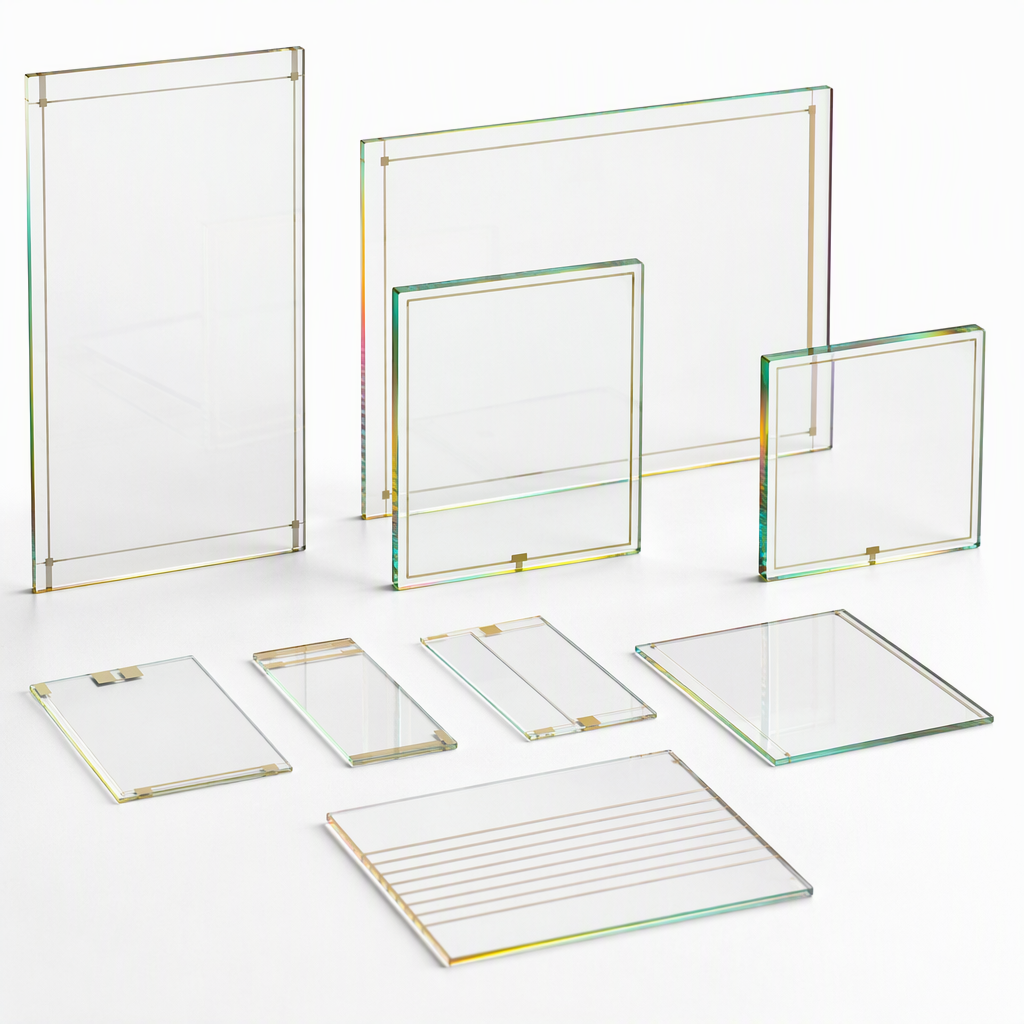
ITO Coated Glass Conductive Sheet, 6–8 Ω/sq
A transparent conductive glass substrate for touch panels, heating substrates and display assemblies. Controlled sheet resistance, uniform coating and custom cut sizes support repeatable sensor yields and stable heating performance.
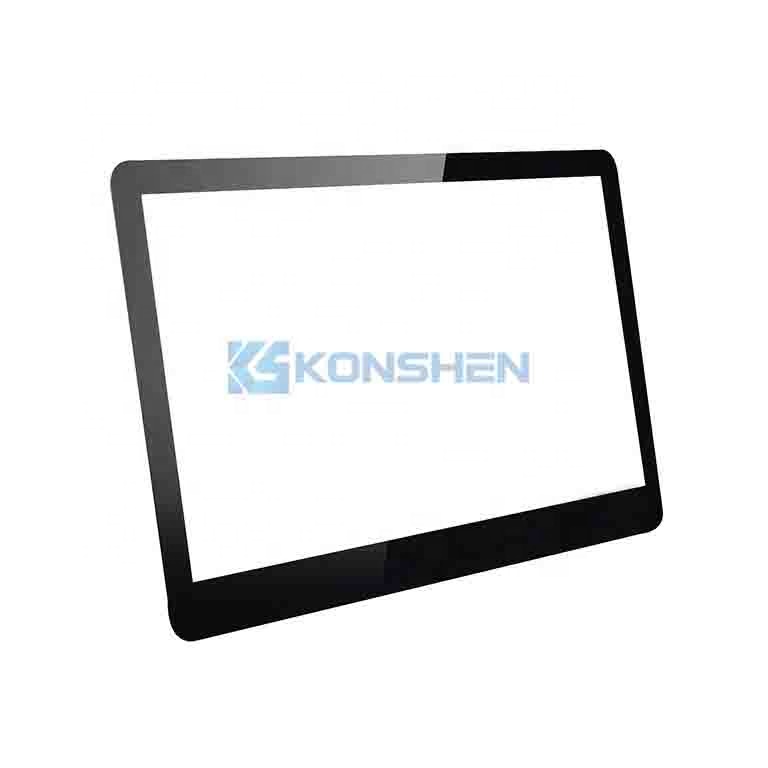
2mm/3mm Anti-Glare Chemical Tempered LCD Cover Glass
Chemical tempered LCD protection glass with solid or hollow anti-glare treatment and European-style silk-screen printing. Designed for readable, low-reflection interfaces in appliances, kiosks and control panels.
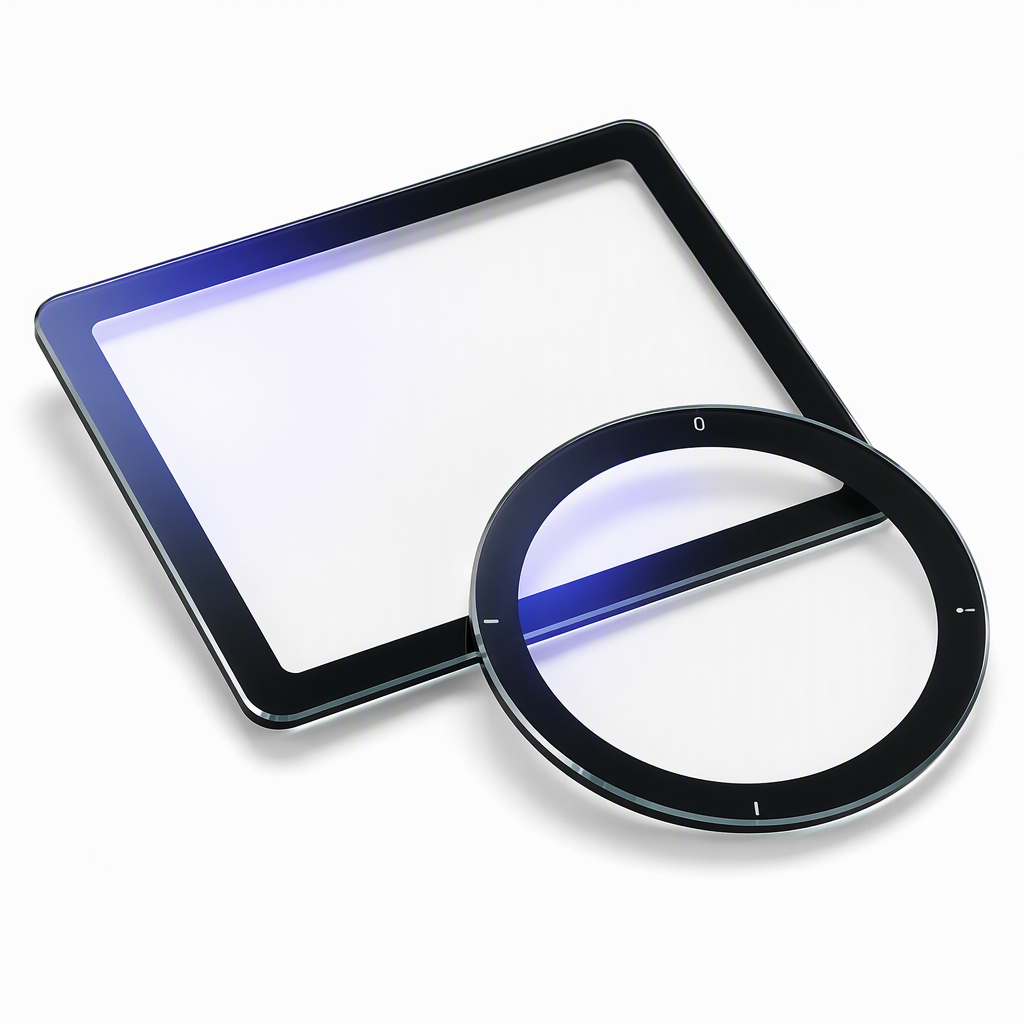
Custom Low-Iron Tempered Display Glass with AR Coating
Low-iron display cover glass with AR coating for high-clarity instrument windows, displays and optical panels. Factory supply supports customized dimensions, edge work and coating targets.
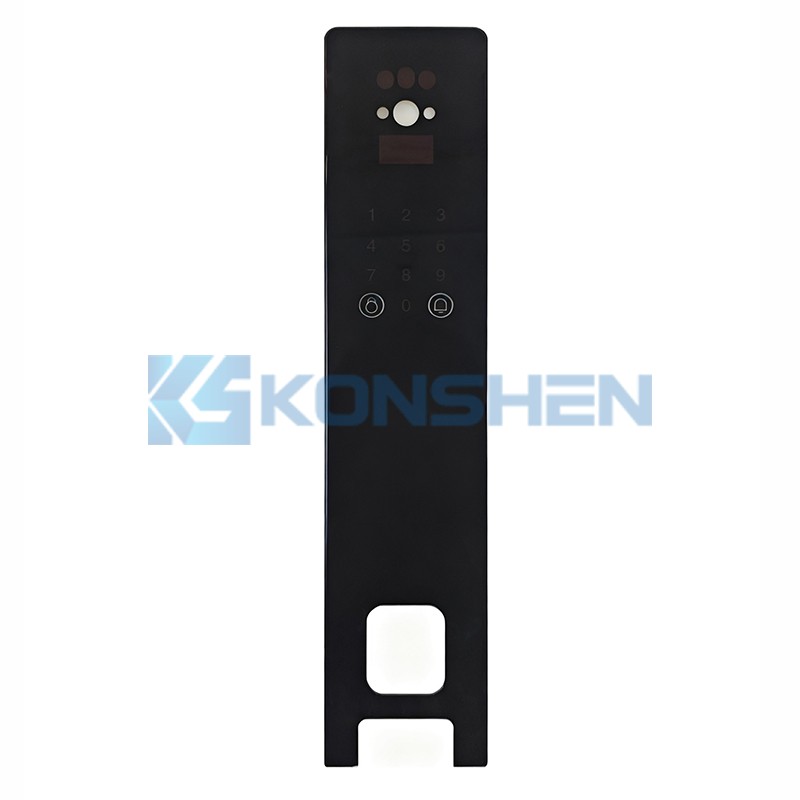
Printed Tempered Glass Keypad Panel for Smart Door Locks
Electronic tempered glass film and printed rectangular panels for digital keypads, smart locks and access-control interfaces. Durable surface, precise graphics and reliable touch performance for high-use entry systems.
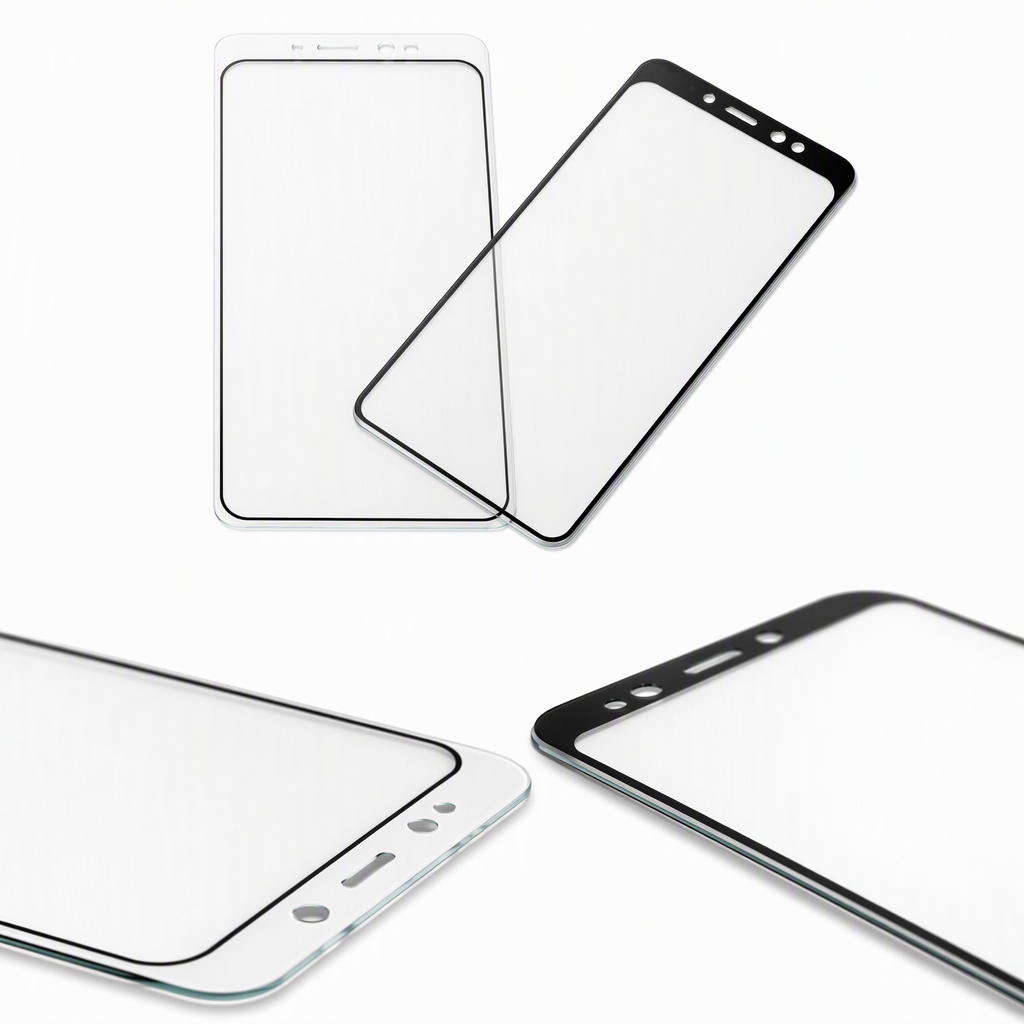
CNC Drilled Irregular Toughened Glass Panel
Custom toughened glass panels with CNC hole drilling, irregular shapes and silk-screen printing. Uncoated options suit industrial covers, decorative panels and mechanical assemblies needing robust glass.
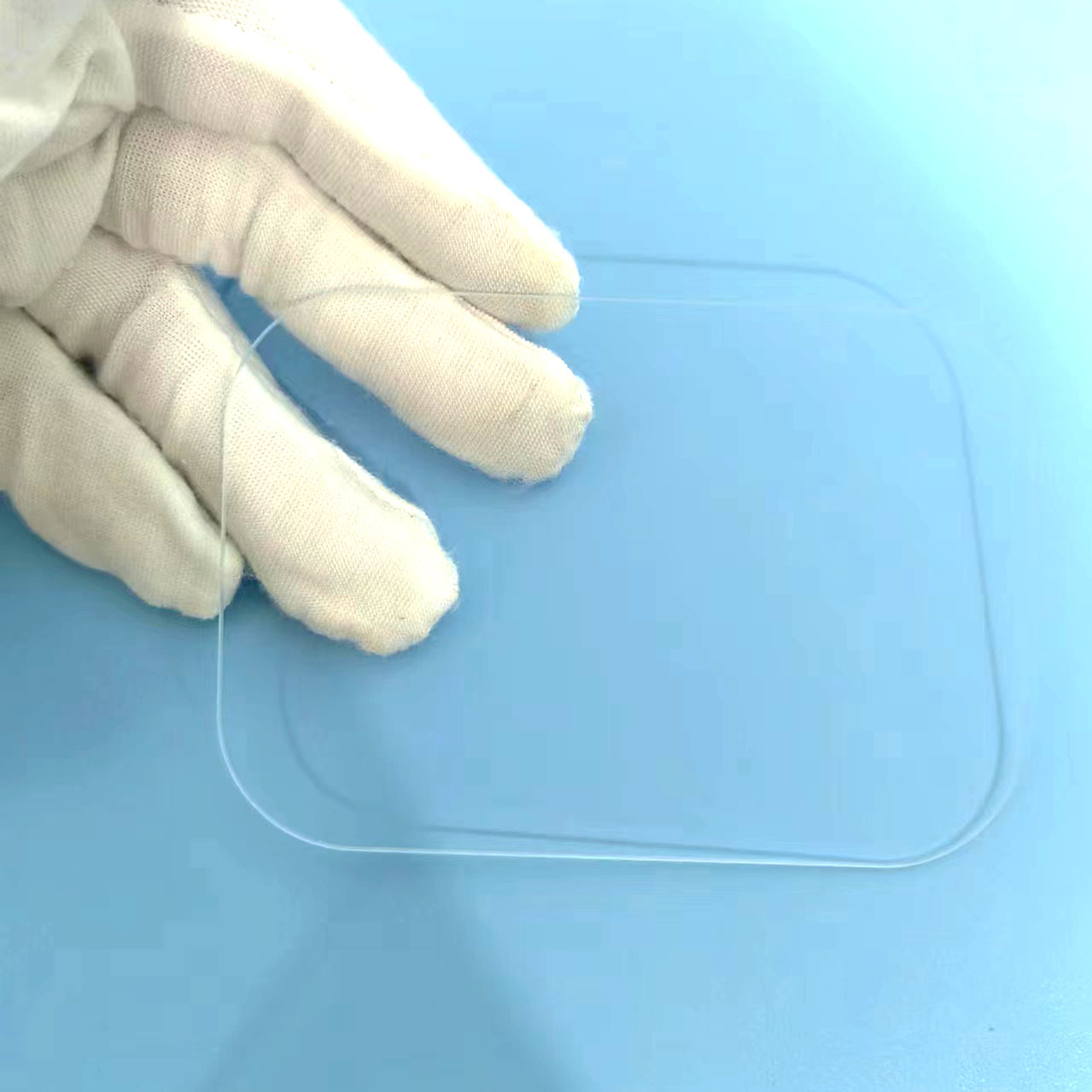
1.1mm ITO Conductive Glass for Smart Touch Mirrors
High-transmittance ITO glass with polished edges and CNC custom shapes for smart mirrors and home touch interfaces. Combines optical clarity with stable conductivity for interactive surfaces.
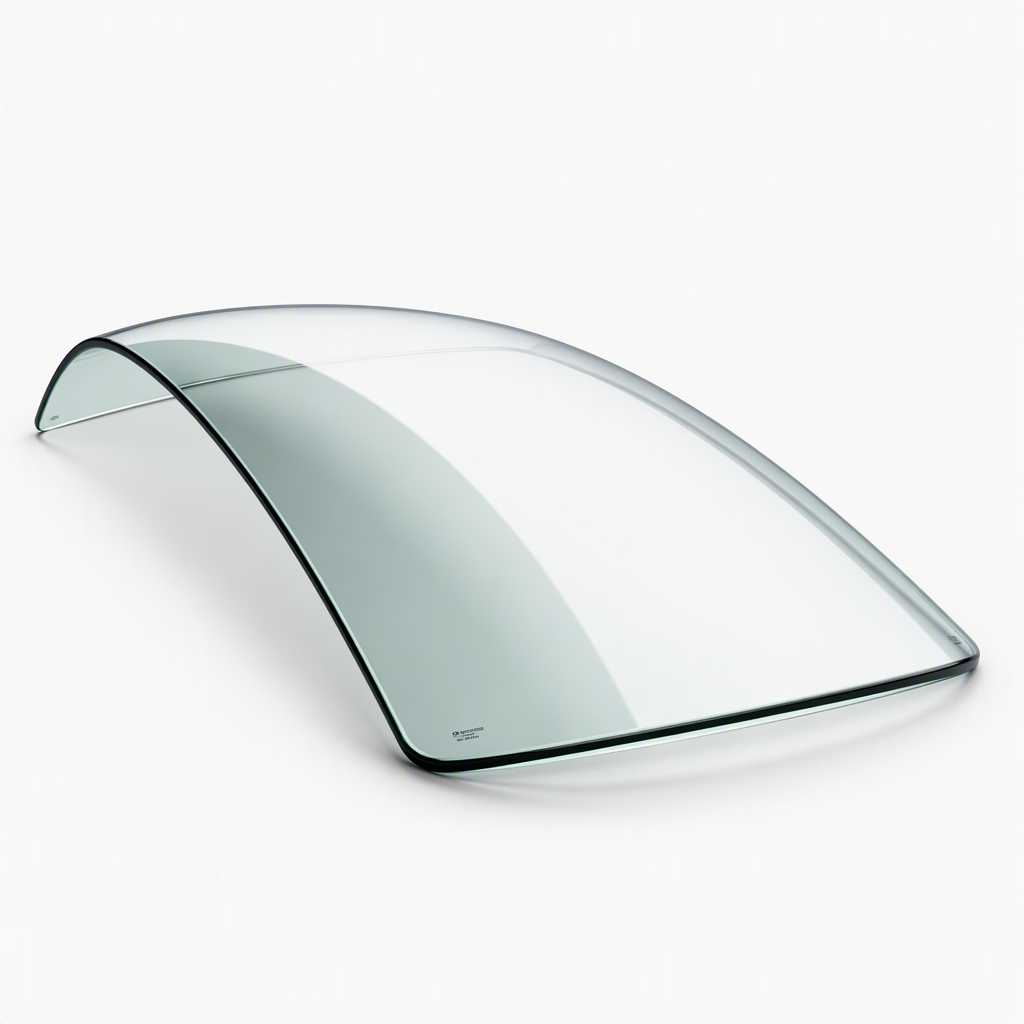
Hot-Bent Curved Tempered Glass for Automotive Displays
Small-radius hot-bent and curved tempered glass for automotive displays and HMI consoles. OEM/ODM forming supports tight arcs, optical clarity and durable performance in demanding cabin environments.
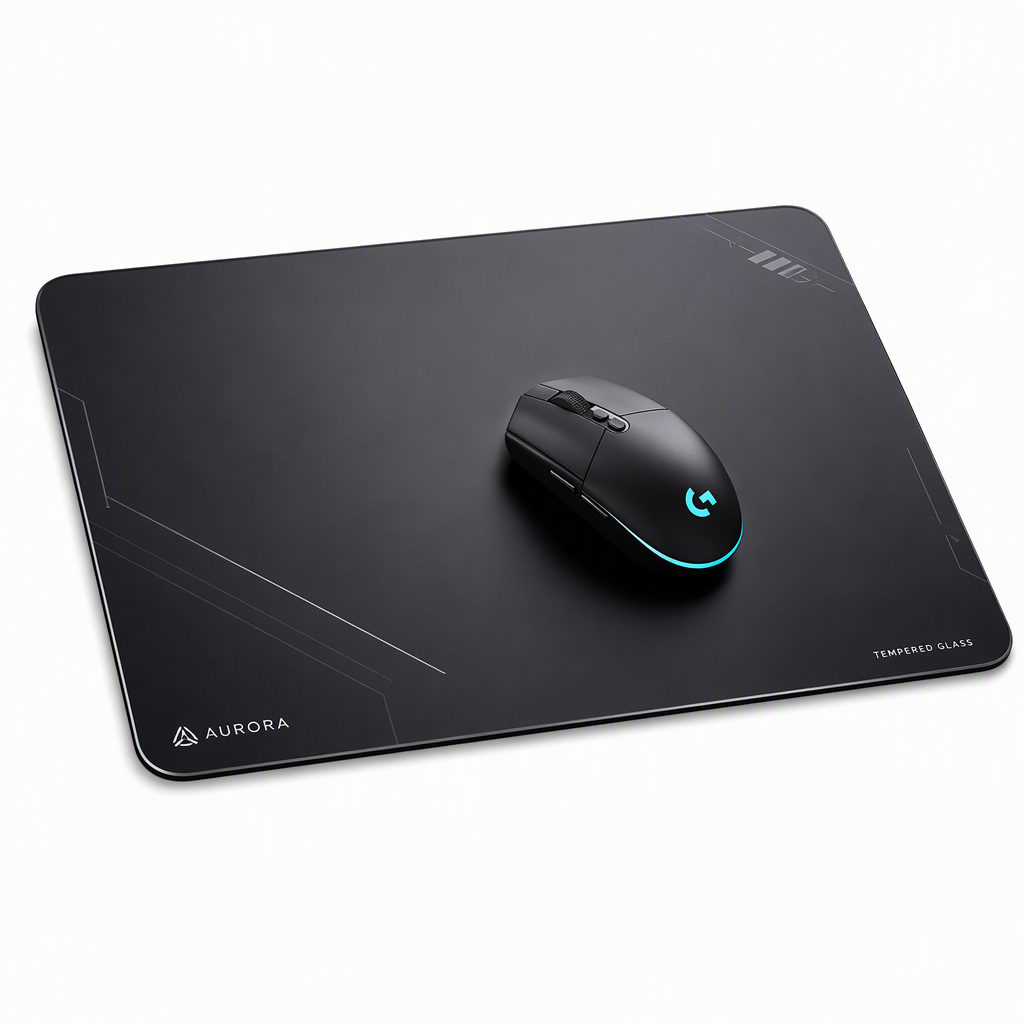
2/3mm Tempered Glass Mouse Pad with OEM UV Printing
Hard-surface glass mouse pads with UV printing, custom logos and silicone base options. A premium gaming peripheral substrate offering low friction, easy cleaning and consistent flatness.
Why KELO Glass Is a Trusted Glass Substrate Supplier and Wholesaler
KELO Glass is not a catalogue trader. Huizhou KELO Glass Co., Ltd. operates as a factory-direct manufacturer in Huizhou, Guangdong, inside the Greater Bay Area electronics supply chain. For procurement teams, that distinction matters: engineering review, process control, coating, inspection and packing are handled by one accountable team rather than split across brokers.
Vertical integration compresses risk. Cutting, water-jet cutting, CNC machining, drilling, edge polishing, laser engraving, silk-screen printing, sandblasting, flat and curved tempering, AR/AG/AF/ITO/FTO coating, 2.5D/3D forming and 3M adhesive bonding can run under one roof. Buyers gain tighter tolerance control, fewer handling touchpoints, more stable lead times and pricing without unnecessary middle-man margin.
Surface engineering is the core technology. AR coatings are built to reach reflectance below 1.0% per side and transmittance above 99% across 400–700 nm. AG ranges from 5–60% haze. AF can exceed a 110° water contact angle with more than 10,000-cycle durability. ITO and FTO are available at 1–20 Ω/sq, above 85% transmittance and below 2% haze. These are measurable production windows that can be written into an RFQ and checked on the approved sample.
- Factory-direct manufacturer with in-house coating, CNC, tempering, printing and bonding.
- Engineering drawing review and DFM feedback before tooling or sample release.
- Rapid prototyping from 1–2 pieces, then scalable mass production.
- 100% appearance inspection plus tempering, adhesion, abrasion and salt-spray testing.

Factory-direct production in Huizhou, Guangdong.

In-house AR / AG / AF coating and optical inspection.
Factory-Direct Economics
As a manufacturer rather than a trading layer, KELO aligns price with actual process cost: glass sheet, coating passes, tempering, printing, yield and packing. Wholesale and OEM buyers get one quotation path for samples and volume, with less margin stacking.
In-House Surface Engineering
AR, AG, AF, ITO and FTO coating is controlled in-house, so optical targets and sheet resistance are measured on the same process window that will run your production order. Multi-functional stacks such as AR+AG or AG+AF can be specified together.
Engineering Review and DFM
Drawings are reviewed for thickness, edge stress, hole position, coating coverage, print registration, curvature and adhesive bonding. The goal is to find cost and yield risks before tooling or samples, not after a failed assembly line.
Three-Gate Quality Control
Incoming, in-process and final inspection cover thickness, flatness, surface defects, CNC dimensions, tempering, coating adhesion, abrasion, salt spray and 100% appearance. Packing validation reduces transit damage.
Customization Breadth
Thickness from 0.1–19 mm; flat, 2.5D and 3D forms; silk-screen printing, laser engraving, hidden icons, frosted surfaces, holes, irregular outlines and 3M adhesive bonding. One supplier can cover multiple glass parts in a device BOM.
Export-Ready Service
FOB, CFR, CIF, EXW and DDP terms; T/T, L/C, PayPal and Western Union; Trade Assurance support. Honeycomb cartons, blister trays and partitions are configurable for long-haul shipments and distributor stock.
Glass Substrate Procurement Trends Buyers Should Plan For
Procurement is moving from lowest-piece-price buying to total landed cost and supply resilience. For glass substrates, the shift is visible in six areas.
Digital-First RFQ and Drawing Packages
Buyers now send 2D/3D CAD, stack-up drawings, optical targets, annual volume and destination requirements in a single RFQ package. The supplier's first response should identify tolerance risks, coating limits and cost drivers before a price is issued. This shortens engineering loops and makes quotations comparable.
Dual Sourcing with a Validated Primary
Supply-chain teams want resilience without doubling validation effort. A strong primary supplier supports this by documenting process windows, material lots, inspection records and approved samples. That information helps qualify a backup source while keeping the main program stable and auditable.
Data-Backed Quality, Not Paper-Only Certificates
Certificates are a starting point, not proof of lot performance. Procurement teams increasingly request measured reflectance, transmittance, haze, sheet resistance, contact angle, adhesion and abrasion data linked to the lot or batch. Change-control notes matter when a coating or printing step shifts.
Landed Cost, DDP and Damage-Proof Packing
Glass substrates are heavy, fragile and sensitive to edge chips, so freight and packing can change the real cost more than a small unit-price difference. Compare EXW, CIF and DDP scenarios, inspect packaging design and include damage-rate assumptions in the business case.
Lower-MOQ Prototyping and Faster Iteration
Brand owners and distributors are reducing launch risk with prototype runs from 1–2 pcs. The best wholesale partners combine low-volume samples with a clear path to volume pricing, so engineering changes do not reset the commercial discussion.
Sustainability and Yield Efficiency
Energy consumption, coating-line utilization, recyclable packaging and scrap reduction are moving into supplier scorecards. In-house coating and careful handling can lower rework, shorten lead times and reduce the hidden environmental cost of rejected parts.
Where Glass Substrate Product Development Is Heading
Glass is no longer only a protective cover. It is becoming an optical interface, a conductive surface, a decorative element and a structural component.
Thinner Geometries, Stronger Surfaces
Chemical strengthening and optimized edge finishing let thin glass survive drop, impact and assembly stress while supporting slim industrial design. Buyers should specify strength target, edge quality and adhesive method together, not in isolation.
2.5D and 3D Curved Glass
Small-radius bending is moving from premium automotive displays into smart-home controls, wearables and appliance interfaces. Curved forming must be matched with printing, coating and bonding processes to avoid cosmetic and alignment defects.
Multi-Functional Optical Stacks
AR+AG+AF combinations let one substrate reduce reflection, diffuse glare, improve readability and resist fingerprints. The trade-off is cost, durability and process sequence; define the primary optical goal first, then add secondary functions.
Transparent Conductive Substrates
ITO and FTO glass continue to enable capacitive touch, transparent heating, EMI shielding and thin-film solar. Lower sheet resistance is not always better; the right target depends on sensor design, haze tolerance and environmental stress.
Decorative and Functional Printing
Silk-screen printing, laser engraving, dead-front graphics and selective frosting turn glass into a brand surface. Print registration, ink durability and hiding power must be validated against the chosen coating and tempering sequence.
Application-Specific Engineering
Automotive HMI, medical instruments, appliance panels, gaming peripherals and solar modules each demand different priorities. A supplier that understands the end application can propose the right material and process window instead of forcing a catalogue item.
| Application | Recommended Glass Substrate | Why It Works |
|---|---|---|
| Automotive display / HMI | Chemically strengthened low-iron glass, AR or AR+AG, 2.5D/3D forming | Minimizes reflection, improves sunlight readability and supports durable cabin touch surfaces. |
| Outdoor kiosk / industrial panel | Tempered glass, AG 5–60% haze, optional AF | Cuts glare and fingerprints while keeping content readable under high ambient light. |
| Smart appliance / control panel | Tempered or chemically strengthened glass, AF or AG+AF, silk-screen print | Easy-clean surface, printed graphics and high-touch durability for daily use. |
| Capacitive touch sensor | 1.1 mm ITO glass, 1–20 Ω/sq, polished edges | Transparent conductivity with low haze and stable touch sensitivity. |
| Thin-film solar / high-temperature process | FTO glass, 1–20 Ω/sq | Better thermal and chemical stability than standard ITO in demanding processes. |
| Gaming mouse pad / peripheral | 2–3 mm tempered glass, UV printing, silicone base | Flat hard surface, custom logo and consistent low-friction glide. |
How to Qualify a Glass Substrate Wholesaler: A Practical Checklist
Price alone cannot reveal whether a supplier can hold optical performance after tempering, printing, bending or adhesive bonding. Use a qualification scorecard and ask for evidence.
- Ask for coating data measured on your substrate thickness, not a generic brochure.
- Require a sample plan and an approved-sample signature before volume.
- Review process capability for holes, curves, print registration and edge chips.
- Confirm how change control, lot traceability and rework are handled.
- Validate packaging with a trial shipment or drop test for export routes.
- Compare Incoterms, payment protection and warranty response side by side.
Supplier selection scorecard
Illustrative qualification weighting for OEM and distributor sourcing; actual weights should reflect product risk and destination.

Custom honeycomb cartons, blister trays and partition packing.

Specialty materials: Gorilla glass, borosilicate, quartz, sapphire and ceramic glass.
Frequently Asked Questions About Buying Glass Substrates
Direct answers to the questions procurement, engineering and sourcing teams usually ask before a first order.
What makes a glass substrate supplier trustworthy?
Trust should be supported by evidence rather than claims. Review factory-direct status, in-house process depth, measured optical data, sample control, inspection records, change control and buyer feedback. KELO maintains a verified exporter profile, a 4.9/5 store rating, a 98.18% reply rate and Trade Assurance support, and we provide product-specific data during engineering review.
What is the minimum order quantity for custom glass?
Sample orders can start from 1–2 pieces so you can validate fit, optics, coating performance and assembly before committing to volume. Bulk quantities are quoted per drawing, annual demand and process complexity. This approach is practical for OEMs, distributors and brand owners testing a new model or replacement part.
What lead time should I expect for mass production?
Bulk lead time is typically 21–31 days after sample approval, depending on size, coating stack, curved forming, printing complexity and order quantity. Tooling, special materials and multi-step bonding can extend the schedule. We confirm the production plan before the order so the timeline is visible to purchasing and engineering teams.
What customization options are available?
Glass thickness ranges from 0.1 mm to 19 mm. Size, shape, holes, edge finish, color, logo printing, silk-screen graphics, 2.5D/3D curved forming and 3M adhesive bonding are customized to your drawing or sample. We can also combine AR, AG, AF, ITO or FTO functions when the application requires more than one surface property.
What AR coating performance can KELO achieve?
Our AR anti-reflective coating can achieve reflectance below 1.0% per side and transmittance above 99% across 400–700 nm in single-layer or multi-layer designs. Final performance depends on substrate, coating design, tempering and printing sequence. We confirm the target against your application and inspect the approved sample before mass production.
Should I choose ITO or FTO conductive glass?
ITO glass is commonly used for capacitive touch sensors, displays and EMI shielding. FTO glass offers better thermal and chemical stability, making it a frequent choice for thin-film solar cells and high-temperature processes. Both are available with sheet resistance of 1–20 Ω/sq, transmittance above 85% and haze below 2%, adjusted to your design targets.
How is quality controlled before shipment?
Quality is controlled through incoming, in-process and final inspection with 100% appearance checking, plus tempering, adhesion, abrasion and salt-spray tests. Custom honeycomb cartons, blister trays and partition packing minimize transit damage. Records can be aligned with the inspection level agreed for your order, and packing can be reviewed before the first export shipment.
Which trade terms and payment methods do you accept?
We support FOB, CFR, CIF, EXW and DDP trade terms, and T/T, L/C, PayPal and Western Union payments. Orders placed through Alibaba.com can be protected by Trade Assurance. For first orders, we recommend confirming the Incoterm, inspection plan and packaging standard together so the landed-cost comparison is accurate across suppliers.
Request a Quote for Your Glass Substrate Program
Send your drawing, target coating performance and annual volume. KELO’s engineering team will review feasibility, suggest the most cost-effective glass substrate and return a quote with lead time, tooling and packing details. Buyers, distributors and brand owners are welcome.
Email: info@keloglass.com · Engineering review before quotation · Samples from 1–2 pcs