Top Trusted Medical Equipment Glass Supplier & Exporter
Precision cover glass, AR/AG/AF optical coatings and ITO/FTO conductive substrates for diagnostic displays, patient monitors, laboratory analyzers and medical device HMI — engineered and inspected in-house.
8 Application-Ready Glass Products for Faster Medical Sourcing
The product platform below covers display protection, conductive and heating substrates, anti-glare, anti-reflective and anti-fog surfaces, and printed touch panels. For medical equipment buyers, the value is not a single catalogue item — it is the ability to match substrate, coating, printing, thickness and electrical performance to the device environment, then validate the exact build through a 1–2 piece sample before mass production.
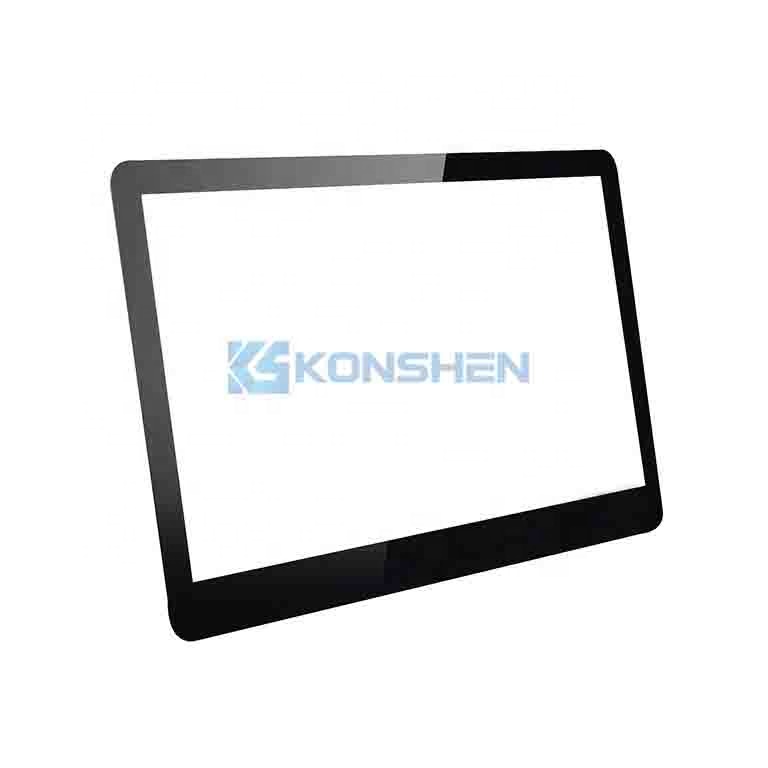
Tempered Glass Front Shield Cover Panel Custom Size Electronic Display Protection Sheet for Smart Device Konshen KS GB002
A custom-size, tempered front shield for electronic display protection. Suitable for device facias, instrument housings and control interfaces where scratch resistance, optical clarity and dimensionally stable printing are required.
ITO Coated Glass Conductive Glass Sheet 6 To 8 Ohm Per Square Custom Size Touch Panel Heating Substrate Supplier
A 6–8 Ω/sq ITO conductive glass platform for touch-panel heating, anti-fog windows and capacitive sensor substrates. Low sheet resistance and controlled haze support stable electrical performance in compact medical housings.
2mm 3mm Solid/Hollow Anti-Glare Chemical Tempered LCD Touch Screen Protection Cover Glass Silk Screen Printed European Style
An anti-glare, chemically tempered cover glass designed to reduce specular reflections on LCD touch screens. Silk-screen printed edges and 2 mm / 3 mm formats allow integration into bedside monitors, diagnostic consoles and laboratory equipment.
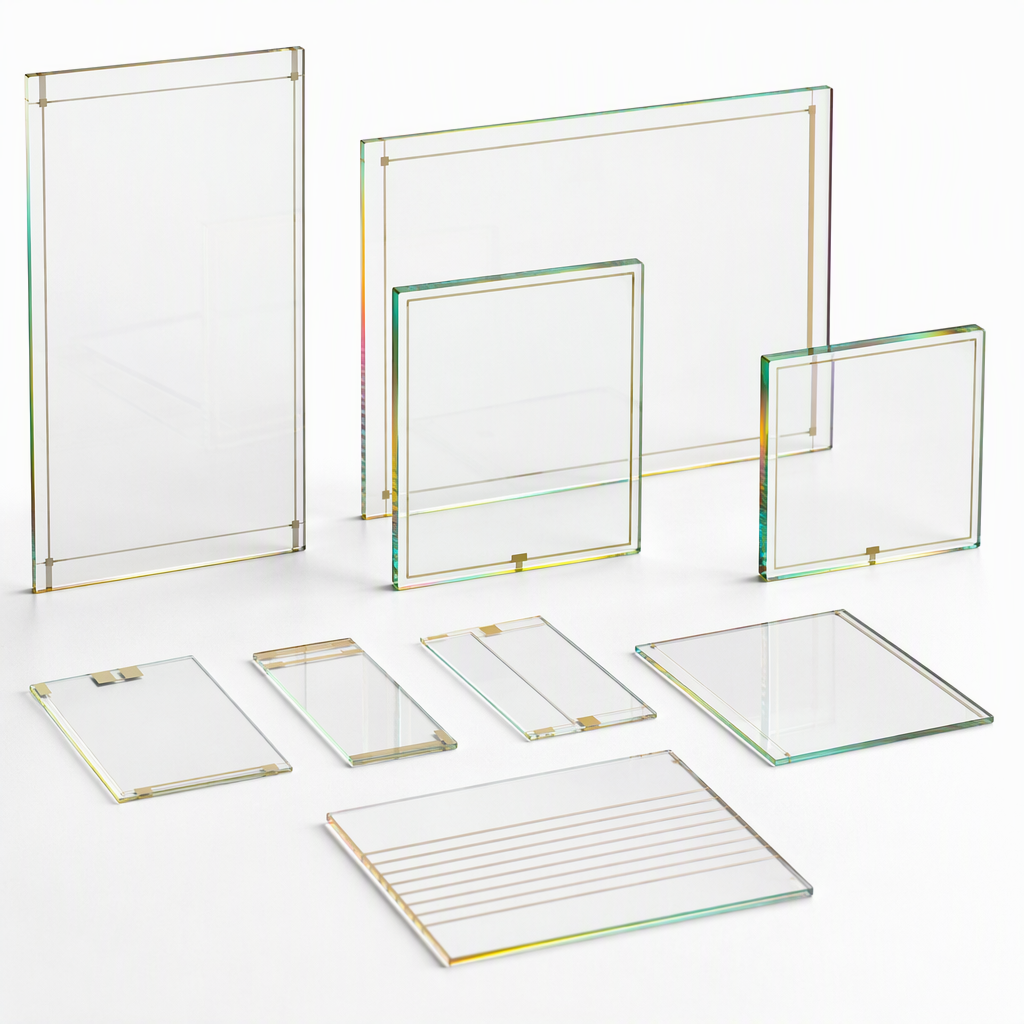
1.1 2.2mm Solid Flat Square Indium Tin Oxide (ITO) Coated Conductive Glass and FTO Conductive Glass for Lighting Applications
A flat square conductive glass option combining ITO and FTO substrates for lighting, sensor and analytical applications. The material family supports transparent electrodes and heating layers where optical transmission and sheet resistance must be balanced.
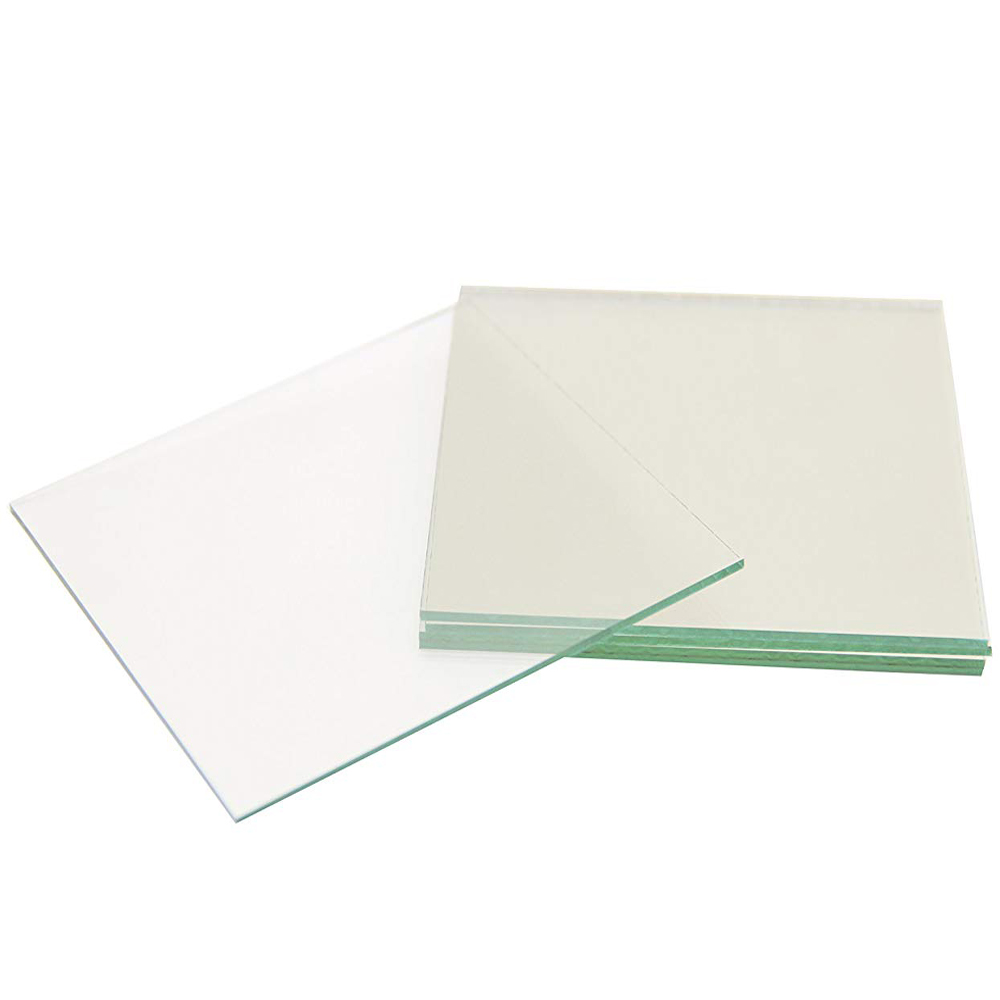
Custom 25x25x1.1mm ITO/FTO Coated Toughened Glass for LAB Display Anti-Fog Heating Conductive Glass Bathroom Solar Applications
A compact toughened conductive glass for laboratory displays, anti-fog heated windows, bathroom control panels and solar-related research. The small-format build is useful for prototype validation before scaling to production drawings.
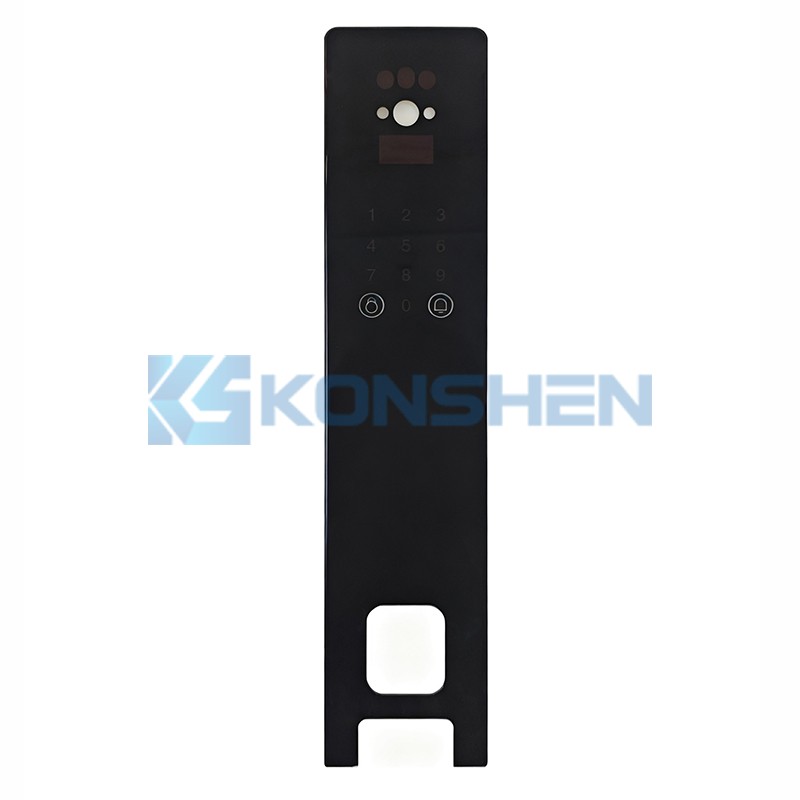
Electronic Tempered Glass Film Custom Printed Rectangular Panel Digital Keypad for Smart Door Lock
A custom-printed tempered glass panel for digital keypads, smart locks and equipment control front panels. Durable surface graphics, tight print registration and flat tempered glass help maintain a premium HMI appearance under frequent touch.

Factory Customized Anti-fogging Anti Reflective Glass Ultra Thin Tempered Toughened Optical ITO FTO Conductive Glass for Lab
An ultra-thin optical glass build combining anti-reflective and anti-fogging functions for laboratory equipment and precision instrument windows. The coating stack can be reviewed against transmission, reflectance and cleaning requirements.
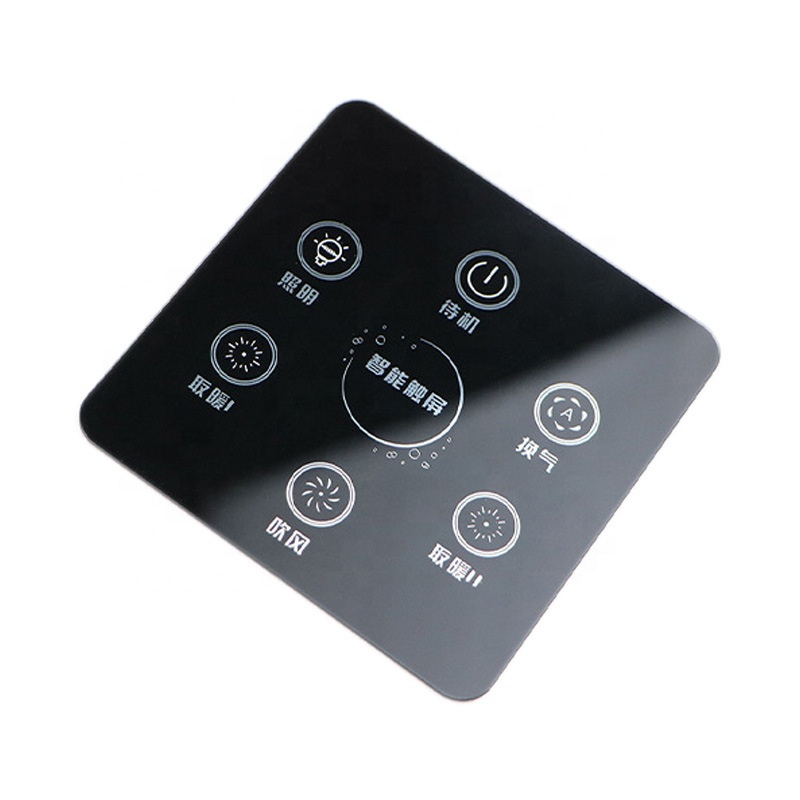
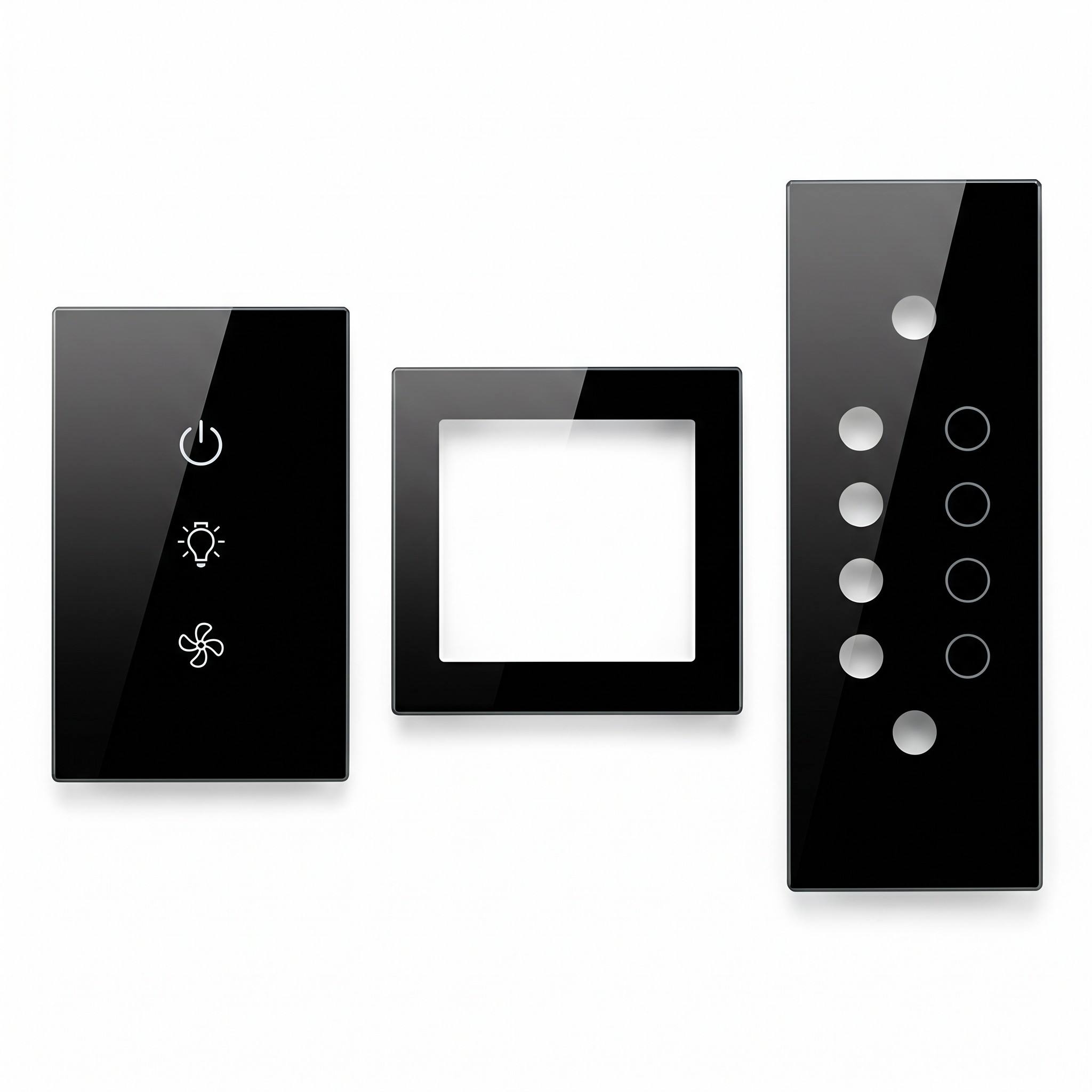
Bathroom Solid & Hollow Tempered Glass Intelligent Touch Shower Control Switch Panel Silk Screen Printed with 4-Year Warranty
A tempered touch switch panel with silk-screen graphics for smart bathroom and appliance control. The platform demonstrates the type of sealed, decorative HMI glass used in patient-adjacent and wet environments; final medical approval depends on device-level validation.
A Glass Manufacturing Platform Medical Buyers Can Audit
Medical equipment glass sourcing is a risk-management exercise as much as a purchasing decision. Buyers need evidence of process control, coating capability, engineering depth and export discipline — not only a price per piece.
Factory-Direct Expertise, Not a Trading Layer
Huizhou KELO Glass Co., Ltd. is a factory-direct manufacturer based in Huizhou, Guangdong, inside China’s Greater Bay Area electronics supply chain. Its operating profile includes a 10,000–30,000 m² facility, 101–200 employees, 21–30 R&D engineers, 20–25 million touch cover glass pieces per year and a US$50–100 million annual output value. For procurement teams, these figures matter because they connect directly to process control and supply continuity.
Every key step is handled under one roof: cutting, water-jet cutting, CNC machining and drilling, edge polishing, laser engraving, silk-screen printing, sandblasting, flat and curved tempering, AR/AG/AF/ITO coating, 2.5D/3D curved forming and 3M adhesive bonding. That vertical integration reduces hand-off damage, shortens problem-solving loops and protects the approved sample from drifting during mass production.
Experience is not a slogan in this category. Medical device glass often sits between optical performance, cleanability, impact resistance, electrical function and device-level validation. A supplier serving Europe, North America and South America must also understand packaging protection, Incoterms, sample approval and batch consistency. KELO’s profile shows 6 years as a verified exporter, a 4.9/5 store rating, a 98.18% reply rate and Trade Assurance-supported transactions. Buyers can review the company overview, verified assessment and trade history before releasing an RFQ.
- Verified manufacturer, not a trader
- Engineering drawing review and DFM
- Rapid prototyping from 1–2 pcs
- 100% appearance inspection



One accountable process
Cutting, printing, tempering, coating and bonding remain in-house, reducing transfer risk and supplier finger-pointing.
Engineering before pricing
Drawings are reviewed for tolerance, coating stack, printing registration and cost drivers before volume quotation.
Measured optical performance
AR reflectance below 1.0% per side, AG haze controlled from 5–60%, AF contact angle above 110° and ITO/FTO 1–20 Ω/sq.
Export-ready protection
Honeycomb cartons, blister trays and partition packing are specified to reduce transit damage on international routes.
Medical Equipment Glass Procurement Trends Buyers Are Planning For
Purchasing teams are moving away from transactional glass buying. The stronger RFQ now treats glass as a validated functional component with optical, electrical, mechanical and documentation requirements.
Audit-first sourcing
Buyers increasingly check verified assessment, trade history, credit profile and buyer feedback before approving a glass supplier. A supplier’s public trade record is becoming part of the technical package.
Small-batch validation
Prototype and pilot builds demand realistic samples without excessive tooling commitment. Sample orders from 1–2 pieces help validate fit, optics, coating and printing before volume release.
Multi-function stacks
Single-purpose glass is giving way to combined AR+AG, AG+AF and anti-fog conductive builds. Procurement teams are asking suppliers to document layer performance, durability and cleaning compatibility.
Supply continuity
Lead time, packaging integrity, DDP support and predictable batch quality are moving up the scorecard. A 21–31 day production window after sample approval is now evaluated alongside piece price.
What Medical Buyers Tend to Weight Most
The visual below is an illustrative sourcing framework, not a statistical survey. It reflects criteria that commonly appear in medical-device and laboratory-equipment glass RFQs: optical validation, traceability, sampling speed and packaging continuity.
Final weighting depends on device class, risk management approach, cleaning regime, region and internal supplier qualification rules.
How Medical Equipment Glass Itself Is Changing
The next generation of medical devices asks glass to do more: stay clear under bright light, resist smudging, conduct or dissipate heat, survive cleaning, and still fit a thinner industrial design.
Anti-fog heated glass
Laboratory analyzers, cold-room instruments and diagnostic windows benefit from transparent heating layers that reduce condensation. ITO/FTO conductive glass with controlled sheet resistance is a practical platform for anti-fog function.
AR-coated diagnostic displays
Anti-reflective cover glass improves contrast in imaging, monitoring and diagnostic consoles. Multi-layer AR stacks with reflectance below 1.0% per side help preserve image fidelity without washing out dark details.
AG for point-of-care screens
Bedside monitors, portable ultrasound and outdoor-adjacent equipment face changing light conditions. Anti-glare glass with controllable haze keeps screens readable without forcing users to increase backlight power.
AF touch HMI glass
Patient monitors, infusion pumps and diagnostic interfaces need smudge-resistant surfaces that wipe clean. Oleophobic coatings with water contact angle above 110° and abrasion durability support frequent-touch use.
Thin strengthened 2.5D/3D glass
Portable and wearable medical devices push toward thin, curved cover glass without sacrificing impact resistance. Chemically strengthened 2.5D/3D forming supports edge-to-edge industrial designs and sealed front panels.
ITO/FTO sensor substrates
Transparent conductive glass remains central to capacitive sensing, lab-on-chip research, EMI shielding and thin-film solar work. Buyers increasingly specify sheet resistance, transmittance and haze together, not as isolated values.
Where Medical Equipment Glass Performance Matters Most
The same factory platform can serve different medical equipment touchpoints, but the specification should be derived from the operating environment and the device’s risk profile.
Diagnostic displays
AR cover glass for imaging consoles, laboratory monitors and instrument displays where contrast and low reflectance support visual interpretation.
Patient monitoring
AF and AG touch glass for bedside monitors and control panels where smudge resistance, cleanability and readability are daily requirements.
Laboratory analyzers
Anti-fog conductive windows, optical inspection windows and ITO/FTO substrates for analytical instruments and testing equipment.
Equipment front panels
Printed tempered glass HMI panels for medical carts, sterilizable housings and control interfaces with custom graphics and touch integration.
Quality Control That Maps to Medical Sourcing Questions
Quality is built into the process, not inspected in at the end. KELO applies incoming, in-process and final inspection gates, with 100% appearance checking before packing.
Drawing and DFM review
Share a drawing, sample or target specification. Engineering reviews thickness, visible area, coating, printing and assembly constraints.
Material and stack selection
Substrate, tempering method, AR/AG/AF/ITO/FTO coating, 2.5D/3D forming and adhesive bonding are matched to the application.
Rapid sample validation
Sample orders can start from 1–2 pieces so fit, optics, electrical performance and cosmetics can be checked before volume.
IQC and IPQC control
Raw glass, thickness, flatness, surface defects, CNC dimensions, tempering, coating adhesion and abrasion are checked during production.
FQC and OQC release
Finished pieces receive appearance inspection, reliability checks where specified, and packing verification before shipment.
Mass production and packing
Typical bulk lead time is 21–31 days after sample approval. Custom honeycomb cartons, blister trays and partitions protect the glass in transit.
Questions Procurement Teams Ask Before Ordering Medical Equipment Glass
Straight answers to the questions that usually arise before a first sample, supplier audit or mass-production release.
What should a medical equipment glass RFQ include?
Include a 2D/3D drawing, glass thickness, visible area, substrate preference, coating requirement, printing colors, edge finish, holes or cutouts, operating environment, cleaning method, annual volume and destination. If the glass is part of a medical device, also state the device-level validation requirements and any documentation you need before sample approval.
Can I order small samples before mass production?
Yes. Sample orders start from 1–2 pieces so you can validate fit, optics and coating performance before committing to volume. This is especially useful for medical device prototypes, laboratory instruments and custom HMI panels where the drawing may still change after the first build.
Which coating is most relevant for medical displays?
AR anti-reflective glass is commonly specified for diagnostic and imaging displays because it reduces reflectance and protects contrast. AG anti-glare glass is useful where ambient light causes veiling glare. AF anti-fingerprint coating is appropriate for high-touch control panels. Combined stacks such as AR+AG or AG+AF can be evaluated when several optical or cleanability requirements coexist.
Should I choose ITO or FTO conductive glass?
ITO glass is widely used for capacitive touch sensors, displays and EMI shielding. FTO glass offers stronger thermal and chemical stability, making it a frequent choice for thin-film solar cells and high-temperature processes. Both can be supplied with sheet resistance of 1–20 Ω/sq, transmittance above 85% and haze below 2%, but the final stack must be matched to your process temperature and electrical target.
What thicknesses, sizes and shapes can be produced?
Glass thickness ranges from 0.1 mm to 19 mm. Size, shape, holes, color, logo printing, 2.5D/3D curved forming and 3M adhesive bonding are customized to your drawing or sample. For medical equipment projects, tighter tolerances and critical-to-function dimensions should be identified clearly during engineering review.
How is quality controlled before shipment?
Quality is controlled through incoming, in-process and final inspection, with 100% appearance checking. Tempering, adhesion, abrasion and salt spray tests are applied where relevant. Custom honeycomb cartons, blister trays and partition packing help minimize transit damage, which is critical for thin glass and coated optical parts.
What lead time and trade terms should international buyers expect?
Bulk lead time is typically 21–31 days after sample approval, depending on size, coating stack, curved forming and printing complexity. KELO supports FOB, CFR, CIF, EXW and DDP trade terms, and T/T, L/C, PayPal and Western Union payments. Orders placed through Alibaba.com can be protected by Trade Assurance.
How can I verify supplier credibility before ordering?
Review the supplier’s verified assessment, ratings and reviews, transaction level, trade capacity, trade history and credit profile. For KELO, the profile shows 6 years as a verified exporter, a 4.9/5 store rating, 98.18% reply rate and third-party visible trade records. A factory video and on-site verification report can further reduce sourcing risk.
Send Your Medical Equipment Glass Drawing for Engineer Review
Share the substrate, thickness, coating target, visible area, operating environment, printing, annual volume and destination. KELO’s engineering team will review feasibility, recommend the most suitable glass stack and outline the sample path before mass production.
Samples from 1–2 pcs · Mass production typically 21–31 days after approval · AR/AG/AF/ITO/FTO · Custom packing for export