Oven-Grade Glass Solutions for Global Wholesalers
The eight custom glass platforms below are retained from KELO's production catalog because each demonstrates a capability that oven glass buyers routinely evaluate: tempered and chemically strengthened substrates, precision printing, touch-screen covers, anti-glare protection, high-temperature conductive glass and moisture-resistant control panels. For oven door windows, control fascia, clock windows, steam-oven displays and smart-oven HMI cover glass, our engineers adapt thickness, shape, print, coating and packing to your drawing.
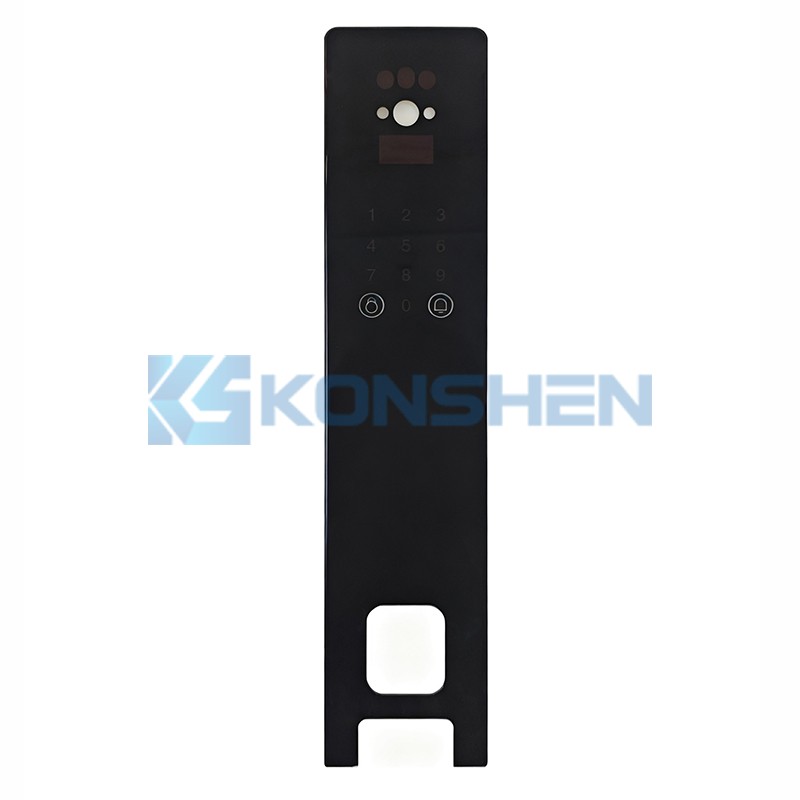
Electronic Tempered Glass Film Custom Printed Rectangular Panel Digital Keypad for Smart Door Lock
A printed tempered glass platform with precise rectangular forming and keypad integration. The same controlled print, touch-window and cover-glass process applies to oven control fascia and appliance interfaces.
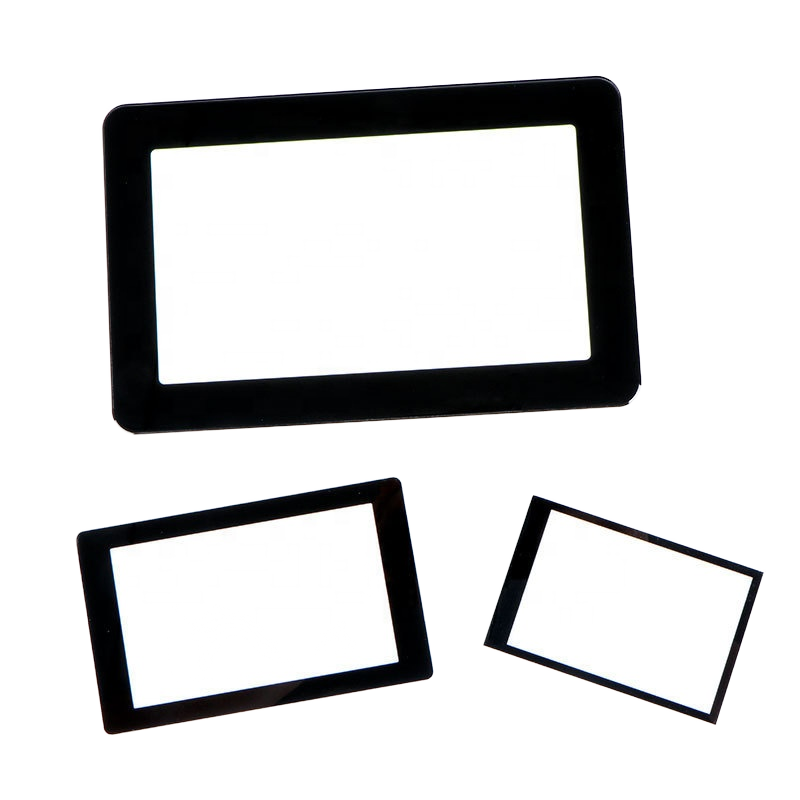
Wholesale Left Right Switching Control 0.2mm 5mm Soda Lime Extra Clear Tempered Glass Touch Screen Panel Outdoor Gym Waterproof
Extra-clear soda-lime tempered touch glass with switching control and waterproof construction. This platform is relevant to moisture-prone oven interfaces, steam appliances and wet-kitchen control surfaces.
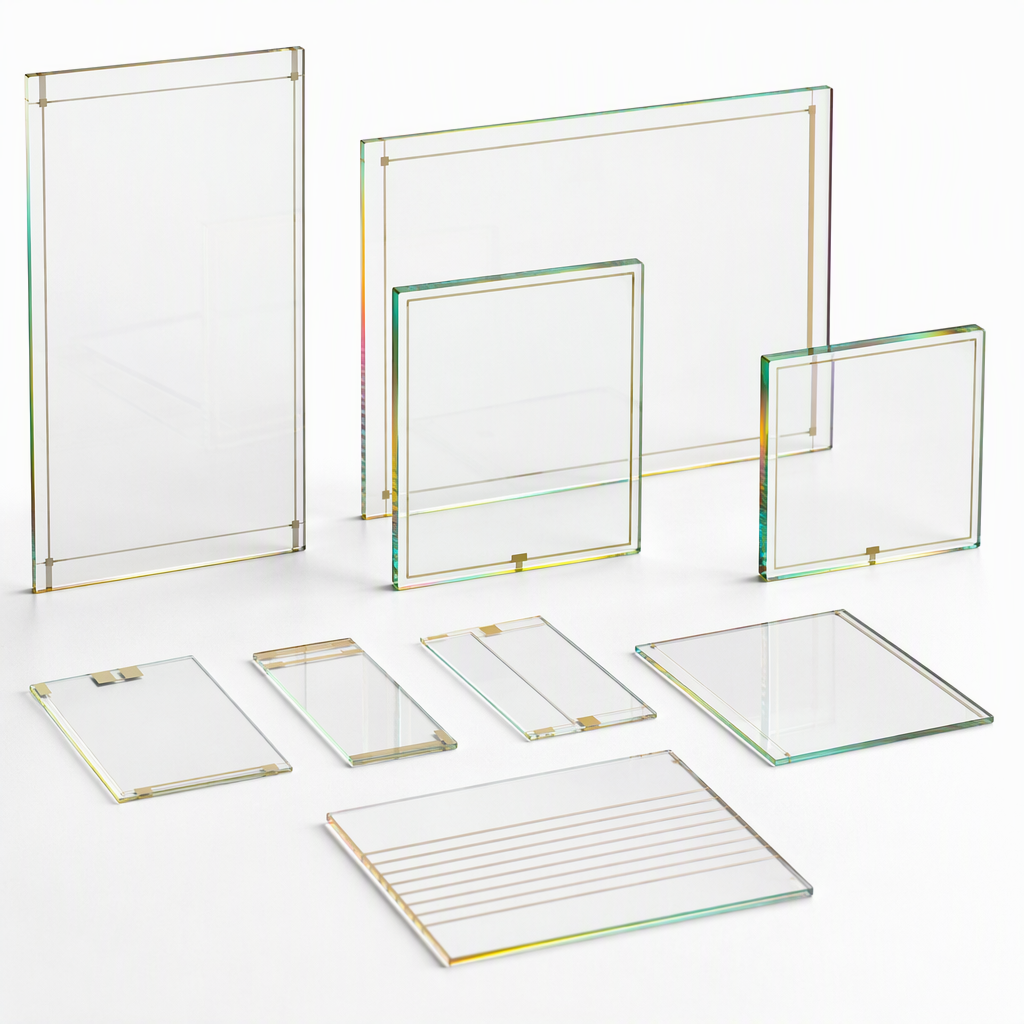
ITO Coated Glass Conductive Glass Sheet 6 To 8 Ohm Per Square Custom Size Touch Panel Heating Substrate Supplier
ITO conductive glass with 6–8 Ω/sq sheet resistance for touch sensing and heating substrates. A practical platform for smart-oven HMI, anti-condensation windows and integrated display heating.
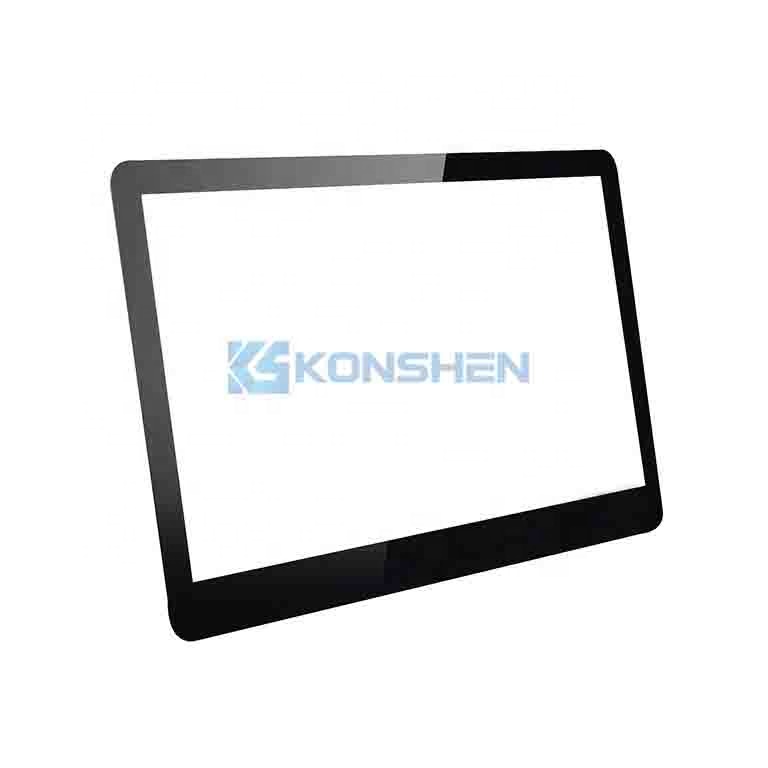
2mm 3mm Solid/Hollow Anti-Glare Chemical Tempered LCD Touch Screen Protection Cover Glass Silk Screen Printed European Style
AG-coated chemically tempered cover glass with precision silk printing. It supports readable, low-glare oven displays under bright kitchen lighting and high-end European appliance styling.
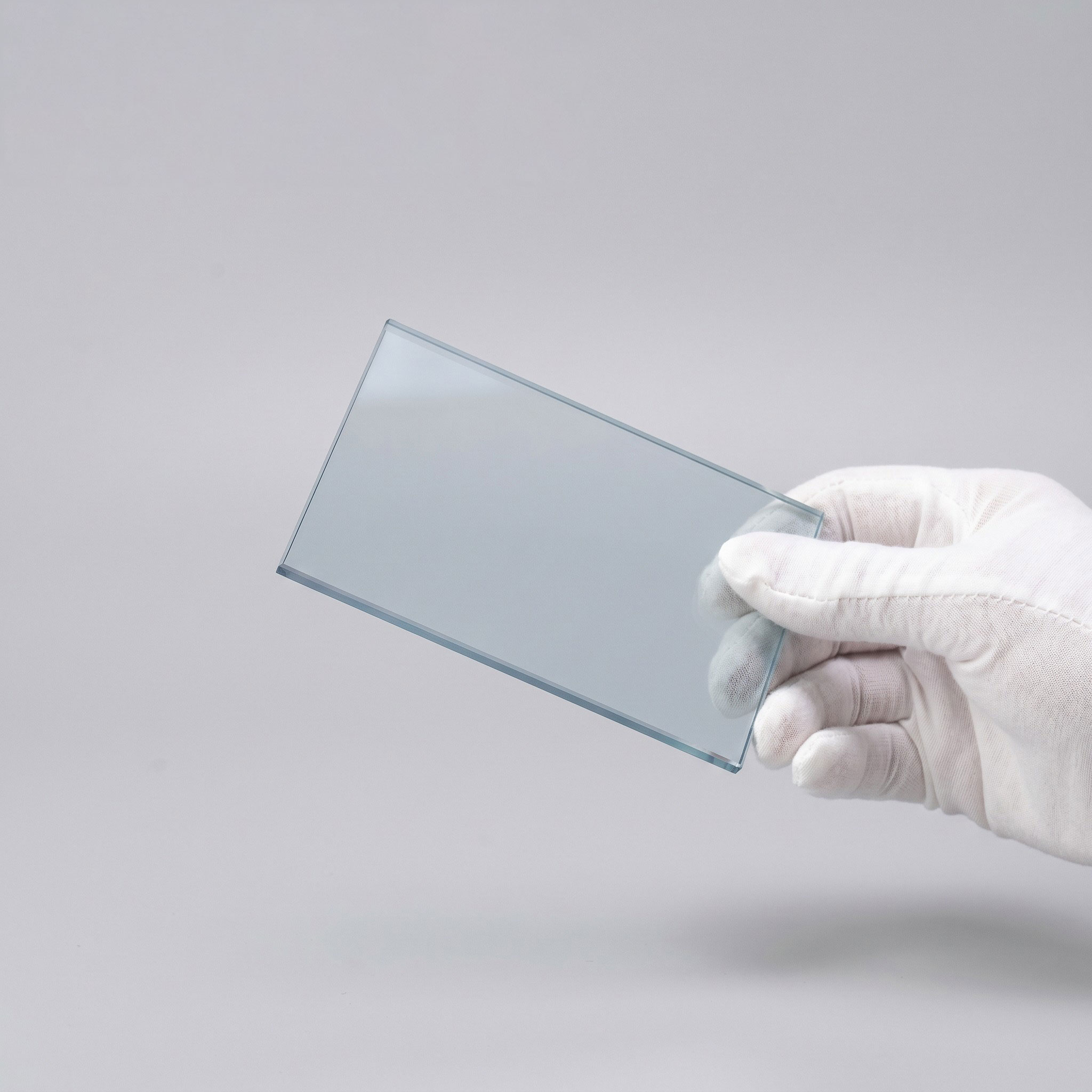
High Temperature Resistance Fluorine Doped Tin Oxide FTO Conductive Glass Solar Cell Substrate DSSC Perovskite Lab Research
High-temperature FTO conductive glass for thermally demanding processes. It demonstrates the thermal stability and substrate control required when oven glass must combine conductivity, clarity and heat resistance.
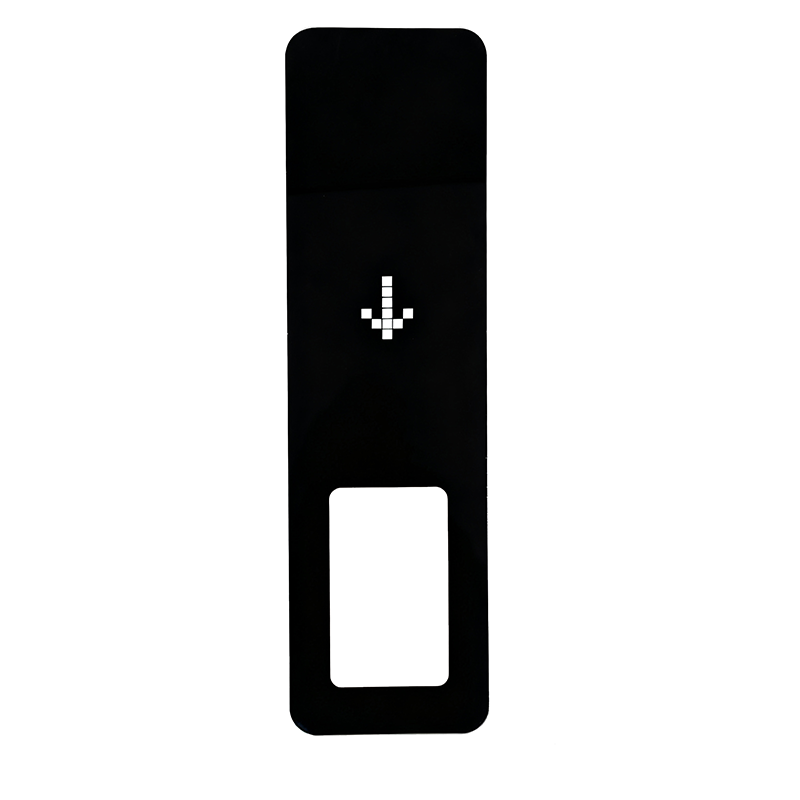
Customized Cutting Elevator Indicator Arrow Printing Touch Smart Control Elevator Panel Use Electronics Screen Glass Instrument
Custom-cut smart control panel glass with indicator and arrow printing. The process is directly transferable to oven timer windows, temperature displays and mode-selection fascia.
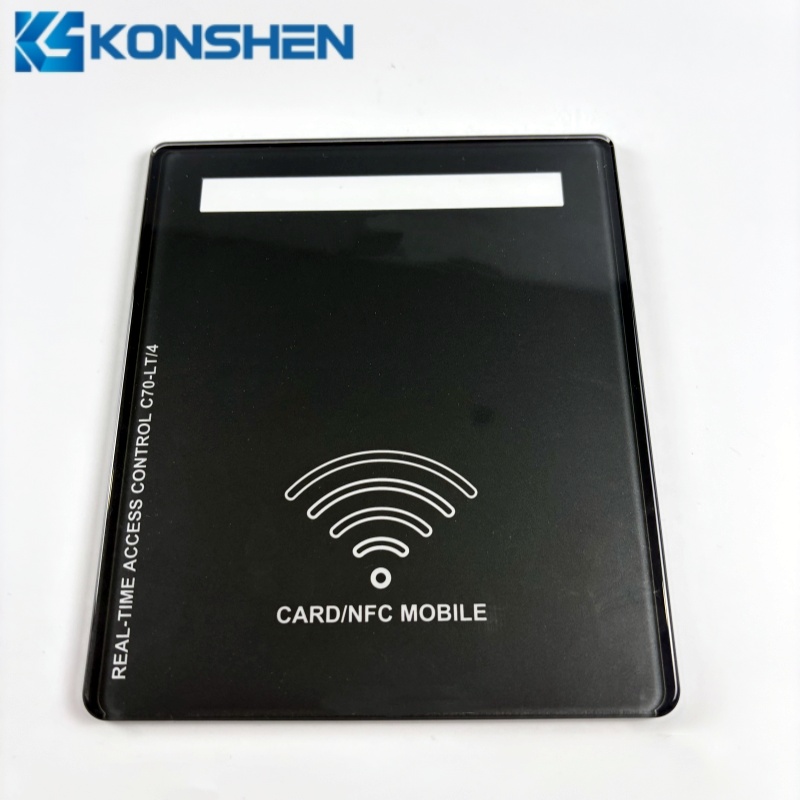
Custom 5mm NFC Access Card Silkscreen Printing Tempered Touch Screen Glass Switch Display Cover Glass
5 mm tempered switch and display cover glass with silkscreen printing and NFC integration. A useful platform for premium oven control panels and connected appliance interfaces.
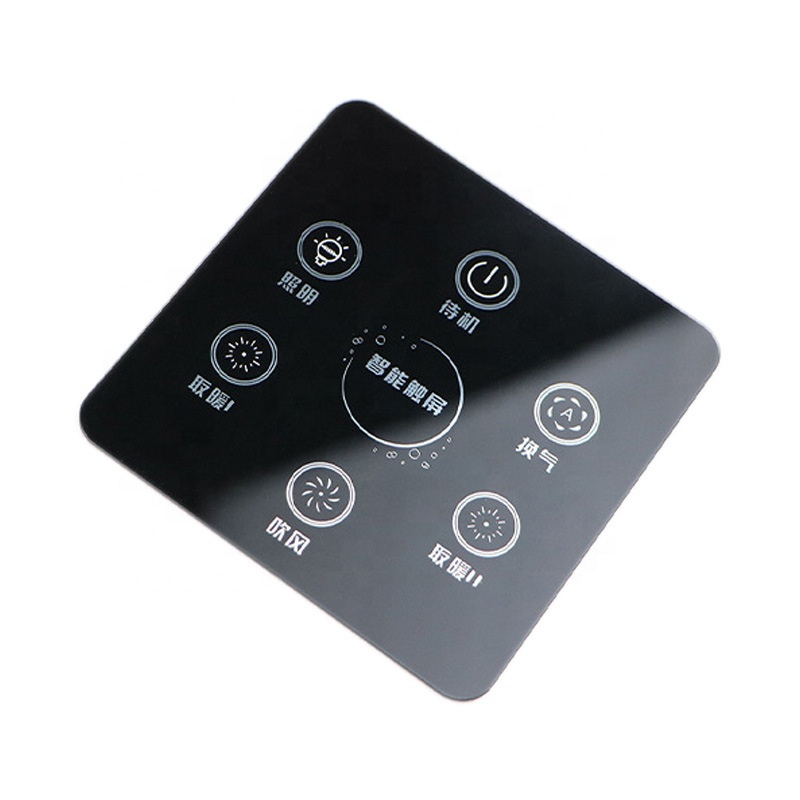
Bathroom Solid & Hollow Tempered Glass Intelligent Touch Shower Control Switch Panel Silk Screen Printed with 4-Year Warranty
Moisture-ready tempered touch switch glass with solid/hollow design and a 4-year warranty. This is a proven platform for steam-oven control panels and wet-kitchen appliance fascia.
Manufacturing Capacity Buyers Can Verify
Oven glass sourcing is a risk-management decision. These factory figures help wholesale buyers evaluate whether a supplier can support sampling, repeat orders and long-term appliance programs.
Why KELO Is Shortlisted as a Trusted Oven Glass Manufacturer & Wholesaler
Huizhou KELO Glass Co., Ltd. is a factory-direct glass manufacturer in Huizhou, Guangdong, inside the Greater Bay Area electronics and appliance supply chain. The company is not a trading intermediary: cutting, CNC machining, edge polishing, laser engraving, silk-screen printing, sandblasting, flat and curved tempering, AR/AG/AF/ITO/FTO coating, 2.5D/3D forming and 3M adhesive bonding are handled under one roof. For oven glass buyers, that vertical integration matters because every extra handling step increases the risk of edge chips, print misalignment, coating scratches and transit breakage.
One accountable process owner also means tighter tolerance control, faster corrective action and more stable lead times for wholesale programs. KELO supports OEM and ODM projects with engineering drawing review, sample orders from 1–2 pieces, typical bulk lead times of 21–31 days after sample approval, and export documentation for Europe, North America and South America. A verified exporter since 2019, the company maintains a 4.9/5 store rating, a 98.18% reply rate and Trade Assurance-supported transactions for buyers who require platform protection.

Factory-direct operations in Huizhou, Guangdong: one team controls substrate selection, forming, printing, coating, tempering, inspection and packing.
Factory-Direct Vertical Integration
Cutting, CNC, edge polishing, printing, tempering, coating, curved forming and adhesive bonding are kept in-house. This reduces handling risk and gives oven-glass programs a single accountable process owner.
Heat, Safety and Tempering Know-How
Soda-lime, borosilicate, ceramic, quartz and sapphire glass can be processed from 0.1 mm to 19 mm. For oven doors and control fascia, edge quality, thermal-shock resistance and flat/curved tempering are reviewed before release.
In-House Optical & Conductive Coatings
AR anti-reflective, AG anti-glare, AF anti-fingerprint, ITO and FTO coatings are applied and inspected in-house. Typical performance includes AR reflectance below 1.0% per side, AG haze of 5–60%, and AF contact angle above 110°.
Three-Gate Quality Control
IQC, IPQC and FQC/OQC checks cover thickness, flatness, CNC dimensions, tempering, coating adhesion, abrasion, salt spray and 100% appearance inspection. Custom honeycomb cartons, blister trays and partition packing protect finished glass.
Wholesale-Ready Export Service
FOB, CFR, CIF, EXW and DDP terms are supported, with T/T, L/C, PayPal and Western Union payment options. Orders through Alibaba.com can be protected by Trade Assurance, and export experience covers Europe, North America and South America.
Engineer-Led OEM / ODM Support
Our engineering team reviews drawings for DFM, tolerance stack-up, print registration, coating choice and packing risk. Samples can start from 1–2 pieces, and mass production typically runs 21–31 days after sample approval.
What “Oven Glass” Really Means in a Modern Appliance Supply Chain
Oven glass is not a single SKU. In a built-in oven, glass may appear as the outer decorative door panel, the inner viewing window, the control fascia, the display lens, the timer window and the light aperture. Each position has different thermal, mechanical and optical requirements.
Most residential oven viewing windows use tempered soda-lime glass in the 3–6 mm range, with 4–5 mm common for a balance of strength, weight and cost. High-end pyrolytic ovens, steam-combi appliances and laboratory ovens may require borosilicate, ceramic or quartz glass because a lower coefficient of thermal expansion reduces thermal-shock risk. Chemical strengthening can improve thin cover glass for touch panels, while flat or curved tempering is used where safety glass and edge-to-edge design are required.
Printing often determines perceived quality. Black matrix, gradient masking, icons and display windows must survive tempering and cleaning, match color under different lighting and hold adhesion through heat and humidity. Coatings address glare, fingerprints and reflection: AR improves see-through clarity, AG diffuses ambient light for outdoor readability, and AF keeps high-touch surfaces clean. For smart ovens, ITO or FTO conductive layers can support touch sensing, heating or integrated display functions.
Procurement risk is not only price per square meter. Breakage, print rejects, coating rework, delayed samples and packaging failures can erase savings. KELO's approach is to co-engineer the glass as a sub-assembly: substrate, print, coating, adhesive and packing are reviewed together. That is how a wholesale buyer gets a repeatable oven glass part rather than a one-off sample that is difficult to scale.
Selection Matrix: Matching Oven Glass to the Operating Condition
| Application requirement | Recommended glass / process | Why it matters | Buyer note |
|---|---|---|---|
| Oven door viewing window | Tempered soda-lime glass, 3–6 mm; borosilicate for higher heat | Balances impact safety, optical clarity and weight | Confirm thermal-shock test, edge quality and frame interface |
| Control fascia and display window | Chemically strengthened or tempered glass + silk-screen printing | Produces crisp graphics, hidden circuitry and scratch resistance | Request color masters, ink adhesion and tolerance stack-up |
| Smart oven touch HMI | AF/AG/AR coated cover glass, optional ITO layer | Improves readability, cleanability and touch integration | Match coating to lighting, cleaning chemicals and electrical function |
| High-temperature or pyrolytic use | Borosilicate, ceramic or quartz glass | Lower thermal expansion and better thermal stability | Validate gasket, expansion gap and thermal-cycle profile |
| Steam and wet kitchen | Tempered glass + sealed edge + moisture-resistant print | Resists fogging, condensation and frequent cleaning | Specify humidity, salt-spray and adhesion tests |
| Connected appliance interface | Tempered cover glass + ITO/NFC or printed antenna | Integrates touch, display and connectivity | Review electrical test method, grounding and shielding |
2025–2030 Procurement Trends Oven Glass Wholesalers Should Plan For
Appliance brands are moving toward glass as a structural, decorative and interactive surface. Wholesalers that qualify the right manufacturing capabilities now will be better positioned as oven designs become smarter and more demanding.
Touch-First Smart Ovens
Mechanical knobs are giving way to glass HMI panels with capacitive touch, black matrix, display windows and clean-edge design. AF, AR, AG and ITO capabilities will become purchasing criteria, not premium add-ons.
Higher Thermal and Safety Demands
Pyrolytic cleaning, steam-combi cooking and high-power heating increase thermal stress. Buyers will ask for documented thermal-shock testing, edge inspection, impact performance and material certificates before approving a supplier.
Coatings Become Standard
Anti-fingerprint and anti-glare surfaces are moving from flagship models into mainstream ranges. Wholesalers should prepare coated-glass SKUs with stable color, coating durability and cleaning-chemical compatibility.
Smaller MOQs and Faster Qualification
Brand owners want 1–2 piece prototypes, rapid DFM feedback and shorter sample cycles before committing to volume. Suppliers with in-house prototyping and engineering review will shorten the qualification path.
Sustainability and Packaging Efficiency
Lead-free inks, recyclable cartons, optimized pack density and lower breakage rates will matter in total cost calculations. Oven glass packaging must protect edges without creating unnecessary waste.
Traceability and Digital Quality
Procurement teams increasingly expect batch records, COAs, first-article inspection reports and audit-ready quality documentation. A glass supplier that can connect process data to shipment lots reduces buyer risk.
Future Development Trends in Oven Glass Manufacturing
The next generation of oven glass will be judged on more than transparency and strength. It will be a decorated, coated, connected and traceable component that must survive real kitchen conditions.
Thinner, Stronger, Edge-to-Edge
Designers want minimal frames and larger viewing areas. Chemical strengthening, precise edge polishing and curved forming allow thinner glass with a premium appearance.
Integrated Conductive Functions
ITO and FTO layers can add touch, heating or sensing functions. Future oven panels may combine display, control and anti-condensation functions in one glass stack.
Decorated Glass as Brand Surface
Print quality, color consistency and tactile finish shape how consumers perceive an appliance. Glass is becoming the brand face of the oven, not just a protective window.
Automated Inspection and Laser Processing
Laser cutting, automated optical inspection and digital traceability improve repeatability for high-mix wholesale orders while reducing handling damage and human error.
Quality Gates and Supplier Audit Checklist
A reliable oven glass wholesaler should be audited against both process capability and shipment discipline. These are the checkpoints that separate a stable production partner from a sample-only trader.
IQC: Incoming Material Control
Raw glass and consumables are verified before production enters the line.
- Thickness and flatness verification
- Surface defect screening
- Ink, coating and adhesive material checks
- Batch identification for traceability
IPQC: In-Process Control
Critical dimensions and coating results are checked at each production station.
- CNC dimensions and hole positions
- Tempering and strength tests
- Print registration and color verification
- Coating adhesion and abrasion checks
FQC/OQC: Final Release Control
Every finished piece is checked before protective packing and shipment.
- 100% appearance inspection
- Salt-spray and reliability testing
- Honeycomb carton, blister tray and partition packing
- Shipment sample retention and documentation
Wholesale Logistics and Global Market Coverage
Oven glass is fragile, heavy and specification-sensitive. Export performance therefore depends on packaging discipline, documentation and responsive communication as much as on factory capacity.
KELO supports FOB, CFR, CIF, EXW and DDP trade terms; T/T, L/C, PayPal and Western Union payments; and Alibaba Trade Assurance protection. Bulk lead time is typically 21–31 days after sample approval, depending on size, coating stack, curved forming and print complexity.
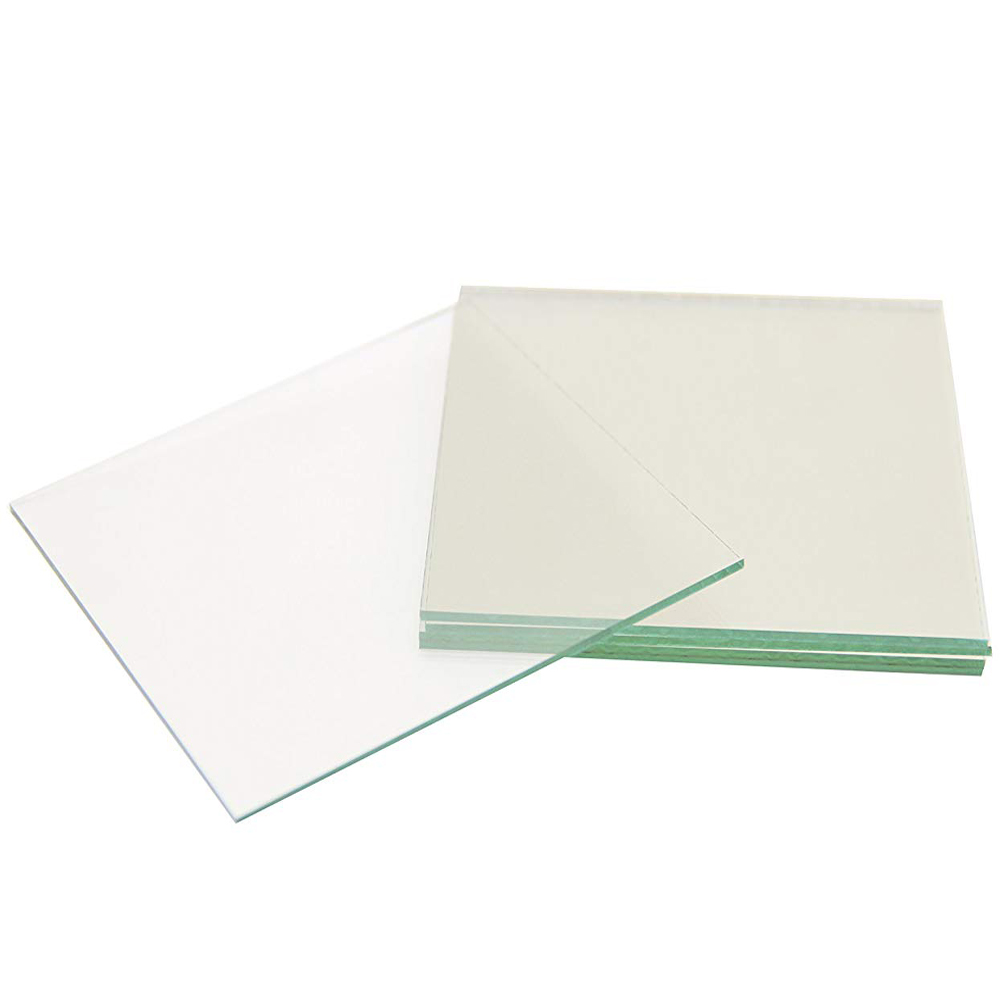
Custom honeycomb cartons, blister trays and partition packing are specified to reduce edge damage, surface scratches and transit breakage.
Oven Glass Procurement FAQ
These are the questions appliance buyers, distributors and private-label teams most often ask before requesting a sample or placing a wholesale order.
What thickness is typical for oven glass?
Residential oven viewing windows commonly use tempered soda-lime glass in the 3–6 mm range, with 4–5 mm often selected for a balance of strength and weight. Control panels and display covers may use thinner chemically strengthened glass. High-temperature applications may require borosilicate, ceramic or quartz glass. KELO can process 0.1–19 mm thickness, so the final choice should follow your span, frame design, thermal profile and safety requirement.
Can you print oven control fascia and display windows?
Yes. Silk-screen printing can produce black matrix, icons, gradients, display windows and decorative borders. For oven parts, print durability must be reviewed with tempering, cleaning chemicals, heat exposure and humidity. Provide artwork, color targets, glass thickness and tolerance requirements so our engineers can confirm print registration and ink adhesion expectations.
Do you support AR, AG, AF and ITO/FTO coatings?
Yes. In-house coating capabilities include AR anti-reflective, AG anti-glare, AF anti-fingerprint, ITO and FTO. Typical performance data includes AR reflectance below 1.0% per side, AG haze of 5–60%, AF water contact angle above 110°, and ITO/FTO sheet resistance of 1–20 Ω/sq. Final targets are confirmed against your drawing during engineering review.
Which tests should I require before approving oven glass?
A practical qualification plan includes thermal-shock testing, impact testing, edge inspection, print adhesion, coating abrasion, humidity or salt-spray exposure where relevant, and optical performance checks. Buyers should also request material certificates, RoHS/REACH documentation and packaging drop-test review where applicable. The exact test plan should match the oven type and target market regulation.
What is the MOQ, sample and production lead time?
Sample orders can start from 1–2 pieces so you can validate fit, optics, print and coating performance before committing to volume. Bulk quantities are quoted per drawing. Mass production lead time is typically 21–31 days after sample approval, depending on size, coating stack, curved forming and printing complexity. Trade terms include FOB, CFR, CIF, EXW and DDP.
How do you reduce breakage during wholesale shipping?
Packing is treated as part of the glass specification. KELO uses custom honeycomb cartons, blister trays, partition packing and protective interlayers to minimize edge damage and surface scratches. Finished parts receive 100% appearance inspection before packing, and shipment samples can be retained for traceability. For fragile or large oven windows, ask for a packaging review with your quotation.
Send Your Oven Glass Drawing for a DFM Review
Share overall dimensions, glass thickness, viewing-window layout, print artwork, coating target, annual volume and destination market. Our engineering team will review feasibility, recommend the most cost-effective substrate and coating stack, and confirm the sample-to-production path.
Typical response time: ≤1 hour · Sample orders from 1–2 pcs · OEM / ODM and wholesale programs supported