Top Trusted Tempered Glass Factory & Wholesalers
KELO Glass engineers tempered cover glass, AR/AG/AF optical coatings and ITO/FTO conductive glass for buyers who need verified quality, fast samples and scalable wholesale supply.
8 Tempered Glass Products for Immediate Sourcing
These product families cover the most common RFQs we receive from display, automotive, appliance, laboratory, bathroom and solar buyers. Every item can be customized by drawing, sample or target specification.
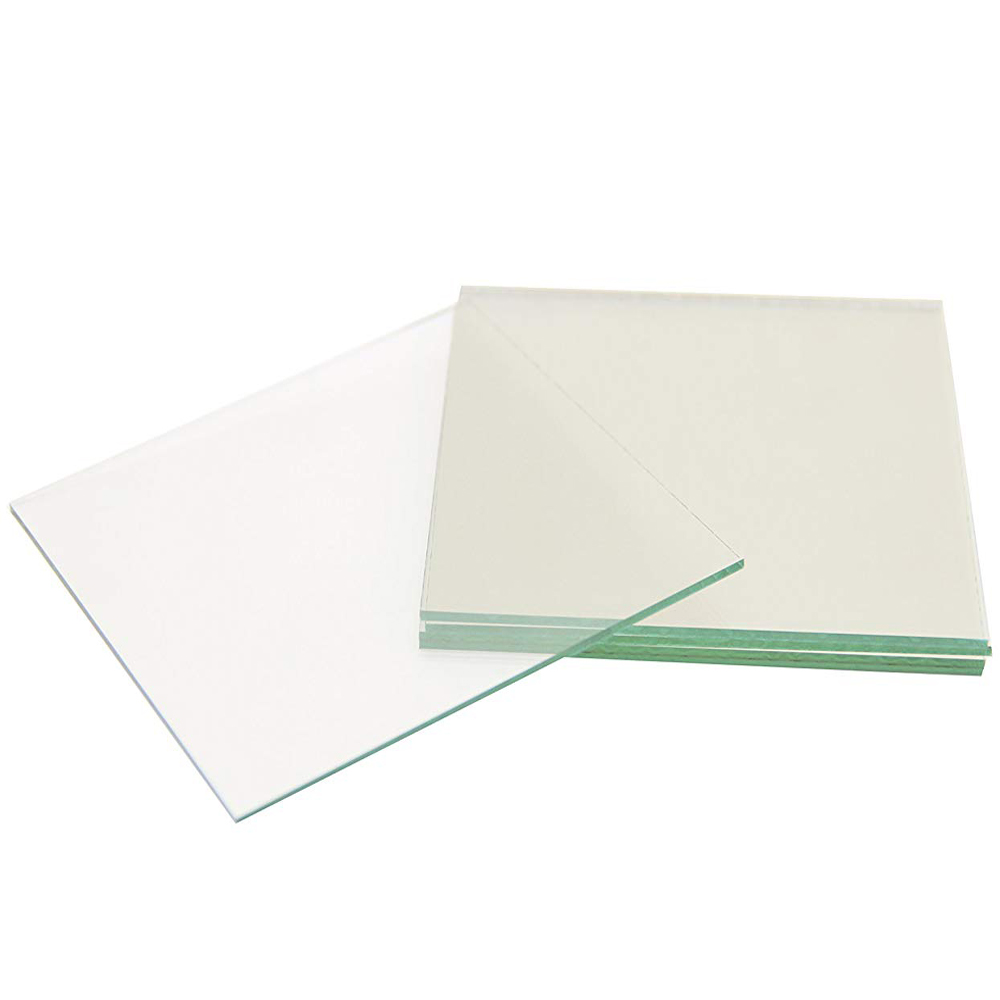
Custom 25x25x1.1mm ITO/FTO Coated Toughened Glass for LAB Display Anti-Fog Heating Conductive Glass Bathroom Solar Applications
Conductive coated tempered glass for lab displays, anti-fog heating windows, bathroom controls and solar-related assemblies.
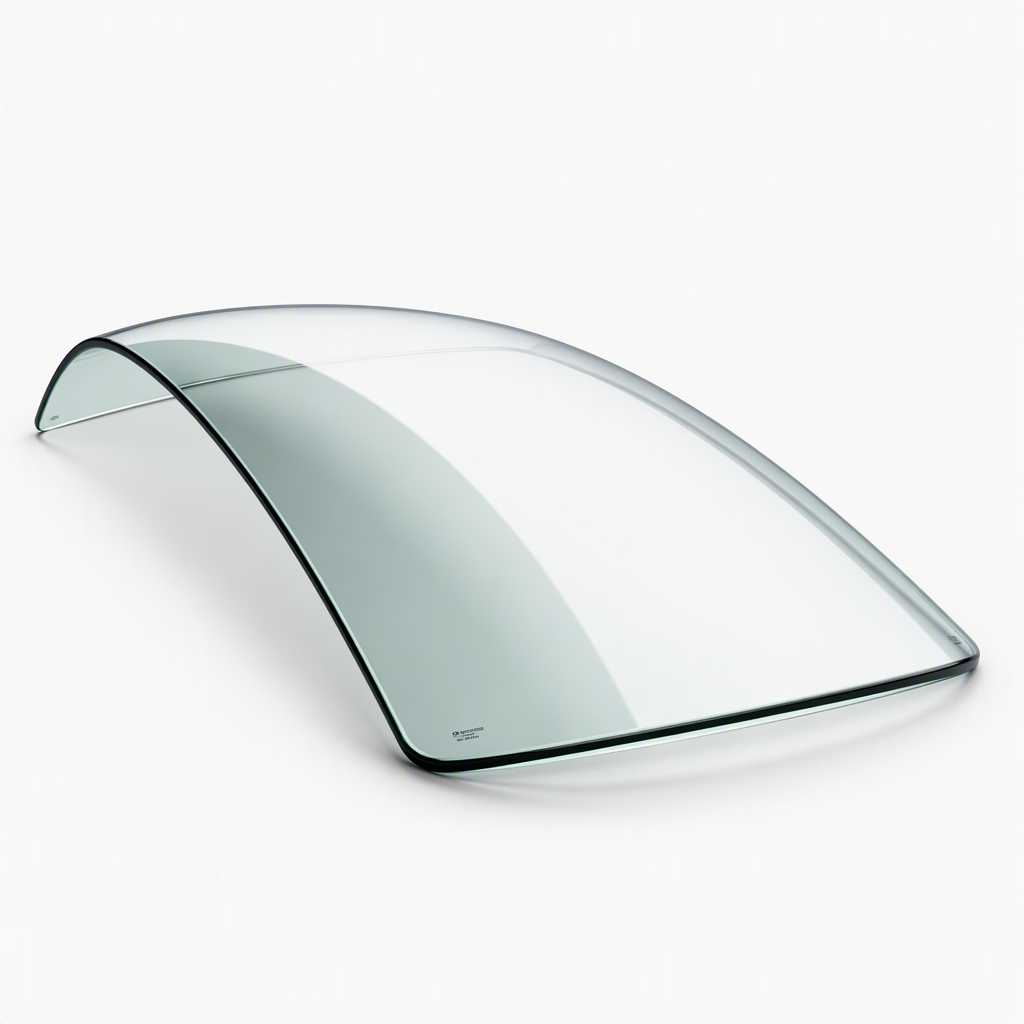
Hot Bent Glass Curved Tempered Glass Panel Small Radius Arc Shaped Custom Curved Glass For Automotive Display OEM ODM
Small-radius hot-bent tempered glass for automotive displays, offering precise curved forming and OEM/ODM support.

KS AG002 Custom Size AG Coating Anti-Glare Tempered Glass Panel High Transmittance Cover Sheet for Electronic Display Screen
AG-coated display cover glass engineered to reduce reflection while preserving high transmittance and image clarity.
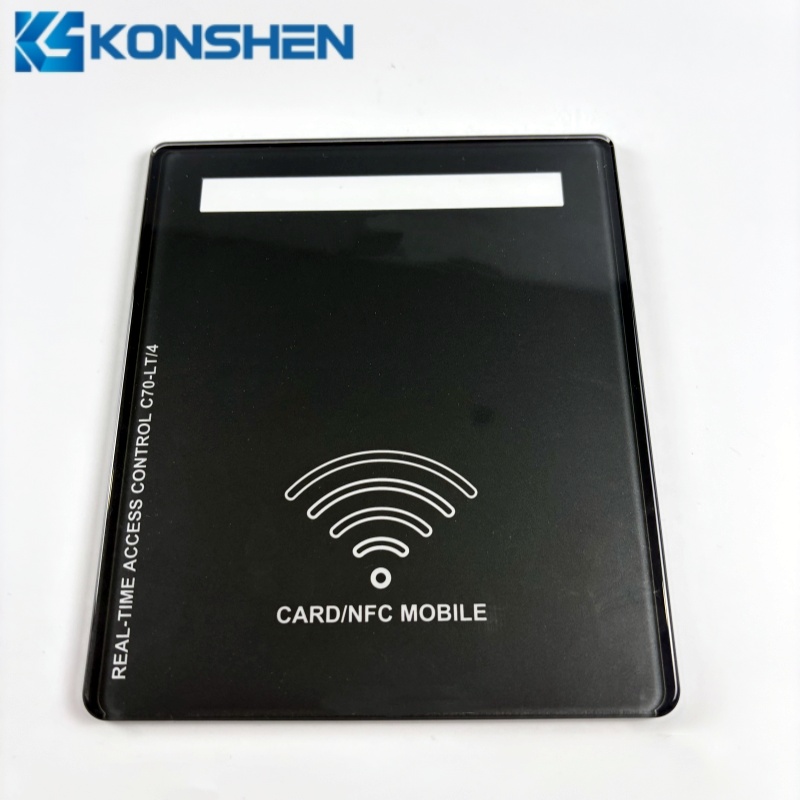
Custom 5mm NFC Access Card Silkscreen Printing Tempered Touch Screen Glass Switch Display Cover Glass
Tempered touch glass with silkscreen printing and NFC integration potential for access cards, switches and display covers.
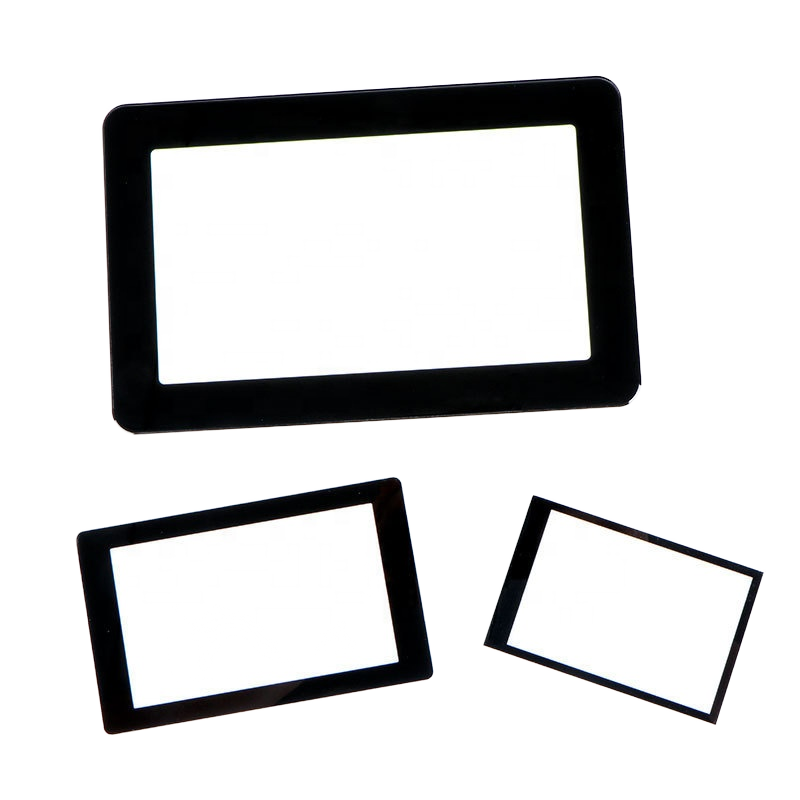
Wholesale Left Right Switching Control 0.2mm 5mm Soda Lime Extra Clear Tempered Glass Touch Screen Panel Outdoor Gym Waterproof
Extra-clear tempered touch glass for outdoor controls and gym equipment, with panel-level water resistance when correctly assembled.
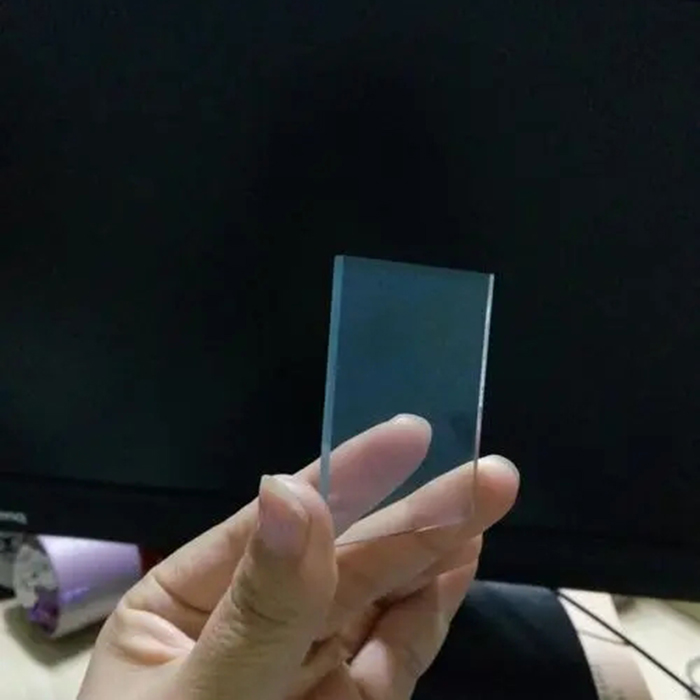
1.1 2.2mm Solid Flat Square Indium Tin Oxide (ITO) Coated Conductive Glass and FTO Conductive Glass for Lighting Applications
Flat conductive substrates for lighting, touch sensors and heating applications, available in ITO and FTO coating options.

Factory Customized Anti-fogging Anti Reflective Glass Ultra Thin Tempered Toughened Optical ITO FTO Conductive Glass for Lab
Ultra-thin optical glass combining anti-fog, anti-reflective and conductive functions for laboratory and instrument windows.

Custom Silk Screen Printed Tempered Glass Electronic Control Panel Cover for Smart Appliances
Printed tempered glass control panel covers for smart appliances, with durable graphics, touch window options and AF coating.
Why Global Buyers Shortlist KELO as a Trusted Tempered Glass Factory
Huizhou KELO Glass Co., Ltd. is a factory-direct manufacturer in Huizhou, Guangdong, China. We produce touch screen cover glass, display cover glass and optical coated glass, with advanced surface treatment as our core technology.

One Accountable Supplier From Raw Sheet to Packed Carton
Every critical step runs inside our factory: cutting, CNC machining, edge polishing, laser engraving, silk-screen printing, sandblasting, flat and curved tempering, AR/AG/AF/ITO coating, 2.5D/3D forming and 3M adhesive bonding. For buyers, that means tighter tolerances, fewer handling handoffs, stable lead times and pricing without middle-man margins.
We support thicknesses from 0.1 mm to 19 mm and custom shapes, holes, colors, logos, curved forming and adhesive bonding. Our engineers review drawings for manufacturability before quoting, so the sample you approve is the specification we can repeat in volume.
- Verified manufacturer, not a trader
- Engineering drawing review and DFM feedback
- Samples from 1–2 pieces for validation
- 100% appearance inspection before packing
Buyer confidence is supported by a 4.9/5 store rating, a 98.18% reply rate, Alibaba Trade Assurance eligibility and verified company records you can review before placing a wholesale order.
Full-Process Factory Control
Cutting, CNC, polishing, printing, tempering, coating, curved forming and bonding are kept in-house to reduce handling damage and supplier finger-pointing.
Surface Engineering Expertise
AR, AG, AF, ITO and FTO coatings are applied and inspected in-house, with performance targets confirmed against your drawing before mass production.
Engineer-Led Customization
With 21–30 R&D engineers, we review tolerances, coating stacks, printing, curved geometry and cost drivers before sampling to shorten the approval cycle.
Quality Gates Before Shipping
IQC, IPQC and FQC/OQC checks include dimension, appearance, tempering, adhesion, abrasion and salt-spray reliability testing where applicable.
Wholesale-Ready Trade Terms
FOB, CFR, CIF, EXW and DDP terms are supported, with T/T, L/C, PayPal and Western Union payment options and Trade Assurance protection where eligible.
Verified Export Track Record
Six years as a verified exporter, a 4.9/5 rating, a 98.18% reply rate and a typical response time under one hour help reduce sourcing risk for new buyers.
2026–2030 Tempered Glass Procurement Trends Buyers Should Plan For
Procurement is moving away from lowest-piece-price buying toward qualification depth, measurable optical performance, supply continuity and total landed cost. For tempered glass, the purchasing decision now involves engineering, quality, logistics and compliance teams earlier than before.
Qualification Before Price Negotiation
Buyers increasingly audit process control, inspection records and coating capability before discussing volume pricing. A factory that can show verified production evidence reduces the risk of a cheap sample that cannot be repeated in mass production.
Specification-Led RFQs
Generic requests for “tempered glass” are giving way to drawings with reflectance, haze, contact angle, sheet resistance, flatness and printing tolerances. Clear specifications make quotations comparable and prevent expensive re-engineering after tooling.
Total Landed Cost and Damage-Free Packing
Glass is vulnerable to edge chips and transit loss. Custom honeycomb cartons, blister trays and partition packing are becoming part of the commercial evaluation, not an afterthought, because breakage can erase the savings of a lower unit price.
Supply Continuity and Dual Sourcing
Brands want a qualified primary factory plus a practical contingency plan. Buyers are asking for capacity visibility, raw-glass availability and realistic lead times rather than promises of unlimited output during peak seasons.
Smaller Sample MOQs and Faster Learning Cycles
Engineering teams need physical samples quickly to validate fit, optics and assembly. Suppliers that support 1–2 piece prototypes and a 21–31 day mass-production lead time after approval can shorten the product development cycle.
Application-Specific Performance
Automotive displays, outdoor kiosks, smart appliances, laboratory windows and solar devices each need a different glass stack. Buyers are shifting from catalogue purchasing to application-matched recommendations supported by measurable performance windows.
Recommended RFQ Scorecard Weighting
Use this practical weighting when comparing tempered glass suppliers. It helps procurement teams avoid over-focusing on unit price while underweighting the engineering and logistics costs that appear later.
Product Development Trends Reshaping Tempered Glass Demand
Tempered glass is becoming an engineered interface component rather than a passive protective sheet. The strongest opportunities are in optical stacks, curved formats, conductive functionality and decorative integration for smart devices.
Curved 2.5D and 3D Cover Glass
Automotive consoles, smart home controls and premium appliances are moving toward seamless curved surfaces. Hot-bent and curved tempered glass supports small-radius designs without sacrificing durability.
Integrated AR, AG and AF Stacks
Instead of choosing one coating, buyers increasingly combine anti-reflective, anti-glare and anti-fingerprint functions on a single substrate for outdoor readability and easy cleaning.
ITO and FTO Conductive Glass
Transparent conductivity is expanding beyond touch sensors into heating, EMI shielding and thin-film solar. ITO and FTO substrates with controlled sheet resistance and haze support these functions.
Thin Chemically Strengthened Glass
Thinner cover glass from 0.1 mm upward supports lighter devices, capacitive touch integration and compact optical assemblies while maintaining strength where the design requires it.
Decorative Printed Glass Panels
Silk-screen printing, laser engraving and NFC integration turn glass into a complete control-panel cover, reducing assembly steps for smart appliances and access-control devices.
Long-Life, Easy-Clean Surfaces
AF and easy-clean coatings are becoming standard for high-touch panels. Buyers are also reviewing packaging efficiency and transit durability as part of sustainability and cost-reduction goals.
Recommended Tempered Glass Selection by Application
Use the application context first, then confirm the exact substrate, thickness, coating stack and printing requirements with our engineering team. For distributors, a balanced wholesale assortment usually includes these four categories.
Automotive and Curved Displays
Choose hot-bent curved tempered glass when the display requires a seamless console or dashboard profile. Combine with AR, AG or AF according to reflection and touch conditions.
Outdoor and Industrial Touch
Outdoor kiosks, gym equipment and factory HMI panels need glare control and durable tempered surfaces. AG coating improves readability under strong ambient light.
Laboratory, Heating and Solar
When the glass must conduct, heat or maintain optical clarity, specify ITO or FTO conductive glass with the required sheet resistance, transmittance and haze.
Smart Appliances and NFC Panels
Printed tempered glass control covers create a premium, easy-clean interface. NFC integration can combine access, pairing or identification functions behind the glass.
Frequently Asked Questions from Tempered Glass Wholesale Buyers
These are the questions procurement, engineering and quality teams ask most often during supplier qualification and first-order planning.
What does a “top trusted tempered glass factory & wholesalers” mean in practice?
A trusted factory should be verifiable, control critical processes, provide measurable specifications and support wholesale terms. KELO is a factory-direct manufacturer rather than a trading intermediary, with samples from 1–2 pieces, public company records and Trade Assurance eligibility on qualifying orders.
What is the minimum order quantity for custom tempered glass?
Sample orders can start from 1–2 pieces so you can validate fit, optics, printing and coating performance before committing to volume. Bulk quantities are quoted per drawing, material, size, coating stack and packaging requirement.
What is the typical lead time for mass production?
Bulk lead time is typically 21–31 days after sample approval. The exact schedule depends on size, coating complexity, curved forming, printing, adhesive bonding, material availability and final inspection requirements.
How do I specify AR, AG, AF, ITO or FTO performance?
Include target reflectance, transmittance, haze, gloss, contact angle, sheet resistance, substrate thickness, visible area, printing and environmental tests in your RFQ. Our engineering team reviews the drawing and confirms whether the requested stack is achievable before quotation.
Should I choose ITO or FTO conductive glass?
ITO is commonly used for capacitive touch sensors, displays and EMI shielding. FTO offers stronger thermal and chemical stability, making it a frequent choice for thin-film solar cells and high-temperature processes. Both can be supplied with controlled sheet resistance, transmittance and haze.
Can you produce curved, printed, NFC, waterproof or anti-fog glass?
Yes. Custom options include 2.5D/3D curved forming, silk-screen printing, laser engraving, NFC integration, anti-fog and anti-reflective coatings, and panel designs intended for outdoor or waterproof assemblies when the full enclosure is specified correctly.
What thickness, sizes and shapes can you produce?
Glass thickness ranges from 0.1 mm to 19 mm. Size, shape, holes, cutouts, edge treatment, color, logo printing, curved forming and 3M adhesive bonding are customized to your drawing or approved sample.
Which trade terms and payment methods do you accept?
We support FOB, CFR, CIF, EXW and DDP trade terms, and payment methods including T/T, L/C, PayPal and Western Union. Orders placed through Alibaba.com may be protected by Trade Assurance where eligible.
How do you control quality and protect glass during shipping?
Quality is controlled through incoming, in-process and final inspection, with 100% appearance checking and tests for tempering, adhesion, abrasion and salt spray as applicable. Custom honeycomb cartons, blister trays and partition packing help minimize transit damage.
Send Your Drawing — Get a Factory-Direct Tempered Glass Quote
Share your drawing, target coating performance, annual volume and required delivery date. Our engineering team will review feasibility, recommend the most cost-effective substrate and coating stack, and reply with the next steps for sampling or mass production.
Useful details to include: glass size, thickness, application, coating requirement, printing artwork, estimated annual quantity, destination country and required certification or inspection documents.