Top Trusted Toughened Glass Supplier & Wholesalers
Factory-direct toughened glass panels, AR/AG/AF coated glass, ITO/FTO conductive glass and custom display cover glass — engineered for wholesale, OEM and ODM buyers who need measurable optical performance, rapid samples and dependable lead times.
8 Recommended Toughened Glass Products for Wholesale Buyers
The product set below covers the specifications international buyers request most often: low-iron display glass, anti-glare outdoor panels, anti-reflective museum glass, printed control panels and 2 mm ultra-clear substrates. Every product link is preserved exactly.
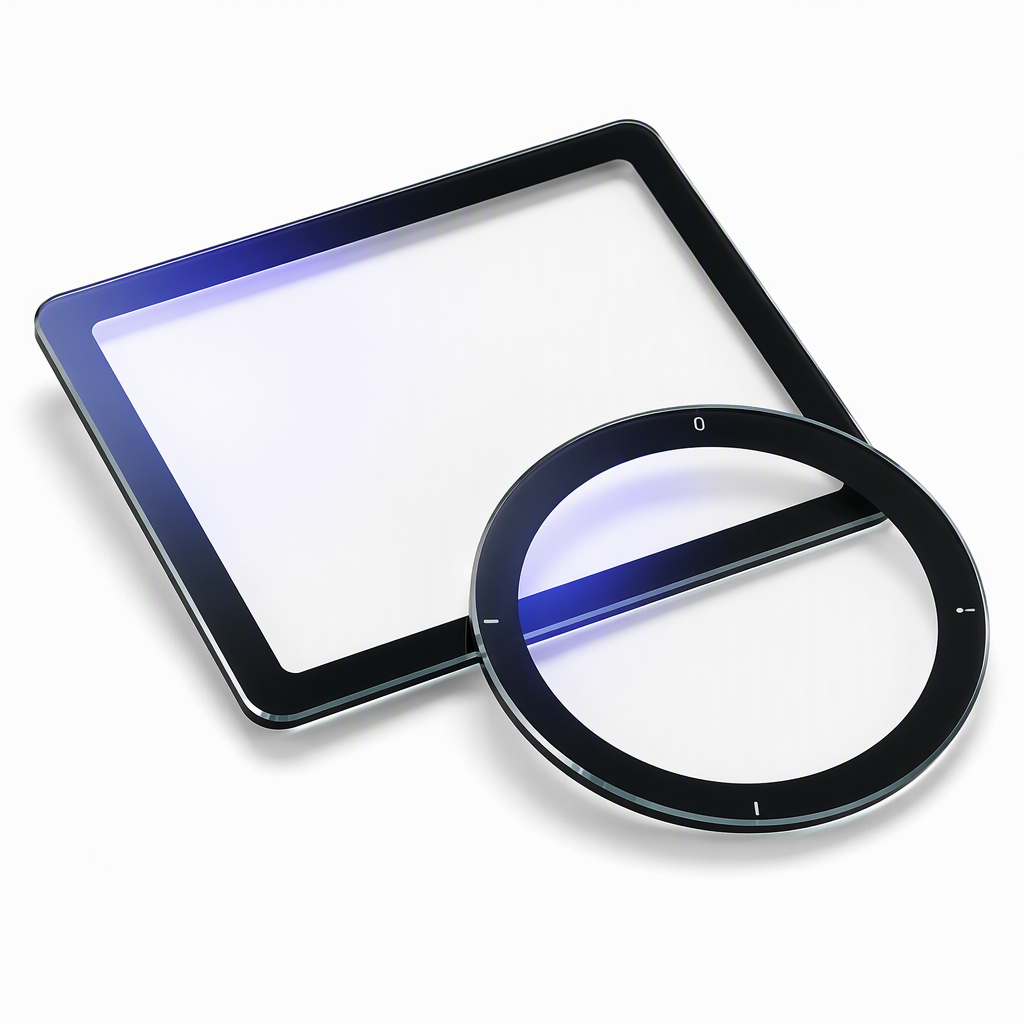
Custom Tempered Glass Toughened Glass Panels Low Iron Display Cover Glass AR Coating
Low-iron toughened glass with AR coating for display cover panels. Engineered for high-clarity HMI, signage and appliance interfaces where reflection distorts the image.
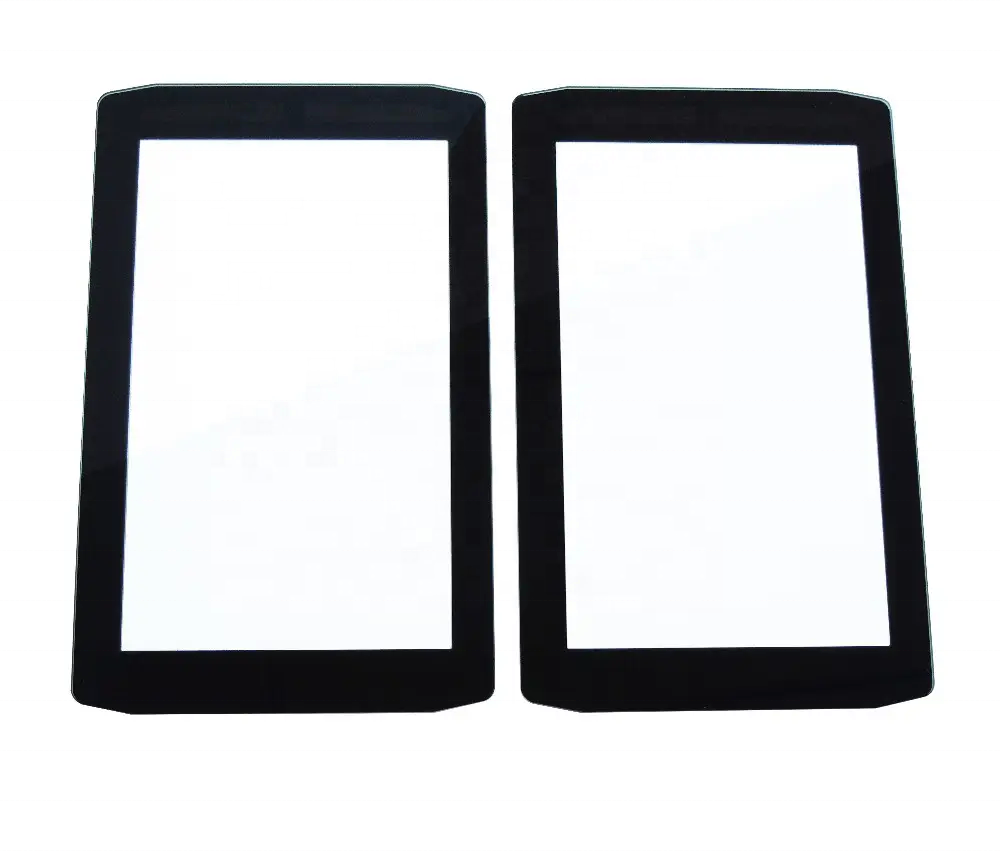
AG High Quality Solid Tempered Glass Anti-Glare Digital Screen Display Touch Screen Panel
Solid tempered glass with AG anti-glare treatment for outdoor touch screens. It diffuses sunlight and preserves touch sensitivity in kiosks and industrial terminals.
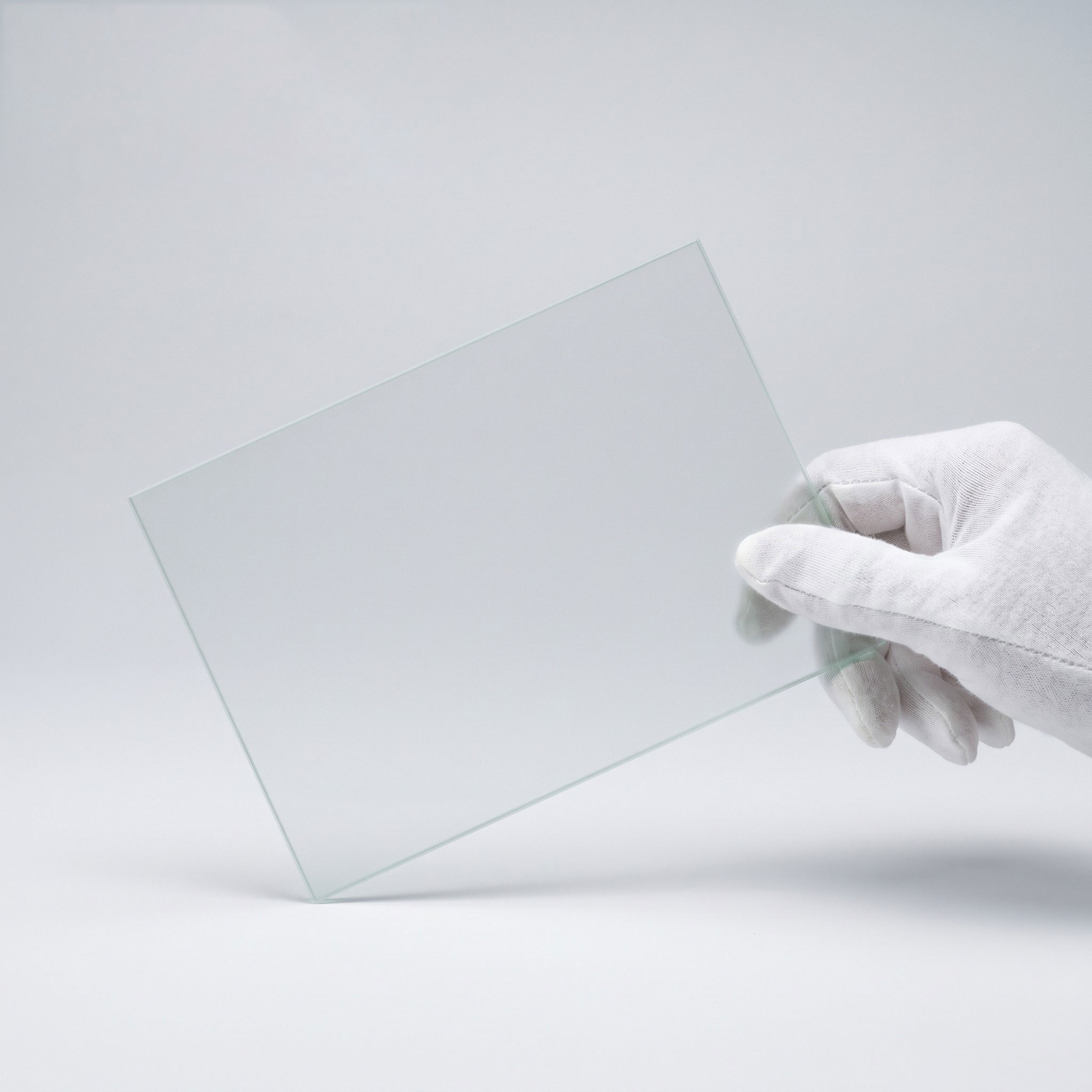
KS AG002 Custom Size AG Coating Anti-Glare Tempered Glass Panel High Transmittance Cover Sheet
AG-coated toughened glass panel with high transmittance for electronic displays. A practical choice for anti-glare cover sheets that must keep image contrast.
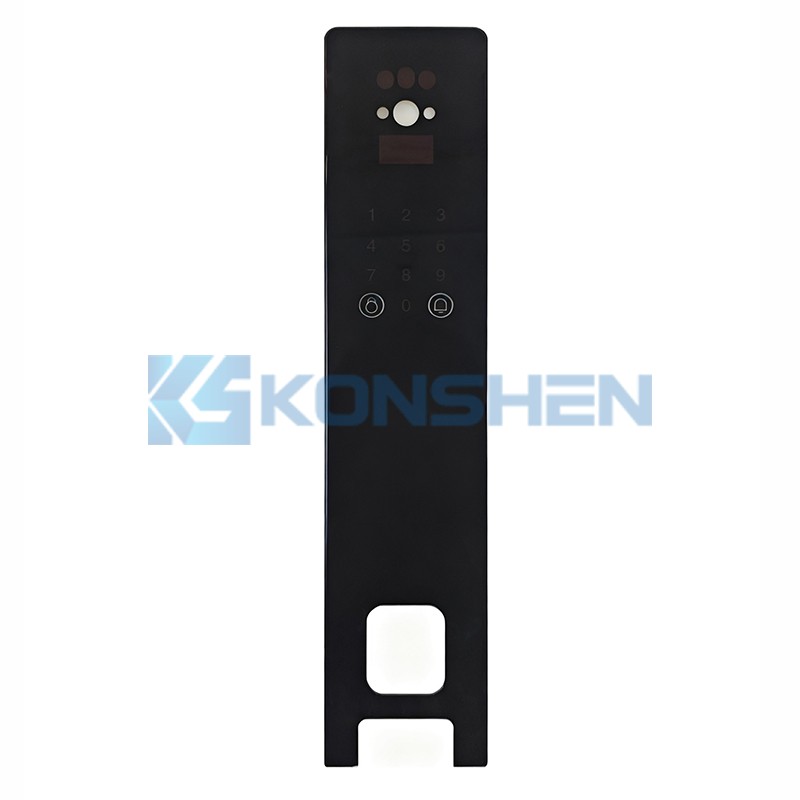
Electronic Tempered Glass Film Custom Printed Rectangular Panel Digital Keypad for Smart Door Lock
Custom printed rectangular tempered glass keypad panel for smart door locks. Silk-screen graphics, precise holes and durable surface treatment can be produced to drawing.
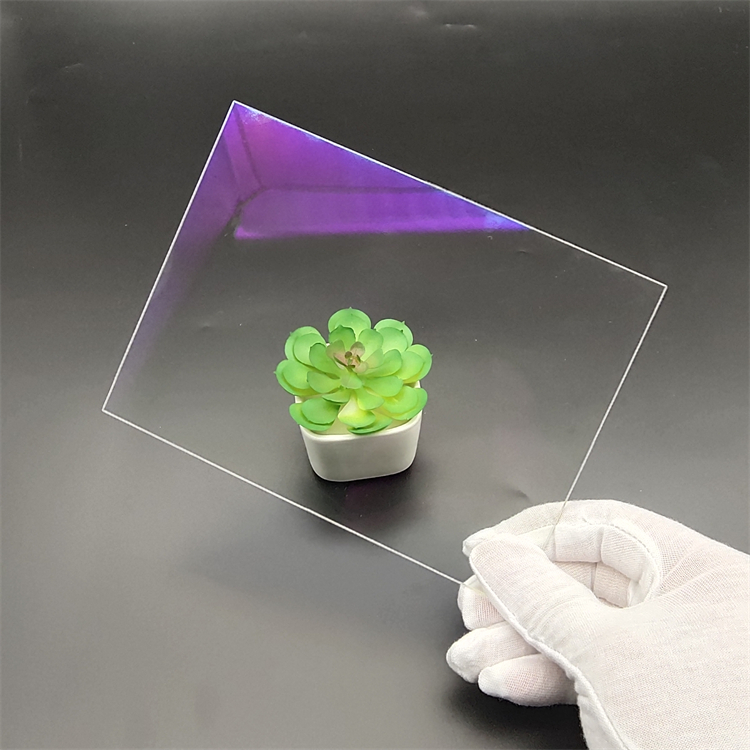
Custom 2mm Ultra-Clear Both Sides Anti-Reflective Coating Tempered Glass for Display Screen Solar & Lighting Use
2 mm ultra-clear tempered glass with both-sides AR coating for display, solar and lighting use. Thin, solid and engineered for high transmission with low reflection.
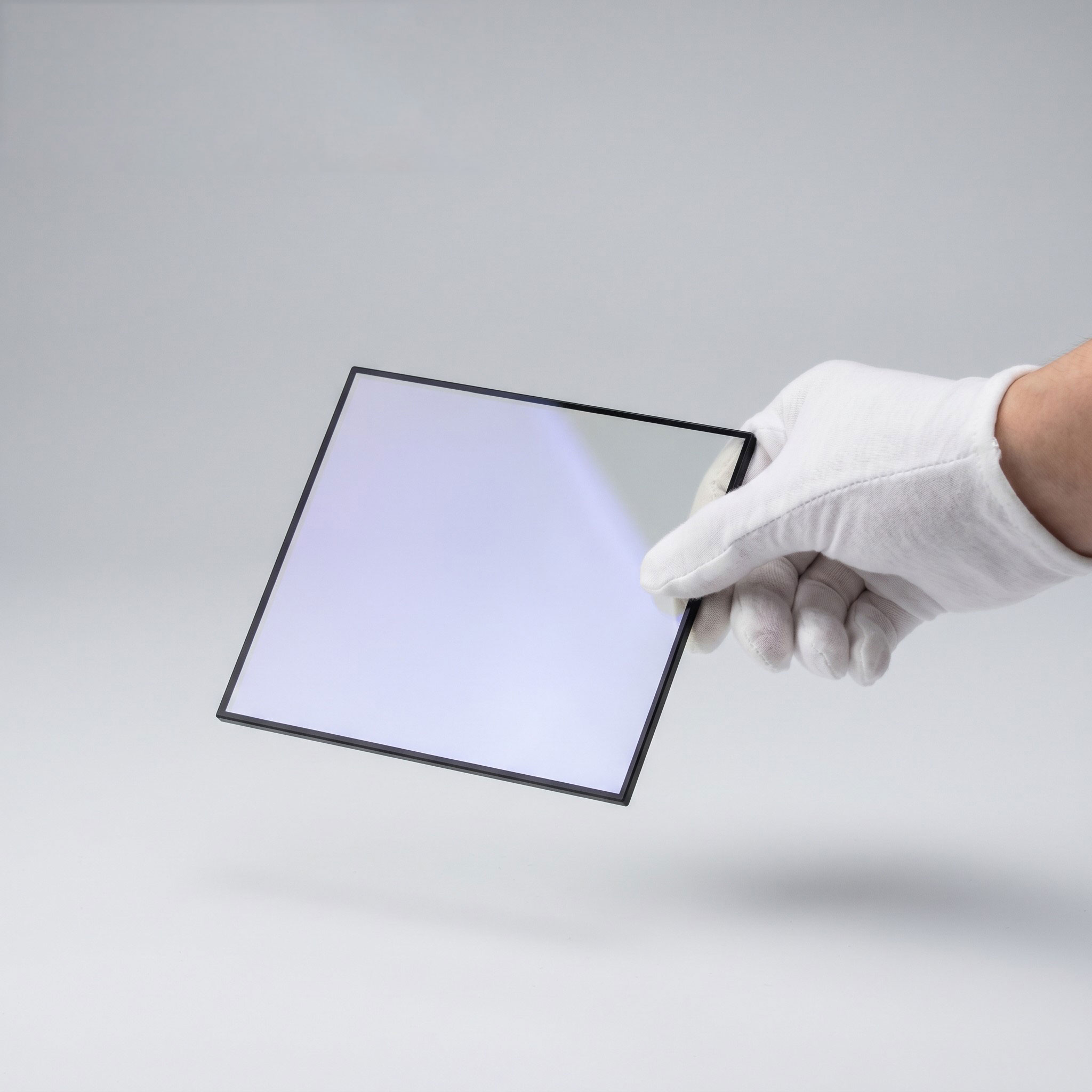
High Transmittance 98% Anti-Reflective AR Glass for Museum Showcase Luxury Picture Frame Low Reflectance Coated 1mm-19mm
High-transmittance 98% AR glass for museum showcases and luxury picture frames. Low-reflectance coating from 1 mm to 19 mm helps preserve visual integrity under gallery lighting.
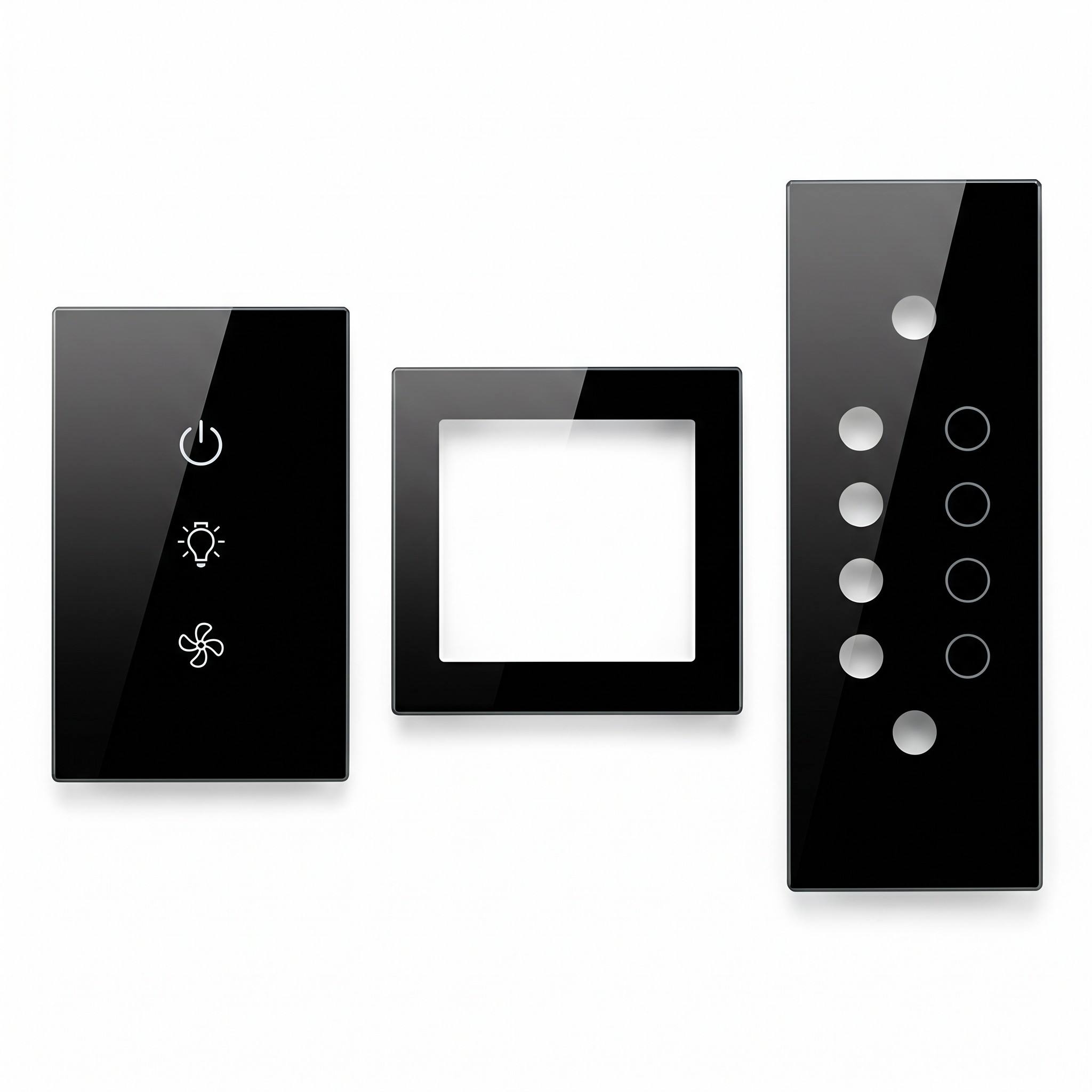
Tempered Glass Front Shield Cover Panel Custom Size Electronic Display Protection Sheet for Smart Device Konshen KS GB002
Tempered glass front shield cover panel for smart devices. Custom size, protection sheet and Konshen KS GB002 specification support make it suitable for electronic display protection.
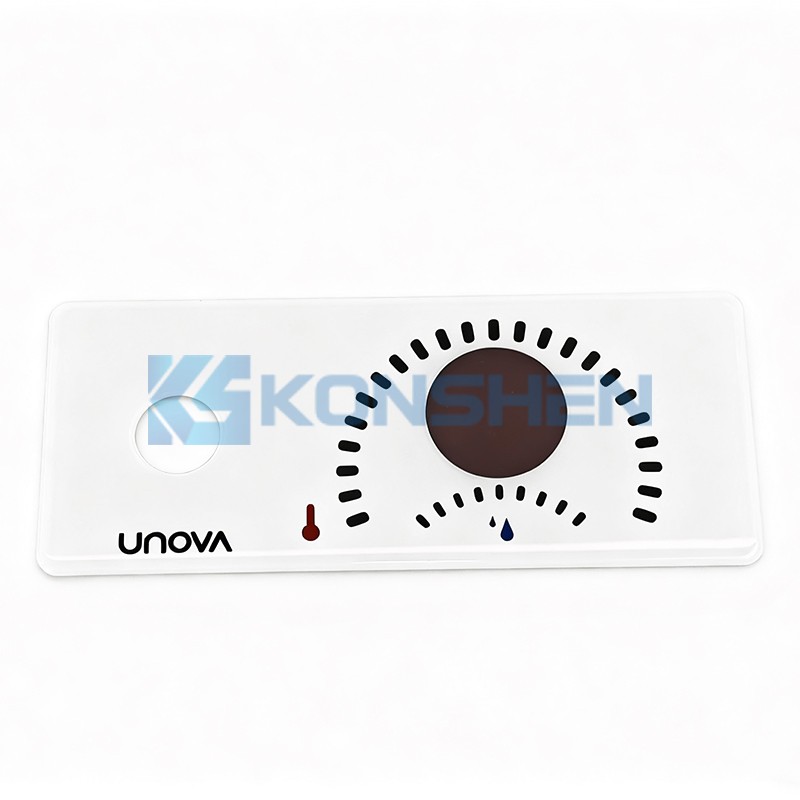
Custom Silk Screen Printed Tempered Glass Electronic Control Panel Cover for Smart Appliances
Silk-screen printed tempered glass control panel cover for smart appliances. Combine graphics, touch windows and durable glass into one component.
Why KELO Glass Is Shortlisted by Toughened Glass Wholesalers
Semantic search has changed how B2B buyers find a toughened glass supplier. Procurement teams no longer stop at “tempered glass factory”; they search for a partner who can prove optical performance, process control, sample speed, export documentation and after-sales accountability. This guide is written for those buyers: engineers, sourcing managers and brand owners who need a wholesale toughened glass supplier that can move from a drawing to a validated shipment without hiding behind a trading company.
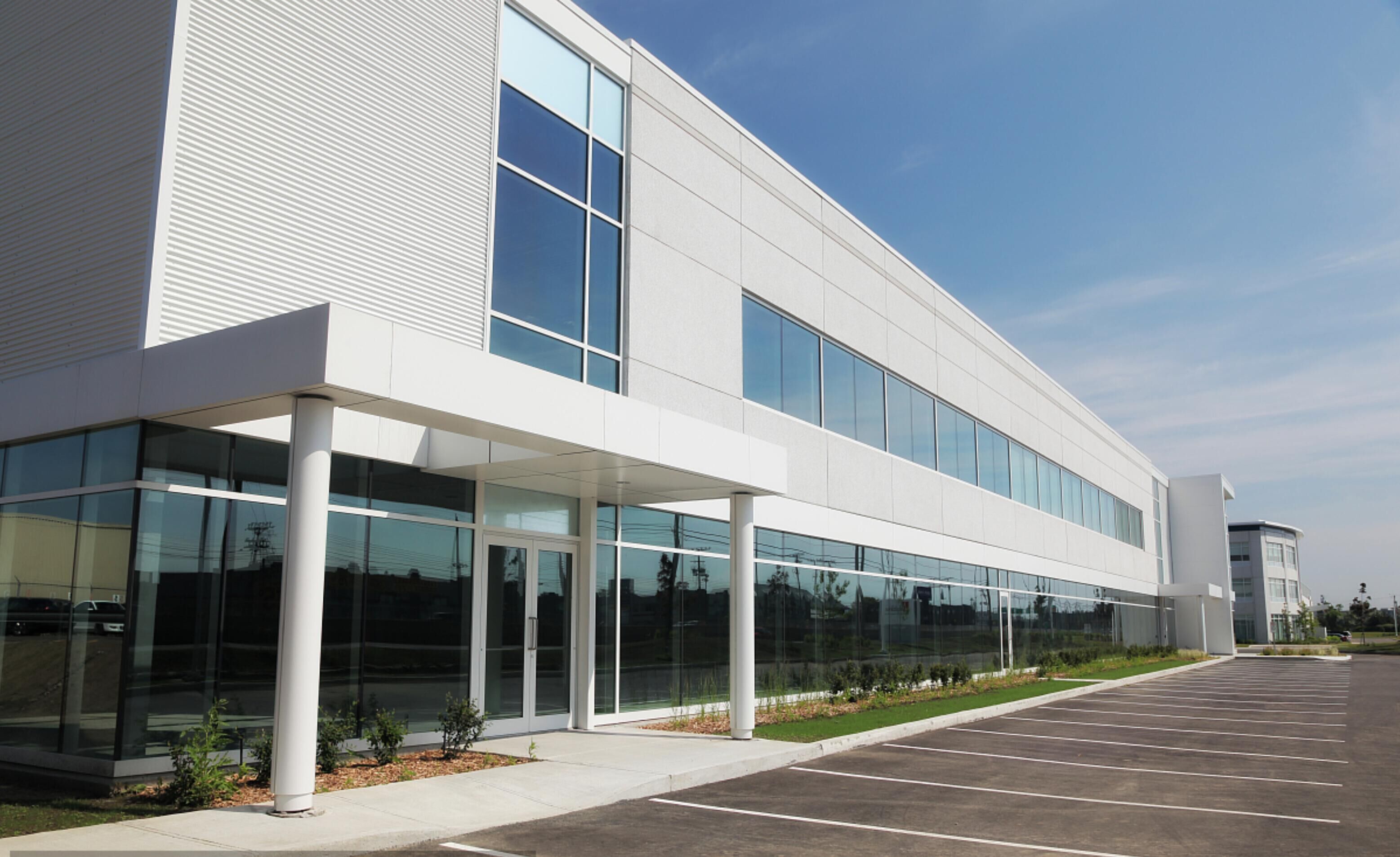
Huizhou KELO Glass Co., Ltd. is a factory-direct manufacturer in Huizhou, Guangdong, inside China’s Greater Bay Area electronics supply chain. Our production footprint is 10,000–30,000 m², with 101–200 employees, 21–30 R&D engineers and an annual output value of US$50–100 million. The factory is organised around surface engineering: cutting, CNC machining, edge polishing, silk-screen printing, flat and curved tempering, AR/AG/AF/ITO/FTO coating and 3M adhesive bonding run under one roof. That vertical integration is the difference between a supplier who can answer a specification question and a trading layer who has to ask someone else.
Buyers can verify the commercial side through our Alibaba.com profile: six years as a verified exporter, a 4.9/5 store rating, a 98.18% reply rate and Trade Assurance protection. Samples start from 1–2 pieces; bulk lead time is typically 21–31 days after sample approval. For a wholesale programme, those details matter because they shorten the qualification cycle and reduce the risk of a golden sample that cannot be repeated in mass production.


A Factory-Direct Foundation for Wholesale Toughened Glass
Wholesale buyers do not only purchase glass; they purchase repeatability, documentation and risk reduction. These six advantages are the practical reasons distributors and OEM brands keep KELO Glass on their shortlist.
Factory-Direct Economics
Buying from the manufacturer removes trading-company margin and shortens the communication chain. Pricing, tolerances and lead times are controlled by the team that actually runs the production line.
One-Roof Process Integration
Cutting, CNC, polishing, printing, tempering, coating and bonding are completed in-house. That reduces handling damage, avoids finger-pointing between subcontractors and keeps the approved sample closer to mass production.
Optical Coating Expertise
AR, AG, AF, ITO and FTO coatings are treated as measurable engineering functions, not cosmetic add-ons. Reflectance, haze, contact angle and sheet resistance can be specified, tested and repeated.
Rapid Prototyping from 1–2 pcs
Sample orders start from 1–2 pieces so buyers can validate fit, optics and coating performance before committing to volume. DFM feedback is provided during the drawing review stage.
Quality Gates Before Shipment
IQC, IPQC and FQC/OQC inspections are combined with 100% appearance checking, tempering tests, adhesion tests, abrasion tests and salt spray reliability checks. Custom packaging protects the glass in transit.
Export-Ready Communication
FOB, CFR, CIF, EXW and DDP terms are supported, with T/T, L/C, PayPal and Western Union payments. Alibaba Trade Assurance adds an extra layer of protection for buyers placing trial or repeat orders.
Manufacturing Control That Makes Wholesale Specifications Repeatable
Toughened glass is not a single commodity. Two panels can share the same thickness and still differ in edge quality, flatness, coating adhesion, print registration, impact resistance and packing survival. For wholesale buyers, the real question is whether the supplier can reproduce the approved sample across the next 20,000 pieces.
Cutting & CNC Machining
Precise cutting, drilling and contour machining according to the drawing.
Edge Polishing
Edge quality is controlled to reduce chipping risk and improve strength.
Silk-Screen Printing
Custom graphics, logos, touch windows and functional masks with stable registration.
Flat & Curved Tempering
Toughened glass and curved 2.5D/3D forming for display and control panels.
AR / AG / AF / ITO Coating
In-house optical and conductive coatings with measurable performance windows.
Bonding, Packing & Final Inspection
3M adhesive bonding, 100% appearance checking and damage-proof export packing.
| Parameter | Why Buyers Specify It | Typical KELO Capability |
|---|---|---|
| Thickness | Fit, weight, impact strength and assembly clearance. | 0.1–19 mm, customised to drawing or sample. |
| Tempering & Forming | Strength, fragmentation behaviour and curved product design. | Flat and curved tempering, 2.5D / 3D forming. |
| AR Coating | Reflectance and image contrast in displays, cameras and showcases. | Reflectance <1.0% per side; transmittance >99% across 400–700 nm. |
| AG Coating | Glare diffusion for outdoor kiosks, industrial HMI and sunlight-readable screens. | Haze 5–60%; gloss 0.5–8 GU. |
| AF Coating | Fingerprint resistance and easy cleaning on high-touch panels. | Water contact angle >110°; durability >10,000 cycles. |
| ITO / FTO Glass | Transparent conductivity for touch sensors, displays, solar and EMI shielding. | Sheet resistance 1–20 Ω/sq; transmittance >85%; haze <2%. |
| Printing | Brand graphics, functional windows, keypads and control-panel interfaces. | Custom silk-screen printing with precise registration. |
Values shown are typical production capability. Final targets are confirmed against your drawing during engineering review.
Incoming Inspection (IQC)
Raw glass and consumables are verified before production begins.
- Thickness and flatness check
- Surface defect screening
- Ink and coating material verification
In-Process Control (IPQC)
Critical dimensions and coating results are checked at each station.
- CNC dimension and hole position
- Tempering and strength tests
- Coating adhesion and abrasion tests
Final Inspection (FQC/OQC)
Every finished piece is checked before protective packing.
- 100% appearance inspection
- Salt spray reliability testing
- Honeycomb, blister and partition packing
Product Development Trends Shaping Toughened Glass in 2026–2030
Buyers are moving toward thinner assemblies, curved cover glass, multifunctional surfaces and conductive substrates. The supplier that can combine optical coating, tempering and precision forming in one process chain is better positioned to support those programmes.
Thin-Glass Strengthening
Devices continue to demand lighter cover glass without sacrificing impact resistance. Chemically strengthened thin glass and 2 mm ultra-clear substrates are becoming more common in displays, lighting and solar-facing products.
2.5D / 3D Curved Cover Glass
Automotive dashboards, smart home controls and consumer devices increasingly use curved cover glass for seamless integration. Curved forming must be matched with printing, coating and bonding to avoid yield loss.
Multifunctional Coating Stacks
AR+AG and AG+AF combinations reduce assembly steps and improve user experience. Buyers can specify one substrate with several optical functions instead of sourcing multiple coated parts.
Conductive & Solar-Facing Glass
ITO and FTO conductive glass support touch sensors, EMI shielding and thin-film solar development. FTO is often preferred where thermal and chemical stability matter more than room-temperature processing.
How Wholesale Buyers Will Source Toughened Glass Next
Price will remain important, but the qualification process is becoming more data-driven. Buyers are comparing total landed cost, specification repeatability, supply-chain resilience and digital proof before they release a volume order.
Total Landed Cost Over Piece Price
Procurement teams are calculating yield, packing damage, coating durability and lead time alongside the unit price. A lower quote can become more expensive if the supplier cannot hold the optical window.
Data-Backed RFQs
More RFQs now include AR reflectance targets, AG haze ranges, AF contact angle, ITO sheet resistance and required test methods. Suppliers that can answer with measured values move through qualification faster.
Supply-Chain Resilience
Dual qualification is becoming standard for critical display and appliance programmes. Buyers prefer a factory that controls tempering, printing and coating in-house rather than one that outsources the key steps.
Digital Verification & Traceability
Verified assessment, factory video, buyer reviews and trade history are now part of supplier due diligence. Traceability from raw glass batch to packed carton is becoming a procurement expectation, not a premium service.
Where Toughened Glass Performance Is Tested
KELO glass is used in products where optical quality, durability and electrical function are non-negotiable. The same process discipline applies whether the application is a smart appliance panel or an outdoor touch kiosk.
Consumer Electronics
Touchscreen cover glass, display lenses and camera protection parts.
Automotive Displays
Center consoles, dashboards and in-vehicle touch panels with AR or AG treatment.
Smart Home & Appliances
Control panels, appliance lenses, switch panels and decorative glass covers.
Industrial HMI
Rugged operator panels and factory control terminals with anti-glare surfaces.
Medical Devices
Optical windows in quartz and sapphire for instruments and diagnostic equipment.
Solar Energy
Solar glass and FTO substrates for thin-film cells and high-temperature processes.
Gaming Peripherals
Glass mouse pads and glass skate feet with custom size, print and surface texture.
Outdoor Kiosks
AG and AR+AG cover glass for kiosks, ticketing machines and wayfinding displays.
How to Audit a Toughened Glass Wholesaler Before a Sample Order
Use these four checks to separate a genuine factory-direct supplier from a reseller that cannot control the specification. They are also the questions our engineering team answers during buyer qualification.
1. Verify the Factory
Review the verified assessment, factory video and production floor photos. Ask where cutting, tempering and coating are performed, and confirm whether those steps are in-house or outsourced.
2. Request the Process Map
A capable supplier should explain the route from raw glass to packed carton. The process map reveals inspection points, handling risks and where dimensional or optical errors can enter the product.
3. Ask for Specification Data
Request measured values for reflectance, haze, contact angle, sheet resistance or dimensional tolerance. A clear answer with test methods is more useful than a generic claim of “high quality”.
4. Check Export & Packing Support
Confirm trade terms, payment options, carton design and damage-protection methods. For wholesale orders, packing quality is part of product quality because breakage destroys the landed-cost calculation.
Frequently Asked Questions About Toughened Glass Sourcing
These are the questions procurement teams ask most often before a first order. The answers reflect KELO’s standard capability and can be confirmed against your drawing.
What is the minimum order quantity for custom toughened glass?
What is the typical lead time for wholesale orders?
What optical performance can your AR coating achieve?
Should I choose ITO or FTO conductive glass?
What thickness, sizes and shapes can you produce?
Which trade terms, payments and quality controls do you support?
Send Your Drawing, Spec and Annual Volume — We Will Engineer the Glass
If you are sourcing toughened glass panels for a display, appliance, automotive, solar or industrial programme, send the drawing, target optical values and expected volume. Our engineering team will review DFM, recommend the most cost-effective substrate and coating stack, and confirm sample lead time.
Factory-direct samples from 1–2 pcs · Bulk lead time 21–31 days · Export packing and Trade Assurance supported