What Is a Lighting Glass Panel for LED Luminaires?
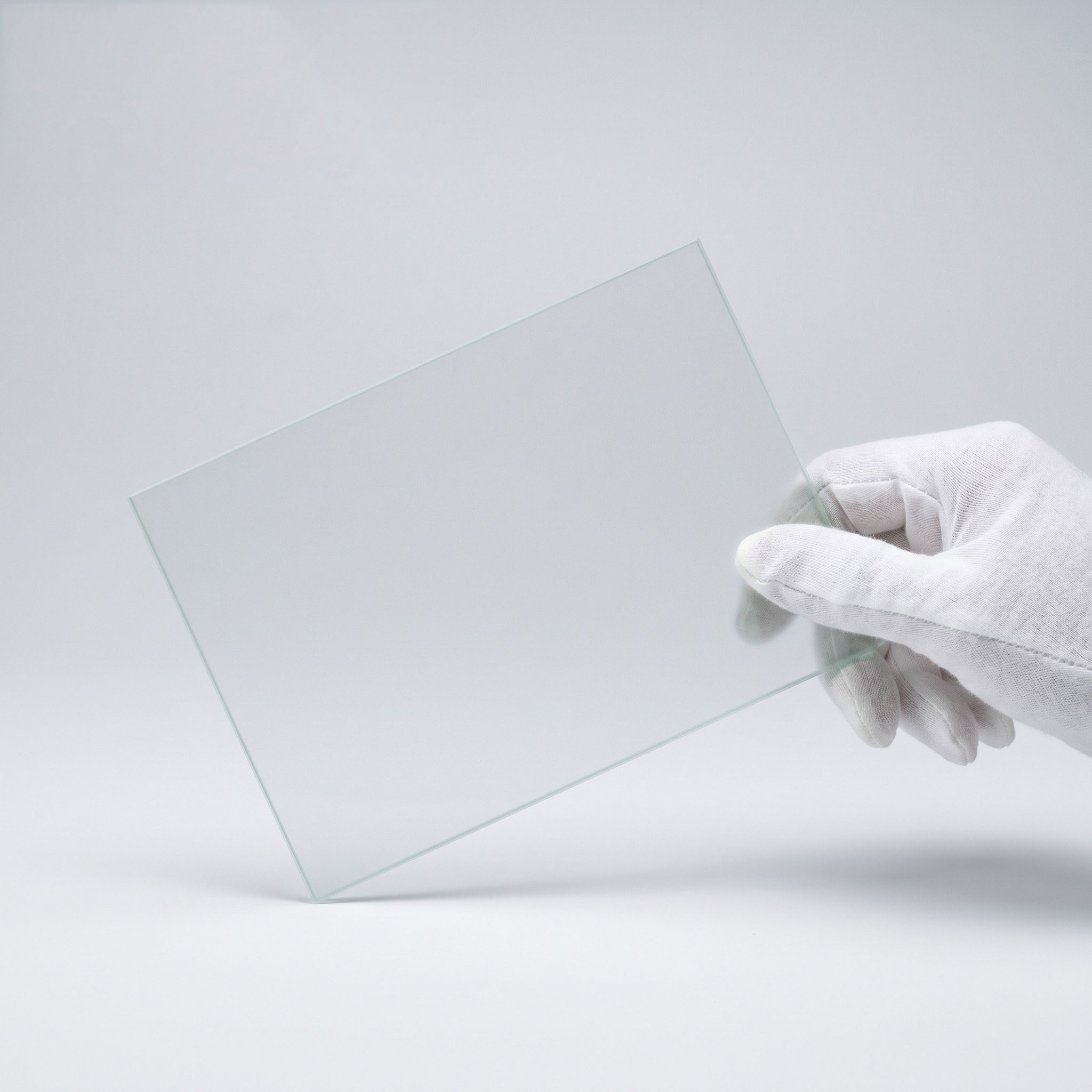
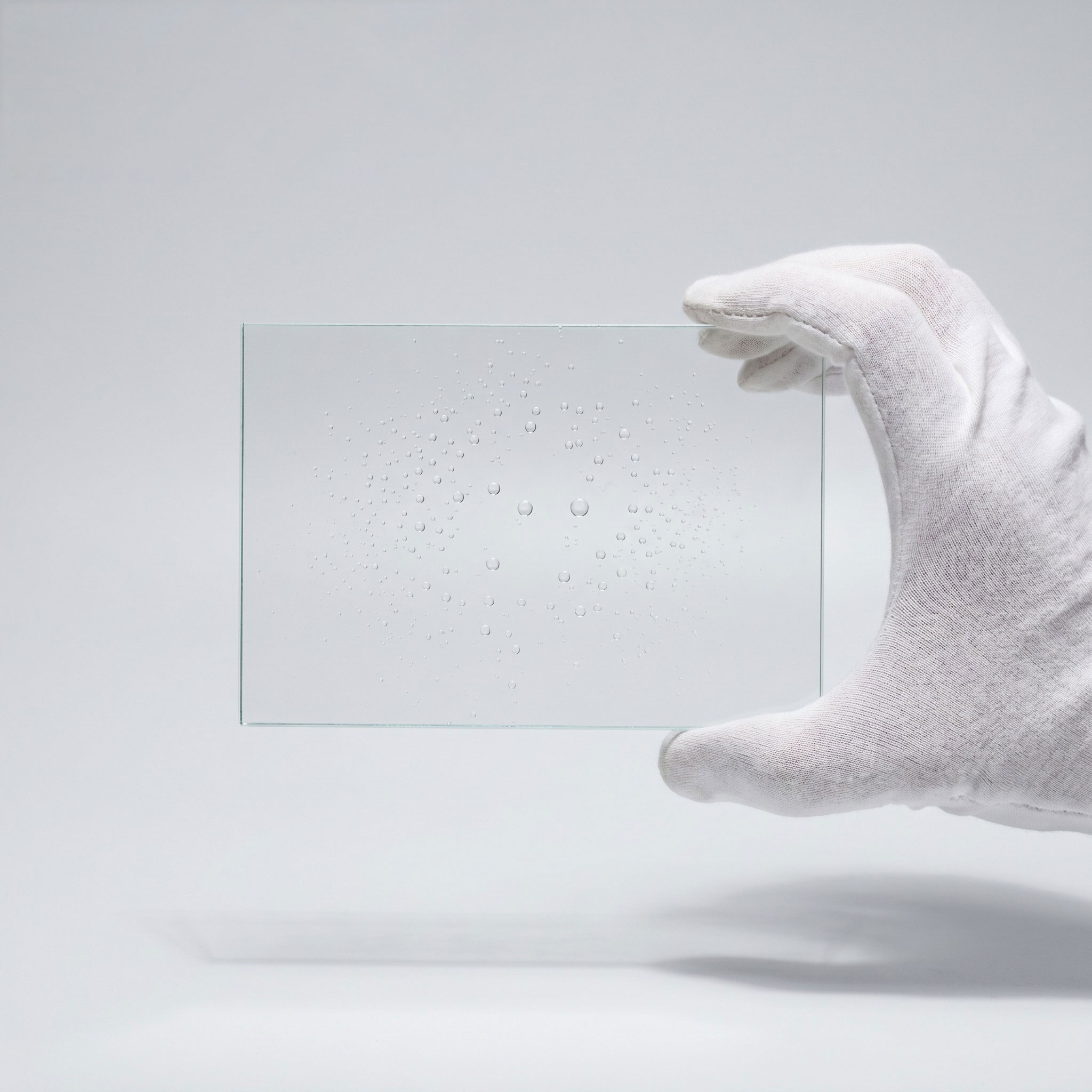
A lighting glass panel for LED luminaires is the optical and protective front element that controls how light leaves the fixture, how the LED source is concealed and how the product performs in real installations.
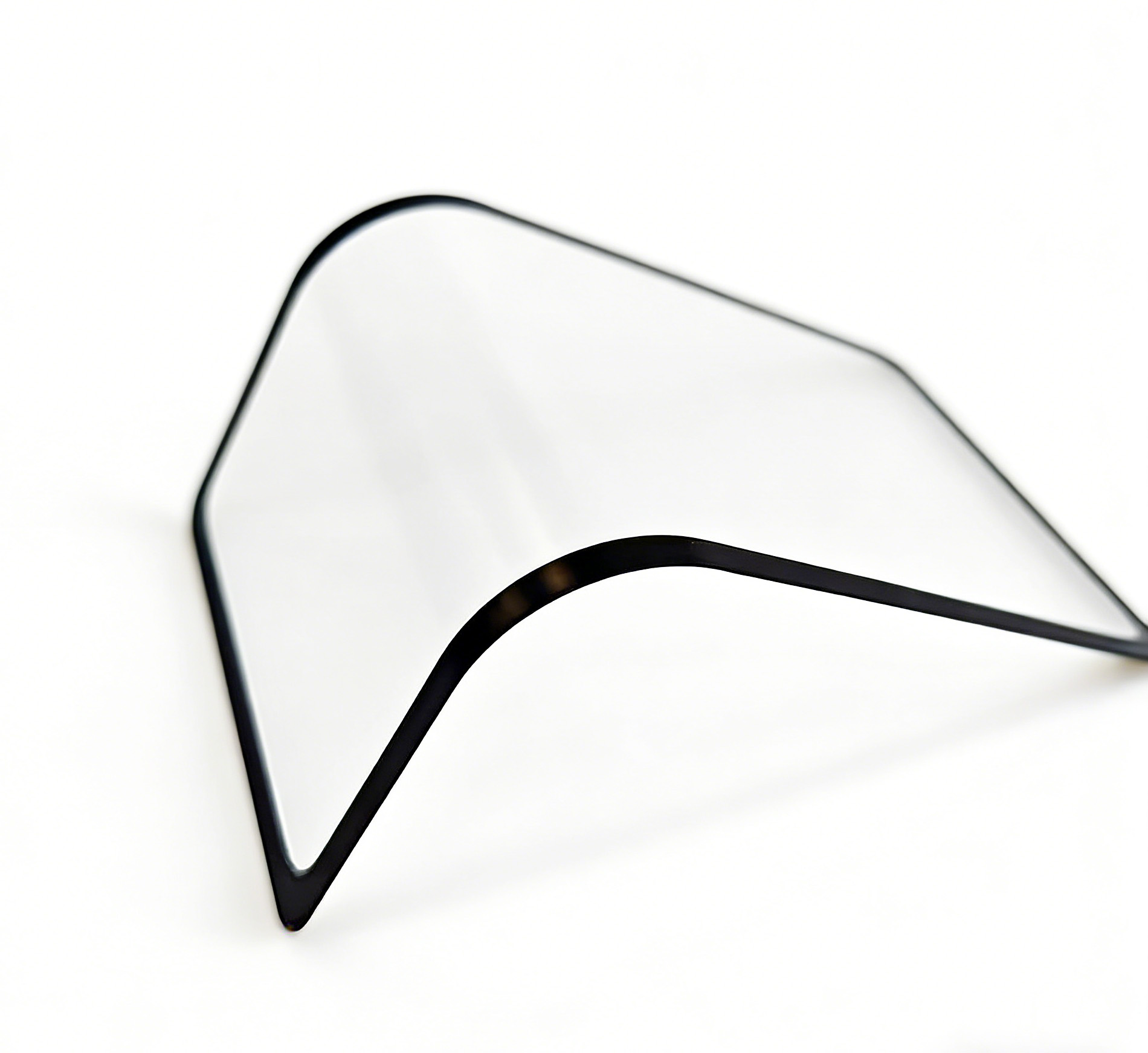
It is used in architectural downlights, linear office pendants, outdoor wall lights, bathroom mirror lamps, decorative luminaires, high-bay fixtures and smart lighting control panels. Depending on the design, the glass can be clear, tempered, diffused, anti-reflective, anti-glare, anti-fingerprint, silk-screen printed or curved. Each choice changes transmission, visual comfort, appearance, cleaning behaviour and service life.
For LED luminaires, glass is not a passive accessory. It affects luminous flux, beam distribution, glare, colour consistency, ingress protection and maintenance cost. A glass panel with the wrong reflectance or haze can make a high-quality LED engine look harsh, dim or uneven. That is why experienced buyers specify the glass and coating stack together with the fixture design, installation height, cleaning method and target market requirements.
Information gain for buyers: request optical data on the finished glass stack — not only the base glass. Transmission, reflectance and haze should be confirmed on the actual thickness, coating and printing combination that will be used in mass production.
Thickness 0.1–19 mm
Tempered and chemically strengthened options
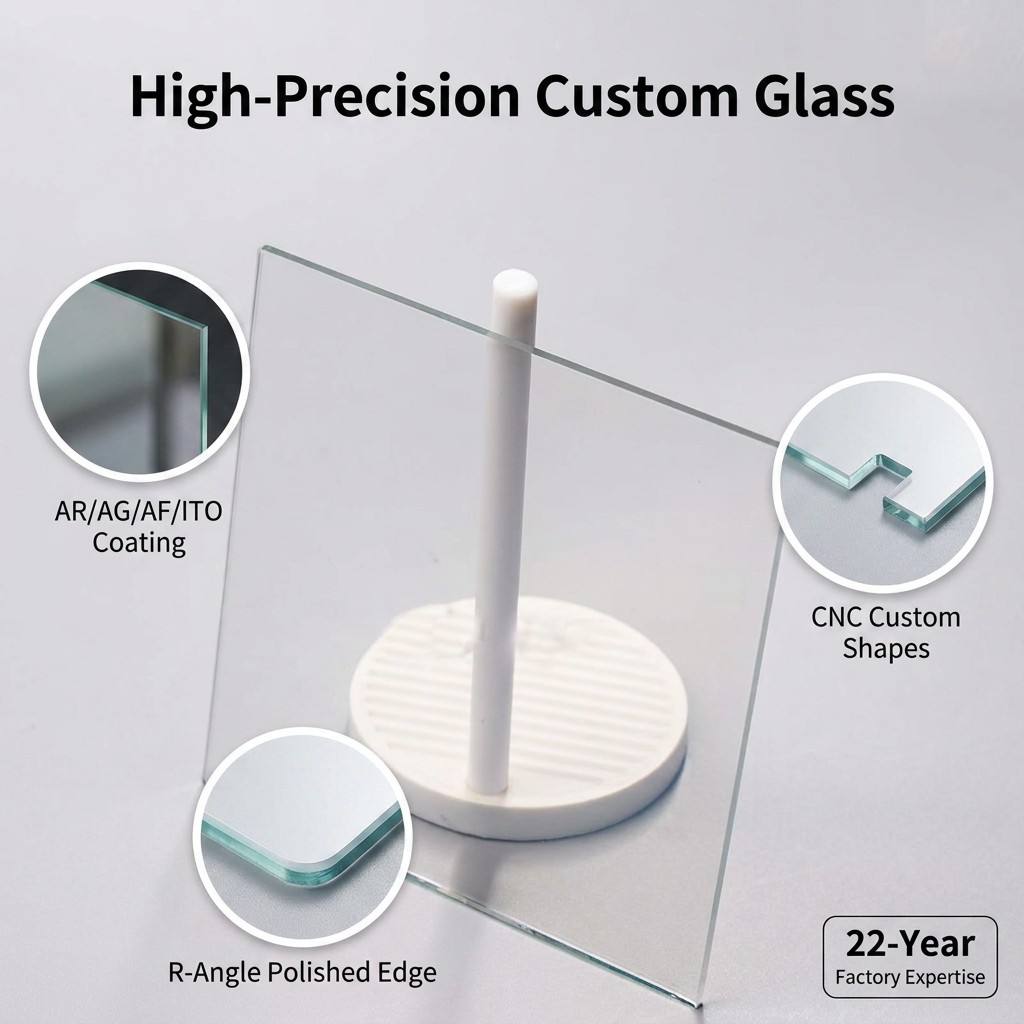
AR / AG / AF / ITO / FTO coatings
Printed, curved and adhesive-bonded assemblies
AI Search Intent
What Global Buyers Ask AI About Lighting Glass Panels
Procurement teams increasingly use AI tools to narrow supplier options. These are the practical questions behind most sourcing searches for LED luminaire glass.
“Which glass gives the highest light output?”
Clear tempered glass with low reflectance and consistent thickness is a common starting point. For premium fixtures, AR-coated glass can raise transmission and reduce reflected losses. Ask for measured data on the final assembly.
“How can I reduce glare without losing too much light?”
AG or diffused glass spreads the LED image and softens reflections. The right haze level depends on viewing distance and beam angle. For high-end designs, AR+AG can balance clarity and comfort.
“What glass survives outdoor and humid environments?”
Tempered glass, well-controlled edges, reliable sealing and optional AF easy-clean coating are important. Buyers should confirm the housing design, installation angle, salt-spray expectation and cleaning regime.
“What thickness should I choose for LED lighting?”
There is no single answer. Thickness depends on size, span, impact requirement, safety standard and weight target. Huizhou KELO Glass Co., Ltd. processes 0.1–19 mm glass and confirms the final construction by drawing.
“Can I customize shape, printing and curvature?”
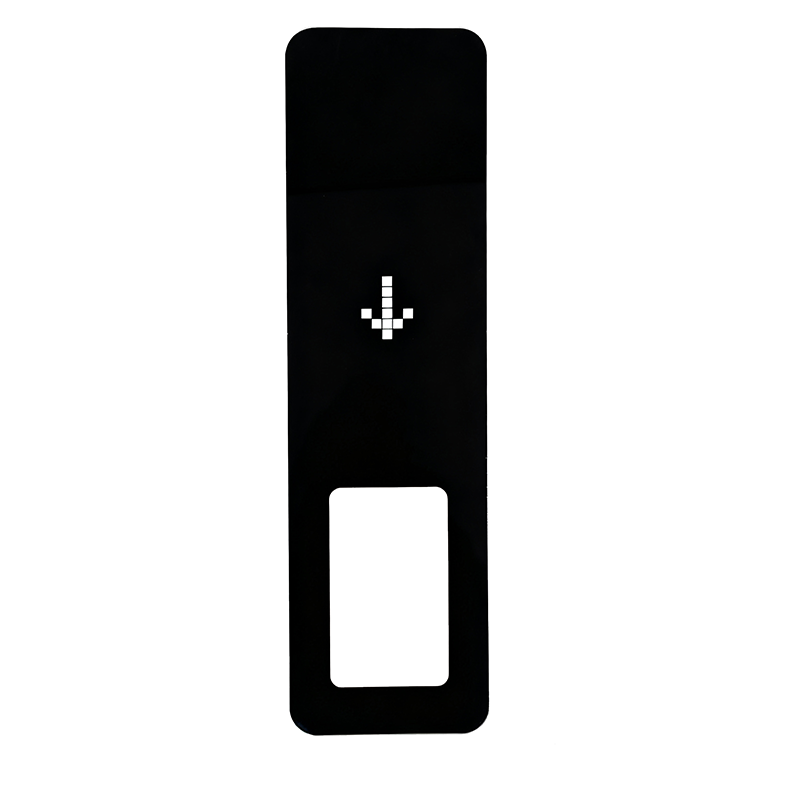
Yes. Custom size, holes, edge polishing, silk-screen printing, frosting, logos, 2.5D/3D curved forming and 3M adhesive bonding can be produced to drawing or sample.
“How do I verify a lighting glass supplier?”
Review in-house process capability, optical test data, sample quality, factory profile, transaction records and packing standards. A supplier that controls cutting, printing, tempering and coating has clearer accountability.
Product Recommendations
Lighting Glass Panel Options for LED Luminaires
Start with the light effect and installation condition, then select the glass construction. Every option below can be customized by size, thickness, shape, printing and edge finish.
Surface treatment is a core strength of Huizhou KELO Glass Co., Ltd. These performance windows help buyers compare options and write clearer RFQ requirements.
Coating specifications for lighting glass panels for LED luminaires
Coating
Key Performance
Typical Lighting Use
ARAnti-reflective
Reflectance <1.0% per side · Transmittance >99% (400–700 nm) · single or multi-layer
High-output spotlights, architectural downlights, display windows
AGAnti-glare
Controllable haze 5–60% · Gloss 0.5–8 GU
Office linear lights, outdoor wall lights, glare-sensitive fixtures
Solar-related products and high-temperature processes
CombinedAR+AG / AG+AF
Stacked functions on one substrate, cosmetic grade per 60/40 scratch-dig
Premium outdoor fixtures and integrated lighting interfaces
Values are typical production capability. Final targets are confirmed against your drawing, application and sample validation during engineering review.
Coating is performed and inspected in-house, so optical claims can be traced back to the actual production process.
Application Selection Guide
How to Choose the Right Glass for Your LED Luminaire
Begin with the light distribution, installation environment and cleaning method. The glass should support the fixture design, not fight it.
High-output spotlights & downlights
Maximum transmission and low reflection matter when every lumen counts. AR-coated glass helps protect output while reducing surface reflections.
Recommended: AR or clear tempered glass
Linear office & panel luminaires
Visual comfort is critical in offices and schools. AG or diffused glass spreads brightness and reduces harsh LED images.
Recommended: AG / diffused glass
Outdoor wall & facade lighting
Rain, UV, dust and cleaning chemicals demand a durable construction. Tempered glass with AG+AF can improve comfort and keep surfaces cleaner.
Recommended: Tempered AG+AF
Bathroom & mirror lighting
Fingerprints and moisture are common. AF easy-clean glass and printed masking zones support a clean appearance and simple maintenance.
Recommended: AF + silk-screen printing
Decorative pendants & custom fixtures
Shape, edge finish and print define the product. Choose curved glass, translucent inks, tinted options and custom logos for brand differentiation.
Recommended: Curved / printed glass
Smart lighting & control panels
When lighting, touch and sensing are integrated, conductive ITO glass and AF coatings can support control functions while maintaining appearance.
Recommended: ITO + AF
Procurement Outlook
Lighting Glass Panel Procurement Trends for Global Buyers
Buyers are moving from simple price comparison to performance-led sourcing. These trends are shaping RFQs for LED luminaire glass in Europe, North America and other major markets.
01
Efficiency-led specification
Lighting designers and procurement teams now ask for transmission, reflectance and haze data before approving a supplier. AR and low-reflection solutions are evaluated against total fixture performance, not just glass price.
02
Glare comfort and human-centric lighting
AG and diffused glass continue to grow in office, education and outdoor applications. Controllable haze allows buyers to reduce glare without making the fixture look dull or underpowered.
03
Outdoor durability and total cost of ownership
For wall lights and facade luminaires, buyers consider cleaning cycles, coating durability, edge quality and packaging damage. AF easy-clean glass and robust tempering can reduce maintenance complaints.
04
Smaller batch customization
Brand owners want unique shapes, printed logos, frosted windows and curved forms without committing to large inventory. Factory-direct suppliers with rapid sampling and flexible production become more attractive.
05
Supply chain resilience
Global buyers are consolidating qualified suppliers and validating backup capacity. In-house cutting, CNC, tempering, printing and coating reduce dependence on multiple subcontractors and improve lead-time control.
06
Documented quality and traceability
Purchase teams increasingly expect drawing review, sample approval records, optical data, inspection reports and protective packaging standards. Clear documentation lowers quality risk and speeds up supplier approval.
Product Development
Technology Trends in Lighting Glass Panels
Glass development is moving toward thinner but stronger panels, more precise light control and integrated functions for connected luminaires.
01
Thin, strong and edge-to-edge
Modern luminaires favour clean edges and slim profiles. Chemical strengthening, controlled edge polishing and tempered glass help maintain safety and durability while reducing visible thickness.
02
Hybrid optical coatings
AR+AG and AG+AF combinations give designers more freedom. One surface can reduce reflection while another controls glare or fingerprints, supporting premium fixtures with fewer components.
03
Printed and conductive integration
Silk-screen printing, ITO/FTO conductive layers and sensor windows can turn a glass cover into a functional interface. This trend is important for smart lighting and architectural control panels.
04
Larger formats and curved geometries
Linear lighting and continuous architectural designs require larger panels with controlled flatness. 2.5D and 3D curved forming supports seamless housings and distinctive product shapes.
05
Material flexibility
Borosilicate, quartz, sapphire, ceramic and laminated glass options allow engineers to match thermal, optical and safety requirements. Specialty materials are selected during drawing review rather than after production starts.
06
Sustainability and packaging efficiency
Glass is durable and recyclable, but breakage in transit undermines sustainability. Better cartons, blister trays and partition packing reduce waste and improve the buyer experience.
Applications
Where Lighting Glass Panels Are Used
Huizhou KELO Glass Co., Ltd. supplies customized glass for lighting and related optical applications across residential, commercial and industrial markets.
Downlights
Clear or AR glass for output, tempered options for safety.
Linear Lights
AG and diffused glass for comfortable office lighting.
Outdoor Wall Lights
Tempered AG+AF glass for weather and cleaning resistance.
Bathroom Lighting
AF easy-clean and printed glass for mirror lights.
Decorative Fixtures
Curved, printed and tinted glass for design differentiation.
Smart Lighting Panels
ITO glass, AF coating and touch control integration.
High-Bay Fixtures
Durable glass for industrial and high-output lighting.
Specialty Materials
Borosilicate, quartz and sapphire for demanding designs.
Vertical Integration
One Factory. Every Critical Process.
Outsourcing steps adds handling damage, delays and finger-pointing. Huizhou KELO Glass Co., Ltd. keeps cutting, CNC machining, polishing, printing, tempering, coating and bonding under one roof, giving lighting buyers clearer accountability and stable lead times.
Straight answers to the questions that usually come up before a lighting glass sample or first order.
What is a lighting glass panel for LED luminaires?
A lighting glass panel for LED luminaires is the optical and protective front element used in downlights, linear fixtures, outdoor wall lights, decorative pendants, bathroom lights and smart luminaires. It can be clear, tempered, diffused, anti-reflective, anti-glare, anti-fingerprint, silk-screen printed or curved, depending on the lighting effect and installation environment.
How does glass affect LED luminaire efficiency and glare?
Glass controls how much light passes through, how reflections are handled and how visible the LED source appears. Low-reflectance AR glass improves transmission, while AG or diffused glass spreads light to reduce glare. The correct choice balances lumen output, visual comfort, beam distribution and maintenance.
Should I choose AR, AG, diffused or clear lighting glass?
Choose AR for high transmission and low reflection, AG or diffused glass for glare control and softer light, and clear tempered glass for general protection where maximum transmission is acceptable. Many projects combine AR+AG or AG+AF coatings to meet optical and cleaning requirements together.
What thickness is typical for lighting glass panels?
Thickness is selected from the mechanical design, safety requirement and optical target. Huizhou KELO Glass Co., Ltd. processes glass from 0.1 mm to 19 mm, and confirms the final thickness after reviewing the drawing, installation method and required impact or thermal resistance.
Can you make custom shapes, printing and curved lighting glass?
Yes. Custom size, shape, holes, edge polishing, silk-screen printing, frosted zones, logos, 2.5D/3D curved forming and 3M adhesive bonding can be produced to drawing or sample. Rapid prototypes from 1–2 pieces are available for fit and appearance validation.
How do you ensure glass safety and thermal reliability?
Safety is addressed through material selection, strength treatment, edge quality and controlled processing. Depending on the product, we use flat or curved tempering, chemical strengthening and in-process checks. Final test requirements are agreed with the buyer before mass production.
What is the MOQ and production lead time?
Sample orders can start from 1–2 pieces. Bulk quantities are quoted per drawing, and typical mass production lead time is 21–31 days after sample approval, depending on size, coating stack, curved forming, printing and inspection requirements.
Can I request samples for optical testing?
Yes. Samples can be supplied for fit, transmission, haze, gloss, appearance and installation checks. Buyers should provide the target glass size, thickness, coating requirement and application so the sample construction matches the intended production version.
How is quality controlled at Huizhou KELO Glass Co., Ltd.?
Quality is controlled by incoming, in-process and final inspection, with 100% appearance checking. Tests can include tempering, adhesion, abrasion and salt spray checks depending on the product. Protective packing uses honeycomb cartons, blister trays and partition packing to reduce transit damage.
What trade terms and payment methods are supported?
We support FOB, CFR, CIF, EXW and DDP trade terms, and T/T, L/C, PayPal and Western Union payments. Orders placed through Alibaba.com can be protected by Trade Assurance.
Do you support OEM/ODM and private label programs?
Yes. We support custom size, thickness, shape, colour, logo printing, CNC holes, 2.5D/3D curved forming and 3M adhesive bonding. Drawings or samples can be reviewed by our engineering team before quotation.
How should I send an RFQ for lighting glass panels?
Send the 2D drawing or sample photo, glass size and thickness, target coating performance, printing details, estimated annual volume and delivery market. Our team will review feasibility and recommend a practical construction for sampling. You can also contact info@keloglass.com.
Have a Lighting Drawing or Optical Target? Let's Engineer It.
Send your drawing, target transmission or haze, installation environment and annual volume. The engineering team at Huizhou KELO Glass Co., Ltd. will review feasibility and recommend a cost-effective glass construction for sampling.