Eight Factory-Ready Glass Products for Outdoor Touch Display Programs
These eight product families cover AG/AR/AF coated display glass, printed control panels, ITO/FTO conductive glass, tempered switch panels and industrial display covers. Each link goes to the live product page so a Chicago buyer can compare drawings, finishes and coating options before requesting an AG sample.
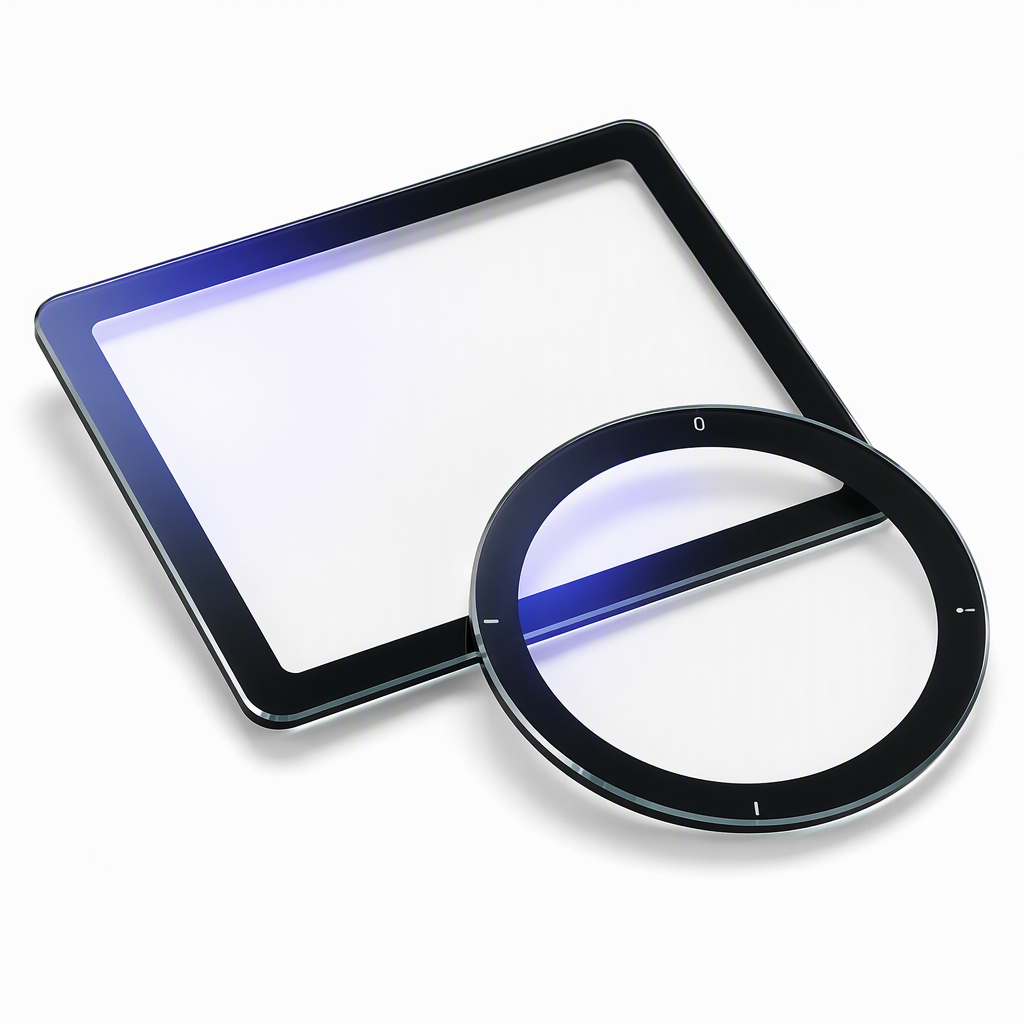
Custom Low-Iron AR Coated Tempered Display Glass
High-clarity tempered cover glass for bright displays where transmission and image contrast are critical before adding an AG top treatment.
View product
Custom Silk Screen Printed Tempered Glass Electronic Control Panel Cover
Printed tempered glass with graphic masking, touch-window openings and durable decoration for appliances and building controls.
View product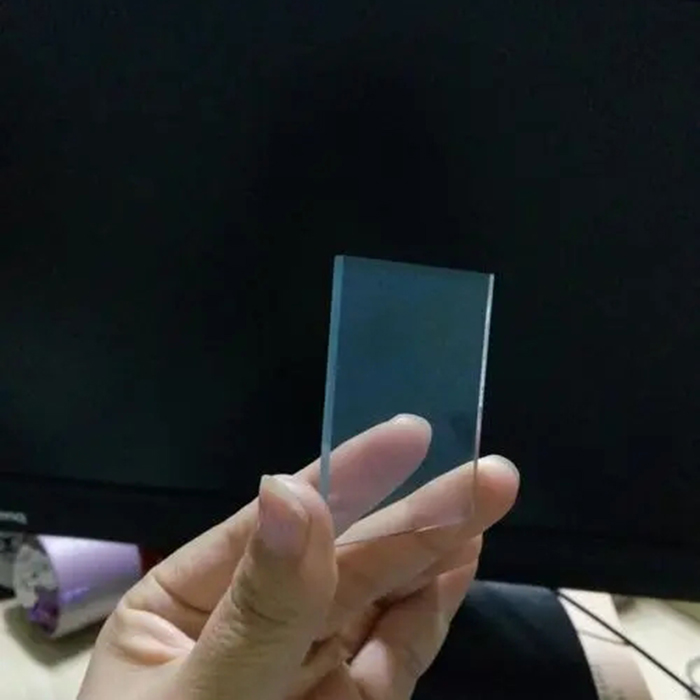
1.1/2.2 mm ITO and FTO Conductive Glass for Lighting Applications
Transparent conductive glass for lighting, sensor and thin-film applications; sheet resistance and transmission can be specified by device.
View product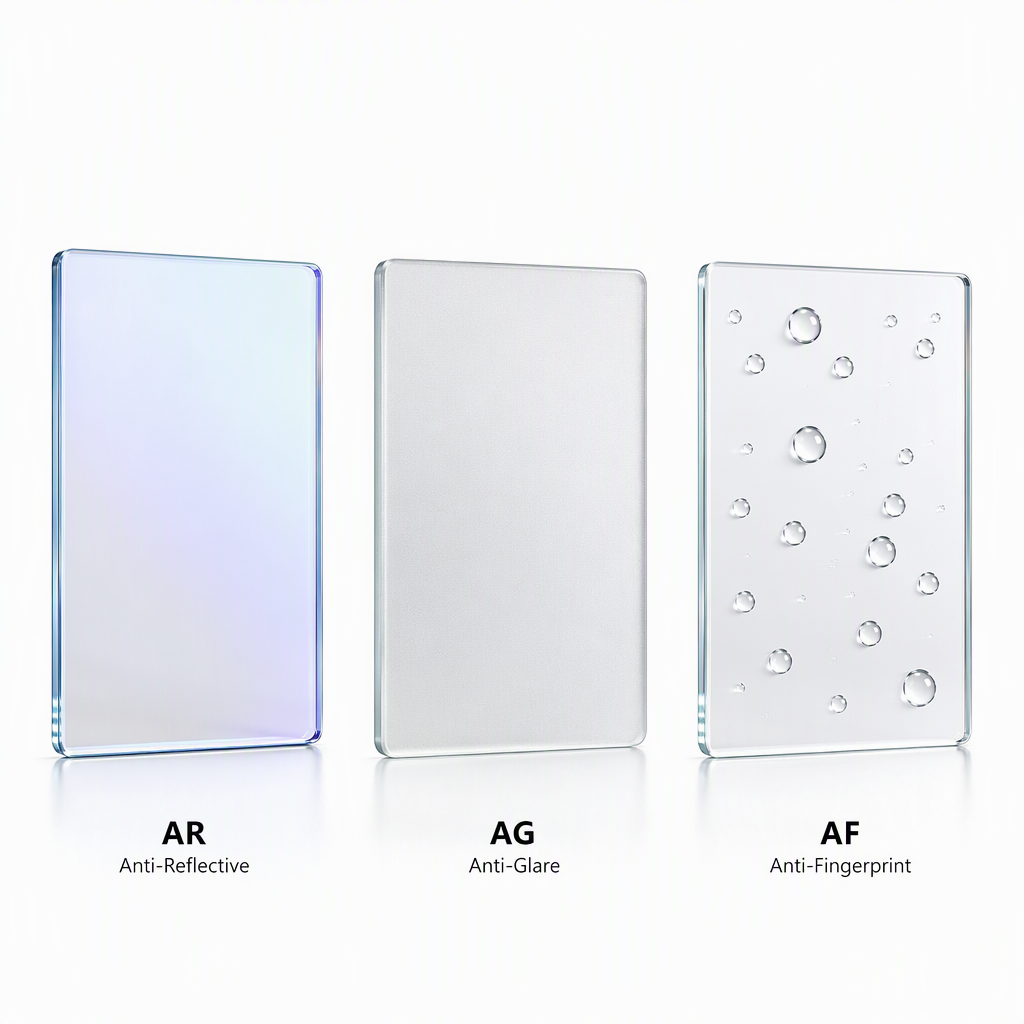
AR AG AF Coated Glass Anti-Reflective Coating Service
Custom coated glass sheets with AR, AG and AF surface engineering — the core route for outdoor touch display anti-glare upgrades.
View product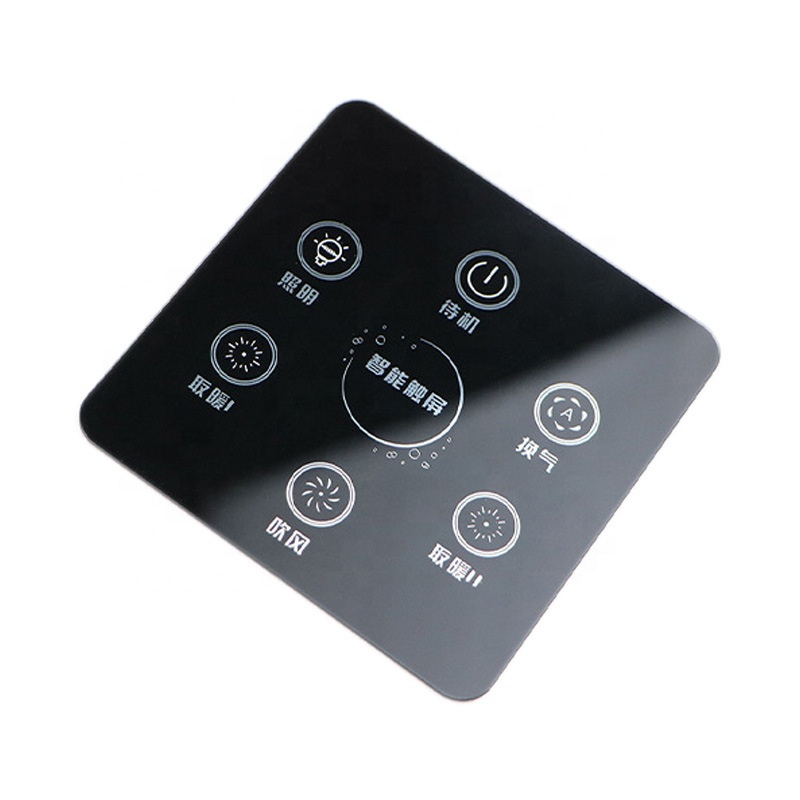
Intelligent Tempered Glass Shower Control Switch Panel
An example of printed, tempered glass for moisture-adjacent touch control, supplied with product-line warranty language and custom graphics.
View product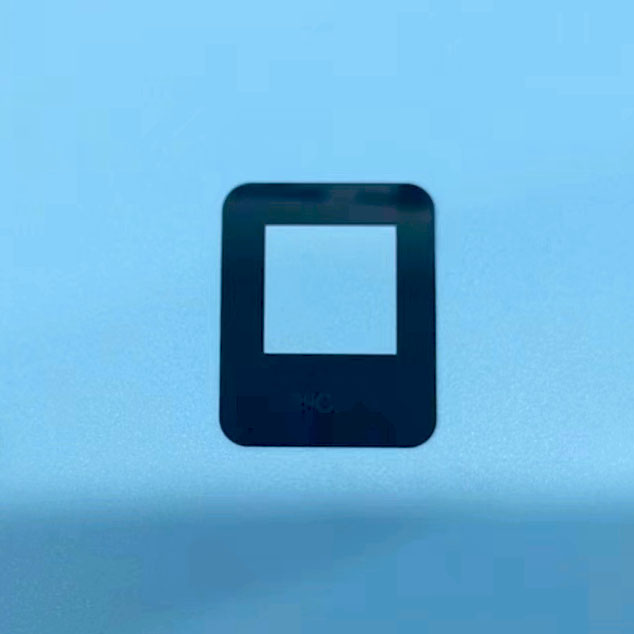
1 mm Black Tempered Glass Switch Socket Panel
Flat solid wall cover with print options for smart-home, hospitality and commercial interior control interfaces.
View product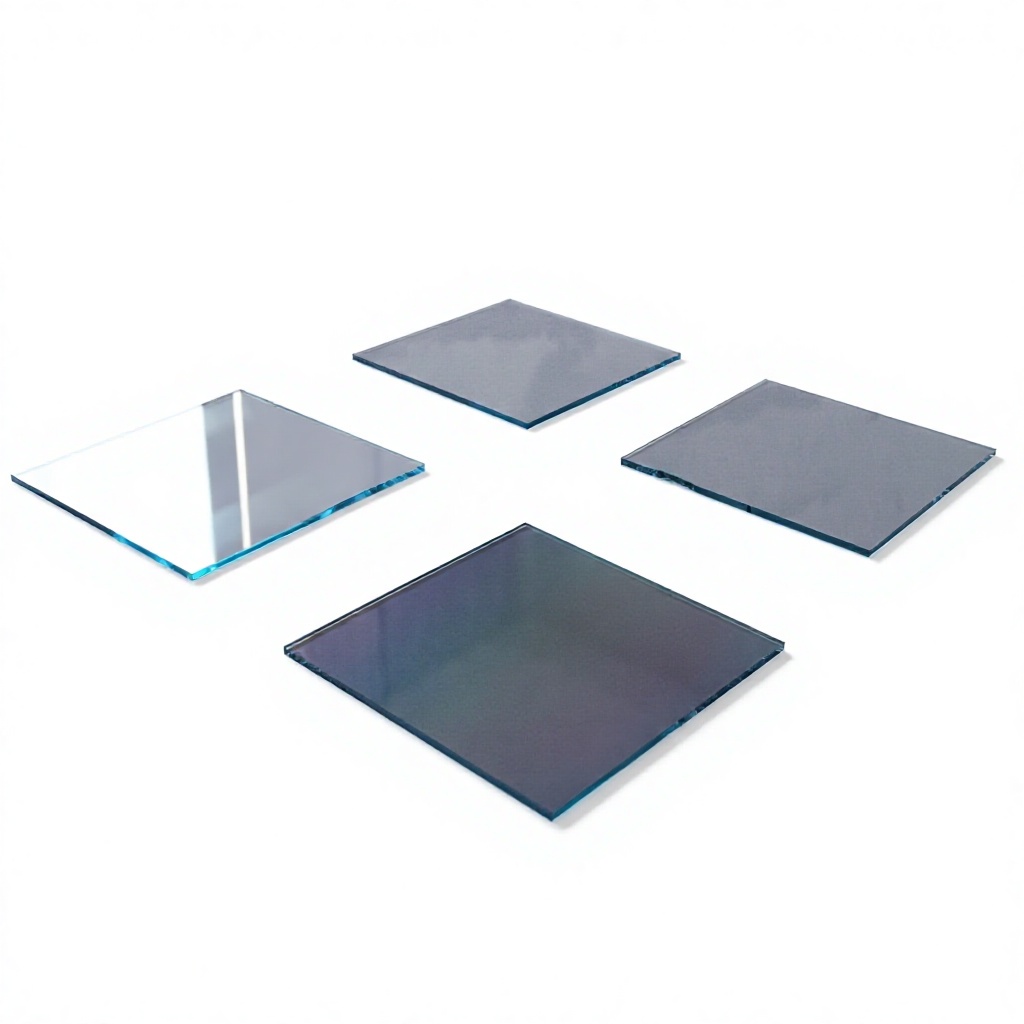
1.1 mm Custom ITO Coated Conductive Glass Panel
Custom-shape ITO glass with polished edge for industrial use; discuss pattern, busbar, flatness and optical requirements.
View product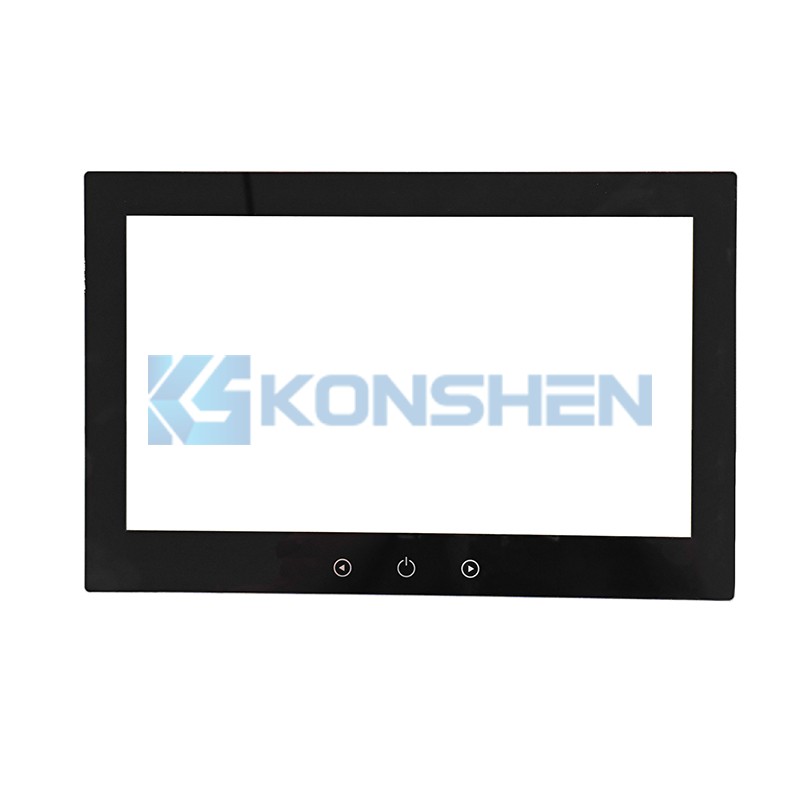
Electronic ITO Conductive Tempered Glass Custom Black Framed Display Cover
Combines printed black masking, touch conductivity and display protection for industrial monitor and HMI integration.
View productFactory-Direct Capability, Not a Trading-Company Facade
AG glass is not only a coating decision; it is a manufacturing-control decision. Chicago buyers need repeatable optics, durable printed graphics, verified packing and an export partner who can answer engineering questions after the sample arrives.
KELO is a Huizhou-based manufacturer and exporter serving Chicago sourcing teams. We do not claim a local Chicago factory; that distinction matters when a project requires verified production data, coating measurements and traceable quality records. Huizhou KELO Glass Co., Ltd. keeps cutting, CNC machining, edge polishing, silk-screen printing, tempering, coating and inspection under one roof.
Why AG Anti-Glare Glass Is a Functional Requirement in Chicago, Not a Cosmetic Upgrade
Outdoor touch displays rarely fail because the display is not bright enough. They fail because reflections, fingerprints, weather and cleaning make the interface hard to read or expensive to maintain. AG anti-glare coated glass diffuses incident light and reduces the sharp reflections that wash out menus, maps and wayfinding content.
Low winter sun, lakefront reflections and glass facades create hot spots. A tuned AG surface scatters these reflections so users see content rather than a mirror.
Diffuse skylight and snow reflection lift black levels. AG plus AR can protect contrast while maintaining transmission where the display stack allows it.
Public kiosks collect oils and fingerprints. AG+AF stacks combine glare diffusion with an oleophobic top layer that cleans more easily.
Chicago temperature swings demand attention to tempered glass, edge quality, print adhesion, coating durability and adhesive compatibility.
Production windows from KELO's AG line include controllable haze of 5–60% and gloss of 0.5–8 GU. The exact target should be agreed with the display integrator after an outdoor readability mock-up. Do not specify haze alone: haze, gloss, transmission and print color should be reviewed together.
Where AG Coated Glass Earns Its Place in Chicago's Outdoor Touch Ecosystem
Chicago is not a generic outdoor market. Lake breeze, salt, low winter sun, public transit footfall and long daylight exposure combine to create a demanding environment for any touch display that faces the street, a plaza or a parking structure.
Transit & wayfinding kiosks
CTA-adjacent maps, pedestrian guides and public information points need readable screens under changing light and heavy daily touch.
EV charging & parking
Outdoor charging screens, garage payment terminals and parking guidance displays face headlamp glare, weather and public use.
Stadiums & venues
Ticketing, concession and wayfinding screens around entertainment districts must stay legible during bright event-day conditions.
Museums & cultural campus
Outdoor interpretive panels and donation interfaces need a refined optical finish that does not look like a raw industrial monitor.
QSR drive-thru & pickup
Menu boards and order-confirmation screens require glare control, wipe-clean surfaces and durable printed borders.
Commercial lobbies
Property-management directories, access-control panels and tenant displays need AG glass that fits interior-grade fit and finish.
Industrial & logistics HMI
Yard, dock and warehouse touch terminals face sunlight, dust and gloves; AG glass improves operator readability.
Retail & digital-out-of-home
Street-facing retail screens and interactive promotions need reflection control without sacrificing brand graphics or color.
Chicago-Area Trends Reshaping Outdoor Touch Display Specifications
Across Chicago's public realm and commercial properties, buyers are moving from “can it turn on outdoors?” to “can it stay readable, cleanable and serviceable for years?” That shift favors engineered AG glass over untreated cover glass.
Smart-city wayfinding
Public-facing kiosks are being specified with brighter displays, anti-glare surfaces and durable printed graphics rather than simple enclosures.
EV charging expansion
Charging networks need payment and status screens that remain readable in rain, snow and low-angle sun, with easy-clean touch surfaces.
Accessibility and all-weather use
Glare control supports inclusive design: clearer contrast, fewer reflections and less user repositioning to see the screen.
Daylight-readable DOOH
Digital-out-of-home buyers increasingly compare haze, gloss and transmission data instead of treating anti-glare as a cosmetic add-on.
Cold-weather durability
Freeze–thaw, salt spray and UV exposure are moving earlier into the RFQ, especially for lakefront, parking and transit projects.
Factory-direct sourcing
Chicago integrators want direct access to coating engineers, sample validation and export documentation instead of layered trading margins.
Recommended AG Glass Configurations for Chicago Projects
Start with the operating condition, not the catalogue. These four configurations are practical starting points for Chicago outdoor touch display programs; final specification should be confirmed with a sample and a drawing review.
AG Tempered Display Glass
Single-function anti-glare cover glass with controllable haze and gloss for outdoor kiosks, parking terminals and wayfinding screens.
AR + AG Coated Glass
Combines anti-reflective transmission with anti-glare diffusion for high-ambient conditions, bright displays and premium outdoor interfaces.
AG + AF Coated Glass
Adds an oleophobic top layer to an AG surface for public touch interfaces that collect fingerprints, lotions and road grime.
AG + ITO / Printed Cover
Integrates conductivity, black masking, brand graphics and glare control on one custom glass part for industrial and monitor applications.
How to Write a Chicago-Ready RFQ for AG Glass
A useful RFQ does more than name a thickness. It defines the optical target, the operating environment, the integration method and the acceptance evidence. This is where information gain happens: the more precisely you specify, the fewer sample iterations you need.
Optical targets
State haze, gloss, transmission and measurement method. Ask for a sample report, not just a catalogue value.
Substrate & strength
Define glass type, thickness, tempering or chemical strengthening, edge finish and flatness tolerance.
Touch integration
Indicate ITO sheet resistance, printed borders, 2.5D/3D forming, 3M adhesive and flex/connector requirements.
Weather validation
List temperature cycling, salt spray, UV exposure, abrasion, adhesion and cleaning-agent tests expected for Chicago service.
Sample approval
Validate outdoor readability with a physical sample under real sun angle, then lock the coating stack and print color.
Export & packing
Confirm Incoterms, honeycomb cartons, blister trays, partition packing and delivery expectations to Chicago.
Inside the Factory: How KELO Controls AG Glass from Sheet to Shipping Carton
Keeping process steps in-house reduces handling damage, finger-pointing and hidden delays. For an AG outdoor display project, that control matters from the first glass cut through the final appearance inspection.
KELO's Huizhou factory performs cutting, CNC machining, drilling, edge polishing, laser engraving, silk-screen printing, sandblasting, flat and curved tempering, AR/AG/AF/ITO coating, 2.5D/3D forming and 3M adhesive bonding. The same site handles IQC, IPQC and FQC/OQC checks, so the sample approved by a Chicago integrator can be converted into a controlled production drawing.
For specialty programs, the factory also processes Gorilla glass, borosilicate glass, quartz glass, sapphire glass, ceramic glass, lead shielding glass and laminated safety glass. Typical bulk lead time is 21–31 days after sample approval, depending on size, coating stack, curved forming and printing complexity. Samples can start from 1–2 pieces for fit, optics and coating validation.




Sheet cutting, water-jet cutting, CNC machining, drilling and edge polishing.
Silk-screen printing, laser engraving, sandblasting, flat and curved tempering.
In-house AR, AG, AF and ITO coating with measured optical performance.
2.5D/3D curved forming and 3M adhesive bonding for integrated assemblies.
Incoming, in-process and final checks with defined release criteria.
Honeycomb cartons, blister trays and partition packing to reduce transit damage.
Independent Proof for Chicago Buyers Evaluating an AG Glass Exporter
For E-E-A-T due diligence, verify the factory, reviews and trade records before placing a volume order. These links go to KELO's company profile and verification pages.
On-site verification report covering factory and capability.
View report Ratings & ReviewsReal buyer feedback behind the store rating and service record.
Read reviews Factory VideoWalk through production, coating and inspection areas.
Watch video Trade CapacityExport markets, terms, logistics capability and transaction profile.
View capacityAG Anti-Glare Coated Glass Procurement Questions from Chicago Buyers
These are the practical questions procurement and engineering teams ask before approving an AG glass sample for an outdoor touch display program.
Are you a Chicago-based factory or a China exporter?
KELO is a factory-direct manufacturer in Huizhou, Guangdong, China. We serve Chicago buyers as an exporter and do not claim a local Chicago factory. Buyers can review our verified assessment, factory video, trade capacity and company profile before ordering.
What is the minimum order quantity for custom AG glass?
Sample orders can start from 1–2 pieces so you can validate fit, optics and coating performance before committing to volume. Bulk quantities are quoted per drawing, coating stack, size, printing and annual demand.
Should I choose AG or AR for an outdoor touch display in Chicago?
AG is generally selected when reflected glare is the main problem: street-level sun, lakefront reflection or bright plaza light. AR is selected when maximum transmission and reduced surface reflection are the priority. Many outdoor touch projects use AR+AG when both contrast and glare diffusion matter.
What AG haze and gloss should I specify?
KELO's AG production window includes controllable haze of 5–60% and gloss of 0.5–8 GU. The correct point depends on viewing distance, display brightness, content detail and ambient light. A practical approach is to review a moderate haze sample outdoors in Chicago-like sun before locking the final target.
Can AG glass handle Chicago winters and de-icing salt?
For cold-weather service, specify tempered glass, controlled edge quality, coating adhesion and print durability. Discuss temperature cycling, salt-spray exposure and cleaning-agent resistance during RFQ. Final validation should reflect the actual enclosure, adhesive and installation location.
Can you combine AG with AF, AR or ITO conductive glass?
Yes. KELO produces AR, AG, AF and ITO/FTO coated glass and can review combined stacks such as AR+AG or AG+AF. For conductive touch assemblies, ITO sheet resistance, transmission, haze and printed masking are reviewed together with the glass drawing.
What is the lead time and how do you ship to Chicago?
Bulk lead time is typically 21–31 days after sample approval, depending on size, coating stack, curved forming and printing complexity. Packaging options include honeycomb cartons, blister trays and partition packing. Trade terms include FOB, CFR, CIF, EXW and DDP.
Which payment methods and trade protections are available?
KELO supports T/T, L/C, PayPal and Western Union. Orders placed through Alibaba.com can be protected by Trade Assurance. For first projects, buyers commonly approve a sample and then place a trial production order before annual volume commitments.
How do you control quality and protect glass in transit?
Quality is controlled through incoming, in-process and final inspection with 100% appearance checking, plus tempering, adhesion, abrasion and salt-spray tests. Custom honeycomb cartons, blister trays and partition packing are used to reduce transit damage to coated and printed glass.
Send Your Drawing. We Will Return a Feasible AG Glass Specification.
Share your display size, target haze and gloss, glass thickness, annual volume, printing or ITO requirements and any Chicago-specific environmental tests. Our engineering team will review manufacturability and recommend an AG, AR+AG or AG+AF glass stack for your outdoor touch display program.