Anti-Reflective Glass and Custom Cover Glass for Hanoi Wholesale Buyers
Hanoi buyers rarely purchase “glass” as a single commodity. Projects need optical clarity for museums and luxury retail, anti-glare performance for outdoor kiosks, anti-fingerprint control panels for appliances, conductive glass for sensors, or toughened covers for industrial interfaces. The eight product lines below cover that specification spread and are supported by in-house cutting, CNC, printing, tempering, coating and inspection. Product URLs are preserved exactly as supplied.
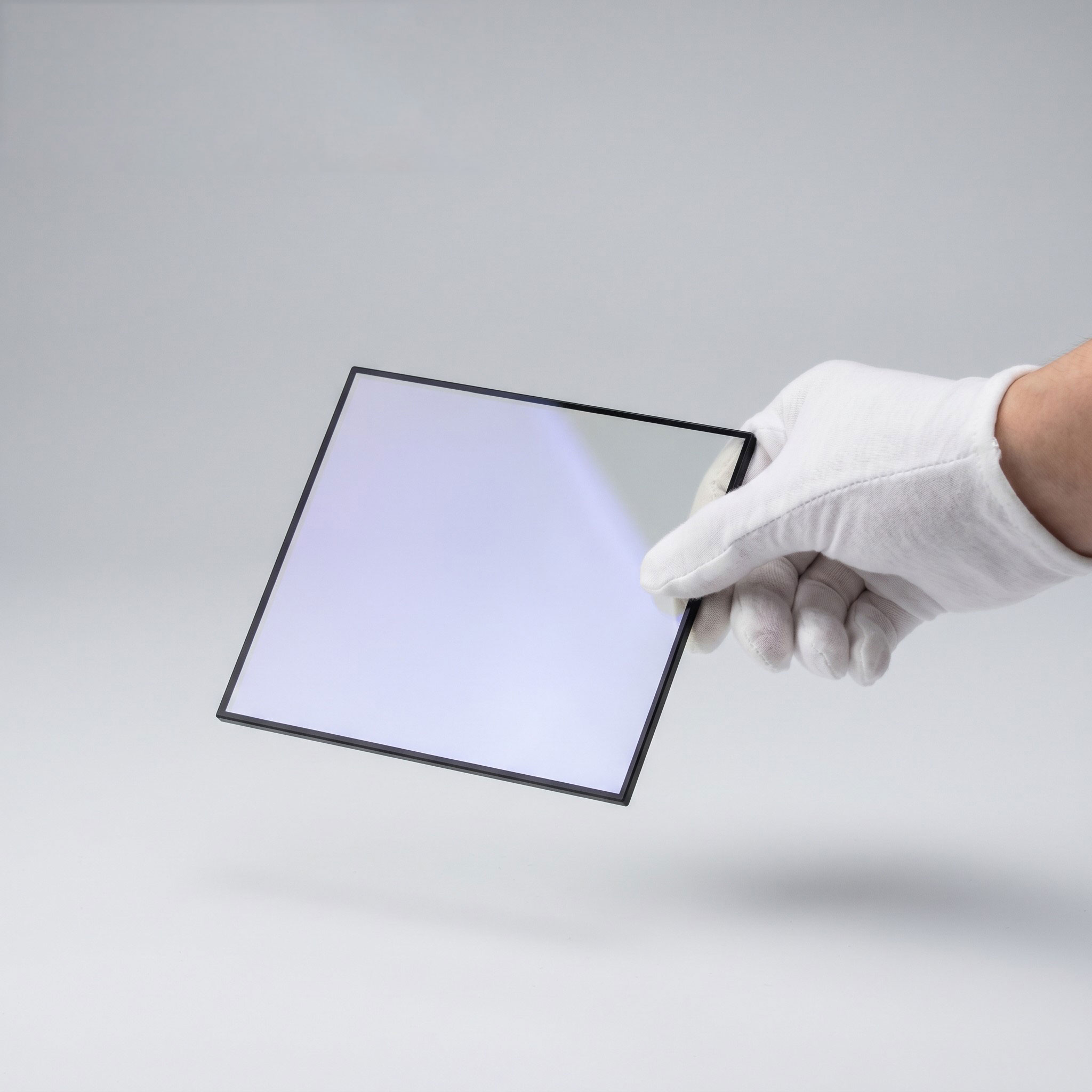
High Transmittance 98% Anti-Reflective AR Glass for Museum Showcase Luxury Picture Frame Low Reflectance Coated 1mm-19mm
For Hanoi galleries, jewellery showrooms, hotel lobbies and heritage displays where reflected light hides colour and detail. Specify glass thickness, reflectance target, visible-light transmittance, size and edge finish before quoting.
- 1–19 mm
- AR coated
- Custom size

Factory Customized Anti-fogging Anti Reflective Glass Ultra Thin Tempered Toughened Optical ITO FTO Conductive Glass for Lab
Useful for humid laboratories, bathroom controls, automotive clusters and indoor display windows in Hanoi where condensation and reflection compete. The brief can combine anti-fogging treatment, AR coating, tempered glass and conductive options.
- Anti-fogging
- Tempered
- ITO/FTO
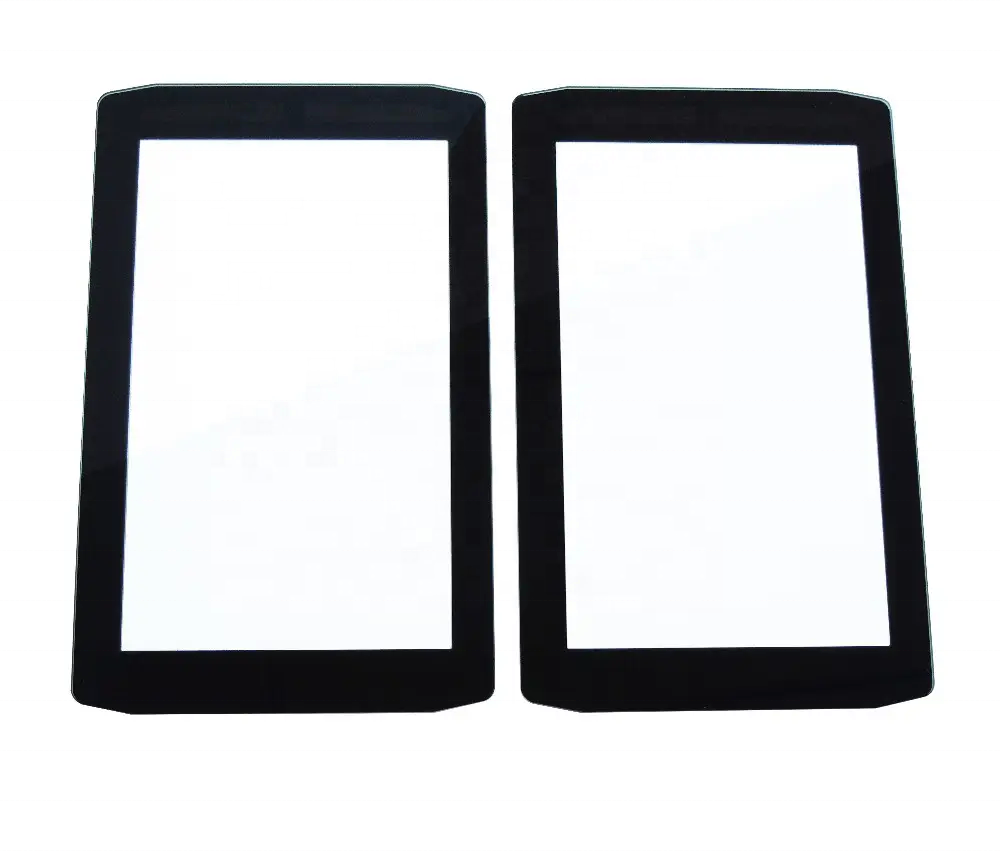
AG High Quality Solid Tempered Glass Anti-Glare Digital Screen Display Customizable Touch Screen Panel Factory Direct Outdoor
For outdoor kiosks, building directory screens and roadside digital signage exposed to bright Hanoi sunlight. Choose haze and gloss carefully: too much diffusion can soften text, while too little leaves specular glare on the display.
- AG coating
- Haze control
- Tempered
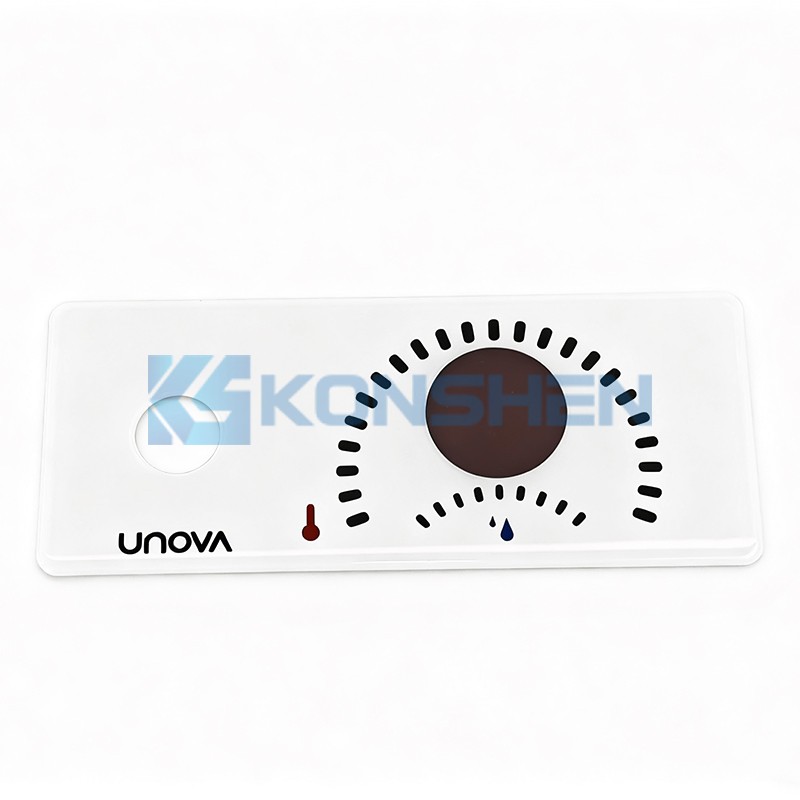
Custom Silk Screen Printed Tempered Glass Electronic Control Panel Cover for Smart Appliances
For Vietnamese appliance brands, smart-home distributors and control-panel integrators needing glass with printed borders, icons, touch windows and AF cleanability. Printing alignment, colour consistency and touch sensitivity windows should be reviewed on the drawing.
- Silk-screen
- AF option
- Control panel
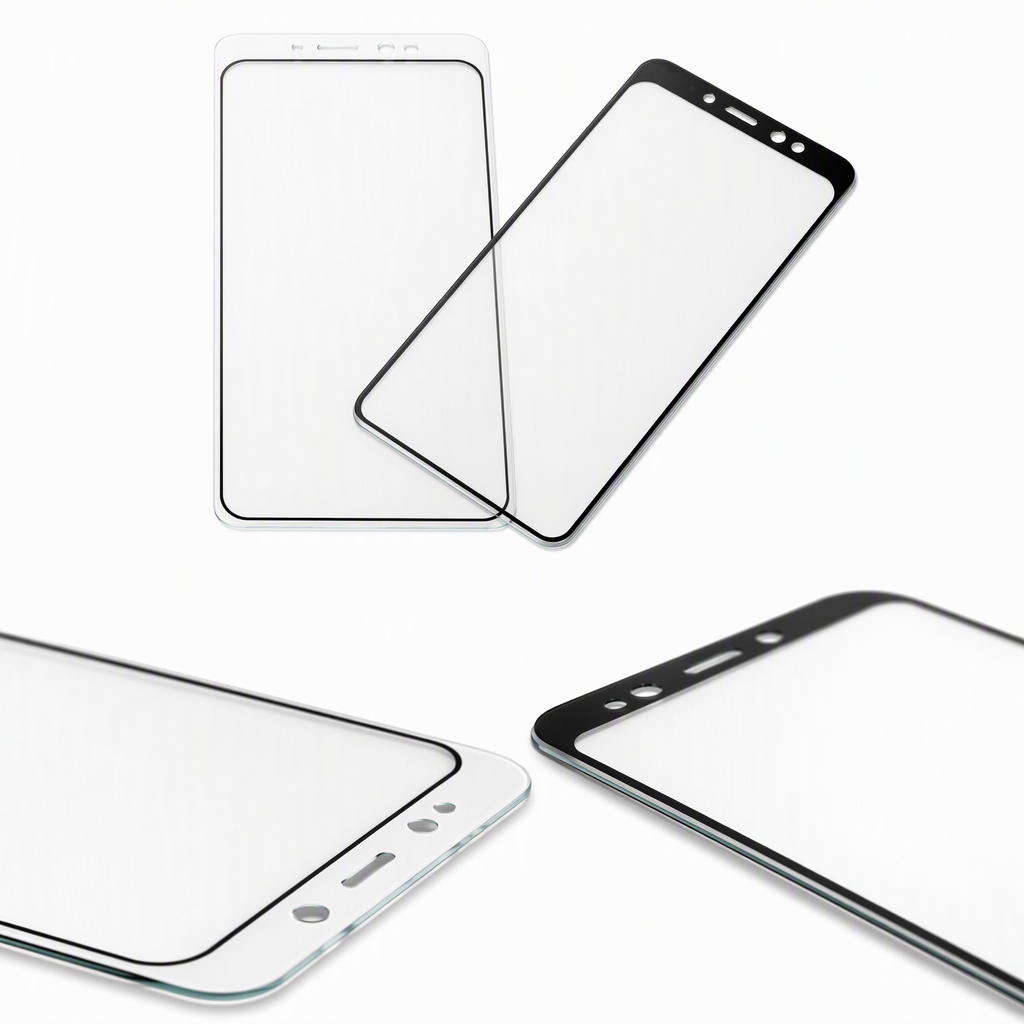
Toughened Glass Panel No Coating CNC Hole Drilling Irregular Shape Silk Screen Printed Custom Size Wholesale Supplier
For industrial HMI housings, display bezels and equipment windows where holes, cut-outs, countersunk features and non-standard outlines are required. No coating may be preferred where optical coating is not part of the specification.
- CNC holes
- Toughened
- Custom outline
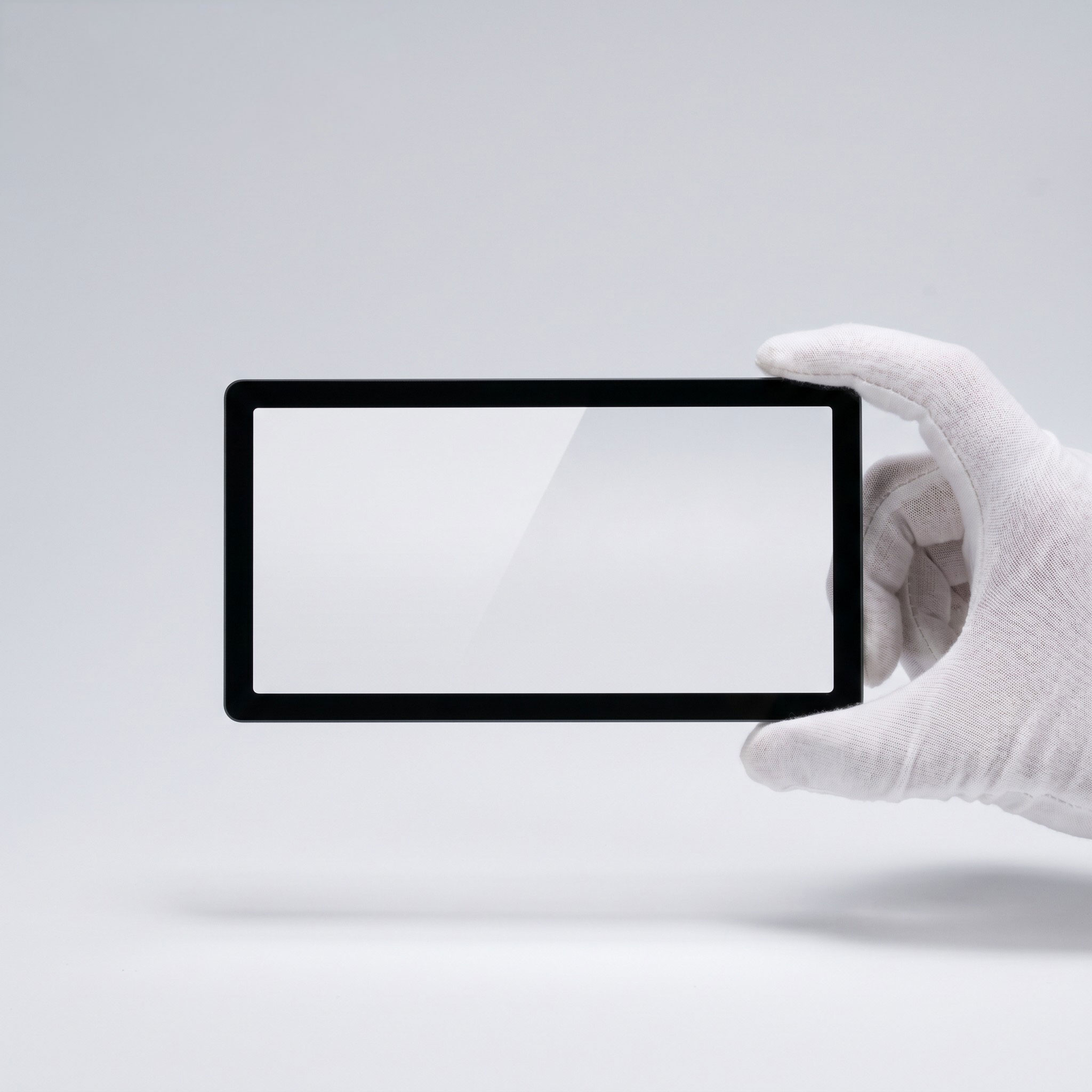
Custom Size Gorilla Glass Front Panel Panda Cover Sheet CNC Cut Silk Printed Tempered Glass Solar Display Screen Cover
For solar display covers, outdoor instrument windows and premium front panels where strength, clarity and scratch resistance matter. CNC cutting and silk printing can be combined for a finished front assembly.
- Gorilla glass
- CNC cut
- Solar display

Round Oval PTFE 3M Wear-resistant Smooth Mouse Feet Stickers Glass Pad Resin Pads
For gaming peripheral brands and Hanoi PC distributors sourcing smooth PTFE mouse feet and glass pad accessories. Discuss adhesive grade, shape, thickness and retail packaging before bulk production.
- PTFE
- 3M adhesive
- OEM shapes
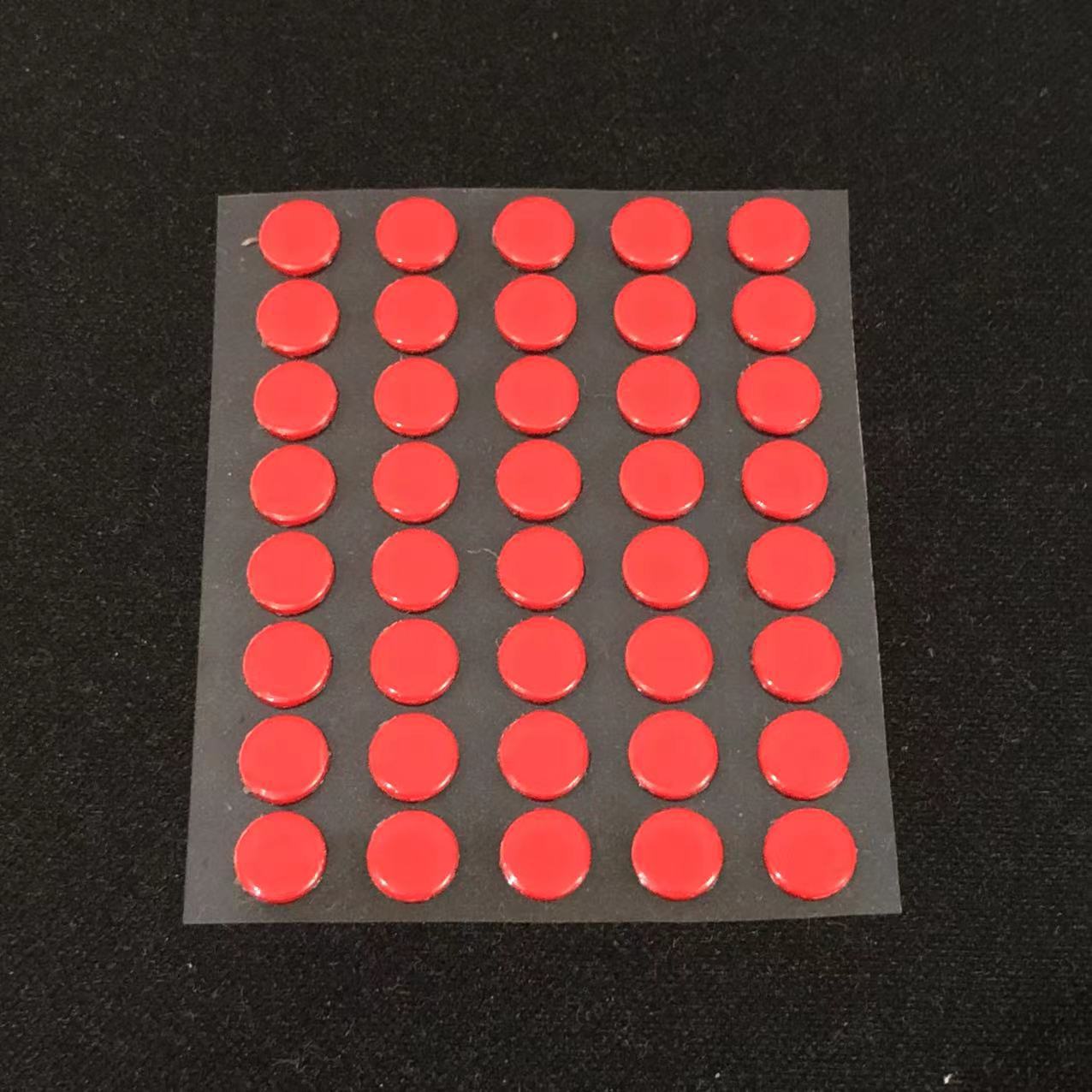
Factory Price Round Red Mouse Sticker Pads Universal Glass Mouse Skates with Small Dot PTFE Non-slip Mouse Feet
For entry-level gaming mice, accessory bundles and local e-commerce sellers comparing factory price, colour, adhesive and non-slip performance. Ask for application instructions to reduce after-sales returns.
- Round dots
- Red PTFE
- Factory price
A Hanoi Supplier Relationship Needs Traceable Production, Not Only a Catalogue
Anti-reflective glass is a specification-led purchase. A good sample is not enough if the production lot changes coating colour, reflectance, edge quality or packing. Huizhou KELO Glass Co., Ltd. is structured around in-house surface engineering and factory-direct accountability for AR, AG, AF, ITO/FTO and custom cover glass.
Six Advantages That Matter to Hanoi Importers, Distributors and Project Specifiers
Hanoi buyers compare landed cost, sample speed, technical clarity and after-sales risk. These are the operational advantages that should be checked during supplier qualification.
In-house optical coating
AR, AG, AF and conductive coating are treated as core processes, not outsourced extras. This supports tighter control of reflectance, haze, colour neutrality and coating durability.
One factory, many critical steps
Cutting, CNC machining, edge polishing, laser engraving, silk-screen printing, sandblasting, flat and curved tempering, 2.5D/3D forming, coating and 3M adhesive bonding can run under one roof.
Fast sample validation
Sample orders can start from 1–2 pieces so Hanoi buyers can validate fit, optics, coating performance and packaging before committing to volume. Engineering review can flag drawing risks early.
Three inspection gates
Incoming, in-process and final inspection cover dimensions, appearance, tempering, adhesion, abrasion and salt spray. Final inspection includes 100% appearance checking before protective packing.
Export packing discipline
Custom honeycomb cartons, blister trays and partition packing reduce transit damage. For humid Hanoi storage, packing, desiccant strategy and carton labelling should be agreed before shipment.
Verifiable trading record
Buyers can review the company profile, verified assessment, ratings, transaction level, trade capacity and trade history. Trade Assurance is supported for eligible orders placed through Alibaba.com.
Why Anti-Reflective Glass Demand in Hanoi Is Not a Copy of Europe
Hanoi combines bright tropical light, high humidity, dense urban frontage, heavy motorbike traffic, fast retail development and a growing electronics and appliance distribution sector. A specification that works in a dry, low-glare showroom may disappoint in a Hanoi lobby if condensation, cleaning method, edge quality and packaging are ignored. Buy AR glass as a system: substrate, coating, tempering, printing, adhesive, cleaning regime and logistics.
Luxury retail & jewellery showrooms
Hanoi’s premium retail streets and hotel arcades need showcases that do not veil watches, jewellery or lacquerware under reflected light. AR-coated glass preserves colour and detail while allowing directed spotlights.
Museums, galleries & cultural tourism
Institutions displaying artefacts, documents and sculpture need low-reflectance glass that does not distort viewing angles. For high-value cases, request measured transmittance and reflectance data rather than a generic AR label.
Automotive, EV & dealer displays
Showroom dashboards, centre-console displays and charging-station interfaces benefit from AR or AR+AG glass. Buyers should specify the operating angle, cleaning chemical exposure and whether the glass will be bonded to a display module.
Smart home & appliance panels
Control panels need AF anti-fingerprint performance, printed graphics and tempered safety. In Hanoi’s humid kitchens and bathrooms, cleanability and edge sealing should be discussed together with glass thickness and touch-window design.
Outdoor digital signage & kiosks
Bright pavements and building façades create glare that can overwhelm conventional display glass. AG glass with controlled haze, or a combined AR+AG stack, can protect contrast while maintaining touch usability.
Hotels, bathrooms & high-humidity interiors
Mirrored panels, bathroom controls and lobby displays can fog or stain if the surface is not selected for the cleaning regime. Anti-fogging and AF options should be tested against the buyer’s actual maintenance process.
Six Trends Shaping Anti-Reflective Glass Procurement in Hanoi
The Hanoi market is not only price-sensitive. It is increasingly specification-aware, because importers and project owners carry the cost of rework, delays and damaged deliveries.
Humidity-aware specifications
Hanoi’s humid season pushes buyers to ask about anti-fogging, AF cleanability, edge quality and packaging. AR coating alone is not a moisture barrier, so the full assembly and storage conditions must be considered.
Experience-led retail
Luxury boutiques, hotel showrooms and cultural venues are investing in visual presentation. Museum-grade AR glass is becoming a differentiator for project suppliers who can document reflectance and colour neutrality.
Outdoor display glare control
Digital kiosks, building directories and outdoor advertising screens are growing in Hanoi. AG glass with the right haze and gloss reduces glare without creating an unacceptable “sparkle” effect on high-resolution displays.
Local assembly & OEM customisation
Vietnamese appliance, electronics and lighting brands increasingly request custom sizes, holes, printed borders and 2.5D/3D shapes. Buyers want a factory that can review drawings and suggest cost-effective tolerances.
Shorter, more controlled supply chains
Guangdong-to-Vietnam logistics is practical for samples and bulk shipments, but buyers are asking for clearer Incoterms, packing standards and dispatch milestones. Factory-direct communication reduces handoff ambiguity.
Energy-conscious visual performance
Higher visible-light transmittance can support display brightness and lighting design. For showcase and façade projects, AR glass should be evaluated alongside lighting power, colour rendering and maintenance access.
AR, AG, AF or Anti-Fogging? A Buyer’s Table for Hanoi Projects
Do not order “AR glass” as a generic phrase. Define the performance window: reflectance wavelength band and angle, visible-light transmittance, haze, colour neutrality, coating side, pencil hardness, contact angle, adhesion, tempering, size tolerance, printing, adhesive and packing.
| Technology | Key specification to request | Best-fit Hanoi use | Buyer verification point |
|---|---|---|---|
| AR anti-reflective | Reflectance <1.0% per side; transmittance >99% across 400–700 nm for selected grades; single or multi-layer coating | Museum showcases, luxury retail, automotive displays, high-brightness monitors | Ask for measured reflectance and colour shift, not only a visual sample photo |
| AG anti-glare | Haze 5–60%; gloss 0.5–8 GU; tempered substrate available | Outdoor kiosks, digital signage, industrial HMI, sunlight-readable touch panels | Check text sharpness, sparkle and touch feel at the intended viewing distance |
| AF anti-fingerprint | Water contact angle >110°; abrasion durability >10,000 cycles; transmittance >98% | Smart appliance panels, control interfaces, high-touch displays | Test with the buyer’s actual cleaning cloth and chemical cleaners |
| Anti-fogging + AR | Project-specific fog test; tempered glass; edge finish and packing agreed against humid storage | Bathroom controls, humid labs, hotel interiors, automotive clusters | Clarify whether anti-fogging is a coating, surface treatment or assembly-level solution |
| ITO / FTO conductive | Sheet resistance 1–20 Ω/sq; transmittance >85%; haze <2% | Capacitive touch sensors, EMI shielding, thin-film solar and high-temperature processes | ITO is common for touch and displays; FTO is often preferred where thermal and chemical stability matter |
| Tempered / chemically strengthened cover glass | Thickness 0.1–19 mm; 2.5D/3D forming; CNC holes; silk print; 3M adhesive bonding | Appliance panels, industrial HMI, solar display covers, smart-home interfaces | Review edge quality, hole positions, printing tolerance and packing method |
Production capability should be confirmed against your drawing during engineering review. Final acceptance criteria belong in the approved sample and inspection plan.
How a Hanoi AR Glass Order Moves from Drawing to Delivery
A structured path reduces sample rounds and protects the buyer from production surprises. The same workflow applies to a first trial order and to repeat wholesale supply.
Share the drawing and use case
Send the CAD drawing, target size, thickness, coating stack, printing, annual volume, destination and any cleaning or humidity requirements.
Engineering review and DFM
The factory checks tolerance, CNC feasibility, coating side, curved forming, print alignment, adhesive and packing risk before quoting.
Sample validation
Samples can start from 1–2 pieces. Validate optics, fit, touch response, colour, strength and cleaning before mass production approval.
Mass production and Hanoi delivery
Bulk lead time is typically 21–31 days after sample approval, depending on complexity. FOB, CFR, CIF, EXW and DDP terms can be discussed.
Seven checks before you place a Hanoi anti-reflective glass order
- Reflectance and transmittance measured against the agreed method
- Coating side and whether the surface will be exposed or bonded
- Glass thickness, tempering standard and edge quality
- CNC holes, cut-outs, print colour, logo and touch-window tolerance
- Anti-fogging or AF cleaning regime for humid Hanoi interiors
- Carton strength, blister tray, partitions and desiccant strategy
- Incoterms, import documentation and third-party inspection option
Huizhou KELO Glass Co., Ltd. — One Accountable Partner for Custom Optical Glass
KELO Glass is a factory-direct manufacturer located in Huizhou, Guangdong, inside the Greater Bay Area electronics supply chain. The company produces touch screen cover glass, display cover glass and optical coated glass, with advanced surface treatment as its core technology. For Hanoi buyers, the value is not simply a lower quotation; it is clearer engineering feedback, fewer handoffs and a documented production route from raw sheet to packed carton.
Every key process can run under one roof: cutting, CNC machining, edge polishing, silk-screen printing, flat and curved tempering, coating and 3M adhesive bonding. This structure supports one accountable supplier, tighter tolerances, stable lead times and pricing without unnecessary middle-man margins.
- Verified manufacturer, not a trader
- Engineering drawing review and DFM feedback
- Rapid prototyping from 1–2 pieces
- 100% appearance inspection before packing
- FOB, CFR, CIF, EXW and DDP terms
- Trade Assurance supported on eligible orders


Common Procurement Questions from Hanoi Importers and Wholesalers
These are the questions that usually arise before a first anti-reflective glass order, sample request or wholesale quotation for Vietnam.
What is the minimum order quantity for anti-reflective glass samples and wholesale orders?
How long does production and delivery to Hanoi usually take?
Which Incoterms and payment methods are accepted for Vietnam?
Can you supply anti-reflective glass for Hanoi’s humid climate?
What is the difference between AR, AG and AF glass for a Hanoi showroom or display?
Can you match a drawing with holes, irregular shape, silk print and 2.5D or 3D forming?
How do you control quality and reduce transit damage to Vietnam?
How can a Hanoi buyer verify quality before mass production?
Request an Anti-Reflective Glass Sample for Your Hanoi Project
Send your drawing, target coating performance, estimated annual volume and destination in Vietnam. The KELO Glass engineering team can review feasibility, suggest the most suitable AR, AG, AF, anti-fogging or cover glass construction, and prepare a quotation for samples or wholesale supply.
For buyers comparing factory-direct suppliers, include your required Incoterm, packing preference and any humidity, cleaning or outdoor-exposure conditions. Clear inputs lead to faster samples and fewer production changes.